

P0031 on 2015-2017 Ford Mustang 3.7L V6: Heater Circuit Causes and Fixes
This code points to a failure in the heater circuit of the passenger-side upstream oxygen sensor. The most common fix is replacing the Bank 1, Sensor 1 O2 sensor itself. Expect to pay $50-$90 for an aftermarket sensor or $120-$180 for an OEM Motorcraft part. It's a DIY-friendly job (2/5 difficulty).
- P0031 on your Mustang almost always means the passenger-side, pre-catalytic converter O2 sensor has failed.
- Before buying a new sensor, always perform a quick visual check of the wiring for melting or damage and check the related fuse (likely F47 in the engine bay).
- Bank 1 is the PASSENGER side. Bank 2 is the driver's side. Do not mix them up.
- Replacing the sensor is a manageable DIY job with the right tool (an O2 sensor socket) and can save you significant labor costs.
What's Unique About the 2015-2017 Ford Mustang
For the S550 generation Mustang with the 3.7L Cyclone V6, this code is a straightforward electrical fault. There are no widespread, unique design flaws or TSBs related to this specific code on this platform. The issue is almost always isolated to the sensor itself or the wiring harness near the hot exhaust components. The key is correctly identifying Bank 1 as the passenger side to avoid replacing the wrong sensor. The 3.7L Cyclone in the RWD Mustang uses an external, belt-driven water pump, which makes it more reliable than the transverse (FWD/AWD) versions of the same engine that use a problematic internal, timing-chain-driven water pump.
Symptoms You May Notice
- Check Engine Light is on
- Decreased fuel economy
- Rough or unstable idle, especially when the engine is cold
- Failing a vehicle emissions test
- Occasional stall on the first start of the day.
- Replacing the wrong oxygen sensor (e.g., the driver's side sensor, Bank 2, or the downstream sensor, Sensor 2).
- Replacing the oxygen sensor without first checking the fuse and inspecting the wiring for obvious damage.
Most Likely Causes
- Failed Bank 1, Sensor 1 Oxygen Sensor 🔴 High Probability → Shop Oxygen Sensor The internal heater element within the oxygen sensor is a common failure point due to constant heat cycles and age. It can short out or burn out like a light bulb filament, causing a low resistance reading.
How to confirm: Unplug the sensor and measure the resistance across the two heater circuit pins (usually the two wires of the same color) with a multimeter. An open circuit (infinite resistance) or a resistance value far outside the manufacturer's specification indicates a failed heater. A typical resistance for a good heater is between 2 and 20 Ohms.
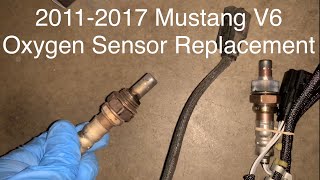
Typical fix: Replace the Bank 1, Sensor 1 (passenger side, upstream) oxygen sensor. 🎬 Watch: Step-by-step guide to replacing O2 sensors on your 3.7L Mustang
Est. part cost: $50-$180 - Damaged Wiring or Connector 🟡 Medium Probability The sensor wiring is located near the hot exhaust manifold and can become brittle, melted, or frayed over time, leading to a short circuit to ground.
How to confirm: Visually inspect the entire wiring harness from the O2 sensor connector back to the main engine harness. Look for any signs of melting, chafing against the engine block or frame, or corrosion inside the connector plug. Perform a continuity test on the heater circuit wires and check for a short to ground.
Typical fix: Repair the damaged section of wire or replace the connector pigtail.
Est. part cost: $15-$40 - Blown Fuse ⚪ Low Probability
How to confirm: Consult the owner's manual or a service manual to locate the fuse for the O2 sensor heater circuit. On a 2015 Mustang, this is often fuse F47 in the engine compartment fuse box. Visually inspect the fuse and test it for continuity with a multimeter.
Typical fix: Replace the blown fuse. If the new fuse blows immediately, it confirms a short circuit is present in the wiring or the sensor itself.
Est. part cost: $1-$5
Rare But Worth Checking
- Faulty Powertrain Control Module (PCM): This is extremely rare. The PCM's internal driver for the heater circuit can fail. This should only be considered after all other possibilities (sensor, wiring, fuses) have been exhaustively tested and ruled out.
Diagnosis Steps
- Scan for any other DTCs to ensure P0031 is the only issue.
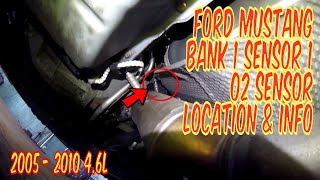
- Locate Bank 1, Sensor 1. On the 3.7L V6, this is the passenger-side upstream oxygen sensor, mounted on the exhaust manifold before the catalytic converter. 🎬 See this video for help locating the Bank 1 Sensor 1
- Visually inspect the sensor's wiring harness and connector for any signs of melting, burning, chafing, or corrosion. Pay close attention to where the harness might contact hot exhaust components.
- Check the fuse for the O2 sensor heater circuit. For the 2015-2017 Mustang, this is typically fuse #47 in the engine bay fuse box. Refer to the owner's manual for the correct fuse location.
- If the wiring and fuse are okay, disconnect the sensor. Use a multimeter to test the resistance of the heater element across the two heater pins on the sensor side of the connector (typically the two wires of the same color). A reading of infinite resistance (open) or very low resistance (short) indicates a bad sensor. A good sensor should read between 2 and 20 Ohms.
- If the sensor resistance is within spec, test for 12V power at the heater circuit pin on the vehicle harness side of the connector when the ignition is on. Also, check for a good ground on the corresponding ground pin.
- If there is no power or ground at the harness connector, the fault lies in the vehicle's wiring or, rarely, the PCM.
Parts You'll Likely Need
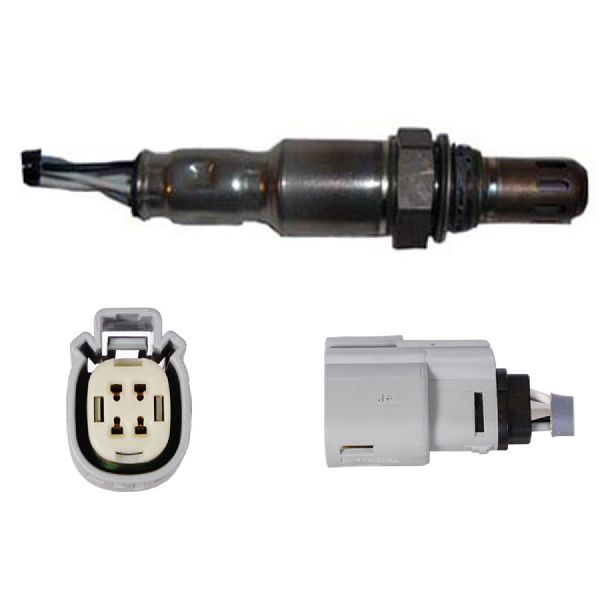
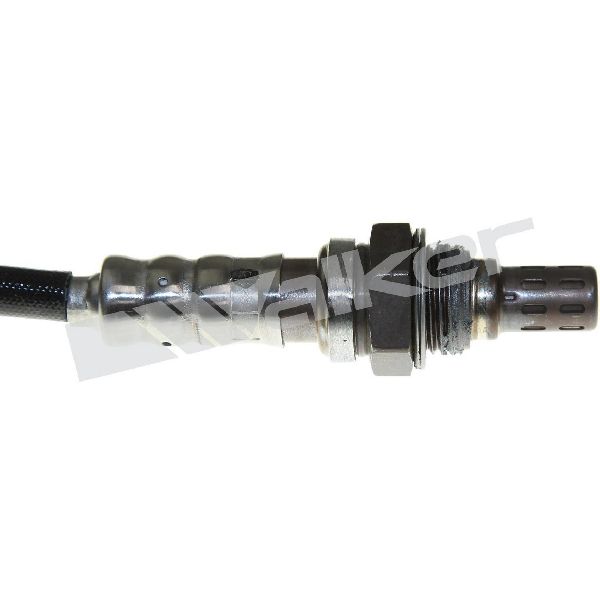
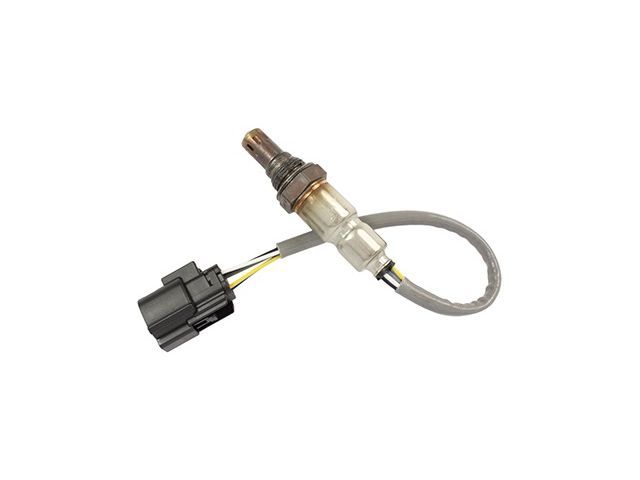
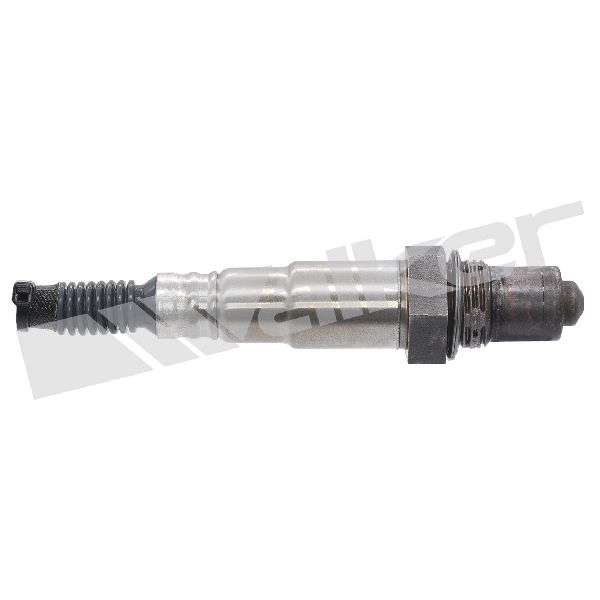
- Bank 1 Sensor 1 Oxygen Sensor (Upstream, Passenger Side)
(OEM #FB5Z-9F472-A)— This is the most common failure point for a P0031 code, as the internal heater element shorts out or fails over time.
Trusted brands: Motorcraft, Bosch, NTK, Denso
OEM price range: $120-$180
Aftermarket price range: $50-$90
Mechanic-Grade Diagnostic Values
- O2 Sensor Heater Element Resistance — expected: 2 to 20 Ohms. Failure: An open circuit (infinite resistance) or a dead short (near zero Ohms) indicates a failed heater element.
- Heater Circuit Voltage at Harness Connector — expected: 12V+ (Battery Voltage) with Key On, Engine Off. Failure: No voltage indicates a blown fuse or an open in the power supply wire from the fuse box.
- O2 Sensor Installation Torque — expected: 30-35 ft/lbs. Failure: Over-torquing can damage the sensor threads or body; under-torquing can cause exhaust leaks.
Scan Tool Commands That Help
- Ford IDS (Integrated Diagnostic System) or FORScan: Heated Oxygen Sensor (HO2S) Heater Actuation Test / On-Demand Self-Test — This bidirectional command allows a technician to manually turn the O2 sensor heater on and off to verify the integrity of the entire circuit, from the PCM driver to the wiring and the heater element itself. If the command fails to activate the heater, it confirms an electrical fault.
Wiring & Ground Locations
- Bank 1 Sensor 1 Connector Wires — On the passenger side exhaust manifold, before the catalytic converter.. Identifying the correct wires is crucial for testing. For the front right (Bank 1 Sensor 1), the signal wires are typically Red/White and Grey/Light Blue. The two heater wires are often the same color (e.g., both white or both black) and one will have 12V power while the other is the PCM control/ground.
- G104 — In the engine bay, near the battery on the driver's side.. This ground point serves the Data Link Connector (DLC). While not directly for the O2 sensor, a poor ground here can interfere with scan tool communication during diagnosis.
- G105 — On the lower part of the engine, near the starter motor.. This is a primary engine-to-chassis ground. A poor connection here can cause a host of electrical issues and unstable sensor readings because the engine block may not have a stable ground reference.
- G201 — Behind the passenger side kick panel, near the PCM.. This is a critical ground for the Powertrain Control Module (PCM). A fault here could cause numerous issues, including incorrect operation of sensor circuits controlled by the PCM.
OEM Part Supersession History
FB5Z-9F472-A→FB5Z-9F472-A (current)— This part number remains current for the specified vehicle application.
Heads up: The Motorcraft service part is DY-1292, which corresponds to the OEM part number FB5Z-9F472-A.
Model Year Variations Within This Range
- 2015-2017: There are no significant differences in the engine, wiring, or PCM strategy related to the P0031 code for the 3.7L V6 across these model years. The chassis, engine, and core electrical components are interchangeable.
Diagnostic Flowchart
Other Known Issues on This Vehicle
Issues unrelated to this code that are worth knowing about as an owner of this generation:
- A/C Evaporator Core Leak 🔴 High — Very common issue, often appearing after 3-5 years or outside of the base warranty period. Leads to poor A/C performance and requires complete dashboard removal to fix. (Ref: TSB 18-2256 (supersedes 18-2166) was issued, allowing for the evaporator to be replaced separately from the entire HVAC housing.)
- Aluminum Hood Corrosion/Paint Bubbling 🟡 Low — A cosmetic issue common on many Ford vehicles with aluminum body panels. Paint bubbles typically start on the leading edge and seams of the hood. (Ref: TSB 17-0062 addresses aluminum panel corrosion for various Ford models.)
- Internal Water Pump Failure (Transverse Models) 🔴 High — This major issue does NOT affect the RWD Mustang 3.7L. However, it is a critical, well-documented failure on FWD/AWD vehicles with the same engine (e.g., Ford Edge, Lincoln MKX), where the timing-chain-driven water pump fails and leaks coolant into the engine oil, causing catastrophic engine damage.
- Manual Transmission (MT-82) Complaints 🟠 Medium — While more prevalent in V8 models, some V6 owners report issues with the Getrag MT-82 6-speed manual, including notchy shifting, high-RPM lockout, and premature wear. Revisions were made in 2015 and 2018. (Ref: A class-action lawsuit was filed concerning this transmission, primarily by V8 owners.)
Used vs. New Parts: Buying Guide for This Vehicle
When a used part is the smart pick: For this repair, buying a used part is not recommended. Oxygen sensors are wear-and-tear items with a finite lifespan. A used sensor has unknown remaining life and may fail shortly after installation. A used wiring harness pigtail from a junkyard could be a viable option if only the connector is damaged.
Donor-vehicle mileage cap: roughly under 20000 miles for the part to have meaningful remaining life.
What to inspect on the donor part:
- For a wiring pigtail, ensure the plastic is not brittle or cracked.
- Check for any signs of melting or heat damage on the wiring insulation.
- Inspect connector pins for corrosion or being pushed out of the housing.
OEM-only on this vehicle (don't cheap out):
- While not strictly OEM-only, using a Motorcraft sensor is the safest bet to avoid compatibility issues. Some aftermarket sensors can have slightly different heater resistances or response times that can cause issues, even if they are listed as compatible.
Aftermarket brands forum-validated for this vehicle:
- NTK (often the original equipment manufacturer)
- Denso
- Bosch (though some forums report occasional premature failures on older Ford models, they are generally reliable for newer applications)
Brands owners have reported issues with on this vehicle:
- Unbranded, no-name sensors from online marketplaces should be avoided as their quality control and specifications are often questionable.
Related OBD-II Codes
Frequently Asked Questions
Where is Bank 1, Sensor 1 located on my 2015-2017 Mustang 3.7L V6?
Which fuse should I check for a P0031 code on my 2015 Mustang?
Can I use a used oxygen sensor from a donor 3.7L F-150 to fix this?
Is the P0031 code related to the common A/C evaporator leak on the 2015-2017 Mustang?
Are there specific brands I should look for when replacing the sensor on my Cyclone V6?
Could my P0031 code be caused by the internal water pump failure issue?
Helpful Videos
We Have This Part in Stock


The information in this article is provided for general reference and educational purposes only. Vehicle specifications, procedures, and part compatibility can vary by production date, trim level, and region. Always consult your vehicle's factory service manual and verify part numbers before purchasing or performing repairs. Safety-critical components such as airbags, seat belts, and braking systems should be installed by a qualified professional.
- Ford Mustang:
- 🧭 Diagnostic Flowchart
- 🎬 Helpful Videos
- 🛍️ Shop This Part
- What's Unique About the 2015-2017 Ford Mustang
- Symptoms You May Notice
- Most Likely Causes
- Rare But Worth Checking
- Diagnosis Steps
- Parts You'll Likely Need
- Mechanic-Grade Diagnostic Values
- Scan Tool Commands That Help
- Wiring & Ground Locations
- OEM Part Supersession History
- Model Year Variations Within This Range
- Other Known Issues on This Vehicle
- Used vs. New Parts: Buying Guide for This Vehicle
- Related OBD-II Codes
- Frequently Asked Questions
- 🎟️ Get 5% Off