

P0031 on 2014-2019 GMC Sierra 1500: Heater Circuit Causes and Fixes
For a 2014-2019 GMC Sierra, P0031 almost always means the driver's side upstream oxygen sensor has failed. Before replacing it, check the 'MISC IGN' fuse and inspect the wiring harness for heat damage or chafing, particularly near the front driveshaft on 4x4 models and the starter motor. An OEM ACDelco sensor costs around $100-$150, with aftermarket options from $40-$90.
- P0031 on your Sierra points to the heater in the driver's side, pre-catalytic converter O2 sensor.
- The most likely fix is replacing the sensor, but you MUST check for a blown fuse (e.g., 'MISC IGN') first.
- Before spending money on parts, thoroughly inspect the sensor's wiring harness for melting or chafing, especially near the starter and front driveshaft (4x4 models).
What's Unique About the 2014-2019 GMC Sierra 1500
On the K2XX generation of Sierra trucks, while the O2 sensor itself is the most common failure point, these vehicles are known for having specific wiring vulnerabilities. The harness for the Bank 1 sensor can be routed close to hot exhaust components or moving parts like the front driveshaft on 4x4 models. Owners have frequently reported finding melted or chafed wires as the true cause of P0031, sometimes after unnecessarily replacing the sensor itself. Specific chafe points reported by owners include near the starter motor and where the harness passes the front driveshaft.
Generation note: The 2014-2019 year range primarily covers the third-generation (K2XX) Sierra 1500. However, 2019 was a split year where the all-new fourth-gen (T1XX) was introduced. The previous K2XX generation was also sold in 2019, often badged as the Sierra 1500 'Limited' or 'LD'. The information in this guide applies specifically to the K2XX platform (2014-2018 and 2019 Limited/LD models).
Symptoms You May Notice
- Check Engine Light is on
- Reduced fuel economy
- Rough or unstable idle, especially on cold starts
- Hesitation or reduced engine power
- Failing an emissions test
- Replacing the oxygen sensor without first checking the fuse or inspecting the wiring harness. A blown fuse or a chafed wire can mimic the symptoms of a failed sensor, leading to wasted time and money.
Most Likely Causes
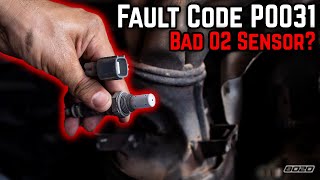
- Failed Bank 1, Sensor 1 Oxygen Sensor 🔴 High Probability → Shop Oxygen Sensor The internal heater element is subjected to thousands of extreme heat cycles and exposure to exhaust gases, and it eventually burns out or shorts internally, similar to a light bulb filament. It's the most common point of failure for this code. 🎬 Watch: A breakdown of common causes and fixes for P0031.
How to confirm: After confirming the fuse and wiring are good, test the resistance of the heater circuit within the sensor using a multimeter. Disconnect the sensor and measure between the two same-colored wires (typically both tan or both black) on the sensor side. An open circuit (infinite resistance, 'OL') or a dead short (0 ohms) indicates a failed heater element. The specified resistance is typically between 2 and 30 ohms when cold, with new sensors often reading around 6 ohms.
Typical fix: Replace the Bank 1, Sensor 1 oxygen sensor. It is located on the driver's side exhaust manifold, before the catalytic converter. 🎬 See this walkthrough for replacing O2 sensors on your Sierra.
Est. part cost: $40-$150 - Damaged Wiring or Connector 🟡 Medium Probability The wiring harness for the driver-side O2 sensor is susceptible to damage. Forum members have reported the harness rubbing through near the front driveshaft (on 4x4 models) or near the starter motor, causing a short to ground. Proximity to the hot exhaust can also melt the insulation, leading to shorts or open circuits.
How to confirm: Visually inspect the entire length of the O2 sensor wiring harness from the sensor connector back to the main loom. Look for any signs of melting, chafing, bare wires, or corrosion on the connector pins. Pay close attention to the areas where the harness passes the starter and front driveshaft.
Typical fix: Repair the damaged section of wire using solder and heat-shrink tubing or quality butt connectors. Secure the harness away from heat sources or moving parts using high-temperature zip ties or loom.
Est. part cost: $5-$20 - Blown Fuse ⚪ Low Probability A short circuit in the O2 sensor's heater element or its wiring can cause the protective fuse to blow. This is a designed failure mode to protect the rest of the electrical system.
How to confirm: Check the fuse box under the hood. For 2014-2016 models, owners report the relevant 15A fuse is often F46 or F50. Always verify with your owner's manual for the specific fuse location, which may be labeled 'O2 HTR', 'MISC IGN', or similar.
Typical fix: Replace the blown fuse. If the new fuse blows immediately, it confirms a dead short exists in the wiring or the sensor itself that must be found and fixed before replacing the fuse again.
Est. part cost: $1-$5
Rare But Worth Checking
- Faulty Engine Control Module (ECM): This is extremely rare. The ECM's internal driver circuit for the heater can fail, but this should only be considered after all other possibilities (sensor, wiring, fuse) have been exhaustively ruled out with a multimeter.
Diagnosis Steps
- Check for a blown fuse. Locate the under-hood fuse box and inspect the fuse for the O2 sensor heaters (often labeled 'MISC IGN', 'O2 HTR', or similar, check fuses F46/F50 on 14-16 models). Replace if blown.
- Visually inspect the wiring. Carefully trace the wiring harness from the driver's side upstream O2 sensor. Look for any signs of melting, chafing against the frame, starter, or front driveshaft, and check for corrosion in the connector.
- Test the sensor's heater circuit. Disconnect the sensor. Using a multimeter set to Ohms (Ω), measure the resistance between the two same-colored wires on the sensor side of the connector. A reading of infinite resistance (OL) means the heater is burned out. A reading of 0 ohms indicates a short. A good sensor will typically read between 2-30 ohms, with a new ACDelco sensor often reading around 6 ohms.
- Verify power and ground to the sensor. With the sensor unplugged and the ignition key in the 'On' position (engine off), use a multimeter to check for 12V power on the heater power wire in the vehicle-side connector (Pink wire on many GM trucks). Then, check for a good ground on the corresponding ground pin. If power or ground is missing, the problem is in the vehicle's wiring or fuse box, not the sensor. 🎬 Watch: Why your O2 sensor heater might be failing.
Parts You'll Likely Need
- Oxygen Sensor (Bank 1, Sensor 1)
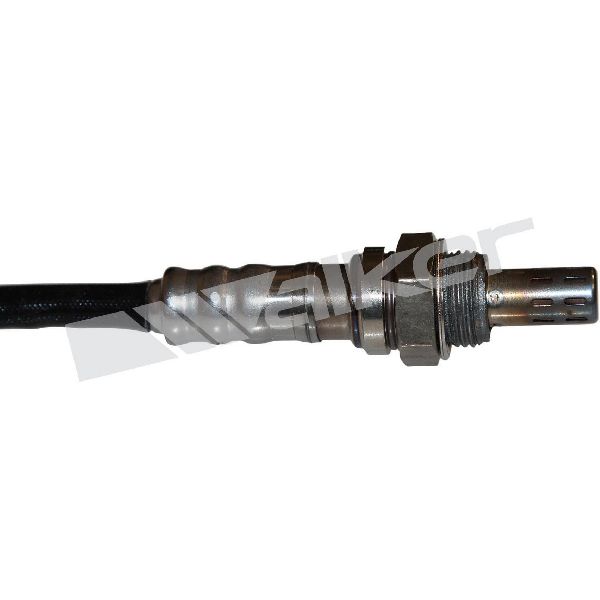
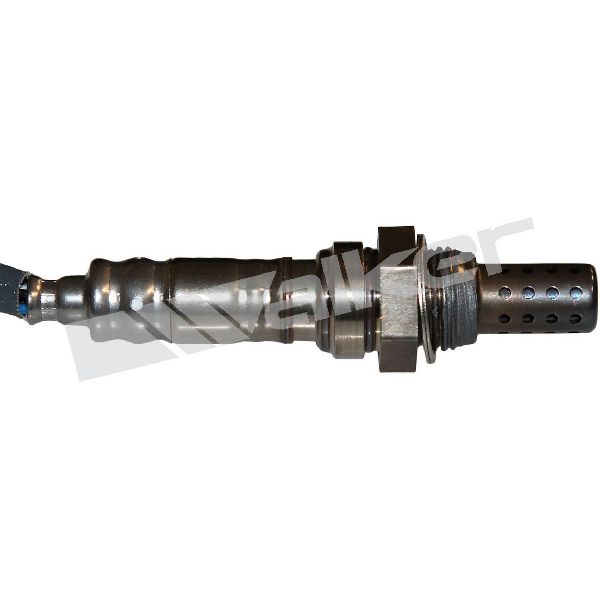
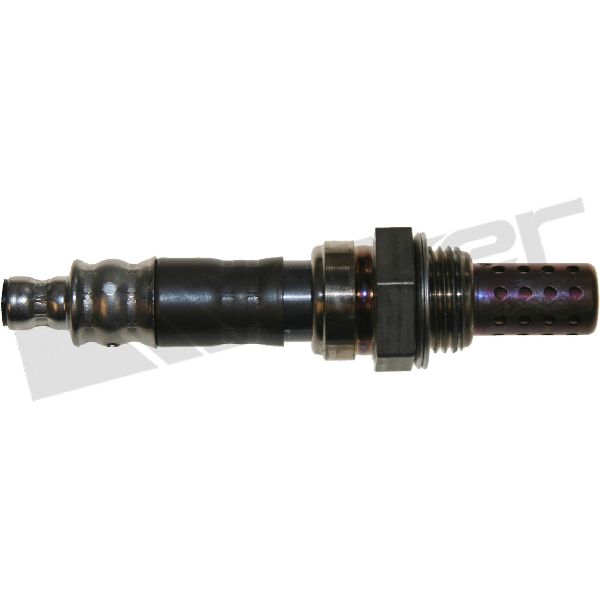
(OEM #ACDelco 213-4764 (supersedes 12657188))— This is the upstream sensor on the driver's side. Its internal heater element is the most common failure point for the P0031 code. The original part number 12657188 has been superseded by 213-4764 for many applications.
Trusted brands: ACDelco, Denso, Bosch, NGK
OEM price range: $100-$150
Aftermarket price range: $40-$90
Related Codes That Often Appear With This One
- P0051 — This is the identical 'Heater Control Circuit Low' code, but for Bank 2 (passenger side). Seeing P0031 and P0051 together strongly suggests a common power supply issue, like a single blown fuse that powers both sensor heaters.
- P0135 — This is a more general 'O2 Sensor Heater Circuit Malfunction (Bank 1 Sensor 1)' code. It often appears with P0031 as they both point to a problem with the same heater circuit.
- P0131 — This code means 'O2 Sensor Circuit Low Voltage (Bank 1 Sensor 1)'. If the sensor isn't heating up correctly due to the P0031 fault, it can't produce the proper voltage signal when the engine is cold, triggering P0131 as well.
Technical Service Bulletins (TSBs) & Recalls
- TSB Bulletin #PIT5336: Notes that technicians may find a Service Engine Soon Malfunction Indicator Lamp on with DTC P0031 and other related O2 sensor heater and circuit codes.
- 24-NA-042: Although for 2024 HD models, it documents O2 sensor wiring being mis-routed and contacting the exhaust, leading to P0031, which is relevant context for inspection.
- 21-NA-149: Details various engine wiring harness chafing conditions on 2019-2021 models that can cause a wide variety of DTCs, reinforcing the need to check wiring.
- 16-NA-111: Diagnostic tip for DTCs P0420 and P0430, noting that improperly sealed air filter boxes can allow debris to enter and damage O2 sensors.
Platform-Specific Known Issues
- A TSB for newer HD trucks (24-NA-042) highlights issues with mis-routed O2 sensor harnesses coming into contact with the exhaust, causing shorts and setting codes like P0031. This indicates a known pattern of potential wiring issues on GM trucks.
- Manufacturer service bulletin TSB Bulletin #PIT5336 alerts technicians to vehicles exhibiting a Malfunction Indicator Lamp specifically for heater control circuit codes including P0031 and P0051.
- Forum users have specifically reported the Bank 1 sensor harness chafing on the front driveshaft or near the starter motor on 2014-2019 Sierra/Silverado models.
- TSB 16-NA-111 discusses how sand/debris can bypass the engine air filter seal, damaging O2 sensors and catalytic converters, which could be a contributing factor to premature sensor failure in dusty environments.
Mechanic-Grade Diagnostic Values
- O2 Sensor Heater Element Resistance — expected: 2-30 Ohms (typically ~6 Ohms for a new OEM sensor). Failure: Infinite resistance (OL) indicates an open circuit (burned out heater). Near zero Ohms indicates an internal short.
- Heater Circuit Supply Voltage — expected: 11V - 14.5V (near battery voltage) with key on, engine off.. Failure: Voltage significantly below 11V, or 0V, indicates a problem in the supply wiring, fuse, or relay.
- Heater Circuit Current Draw — expected: 0.5 - 2.0 Amps. Failure: Current below 0.25A or above 1.375A can trigger the code on some GM systems.
Scan Tool Commands That Help
- GDS2 / Tech2 / High-end Scan Tool: O2 Sensor Heater On/Off Command — This bidirectional control allows a technician to manually command the O2 sensor heater circuit ON and OFF to verify the ECM driver, wiring, and sensor are all functioning. It's used to confirm if the ECM is capable of sending the command and to check for voltage/ground at the sensor connector during an active command.
Wiring & Ground Locations
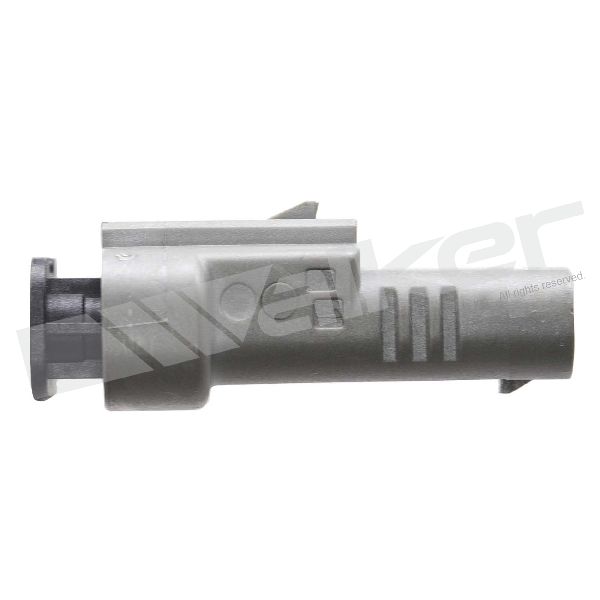
- B1S1 Connector Pinout (Typical) — Connector for the driver's side upstream O2 sensor.. For testing, power is typically on a Pink wire. The two heater wires are often the same color (e.g., two tan or two black wires). Knowing the pinout is crucial for accurately testing for 12V power, ground, and sensor resistance.
- G104 — Rear of the driver's side (left) cylinder head.. This is a primary engine ground. While not directly for the O2 sensor heater, a poor connection here can cause a variety of sensor and module communication issues due to voltage drops and electrical noise. It's a known point to check for any engine-related electrical faults.
- G218 — Top of the dashboard, driver's side, behind the speaker.. This ground is critical for the Body Control Module (BCM). A high-resistance connection at G218 is a known issue on 2014+ GM trucks, causing bizarre electrical problems like Stabilitrak errors and power steering faults. While not a direct cause of P0031, verifying this ground is good practice when diagnosing any electrical issue on this platform, as a faulty BCM ground can create unpredictable system behavior.
- X50A Underhood Fuse Block — Main fuse box in the engine bay.. This is the power distribution center that houses the fuse for the O2 sensor heater circuit (e.g., F46 or F50, often labeled 'MISC IGN' or 'O2 HTR'). All power for the heater originates here.
Real Owner Repair Stories
- YouTube video by 'The Flat Rate Mechanic' (Chevy Silverado (similar platform/wiring)) — Check Engine Light with codes P0141 and P0161 (heater circuit codes for downstream sensors, but diagnosis is identical).
❌ Tried (didn't work) Initial assumption was a failed sensor.
✅ What actually fixed it Upon inspection, the wiring harness for the O2 sensor had been rubbing against the front driveshaft, chafing through the insulation and causing a short. The fix was to repair the damaged wires and replace the sensor which was also damaged. This confirms the chafe point mentioned in Pass 2. - YouTube video by 'LDSreliance' (2018 GMC Canyon 2.5L (similar GM system)) — Check Engine Light with P0031 and related heater circuit codes (P0030, P0132, P0135).
❌ Tried (didn't work) The O2 sensor that failed was only one year old, leading to initial confusion.
✅ What actually fixed it After verifying the 'O2 HTR' fuse (F47 in this vehicle) was good and that the ECM was sending 12V to the harness, the technician tested the resistance of the sensor's heater circuit. The failed sensor read 227 ohms, while a new ACDelco sensor read 6 ohms. Replacing the sensor with a new ACDelco part fixed the issue.
OEM Part Supersession History
GM 12657188→ACDelco 213-4764— Standard part lifecycle update, potentially for improved materials or manufacturing process.
Heads up: Some vendors note that the replacement part may require programming or special setup procedures, though this is uncommon for a simple O2 sensor. It's more likely a generic warning, but it's something to be aware of.
Model Year Variations Within This Range
- 2014-2016: Fuse locations in the under-hood block may differ slightly from later models. Owners specifically report the O2 heater fuse being F46 or F50 in these earlier K2XX trucks.
- 2019: This was a split year. The 'Limited' or 'LD' models are carryovers of the K2XX platform and this guide applies. The all-new T1XX 'Next Generation' Sierra was also introduced and may have different wiring, fuse locations, and part numbers.
Diagnostic Flowchart
Other Known Issues on This Vehicle
Issues unrelated to this code that are worth knowing about as an owner of this generation:
- 8-Speed (8L90) Transmission Shudder/Hard Shifts 🔴 High — Very common on 2015-2019 models equipped with the 8-speed transmission. Often appears between 30,000-60,000 miles. Feels like driving over rumble strips at light throttle. (Ref: Multiple TSBs issued, including 18-NA-355, recommending a fluid flush with an updated Mobil 1 synthetic fluid. Often requires torque converter replacement if flush is ineffective.)
- A/C Condenser Leak 🟠 Medium — Extremely common on 2014-2017 models. The condenser, which also cools transmission fluid, develops leaks at its welds, causing the A/C to blow warm air. (Ref: GM issued Special Coverage Adjustment 17336, extending the warranty for this specific leak. A class-action lawsuit was also filed.)
- Active Fuel Management (AFM) Lifter Failure 🔴 High — Common on V8 engines (L83 5.3L, L86 6.2L), particularly in earlier 2014-2016 models. A lifter can collapse or get stuck, causing a misfire (often P0300), ticking noise, and potential engine damage if not addressed. (Ref: No specific recall, but numerous TSBs exist for diagnosis. Repair involves replacing lifters, lifter guides, and sometimes the camshaft.)
- Cracked Dashboard 🟡 Low — While more famous on the previous GMT900 generation, the K2XX can still develop cracks on the passenger side of the dashboard, especially in hot climates. (Ref: No TSB or recall; considered a cosmetic issue. Repair is typically an aftermarket dash cap or full dashboard replacement.)
- Brake Vacuum Pump Failure 🔴 High — Affects 2014-2018 models. The mechanical vacuum pump can fail, leading to a hard brake pedal and significantly increased stopping distances. (Ref: Subject of safety recall 18V-586 (NHTSA 17287). Dealers replace the vacuum pump.)
Used vs. New Parts: Buying Guide for This Vehicle
When a used part is the smart pick: Never. O2 sensors are wear items with a finite lifespan exposed to extreme heat and exhaust gases. A used sensor has unknown life remaining and is not worth the labor to install. The only used parts that make sense are harness connectors or pigtails if the original is damaged.
What to inspect on the donor part:
- Not applicable for the sensor itself. For a used connector/pigtail, inspect for non-brittle plastic, intact locking tabs, and clean, corrosion-free pins.
OEM-only on this vehicle (don't cheap out):
- Oxygen Sensor
Aftermarket brands forum-validated for this vehicle:
- ACDelco (is the OEM part)
- Denso (a highly-regarded OEM supplier for many brands, often considered equivalent to ACDelco)
- NTK (also a highly-regarded OEM supplier)
Brands owners have reported issues with on this vehicle:
- Bosch (Multiple GM truck forums have threads where owners report premature failures or compatibility issues with Bosch sensors on this platform, despite Bosch being a major sensor manufacturer).
- Unbranded/no-name parts store or online marketplace brands.
Real Owner Stories
Aggregated from forums and TSBs cited above. Mileages and costs reflect what owners reported in those sources.
2014 GMC Sierra 1500
Symptoms: Intermittent P0031 code and Check Engine Light.
What fixed it: Replaced a blown 'MISC IGN' fuse and installed a new ACDelco oxygen sensor instead of an aftermarket brand.
Source hint: SilveradoSierra.com forum citation
2014-2019 GMC Sierra 1500
Symptoms: P0031 code triggered by a short to ground in the sensor circuit.
What fixed it: Repaired the sensor wiring harness that had chafed through near the starter motor or the front driveshaft.
Source hint: GM-Trucks.com K2XX section
Related OBD-II Codes
Frequently Asked Questions
Where is the Bank 1, Sensor 1 oxygen sensor located on my 2014-2019 GMC Sierra 1500?
Which fuse should I check for a P0031 code on my 2014-2016 Sierra?
Could my 4x4 front driveshaft be causing this O2 sensor code?
Does TSB 16-NA-111 suggest my air filter could be related to O2 sensor failure?
What resistance should I see when testing the O2 sensor heater circuit on my Sierra?
Is there a TSB for wiring harness issues on newer GM trucks that might explain my P0031?
Helpful Videos
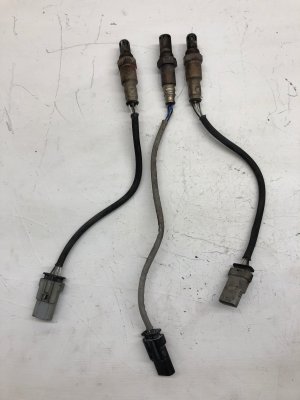
Used OEM Parts in Stock
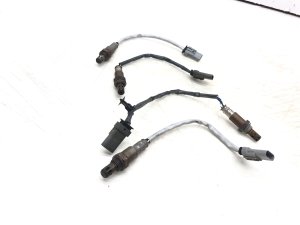
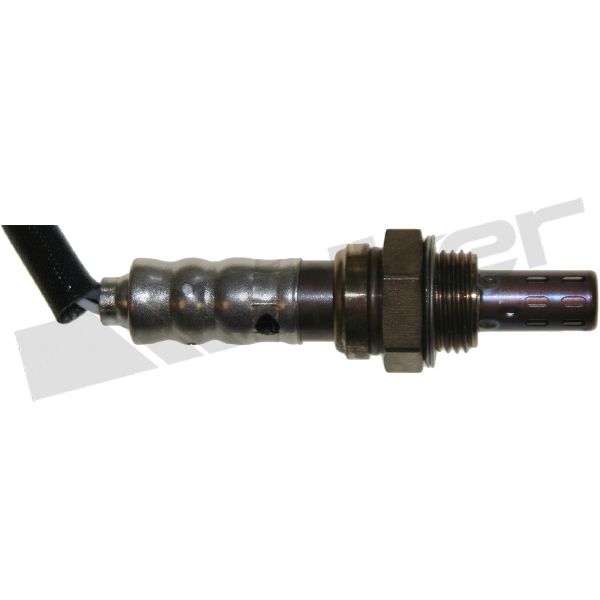
New Aftermarket Parts Available


The information in this article is provided for general reference and educational purposes only. Vehicle specifications, procedures, and part compatibility can vary by production date, trim level, and region. Always consult your vehicle's factory service manual and verify part numbers before purchasing or performing repairs. Safety-critical components such as airbags, seat belts, and braking systems should be installed by a qualified professional.
- GMC Sierra 1500:
- 🧭 Diagnostic Flowchart
- 🎬 Helpful Videos
- 🛍️ Shop This Part
- What's Unique About the 2014-2019 GMC Sierra 1500
- Symptoms You May Notice
- Most Likely Causes
- Rare But Worth Checking
- Diagnosis Steps
- Parts You'll Likely Need
- Related Codes That Often Appear With This One
- Technical Service Bulletins (TSBs) & Recalls
- Platform-Specific Known Issues
- Mechanic-Grade Diagnostic Values
- Scan Tool Commands That Help
- Wiring & Ground Locations
- Real Owner Repair Stories
- OEM Part Supersession History
- Model Year Variations Within This Range
- Other Known Issues on This Vehicle
- Used vs. New Parts: Buying Guide for This Vehicle
- Real Owner Stories
- 2014 GMC Sierra 1500
- 2014-2019 GMC Sierra 1500
- Related OBD-II Codes
- Frequently Asked Questions
- 🎟️ Get 5% Off