

P0031 on 2012-2016 Honda CR-V 2.4L: A/F Sensor Heater Circuit Causes and Fixes
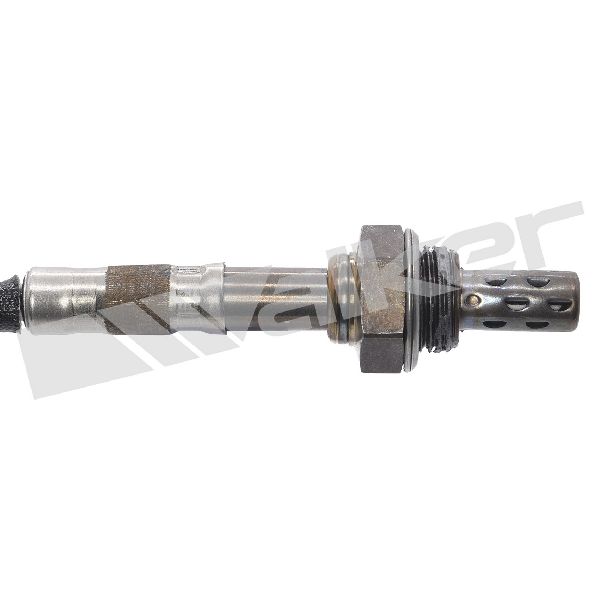
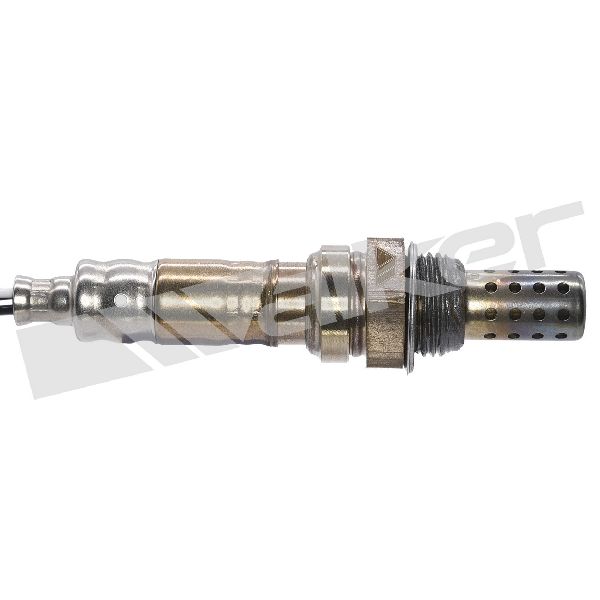
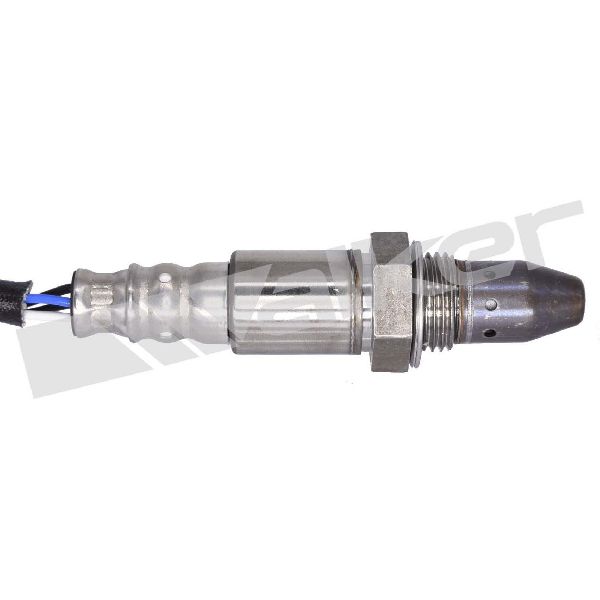
On a 2012-2016 Honda CR-V, code P0031 almost always means the upstream Air/Fuel Ratio sensor (Bank 1, Sensor 1) has failed. The internal heater element shorts out, triggering the code. Replacing the sensor is the most common fix. Expect to pay between $100-$160 for a quality aftermarket part (like Denso or NGK) and $200-$280 for a genuine Honda part. Always check the A/F heater fuse first.
- P0031 on a 2012-2016 CR-V almost always points to a failed upstream Air/Fuel Ratio sensor.
- Before replacing the sensor, always check the 'A/F HEATER' fuse in the under-hood fuse box.
- There are different sensor part numbers for 2012-2014 and 2015-2016 models. Verify the correct part for your vehicle's year.
- This vehicle generation has other well-documented issues to be aware of, such as VTC actuator rattle (2012-14) and idle vibration (2015-16), which are unrelated to this code.
What's Unique About the 2012-2016 Honda CR-V
The 2012-2016 CR-V uses the reliable K24Z7 engine, but this generation had a significant mid-cycle refresh in 2015. This update included a revised 'Earth Dreams' direct-injection version of the engine and a new CVT transmission. This powertrain change resulted in different upstream A/F sensor part numbers for 2012-2014 models versus 2015-2016 models. It is critical to verify the correct part for your specific model year before purchasing. The 2015-2016 models are also known for a distinct idle vibration issue unrelated to P0031, covered by TSB 15-046.
Symptoms You May Notice
- Check Engine Light is on
- Decreased fuel economy
- Rough idle, especially when cold
- Poor engine performance or sluggish acceleration
- Failing an emissions test
- Replacing the downstream (post-catalyst) oxygen sensor instead of the upstream (pre-catalyst) Air/Fuel Ratio sensor.
- Replacing the sensor without first checking the A/F heater fuse.
Most Likely Causes
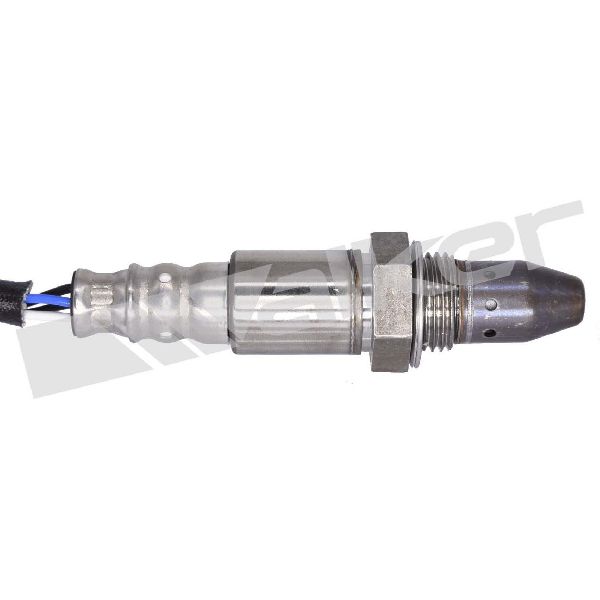
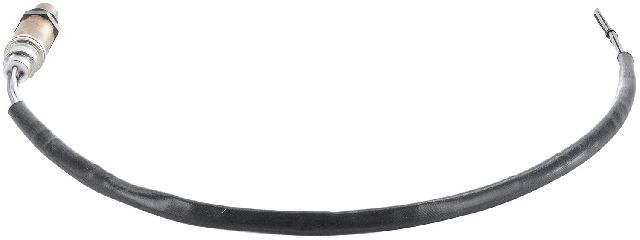
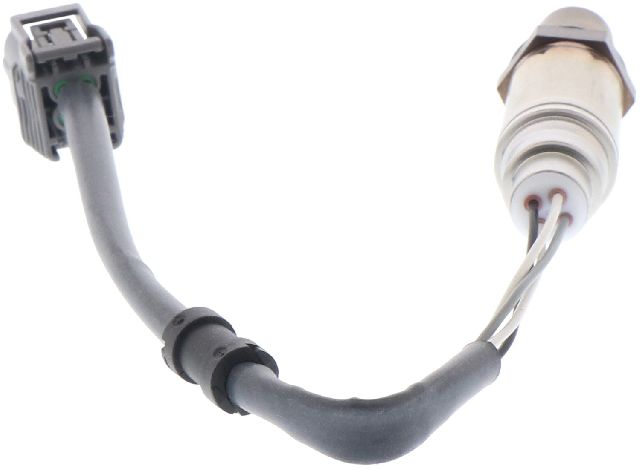
- Failed Upstream Air/Fuel Ratio Sensor 🔴 High Probability → Shop Oxygen Sensor The internal heater element within the sensor is a common failure point over time due to constant, rapid heat cycles. It eventually shorts out or burns out.
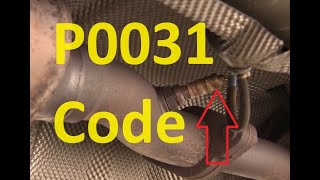
How to confirm: Disconnect the sensor and measure the resistance across the two heater pins (usually the two wires of the same color) with a multimeter. 🎬 See how to test and replace an air fuel ratio sensor. An open circuit (infinite resistance) or a short circuit (very low resistance, near zero) indicates a failed heater. The expected resistance for a good heater is typically low, but varies by manufacturer (e.g., 1.8 to 3.4 ohms is a common range for Denso sensors).
Typical fix: Replace the Bank 1, Sensor 1 Air/Fuel Ratio sensor.
Est. part cost: $100-$280 - Blown A/F Heater Fuse 🟡 Medium Probability A short circuit in the sensor's heater element can draw excessive current, causing the corresponding fuse to blow as a protective measure.
How to confirm: Locate the fuse box in the engine bay, near the battery. Check the fuse labeled 'A/F HEATER' or similar (often a 10A or 15A fuse). Visually inspect if the fuse is blown or test for continuity with a multimeter.
Typical fix: Replace the blown fuse. If the new fuse blows immediately, it confirms a persistent short circuit in the wiring or the sensor itself that must be diagnosed further.
Est. part cost: $1-$5 - Damaged Wiring or Connector ⚪ Low Probability The wiring harness is close to the hot exhaust manifold and can become brittle, melted, or frayed over time. Rodents are also known to chew on Honda's soy-based wire insulation.
How to confirm: Visually inspect the entire wiring harness from the A/F sensor to the main engine harness. Look for any signs of melting, chafing, cuts, or corrosion in the connector pins. Test for 12V power and ground at the harness-side connector with the key on, engine off.
Typical fix: Repair the damaged section of wire or replace the connector pigtail. Honda sells rodent-deterrent electrical tape (P/N 4019-2317) that can be used for repairs.
Est. part cost: $10-$50
Rare But Worth Checking
- Faulty Powertrain Control Module (PCM): This is very uncommon. The PCM is the last item to suspect after all other possibilities (sensor, fuse, wiring) have been thoroughly tested and ruled out.
Diagnosis Steps
- Scan for Codes: Use an OBD-II scanner to confirm P0031 is the active code and check for any other related codes.
- Check the Fuse: Locate the under-hood fuse box near the battery and inspect the A/F Heater fuse (typically 10A or 15A). Replace it if it's blown.
- Visual Inspection: Carefully inspect the A/F sensor's wiring harness and connector for any signs of damage, melting, fraying, or corrosion. Pay close attention to where the harness may contact hot engine or exhaust components.
- Test the Circuit at the Connector: Disconnect the sensor. With the ignition on (engine off), use a multimeter to verify there is 12-volt power and a good ground signal at the harness-side connector.
- Test the Sensor Heater: Measure the resistance between the two heater pins on the sensor itself (they are usually the two wires of the same color). Compare the reading to the manufacturer's specification (typically a few ohms). If the resistance is infinite (open) or near zero (shorted), the sensor has failed.
- Replace the Component: If the sensor fails the resistance test and the wiring/fuse are good, replace the Air/Fuel Ratio sensor. If the fuse was blown and blows again after replacement, suspect a short in the new sensor or the wiring harness that needs to be found and repaired.
Parts You'll Likely Need
- Upstream Air/Fuel Ratio Sensor (2012-2014 Models)
(OEM #36531-R5A-A01)— This is the most common cause of P0031. The internal heater element fails. This part number is specific to the 2012-2014 model years.
Trusted brands: Denso (234-9118), NGK/NTK (24461), Bosch (17298)
OEM price range: $200-$280
Aftermarket price range: $100-$150 - Upstream Air/Fuel Ratio Sensor (2015-2016 Models)
(OEM #36531-5LA-A01)— This is the most common cause of P0031. The internal heater element fails. This part number is specific to the updated 2015-2016 models with the 'Earth Dreams' engine.
Trusted brands: Denso (234-9131), NGK/NTK (24744), Bosch (16038)
OEM price range: $220-$300
Aftermarket price range: $110-$160
Related Codes That Often Appear With This One
- P0171 — System Too Lean. A faulty A/F sensor can send incorrect data, causing the PCM to make improper fuel adjustments that lead to a lean condition.
- P0135 — A more generic code for 'O2 Sensor Heater Circuit Malfunction (Bank 1 Sensor 1)'. P0031 is a more specific version of this fault, indicating a 'low' circuit condition.
Technical Service Bulletins (TSBs) & Recalls
- Honda TSB 16-012: Titled 'Engine Rattles at Cold Start-Up', this bulletin addresses a defective VTC actuator in 2013-2014 CR-Vs. It is not related to P0031 but is a very common and important issue for owners to be aware of.
- Honda TSB 15-046: Titled 'Vibration While Driving and/or Stopped in Gear', this bulletin details the diagnosis and repair for excessive vibration in 2015 CR-V models. This is also unrelated to P0031 but is a defining issue for the 2015-2016 model years.
Platform-Specific Known Issues
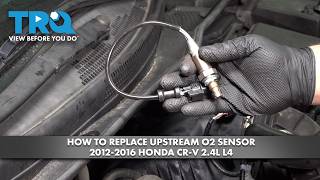
- Owner Experience: Straightforward Sensor Replacement: Multiple owners on forums like CR-V Owners Club report that getting code P0031 was resolved simply by replacing the upstream A/F sensor. One user with a 2013 CR-V noted the check engine light came on, they scanned the P0031 code, ordered a Denso 234-9118 sensor, and replaced it in their driveway in under an hour, 🎬 Watch: Step-by-step guide to replacing the upstream sensor yourself. which resolved the issue completely.
- Real-World Repair Story: Fuse Check First: A user on a Honda-focused Reddit thread described getting P0031 and immediately ordering a new sensor. While waiting for the part, they checked the fuse box on a whim and discovered the A/F Heater fuse was blown. Replacing the $2 fuse fixed the problem, and they were able to return the unneeded $150 sensor. This highlights the importance of checking the fuse before buying parts.
Mechanic-Grade Diagnostic Values
- A/F Sensor Heater Element Resistance — expected: Between 4.5 and 8.0 Ohms at 20°C (68°F) for some Honda/Mitsubishi platforms. A common range for Denso sensors is 1.8 to 3.4 ohms. A specific range of 10-15 ohms has also been reported for the Denso 234-9118.. Failure: Near zero ohms (short circuit) or infinite/very high resistance (open circuit).
- A/F Sensor Heater Circuit Voltage (at harness connector) — expected: Approximately 12V (Battery Positive Voltage) with Key On, Engine Off.. Failure: Significantly less than 12V, indicating a wiring issue, blown fuse, or faulty relay.
- A/F Sensor Heater Control Voltage (Live Data) — expected: Varies with PCM duty cycle control, but should be between 2.9V - 8.8V during warm-up idle.. Failure: Voltage below 11V on some systems can confirm a low-circuit condition. The PCM may set the code if the heater current is less than 0.8 A.
Scan Tool Commands That Help
- Honda HDS (or equivalent advanced scanner): Live Data Parameter: 'HO2S HEATER DUTY' — Use this to monitor the PCM's commanded duty cycle to the A/F sensor heater. This helps determine if the PCM is attempting to control the heater. A changing value indicates the PCM is active, while a static or zero value might point towards a PCM or input issue.
- Honda HDS (or equivalent advanced scanner): Live Data Parameter: 'Oxygen Sensor Heater' — This parameter displays the ON/OFF status of the heater circuit as commanded by the PCM. It should be ON during warm-up unless specific conditions are met (e.g., battery voltage over 16V). This confirms the PCM is commanding the heater to activate.
Wiring & Ground Locations
- G101 — Located at the left rear of the engine compartment, often on or near the thermostat housing.. This is a primary power and logic ground for the PCM. A poor connection at G101 can cause a wide range of unpredictable electrical issues, including incorrect sensor readings and fault codes. While not a direct cause of P0031, verifying its integrity is a crucial step in any complex electrical diagnosis.
- A/F Sensor Connector — On the exhaust manifold, before the catalytic converter. The connector is typically mounted to a bracket nearby to keep it away from direct heat.. This is the primary test point for diagnosing P0031. All voltage and resistance measurements for the sensor and harness side of the circuit are performed here. The two wires of the same color (often black) are for the heater circuit.
Real Owner Repair Stories
- Reddit user on r/crv (2012 Honda CR-V) — Vehicle would not start.
✅ What actually fixed it The user discovered that rodents had chewed through the G101 ground wire coming from the fuel injection harness. Repairing this wire resolved the no-start condition. While this did not present as a P0031, it highlights the vulnerability of this specific ground wire to rodent damage, which could cause various electrical faults.
OEM Part Supersession History
36531-R5A-A01→N/A— This is the original equipment part for 2012-2014 CR-V models.
Heads up: Not compatible with 2015-2016 models. Interchangeable aftermarket parts include Denso 234-9118 and NTK 24461.36531-5LA-A01→N/A— This is the original equipment part for 2015-2016 CR-V models with the Earth Dreams engine.
Heads up: Not compatible with 2012-2014 models. Interchangeable aftermarket parts include Denso 234-9131 and NTK 24744.
Model Year Variations Within This Range
- 2012-2014 vs 2015-2016: The primary difference is the upstream A/F ratio sensor due to the 2015 engine update ('Earth Dreams' direct injection). The 2012-2014 models use Honda P/N 36531-R5A-A01 (Denso 234-9118), while the 2015-2016 models use Honda P/N 36531-5LA-A01 (Denso 234-9131). Using the wrong sensor will result in incorrect performance and likely trigger fault codes.
Diagnostic Flowchart
Other Known Issues on This Vehicle
Issues unrelated to this code that are worth knowing about as an owner of this generation:
- VTC Actuator Rattle at Cold Start 🟠 Medium — Very common on 2012-2014 models. A loud, 1-2 second metallic rattle from the passenger side of the engine on cold starts, especially in temperatures below 40°F. (Ref: Honda TSB 16-012.)
- Excessive Idle Vibration (2015-2016 Models) 🟡 Low — Common complaint on 2015-2016 models with the 'Earth Dreams' direct-injection engine and CVT. A noticeable vibration is felt in the seat and cabin when stopped in gear. (Ref: Honda TSB 15-046 provides a multi-step fix including new mounts, a PCM software update, and new headrests.)
- Premature Starter Motor Failure 🟠 Medium — A frequently reported cause for a no-start or slow-crank condition, sometimes occurring with relatively low mileage. Symptoms include a single click or grinding noise when trying to start.
- Parasitic Battery Drain 🟡 Low — Some owners report a dead battery after the vehicle sits for a few days. A stuck A/C compressor clutch relay is a commonly cited cause.
- Water Leak in Spare Tire Well 🟡 Low — Water can accumulate in the trunk's spare tire area, often caused by clogged sunroof drains or failing rear hatch seals.
Used vs. New Parts: Buying Guide for This Vehicle
When a used part is the smart pick: For this specific repair, using a used Air/Fuel Ratio sensor is strongly discouraged. The part is a wear item with a finite lifespan, and a used sensor from a salvage yard has an unknown history and may fail shortly after installation, wasting time and money.
What to inspect on the donor part:
- Not applicable as used sensors are not recommended.
OEM-only on this vehicle (don't cheap out):
- While not strictly 'OEM-only', it is critical to use a high-quality sensor. Cheap, unbranded aftermarket sensors are a common source of recurring issues and are best avoided.
Aftermarket brands forum-validated for this vehicle:
- Denso (the Original Equipment Manufacturer)
- NGK / NTK
Brands owners have reported issues with on this vehicle:
- Unbranded or 'white-box' sensors from online marketplaces are frequently reported on forums as being unreliable or failing prematurely.
Real Owner Stories
Aggregated from forums and TSBs cited above. Mileages and costs reflect what owners reported in those sources.
2013 Honda CR-V 2.4L
Symptoms: The check engine light came on. Scanning revealed the P0031 code.
What fixed it: Replacing the upstream A/F sensor with a Denso 234-9118 sensor. The repair took under an hour in a driveway.
Source hint: vehicle_specific_issues: Owner Experience: Straightforward Sensor Replacement
2012-2016 Honda CR-V 2.4L
Symptoms: Vehicle triggered a P0031 code; owner initially ordered a replacement sensor.
What fixed it: Replacing a blown $2 A/F Heater fuse in the under-hood fuse box.
Cost: $1-$5
Source hint: vehicle_specific_issues: Real-World Repair Story: Fuse Check First
Related OBD-II Codes
Frequently Asked Questions
Does Honda TSB 16-012 or TSB 15-046 relate to my P0031 code?
Which specific sensor should I buy for my 2013 CR-V to fix P0031?
Where is the A/F Heater fuse located on the 2012-2016 CR-V?
Is there a specific part to help prevent rodents from chewing my CR-V's sensor wiring?
Can I use a used sensor from a salvage yard to save money on this repair?
What is the expected resistance for a new upstream sensor on this vehicle?
Helpful Videos

We Have This Part in Stock

The information in this article is provided for general reference and educational purposes only. Vehicle specifications, procedures, and part compatibility can vary by production date, trim level, and region. Always consult your vehicle's factory service manual and verify part numbers before purchasing or performing repairs. Safety-critical components such as airbags, seat belts, and braking systems should be installed by a qualified professional.
- Honda CR-V:
- 🧭 Diagnostic Flowchart
- 🎬 Helpful Videos
- 🛍️ Shop This Part
- What's Unique About the 2012-2016 Honda CR-V
- Symptoms You May Notice
- Most Likely Causes
- Rare But Worth Checking
- Diagnosis Steps
- Parts You'll Likely Need
- Related Codes That Often Appear With This One
- Technical Service Bulletins (TSBs) & Recalls
- Platform-Specific Known Issues
- Mechanic-Grade Diagnostic Values
- Scan Tool Commands That Help
- Wiring & Ground Locations
- Real Owner Repair Stories
- OEM Part Supersession History
- Model Year Variations Within This Range
- Other Known Issues on This Vehicle
- Used vs. New Parts: Buying Guide for This Vehicle
- Real Owner Stories
- 2013 Honda CR-V 2.4L
- 2012-2016 Honda CR-V 2.4L
- Related OBD-II Codes
- Frequently Asked Questions
- 🎟️ Get 5% Off