

P0031 on 2012-2017 Hyundai Azera 3.3L: O2 Sensor Heater Circuit Causes and Fixes
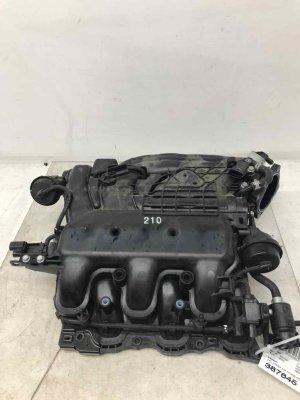
This code indicates a fault in the heater circuit of the upstream oxygen sensor on Bank 1 (the rear cylinder bank, near the firewall). The most common fix is to replace the Bank 1, Sensor 1 oxygen sensor itself. However, this is a difficult job on the Azera's 3.3L V6, as it requires removing the upper intake manifold (surge tank) for access, which also necessitates replacing the intake gasket.
- P0031 points directly to a problem with the heater in the rear, upstream oxygen sensor.
- Before attempting any repair, check the 15A 'SENSOR 1' fuse in the engine bay fuse box.
- The most likely cause is a failed oxygen sensor, but be prepared for a difficult replacement.
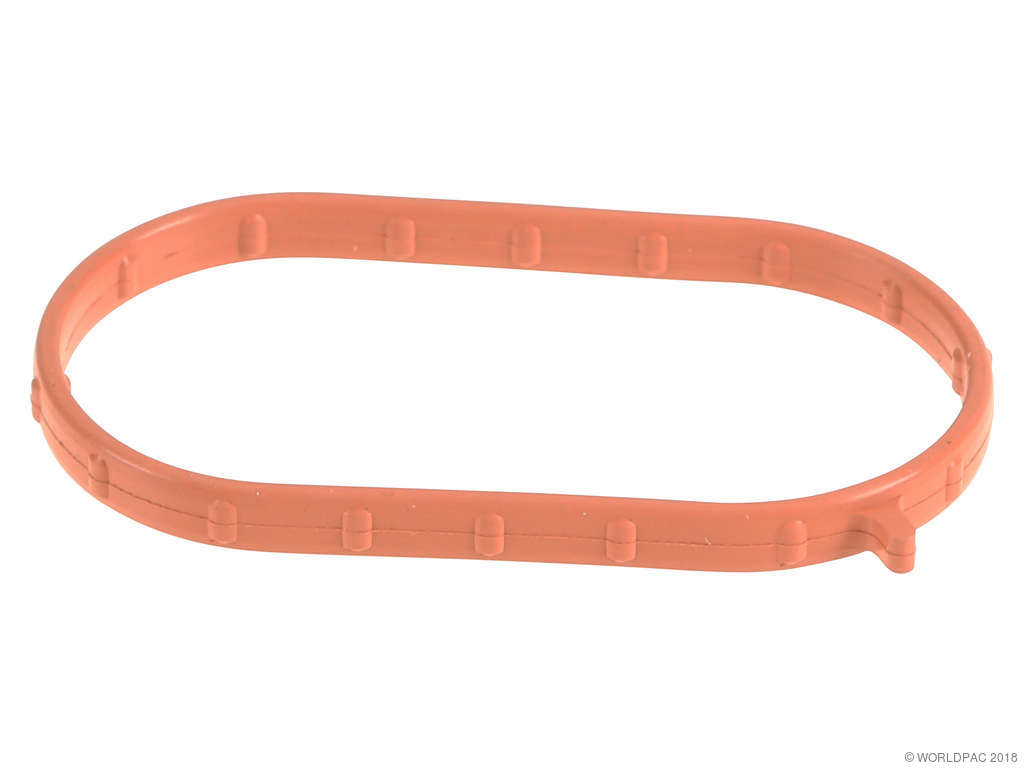
- The repair is significantly more complex than on many other vehicles because the upper intake manifold (surge tank) must be removed to access the sensor, requiring a new gasket (Part #29215-3CFA0).
- Ensure you are replacing the correct sensor: Bank 1 is the REAR bank on this engine.
- This vehicle platform has several known serious issues, including potential engine failure and an ABS module fire risk recall (NHTSA 23V-651000).
What's Unique About the 2012-2017 Hyundai Azera
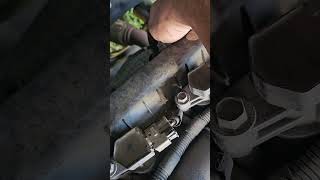
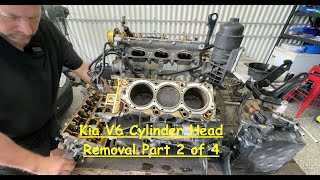
For the transverse-mounted 3.3L V6 in the Azera, Bank 1 is the cylinder bank located against the firewall, making it much harder to access than Bank 2 at the front of the vehicle. The primary challenge with a P0031 code on this car isn't diagnosing it, but physically reaching the Bank 1, Sensor 1 O2 sensor. The repair requires the removal of the upper intake manifold 🎬 Watch: A step-by-step walkthrough of this difficult sensor replacement. (also called the surge tank) to gain the necessary clearance. This significantly increases labor time and complexity, and requires the replacement of the surge tank gasket as part of the job.
Symptoms You May Notice
- Check Engine Light is on
- Decreased fuel economy
- Rough idle, especially when the engine is cold
- Failure to pass an emissions test
- Potential rotten egg smell from the exhaust
- Replacing the wrong oxygen sensor. P0031 specifically refers to Bank 1 (rear bank) and Sensor 1 (upstream, before the catalytic converter). It is easy to mistakenly access and replace the much easier Bank 2 sensor at the front of the engine, which will not fix the code. 🎬 See this video to correctly identify all four sensor locations.
Most Likely Causes
- Failed Bank 1, Sensor 1 Oxygen Sensor 🔴 High Probability → Shop Oxygen Sensor The internal heater element of the oxygen sensor is a common failure point over time and is the most frequent cause of this code.
How to confirm: Unplug the sensor and measure the resistance between the two heater circuit pins (usually the two wires of the same color) using a multimeter. 🎬 Watch: How to test the heater circuit with a multimeter. An open circuit (infinite resistance) or a reading far from the manufacturer's specification indicates a failed heater element. For this engine family, the specified resistance is between 8.1 and 11.1 Ohms at 21°C (70°F).
Typical fix: Replace the Bank 1, Sensor 1 (rear, upstream) oxygen sensor. This requires removing the intake manifold for access. The upper intake manifold (surge tank) gasket must also be replaced during this procedure.
Est. part cost: $60-$150 - Blown Oxygen Sensor Fuse 🟡 Medium Probability → Shop Oxygen Sensor
How to confirm: Check the fuse labeled 'SENSOR 1' (15A) in the engine compartment fuse box. If it's blown, there may be a short in the wiring that needs to be addressed before replacing the fuse.
Typical fix: Replace the blown 15A fuse. If it blows again, inspect the O2 sensor wiring for shorts to ground.
Est. part cost: $1-$5 - Damaged Wiring or Connector ⚪ Low Probability Wiring is routed near hot exhaust components and can become brittle or melt over time, though it's less common than sensor failure.
How to confirm: Visually inspect the wiring harness and connector for the rear upstream O2 sensor. Look for any signs of melting, chafing, corrosion, or broken wires. Check for 12V power and a good ground at the connector with the ignition on.
Typical fix: Repair the damaged section of the wiring harness or replace the connector pigtail.
Est. part cost: $15-$50
Rare But Worth Checking
- Faulty Engine Control Module (ECM): This is very uncommon. The ECM should only be considered after all other possibilities, including the sensor, fuse, and wiring, have been thoroughly tested and ruled out.
Diagnosis Steps
- Read the code with an OBD-II scanner to confirm P0031 is the only code present.
- Locate the engine compartment fuse box and inspect the 15A fuse labeled 'SENSOR 1'. If it is blown, replace it and see if the code returns. If it blows immediately, suspect a short circuit in the wiring.
- If the fuse is good, visually inspect the wiring harness and connector for the Bank 1, Sensor 1 O2 sensor. This is difficult due to its location at the rear of the engine, but check for any obvious signs of damage like melting or chafing.
- Test the circuit at the sensor connector. With the ignition on (engine off), one pin of the heater circuit should have battery voltage from the main relay, and the other (control) wire will also show battery voltage as it passes through the sensor's heater element. The ECM provides the ground path only when the engine is running.
- If power seems present, test the sensor itself. Disconnect the sensor and measure the resistance across the heater element pins (typically the two same-colored wires). A reading of infinite resistance (open) or near-zero resistance (short) confirms the sensor has failed. The target specification for this engine family is 8.1 to 11.1 Ohms at room temperature (21°C / 70°F).
- If the sensor and wiring test good, the fault may lie with the ECM, but this is extremely rare and professional diagnosis is recommended at this point.
- After the repair, clear the DTCs. Perform a Hyundai-specific drive cycle to ensure the O2 sensor and Catalyst monitors set to 'Ready' status, which confirms the fix. This involves a sequence of idling, steady-speed driving, and coasting.
Parts You'll Likely Need
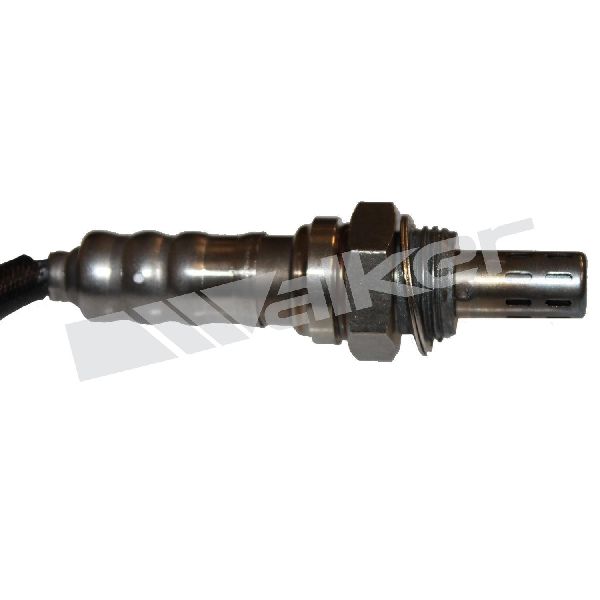
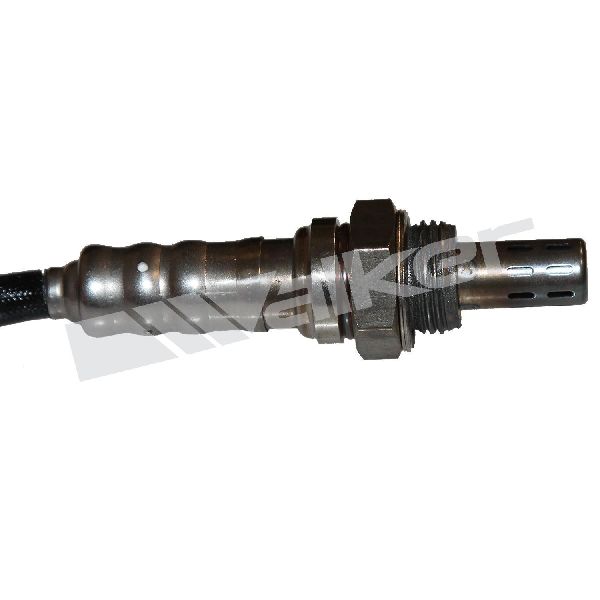
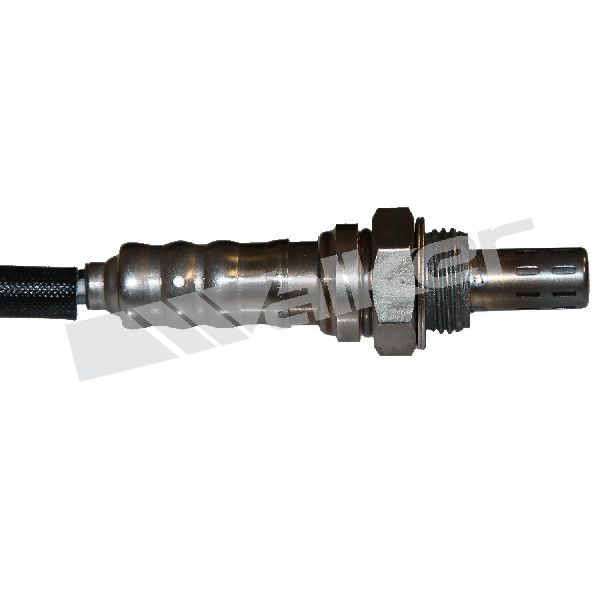
- Bank 1 Sensor 1 Oxygen Sensor (Upstream, Rear)
(OEM #39210-3CCB0)— This is the component that contains the heater element that most commonly fails, triggering the P0031 code.
Trusted brands: Hyundai (OEM), Bosch, Denso, NTK
OEM price range: $120-$180
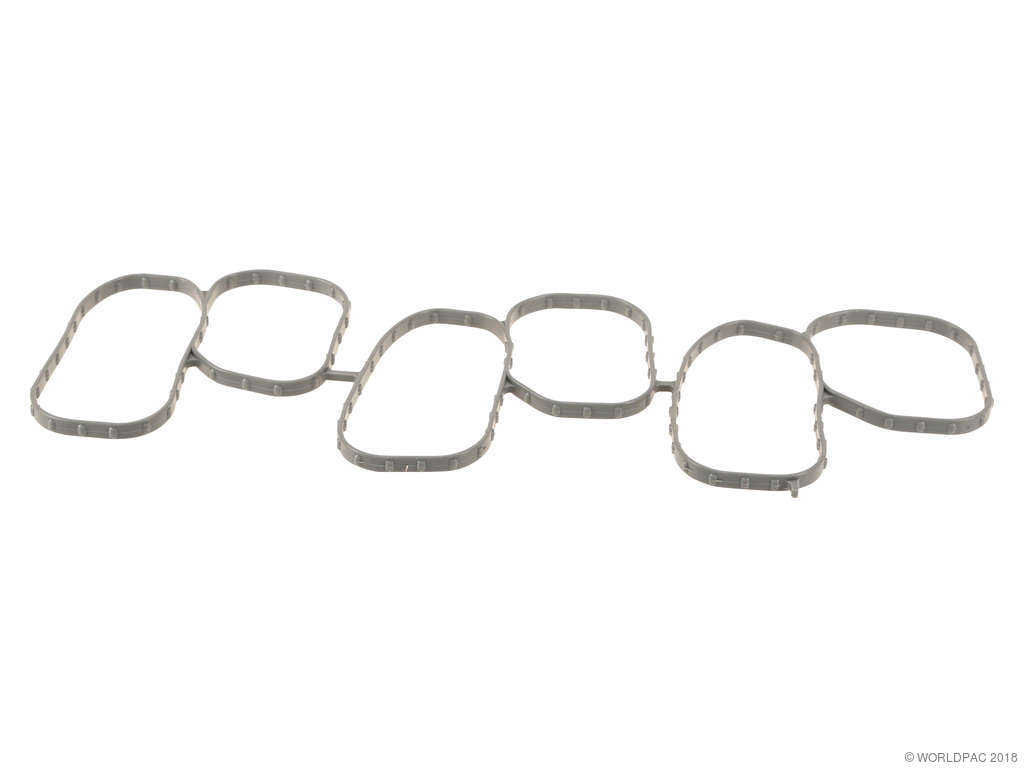
Aftermarket price range: $60-$110 - Upper Intake Manifold (Surge Tank) Gasket
(OEM #29215-3CFA0)— This gasket must be replaced when the upper intake manifold is removed to access the Bank 1 oxygen sensor. Reusing the old gasket will likely cause a vacuum leak.
Technical Service Bulletins (TSBs) & Recalls
- NHTSA Recall 23V-651000: While not directly related to P0031, this is a critical safety recall for 2012-2015 models concerning a fire risk from the ABS module. Owners should ensure this recall has been addressed.
Platform-Specific Known Issues
- The primary issue for this vehicle is the difficult location of the Bank 1 Sensor 1 O2 sensor. It is on the rear exhaust manifold against the firewall, and replacing it requires removing the upper intake manifold to gain access. This turns a simple sensor replacement into a more involved and time-consuming job that also requires replacing the intake gasket to prevent vacuum leaks.
Mechanic-Grade Diagnostic Values
- O2 Sensor Heater Element Resistance — expected: 8.1 - 11.1 Ω (at 21°C / 70°F). Failure: An open circuit (infinite resistance) or a reading outside this range indicates a failed heater element.
- ECM Fault Detection Threshold — expected: Heater voltage > 2.34V. Failure: The ECM will set DTC P0031 if it detects the heater control line voltage is less than 2.34V, indicating a short or open circuit.
- Heater Control Wire Voltage (Oscilloscope) — expected: When the heater is commanded on by the ECM (typically after engine start), the voltage should be a pulse-width modulated square wave with an average voltage below 0.8V. When commanded off, it should read battery voltage.. Failure: A flat line at 0V or battery voltage when it should be pulsing indicates a wiring or ECM driver issue.
Wiring & Ground Locations
- O2 Sensor Heater Circuit Path — From the engine compartment fuse box to the sensor and ECM.. Power is supplied from the main relay to the 'SENSOR 1' 15A fuse. From there, it goes to one of the two same-colored wires on the O2 sensor connector. The other same-colored wire is the control circuit, which runs to the ECM. The ECM provides a pulse-width modulated ground to control the heater's operation. A failure anywhere in this path will cause P0031.
Real Owner Repair Stories
- Hyundai Forums, user discussion (Hyundai vehicle with monitor readiness issues) — After replacing oxygen sensors with aftermarket parts, the O2 and Catalyst monitors would not set to 'Ready' for an emissions test, despite no check engine light.
❌ Tried (didn't work) Driving hundreds of miles to try and set the monitors., Resetting the ECU via scanner and battery disconnect., Idling the car for extended periods.
✅ What actually fixed it The consensus from experienced technicians in the thread was that some aftermarket O2 sensors, while functional enough to not set a DTC, do not have the precise switching activity of the OEM sensor, which prevents the more sensitive monitor readiness tests from completing. The recommendation is to use OEM, Denso, or NTK sensors to avoid this issue.
Model Year Variations Within This Range
- 2012-2017: While the Azera received a mid-cycle refresh in 2015 that updated styling and interior technology, the 3.3L Lambda II GDI V6 engine and its associated emissions control system, including the oxygen sensors and their wiring, remained consistent. The diagnosis and repair for P0031 are identical across this entire model year range.
Diagnostic Flowchart
Other Known Issues on This Vehicle
Issues unrelated to this code that are worth knowing about as an owner of this generation:
- Catastrophic Engine Failure / Internal Wear 🔴 High — Occurs at various mileages, sometimes under 80,000 miles. Subject of multiple class-action lawsuits for the Lambda II GDI engine family. (Ref: No universal recall, but Hyundai has offered extended warranties (15yr/150k miles) for certain models like the Santa Fe (TSB 24-EM-003H).)
- Excessive Oil Consumption and Sludge Buildup 🟠 Medium — Common issue on GDI engines, often becoming noticeable at higher mileage (>60k miles). Can be exacerbated by inadequate maintenance. Dealers require a formal oil consumption test for warranty claims. (Ref: No specific recall, but related to general engine lawsuits. Dealers may perform an engine cleaning procedure before approving engine replacement.)
- ABS Module Internal Leak (Fire Risk) 🔴 High — Affects 2012-2015 model year Azeras. The ABS module can leak brake fluid internally, causing an electrical short. (Ref: NHTSA Recall 23V-651000. Owners are advised to park their vehicles outside and away from structures until the recall repair (replacing the ABS module fuse) is performed.)
Used vs. New Parts: Buying Guide for This Vehicle
When a used part is the smart pick: For this specific repair, using a used oxygen sensor is strongly discouraged. The part is a known wear item and the labor involved is too significant to risk on a part with an unknown history.
What to inspect on the donor part:
- Due to the high labor cost associated with removing the intake manifold, installing a used oxygen sensor with unknown remaining life is not a cost-effective or reliable repair strategy.
OEM-only on this vehicle (don't cheap out):
- Intake Manifold Gasket (must be new)
- Oxygen Sensor (OEM or Tier 1 equivalent like Denso/NTK highly recommended)
Aftermarket brands forum-validated for this vehicle:
- Denso
- NTK
- Bosch
Brands owners have reported issues with on this vehicle:
- Unbranded or generic 'white-box' sensors have been anecdotally linked to issues with setting emissions monitors post-repair, even if they clear the initial fault code.
Real Owner Stories
Aggregated from forums and TSBs cited above. Mileages and costs reflect what owners reported in those sources.
2012-2017 Hyundai Azera 3.3L Lambda II GDI V6
Symptoms: A service advisor noted that for Lambda engine issues, the dealership often requires a formal oil consumption test and may perform an engine cleaning procedure for vehicles that are out of warranty.
What fixed it: Engine cleaning procedures or formal consumption tests as part of Hyundai's handling of Lambda engine family issues.
Source hint: Reddit r/Hyundai - 'Oil Consumption TSB' thread
Related OBD-II Codes
Frequently Asked Questions
Why is the labor for replacing the Bank 1 Sensor 1 O2 sensor so expensive on my Azera?
Do I need to replace any other parts when fixing the P0031 code on my 2012-2017 Azera?
Is there a specific fuse I should check for the P0031 code before replacing the sensor?
What is the correct resistance specification for the O2 sensor heater on the 3.3L engine?
Are there any safety recalls I should be aware of for my 2012-2015 Hyundai Azera?
Can I use a used or generic 'white-box' oxygen sensor to save money?
Helpful Videos
Used OEM Parts in Stock
New Aftermarket Parts Available

The information in this article is provided for general reference and educational purposes only. Vehicle specifications, procedures, and part compatibility can vary by production date, trim level, and region. Always consult your vehicle's factory service manual and verify part numbers before purchasing or performing repairs. Safety-critical components such as airbags, seat belts, and braking systems should be installed by a qualified professional.
- Hyundai Azera:
- 🧭 Diagnostic Flowchart
- 🎬 Helpful Videos
- 🛍️ Shop This Part
- What's Unique About the 2012-2017 Hyundai Azera
- Symptoms You May Notice
- Most Likely Causes
- Rare But Worth Checking
- Diagnosis Steps
- Parts You'll Likely Need
- Technical Service Bulletins (TSBs) & Recalls
- Platform-Specific Known Issues
- Mechanic-Grade Diagnostic Values
- Wiring & Ground Locations
- Real Owner Repair Stories
- Model Year Variations Within This Range
- Other Known Issues on This Vehicle
- Used vs. New Parts: Buying Guide for This Vehicle
- Real Owner Stories
- 2012-2017 Hyundai Azera 3.3L Lambda II GDI V6
- Related OBD-II Codes
- Frequently Asked Questions
- 🎟️ Get 5% Off