

P0031 on 2022 Jeep Cherokee: O2 Sensor Heater Circuit Low Causes and Fixes
P0031 on a 2022 Jeep Cherokee indicates a fault in the heater circuit of the upstream oxygen sensor on Bank 1. The most common fix is replacing the Bank 1, Sensor 1 O2 sensor. Before replacing, it is critical to check the related fuse and wiring for damage, as this is a common point of failure. An OEM Mopar sensor for the 2.4L engine is part number 68492338AA. For the 3.2L V6, the upstream sensor is a common replacement item. Costs range from $40-$120 for the part.
- P0031 almost always points to a problem with the Bank 1, Sensor 1 (upstream) oxygen sensor or its circuit.
- The most likely fix is replacing the oxygen sensor itself, which is a manageable DIY job with the correct O2 sensor socket.
- Before buying parts, always perform a quick visual inspection of the sensor's wiring for melting or damage and check the associated fuse.
- On V6 models, remember that Bank 1 is the cylinder bank located toward the rear of the engine bay (firewall side).
- A manufacturer TSB exists for this exact code on this model year, confirming it's a known issue.
- Consider using an OEM (Mopar) or OEM-equivalent (NTK) sensor, as some Jeeps perform poorly with other aftermarket brands.
What's Unique About the 2022-2022 Jeep CHEROKEE
For the KL generation Cherokee (2014-2023), the P0031 code is a well-documented issue. A Technical Service Bulletin (TSB #1809622REVB) was issued for the 2022 model year specifically mentioning this code, indicating it's a known problem recognized by the manufacturer. Depending on the engine, identifying 'Bank 1' can be tricky; on the 3.2L V6, Bank 1 is the cylinder bank closer to the firewall, not the front of the vehicle. For the 2.4L I4 engine, there is only one bank, so 'Bank 1' is the only bank. The 2.4L MultiAir engine is shared across several Stellantis platforms, many of which also report P0031 issues.
Diagnostic Flowchart
Tap your situation to follow the diagnostic path that matches what you're seeing on this vehicle.
Symptoms You May Notice
- Check Engine Light is on
- Decreased fuel economy.
- Rough running or hesitation, especially when cold.
- Failing an emissions test.
- Engine may enter a fault mode or "OL-Fault", preventing closed-loop operation.
- Replacing the wrong oxygen sensor. P0031 is specifically for Bank 1, Sensor 1 (upstream). On V6 models, Bank 1 is the bank near the firewall. Always confirm the location before replacement.
- Replacing the sensor without checking the fuse or wiring first. A simple blown fuse or a damaged wire can cause the code and is much cheaper to fix than a new sensor.
- Using an incorrect or low-quality aftermarket O2 sensor. Some Chrysler/Jeep vehicles are known to be picky and may continue to set codes unless an OEM (Mopar) or OEM-equivalent (NTK) sensor is used.
Most Likely Causes
- Failed Bank 1, Sensor 1 Oxygen Sensor 🔴 High Probability → Shop Oxygen Sensor The internal heater element is a common failure point in oxygen sensors. A manufacturer TSB specifically calls out this code for the 2022 model year, suggesting a higher-than-average occurrence. Forum users frequently report that replacing the sensor resolves the code.
How to confirm: Disconnect the sensor and measure the resistance across the two heater circuit pins (usually the two same-colored wires) using a multimeter. A reading of an open circuit (infinite resistance) or a value far outside the manufacturer's spec (typically 2-30 Ohms, with many Chrysler/Jeep sensors specifically in the 4-7 Ohm range) indicates a failed heater.
Typical fix: Replace the Bank 1, Sensor 1 (upstream) oxygen sensor. An O2 sensor socket is recommended for removal. Using an OEM-equivalent brand like NTK or Mopar is highly recommended, as some Jeeps are sensitive to aftermarket sensors.
Est. part cost: $40 - $182 - Damaged Wiring or Connector 🟡 Medium Probability The O2 sensor wiring harness is routed close to hot exhaust components and can be susceptible to melting, chafing, or corrosion over time. A short to ground in the heater control wire is a documented cause of this code.
How to confirm: Visually inspect the entire wiring harness from the O2 sensor to the main engine harness. Look for melted plastic, frayed wires, or corrosion inside the connector pins. Test for battery voltage (approx. 12V) at the heater power wire on the vehicle-side connector with the key on, engine off. A lack of power points to an issue upstream (fuse, relay, or wire).
Typical fix: Repair the damaged section of wire with solder and heat shrink tubing or replace the connector pigtail if it is damaged. In one documented case for a Jeep, a wire had rubbed through its insulation, causing a short to ground that required a simple insulation repair.
Est. part cost: $5 - $30 - Blown Fuse or Faulty Relay ⚪ Low Probability
How to confirm: Locate the fuse for the O2 sensor heater circuit in the underhood fuse box (Power Distribution Center). While the specific fuse can vary, on similar platforms it may be labeled 'O2 HTR', 'A/F Heater', or be part of the ASD (Auto Shutdown) relay circuit. Visually inspect the fuse and test for continuity with a multimeter.
Typical fix: Replace the blown fuse. If the fuse blows again immediately, it indicates a short circuit in the wiring or the sensor that must be diagnosed.
Est. part cost: $1 - $5
Rare But Worth Checking
- Faulty Powertrain Control Module (PCM) or Outdated Software: This is very rare. Before condemning the PCM, all other possibilities must be exhaustively ruled out. On related platforms like the Ram ProMaster City with the same 2.4L engine, a TSB (18-018-22 REV. A) was issued to fix P0031 with a PCM software update, indicating software can be a cause.
Diagnosis Steps
- Read the code with an OBD-II scanner to confirm P0031 is present and note any other codes.
- Visually inspect the Bank 1, Sensor 1 oxygen sensor's wiring and connector for any signs of melting, chafing, or corrosion.
- Check the fuse(s) for the O2 sensor heater circuit in the vehicle's underhood fuse box. On similar platforms, these can be labeled F07, F08, or be related to the ASD relay. 🎬 Watch: How to find the O2 sensor fuses and relays.
- If the fuse and wiring are okay, disconnect the O2 sensor. Use a multimeter to test for 12-volt power at the heater circuit pin on the vehicle-side connector (with ignition on, engine off).
- Use a multimeter to measure the resistance of the heater circuit on the sensor itself (usually across the two same-colored wires). A reading between 4-7 Ohms is common for Mopar sensors; an open circuit (OL) confirms the sensor's internal heater has failed.
- If the sensor's resistance is within spec and power is present at the connector, check the ground control wire from the connector back to the PCM for continuity and to ensure it's not shorted to ground. A short to ground on this wire can cause the code even with a good sensor.
- If all wiring and the sensor test good, the issue may be a rare fault within the PCM or require a software update as per TSBs on related vehicles.
Parts You'll Likely Need
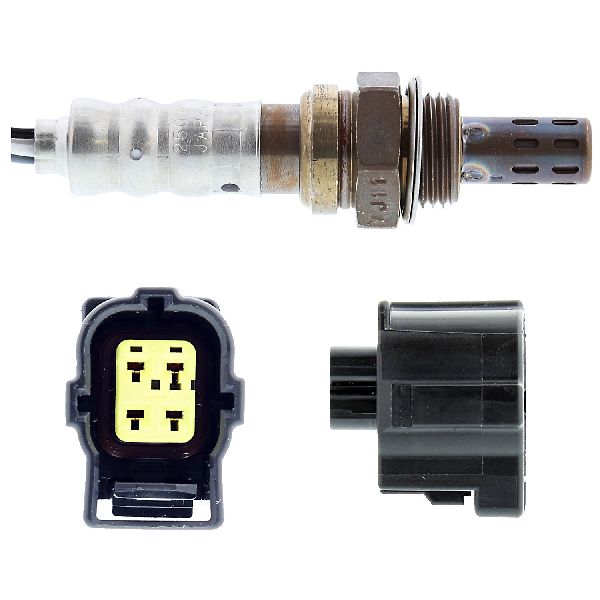
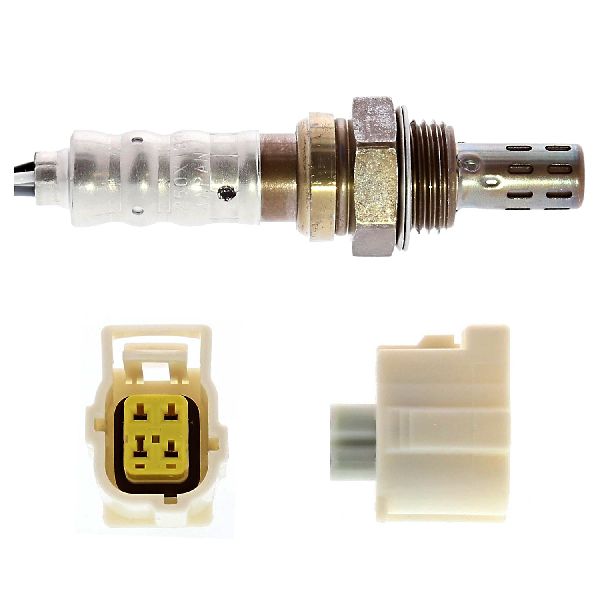
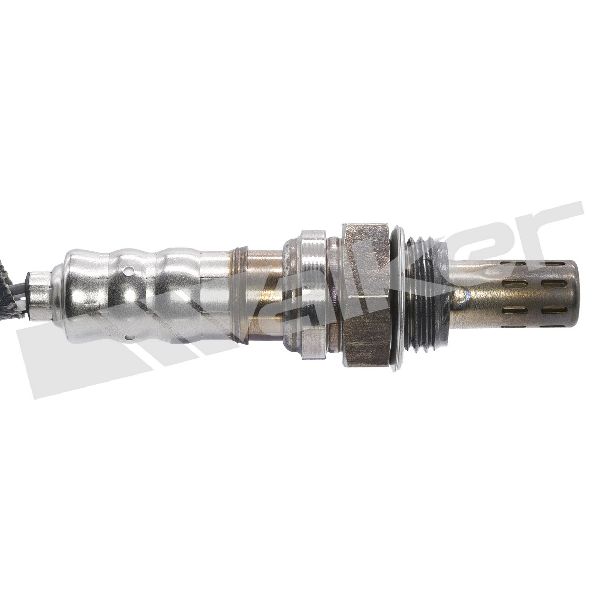
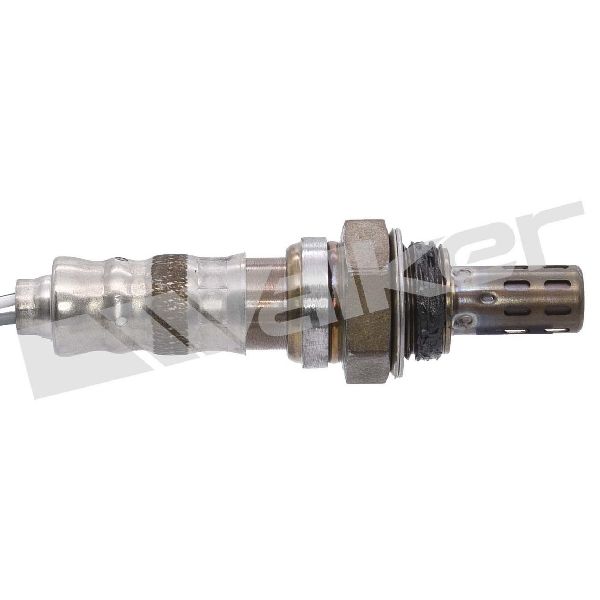
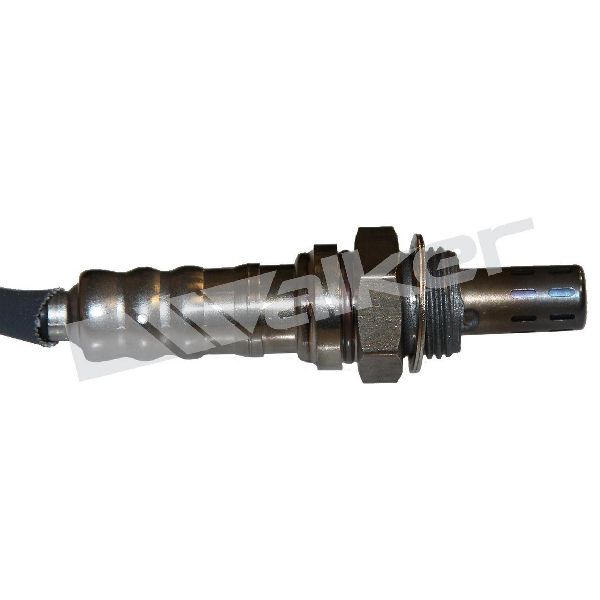
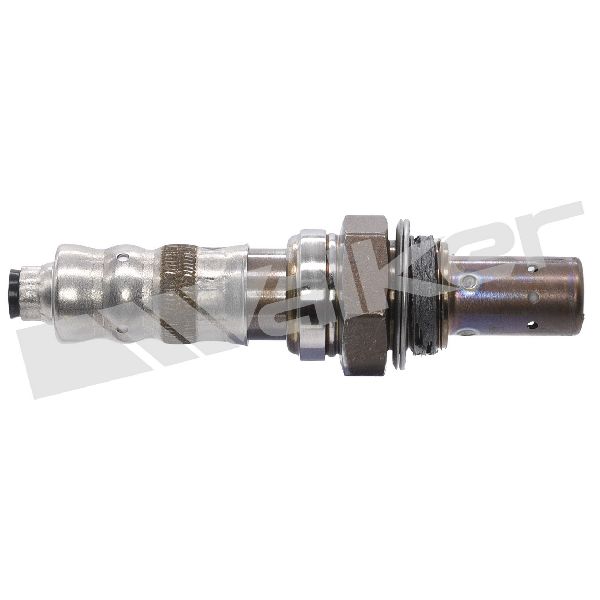
- Upstream Oxygen Sensor (Bank 1, Sensor 1)
(OEM #68492338AA (For 2.4L Engine))— This is the most common cause of P0031, as the internal heater element fails over time.
Trusted brands: Mopar, NGK/NTK, Bosch, Denso
OEM price range: $122-$182.
Aftermarket price range: $40-$100
Related Codes That Often Appear With This One
- P0032: HO2S Heater Control Circuit High (Bank 1 Sensor 1) - Seeing both high and low codes can indicate an intermittent wiring short.
- P0135: O2 Sensor Heater Circuit Malfunction (Bank 1 Sensor 1) - A more generic version of the P0031/P0032 codes.
- P0037, P0051, P0057: Heater circuit codes for the other O2 sensors. If multiple heater codes are present, it strongly suggests a common power or ground issue, like a blown fuse, rather than multiple failed sensors.
Technical Service Bulletins (TSBs) & Recalls
- 1809622REVB: Addresses Malfunction Indicator Lamp (MIL) illumination due to DTC P0031 - O2 Sensor 1/1 Heater Circuit Low.
- 18-018-22 REV. A: While for the related Ram ProMaster City, it addresses fixing P0031 with a PCM software update, showing it's a possible cause.
Platform-Specific Known Issues
- A Technical Service Bulletin (TSB #1809622REVB) was issued by the manufacturer for 2022 Jeep Cherokees specifically for the P0031 code, indicating a recognized pattern of failure.
- On the 3.2L V6 engine, Bank 1 is the rear bank, closer to the firewall, which can be confusing and lead to replacing the wrong sensor.
- The 2.4L MultiAir engine used in the Cherokee is also used in several other vehicles that share this common P0031 fault.
Mechanic-Grade Diagnostic Values
- O2 Sensor Heater Element Resistance — expected: 4-7 Ohms for many Chrysler/Jeep sensors at room temperature. General spec is 2-30 Ohms.. Failure: An open circuit (OL or infinite resistance) or a dead short (near zero Ohms) indicates a failed heater element.
- Heater Circuit Power Supply Voltage — expected: Approximately 12 Volts (battery voltage) at the power supply pin on the vehicle-side connector with the key on, engine off.. Failure: Zero or very low voltage points to a blown fuse, faulty relay (like the ASD relay), or a break in the power wire.
- PCM Set Condition Voltage — expected: The PCM expects to see a specific voltage on the circuit. The code sets if the signal voltage is below a certain threshold (e.g., 2.5196 volts) for a set duration (e.g., 6 seconds) after startup.. Failure: A persistent low voltage reading triggers the DTC.
Scan Tool Commands That Help
- wiTECH or equivalent professional scanner: O2 Heater Test / Actuation Test — This command allows the technician to directly command the O2 sensor heater on and off to verify the circuit's integrity. It can confirm if the PCM driver is functioning and if the circuit can carry a load, helping to isolate the fault between the PCM, wiring, and the sensor itself.
Wiring & Ground Locations
- G104 — On older Jeep platforms (like the WJ Grand Cherokee), this is a critical ground strap from the firewall to a stud on the side of the engine block, often near the dipstick tubes.. The wiring harness for the oxygen sensors and A/C clutch grounds at this stud. A poor connection at G104 can cause intermittent or persistent O2 sensor heater codes even with a good sensor and wiring.
- PCM Connector C3, Cavity 8 — This is a specific pin on a PCM connector for an older Jeep model (04 GC).. On that specific model, this pin (Brown/Orange wire) is the ground control for the O2 sensor heater. Testing continuity on this wire back to the sensor connector is a key step if the sensor and power supply are good, but it must be done with the PCM disconnected to avoid damage.
Real Owner Repair Stories
- Reddit user on r/GrandCherokee (2004 Jeep Grand Cherokee 4.0L) — Check Engine Light with code P0031.
❌ Tried (didn't work) Replacing all four O2 sensors with new NGK sensors.
✅ What actually fixed it The user was advised to perform a detailed electrical diagnosis starting from the fuse (Fuse 16 in the underhood box), checking power from the ASD relay to the O2 sensor connector (Orange/Dark Green wire), and then checking the PCM ground control wire (Brown/Orange wire at PCM connector C3, pin 8) for continuity. The story highlights that replacing the sensor is not always the fix and electrical testing is crucial.
When the Usual Fixes Don't Work
- In a case involving a Jeep JK, a user replaced all four O2 sensors, the EGR valve, and performed a tune-up, but the P0031 code persisted. The issue was not the sensor itself but required in-depth electrical diagnosis of the wiring harness between the PCM and the sensor connector, including checking for shorts between pins and verifying the integrity of shared ground splices like S133 mentioned in the service manual. This demonstrates that even with new, high-quality parts, a wiring fault can be the true root cause.
Helpful Videos
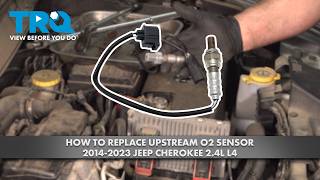

We Have This Part in Stock

The information in this article is provided for general reference and educational purposes only. Vehicle specifications, procedures, and part compatibility can vary by production date, trim level, and region. Always consult your vehicle's factory service manual and verify part numbers before purchasing or performing repairs. Safety-critical components such as airbags, seat belts, and braking systems should be installed by a qualified professional.
- Jeep CHEROKEE:
- 🧭 Diagnostic Flowchart
- 🎬 Helpful Videos
- 🛍️ Shop This Part
- What's Unique About the 2022-2022 Jeep CHEROKEE
- Symptoms You May Notice
- Most Likely Causes
- Rare But Worth Checking
- Diagnosis Steps
- Parts You'll Likely Need
- Related Codes That Often Appear With This One
- Technical Service Bulletins (TSBs) & Recalls
- Platform-Specific Known Issues
- Mechanic-Grade Diagnostic Values
- Scan Tool Commands That Help
- Wiring & Ground Locations
- Real Owner Repair Stories
- When the Usual Fixes Don't Work
- 🎟️ Get 5% Off