

P0031 on 2003-2009 Mazda 3 1.6L: Heater Circuit Low Causes and Fixes
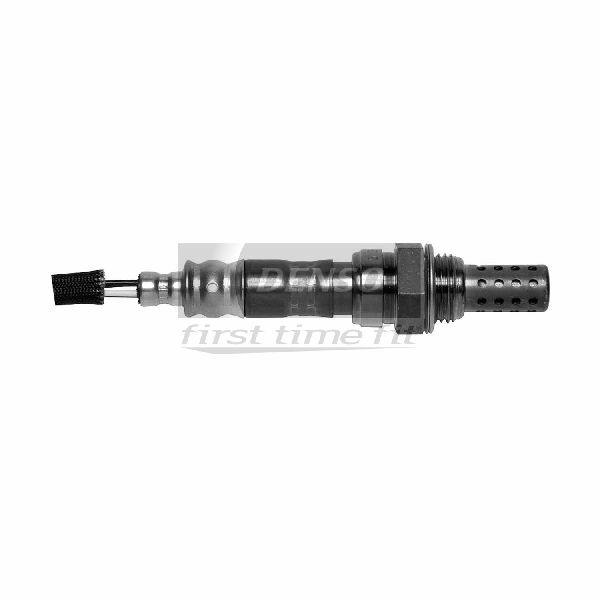
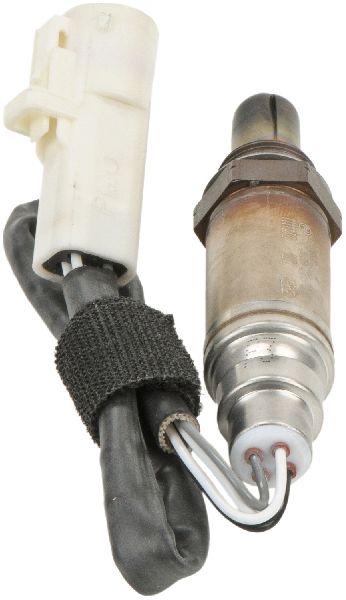
This code almost always indicates a failed front oxygen sensor (Bank 1, Sensor 1). The internal heater element, which is essential for bringing the sensor to its optimal operating temperature quickly, burns out. Replacing the sensor is the most common fix. An aftermarket part costs around $60-$120 and is a straightforward DIY job for many. The OEM part number is Z601-18-861A.
- P0031 on a 2003-2009 Mazda 3 1.6L almost certainly means you need a new front oxygen sensor (Bank 1, Sensor 1).
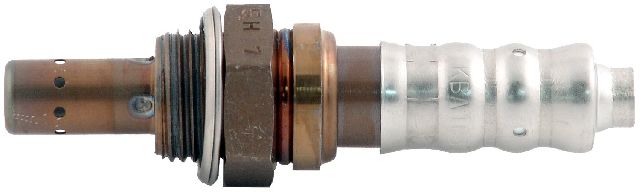
- The OEM part number is Z601-18-861A. A quality aftermarket equivalent is Denso DOX-0331 or NTK OZA668-EE18. Using cheap, unbranded sensors may lead to the code returning.
- Before buying a part, check the 10A fuse in position 33 of the under-hood fuse box and visually inspect the sensor wiring for obvious damage.
- You can confirm a bad sensor by testing the resistance of its heater circuit; a good sensor will read between 3-20 Ohms.
- This is a manageable DIY repair with basic tools and an O2 sensor socket, which can be rented from most auto parts stores. Ignoring the code will lead to poor fuel mileage and guaranteed failure of an emissions test.
What's Unique About the 2003-2009 Mazda 3
For the first-generation (BK) Mazda 3 with the 1.6L Z6 engine, the P0031 code is a very common and straightforward issue. The upstream oxygen sensor is easily accessible on the front of the exhaust manifold. Owners report that the original sensors frequently fail after 8-12 years of service. There are no significant recalls or technical service bulletins specifically for this code on this model, reinforcing that it's typically a standard wear-and-tear component failure. Some owners on Reddit have reported the code returning after using cheap, unbranded sensors, suggesting that using reputable aftermarket brands like Denso or NTK is advisable.
Symptoms You May Notice
- Check Engine Light is on
- Decreased fuel economy
- Rough or hesitant idling, especially when cold. Some owners report RPMs dipping at traffic lights right before the light illuminates.
- Failure to pass an emissions/smog test
- Slightly sluggish engine performance
- Replacing the downstream (post-catalytic converter) oxygen sensor. P0031 specifically refers to Sensor 1, which is always the upstream sensor before the catalytic converter.
- Using a very cheap, no-name oxygen sensor from online marketplaces. Some owners report these failing quickly or being dead-on-arrival, causing the code to return.
Most Likely Causes
- Failed Upstream Oxygen Sensor 🔴 High Probability → Shop Oxygen Sensor The internal heater element is a common failure point due to age and countless heat cycles. It's the most frequently reported cause in owner forums.
How to confirm: Disconnect the sensor and measure the resistance across the two heater circuit pins (often the two same-colored wires, e.g., two black wires) with a multimeter. A healthy sensor should have a resistance between 3 and 20 Ohms when cold. An open circuit (infinite resistance, 'OL') or a reading far outside this range confirms the heater has failed.
Typical fix: Replace the Bank 1, Sensor 1 oxygen sensor. This is the sensor located on the exhaust manifold before the catalytic converter.
Est. part cost: $60-$180 - Damaged Wiring or Connector 🟡 Medium Probability The wiring is close to the hot exhaust manifold and can become brittle, melt, or corrode over time. The connector itself can also accumulate dirt or moisture, leading to a poor connection.
How to confirm: Visually inspect the entire length of the sensor's wiring harness and the connector for any signs of melting, chafing, corrosion, or broken wires. Pay close attention to where the harness might contact the engine or heat shields.
Typical fix: Repair the damaged section of wire or replace the connector pigtail.
Est. part cost: $10-$30 - Blown Fuse ⚪ Low Probability
How to confirm: Locate the fuse box under the hood. Check the 10A fuse in position 33, labeled 'ENG BAR 3' or simply 'O2 sensors'. This fuse protects the O2 sensor heater circuit. A visual inspection or a multimeter test can confirm if it's blown.
Typical fix: Replace the blown fuse. If the fuse blows again immediately, it indicates a short circuit in the wiring or the sensor itself that must be diagnosed.
Est. part cost: $1-$5
Rare But Worth Checking
- Faulty Powertrain Control Module (PCM): This is extremely rare. The PCM is the last item to suspect after all other possibilities (sensor, wiring, fuses) have been thoroughly ruled out. A user on Reddit with a 2004 Mazda 3 mentioned this as a final possibility after replacing sensors didn't solve the issue.
Diagnosis Steps
- Read the code with an OBD-II scanner to confirm P0031 is present.
- Visually inspect the upstream oxygen sensor's wiring and connector for any signs of melting, fraying, or corrosion. The sensor is located on the exhaust manifold, easily visible at the front of the engine.
- Check the 10A fuse at position 33 in the under-hood fuse box, which is designated for the O2 sensors.
- If the wiring and fuse are good, disconnect the sensor's electrical connector.
- Using a multimeter set to Ohms (Ω), measure the resistance between the two heater pins on the sensor side of the connector (these are often the two wires of the same color). A reading between 3-20 Ohms is typically good. A reading of 'OL' or infinite resistance indicates a burned-out heater element, and the sensor must be replaced.
- If resistance is within spec, check for 12V power on the supply wire and a good ground on the ground wire of the vehicle-side harness connector (with the key on, engine off). The absence of 12V points to a wiring or fuse issue upstream.
- If power and ground are present and the sensor's resistance is good, there may be an intermittent wiring issue. Wiggle the harness while checking for voltage/continuity to find breaks.
- If all wiring and the sensor check out, the fault may lie with the PCM, but this is highly unlikely and should be the last consideration.
Parts You'll Likely Need
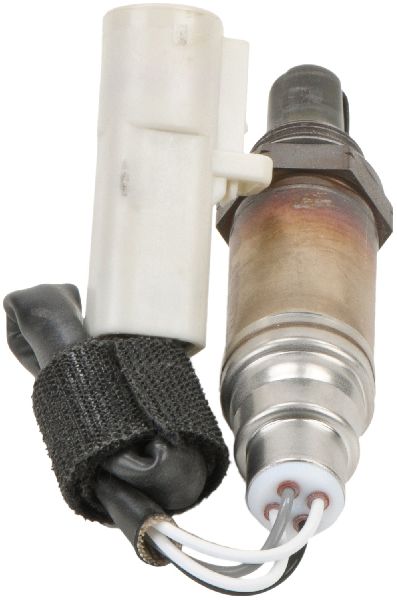
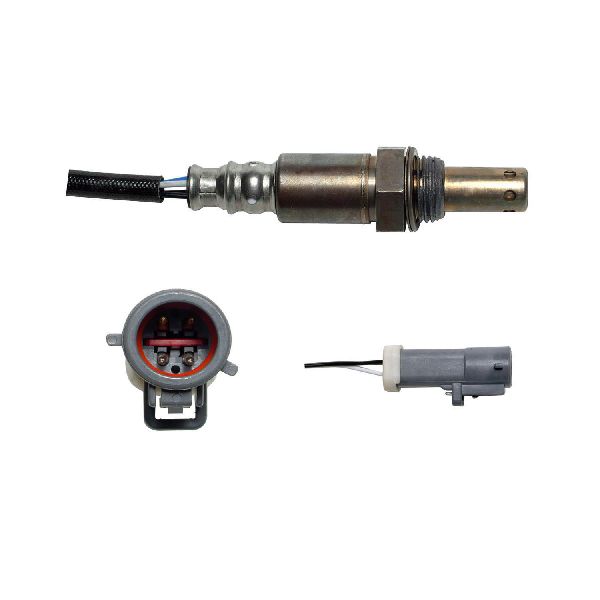
- Upstream Oxygen Sensor / Air-Fuel Ratio Sensor
(OEM #Z601-18-861A)— This is the component that contains the heater element that fails, directly causing the P0031 code.
Trusted brands: Denso (OEM supplier), NGK/NTK (OEM supplier), Bosch
OEM price range: $150-$220
Aftermarket price range: $60-$120
Related Codes That Often Appear With This One
- P0134 — P0134 (O2 Sensor Circuit No Activity Detected) can appear with P0031 because if the heater fails, the sensor may not reach operating temperature and therefore won't produce a signal.
- P0131 — P0131 (O2 Sensor Circuit Low Voltage) can also be triggered alongside P0031, as a cold, non-functioning sensor can produce a low voltage signal.
- P0030 — P0030 (HO2S Heater Control Circuit Bank 1 Sensor 1) is a more general heater circuit fault and can sometimes appear with P0031, indicating a problem in the same circuit.
Platform-Specific Known Issues
- Recurring Code with Aftermarket Sensors: A user on r/mazda3 reported getting the P0031 code again just two and a half weeks after replacing both O2 sensors. This highlights the importance of either using OEM sensors or high-quality aftermarket parts from brands like Denso or NTK, as cheap knockoffs can fail prematurely or be defective from the start.
Mechanic-Grade Diagnostic Values
- O2 Sensor Heater Element Resistance — expected: 5-8 Ohms at 20°C (68°F). Failure: A reading of 0 Ohms (short circuit) or infinite/OL (open circuit) indicates a failed heater element.
- Heater Circuit Supply Voltage — expected: Approximately 12V (Battery Voltage) with Key On, Engine Off (KOEO).. Failure: Significantly less than 12V or 0V indicates a problem with the fuse, relay, or wiring harness between the fuse box and the sensor connector.
- Heater Circuit Ground Integrity — expected: Near 0 Ohms resistance between the ground pin on the harness-side connector and a known good chassis ground.. Failure: High resistance or an open circuit (OL) points to a break or corrosion in the ground wire leading back to the PCM or engine block ground point.
Wiring & Ground Locations
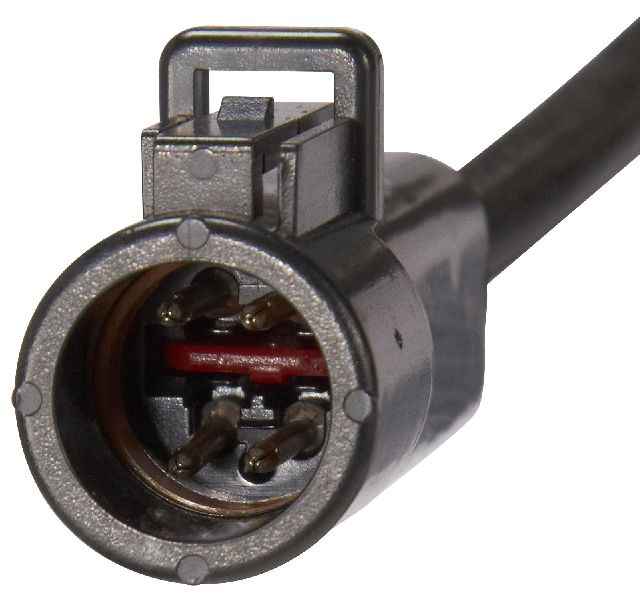
- O2 Sensor Heater Wires — On the sensor's 4-wire connector, these are typically the two wires that are the same color (e.g., two black wires).. These are the specific pins that must be probed with a multimeter to test the resistance of the internal heater element. Testing the wrong pins will give incorrect readings.
- Engine Block to Chassis Ground — A primary ground strap is typically located from the engine block or transmission housing to the vehicle's chassis/frame rail in the engine bay.. While not a direct cause, a poor main engine ground can create floating voltages and unstable readings across all engine sensors, potentially leading to intermittent or confusing diagnostic codes. Ensuring this connection is clean and tight is a good practice when chasing electrical faults.
Real Owner Repair Stories
- 2CarPros Forum User 'GPOLIMPO' (2006 Mazda 3 1.6L Automatic, 190,550 miles) — Started with P0420, shop replaced upstream O2 sensor. Then got P0031. Shop then replaced downstream sensor incorrectly. CEL with P0031 kept returning.
❌ Tried (didn't work) Replacing upstream O2 sensor (initially for a P0420), Replacing downstream O2 sensor (incorrect diagnosis for P0031), Cleaning catalytic converter, Cleaning fuel pump
✅ What actually fixed it The shop found a 'stuck wire' and repaired the wiring harness. Although the problem was still intermittent for the owner, the final professional advice given was that the issue was in the heater circuit wiring, not the sensor itself, which had been replaced multiple times.
OEM Part Supersession History
Z601-18-861→Z601-18-861A, Z601-18-861B— Standard part revision and supplier updates.
Heads up: Z601-18-861A is the most commonly cited replacement part number for the 2003-2009 1.6L engine. While Z601-18-861B also exists, ensure the part listing explicitly confirms fitment for the 1.6L BK model, as some variants are for other engine sizes.
Model Year Variations Within This Range
- 2006-2009: The Mazda 3 BK received a facelift in 2006. While the 1.6L Z6 engine and the fundamental cause of P0031 remained the same, there were minor cosmetic and interior changes. For diagnostics, the wiring, fuse locations, and sensor specifications related to P0031 are consistent across the entire 2003-2009 generation.
Diagnostic Flowchart
Used vs. New Parts: Buying Guide for This Vehicle
When a used part is the smart pick: It is strongly NOT recommended to buy a used oxygen sensor. They are a wear-and-tear component with a finite lifespan determined by heat cycles and mileage. The cost savings are minimal compared to the high risk of receiving a part that is already near the end of its life or completely failed.
What to inspect on the donor part:
- Not applicable. Do not purchase used.
OEM-only on this vehicle (don't cheap out):
- While not strictly 'OEM-only', it is critical to use a high-quality sensor. Cheap, unbranded sensors are a common cause of recurring P0031 codes as they may be dead-on-arrival or fail within weeks.
Aftermarket brands forum-validated for this vehicle:
- Denso (often the original equipment manufacturer)
- NGK / NTK
- Bosch
Brands owners have reported issues with on this vehicle:
- Unbranded, 'no-name' sensors from online marketplaces like eBay or Amazon without a clear, reputable brand name attached.
Real Owner Stories
Aggregated from forums and TSBs cited above. Mileages and costs reflect what owners reported in those sources.
2004 Mazda 3 sedan BK12, 1.6 L
Symptoms: The check engine light came on with code P0031.
What fixed it: The owner had not found a definitive fix. The code returned two and a half weeks after replacing both O2 sensors. A commenter suggested checking the wiring harnesses or that the new replacement sensors might be faulty.
Source hint: Reddit r/mazda3 thread titled 'O2 sensor problem'
2006 Mazda 3 1.6L — 190550 miles
Symptoms: Check Engine Light appeared. Initially, the code was P0420, but after the upstream O2 sensor was replaced, code P0031 appeared.
What fixed it: The problem was not resolved after multiple attempts. Replacing both the upstream and downstream O2 sensors, checking for wire shorts, and cleaning the fuel pump did not fix the P0031 code.
Source hint: 2CarPros forum thread titled 'Check Engine Light - Mazda'
2011 Mazda 3 1.6L
Symptoms: The engine RPMs would dip at idle just before the P0031-related Check Engine Light would appear.
What fixed it: The forum post describes the specific symptom but does not detail the final repair that resolved the issue.
Source hint: Honest John Forum thread 'index.htm?t=158913'
Related OBD-II Codes
Frequently Asked Questions
Where is the Bank 1, Sensor 1 oxygen sensor located on my 1.6L Mazda 3?
What fuse should I check first for a P0031 code?
What is the correct resistance for the upstream O2 sensor's heater element?
I replaced my O2 sensor with a cheap aftermarket one and the P0031 code came back. Why?
My car's RPMs dip at traffic lights right before the Check Engine Light comes on. Is this related to P0031?
Do other cars like the Ford Focus or Volvo S40 have this same P0031 problem?
We Have This Part in Stock

The information in this article is provided for general reference and educational purposes only. Vehicle specifications, procedures, and part compatibility can vary by production date, trim level, and region. Always consult your vehicle's factory service manual and verify part numbers before purchasing or performing repairs. Safety-critical components such as airbags, seat belts, and braking systems should be installed by a qualified professional.
- Mazda 3:
- 🧭 Diagnostic Flowchart
- 🛍️ Shop This Part
- What's Unique About the 2003-2009 Mazda 3
- Symptoms You May Notice
- Most Likely Causes
- Rare But Worth Checking
- Diagnosis Steps
- Parts You'll Likely Need
- Related Codes That Often Appear With This One
- Platform-Specific Known Issues
- Mechanic-Grade Diagnostic Values
- Wiring & Ground Locations
- Real Owner Repair Stories
- OEM Part Supersession History
- Model Year Variations Within This Range
- Used vs. New Parts: Buying Guide for This Vehicle
- Real Owner Stories
- 2004 Mazda 3 sedan BK12, 1.6 L
- 2006 Mazda 3 1.6L — 190550 miles
- 2011 Mazda 3 1.6L
- Related OBD-II Codes
- Frequently Asked Questions
- 🎟️ Get 5% Off