

P0031 on 2010-2013 Mazda 3 2.0L: O2 Sensor Heater Circuit Low Causes and Fixes
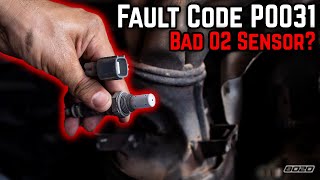
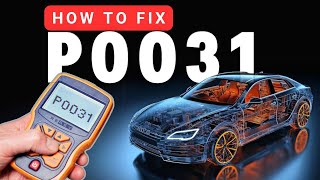
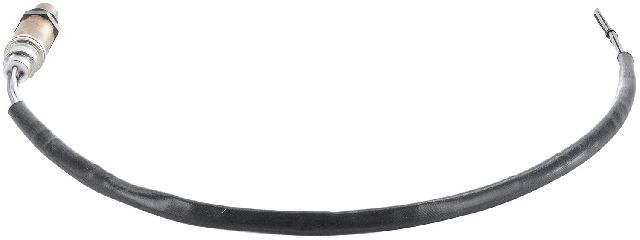
On a 2010-2013 Mazda 3 with the 2.0L MZR engine, code P0031 almost always means the heater element inside the upstream oxygen sensor has failed. Replacing this sensor (Bank 1, Sensor 1) is the most common fix, costing around $70-$150 for a quality aftermarket part. Before replacing, it's wise to check the O2 sensor fuse as a simple first step.
- P0031 on your Mazda 3 almost certainly means the upstream oxygen sensor (Bank 1, Sensor 1) has failed and needs to be replaced.
- This is a common DIY repair that requires an O2 sensor socket, but it can save you significant labor costs.
- Always use a quality replacement sensor from a reputable brand like Denso or NTK. Cheap sensors are known to fail and cause the code to return.
What's Unique About the 2010-2013 Mazda 3
For the second-generation Mazda 3 (2010-2013) with the MZR 2.0L engine, the P0031 code is a very common and straightforward issue. The emissions system is conventional and reliable, and this code does not point to a systemic design flaw. Instead, it's typically a standard wear-and-tear failure of the original oxygen sensor's heater element after years of heat cycles. Owner experiences confirm that using high-quality, direct-fit replacement sensors from OEM suppliers like Denso or NTK is important, as cheap generic sensors are known to fail quickly and cause the code to return. Interestingly, some owners have noted the original factory-installed Denso sensor has a Ford logo stamped on it, highlighting the shared platform engineering.
Symptoms You May Notice
- Check Engine Light is on
- Reduced fuel economy
- Rough idle or hesitation, especially when the engine is cold
- Failing an emissions test
- Longer engine warm-up period
- Replacing the downstream (post-catalytic converter) oxygen sensor. P0031 specifically refers to Sensor 1, which is always the upstream sensor.
- Assuming the new sensor is good without testing. Even new parts, especially from non-reputable brands, can be faulty out of the box.
Most Likely Causes
- Failed Upstream Oxygen Sensor (Bank 1, Sensor 1) 🔴 High Probability → Shop Oxygen Sensor The internal heater element is a common wear-and-tear component that fails from age and repeated heat cycles, typically after 80,000-100,000 miles.
How to confirm: With the engine off and cool, unplug the sensor and measure the resistance between the two same-colored wires (usually black, for the heater circuit). A healthy sensor should have a low resistance, typically between 2-15 Ohms. An open circuit (infinite resistance or 'OL' on a multimeter) confirms the heater element is burned out and the sensor is bad.
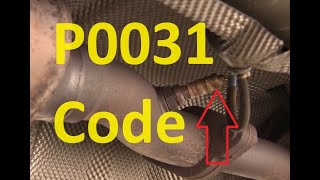
Typical fix: Replace the upstream oxygen sensor located on the exhaust manifold. An O2 sensor socket (often a 22mm or 7/8") is required. Some DIYers cut the wires of the old sensor to remove it with a standard deep 22mm socket. 🎬 See this clever hack for removing a stubborn upstream sensor.
Est. part cost: $70-$150 - Blown Fuse ⚪ Low Probability
How to confirm: Check the fuse box in the engine bay for a blown fuse related to the O2 sensor heater circuit. Sources point to conflicting fuse ratings; some reference a 15A fuse labeled 'ENG BAR' or 'HEATER', while others mention a 10A fuse in position 33. Always consult your owner's manual or the fuse box diagram for the exact location and rating.
Typical fix: Replace the blown fuse. If it blows again immediately, there is a short circuit in the wiring or the new sensor that must be found and repaired.
Est. part cost: $1-$5 - Damaged Wiring or Connector ⚪ Low Probability Wiring is exposed to high heat from the exhaust manifold, which can cause insulation to become brittle and crack over time, leading to a short or open circuit.
How to confirm: Visually inspect the wiring harness and connector for the upstream O2 sensor. Look for any signs of melting, chafing, corrosion, or wires touching the engine block or exhaust.
Typical fix: Repair or replace the damaged section of the wiring harness or the connector.
Est. part cost: $10-$50
Rare But Worth Checking
- Faulty Powertrain Control Module (PCM): This is extremely rare. The PCM should only be considered after all other possibilities (sensor, fuse, and wiring) have been thoroughly tested and ruled out.
Diagnosis Steps
- Scan for any other trouble codes. Codes like P0134 can help confirm the sensor is the root cause.
- Visually inspect the upstream oxygen sensor's wiring harness and connector for any obvious signs of damage, such as melting, fraying, or corrosion.
- Check the fuse for the oxygen sensor heater circuit in the under-hood fuse box.
- If the fuse is good, test the sensor's internal heater. Disconnect the sensor and use a multimeter set to Ohms to measure the resistance across the two heater pins (usually the two wires of the same color, often black). A reading of infinite resistance ('OL') means the heater is broken. A good sensor should read a low resistance, typically between 2-15 ohms.
- If the sensor's resistance is within spec, check for power at the vehicle's harness connector. With the key on (engine off), one pin should have 12 volts and another should have a good ground.
- If the sensor tests good and the wiring has proper power and ground, the fault may be in the wiring between the sensor and the PCM. If all wiring is confirmed good, the PCM itself could be the issue, but this is very unlikely.
Parts You'll Likely Need
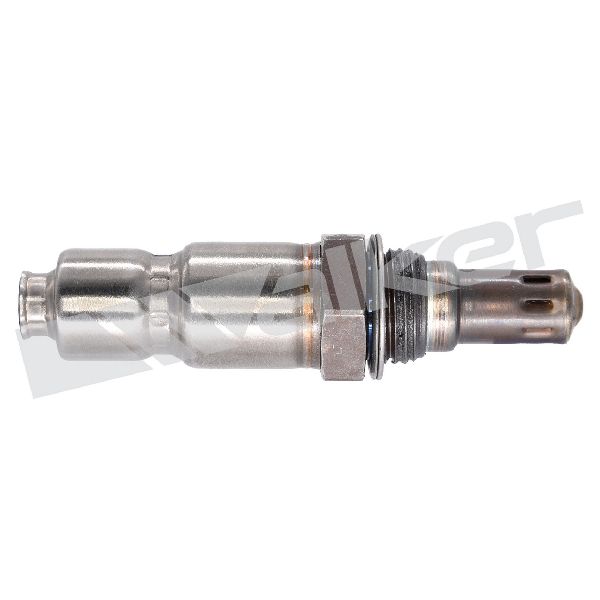
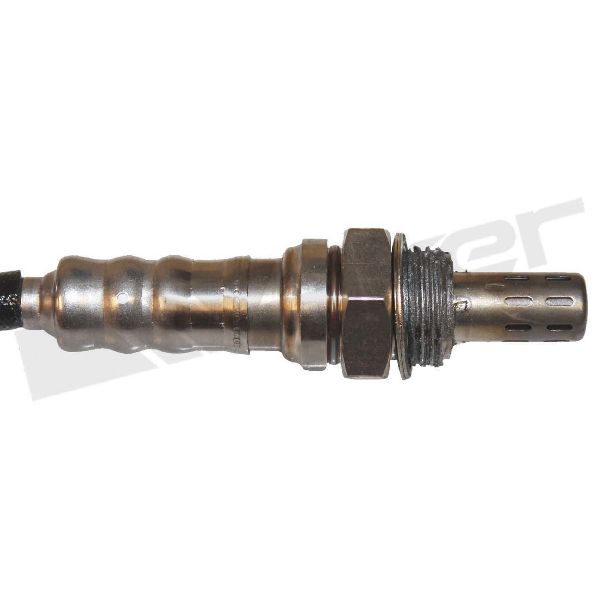
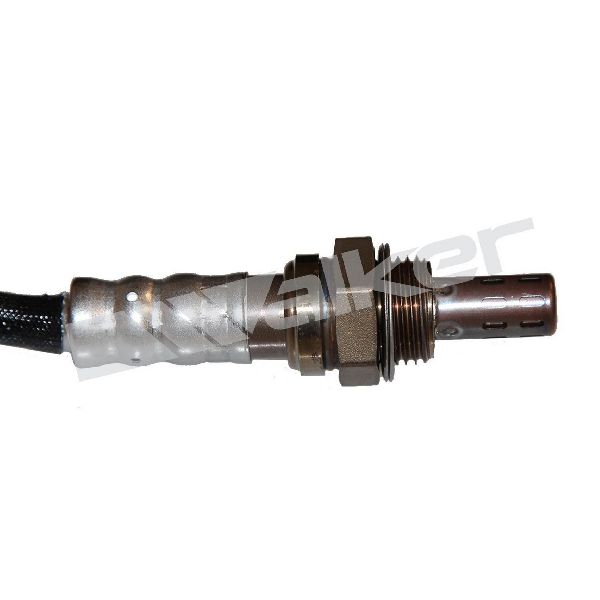
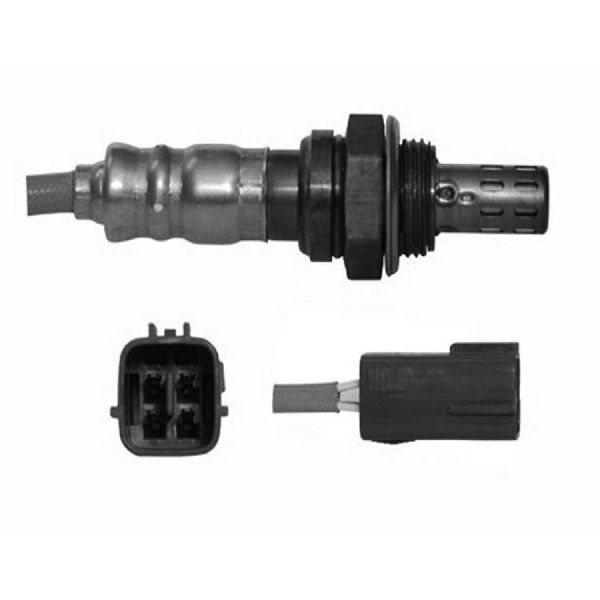
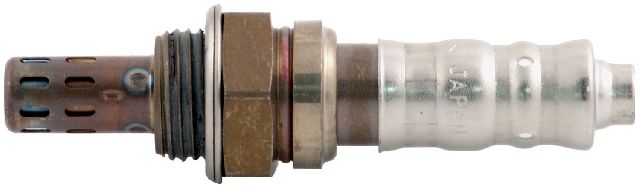
- Upstream Air/Fuel Ratio Oxygen Sensor (Bank 1 Sensor 1)
(OEM #Z601-18-861A (Verify with VIN, may vary by region/specifics))— This is the root cause in over 90% of cases for this code, as the internal heater element burns out. It is critical to verify the correct part number for your vehicle's specific year and VIN. Using a reputable OEM supplier is highly recommended.
Trusted brands: Denso (P/N: 234-5015), NGK / NTK (P/N: 24355)
OEM price range: $180-$275
Aftermarket price range: $70-$150
Related Codes That Often Appear With This One
- P0134 — This code means 'O2 Sensor Circuit No Activity Detected'. A failed heater (P0031) will prevent the sensor from warming up and sending a signal, which can trigger P0134.
- P0032 — This is the opposite code, 'Heater Control Circuit High'. Both P0031 and P0032 point to a fault in the same heater circuit, just a different electrical failure type.
Platform-Specific Known Issues
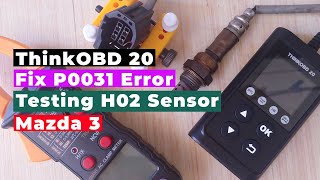
- Owner Repair Experience: A user on YouTube with a 2012 Mazda 3 (non-Skyactiv) documented their P0031 repair. After confirming the code with a scanner, they replaced the upstream O2 sensor. They demonstrated testing the old sensor, which showed an open circuit on the heater wires (the two black wires), and confirmed the new sensor had resistance. The repair successfully cleared the Check Engine Light. 🎬 Watch this 2012 Mazda 3 owner test and fix the sensor. The user noted the original Denso sensor had a Ford logo on it and the total cost at a shop was extremely high, highlighting the value of a DIY repair.
Mechanic-Grade Diagnostic Values
- Upstream O2 Sensor Heater Circuit Resistance — expected: 5 - 20 Ohms (when cold). Failure: Open circuit ('OL' or infinite resistance) on a multimeter.
- O2 Sensor Heater Power Supply (at vehicle-side connector) — expected: ~12V (Battery Voltage) with Key On, Engine Off (KOEO). Failure: No voltage or significantly low voltage, indicating a problem with the fuse or power supply wiring.
- O2 Sensor Heater Ground Circuit (at vehicle-side connector) — expected: Pulsing ground signal when tested with a test light connected to battery positive, shortly after engine start.. Failure: No ground signal, or a constant ground with key on engine off, may indicate a wiring short or PCM driver issue.
Wiring & Ground Locations
- Main Engine Ground — On the aluminum intake manifold bracket, right next to the right-hand (passenger side) engine mount. All OEM grounds converge into one main lug bolted here.. A poor main engine ground can create unstable readings across all engine sensors, including the O2 sensor. While not a direct cause of a P0031 circuit code, ensuring this connection is clean and tight is a crucial step when diagnosing any electrical fault on this engine.
- O2 Sensor Heater Wires (Sensor Side) — On the 4-wire connector of the sensor itself, these are the two wires that are the same color (typically two black wires).. These are the specific pins that must be probed with a multimeter to test the resistance of the internal heater element. Testing the wrong pins will give incorrect readings and lead to misdiagnosis.
Real Owner Repair Stories
- 2CarPros Forum User 'GPOLIMPO' (2006 Mazda 3 1.6L Automatic (BK generation, but same code and similar logic), 190,550 miles) — Check Engine Light with P0031, recurring after sensor replacements.
❌ Tried (didn't work) Replacing upstream O2 sensor (initially for a P0420), Replacing downstream O2 sensor (incorrect diagnosis for P0031)
✅ What actually fixed it The repair shop eventually found and repaired a 'stuck wire' in the wiring harness, which was the true cause of the persistent P0031 code. - YouTube - Robinson's Automotive Specialist (2004 Jeep Grand Cherokee (different vehicle, but demonstrates the P0031 diagnostic principle)) — P0031 code returned after another shop replaced the O2 sensor.
❌ Tried (didn't work) Replacing the Bank 1 Sensor 1 O2 sensor.
✅ What actually fixed it A shorted wire to ground was keeping the O2 sensor heater circuit active at all times. The wiring was repaired, which fixed the code without needing any new parts. This highlights the importance of testing the circuit even after a new sensor is installed.
OEM Part Supersession History
Z601-18-861A→Z601-18-861B— Standard part revision or change in manufacturer.
Heads up: The parts are interchangeable. Z601-18-861B is the later revision of Z601-18-861A.
Model Year Variations Within This Range
- 2010-2011: These are pre-facelift models of the 2nd generation. The standard 2.0L MZR engine was paired with a 5-speed manual or 5-speed automatic transmission.
- 2012-2013: These are post-facelift models. While the 2.0L MZR engine was still available in some base models, the big change was the introduction of the more fuel-efficient 2.0L Skyactiv-G direct-injection engine, which is a completely different powertrain and does not apply to this article. It's crucial to confirm the vehicle has the non-Skyactiv MZR engine.
Diagnostic Flowchart
Other Known Issues on This Vehicle
Issues unrelated to this code that are worth knowing about as an owner of this generation:
- Automatic Transmission Control Module (TCM) Failure 🔴 High — Very common, especially on models over 80,000 miles. Failure is caused by the module's location on top of the hot transmission. (Ref: No recall, but a widely known issue. Common associated DTCs are U0101 and P0720.)
- Passenger-Side Engine Mount Failure 🟠 Medium — Common failure item. The hydraulic mount leaks its fluid, causing excessive engine vibration felt in the cabin, especially at idle and when accelerating.
- Melting / Sticky Dashboard 🟡 Low — Extremely common, especially in vehicles exposed to high heat and sun. The dashboard surface becomes sticky and creates a severe, potentially dangerous glare on the windshield. (Ref: Mazda issued a warranty extension program (10 years/unlimited miles), but it is now expired for most vehicles.)
- Premature Manual Clutch Failure 🟠 Medium — Frequently reported on 2010-2011 models, with some owners needing clutch replacement under 50,000 miles. (Ref: No recall, though a class-action lawsuit was filed.)
- Shifter Stuck in Park 🟡 Low — A common problem where the automatic shifter fails to move from Park, often due to a failed internal shift lock solenoid or broken plastic components in the shifter assembly.
Used vs. New Parts: Buying Guide for This Vehicle
When a used part is the smart pick: For this specific repair (P0031), buying a used oxygen sensor is strongly discouraged. The failure is a wear-and-tear item (the internal heater element burns out). A used sensor has an unknown amount of remaining life and is likely to fail soon, wasting time and money.
Donor-vehicle mileage cap: roughly under 30000 miles for the part to have meaningful remaining life.
What to inspect on the donor part:
- Source from the lowest-mileage vehicle possible.
- Inspect wiring for any signs of brittleness, melting, or fraying.
- Ensure the connector is free from corrosion, oil, and has an intact locking tab.
- Avoid sensors with heavy physical damage or extreme carbon buildup on the tip.
Aftermarket brands forum-validated for this vehicle:
- Denso
- NTK (NGK)
Brands owners have reported issues with on this vehicle:
- Generic, unbranded sensors from online marketplaces are frequently reported to be dead-on-arrival or fail prematurely, causing the code to return.
Real Owner Stories
Aggregated from forums and TSBs cited above. Mileages and costs reflect what owners reported in those sources.
2012 Mazda 3 2.0L (non-Skyactiv)
Symptoms: Check Engine Light was on; confirmed P0031 with a scanner.
What fixed it: Replaced the upstream O2 sensor. The owner tested the old sensor with a multimeter and found an open circuit on the two black heater wires, while the new sensor showed proper resistance.
Source hint: YouTube - 'Fix P0031 OBD error Mazda 3 2012 non-skyactive' by ThinkOBD 20
Related OBD-II Codes
Frequently Asked Questions
Which oxygen sensor brands are recommended for the 2010-2013 Mazda 3 to fix P0031?
Where is the fuse for the O2 sensor heater circuit located on my non-Skyactiv Mazda 3?
Can I use a standard deep socket to remove the sensor, or do I need a special tool?
Is the P0031 code common on the 2.0L MZR engine after a certain mileage?
Does the 2010-2013 Mazda 3 share this P0031 issue with any other vehicles?
Should I buy a used oxygen sensor from a salvage yard to save money?
Helpful Videos

We Have This Part in Stock

The information in this article is provided for general reference and educational purposes only. Vehicle specifications, procedures, and part compatibility can vary by production date, trim level, and region. Always consult your vehicle's factory service manual and verify part numbers before purchasing or performing repairs. Safety-critical components such as airbags, seat belts, and braking systems should be installed by a qualified professional.
- Mazda 3:
- 🧭 Diagnostic Flowchart
- 🎬 Helpful Videos
- 🛍️ Shop This Part
- What's Unique About the 2010-2013 Mazda 3
- Symptoms You May Notice
- Most Likely Causes
- Rare But Worth Checking
- Diagnosis Steps
- Parts You'll Likely Need
- Related Codes That Often Appear With This One
- Platform-Specific Known Issues
- Mechanic-Grade Diagnostic Values
- Wiring & Ground Locations
- Real Owner Repair Stories
- OEM Part Supersession History
- Model Year Variations Within This Range
- Other Known Issues on This Vehicle
- Used vs. New Parts: Buying Guide for This Vehicle
- Real Owner Stories
- 2012 Mazda 3 2.0L (non-Skyactiv)
- Related OBD-II Codes
- Frequently Asked Questions
- 🎟️ Get 5% Off