

P0031 on 2003-2006 Porsche Cayenne 3.2L VR6: Heater Circuit Causes and Fixes
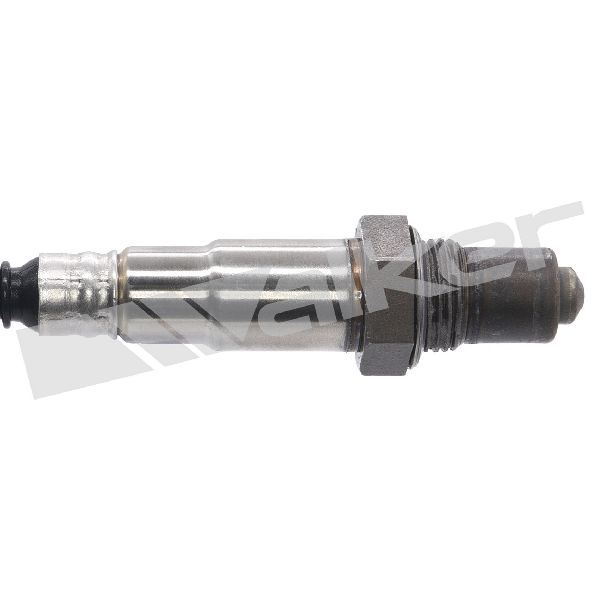
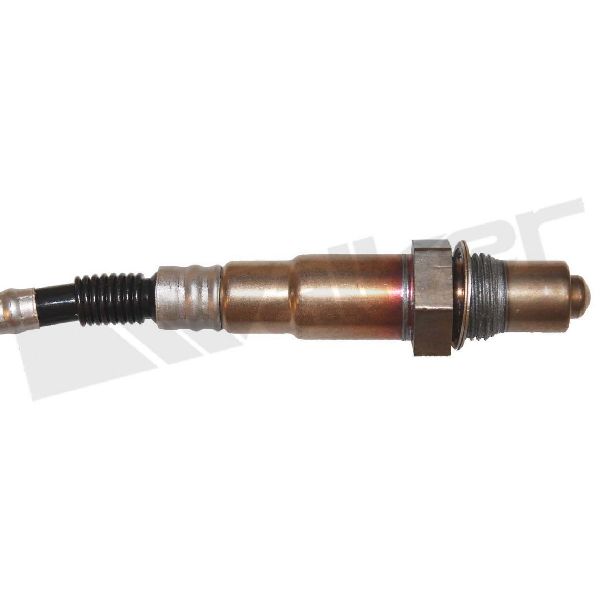
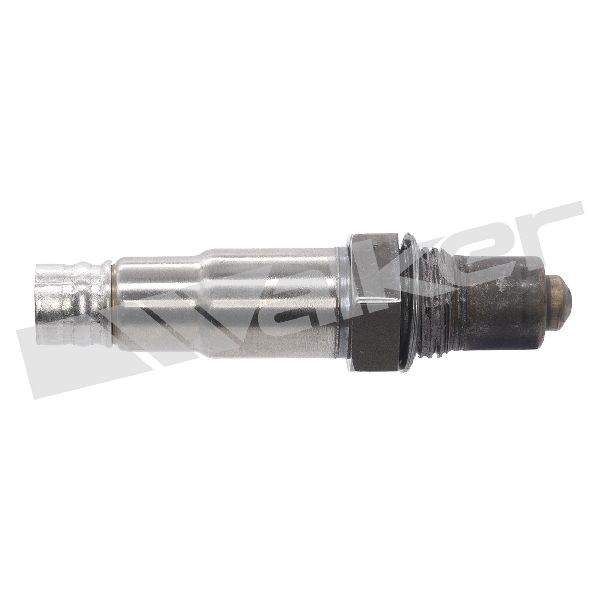
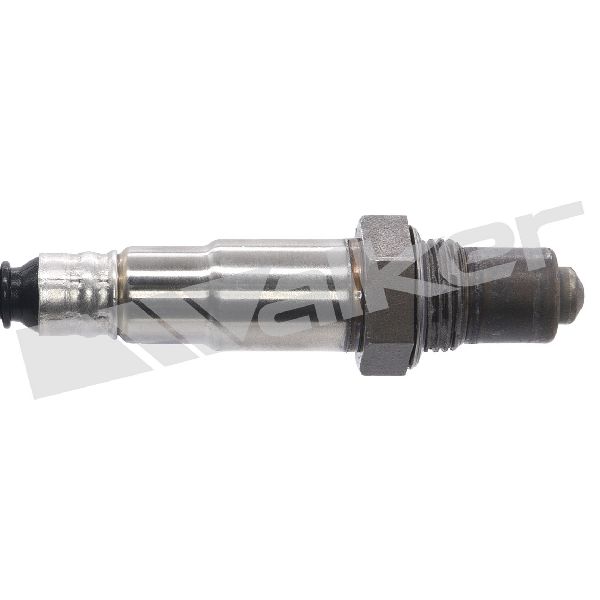
This code almost always means the Bank 1, Sensor 1 (upstream) oxygen sensor has failed. On the 3.2L VR6, this is the sensor for the front three cylinders. Before replacing the sensor, check fuse #17 (a 15A fuse) in the under-hood fuse box, a commonly overlooked step. A new OEM-quality Bosch sensor (Part No. 17090 or Porsche No. 95560612821) costs around $100-$150.
- P0031 points to a fault in the heater circuit of the upstream oxygen sensor for the front three cylinders (Bank 1).
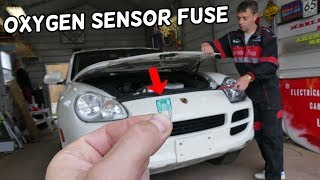
- Always check fuse #17 (15A) in the under-hood fuse box before buying any parts, as it powers both upstream sensor heaters.
- The most common fix is replacing the Bank 1, Sensor 1 oxygen sensor.
- Use a quality OEM brand like Bosch (Part #17090) for the replacement sensor to ensure compatibility and longevity.
What's Unique About the 2003-2006 Porsche Cayenne
The Porsche Cayenne's 3.2L engine is a narrow-angle VR6, a design shared directly with the Volkswagen Touareg (7L). This means it shares significant electrical architecture and parts, including a preference for Bosch sensors and identical fuse box layouts. Unlike a typical V6, both cylinder banks are under a single cylinder head, with Bank 1 being the three cylinders closest to the front of the vehicle. A critical and often overlooked first step on this specific model is checking fuse #17 in the under-hood fuse box, which specifically powers the upstream O2 sensor heaters for both banks.
Symptoms You May Notice
- Check Engine Light is on
- Reduced fuel economy
- Rough running or hesitation, especially when the engine is cold
- Failing an emissions test
- Engine may take longer to enter 'closed-loop' operation for optimal fuel control
- Replacing the oxygen sensor without first checking fuse #17. If the fuse is blown, a new sensor will not fix the problem and the code will return immediately.
- Replacing the wrong sensor. P0031 is for Bank 1, Sensor 1 (front bank, pre-catalyst). The upstream sensor has a six-pin plug, while the downstream has a four-pin plug.
Most Likely Causes
- Failed Bank 1, Sensor 1 Oxygen Sensor 🔴 High Probability → Shop Oxygen Sensor The internal heater element is a common failure point on oxygen sensors as they age due to constant heat cycles. This is the most frequent cause of P0031.
How to confirm: After confirming the fuse and wiring are good, test the resistance of the heater circuit 🎬 Watch: A quick guide on testing O2 sensor heater circuits within the sensor itself using a multimeter. An open circuit (infinite resistance) or a short to the sensor casing indicates a burned-out heater. A healthy heater circuit typically has a resistance between 5 and 15 ohms when cold.
Typical fix: Replace the Bank 1, Sensor 1 (upstream) oxygen sensor. The OEM part is a Bosch 17090, which corresponds to Porsche part number 95560612821.
Est. part cost: $90-$170 - Blown Fuse for O2 Sensor Heater 🟡 Medium Probability → Shop Oxygen Sensor Electrical shorts in the O2 sensor harness or the sensor itself can blow the fuse that powers the heater circuit.
How to confirm: Check fuse #17 (a 15A fuse) in the fuse box located in the engine bay, under the hood on the driver's side. A visual inspection or continuity test will confirm if it's blown. A Rennlist forum user confirmed that pulling this fuse triggered their O2 sensor codes.
Typical fix: Replace the blown 15A fuse. If it blows again immediately, there is a short circuit in the wiring or one of the upstream O2 sensors that must be found and repaired.
Est. part cost: $1-$5 - Damaged Wiring or Connector ⚪ Low Probability The wiring harness is routed near hot exhaust components and can become brittle, melted, or frayed over time. Water intrusion into the plenum area can also corrode connectors.
How to confirm: Visually inspect the wiring and connector for the Bank 1 upstream O2 sensor. Check for signs of melting, chafing, or corrosion on the pins. Perform a voltage and ground test at the connector with the key on. Porsche service manuals warn against using contact spray on connectors as it can contaminate the sensor.
Typical fix: Repair the damaged section of the wiring harness or clean/replace the connector.
Est. part cost: $10-$50
Rare But Worth Checking
- Faulty Engine Control Module (DME): This is very rare. The DME is the last thing to suspect after all other possibilities (sensor, fuse, wiring) have been thoroughly ruled out. A Porsche service manual lists this as a possible, though unlikely, cause. Water ingress into the DME's location in the passenger-side cowl E-Box is a known Cayenne issue that can cause this.
Diagnosis Steps
- Read the code with an OBD-II scanner to confirm P0031 is present. Check if P0051 is also present.
- Open the hood and locate the main fuse box near the driver's side cowl.
- Inspect fuse #17 (a 15A fuse). This fuse powers the upstream O2 sensor heaters for both banks. If it is blown, replace it, clear codes, and see if the code returns. If it blows again, you have a short circuit to diagnose, likely in one of the upstream O2 sensors or their wiring.
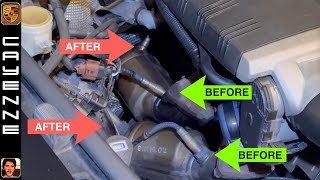
- If the fuse is good, locate the Bank 1, Sensor 1 oxygen sensor. It is the upstream sensor (before the catalytic converter) for the front three cylinders.
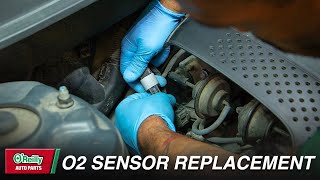
- Inspect the sensor's wiring harness and connector for any signs of melting, chafing, or corrosion. The connectors are located in a metal clip under the MAF sensor housing. 🎬 See this video to locate the sensors on your VR6
- Disconnect the sensor. Use a multimeter to measure the resistance across the two heater circuit pins on the sensor side (these are often two same-colored wires, e.g., white). A reading of 'OL' or infinite resistance means the heater is burned out. A normal reading is typically between 5 and 15 ohms at ambient temperature.
- If the sensor resistance is good, test the vehicle-side connector. With the ignition on (engine off), check for battery voltage (11-14V) on the corresponding heater circuit power pin and a good ground on the other. Lack of power points back to the fuse or a wiring issue. Lack of a proper ground points to a wiring issue or, rarely, a problem with the DME.
- If the sensor's heater circuit is open and the wiring provides power and ground, replace the Bank 1, Sensor 1 oxygen sensor with a quality part like a Bosch 17090.
Parts You'll Likely Need
- Bank 1 Sensor 1 Oxygen Sensor (Upstream)
(OEM #95560612821)— The internal heater element fails with age, which is the direct cause of the P0031 code. This is the most common resolution.
Trusted brands: Bosch (OEM) - Part #17090, NTK/NGK, Denso
OEM price range: $120-$180
Aftermarket price range: $90-$140
Related Codes That Often Appear With This One
- P0051: HO2S Heater Control Circuit Low (Bank 2 Sensor 1) - If the 15A fuse (#17) is blown, it will cut power to both upstream sensor heaters, often causing both codes to appear simultaneously.
Platform-Specific Known Issues
- Fuse #17 is Critical: Multiple owner forums and videos specifically call out checking fuse #17 in the engine bay fuse box as the first step for any O2 sensor heater code on the 955 Cayenne. It powers both upstream sensors.
Mechanic-Grade Diagnostic Values
- O2 Sensor Heater Element Resistance — expected: 5 - 15 Ohms at ambient temperature. A new OEM Bosch sensor measures ~9.6-9.8 Ohms.. Failure: Infinite resistance (Open Loop) or near zero Ohms (short circuit).
- Voltage at Sensor Connector (Heater Power Pin) — expected: 11V - 14V (Battery Voltage) with Key On, Engine Off.. Failure: 0V or significantly low voltage, indicating a problem with the fuse or wiring.
- Live Data - O2 Heater Current (B1S1) — expected: 0.4 A to 1.0 A at idle once the engine is warm.. Failure: Current below 0.25 A triggers the P0031 code.
- Voltage Drop Test (DME to Sensor Connector) — expected: Less than 0.5V difference.. Failure: A difference greater than 0.5V indicates high resistance in the wiring harness.
Scan Tool Commands That Help
- Porsche PIWIS / VCDS: Read Measuring Blocks / Live Data for O2 Sensor Heater Current — To confirm if the DME is seeing low current from the heater circuit in real-time, which helps differentiate between a constant fault and an intermittent one. A reading below 0.25A confirms the fault condition.
Wiring & Ground Locations
- DME (Engine Computer) — In the water box (E-Box) under the plastic cowl cover on the passenger side, near the base of the windshield.. This area is prone to water intrusion from clogged drains, which can corrode the DME and its connectors, causing this and other electrical faults.
- DME Connector A, Pin 5 — The first large connector on the Motronic ME 7.1.1 engine control module.. This specific pin is the output from the DME that controls the Bank 1 Sensor 1 heater circuit. Testing here can isolate the fault to the DME itself.
- Main Engine Ground Strap — A braided cable running from the engine block (near the alternator) to the driver's side (left) frame rail/strut tower.. A corroded or loose main ground can cause low voltage conditions and erratic sensor behavior throughout the engine systems, potentially triggering a P0031 code.
- O2 Sensor Connectors — Held in a metal clip on the engine, located under the Mass Airflow (MAF) sensor housing area.. This is the physical location to access the connectors for testing resistance and voltage without having to lift the vehicle.
Real Owner Repair Stories
- Rennlist user (Porsche Cayenne (year/engine not specified, but context implies 955)) — Persistent P0031 code.
❌ Tried (didn't work) Replacing the O2 sensor., Swapping sensors between banks.
✅ What actually fixed it The diagnostic conclusion was a faulty DME (ECU). The user disconnected the Bank 1 O2 sensor entirely but still received a P0031 (low circuit) code, instead of the expected P0030 (open circuit) code. This indicated the fault was internal to the DME, which was incorrectly diagnosing its own driver circuit.
When the Usual Fixes Don't Work
- In rare cases where the fuse is good and a new OEM sensor does not fix the code, the fault may lie with the DME (engine computer) itself. One owner diagnosed a faulty DME by disconnecting the sensor and observing that the fault code did not change from P0031 (low circuit) to P0030 (open circuit) as it should have. This indicates the DME's internal monitoring circuit is faulty. Another potential, though less likely, cause for low circuit voltage is a corroded main engine ground strap, which can affect multiple systems.
OEM Part Supersession History
95560612820→95560612821— Standard part revision/update by Porsche.
Heads up: The parts are interchangeable, but 95560612821 is the latest version. This part also cross-references to VW part number 7L5906262A.
Diagnostic Flowchart
Other Known Issues on This Vehicle
Issues unrelated to this code that are worth knowing about as an owner of this generation:
- Driveshaft Center Support Bearing Failure 🔴 High — Extremely common; considered a near-100% failure item. Often fails between 80,000 and 140,000 miles. Symptoms include thumping or banging under acceleration from a stop.
- Ignition Coil Failure 🟠 Medium — Very common failure item due to heat cycles causing the plastic housings to crack. Often occurs after 60,000 miles and leads to misfire codes (P0300-P0306).
- Plastic Coolant Pipe Failure (aka 'Crack Pipe') 🔴 High — A well-known VR6 engine issue. The plastic pipe running between the water pump and thermostat housing becomes brittle and cracks, causing a major coolant leak. Often replaced preventatively around 100,000 miles.
- Timing Chain Wear 🔴 High — While the VR6 is generally robust, the timing chains and, more commonly, the plastic guides can wear out at high mileage (typically over 150,000 miles), causing rattling noises. This is an engine-out service and very expensive to repair.
- Clogged Plenum Drains / Water Ingress 🟠 Medium — The drains under the windshield cowl can clog with leaves and debris, causing water to overflow into the cabin and engine bay, potentially damaging the brake booster and critical wiring in the fuse box area.
Used vs. New Parts: Buying Guide for This Vehicle
When a used part is the smart pick: A used part is NOT recommended for the oxygen sensor itself, as it is a wear-and-tear item. However, sourcing a used wiring harness pigtail for a connector repair or a used DME (Engine Control Module) from a reputable recycler can be a cost-effective solution.
Donor-vehicle mileage cap: roughly under 100000 miles for the part to have meaningful remaining life.
What to inspect on the donor part:
- For a DME: Ask for photos of the connectors to check for pin corrosion. Ensure the donor vehicle was not a flood or water-damage victim.
- For a wiring harness/connector: Inspect for brittle plastic, signs of melting, or previous amateur repairs (e.g., tape instead of heat shrink).
OEM-only on this vehicle (don't cheap out):
- DME/ECU: Must be an OEM part due to complex vehicle-specific programming and security immobilization.
- Oxygen Sensor: While Bosch is the OEM supplier, using a generic, unbranded aftermarket sensor is highly discouraged as they often fail prematurely or have incorrect resistance values, causing the code to return.
Aftermarket brands forum-validated for this vehicle:
- Bosch (OEM)
- NTK/NGK
- Denso
Brands owners have reported issues with on this vehicle:
- Unbranded, 'white-box' sensors from online marketplaces like eBay or Amazon.
Real Owner Stories
Aggregated from forums and TSBs cited above. Mileages and costs reflect what owners reported in those sources.
2003-2010 Porsche Cayenne 955
Symptoms: The owner was troubleshooting various electrical issues including coils and spark plugs and found that pulling a specific fuse triggered O2 sensor heater codes.
What fixed it: Confirmed that fuse #17 in the engine bay powers the pre-cat O2 sensor heaters; ensuring the fuse was intact resolved the heater circuit interruption.
Source hint: Rennlist - 'Coils, spark plugs, O2 sensors and fuses - the adventure!'
Related OBD-II Codes
Frequently Asked Questions
Where is the fuse for the O2 sensor heater located on my 955 Cayenne?
Which oxygen sensor is Bank 1, Sensor 1 on the 3.2L VR6 engine?
Can I use contact spray to clean the O2 sensor connectors on my Cayenne?
What is the correct OEM replacement part for the Bank 1 upstream sensor?
What should the resistance reading be for a healthy O2 sensor heater on this vehicle?
Is P0031 common on the Volkswagen Touareg as well?
Helpful Videos
We Have This Part in Stock



The information in this article is provided for general reference and educational purposes only. Vehicle specifications, procedures, and part compatibility can vary by production date, trim level, and region. Always consult your vehicle's factory service manual and verify part numbers before purchasing or performing repairs. Safety-critical components such as airbags, seat belts, and braking systems should be installed by a qualified professional.
- Porsche Cayenne:
- 🧭 Diagnostic Flowchart
- 🎬 Helpful Videos
- 🛍️ Shop This Part
- What's Unique About the 2003-2006 Porsche Cayenne
- Symptoms You May Notice
- Most Likely Causes
- Rare But Worth Checking
- Diagnosis Steps
- Parts You'll Likely Need
- Related Codes That Often Appear With This One
- Platform-Specific Known Issues
- Mechanic-Grade Diagnostic Values
- Scan Tool Commands That Help
- Wiring & Ground Locations
- Real Owner Repair Stories
- When the Usual Fixes Don't Work
- OEM Part Supersession History
- Other Known Issues on This Vehicle
- Used vs. New Parts: Buying Guide for This Vehicle
- Real Owner Stories
- 2003-2010 Porsche Cayenne 955
- Related OBD-II Codes
- Frequently Asked Questions
- 🎟️ Get 5% Off