

P0031 on 2009-2012 Toyota RAV4 2.5L: A/F Sensor Heater Circuit Causes and Fixes
This code almost always means the heater inside the upstream Air/Fuel (A/F) ratio sensor has failed. This sensor is located in the exhaust manifold before the catalytic converter. Replacing the sensor is the most common fix.
- P0031 on a 2009-2012 RAV4 points to a problem with the heater circuit for the upstream Air/Fuel Ratio sensor (Bank 1, Sensor 1).
- The most likely cause is a failed heater element inside the sensor itself, which is a common wear item.
- Diagnosis is straightforward: check the 'A/F' fuse, inspect the wiring, and then test the sensor's heater resistance with a multimeter. A good sensor should read between 1.8-3.4 ohms.
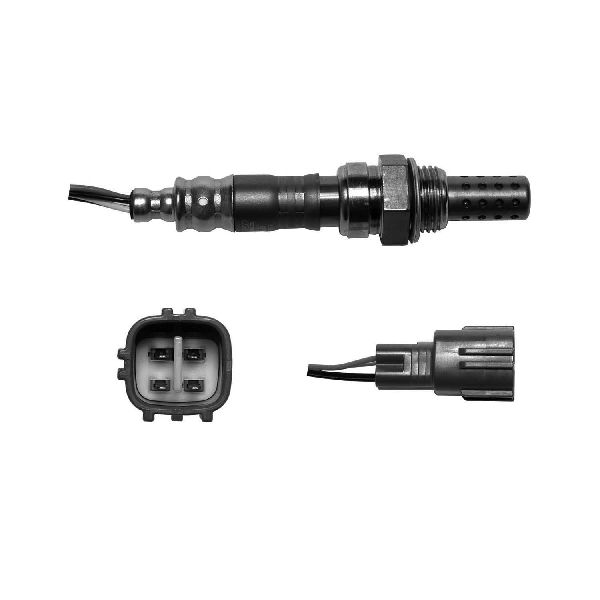
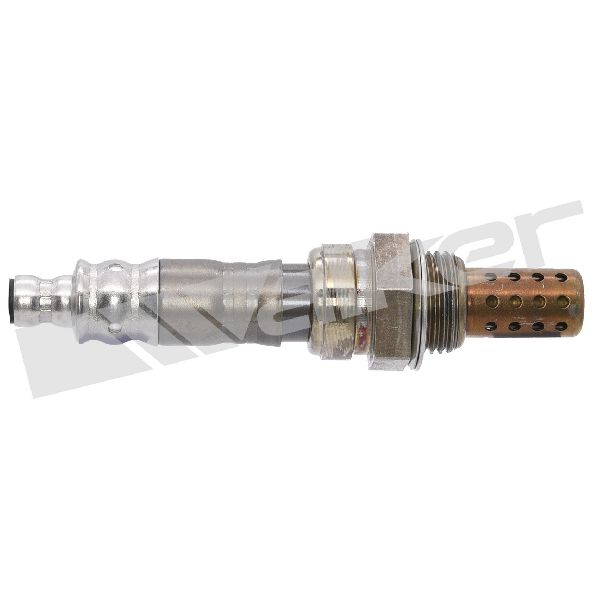
- Replacing the upstream A/F sensor is a common DIY repair that typically resolves the issue. The Denso 234-9049 is the recommended aftermarket replacement.
- Ensure you are replacing the correct sensor – the upstream one in the exhaust manifold, not the downstream one after the catalytic converter.
What's Unique About the 2009-2012 Toyota RAV4
For the 2009-2012 RAV4 with the 2AR-FE engine, this code is a straightforward diagnostic. Toyota uses high-quality Denso A/F sensors, but the internal heater element is a common failure point after many years and heat cycles. There are no widespread design flaws or wiring issues that make this platform particularly prone to the code beyond the normal service life of the sensor itself. The 2009-2012 models are all part of the same third generation (XA30), so diagnosis and repair are consistent across these years. The sensor is typically located on the exhaust manifold, making it relatively accessible from the engine bay.
Symptoms You May Notice
- Check Engine Light is on
- Decreased fuel economy
- Vehicle may fail an emissions test
- In some cases, other warning lights like VSC or 4WD may illuminate along with the Check Engine Light.
- Replacing the downstream oxygen sensor (Bank 1, Sensor 2). P0031 specifically refers to the upstream sensor (Sensor 1) before the catalytic converter.
Most Likely Causes
- Failed Air/Fuel Ratio Sensor (Bank 1, Sensor 1) 🔴 High Probability → Shop Oxygen Sensor The internal heater element is a common point of failure due to constant heat cycles over the life of the vehicle. It's a wear-and-tear item.
How to confirm: Disconnect the sensor and measure the resistance between the two heater pins (usually the two same-colored wires) with a multimeter. A reading of infinity or a very high number indicates an open circuit and a failed heater. The expected resistance for a good sensor on a 2AR-FE engine is typically low, often specified as between 1.8 and 3.4 ohms when cold (at 68°F/20°C).
Typical fix: Replace the upstream Air/Fuel Ratio sensor located in the exhaust manifold.
Est. part cost: $80-$180 - Damaged Wiring or Connector 🟡 Medium Probability Wiring near the hot exhaust can become brittle and crack over time. Connectors can also be damaged by road debris, corrosion, or improper handling during other maintenance.
How to confirm: Visually inspect the wiring harness and connector leading to the A/F sensor for any signs of melting, fraying, or corrosion. Check for secure connection. If the sensor tests good, check for 12V power at the harness connector with the key on, engine off. A wiring diagram can confirm pinouts.
Typical fix: Repair the damaged section of the wiring harness or clean/replace the connector.
Est. part cost: $5-$50 - Blown A/F Heater Fuse or Relay ⚪ Low Probability
How to confirm: Locate the A/F Heater fuse and/or relay in the under-hood fuse box. For the XA30 RAV4, this is often labeled "A/F" or part of the "EFI" circuit. Check the fuse for continuity with a multimeter or visually inspect if it's blown. The relay can also be tested.
Typical fix: Replace the blown fuse or faulty relay. If a new fuse blows immediately, it indicates a short circuit in the wiring that must be found and repaired.
Est. part cost: $1-$20
Rare But Worth Checking
- Faulty Engine Control Module (ECM): This is extremely rare. The ECM should only be considered after all other possibilities (sensor, wiring, fuses) have been thoroughly ruled out by a professional.
Diagnosis Steps
- Read the code with an OBD-II scanner to confirm P0031 is present.
- Visually inspect the wiring and connector for the upstream A/F sensor (Bank 1, Sensor 1) located on the exhaust manifold. Look for any signs of damage, melting, or corrosion.
- Check the A/F heater fuse in the engine bay fuse box. It may be labeled 'A/F' and is typically a 20A fuse in one of the under-hood boxes.
- If the wiring and fuse are okay, disconnect the sensor's electrical connector.
- Using a multimeter set to Ohms, measure the resistance across the two heater pins on the sensor itself. These are typically the two wires of the same color. A good sensor for the 2AR-FE engine should have a low resistance reading between 1.8 and 3.4 Ohms at 20°C (68°F). An infinite reading (OL) means the heater is broken and the sensor must be replaced.
- If the sensor resistance is within spec, test the harness side of the connector. With the ignition key in the 'ON' position (engine off), use a multimeter to check for 12-volt power at one of the heater circuit pins.
- If power and ground are present at the harness and the sensor's resistance is good, there may be an intermittent connection issue or, very rarely, a problem with the ECM.
Parts You'll Likely Need
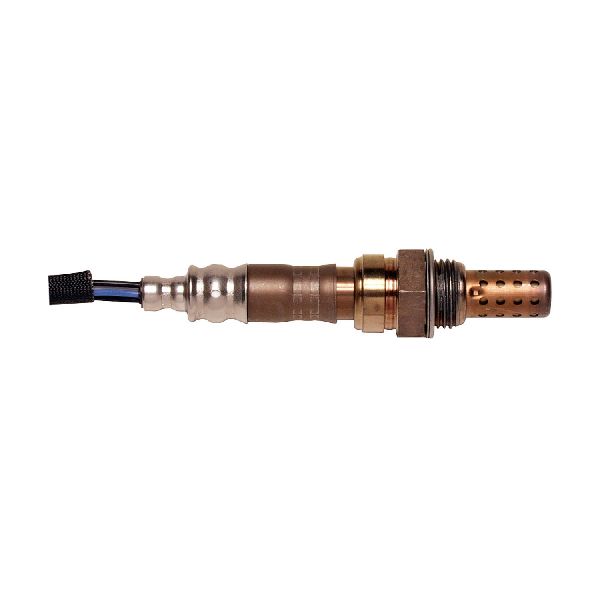
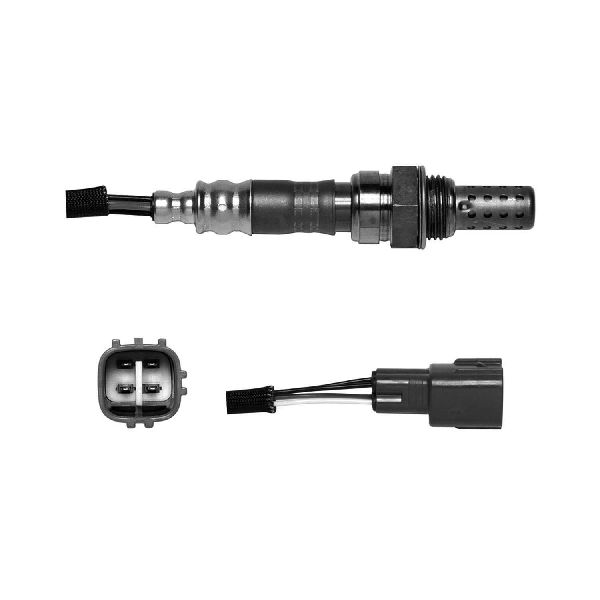
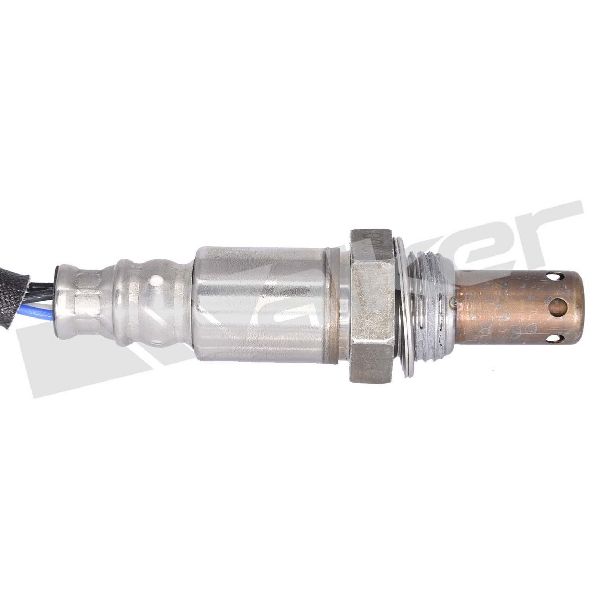
- Air/Fuel Ratio Sensor (Upstream)
(OEM #89467-42010)— This is Bank 1, Sensor 1, and its internal heater is the most common failure point for code P0031.
Trusted brands: Denso (OEM supplier), Bosch, NTK
OEM price range: $150-$220
Aftermarket price range: $80-$150
Platform-Specific Known Issues
- On some RAV4s, the VSC and 4WD lights may illuminate simultaneously with the Check Engine Light when P0031 is stored. This is a common Toyota behavior to indicate a fault in the engine management system and does not necessarily mean there is a problem with the VSC or 4WD systems themselves.
Mechanic-Grade Diagnostic Values
- A/F Sensor Heater Circuit Resistance — expected: 1.8 to 3.4 ohms at 20°C (68°F). Failure: A reading of infinity (OL) or significantly outside the specified range indicates a failed heater element.
- A/F Sensor Heater Current Draw (Live Data) — expected: 0.9 to 9.9 A. Failure: The ECM will set code P0031 if the current is less than 0.8 A.
- A/F Sensor Harness Connector Voltage (+B Pin to Ground) — expected: 9 to 14 V (Battery Voltage) with ignition ON. Failure: No voltage indicates an issue upstream in the circuit, such as the A/F fuse, EFI relay, or wiring.
Scan Tool Commands That Help
- Toyota Techstream: Active Test: 'A/F Control' — This function allows a technician to command the fuel mixture rich or lean and observe the A/F sensor's voltage response in live data. While not a direct test of the P0031 heater circuit, a sensor that is completely unresponsive during this test would further condemn the entire sensor assembly, confirming it needs replacement. A healthy sensor should respond almost instantly.
Wiring & Ground Locations
- A/F Sensor Connector (B7 on some diagrams) — On the engine wiring harness, connecting to the Bank 1 Sensor 1 A/F sensor pigtail. It is located near the top of the exhaust manifold on the 2AR-FE engine.. This is the primary connector to test for power, ground, and sensor resistance. The heater circuit pins are typically the two same-colored wires. For the 2AR-FE, pin 2 (+B) should have battery voltage, and pin 1 (HA1A) is the heater control from the ECM.
- Engine Room R/B No.1 & J/B No.1 — Under the hood, on the driver's side of the engine compartment.. This fuse and relay block contains the 'A/F' 20A fuse and the 'EFI MAIN' relay which supply power to the A/F sensor heater circuit. A failure here will cut power to the sensor heater.
- Engine Ground Point (GE01 on some diagrams) — Typically a strap from the valve cover or cylinder head to the chassis near the strut tower or firewall.. While a less common cause, a poor main engine ground can create voltage discrepancies and cause various sensor codes, including P0031. It should be checked to ensure it is clean and tight if other tests are inconclusive.
Real Owner Repair Stories
- YouTube user 'Steven's DIY Auto Repair' (2004 Toyota Camry (with a similar A/F sensor system)) — Check Engine Light with code P0031.
❌ Tried (didn't work) The previous owner had replaced the A/F sensor, but the code remained. The user diagnosed the replacement part and found its heater resistance was incorrect for the vehicle.
✅ What actually fixed it The user discovered the installed aftermarket sensor had a heater resistance of 6.8 ohms, which was too high. They replaced it with the correct OEM-specification Denso sensor, which had the proper low resistance, and this resolved the code. - Toyota Owner (NHTSA ODI #10901973) — An owner reported that the check engine light would not go out despite replacing the O2 sensor 7 to 10 times, with the error reading P0031 persisting year after year.
Diagnostic Flowchart
Other Known Issues on This Vehicle
Issues unrelated to this code that are worth knowing about as an owner of this generation:
- Steering Intermediate Shaft Clunk 🟠 Medium — Very common. A distinct 'clunk' or 'pop' is heard/felt in the steering wheel at low speeds or when turning while stationary. (Ref: T-SB-0033-11, T-SB-0318-08.)
- Excessive Oil Consumption (2AR-FE) 🟠 Medium — Less common than the earlier 2AZ-FE engine, but can occur at higher mileage, especially with extended oil change intervals. Caused by piston rings sticking. (Ref: No specific TSB for the 2AR-FE in this year range, unlike the well-known program for the 2AZ-FE.)
- Torque Converter Shudder (Later Models) 🟠 Medium — Primarily affects the next generation (2013-2015), but some late-production 2012 models could be susceptible. A shudder/vibration is felt under light load between 25-50 mph. (Ref: T-SB-0023-15, Warranty Enhancement ZH1 (Primarily for 2013+ models).)
- Water Pump Leak 🟠 Medium — A known failure point on the 2AR-FE engine, though not exceptionally frequent. Can lead to coolant loss and overheating if not addressed.
Used vs. New Parts: Buying Guide for This Vehicle
When a used part is the smart pick: A used part is generally NOT recommended for this repair. The A/F sensor is a wear-and-tear item with a finite lifespan determined by heat cycles. A used sensor from a junkyard carries a high risk of having a weak or already failed heater element, leading to the same P0031 code returning shortly after installation.
Donor-vehicle mileage cap: roughly under 30000 miles for the part to have meaningful remaining life.
What to inspect on the donor part:
- If buying used is unavoidable, source from the lowest-mileage vehicle possible.
- Visually inspect the sensor for physical damage, heavy carbon buildup, or a frayed pigtail.
- Use a multimeter to test the heater resistance on the spot. It must be within the 1.8-3.4 ohm range. Do not buy if it tests as an open circuit (OL).
OEM-only on this vehicle (don't cheap out):
- Air/Fuel Ratio Sensor
Aftermarket brands forum-validated for this vehicle:
- Denso (This is the Original Equipment Manufacturer for Toyota)
- NTK
Brands owners have reported issues with on this vehicle:
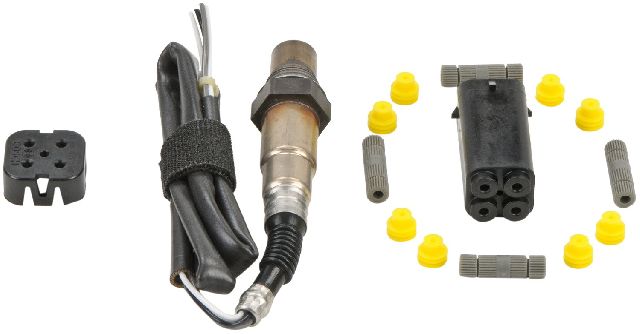
- Generic, unbranded, or 'universal' sensors. These often have incorrect heater resistance values or slow response times, which can cause the P0031 code to persist or other performance issues to arise, even with a 'new' part.
Real Owner Stories
Aggregated from forums and TSBs cited above. Mileages and costs reflect what owners reported in those sources.
2010 Toyota RAV4 2.5L
Symptoms: Check engine light with code P0031.
What fixed it: Replaced the upstream lambda O2 sensor.
Source hint: Reddit thread titled '2010 Toyota RAV4 2.5l showing a P0171 code...'
2009 Toyota RAV4 V6
Symptoms: Owner experienced P0031 and P0051 codes.
What fixed it: Replacing the Bank 1 Sensor 1 A/F sensor.
Source hint: https://www.rav4world.com/threads/p0031-and-p0051-on-2009-rav4-v6.297049/
2010 Toyota Camry 2.5L 2AR-FE
Symptoms: P0031 code present on the 2AR-FE engine platform.
What fixed it: Replacing the sensor with a Denso unit.
Source hint: https://www.toyotanation.com/threads/p0031-on-2010-camry-2-5l-2ar-fe.1691168/
Toyota Sequoia Owner
Symptoms: The owner reported a check engine light found to be P0031 for the AF sensor B1S1, which occurred alongside VSC and TRAC OFF lights.
What fixed it: Parts were replaced to resolve the sensor fault. (NHTSA ODI #10531943)
Toyota Avalon Owner
Symptoms: After owning the vehicle for one month, the check engine light illuminated for the Bank 1 Sensor 1 Air/Fuel sensor on the right-hand exhaust manifold.
What fixed it: The owner noted the P0031 code was present on one AF sensor. (NHTSA ODI #10573840)
Related OBD-II Codes
Frequently Asked Questions
Why are my VSC and 4WD lights on along with the Check Engine Light for code P0031?
What is the correct resistance for a new A/F sensor on my 2.5L 2AR-FE engine?
Which fuse should I check for a P0031 code on my RAV4?
Can I use a used A/F sensor from a salvage yard to fix this?
Is there a specific brand of sensor I should buy for the 2AR-FE engine?
Does the steering 'clunk' mentioned in TSB-0033-11 have anything to do with my P0031 code?
Helpful Videos
We Have This Part in Stock

The information in this article is provided for general reference and educational purposes only. Vehicle specifications, procedures, and part compatibility can vary by production date, trim level, and region. Always consult your vehicle's factory service manual and verify part numbers before purchasing or performing repairs. Safety-critical components such as airbags, seat belts, and braking systems should be installed by a qualified professional.
- Toyota RAV4:
- 🧭 Diagnostic Flowchart
- 🎬 Helpful Videos
- 🛍️ Shop This Part
- What's Unique About the 2009-2012 Toyota RAV4
- Symptoms You May Notice
- Most Likely Causes
- Rare But Worth Checking
- Diagnosis Steps
- Parts You'll Likely Need
- Platform-Specific Known Issues
- Mechanic-Grade Diagnostic Values
- Scan Tool Commands That Help
- Wiring & Ground Locations
- Real Owner Repair Stories
- Other Known Issues on This Vehicle
- Used vs. New Parts: Buying Guide for This Vehicle
- Real Owner Stories
- 2010 Toyota RAV4 2.5L
- 2009 Toyota RAV4 V6
- 2010 Toyota Camry 2.5L 2AR-FE
- Toyota Sequoia Owner
- Toyota Avalon Owner
- Related OBD-II Codes
- Frequently Asked Questions
- 🎟️ Get 5% Off