

P0031 on 2000-2007 Volvo V70: Front O2 Sensor Heater Circuit Causes and Fixes
On a 2000-2007 Volvo V70, code P0031 almost always means the internal heater in the front oxygen (O2) sensor has failed. The corresponding Volvo-specific code is often ECM-2120. The most reliable fix is to replace the sensor with a quality OEM-equivalent part from Bosch or Denso. Expect to pay $100-$200 for the part, with a DIY difficulty of 2/5.
- P0031 on your V70 almost always means the front oxygen sensor needs to be replaced due to a failed internal heater. The Volvo-specific code is ECM-2120.
- Always check fuse #2 (15A) in the engine bay fuse box before buying parts.
- Use a high-quality, direct-fit oxygen sensor from a reputable brand like Bosch or Denso. Avoid generic universal sensors.
- A special 22mm (or 7/8 inch) slotted socket for oxygen sensors will make the replacement job much easier.
- After replacing the sensor, be sure to clear the code with a scanner and perform a drive cycle.
What's Unique About the 2000-2007 Volvo V70
The 2000-2007 Volvo V70 (P2 platform) uses a 5-cylinder engine, which has only one cylinder bank, so "Bank 1" is the only bank. These Volvo engine management systems (Bosch ME7) are known for being sensitive to the components used. While P0031 is a standard code, experience from owners across multiple forums shows that using generic or cheap universal oxygen sensors often leads to persistent issues or immediate failure. The resistance of the heater circuit is critical, and aftermarket sensors can have incorrect values that the ECM rejects. It is highly recommended to use OEM-equivalent brands like Bosch or Denso to ensure compatibility and a lasting repair.
Generation note: The 2000-2007 model years cover the entire second generation of the Volvo V70, known as the P2 platform. The diagnostic process and repair are very similar across all 5-cylinder engine variants (2.4L non-turbo, 2.5T, T5) of this generation, though the specific part number for the oxygen sensor may differ slightly by year and engine type.
Symptoms You May Notice
- Check Engine Light is on
- Decreased fuel economy
- Rough or unstable idle, especially when the engine is cold
- Hesitation during acceleration
- Failing an emissions inspection
- Slightly richer exhaust smell during warm-up
- Replacing the oxygen sensor with a cheap, universal model. These often have incorrect heater resistance values or poor-quality wiring splices that cause the code to return.
- Replacing the sensor without first checking for a simple blown 15A fuse in the engine bay fuse box.
- Immediately assuming the ECM is bad without verifying power, ground, and signal wiring integrity first.
Most Likely Causes
- Failed Front Oxygen Sensor 🔴 High Probability → Shop Oxygen Sensor The internal heater element is a common failure point due to age and countless heat cycles. This is the most likely cause, accounting for an estimated 80-90% of P0031 cases 🎬 Watch: Why you're getting P0031 and how to fix it. on high-mileage vehicles.
How to confirm: Disconnect the sensor and use a multimeter to measure the resistance between the two heater circuit pins (on Volvo/Bosch/Denso sensors, these are typically the two same-colored wires, often black or white). A healthy heater should have a low resistance, typically between 2-10 ohms when cold. A reading of 'OL' (open loop) or infinite resistance means the heater is broken and the sensor must be replaced.
Typical fix: Replace the front (pre-catalytic converter) oxygen sensor. Using a quality direct-fit sensor from a brand like Bosch or Denso is crucial for a successful repair. See the 'Parts' section for specific part numbers.
Est. part cost: $100-$220 - Damaged Wiring or Connector 🟡 Medium Probability The sensor wiring is routed near the hot exhaust manifold and the back of the engine, where it can become brittle, melt, or chafe over time, leading to a short to ground. The connector itself can also accumulate dirt and moisture, causing corrosion.
How to confirm: Visually inspect the entire length of the sensor's wiring harness from the sensor to where it connects to the main engine harness. Check the connector for any signs of melting, green corrosion, or pushed-out pins. A 'wiggle test' on the harness while monitoring live data can sometimes reveal an intermittent short.
Typical fix: Repair the damaged section of the wire or replace the connector pigtail. Ensure the repaired harness is secured away from heat sources using zip ties.
Est. part cost: $10-$30 - Blown Fuse ⚪ Low Probability A short circuit in the heater element or its wiring can cause the corresponding fuse to blow as a protective measure. This is often a symptom of a failed sensor, not the root cause.
How to confirm: Check the fuse box in the engine compartment (the main box located near the driver's side strut tower). The owner's manual or the diagram on the fuse box lid should indicate which fuse protects the 'HO2S', 'O2 Sensor Heater', or 'A/F Heater' circuit. On many P2 models, this is fuse #2 in the engine compartment fuse box (a 15A fuse). A visual inspection or continuity test will confirm if the fuse is blown.
Typical fix: Replace the blown fuse. If the new fuse blows immediately, it indicates a persistent short circuit in the wiring or the sensor itself that must be found and fixed before replacing the fuse again.
Est. part cost: $1-$5
Rare But Worth Checking
- Faulty Engine Control Module (ECM): This is very rare. The ECM's internal driver (MOSFET) for the O2 sensor heater circuit can fail. This should only be considered after all other possibilities (sensor, wiring, fuses) have been thoroughly ruled out by testing for power and ground at the sensor connector. A lack of 12V power at the harness-side connector (with the key on) when the fuse is good points towards a potential ECM or relay issue.
Diagnosis Steps
- Read the codes: Confirm P0031 and/or ECM-2120 is the active code using an OBD-II scanner.
- Check the fuse: Locate the engine compartment fuse box. Inspect fuse #2 (15A) or the fuse labeled for O2S/HO2S heater. Replace if blown.
- Inspect wiring: Carefully inspect the wiring harness for the front O2 sensor, from the sensor itself to the connector near the back of the engine. Look for any signs of melting, chafing, or corrosion.
- Test the sensor's heater circuit: Disconnect the O2 sensor. Using a multimeter set to Ohms (Ω), measure the resistance across the two same-colored heater pins 🎬 See this walkthrough on testing oxygen sensor heater circuits. (usually black) on the sensor side of the connector. A good sensor will read between 2-10 Ohms. An 'OL' or very high reading means the sensor's heater is broken and the sensor must be replaced.
- Test for power and ground: With the sensor still disconnected and the ignition key in the 'On' position (engine off), use a multimeter to verify that you have battery voltage (~12V) at one of the heater circuit pins on the vehicle's harness side of the connector. Then, check for a good ground on the other heater pin.
- Replace the sensor: If the fuse and wiring are good but the sensor's heater circuit is open (failed the resistance test), replace the front oxygen sensor. Be sure to use a quality, direct-fit part from Bosch or Denso.
- Clear codes: After the repair, clear the trouble codes with the scanner and perform a drive cycle (a mix of city and highway driving) to ensure the fix was successful and the Check Engine Light does not return.
Parts You'll Likely Need
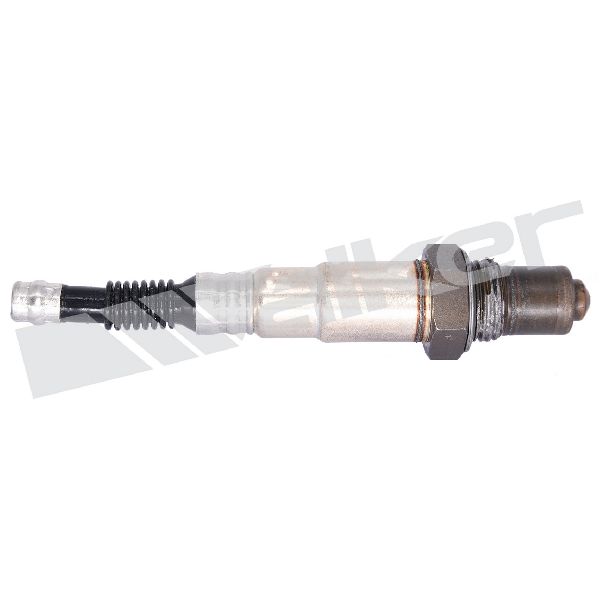
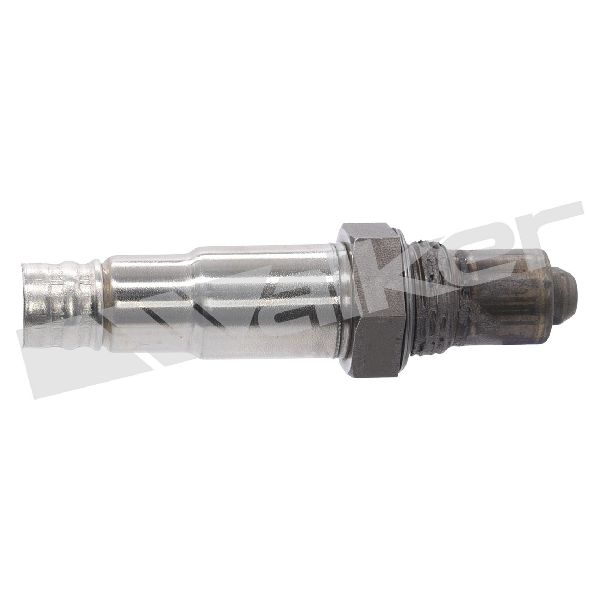
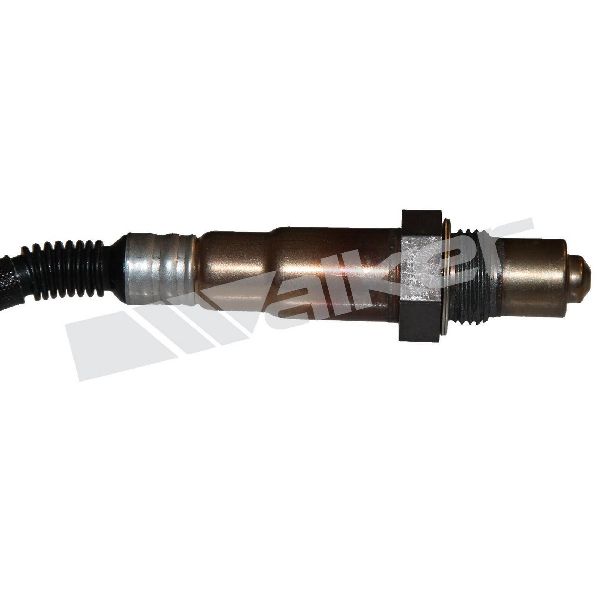
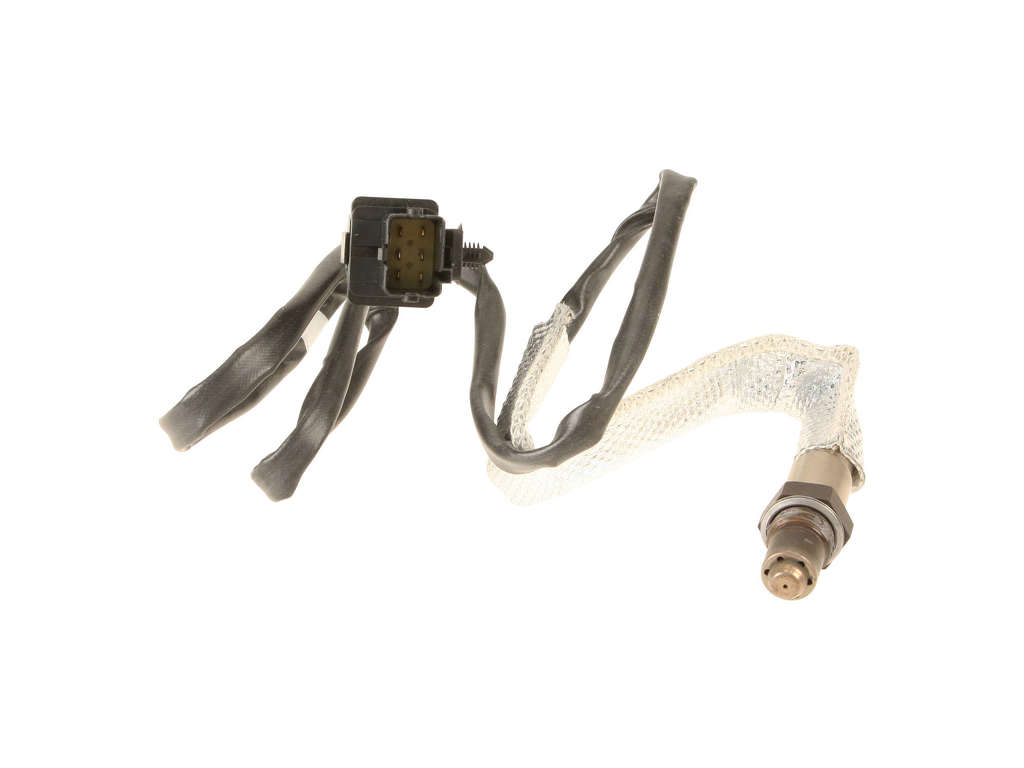
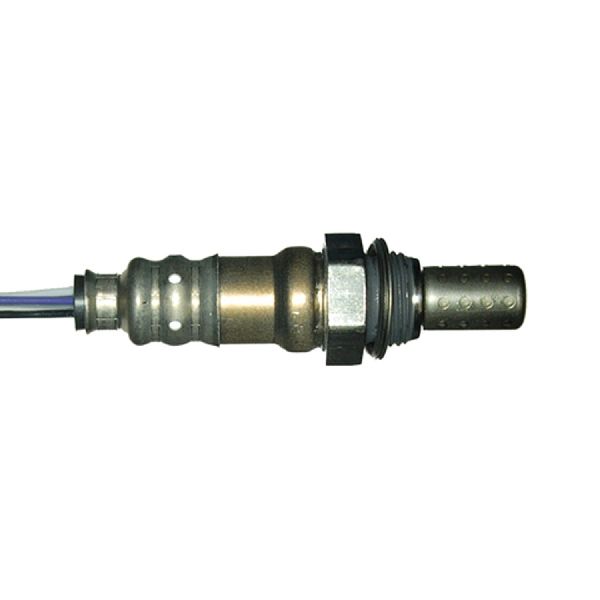
- Front Oxygen Sensor (Bank 1, Sensor 1)
(OEM #Volvo: 9487147, 8658237)— This is the most common failure point for code P0031. The internal heater element burns out over time. 🎬 Watch: How to replace the front O2 sensor on a V70.
Trusted brands: Bosch (OEM), Denso (OEM)
OEM price range: $150-$220
Aftermarket price range: $100-$180
Technical Service Bulletins (TSBs) & Recalls
- Related TSB: While not for P0031 specifically, a Volvo TSB exists for some older P80/early P2 models that mentions a new dealer harness (p/n 9202715) may be required to prevent oil/contaminant wicking into the O2 sensor connector. This is generally not the primary cause for a P0031 heater circuit fault but is worth noting if the connector is found to be contaminated.
Platform-Specific Known Issues
- Fuse #2 in Engine Bay: Many owner reports confirm the O2 sensor heater circuit is protected by a 15A fuse in position #2 of the engine compartment fuse block. This should be the first component checked, as it is a simple and free inspection that can avoid an unnecessary sensor replacement.
- Connector Location: The electrical connector for the front O2 sensor is typically mounted on a bracket on the transmission bellhousing, near the firewall. It can be difficult to access without removing the plastic charge pipe that runs over the top of the engine on turbo models.
Mechanic-Grade Diagnostic Values
- Front O2 Sensor (A/F Sensor) Heater Current Draw — expected: Typically between 0.8 A and 10 A when commanded on by the ECM.. Failure: A current draw of less than 0.8 A (or 0.3 A on some systems) will trigger a P0031 'low circuit' fault.
- Front O2 Sensor Heater Resistance — expected: 3-10 Ohms at room temperature (approx. 20°C / 68°F).. Failure: A reading of 'OL' (Open Loop / infinite resistance) or a value significantly outside the expected range indicates a failed heater element.
- Voltage at ECM Heater Circuit Pins — expected: 9 to 14 V when testing between the heater supply pin at the ECM and a known good ground with the key on.. Failure: No voltage when the fuse is confirmed good suggests a wiring open or a fault in the power supply relay or ECM driver.
Hidden / Shadow Codes Worth Checking
- ECM-2120: Front heated oxygen sensor (HO2S), heating. This is the Volvo-specific equivalent of the generic P0031 code, indicating a fault in the heater circuit. (see via A Volvo-specific scanner like VIDA/DiCE is required to read this code directly from the Engine Control Module (ECM).)
Scan Tool Commands That Help
- Volvo VIDA: Component Activation / Diagnostic Sequence — After checking fuses and wiring, a technician can use VIDA to command the O2 sensor heater circuit on and off. This bidirectional test directly verifies if the ECM driver is sending the signal and if the sensor's heater responds, helping to isolate the fault between the ECM, wiring, and the sensor itself without having to wait for a drive cycle.
Wiring & Ground Locations
- Main Engine Ground Strap — A large braided cable running from the transmission housing to the vehicle's subframe/chassis.. A corroded or loose main ground can cause a voltage drop across the entire engine's electrical system. The ECM and its sensors rely on a stable ground reference; a poor ground can lead to erratic sensor readings and trigger false codes, including P0031.
- Upper Engine Ground Strap — A smaller ground strap running from the engine valve cover to the firewall/bulkhead.. This ground is also critical for the ECM and various sensors. It is exposed and prone to corrosion where it bolts to the valve cover, which can cause intermittent and difficult-to-diagnose electrical faults.
- G110 / G114 / G134 — These are specific ground points on the engine block for various components. G110 is at the left front, G114 at the left rear, and G134 is on top of the engine for a 2001 model.. While not the direct ground for the O2 sensor heater (which is controlled by the ECM), ensuring these main engine grounds are clean and tight is a crucial step in ruling out system-wide electrical issues that could manifest as a sensor fault.
Real Owner Repair Stories
- Turbobricks forum user 'Janspeed' (P2 Volvo V70 (year not specified, but within range)) — Varying idle speed, CEL on, DSTC service message, cam adjuster error, and weird throttle response.
❌ Tried (didn't work) Initial diagnosis pointed towards multiple unrelated failures.
✅ What actually fixed it The user found and cleaned significant corrosion from the small ground cable running between the valve cover and the firewall. After cleaning the contact points and reinstalling the strap, all the erratic electronic faults, including the symptoms related to poor engine management, disappeared.
OEM Part Supersession History
Varies by year/engine→Varies— Component revisions and supplier changes.
Heads up: It is critical to use a VIN-specific or year/engine-specific part number. For example, Volvo PN 8627750 is listed specifically for 2000-2001 turbo models, which may differ from a 2005 non-turbo model. Using the wrong Bosch or Denso sensor, even if it physically fits, can result in the code returning due to different heater resistance or sensor calibration.
Model Year Variations Within This Range
- 2000-2001 Turbo Models: The front oxygen sensor part number may be specific to these early P2 turbo models, with Volvo PN 8627750 being a common reference. Later models use different part numbers. Always verify the part number with the vehicle's VIN.
- 2005+: Fuse box layouts and component locations can have minor changes on facelift models (2005-2007). While the fuse for the O2 heater is generally in the same area (engine bay), its exact position number could vary. Always refer to the fuse box lid diagram for the specific vehicle.
Diagnostic Flowchart
Used vs. New Parts: Buying Guide for This Vehicle
When a used part is the smart pick: A used part is NOT recommended for the oxygen sensor itself, as it is a wear-and-tear component with a finite lifespan. However, sourcing a used connector pigtail from a junkyard is a smart and cost-effective repair if only the connector or a few inches of wiring are damaged.
Donor-vehicle mileage cap: roughly under 150000 miles for the part to have meaningful remaining life.
What to inspect on the donor part:
- For a connector pigtail: ensure the plastic is not brittle or cracked.
- Check that the locking tab is intact and functional.
- Inspect the pins inside the connector for any signs of green or white corrosion.
- Ensure the wiring insulation is flexible and not melted or hardened.
OEM-only on this vehicle (don't cheap out):
- Front Oxygen Sensor
Aftermarket brands forum-validated for this vehicle:
- Bosch (OEM)
- Denso (OEM)
Brands owners have reported issues with on this vehicle:
- Unbranded 'Universal' oxygen sensors that require splicing wires.
- Any low-cost, no-name brand found on marketplace websites.
Real Owner Stories
Aggregated from forums and TSBs cited above. Mileages and costs reflect what owners reported in those sources.
Volvo V70
Symptoms: Check engine light, the whole shebang.
What fixed it: The problem was a corroded electrical connector for the pre-cat O2 sensor, not the sensor itself.
Source hint: Carnival Oxygen Sensor Issue - Carly
Volvo S40
Symptoms: Check Engine Light returned with codes P0031 and P0037 even after replacing both oxygen sensors.
What fixed it: The diagnostic pitfall was not checking the fuse first. The suggested fix was to inspect the shared fuse for the O2 sensor heater circuits before condemning other parts.
Source hint: volvoforums.com - A user reported P0031 and P0037 returning after replacing both sensors...
Related OBD-II Codes
Frequently Asked Questions
Where is the fuse for the front oxygen sensor on my 2000-2007 V70?
What is the best replacement oxygen sensor brand for my Volvo V70?
I replaced the front O2 sensor but the P0031 code came back. What now?
Where is the front O2 sensor connector located?
How can I test the old sensor's heater circuit myself?
I found oil inside the oxygen sensor connector. Is this a known problem?
Helpful Videos
We Have This Part in Stock


The information in this article is provided for general reference and educational purposes only. Vehicle specifications, procedures, and part compatibility can vary by production date, trim level, and region. Always consult your vehicle's factory service manual and verify part numbers before purchasing or performing repairs. Safety-critical components such as airbags, seat belts, and braking systems should be installed by a qualified professional.
- Volvo V70:
- 🧭 Diagnostic Flowchart
- 🎬 Helpful Videos
- 🛍️ Shop This Part
- What's Unique About the 2000-2007 Volvo V70
- Symptoms You May Notice
- Most Likely Causes
- Rare But Worth Checking
- Diagnosis Steps
- Parts You'll Likely Need
- Technical Service Bulletins (TSBs) & Recalls
- Platform-Specific Known Issues
- Mechanic-Grade Diagnostic Values
- Hidden / Shadow Codes Worth Checking
- Scan Tool Commands That Help
- Wiring & Ground Locations
- Real Owner Repair Stories
- OEM Part Supersession History
- Model Year Variations Within This Range
- Used vs. New Parts: Buying Guide for This Vehicle
- Real Owner Stories
- Volvo V70
- Volvo S40
- Related OBD-II Codes
- Frequently Asked Questions
- 🎟️ Get 5% Off