

P0032 on 2012-2015 Honda Civic: A/F Sensor Heater Circuit Causes and Fixes
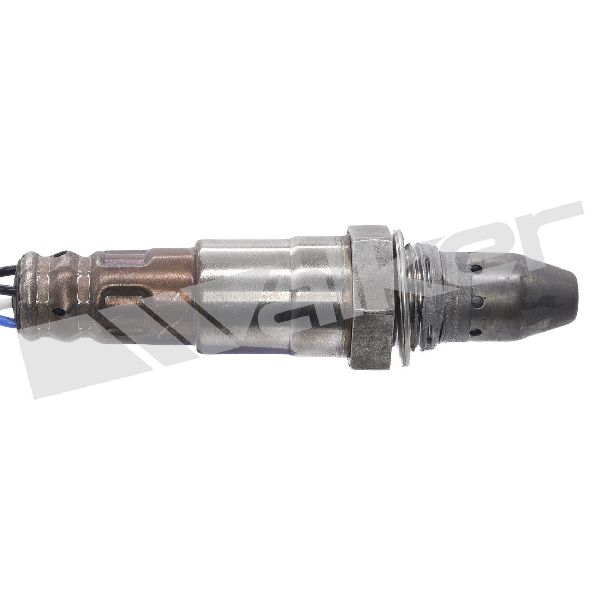
On a 2012-2015 Honda Civic, code P0032 almost always means the upstream oxygen sensor (also called an Air/Fuel Ratio sensor) has failed. The internal heater element burns out, causing a 'high voltage' or open circuit reading. Replacing the sensor is the most common fix, costing around $80-$150 for an OEM-quality aftermarket part (Denso) or $200-$280 for a Honda-branded part. It is a DIY-friendly repair for most home mechanics.
- P0032 on a 2012-2015 Civic points overwhelmingly to a failed upstream A/F (oxygen) sensor.
- Before buying a new sensor, take 5 minutes to check fuse A15 in the
What's Unique About the 2012-2015 Honda Civic
For the 9th generation Honda Civic (2012-2015), this code is a very common and straightforward issue. The inline four-cylinder engines (1.8L R18 and 2.4L K24) only have one exhaust bank, so 'Bank 1' is the only one. The 'Sensor 1' is the upstream Air/Fuel Ratio (A/F) Sensor. There are no widespread TSBs or recalls for this specific issue, indicating that the failure is typically due to the sensor reaching the end of its service life (usually 80,000-150,000 miles) rather than a specific manufacturing defect.
Symptoms You May Notice
- Check Engine Light is on.
- Decreased fuel economy (a drop of 3-5 MPG is commonly reported).
- Possible rough idle or slight hesitation, especially on a cold start before the sensor heats up naturally.
- Automatic failure of an emissions/smog test.
- Replacing the downstream (Sensor 2) oxygen sensor instead of the upstream (Sensor 1) Air/Fuel Ratio sensor.
- Replacing the sensor without first checking the A15 fuse and visually inspecting the wiring, potentially leading to the new sensor not fixing the problem.
- Using a cheap, 'universal' oxygen sensor. These often have incorrect heater resistance values and can cause the code to return immediately.
Most Likely Causes
- Failed Upstream Air/Fuel Ratio (Oxygen) Sensor 🔴 High Probability → Shop Oxygen Sensor The internal heater element is a thin wire that undergoes thousands of heat cycles. It eventually becomes brittle and breaks, creating an open circuit. This is the most likely cause for a P0032 code on a Civic of this age, typically failing between 80,000 and 150,000 miles.
How to confirm: With the engine off, disconnect the sensor. Using a multimeter set to Ohms (Ω), measure the resistance between the two heater circuit pins on the sensor side (they are the two wires of the same color, usually black). A good sensor will have a low resistance, typically between 5 and 15 Ohms. An infinite resistance reading (OL) confirms the heater has failed and the sensor must be replaced.
Typical fix: Replace the Bank 1, Sensor 1 Air/Fuel Ratio sensor. A 22mm or 7/8" offset oxygen sensor socket is highly recommended for removal.
Est. part cost: $80-$280 - Damaged Wiring or Connector ⚪ Low Probability The sensor wiring is located near the hot exhaust manifold. While less common than sensor failure, the harness can be damaged by improper service, contact with hot surfaces, or rodent damage. The connector pins can also become corroded.
How to confirm: Visually inspect the entire wiring harness from the sensor to where it connects to the main engine harness. Look for any melted plastic, frayed wires, or green/white corrosion inside the connector pins. With the key on, engine off, check for battery voltage (~12V) at the power wire on the harness side of the connector.
Typical fix: Repair the damaged section of wiring or replace the connector pigtail.
Est. part cost: $20-$50 - Blown Fuse ⚪ Low Probability A short circuit in the heater element or wiring can cause the fuse to blow. This is uncommon but easy to check.
How to confirm: Locate the under-hood fuse box. Check fuse A15 (10A) which is often labeled 'A/F SENSOR' or similar in the owner's manual. Visually inspect the fuse or test it for continuity with a multimeter.
Typical fix: Replace the blown fuse. If the new fuse blows immediately, it indicates a persistent short circuit in the wiring or sensor that must be found and repaired.
Est. part cost: $1-$5
Rare But Worth Checking
- Faulty Powertrain Control Module (PCM): → Shop Engine Control Module (ECM) This is extremely rare. Before considering PCM replacement, all other possibilities, including the sensor, wiring, and fuses, must be exhaustively tested and ruled out. A PCM failure would typically be confirmed by a professional technician after verifying that the PCM driver for the heater circuit is not providing a ground when commanded.
Diagnosis Steps
- Read the code using an OBD-II scanner to confirm P0032 is present.
- Visually inspect the upstream A/F sensor's wiring harness and connector for any signs of melting, chafing, or corrosion. Ensure the connector is securely plugged in.
- Check fuse A15 (10A) in the under-hood fuse box. Replace if blown.
- If the fuse and wiring appear okay, disconnect the sensor's electrical connector.
- Using a multimeter set to measure resistance (Ohms), probe the two pins for the heater circuit on the sensor itself (typically two black wires). A reading of 'OL' or infinite resistance confirms an open circuit, and the sensor must be replaced. A good sensor should read a low resistance, typically between 5-15 ohms.
- If the sensor resistance is within spec, check for power at the harness. With the key on, engine off, test for battery voltage (~12V) between the power pin and a good ground on the harness-side connector.
- If power is present and the sensor tests good, the issue may be in the ground control wire from the PCM or a rare PCM fault. This level of diagnosis is typically best left to a professional.
Parts You'll Likely Need
- Upstream Air/Fuel Ratio Sensor (1.8L Engine)
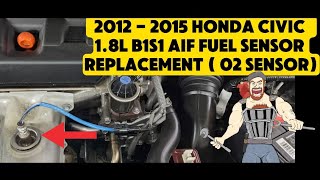
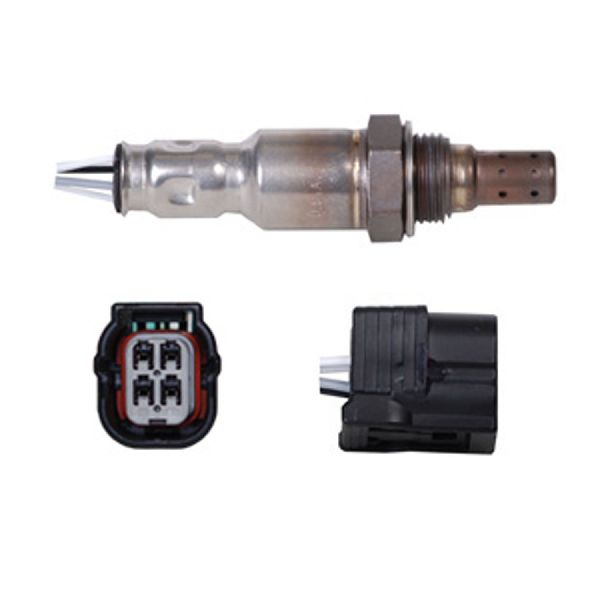
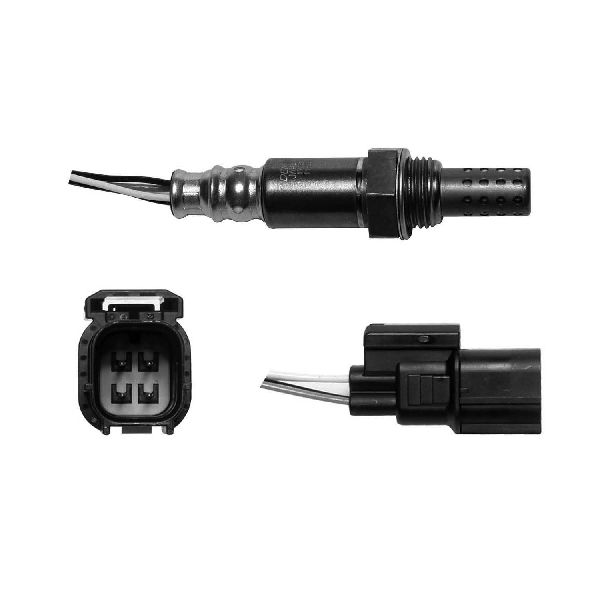
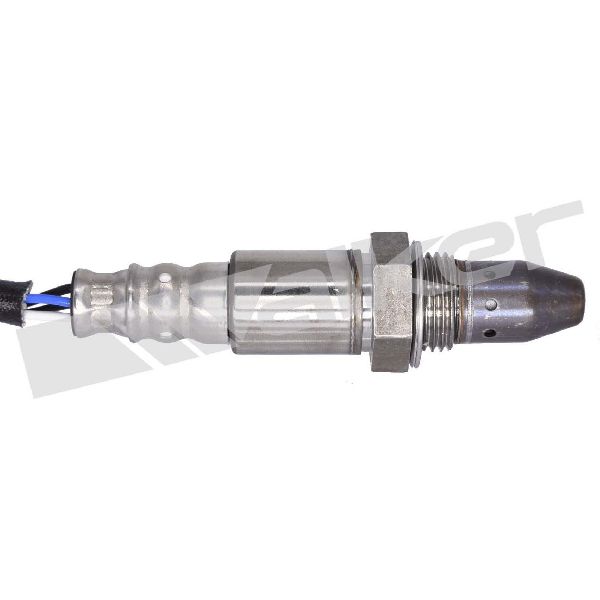
(OEM #36531-R1A-A01)— This is the Bank 1, Sensor 1 for the standard 1.8L R18 engine. 🎬 Watch: Step-by-step 1.8L air fuel sensor replacement guide. The internal heater is the component that fails, triggering the P0032 code. Denso is the original equipment manufacturer for Honda, so the Denso aftermarket part is identical to the Honda part at a lower cost.
Trusted brands: Denso (234-9119), NGK/NTK, Honda (Genuine)
OEM price range: $200-$280
Aftermarket price range: $80-$150 - Upstream Air/Fuel Ratio Sensor (2.4L Si Engine)
(OEM #36531-RX0-A01)— This is the Bank 1, Sensor 1 for the 2.4L K24Z7 engine found in the Civic Si. The internal heater is the component that fails. As with the 1.8L, Denso is the OEM.
Trusted brands: Denso (234-9118), NGK/NTK, Honda (Genuine)
OEM price range: $220-$300
Aftermarket price range: $90-$160
Related Codes That Often Appear With This One
- P0031 — This is the opposite code, for 'Heater Control Circuit Low'. Seeing them together could indicate an intermittent wiring problem or a failing PCM, though this is uncommon.
- P0135 — A more generic code for 'O2 Sensor Heater Circuit Malfunction'. P0032 is a more specific version of this fault, and they may appear together depending on the scanner.
Platform-Specific Known Issues
- Confirmed Fix by Replacement: A user on 9thgencivic.com with a 2012 Civic Si reported getting code P0032. After confirming the sensor was the issue, they replaced it with a Denso 234-9118 and the code was resolved. This is a typical owner experience.
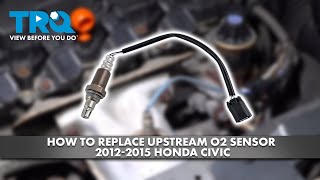
- DIY Experience: Another owner on 9thgencivic.com with a 2013 Civic LX received a P0032 code at 130,000 miles. They successfully replaced the sensor (Denso 234-9119) themselves, noting that a 22mm wrench and some penetrating oil were essential for removing the old sensor. 🎬 See this helpful walkthrough for replacing the upstream sensor.
Mechanic-Grade Diagnostic Values
- A/F Sensor Heater Element Resistance — expected: 1.0 - 10 Ohms at 68°F (20°C). Some service manuals state a wider range of 10-40 Ohms, but real-world measurements on new Denso/NGK sensors are typically in the lower single digits (e.g., 3.5-9 Ohms).. Failure: Infinite resistance (OL) indicates a broken/open heater element. A reading of zero or near-zero ohms indicates an internal short.
- Heater Circuit Power Supply Voltage (at harness connector) — expected: Approximately 12V (Battery Voltage) with Key On, Engine Off.. Failure: 0V indicates a blown fuse (A15), a bad relay, or a break in the power wire.
- Heater Circuit Control (Live Data on Honda HDS) — expected: The 'HO2S (AF) S1 HEATER' parameter should read 'ON' during normal operation. The PCM uses duty cycle control to manage the heater.. Failure: Parameter reads 'OFF' when it should be on, or the duty cycle is stuck at 0% or 100%, pointing to a potential PCM driver issue or wiring fault.
Scan Tool Commands That Help
- Honda HDS (Honda Diagnostic System): Live Data List - PGM-FI — Monitor the 'HO2S (AF) S1 HEATER' parameter to see if the PCM is commanding the heater circuit on or off. This helps differentiate between a sensor/wiring failure and a PCM control issue.
Wiring & Ground Locations
- G101 — Bolted to the engine cylinder head or thermostat housing area.. This is a primary ground point for the engine control system. While not directly for the sensor heater (which is PCM-controlled), a poor G101 connection can cause erratic voltage and incorrect readings across multiple engine sensors, potentially leading to misdiagnosis.
- A/F Sensor Connector (C121) — Clipped to a bracket on the cylinder head, near the sensor itself. It's a 4-pin connector.. This is the primary point for testing. The two same-colored wires (usually black) are for the heater circuit. One will have battery voltage (power), and the other is the ground-side control from the PCM.
Real Owner Repair Stories
- YouTube User / Forum Contributor (Honda Civic (8th/9th Gen similar issue)) — Persistent P0134 (A/F Sensor No Activity) and P1157 (A/F Sensor Line Voltage High), CEL would return a day or two after being cleared.
❌ Tried (didn't work) Clearing the codes multiple times., Replacing the A/F sensor (the code still returned).
✅ What actually fixed it The root cause was not the sensor but corrosion on the fuse terminals in the under-hood fuse box. After cleaning the fuse box terminals with contact cleaner, drying them thoroughly, and replacing the affected fuses, the codes were resolved permanently.
OEM Part Supersession History
36531-R1A-A01→N/A— This is the current, most common part number for the 1.8L engine for this generation.
Heads up: This part is also used on some 2014-2015 Accord Hybrids and 2016+ HR-V models, confirming its widespread use in Honda's lineup.
Model Year Variations Within This Range
- 2013-2015: Honda performed an emergency refresh for the 2013 model year after the 2012 model was poorly received. This involved significant interior material upgrades, revised front and rear styling, and making a backup camera standard. However, the powertrain, including the 1.8L and 2.4L engines and their emissions components like the A/F sensor, remained fundamentally the same. Therefore, the diagnosis and repair for P0032 are identical across the 2012-2015 range.
Diagnostic Flowchart
Other Known Issues on This Vehicle
Issues unrelated to this code that are worth knowing about as an owner of this generation:
- Peeling or Cloudy Paint 🟠 Medium — Very common, especially on dark colors (black, blue, gray) and Taffeta White. Can start within a few years. (Ref: Honda issued warranty extensions, e.g., TSB 14-034, covering certain colors for 7 years from the purchase date.)
- VTC Actuator Rattle on Cold Start (2.4L Si Engine) 🟠 Medium — Extremely common on the K24Z7 engine, especially in temperatures below 40°F. Presents as a loud, brief rattle or grind for 1-2 seconds after starting. (Ref: TSB 16-012.)
- Cracked or Worn Engine Mounts 🟡 Low — Common after 80,000-120,000 miles. The passenger-side hydraulic mount is the most frequent failure point, causing vibrations at idle and clunking noises when shifting.
- Minor Oil Consumption (R18 Engine) 🟡 Low — Not as severe as in the previous generation, but some owners report needing to top off oil between changes, especially at higher mileage. Often linked to a clogged PCV valve.
Used vs. New Parts: Buying Guide for This Vehicle
When a used part is the smart pick: For this specific repair, buying a used Air/Fuel Ratio sensor is NOT recommended. They are a wear-and-tear item with a finite lifespan (typically 80k-150k miles). A used sensor from a salvage yard may fail shortly after installation, wasting time and money.
What to inspect on the donor part:
- Not applicable as used sensors are not advised.
OEM-only on this vehicle (don't cheap out):
- While not strictly 'OEM-only', using the original equipment manufacturer (Denso) is highly recommended. Cheaper, no-name aftermarket sensors are a common cause of immediate code return due to incorrect heater resistance values.
Aftermarket brands forum-validated for this vehicle:
- Denso (OEM for Honda)
- NGK / NTK
Brands owners have reported issues with on this vehicle:
- Universal sensors (requiring splicing)
- Unbranded, low-cost sensors from online marketplaces
- Bosch sensors have a mixed reputation in Honda applications, with some technicians reporting slower response times and premature failures compared to Denso or NTK.
Real Owner Stories
Aggregated from forums and TSBs cited above. Mileages and costs reflect what owners reported in those sources.
2012 Honda Civic Si
Symptoms: Check Engine Light on with code P0032.
What fixed it: Replaced the upstream A/F sensor with a Denso 234-9118, which resolved the code.
Source hint: vehicle_specific_issues: Confirmed Fix by Replacement
2013 Honda Civic LX — 130000 miles
Symptoms: Received a P0032 CEL code.
What fixed it: The owner successfully replaced the sensor themselves using a Denso 234-9119 part, a 22mm wrench, and penetrating oil.
Source hint: vehicle_specific_issues: DIY Experience
Related OBD-II Codes
Frequently Asked Questions
What brand of Air/Fuel Ratio sensor should I use for my 2012-2015 Civic?
At what mileage does the upstream oxygen sensor typically fail on this generation of Civic?
Which fuse should I check for the P0032 code on my Civic?
I replaced the A/F sensor fuse and it blew again immediately. What does that mean?
What tools are needed for a DIY replacement of the upstream oxygen sensor?
Is it a good idea to buy a used oxygen sensor from a junkyard?
My 2014 Civic Si has a loud rattle for a second on cold starts. Is this related to the P0032 code?
Helpful Videos
We Have This Part in Stock

The information in this article is provided for general reference and educational purposes only. Vehicle specifications, procedures, and part compatibility can vary by production date, trim level, and region. Always consult your vehicle's factory service manual and verify part numbers before purchasing or performing repairs. Safety-critical components such as airbags, seat belts, and braking systems should be installed by a qualified professional.
- Honda Civic:
- 🧭 Diagnostic Flowchart
- 🎬 Helpful Videos
- 🛍️ Shop This Part
- What's Unique About the 2012-2015 Honda Civic
- Symptoms You May Notice
- Most Likely Causes
- Rare But Worth Checking
- Diagnosis Steps
- Parts You'll Likely Need
- Related Codes That Often Appear With This One
- Platform-Specific Known Issues
- Mechanic-Grade Diagnostic Values
- Scan Tool Commands That Help
- Wiring & Ground Locations
- Real Owner Repair Stories
- OEM Part Supersession History
- Model Year Variations Within This Range
- Other Known Issues on This Vehicle
- Used vs. New Parts: Buying Guide for This Vehicle
- Real Owner Stories
- 2012 Honda Civic Si
- 2013 Honda Civic LX — 130000 miles
- Related OBD-II Codes
- Frequently Asked Questions
- 🎟️ Get 5% Off