

P0032 on 2009-2012 Toyota RAV4 2.5L: Heater Circuit High Causes and Fixes
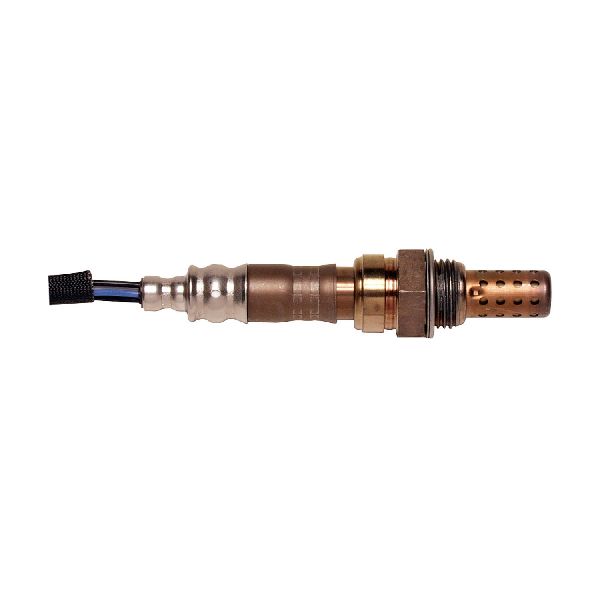
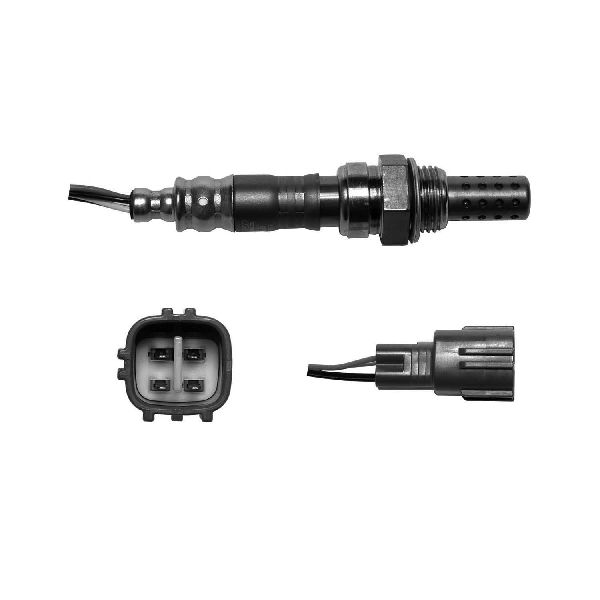
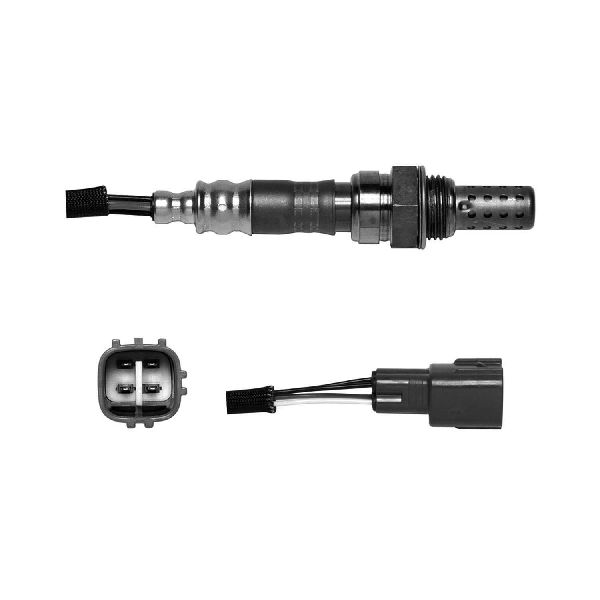
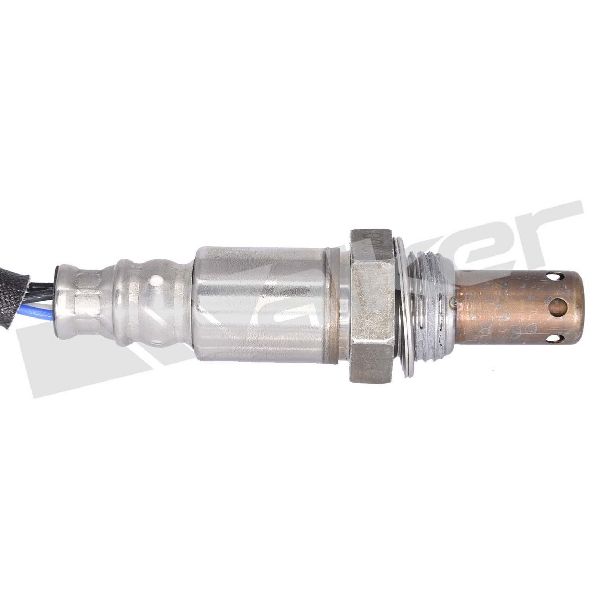
On a 2009-2012 RAV4 with the 2.5L engine, code P0032 is almost always caused by a failed internal heater in the upstream Air/Fuel Ratio sensor (Bank 1, Sensor 1). The fix is to replace the sensor, which is an easy DIY job. Expect to pay ~$120-$180 for an OEM-quality Denso sensor, part number 234-9022.
- P0032 on this RAV4 almost always means the upstream Air/Fuel Ratio sensor (Bank 1, Sensor 1) has failed.
- The repair is very DIY-friendly, as the sensor is easily accessible at the top-front of the engine.
- You must use a high-quality replacement sensor from Denso (OEM) or NGK. The correct Denso part is 234-9022. Cheaper aftermarket sensors are known to cause issues.
- Before buying a new sensor, perform a quick resistance test on the old one with a multimeter to confirm the internal heater has failed (it should read infinite resistance/OL).
What's Unique About the 2009-2012 Toyota RAV4
For the 2009-2012 RAV4 with the 2.5L 4-cylinder engine, this code is a straightforward and common maintenance issue. Unlike V6 models where this sensor can be difficult to access, on the 2AR-FE engine, the Bank 1 Sensor 1 is conveniently located right at the front of the engine bay in the exhaust manifold, making it very accessible for a DIY repair. Owners consistently report that using a cheap, non-OEM sensor often leads to the code returning. Sticking with the OEM manufacturer (Denso) is critical for a lasting fix, as the vehicle's ECM is calibrated to the specific resistance values of the Denso sensor.
Symptoms You May Notice
- Check Engine Light is on
- Decreased fuel economy
- Failure to pass an emissions test
- Slightly rough idle on cold starts
- Potential for a black sooty deposit on the tailpipe from a rich fuel mixture
- Replacing the downstream oxygen sensor (Bank 1, Sensor 2). This code specifically refers to Sensor 1, which is the upstream Air/Fuel Ratio sensor located before the catalytic converter.
Most Likely Causes
- Failed Air/Fuel Ratio Sensor (Bank 1, Sensor 1) 🔴 High Probability → Shop Oxygen Sensor The internal heater element is a wear-and-tear component with a finite lifespan, often failing after 80,000 miles. Failure of this element creates an open circuit, which the ECM detects as a 'high' circuit fault. This is the most common cause by a wide margin.
How to confirm: Disconnect the sensor and measure the resistance between the two heater pins (the two same-colored wires, usually black). A reading of infinite resistance 🎬 See how to test and replace an air-fuel ratio sensor (OL) on a multimeter confirms the heater is burned out. A good sensor should read a low resistance, typically between 1.8 and 3.4 ohms when at room temperature.
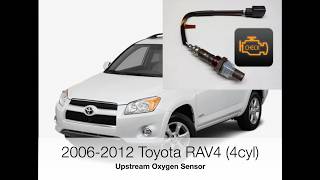
Typical fix: Replace the Bank 1, Sensor 1 Air/Fuel Ratio sensor. It is located in the exhaust manifold and is accessible from the top of the engine bay after removing a small heat shield. 🎬 Watch this step-by-step RAV4 upstream sensor replacement video Use an oxygen sensor socket to remove and install.
Est. part cost: $120-$180 - Damaged Wiring or Connector ⚪ Low Probability The sensor wiring is located near the hot exhaust manifold, making it susceptible to melting, chafing, or becoming brittle over time. Rodents can also chew on the soy-based wire insulation used in some modern vehicles.
How to confirm: Visually inspect the wiring harness from the sensor to the main engine harness. Look for any melted sections, frayed wires, or physical damage. Check that the connector pins are clean, dry, and not corroded or pushed back. Check for 12V power at the connector with the key on, engine off.
Typical fix: Repair the damaged section of wire or replace the connector pigtail. Secure the harness away from hot surfaces.
Est. part cost: $15-$50 - Blown A/F Heater Fuse ⚪ Low Probability
How to confirm: Locate the fuse box in the engine bay and check the 15A fuse labeled 'A/F HTR'. If the fuse is blown, it indicates a short circuit that needs to be found. A shorted sensor is a common reason for a blown fuse.
Typical fix: Replace the blown fuse after diagnosing the underlying short circuit. Simply replacing the fuse without finding the short will likely result in it blowing again.
Est. part cost: $1-$5
Rare But Worth Checking
- Faulty Engine Control Module (ECM): → Shop Engine Control Module (ECM) This is extremely rare. The ECM's internal driver for the heater circuit can fail, but this should only be considered after all other possibilities (sensor, wiring, fuses) have been definitively ruled out.
Diagnosis Steps
- Read the code with an OBD-II scanner to confirm P0032 is the only code present. 🎬 Watch this complete P0032 troubleshooting and repair guide
- Visually inspect the wiring harness and electrical connector for the upstream A/F sensor (Bank 1, Sensor 1). Look for signs of melting, corrosion, or loose connections.
- Check the 15A 'A/F HTR' fuse in the engine bay fuse box. If it's blown, investigate for a short circuit before replacing it.
- If the wiring and fuse are good, disconnect the sensor's electrical connector.
- Using a multimeter set to Ohms, measure the resistance across the two heater circuit pins on the sensor itself (these are the two wires of the same color, usually black). A reading of infinite resistance (OL) means the sensor's heater is broken and the sensor must be replaced. A good sensor will have a resistance of approximately 1.8-3.4 Ohms.
- To be thorough, check for power at the vehicle's harness connector. With the ignition key on (engine off), a multimeter should show battery voltage (~12V) across the heater power and ground pins.
- If the sensor's heater circuit tests good but the code persists, the issue may lie in the wiring harness (e.g., an intermittent open or short). If the wiring is confirmed to be good, the final, though very unlikely, possibility is a faulty ECM.
Parts You'll Likely Need
- Air/Fuel Ratio Sensor (Bank 1, Sensor 1)
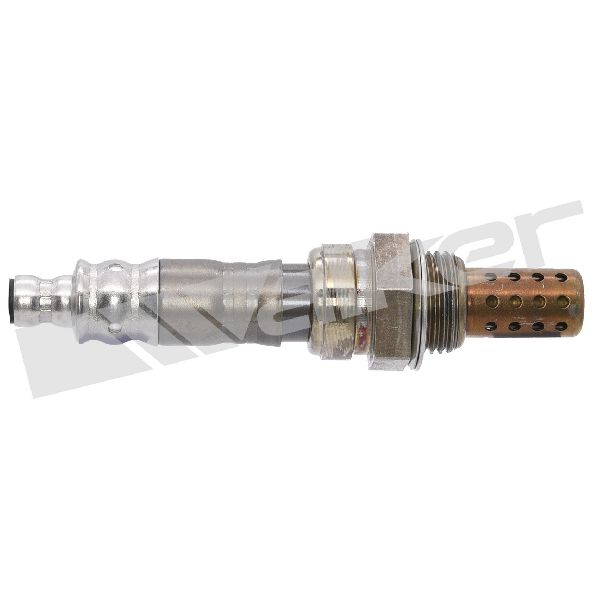
(OEM #89467-0R020 (supersedes 89467-42060, 89467-42090))— This is the upstream sensor located before the catalytic converter. Its internal heater element is the most common failure point for code P0032.
Trusted brands: Denso (OEM Manufacturer), NGK/NTK
OEM price range: $170-$250
Aftermarket price range: $120-$180
Technical Service Bulletins (TSBs) & Recalls
- T-SB-0034-11: While not for P0032, this TSB addresses a P0138 (Oxygen Sensor Circuit High Voltage Bank 1 Sensor 2) on some 2009-2012 RAV4s with the 2AR-FE engine, indicating Toyota has acknowledged circuit issues with the oxygen sensors on this platform.
Mechanic-Grade Diagnostic Values
- A/F Sensor Heater Current Draw — expected: Approximately 5 to 7 amps (nominal). Failure: Current significantly higher than 7 amps, or near zero, indicates a problem. The ECM may set the code if current exceeds 10A.
- A/F Sensor Live Data Voltage (AFS Voltage B1S1) — expected: On hard acceleration, voltage should drop below 2.8V. On sudden deceleration (fuel cut), voltage should rise above 4.0V.. Failure: Voltage does not respond or is stuck, especially when commanded rich or lean with a scan tool.
- Mode $06, TID $07, CID $81 — expected: A current value within the manufacturer's specified maximum threshold.. Failure: The reported current value is at or exceeds the maximum limit, confirming the 'Circuit High' condition detected by the ECM.
Scan Tool Commands That Help
- Toyota Techstream: Active Test: 'Control the A/F Sensor Heater' — This command allows a technician to manually cycle the A/F sensor heater on and off to verify the integrity of the entire circuit, including the A/F heater relay, wiring, and the ECM's driver. If the heater can be activated manually, it strongly suggests the sensor itself has failed.
- Toyota Techstream: Active Test: 'Control the Injection Volume for A/F Sensor' — Use this to force the engine rich or lean while watching the 'AFS Voltage B1S1' PID. If the sensor's voltage doesn't change in response, it confirms the sensor is unresponsive, assuming the wiring is intact.
Wiring & Ground Locations
- E4 — Right kick panel. This is a major junction connector for various engine control and body electrical systems. While not a direct cause, a poor connection or corrosion here can cause widespread electrical issues.
- A/F Sensor Connector (Bank 1 Sensor 1) — On the 2AR-FE engine, this connector is located at the front of the engine, near the exhaust manifold, connected to the sensor.. This is the primary point for testing. The two same-colored wires (usually black) are for the heater circuit. One pin should have battery voltage with key-on, and the other is the ground-side control from the ECM.
Real Owner Repair Stories
- AliExpress Review / Blog Post (2010 Toyota Camry 2.4L 2AZ-FE (engine similar to 2AR-FE)) — Check Engine Light with code P0135 (Heater Circuit Malfunction), which is functionally similar to P0032.
❌ Tried (didn't work) Replaced sensor with cheap aftermarket brands which failed within two weeks.
✅ What actually fixed it Replacing the failed sensor with the correct OEM-branded Denso part (234-9022) permanently resolved the code. The owner confirmed the part number by physically inspecting the old sensor.
OEM Part Supersession History
89661-42J80→89661-42J81— Standard part revision by the manufacturer.
Heads up: These ECMs are specific to the model year and drivetrain (FWD/AWD). They require VIN programming to function. A replacement ECM must be programmed to the vehicle to communicate with the immobilizer system.89467-42060, 89467-42090→89467-0R020— Standard part revision for the A/F Ratio Sensor.
Diagnostic Flowchart
Other Known Issues on This Vehicle
Issues unrelated to this code that are worth knowing about as an owner of this generation:
- Excessive Oil Consumption 🔴 High — More common on earlier 2AR-FE engines (2009-2012), especially with extended oil change intervals. Can become severe, consuming over a quart every 1,000 miles.
- Torque Converter Shudder 🟠 Medium — A known issue on some RAV4s of this era, though more formally addressed by a TSB on slightly later models (2013-2015). Can manifest as a vibration or shudder under light acceleration between 25-50 mph. (Ref: T-SB-0023-15 (for 2013-2015 models, but describes the same issue))
- VVT-i Cam Gear Rattle on Cold Start 🟡 Low — A brief rattle (1-3 seconds) upon cold startup. It was common enough that Toyota issued a TSB. It is generally considered an annoyance rather than a critical failure risk. (Ref: Yes, TSBs were issued for this issue on 2009-2013 models.)
- Rear Differential Coupling Growl (4WD Models) 🟠 Medium — Affects 4WD models, where contamination can cause a growling noise from the rear differential coupling's front bearing. (Ref: T-SB-0080-13 REV)
Used vs. New Parts: Buying Guide for This Vehicle
When a used part is the smart pick: For this specific repair, buying a used Air/Fuel Ratio sensor is never a smart choice. The sensor is a wear-and-tear component with a finite lifespan, similar to spark plugs or brake pads. A used sensor from a junkyard has unknown history and is likely to fail soon, if it works at all.
What to inspect on the donor part:
- Not applicable, as a used sensor should not be considered for this repair.
OEM-only on this vehicle (don't cheap out):
- Air/Fuel Ratio Sensor (Bank 1, Sensor 1)
Aftermarket brands forum-validated for this vehicle:
- Denso (OEM manufacturer for Toyota)
- NGK/NTK
Brands owners have reported issues with on this vehicle:
- Bosch (While a quality brand, some forum users report compatibility issues with Toyota ECUs that are calibrated for Denso sensors).
- Unbranded or generic 'white-box' parts from online marketplaces.
Real Owner Stories
Aggregated from forums and TSBs cited above. Mileages and costs reflect what owners reported in those sources.
Toyota Tacoma (Similar Toyota Engine)
Symptoms: Code P0032, replaced O2 and MAF; still have CEL and rough idle.
What fixed it: The discussion highlights the need for proper diagnosis beyond simple sensor swapping if the code persists.
Source hint: TacomaWorld - 'Code p0032; Replaced O2 and MAF; Still have CEL and Rough idle'
2009-2012 Toyota RAV4 2.5L — ~85000 miles
Symptoms: Check Engine Light on due to an open circuit detected as a 'high' circuit fault by the ECM.
What fixed it: Replace the Bank 1, Sensor 1 Air/Fuel Ratio sensor located in the exhaust manifold.
Source hint: ARTICLE CONTEXT: Failed Air/Fuel Ratio Sensor (Bank 1, Sensor 1) common causes
Related OBD-II Codes
Frequently Asked Questions
Does TSB-0034-11 apply to my P0032 code on my 2010 RAV4?
Which brand of replacement sensor should I use for my 2.5L RAV4 to ensure the P0032 code clears?
Where is the fuse for the Air/Fuel sensor heater located on a 2009-2012 RAV4?
Can I use a used sensor from a junkyard to fix this high circuit fault?
Is the P0032 code related to the cold start rattle I hear in my 2011 RAV4?
How can I confirm the sensor is actually bad before spending $120-$180 on a new one?
Helpful Videos


We Have This Part in Stock


The information in this article is provided for general reference and educational purposes only. Vehicle specifications, procedures, and part compatibility can vary by production date, trim level, and region. Always consult your vehicle's factory service manual and verify part numbers before purchasing or performing repairs. Safety-critical components such as airbags, seat belts, and braking systems should be installed by a qualified professional.
- Toyota RAV4:
- 🧭 Diagnostic Flowchart
- 🎬 Helpful Videos
- 🛍️ Shop This Part
- What's Unique About the 2009-2012 Toyota RAV4
- Symptoms You May Notice
- Most Likely Causes
- Rare But Worth Checking
- Diagnosis Steps
- Parts You'll Likely Need
- Technical Service Bulletins (TSBs) & Recalls
- Mechanic-Grade Diagnostic Values
- Scan Tool Commands That Help
- Wiring & Ground Locations
- Real Owner Repair Stories
- OEM Part Supersession History
- Other Known Issues on This Vehicle
- Used vs. New Parts: Buying Guide for This Vehicle
- Real Owner Stories
- Toyota Tacoma (Similar Toyota Engine)
- 2009-2012 Toyota RAV4 2.5L — ~85000 miles
- Related OBD-II Codes
- Frequently Asked Questions
- 🎟️ Get 5% Off