

P0036 on 2013-2016 Dodge Dart 2.4L: Causes and Fixes for O2 Sensor Heater Fault
On a 2013-2016 Dodge Dart with the 2.4L engine, code P0036 almost always means the downstream oxygen sensor (the one after the catalytic converter) has failed. The most common fix is to replace the sensor. An aftermarket part typically costs $40-$80, while an OEM Mopar sensor is around $90-$150. Before replacing, check the F87 (10A) fuse in the underhood fuse box.
- P0036 on your Dart points to a fault in the heater for the O2 sensor located after the catalytic converter.
- The most probable cause is a failed O2 sensor, which is a straightforward DIY replacement for many owners.
- Before buying parts, check the F87 10A fuse in the underhood fuse box and perform a quick visual check of the sensor's wiring for obvious damage like melting.
- While this specific code usually isn't a software bug, be aware that this Dart engine has a history of other O2 codes being fixed by a dealer software update.
- This issue is also common on other FCA vehicles with the 2.4L engine, like the Jeep Cherokee and Chrysler 200.
What's Unique About the 2013-2016 Dodge Dart
While P0036 is a straightforward code, the Dodge Dart platform with the 2.4L engine is known for having sensitive engine computer software. Chrysler has issued multiple Technical Service Bulletins (TSBs), like #18-023-16, to fix other false oxygen sensor codes (such as P0133) by reprogramming the Powertrain Control Module (PCM). Although these TSBs don't specifically name P0036, it's important context: if you see other codes alongside P0036, a software update might be part of the complete solution. However, for an isolated P0036 code, the sensor itself is the primary suspect.
Symptoms You May Notice
- Check Engine Light is on.
- Failure to pass a vehicle emissions test.
- Replacing the upstream (pre-catalytic converter) oxygen sensor instead of the downstream (post-catalytic converter) one.
- Assuming a PCM software update is needed for an isolated P0036 code. While software updates are common for other O2 codes on this car, a simple heater circuit fault is almost always the sensor or its wiring.
- Replacing the sensor without checking the fuse first.
Most Likely Causes
- Failed Downstream Oxygen Sensor 🔴 High Probability → Shop Oxygen Sensor The internal heater element is a common failure point in oxygen sensors due to constant heat cycles. This is the most frequent resolution reported by Dart owners in forums.
How to confirm: Disconnect the sensor and measure the resistance across the two heater circuit pins (usually the two same-colored wires, e.g., two blacks or two whites). An open circuit (infinite resistance/OL) or a reading far outside the typical 4-30 ohm range indicates a failed heater.
Typical fix: Replace the Bank 1, Sensor 2 (downstream) oxygen sensor. A user on dodge-dart.org confirmed that replacing the sensor with a Denso part resolved their P0036 code immediately.
Est. part cost: $40-$150 - Damaged Wiring or Connector 🟡 Medium Probability The sensor's wiring harness is routed near the hot exhaust system, making it susceptible to melting or physical damage over time. Forum users have reported finding melted wires leading to the downstream O2 sensor.
How to confirm: Visually inspect the wiring harness from the O2 sensor to where it connects to the main loom. Look for melted plastic, chafed wires, or corrosion inside the connector. Test for 12V power and a good ground at the connector with the key on.
Typical fix: Repair the damaged section of wire or replace the connector pigtail.
Est. part cost: $15-$40 - Blown Fuse ⚪ Low Probability
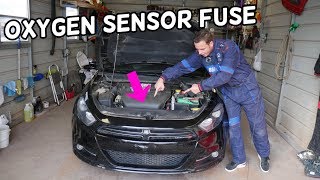
How to confirm: Locate the fuse for the O2 sensor heater circuit in the underhood fuse box (Power Distribution Center). For the 2013 Dart, this is fuse F87, a 10 Amp red mini fuse. Visually inspect the fuse to see if it is blown. A YouTube video specifically identifies this fuse for the Dart. 🎬 Watch this quick guide to locate and replace fuse F87.
Typical fix: Replace the blown fuse. If the new fuse blows immediately, it indicates a short circuit in the wiring that must be found and repaired.
Est. part cost: $1-$5
Rare But Worth Checking
- Faulty Powertrain Control Module (PCM): → Shop Engine Control Module (ECM) This is extremely rare. The PCM's internal driver for the heater circuit can fail. All other possibilities, especially the sensor, wiring, and fuse, should be exhaustively ruled out before considering PCM replacement.
Diagnosis Steps
- Read the code with an OBD-II scanner to confirm P0036 is present.
- Check fuse F87 (10A Red) in the underhood fuse box located near the battery. Replace if blown.
- If the fuse is good, visually inspect the downstream O2 sensor's wiring harness and connector for any signs of melting, chafing, or corrosion. The sensor is located after the catalytic converter.
- If the wiring and fuse are okay, disconnect the O2 sensor.
- Using a multimeter set to Ohms, measure the resistance between the two heater pins on the sensor side of the connector (they are typically the same color). A reading of infinity (OL) means the heater is broken and the sensor must be replaced. 🎬 See how to diagnose and fix the P0036 heater circuit.
- With the sensor still disconnected and the ignition key in the 'On' position (engine off), use a multimeter to check for 12V power on one of the heater circuit pins in the vehicle-side connector.
- Check for a good ground on the other heater circuit pin in the vehicle-side connector.
- If power and ground are present and the sensor's resistance test failed, replace the sensor. If power or ground is missing, trace the wiring back to find the break.
Parts You'll Likely Need
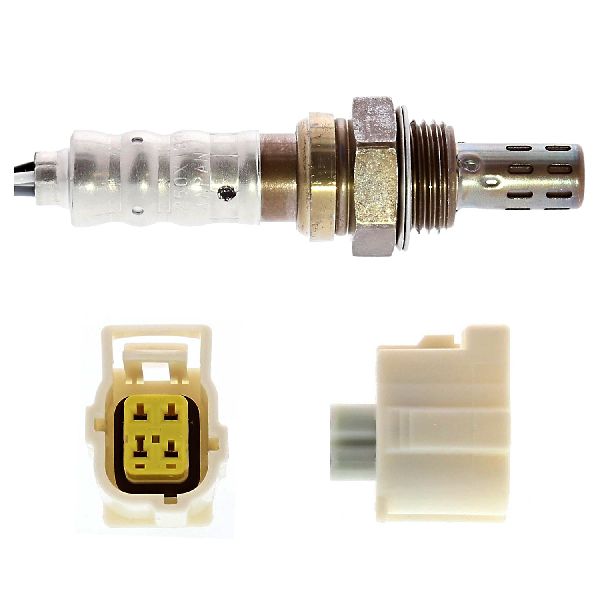
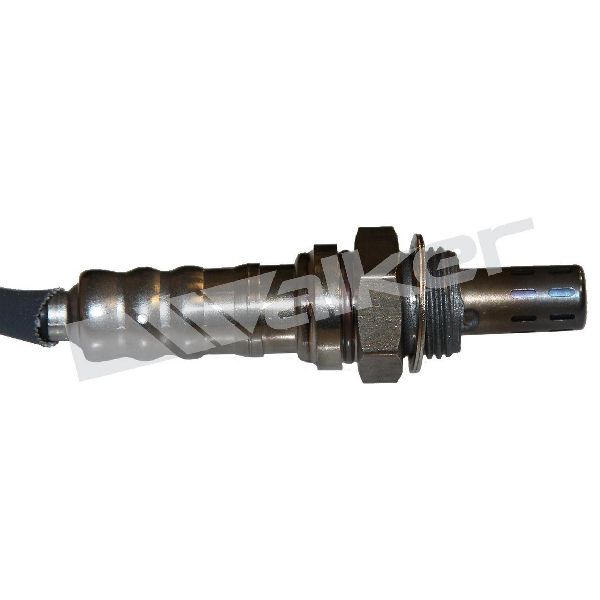
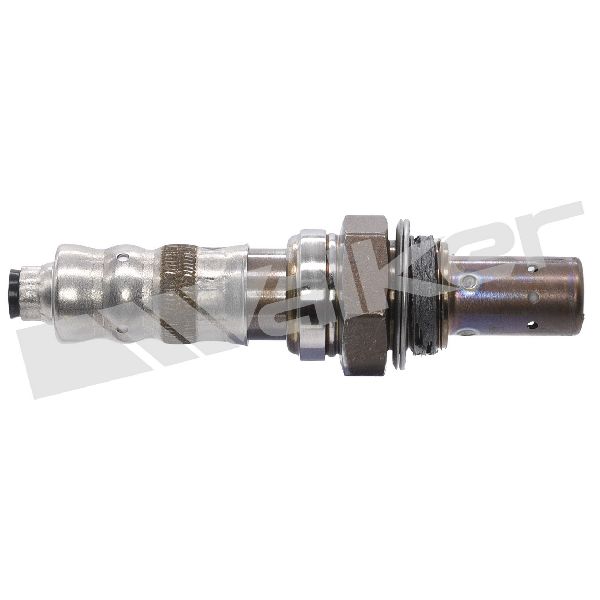
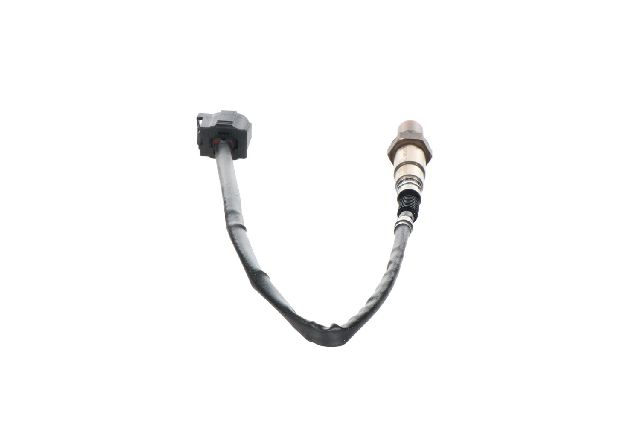
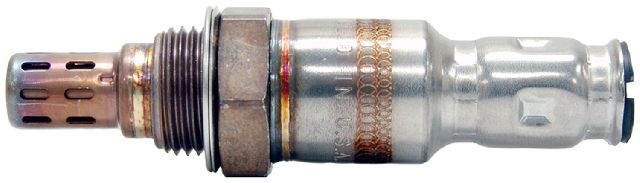
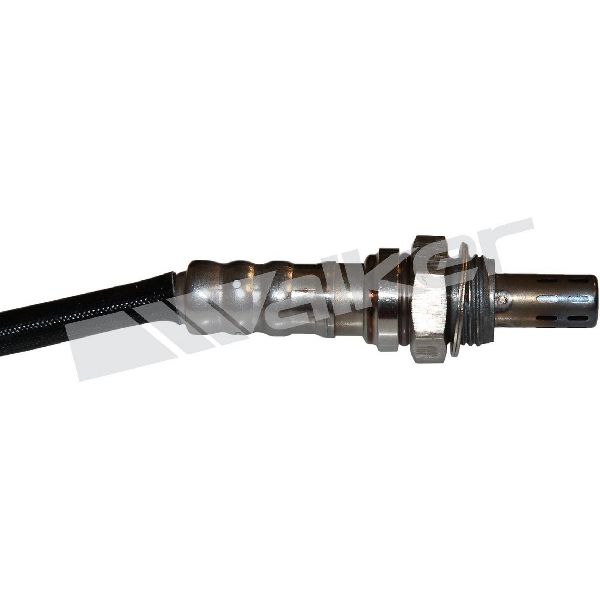
- Downstream Oxygen Sensor (Bank 1, Sensor 2)
(OEM #5149180AA (superseded by 5149180AB))— This is the component that contains the heater element reported as faulty by the P0036 code. The internal heater failing is the most common cause.
Trusted brands: Mopar, Denso (e.g., 234-4866), NTK (e.g., 22537)
OEM price range: $90-$150
Aftermarket price range: $40-$80
Technical Service Bulletins (TSBs) & Recalls
- 18-023-16 REV. D: Flash: 2.4L Powertrain Diagnostic and System Improvements. While not for P0036, it shows a history of PCM updates fixing other emissions codes on this platform.
- 18-022-17 REV. A: Similar to the above, this TSB addresses false codes on 2.0L/2.4L models with a PCM reflash, highlighting the sensitivity of the system's software.
- 09-006-20 REV. B: Details the official oil consumption test procedure for the 2.4L engine, a major known issue for this platform.
- TSB Bulletin #25-002-14: While issued for other Chrysler Group vehicles like the Ram 2500, this bulletin explicitly defines P0036 as an "O2 Sensor 1/2 Heater Circuit Malfunction," confirming the manufacturer's standard diagnostic definition for this fault.
- TSB Bulletin #25-003-13: This manufacturer record further reinforces the classification of P0036 as a heater circuit malfunction for the downstream (1/2) sensor across the Chrysler/Dodge electrical architecture.
- TSB Bulletin #25-004-12: A manufacturer service bulletin that notes P0036 as part of a group of O2 sensor heater circuit codes, emphasizing the importance of the heater circuit in emissions monitoring.
Platform-Specific Known Issues
- While not directly for P0036, Chrysler has issued TSBs (e.g., 18-023-16 REV. D) for the 2.4L Dart to resolve other O2 sensor codes via a PCM software update, indicating the platform's engine management software can be overly sensitive.
- Emissions Recall U90 was issued for some 2016 model year Darts with the 2.4L engine for catalyst inefficiency, a repair which involves replacing the catalytic converter and reprogramming the PCM/TCM.
- A user on the dodge-dart.org forums reported getting a P0036 code at 95,000 miles. After confirming the fuse was good, they replaced the downstream O2 sensor with a Denso part, which resolved the issue. This is a typical repair story for this code.
- Another owner on a Reddit thread for Dodge Darts mentioned their check engine light for P0036 was resolved by simply replacing the downstream O2 sensor, highlighting it as a common, straightforward fix.
Mechanic-Grade Diagnostic Values
- Downstream O2 Sensor Heater Element Resistance — expected: 4 to 10 Ohms at ambient temperature.. Failure: A reading of OL (infinite resistance) indicates an open circuit in the heater. A reading near zero ohms indicates a short circuit.
- O2 Sensor Heater Power Supply Voltage (at connector) — expected: Battery voltage (approx. 12.6V with engine off, ~14V with engine running) on the power supply pin.. Failure: Zero volts indicates a blown fuse (F87), a bad ASD relay, or a break in the power wire.
- O2 Sensor Heater Ground Control Signal (at connector) — expected: A pulsing ground signal when the engine is running. A test light connected to battery positive should flash or light dimly. An oscilloscope will show a square wave.. Failure: A constant ground or no ground from the PCM with the engine running (and power supply confirmed) points to a faulty PCM driver or a break in the control wire.
Scan Tool Commands That Help
- wiTECH (Chrysler/Dodge/Jeep Dealer Tool): O2 Heater Test — This is a bidirectional test that allows a technician to command the O2 sensor heater ON and OFF directly. It is used to verify that the PCM driver is functional and that the wiring circuit is complete without having to physically access the sensor connector. If the test runs and the PCM reports the circuit is functioning, but the code persists, it can point to an intermittent connection or a failing sensor that only acts up when hot.
Wiring & Ground Locations
- Downstream O2 Sensor Connector (C105) — A 4-pin connector attached to the wiring harness near the downstream oxygen sensor, which is located in the exhaust pipe after the catalytic converter.. This is where all electrical testing for the sensor and circuit begins. The pinout is: Pin 1 (BK/GY) - Ground, Pin 2 (WT) - Signal, Pin 3 (DB/OR) - Heater Control (PCM Ground), Pin 4 (BR/WT) - Heater Power (12V from ASD relay).
- G300 / G104 — A primary chassis ground point for the engine harness is located on the driver's side frame rail, inside the wheel well area, below the battery tray. Another critical ground is on the engine block itself.. The Dodge Dart is known for having electrical issues, including no-start conditions, caused by corrosion at this main ground point. While not directly tied to the O2 sensor ground (which is provided by the PCM), a poor main engine ground can cause floating voltages and unpredictable behavior in all engine sensors and the PCM itself. Cleaning this ground is a key preventative maintenance step for any electrical diagnosis on this car.
Real Owner Repair Stories
- Forum user on dodge-dart.org (2014 Dodge Dart 2.4L) — Persistent P0036 code.
❌ Tried (didn't work) Replacing the downstream O2 sensor with a new part.
✅ What actually fixed it After the new sensor didn't fix the issue, the owner inspected the wiring harness more closely. They found a wire that was broken *inside* the insulation about two inches from the connector. The break was not visible externally. Splicing in a new section of wire and re-soldering the connection finally resolved the code. - Reddit user in r/MechanicAdvice (Ford Focus (demonstrates a universal P0036 issue)) — P0036 code returned two weeks after replacing the O2 sensor.
❌ Tried (didn't work) Replacing the downstream O2 sensor.
✅ What actually fixed it The final fix was not posted, but the diagnostic advice given by technicians was to stop replacing parts and test the circuit. Specifically, to verify 12V power and a good ground signal at the connector, confirming the issue was likely in the wiring or PCM, not the sensor itself. This highlights a common misdiagnosis pattern.
OEM Part Supersession History
5149180AA→5149180AB— Standard part revision, likely for improved durability or minor manufacturing process change.
Heads up: None. 5149180AB is a direct, backward-compatible replacement for 5149180AA.
Diagnostic Flowchart
Other Known Issues on This Vehicle
Issues unrelated to this code that are worth knowing about as an owner of this generation:
- Excessive Oil Consumption 🔴 High — Very common across all model years with the 2.4L engine. Can start at any mileage. Check oil level frequently (e.g., every 1,000 miles). (Ref: TSB 09-006-20 REV. B, Warranty Extension XB1, and class-action lawsuit (Wood, et al. v. FCA US, LLC) address this.)
- Transmission Control Module (TCM) & Shifter Cable Bushing Failure 🔴 High — Common on both automatic and manual transmission models, particularly 2013-2015. Can cause unexpected shifts to neutral or rollaway risk. (Ref: NHTSA Recall 15V-470 (TCM), NHTSA Recall 25V-674 / FCA V34 (Shifter Cable Bushing).)
- Manual Transmission Clutch Master/Slave Cylinder Failure 🟠 Medium — Affects 2013-2015 models with the C635 manual transmission. The clutch pedal may stick to the floor. (Ref: Subject of a class-action lawsuit (Victorino v. FCA US, LLC) resulting in a settlement for California owners.)
- Random Electrical Gremlins 🟡 Low — Reported by owners, includes issues like the Uconnect screen blanking out, phantom warning lights, or premature battery failure. (Ref: Multiple TSBs exist for PCM reflashes (e.g., 18-023-16) to fix sensitive or false codes, indicating a pattern of electrical sensitivity.)
- Brake Booster Contamination 🔴 High — Affects vehicles with 2.0L and 2.4L engines. Oil can migrate from the vacuum pump into the brake booster, causing a loss of braking assist. (Ref: Safety Recall R63 / NHTSA 15V-800.)
Used vs. New Parts: Buying Guide for This Vehicle
When a used part is the smart pick: For this specific P0036 repair, buying a used part is almost never a smart choice. The primary failure is the sensor itself, which is a wear-and-tear item. However, if diagnosis points to a faulty PCM, a used PCM from a reputable recycler can be a cost-effective option, but it WILL require dealer programming.
Donor-vehicle mileage cap: roughly under 80000 miles for the part to have meaningful remaining life.
What to inspect on the donor part:
- For a used PCM: Ensure the donor vehicle was not in a flood or fire. Ask for the VIN to check its service history if possible. Look for clean, uncorroded connector pins.
- For wiring/connectors: Inspect for any signs of melting, brittleness, or previous amateur repairs. Ensure the connector locking tab is intact.
OEM-only on this vehicle (don't cheap out):
- Powertrain Control Module (PCM) - While used is an option, aftermarket/rebuilt PCMs for this platform have a poor reputation. A used OEM unit or a new OEM unit is preferred. Aftermarket sensors can be problematic.
Aftermarket brands forum-validated for this vehicle:
- NTK (often the OEM supplier)
- Denso
Brands owners have reported issues with on this vehicle:
- Unbranded, ultra-cheap sensors from online marketplaces. Forum discussions frequently mention these failing quickly or being dead-on-arrival.
Real Owner Stories
Aggregated from forums and TSBs cited above. Mileages and costs reflect what owners reported in those sources.
2013-2016 Dodge Dart 2.4L — 95000 miles
Symptoms: Check engine light for P0036.
What fixed it: Confirmed the fuse was good and replaced the downstream O2 sensor with a Denso part.
Source hint: dodge-dart.org thread titled 'P0036 HO2S Heater Control Circuit Bank 1 Sensor 2'
2013-2016 Dodge Dart 2.4L
Symptoms: Check engine light on for P0036.
What fixed it: Replacing the downstream O2 sensor.
Source hint: Reddit r/dodgedart
Related OBD-II Codes
Frequently Asked Questions
Which fuse should I check for a P0036 code on my 2013 Dodge Dart?
Is there a specific brand of oxygen sensor recommended by other Dart owners for this fix?
Could a PCM software update fix my O2 sensor codes on the 2.4L Tigershark engine?
Does the 2016 Dodge Dart have any specific emissions recalls related to this system?
Where is the Bank 1, Sensor 2 oxygen sensor located on the Dart?
What is the typical resistance range for a healthy heater circuit on a Dart O2 sensor?
Helpful Videos
We Have This Part in Stock

The information in this article is provided for general reference and educational purposes only. Vehicle specifications, procedures, and part compatibility can vary by production date, trim level, and region. Always consult your vehicle's factory service manual and verify part numbers before purchasing or performing repairs. Safety-critical components such as airbags, seat belts, and braking systems should be installed by a qualified professional.
- Dodge Dart:
- 🧭 Diagnostic Flowchart
- 🎬 Helpful Videos
- 🛍️ Shop This Part
- What's Unique About the 2013-2016 Dodge Dart
- Symptoms You May Notice
- Most Likely Causes
- Rare But Worth Checking
- Diagnosis Steps
- Parts You'll Likely Need
- Technical Service Bulletins (TSBs) & Recalls
- Platform-Specific Known Issues
- Mechanic-Grade Diagnostic Values
- Scan Tool Commands That Help
- Wiring & Ground Locations
- Real Owner Repair Stories
- OEM Part Supersession History
- Other Known Issues on This Vehicle
- Used vs. New Parts: Buying Guide for This Vehicle
- Real Owner Stories
- 2013-2016 Dodge Dart 2.4L — 95000 miles
- 2013-2016 Dodge Dart 2.4L
- Related OBD-II Codes
- Frequently Asked Questions
- 🎟️ Get 5% Off