

P0036 on 2011-2024 Dodge Durango 3.6L: O2 Sensor Heater Circuit Causes and Fixes
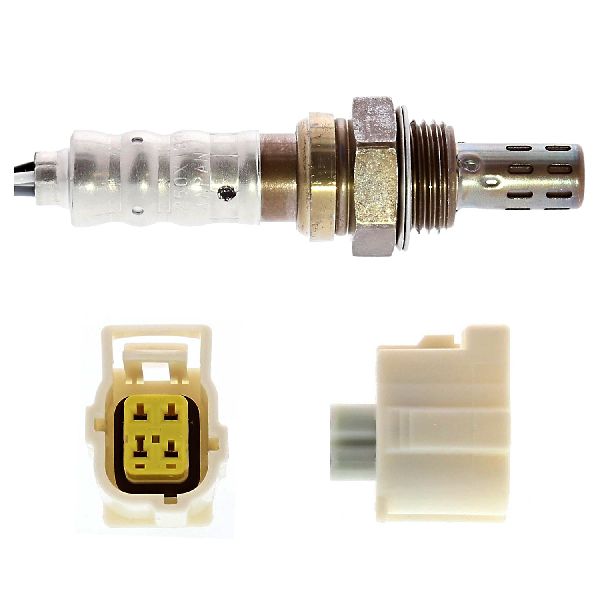
This code almost always means the passenger-side downstream oxygen sensor (Bank 1, Sensor 2) has failed. Before replacing it, check the F70 fuse in the under-hood fuse box (TIPM). An aftermarket sensor (like NTK 23159 or Denso 234-4587) costs around $40-$80, while an OEM Mopar part (5149171AB) is closer to $100-$180.
- P0036 points to a failure in the heater circuit for the passenger-side, downstream O2 sensor.
- The most common fix is to replace the sensor itself (Mopar P/N 5149171AB). This is a DIY-friendly job if the sensor is not seized by rust.
- Always check the F70 (20A) fuse in the under-hood fuse box before buying parts.
- Use a quality aftermarket brand like NTK or Denso, as Dodge vehicles can be sensitive to off-brand electronics.
- You will need a special 7/8" (22mm) O2 sensor socket to properly remove and install the sensor without damaging the wire.
What's Unique About the 2011-2024 Dodge Durango
For the Dodge Durango with the 3.6L Pentastar V6, this code is a straightforward component failure. The vehicle's electronics can be sensitive, so using a quality OEM-supplier brand like NTK or Denso for the replacement sensor is highly recommended to ensure compatibility and prevent recurring issues. There are no widespread design flaws or technical service bulletins specifically linking the Durango platform to this particular heater circuit failure, as it is a common wear-and-tear item.
Generation note: The 2011-2024 year range covers the third generation (WD) of the Dodge Durango. No significant differences related to the P0036 code have been documented across these model years, as the 3.6L engine and basic exhaust layout remain consistent.
Symptoms You May Notice
- Check Engine Light is on
- Failure to pass an emissions inspection
- Slightly decreased fuel economy (may not be noticeable)
- Replacing the wrong oxygen sensor (e.g., the upstream sensor or the sensor on the driver's side). Always confirm you are working on Bank 1 (passenger side) and Sensor 2 (downstream/post-catalytic converter).
Most Likely Causes
- Failed Bank 1, Sensor 2 Oxygen Sensor 🔴 High Probability → Shop Oxygen Sensor The internal heater element is a common failure point in O2 sensors due to constant heat cycles and exposure to the elements.
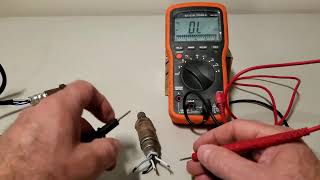
How to confirm: Disconnect the sensor and test the resistance between the two heater circuit wires (usually the two wires of the same color). An infinite resistance reading (open) or zero resistance (short) confirms the sensor has failed. A good sensor typically reads between 4-30 ohms.
Typical fix: Replace the Bank 1, Sensor 2 oxygen sensor. This is the downstream sensor on the passenger side. The OEM Mopar part number is 5149171AB.
Est. part cost: $40-$180 - Damaged Wiring or Connector 🟡 Medium Probability The sensor and its wiring are located under the vehicle and are exposed to road debris, water, and extreme heat from the exhaust, which can cause corrosion, melting, or physical breaks.
How to confirm: Visually inspect the wiring harness and connector leading to the sensor for any signs of melting, chafing, corrosion, or broken wires. Check for 12V power and ground at the vehicle-side connector with the key on.
Typical fix: Repair the damaged section of wiring or replace the connector pigtail.
Est. part cost: $15-$40 - Blown O2 Sensor Heater Fuse ⚪ Low Probability → Shop Oxygen Sensor A short circuit in the sensor or its wiring can cause the corresponding fuse to blow as a protective measure.
How to confirm: Locate the fuse for the O2 sensor heaters in the under-hood fuse box (Totally Integrated Power Module - TIPM) and check if it is blown. On many Durango models, this is fuse F70, a 20A fuse.
Typical fix: Replace the blown fuse. If the new fuse blows immediately, it indicates a persistent short circuit in the wiring or the sensor that must be diagnosed.
Est. part cost: $1-$5
Rare But Worth Checking
- Faulty Powertrain Control Module (PCM): → Shop Engine Control Module (ECM) This is extremely rare. The PCM's internal driver for the heater circuit can fail, but all other potential causes should be exhaustively ruled out before considering PCM replacement.
Diagnosis Steps
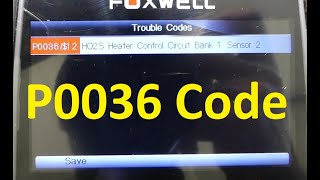
- Read the code with an OBD-II scanner to confirm P0036 is the primary active code.
- Visually inspect the Bank 1, Sensor 2 oxygen sensor, which is located on the passenger side exhaust pipe after the catalytic converter. Look for any damage to the sensor body, wiring, and connector.
- Locate the main fuse box (TIPM) in the engine bay. Check fuse F70 (20A) which typically powers the O2 sensor heaters. Replace it if it's blown.
- If the fuse is good, disconnect the O2 sensor connector. Use a multimeter to measure the resistance across the two heater pins on the sensor side (often the two same-colored wires). A reading of approximately 3-15 ohms is typical for this platform; an open circuit (infinite resistance) or a dead short (zero ohms) means the heater is broken and the sensor must be replaced.
- With the sensor still disconnected, turn the ignition to the 'On' position (engine off). Carefully test the vehicle-side harness connector for power (~12 volts) and ground for the heater circuit.
- If power or ground is missing, there is a break in the wiring between the fuse box/PCM and the sensor that needs to be traced and repaired.
- If the wiring and fuse are good, but the sensor's heater circuit resistance is out of spec, replace the oxygen sensor. A 7/8" (22mm) slotted O2 sensor socket is required for removal and installation.
Parts You'll Likely Need
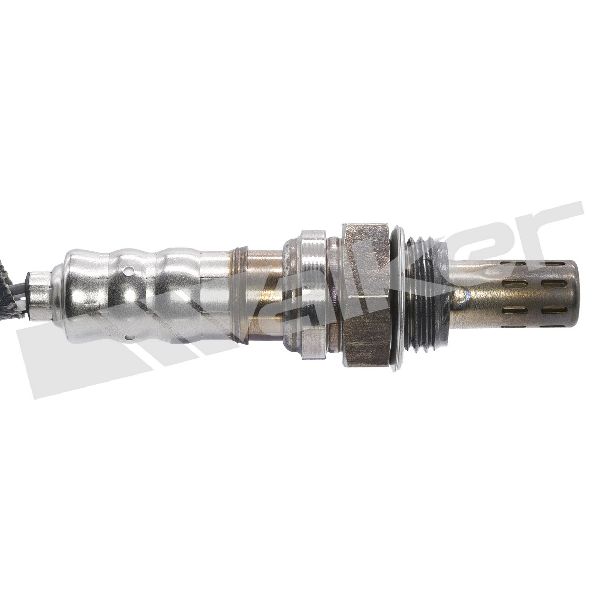
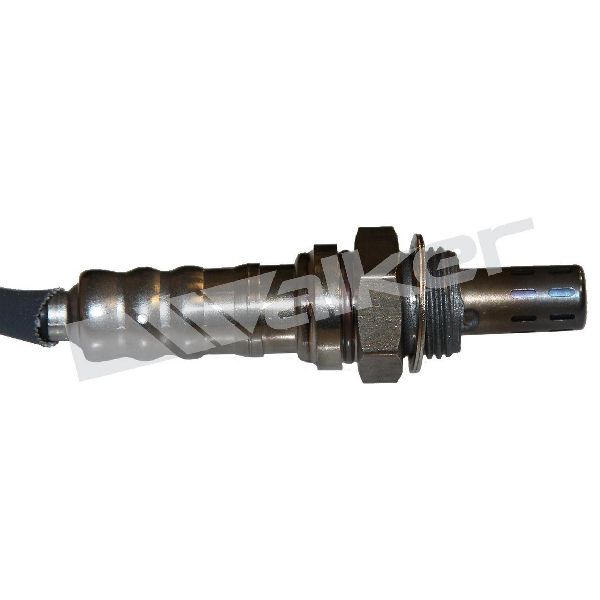
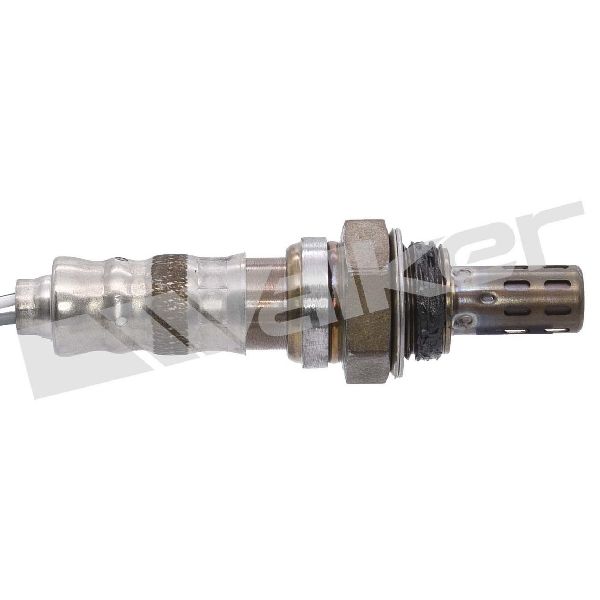
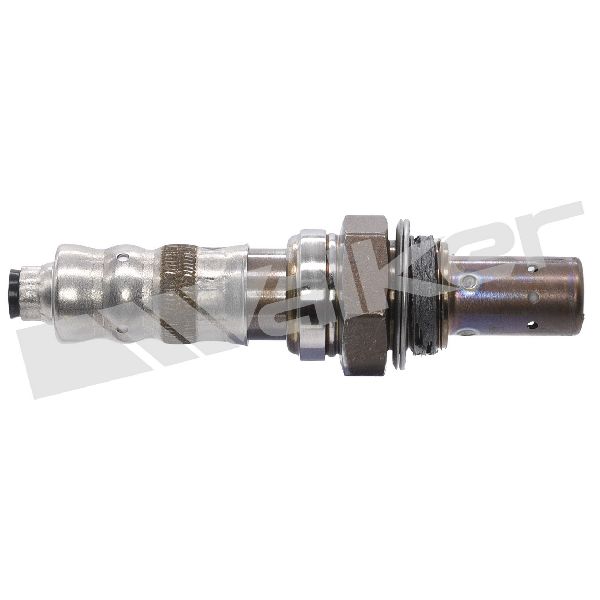
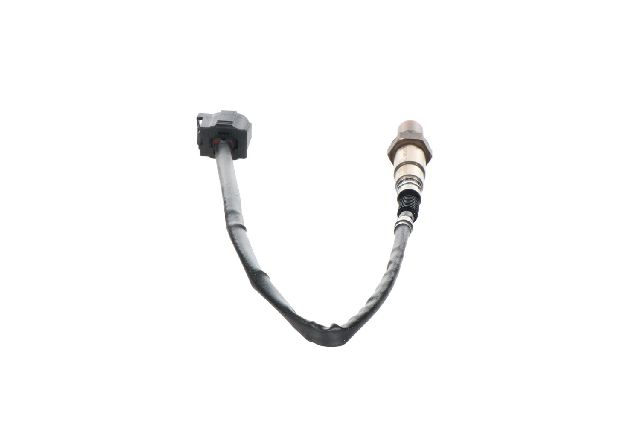
- Oxygen Sensor (Bank 1, Sensor 2)
(OEM #5149171AB)— The internal heater element fails from age and heat cycles, which is the direct cause of the P0036 code.
Trusted brands: Mopar, NTK, Denso
OEM price range: $100-$180
Aftermarket price range: $40-$80
Related Codes That Often Appear With This One
- P0037: HO2S Heater Control Circuit Low (Bank 1 Sensor 2)
- P0038: HO2S Heater Control Circuit High (Bank 1 Sensor 2)
Platform-Specific Known Issues
- Owner Experience: Simple Sensor Swap: Multiple owners on forums like DodgeForum.com report that P0036 is a common and straightforward repair. The typical experience involves confirming the code, purchasing a new sensor (often NTK or Denso), and replacing it in their driveway. The most common difficulty mentioned is the sensor being seized due to rust, requiring significant penetrating oil and leverage to remove.
Technical Service Bulletins (TSBs) & Recalls
While specific Durango bulletins are limited, manufacturer records for related vehicles using similar diagnostic protocols provide context for this code. For instance, TSB Bulletin #25-002-14 and TSB Bulletin #25-003-13 (Electrical System) explicitly list P0036 as an "O2 Sensor 1/2 Heater Circuit Malfunction." Additionally, TSB Bulletin #25-004-12 and a separate version of TSB Bulletin #25-003-13 (Exterior Lighting) confirm the same diagnostic definition for the heater circuit malfunction across the manufacturer's lineup.
Mechanic-Grade Diagnostic Values
- O2 Sensor Heater Element Resistance — expected: 3 to 15 Ohms at ambient temperature. Some sources cite a wider range of 2-30 Ohms.. Failure: A reading of OL (infinite resistance) indicates an open circuit, while a reading near 0 Ohms indicates a shorted element.
- Heater Circuit Power Supply (KOEO) — expected: Battery voltage (~12V) at the power supply pin on the vehicle's harness connector.. Failure: No voltage or significantly low voltage points to a blown fuse (F70), a bad ASD relay, or an open in the power wire.
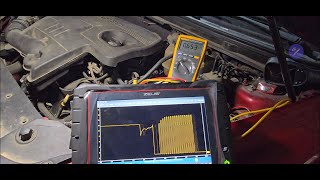
- Heater Circuit Ground Control (Engine Running) — expected: The PCM supplies a pulsed ground to control the heater. Using a multimeter on the control wire will show an averaged voltage, while an oscilloscope will show a square wave.. Failure: A constant ground or no ground signal from the PCM when one is expected could indicate a wiring issue or a faulty PCM driver.
Scan Tool Commands That Help
- wiTECH (Chrysler/Dodge/Jeep Dealer Tool): O2 Heater Test — This is a bidirectional test that allows a technician to command the O2 sensor heater circuit on and off. It's used to verify if the PCM driver, wiring, and the heater element itself are all functioning correctly without having to wait for the PCM to activate the circuit on its own.
Wiring & Ground Locations
- O2 1/2 Sensor Connector — On the passenger side exhaust pipe, after the catalytic converter. It's a 4-pin connector.. This is the primary connection point for the sensor. The two wires of the same color (e.g., both white or both black) are for the heater circuit and are where resistance and voltage tests are performed.
- PCM C2 Connector — The Powertrain Control Module is located in the engine bay, typically on the passenger side. C2 is one of the main multi-pin connectors to the module.. The ground-side control wire for the O2 1/2 heater circuit runs from this connector to the sensor. A wiring diagram is needed to identify the specific pin for continuity testing if a wiring break is suspected.
- Engine/Chassis Ground Strap — Multiple ground straps exist. A key one often runs from the engine block or alternator bracket to the chassis/frame.. While not specific to this one circuit, a corroded or broken main ground strap can cause widespread electrical issues, including erratic sensor behavior and control module problems. A visual inspection of all major grounds is a good practice during diagnosis.
OEM Part Supersession History
68066160AA→5149171AA— Part number consolidation and potential minor revision by the manufacturer.5149171AA→5149171AB— Standard part number revision, indicating a minor update to the component or supplier.
Heads up: Parts are generally interchangeable for the specified applications. 5149171AB is the current recommended OEM part.
Model Year Variations Within This Range
- 2011-2013: These early 3rd generation models have a slightly different interior and feature set compared to post-refresh models. The core 3.6L engine and P0036 diagnosis remain the same.
- 2014-2024: The 2014 model year introduced a significant refresh with an 8-speed automatic transmission, updated styling, and a new Uconnect infotainment system. While this changed many aspects of the vehicle, the O2 sensor part number and diagnostic procedure for P0036 on the 3.6L engine did not change.
- 2018+: Introduced an updated Uconnect system with standard Apple CarPlay/Android Auto and a new electronic shifter. These changes are unrelated to the O2 sensor heater circuit.
Diagnostic Flowchart
Other Known Issues on This Vehicle
Issues unrelated to this code that are worth knowing about as an owner of this generation:
- Cracked Oil Filter / Cooler Housing 🔴 High — Extremely common across all model years. The plastic housing cracks from heat cycles, leaking oil and/or coolant into the engine valley. Often discovered during an oil change or when a significant leak appears. (Ref: TSB 09-008-15 provides diagnostic aid for oil loss, pointing to this housing. TSB 25-001-23 addresses unnecessary replacement for minor leaks.)
- Rocker Arm / Lifter Failure ('Pentastar Tick') 🔴 High — Common across all model years, often presenting as an audible ticking noise from the upper engine. Needle bearings in the rocker arm fail, leading to camshaft lobe scoring and misfires (e.g., P0303, P0305). (Ref: TSB S1709000010 addresses abnormal engine noise and camshaft wear due to lifter/roller failure.)
- Totally Integrated Power Module (TIPM) Failure 🔴 High → Shop Fuse Box — Primarily affects 2011-2013 models. Internal fuel pump relay failure can cause no-start conditions or stalling while driving. (Ref: Recall V62 / NHTSA 19V-813 (supersedes earlier recalls) was issued to install an external fuel pump relay.)
- Defective Left Cylinder Head (Early Models) 🔴 High — Primarily affects 2011-2013 models. A manufacturing defect caused premature valve guide and seat wear on the left-side head (Bank 2), leading to misfires (P0302, P0304, P0306) and requiring head replacement. (Ref: Warranty Extension X56 (related to TSB 09-002-14) covered this repair for an extended period.)
- Water Pump Failure 🟠 Medium — A common failure item across many model years, leading to coolant leaks from a weep hole and potential overheating.
Used vs. New Parts: Buying Guide for This Vehicle
When a used part is the smart pick: A used part is generally not recommended for this repair. The primary failure is the internal heater element, which is a wear item. A used sensor has an unknown amount of life left and offers minimal cost savings compared to a new aftermarket part.
Donor-vehicle mileage cap: roughly under 40000 miles for the part to have meaningful remaining life.
What to inspect on the donor part:
- If buying used is unavoidable, source from a vehicle with the lowest possible mileage.
- Inspect the wiring pigtail for any signs of melting, brittleness, or corrosion.
- Ensure the sensor body is not physically damaged or heavily coated in oil/soot.
OEM-only on this vehicle (don't cheap out):
- Powertrain Control Module (PCM) - Due to VIN programming and security requirements, a used PCM is difficult to implement and should only be replaced with a new or properly remanufactured unit from a reputable source.
Aftermarket brands forum-validated for this vehicle:
- NTK (often the OEM supplier)
- Denso
- Bosch
Brands owners have reported issues with on this vehicle:
- Unnamed, no-brand 'white box' parts from online marketplaces should be avoided, as Chrysler vehicle electronics can be sensitive to sensors that are not within tight OEM specifications, potentially causing the code to return.
Real Owner Stories
Aggregated from forums and TSBs cited above. Mileages and costs reflect what owners reported in those sources.
2011-2024 Dodge Durango 3.6L V6
Symptoms: Check engine light on; confirmed P0036 code. The sensor was difficult to remove due to being seized by rust.
What fixed it: Replaced the sensor with a new NTK or Denso unit after using penetrating oil and significant leverage.
Source hint: DodgeForum.com and vehicle_specific_issues: Owner Experience: Simple Sensor Swap
2014 Dodge Durango 3.6L
Symptoms: Massive oil leak originating from the engine valley.
What fixed it: Repair of the oil cooler housing; this platform often requires significant disassembly to access various engine sensors and components.
Source hint: BobIsTheOilGuy.com: A user with a 2014 Durango 3.6L
Related OBD-II Codes
Frequently Asked Questions
Which oxygen sensor do I need to replace for a P0036 code on my 3.6L Durango, and what is the part number?
Is there a specific fuse I should check for the O2 sensor heater circuit on my Durango?
Could my Durango's P0036 code be related to the TIPM fuel pump relay recall?
I'm hearing a ticking noise along with my check engine light; could this be related to P0036?
What tools do I need to fix P0036 on my 2011-2024 Durango?
Are there any aftermarket sensor brands recommended for the Pentastar 3.6L engine?
Helpful Videos

We Have This Part in Stock

The information in this article is provided for general reference and educational purposes only. Vehicle specifications, procedures, and part compatibility can vary by production date, trim level, and region. Always consult your vehicle's factory service manual and verify part numbers before purchasing or performing repairs. Safety-critical components such as airbags, seat belts, and braking systems should be installed by a qualified professional.
- Dodge Durango:
- 🧭 Diagnostic Flowchart
- 🎬 Helpful Videos
- 🛍️ Shop This Part
- What's Unique About the 2011-2024 Dodge Durango
- Symptoms You May Notice
- Most Likely Causes
- Rare But Worth Checking
- Diagnosis Steps
- Parts You'll Likely Need
- Related Codes That Often Appear With This One
- Platform-Specific Known Issues
- Technical Service Bulletins (TSBs) & Recalls
- Mechanic-Grade Diagnostic Values
- Scan Tool Commands That Help
- Wiring & Ground Locations
- OEM Part Supersession History
- Model Year Variations Within This Range
- Other Known Issues on This Vehicle
- Used vs. New Parts: Buying Guide for This Vehicle
- Real Owner Stories
- 2011-2024 Dodge Durango 3.6L V6
- 2014 Dodge Durango 3.6L
- Related OBD-II Codes
- Frequently Asked Questions
- 🎟️ Get 5% Off