

P0036 on 2014-2016 Jaguar F-TYPE: O2 Sensor Heater Circuit Fault Causes and Fixes
This code points to a failure in the heater circuit of the oxygen sensor located after the catalytic converter on Bank 1 (the right or passenger side of the vehicle in the US). The most common fix is replacing the sensor itself, which can be done DIY. Expect to pay around $75 for a Bosch aftermarket sensor or over $200 from the dealer. Before replacing, verify the extended O2 sensor warranty status with a Jaguar dealer, as it may be covered.
- P0036 almost always means you need a new post-catalytic converter oxygen sensor on the passenger side (Bank 1).
- Before buying any parts, call a Jaguar dealer with your VIN to check if your vehicle is covered under an extended warranty for oxygen sensors.
- You can save a significant amount of money by purchasing the Bosch-branded sensor (the OEM manufacturer) instead of the Jaguar-branded part from a dealer.
- This is a DIY-friendly repair for those comfortable working under their car; it requires basic tools and an O2 sensor socket.
- Ignoring this code will lead to a failed emissions test and poor fuel economy.
What's Unique About the 2014-2016 Jaguar F-TYPE
On the Jaguar F-TYPE, this code is common enough that Jaguar has issued multiple Technical Service Bulletins (TSBs) that group P0036 with other oxygen sensor-related faults. [SSM72477, JTB-00392-NAS-3] Unlike many cars with two O2 sensors per bank, the F-TYPE has three: an upstream (Sensor 1), a mid-stream (in the catalytic converter, often called Sensor 2), and a downstream (post-catalyst, often called Sensor 3). This can cause significant confusion. P0036 refers to the post-catalyst sensor, which may be labeled Sensor 2 or 3 depending on the diagnostic tool or diagram. Owners report that the OEM Jaguar-branded sensor is significantly more expensive than the identical Bosch sensor, which is the original equipment manufacturer.
🎬 Watch: A complete DIY guide to replacing your F-Type oxygen sensors.Diagnostic Flowchart
Tap your situation to follow the diagnostic path that matches what you're seeing on this vehicle.
Symptoms You May Notice
- Check Engine Light is on
- Slightly increased fuel consumption
- Vehicle will fail an emissions/smog test
- In some cases, a smell of rich fuel from the exhaust on startup
- Rarely, a rough idle if the sensor inactivity disrupts fuel balance.
- Replacing the wrong oxygen sensor. The F-TYPE has three sensors per bank. P0036 specifically refers to Sensor 2 (the post-catalyst/downstream sensor), not the upstream or mid-cat sensor. The mid-catalyst and post-cat sensors often have different color connectors (e.g., grey vs. blue) to prevent mix-ups.
- Replacing the sensor when the actual fault is in the wiring. A user on JaguarForums.com reported having the code return after replacing the sensor, indicating a persistent wiring or other issue.
Most Likely Causes
- Failed Oxygen Sensor Heater Element 🔴 High Probability → Shop Oxygen Sensor The internal heating element of the sensor is a common failure point due to age and constant heat cycles. The existence of multiple TSBs including this code suggests it's a known issue on this platform. [SSM72477, JTB-00392-NAS-3] This is the most frequent cause for P0036.
How to confirm: Disconnect the sensor and use a multimeter to test the resistance between the two heater circuit wires (often the two wires of the same color, e.g., two black or two white wires). An open circuit (infinite resistance or 'OL') confirms the heater has failed. The expected resistance is typically low, often between 2-30 ohms; a specific workshop manual may provide exact values.
Typical fix: Replace the Bank 1, Sensor 2 (post-catalyst) oxygen sensor.
Est. part cost: $75-$300 - Damaged Wiring or Connector 🟡 Medium Probability The sensor wiring is routed near the hot exhaust components. Over time, heat can make the wiring brittle, or retaining clips can fail, allowing wires to touch the exhaust and melt, causing a short or open circuit.
How to confirm: Visually inspect the entire wiring harness for the Bank 1, Sensor 2 O2 sensor, from the sensor connector to where it enters the main loom. Look for any signs of melting, chafing, corrosion, or broken wires. Check the connector pins for corrosion or damage.
Typical fix: Repair the damaged section of the wiring harness and secure it away from heat sources. If the connector is damaged, it may need to be replaced. In some cases, owners have had to run new wires.
Est. part cost: $10-$50 - Blown Fuse for O2 Heater Circuit ⚪ Low Probability
How to confirm: Check the vehicle's fuse boxes for a fuse labeled for the O2 sensors or 'A/F Heater'. On some Jaguar models, the O2 sensor heater power is supplied directly by the fuel pump relay, not a separate fuse. The F-Type has five fuse box locations, so consulting the owner's manual is essential. A blown fuse often indicates a short circuit in the wiring that must be fixed before replacing the fuse.
Typical fix: Identify and repair the short circuit, then replace the blown fuse or faulty relay.
Est. part cost: $1-$30
Rare But Worth Checking
- Faulty Engine Control Module (ECM): → Shop Engine Control Module (ECM) This is extremely rare and should only be considered after all other possibilities have been exhausted. A shorted O2 sensor heater circuit could theoretically damage the ECM driver for that circuit, but this is not a common occurrence. Diagnosis involves checking for correct signals directly at the ECM pins, which is best left to a professional.
Diagnosis Steps
- Read the trouble codes with an OBD-II scanner to confirm P0036 is present.
- Identify Bank 1, Sensor 2. On a Jaguar F-TYPE, Bank 1 is the right (passenger in LHD countries) side of the engine. Sensor 2 (for this code) is the rearmost sensor, located after the main catalytic converter.
- Visually inspect the sensor's wiring harness and connector for any visible damage, such as melting, fraying, or corrosion. Pay close attention to where the harness is secured near the exhaust.
- If the wiring looks good, disconnect the sensor. Using a multimeter set to Ohms (Ω), measure the resistance across the two heater pins on the sensor side of the connector (these are typically the two wires of the same color).
- A reading of 'OL' or infinite resistance means the heater element is burned out and the sensor must be replaced. A very low resistance (under 2 ohms) may indicate an internal short. A good sensor typically reads between 2-30 ohms.
- If resistance is within spec, check for 12V power at the vehicle-side connector with the ignition on (engine off). One pin should have battery voltage. If not, check the relevant fuse or relay.
- Check the ground side of the heater circuit on the vehicle-side connector. The ECM typically controls the ground via Pulse Width Modulation (PWM). A test light connected to battery positive should light up when probing the ground pin, or you can check for continuity to ground.
- If power and ground are present and the sensor's resistance is good, but the code persists, there may be an intermittent wiring issue or, in very rare cases, a fault with the ECM driver circuit.
Parts You'll Likely Need
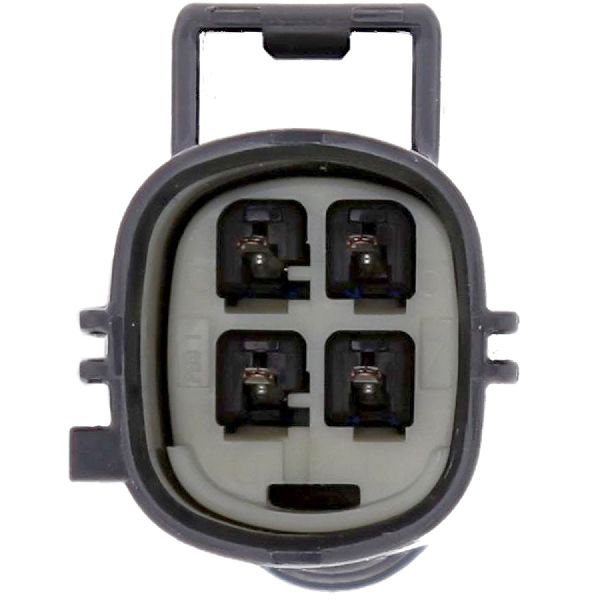
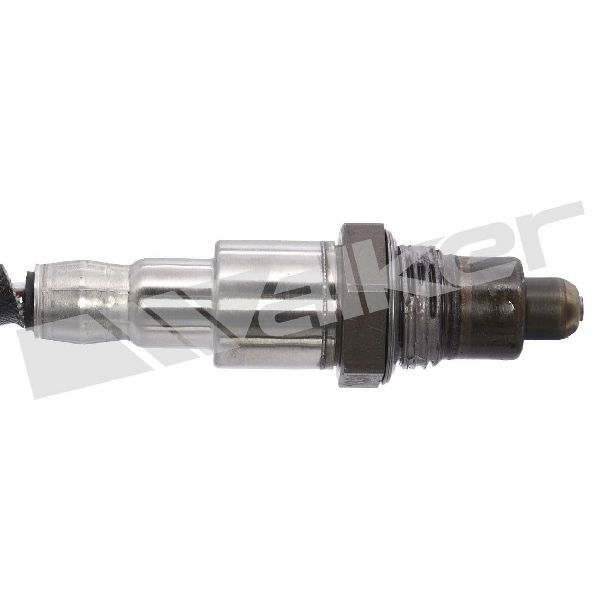
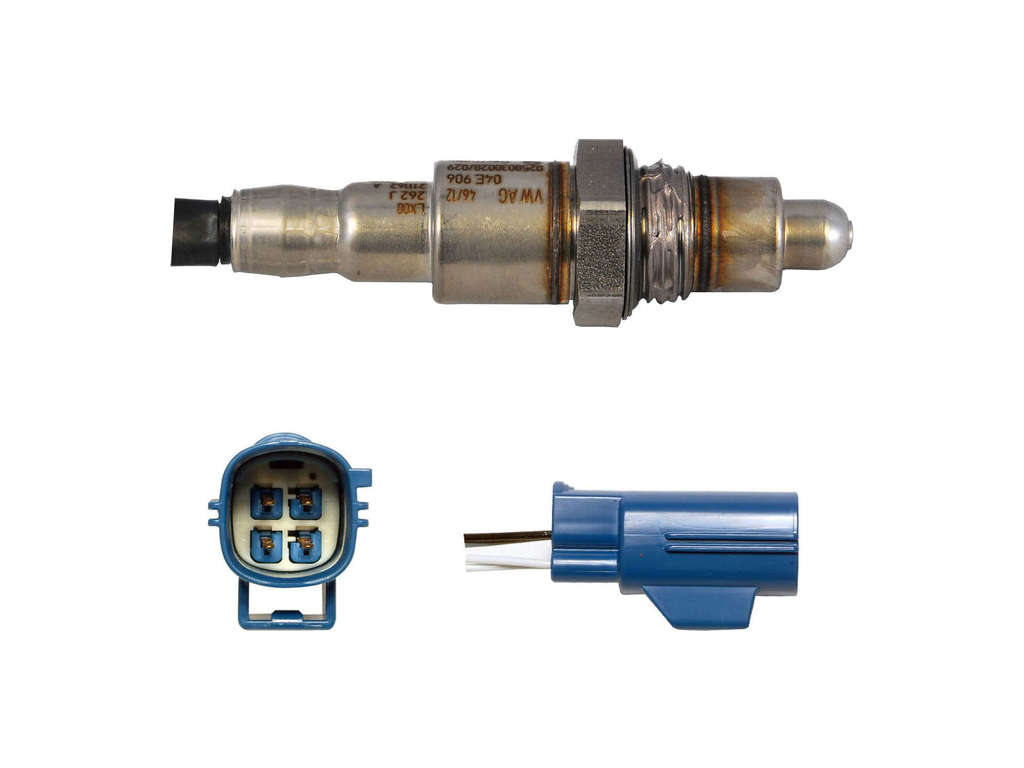
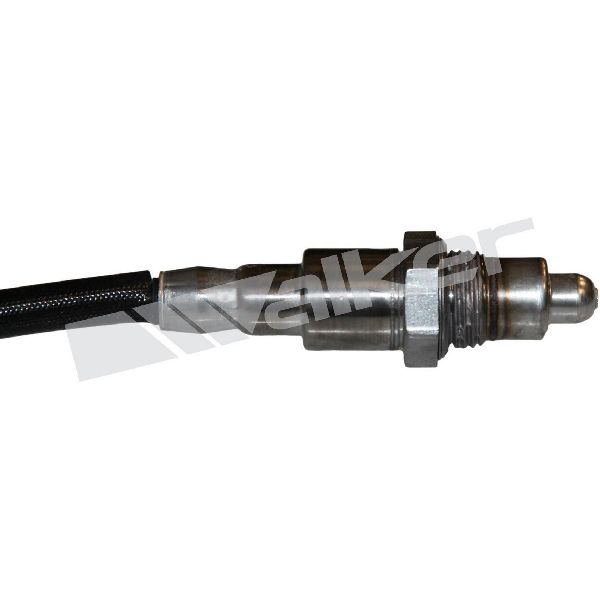
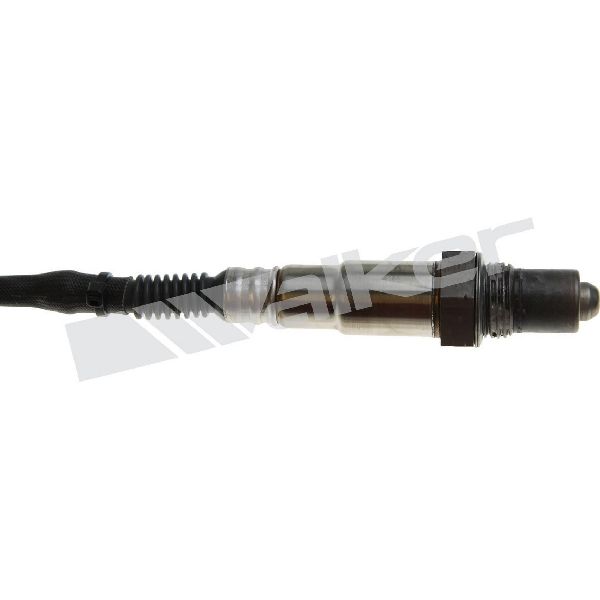
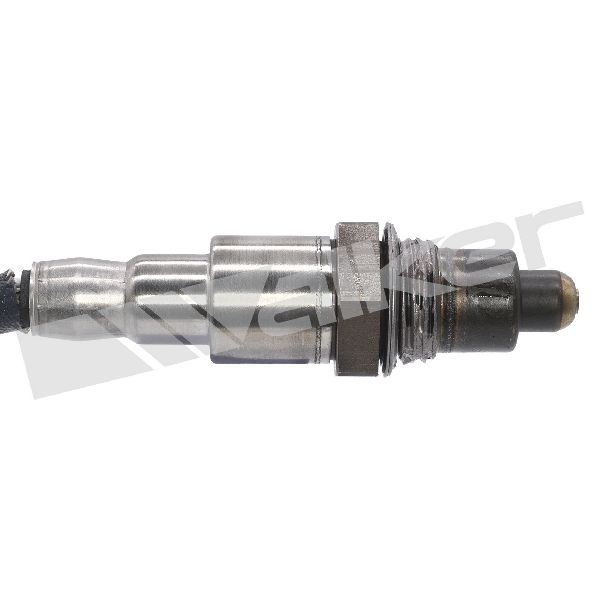
- Oxygen Sensor (Bank 1, Sensor 2/3, Post-Catalyst)
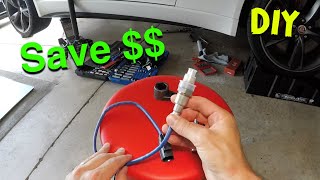
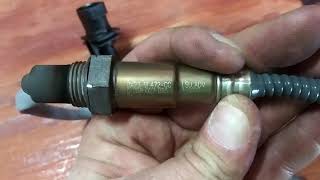
(OEM #C2D23703 (V6/V8, verify by VIN))— The internal heater element failing is the most common cause of P0036. Replacing the sensor is the direct fix. 🎬 See this walkthrough for replacing the O2 sensor on a 2015 model.
Trusted brands: Bosch (OEM supplier), Denso, NGK/NTK
OEM price range: $230-$300
Aftermarket price range: $75-$120
Related Codes That Often Appear With This One
- P0141 — P0141 is the generic OBD-II code for 'O2 Sensor Heater Circuit Malfunction (Bank 1 Sensor 2)'. P0036 is a more specific variant. They often appear together as they point to the same fault. [JTB-00392-NAS-3]
- P013E — This code indicates a 'Delayed Response' from the same sensor (Bank 1, Sensor 2). A failing heater circuit is a primary cause for the sensor warming up too slowly, leading to this code in addition to P0036. [SSM72477]
- P0056 — This is the equivalent heater circuit fault code for Bank 2, Sensor 2. If both P0036 and P0056 appear simultaneously, it could point to a common power or ground issue for both sensors, such as a shared fuse or relay, or a problem within the ECM.
Technical Service Bulletins (TSBs) & Recalls
- SSM72477: Notes that P0036 is related to a fault with the post-catalyst heated oxygen sensor and groups it with other related codes like P013E (delayed response).
- JTB-00392-NAS-3: Groups P0036 with other DTCs relevant to the mid-catalyst and post-catalyst heated oxygen sensors (HO2S), indicating a known area of concern for Jaguar.
- JTB00392NAS1: An earlier version of the above TSB, also grouping P0036 with other DTCs for the mid and post-catalyst heated oxygen sensors.
Platform-Specific Known Issues
- There is an extended warranty on some F-TYPE models for oxygen sensors. For V8 models (like the R), the warranty may be 10 years/120,000 miles, and for V6 models, it may be 15 years/150,000 miles in the US. Owners should always check with a Jaguar dealer using their VIN before paying for a repair.
- The F-TYPE uses three O2 sensors per bank, which can cause confusion. P0036 refers to the rearmost sensor, after the catalytic converter. This is sometimes called Sensor 2 and sometimes Sensor 3. The mid-cat and post-cat sensors may have differently keyed connectors to prevent swapping them.
- In one documented case on JaguarForums, a user experienced recurring P0036 and P0056 codes after major engine work, which was ultimately traced back to a damaged ECM, possibly caused by a previous short from a melted O2 sensor.
Mechanic-Grade Diagnostic Values
- O2 Sensor Heater Element Resistance — expected: 2.0 - 30.0 Ohms. Failure: An open circuit ('OL' or infinite resistance) indicates a burned-out heater. A very low reading (under 2 Ohms) could indicate a short.
- Heater Circuit Voltage (at connector, vehicle side) — expected: 12V (Battery Voltage) on one pin with ignition on, engine off.. Failure: 0V indicates a problem upstream, such as a blown fuse, faulty relay, or wiring break.
Scan Tool Commands That Help
- Jaguar SDD (Symptom Driven Diagnostics): Unrelated Events / Pinpoint Tests — To follow manufacturer-specific diagnostic flowcharts for P0036. SDD can guide a technician through pinpoint tests (e.g., 'I' and 'M' for downstream HO2S) to test circuits and components systematically. It can also be used to view live data and check for other DTCs that may not be visible on a generic scanner.
- Jaguar SDD (Symptom Driven Diagnostics): Vehicle Reset — After replacing a component, a 'vehicle reset' can be performed to clear adaptations and ensure all modules recognize the new part correctly.
Wiring & Ground Locations
- Bank 1 Sensor 2 Connector — On the right (passenger side in LHD) of the transmission. The wiring runs from the sensor on the post-catalyst exhaust pipe up to the connector.. This is the primary connector to test for power, ground, and sensor resistance. It can be a point of failure due to corrosion or damage.
- Engine Control Module (ECM) — Located in the left rear of the engine compartment.. The ECM provides the switched ground signal for the heater circuit. In rare cases of ECM failure, testing at the ECM connector pins is the final diagnostic step.
- Central Junction Box — Located behind the lower center of the dashboard.. This is one of several fuse box locations that may contain the fuse for the O2 sensor heater circuit. The specific fuse location must be verified with an owner's manual or wiring diagram.
Real Owner Repair Stories
- JaguarForums.com user (2016 Jaguar F-Type V6 S AWD with 12k miles) — Check Engine Light with a P0042 and P0142 code (Bank 1, Sensor 3 faults, functionally equivalent to Sensor 2 on other diagrams).
❌ Tried (didn't work) Replaced the Bank 1 Sensor 2/3 oxygen sensor. The Check Engine Light returned after approximately 100 miles.
✅ What actually fixed it The user did not post a final, definitive fix. However, another user pointed out the 15-year/150,000-mile extended warranty for O2 sensors on V6 models, suggesting a dealer visit was the next logical step. The recurrence of the code after sensor replacement strongly points to an intermittent wiring issue or a rare ECM fault.
When the Usual Fixes Don't Work
- While replacing the oxygen sensor is the most common fix, there are documented cases where the code returns. One owner on JaguarForums reported replacing the correct sensor for a similar code, only to have the light come back on after 100 miles. This highlights that a thorough diagnosis of the wiring and connector is critical before assuming the new part is a guaranteed fix. In these recurring cases, the fault is likely an intermittent short or open in the harness that wasn't found on the initial inspection, or a much rarer ECM fault.
OEM Part Supersession History
C2D23703→C2D54167, then T2R54607— Standard part revision and consolidation by Jaguar Land Rover.
Heads up: The superseding parts are considered direct replacements. However, always verify fitment with a VIN at a dealership, as there can be variations.
Helpful Videos
We Have This Part in Stock

The information in this article is provided for general reference and educational purposes only. Vehicle specifications, procedures, and part compatibility can vary by production date, trim level, and region. Always consult your vehicle's factory service manual and verify part numbers before purchasing or performing repairs. Safety-critical components such as airbags, seat belts, and braking systems should be installed by a qualified professional.
- Jaguar F-TYPE:
- 🧭 Diagnostic Flowchart
- 🎬 Helpful Videos
- 🛍️ Shop This Part
- What's Unique About the 2014-2016 Jaguar F-TYPE
- Symptoms You May Notice
- Most Likely Causes
- Rare But Worth Checking
- Diagnosis Steps
- Parts You'll Likely Need
- Related Codes That Often Appear With This One
- Technical Service Bulletins (TSBs) & Recalls
- Platform-Specific Known Issues
- Mechanic-Grade Diagnostic Values
- Scan Tool Commands That Help
- Wiring & Ground Locations
- Real Owner Repair Stories
- When the Usual Fixes Don't Work
- OEM Part Supersession History
- 🎟️ Get 5% Off