

P0036 on 2013-2016 Jaguar XF: O2 Sensor Heater Fault Causes & Fixes
This code almost always means the passenger-side downstream (post-catalytic converter) oxygen sensor has failed. Expect to pay $70-$150 for a quality replacement sensor from a brand like Bosch or Denso. Crucially, Jaguar issued service bulletins (JTB-00392-NAS-3) indicating a powertrain software update is often required after replacement to prevent the code from returning. Ignoring this can lead to failed emissions tests and, in rare cases, mask issues that could damage the catalytic converter.
- P0036 on a 2013-2016 Jaguar XF points to a fault in the passenger-side, downstream O2 sensor's heater.
- The most common fix is to replace the sensor itself.
- Use a high-quality OEM-spec replacement sensor (e.g., Bosch, Denso) to avoid compatibility issues.
- Crucially, a PCM software update from a Jaguar dealer or specialist is often required after replacement to permanently clear the fault, per official service bulletins.
What's Unique About the 2013-2016 Jaguar XF
Unlike many vehicles where a sensor swap is the complete fix, Jaguar has specifically addressed this code in Technical Service Bulletins (TSBs). For the 2013-2016 XF, the official repair procedure often involves not only replacing the faulty oxygen sensor but also updating the Powertrain Control Module (PCM) software. This software update, referenced in TSB JTB-00392-NAS-3, is designed to adjust the PCM's monitoring parameters to be compatible with the new sensor's characteristics, preventing the issue from recurring. Additionally, these engines can be sensitive to the specific electrical resistance of the sensor, making it important to use high-quality OEM-spec replacements from brands like Bosch or Denso to avoid further complications. Using an incorrect aftermarket sensor with the wrong resistance (e.g., 6 ohms instead of a higher OEM spec) has been anecdotally linked to repeat codes and, in extreme cases, potential damage to the PCM's driver circuit.
Diagnostic Flowchart
Tap your situation to follow the diagnostic path that matches what you're seeing on this vehicle.
Symptoms You May Notice
- Illuminated Check Engine Light is the most common and often only symptom.
- Failing a vehicle emissions test.
- Slight decrease in fuel economy over time (often not noticeable to the driver).
- Rough idle (uncommon).
- Pungent exhaust fumes (rare).
- Replacing the wrong oxygen sensor, such as the upstream (Sensor 1) or the sensor on the driver's side (Bank 2).
- Replacing the sensor without inspecting the wiring harness first, leaving a broken or melted wire as the root cause.
- Failing to perform the required PCM software update after sensor replacement, causing the code to return even with a new, functional sensor.
- Using a cheap, universal oxygen sensor that has the incorrect heater resistance, leading to immediate or recurring P0036 codes. 🎬 Watch: A quick overview of fixing the P0036 engine code.
Most Likely Causes
- Failed Bank 1, Sensor 2 Oxygen Sensor 🔴 High Probability → Shop Oxygen Sensor The internal heater element is a common failure point due to constant, rapid heat cycles and prolonged exposure to corrosive exhaust gases. It is the most frequent cause of P0036.
How to confirm: Disconnect the sensor and measure the resistance across the two heater circuit pins (often the two same-colored wires) with a multimeter. A healthy sensor should have a resistance typically between 5-20 ohms. An open circuit (infinite resistance) or a reading far outside this range confirms a failed heater element.
Typical fix: Replace the Bank 1, Sensor 2 (passenger side, downstream) oxygen sensor using a 22mm or 7/8" oxygen sensor so 🎬 Watch: This video shows a Jaguar XF oxygen sensor replacement.cket. After replacement, check with a dealer or qualified shop if a PCM software update is required per TSB JTB-00392-NAS-3.
Est. part cost: $70-$150 - Damaged Wiring or Connector 🟡 Medium Probability The wiring harness is routed under the vehicle and is exposed to road debris, moisture, and extreme exhaust heat, which can cause wires to melt, break, or corrode. The connector itself can also become contaminated.
How to confirm: Visually inspect the wiring harness and connector leading to the sensor for any signs of melting, chafing, corrosion, or broken wires. Pay close attention to where the harness is secured near the exhaust. Perform a continuity test on the heater circuit wires from the sensor connector back to the PCM.
Typical fix: Repair the damaged section of the wiring harness and secure it away from heat sources. Replace the connector if it is corroded or damaged. Ensure a clean, secure connection.
Est. part cost: $10-$50 - Blown Fuse for the O2 Sensor Heater Circuit ⚪ Low Probability → Shop Oxygen Sensor
How to confirm: On many modern Jaguars, the O2 sensor heaters may not have a dedicated, user-serviceable fuse in the main fuse boxes. Power is often supplied via the fuel pump relay and controlled by the PCM. If a fuse is present (check owner's manual for Engine Management or Emissions fuses), visually inspect it and test for continuity. A blown fuse often indicates a short circuit in the sensor or wiring that must be found.
Typical fix: If a dedicated fuse is found and blown, replace it. If the new fuse blows immediately, it confirms a persistent short circuit in the wiring or the sensor itself that must be diagnosed and fixed.
Est. part cost: $1-$5
Rare But Worth Checking
- Faulty Powertrain Control Module (PCM): → Shop Engine Control Module (ECM) This is extremely rare and should only be considered after all other possibilities have been exhaustively ruled out. One forum user on JaguarForums.com documented a case on a similar model where a previously melted O2 sensor was suspected of shorting and damaging the ECM driver circuit, requiring ECM diagnostics. Using incorrect, low-quality aftermarket sensors has been anecdotally linked to damaging the PCM driver circuit on some Jaguars.
Diagnosis Steps
- Read the trouble codes with an OBD-II scanner to confirm P0036 is present. 🎬 See this guide for troubleshooting the HO2S heater control circuit.
- Visually inspect the Bank 1, Sensor 2 (passenger side, downstream) oxygen sensor wiring and connector for any signs of damage, melting, or corrosion. Ensure the harness is properly secured away from the hot exhaust pipe.
- If accessible, locate and check the fuse for the oxygen sensor heater circuit (consult owner's manual or wiring diagram, though one may not be present). Replace if blown.
- If wiring and fuses are okay, disconnect the sensor (allow exhaust to cool first). Test the resistance of the heater element within the sensor using a multimeter on the two same-colored wires. A reading of infinite resistance (open circuit) or one outside the 5-20 ohm range confirms the sensor has failed.
- If the sensor resistance is within spec, test for 12V power and a good ground at the sensor's harness connector (with the ignition on, engine off).
- If power or ground is missing, trace the wiring back to the PCM to find the break or short.
- If the sensor has failed, replace it with a new, high-quality unit (e.g., Bosch, Denso) using a 22mm (7/8") O2 sensor socket.
- Clear the trouble code. Crucially, inquire with a Jaguar dealer or specialist about performing a PCM software update as recommended by TSB JTB-00392-NAS-3 to complete the repair and prevent recurrence.
Parts You'll Likely Need
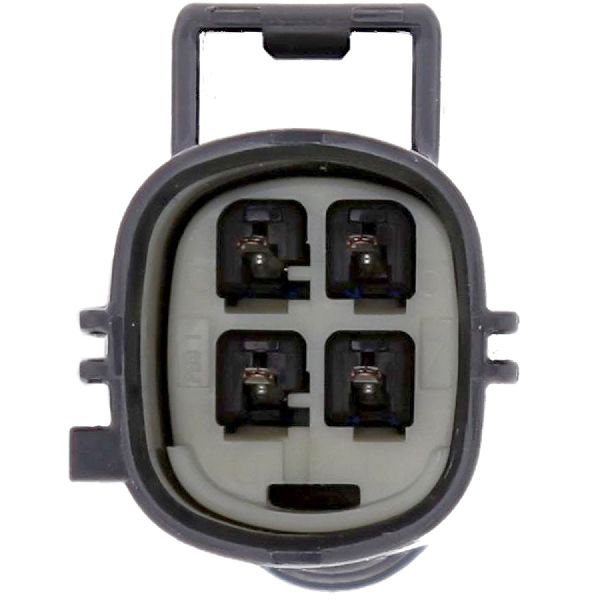
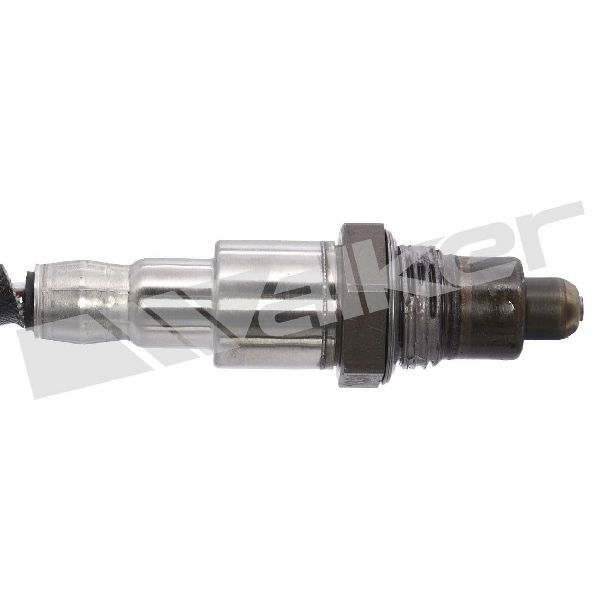
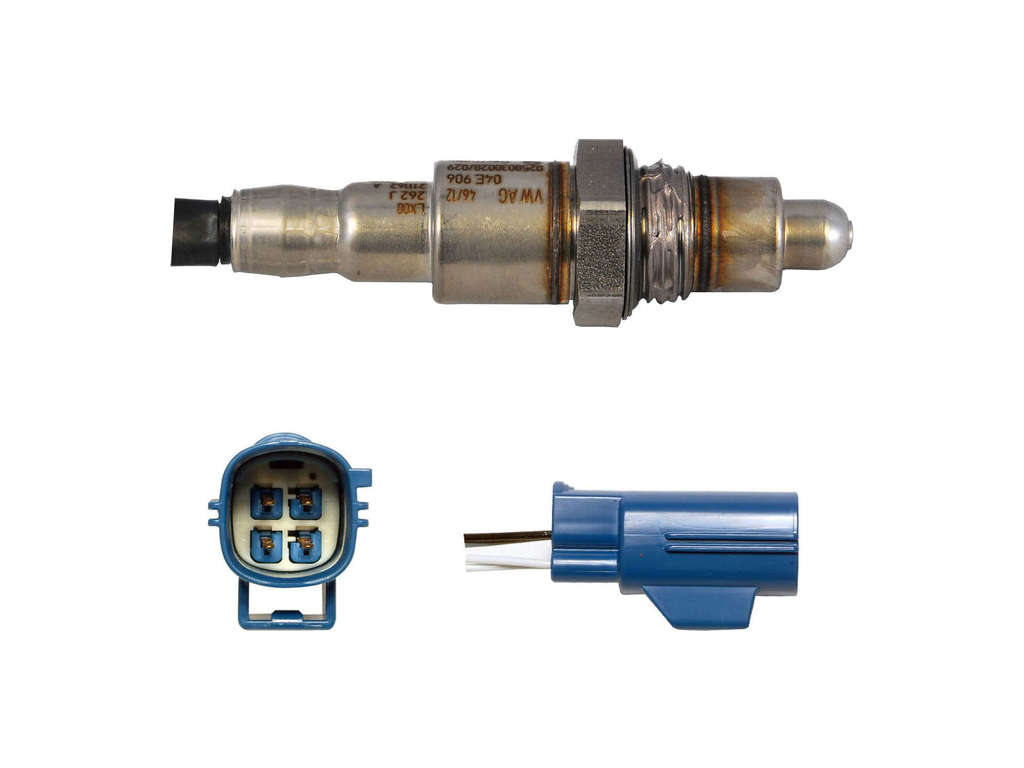
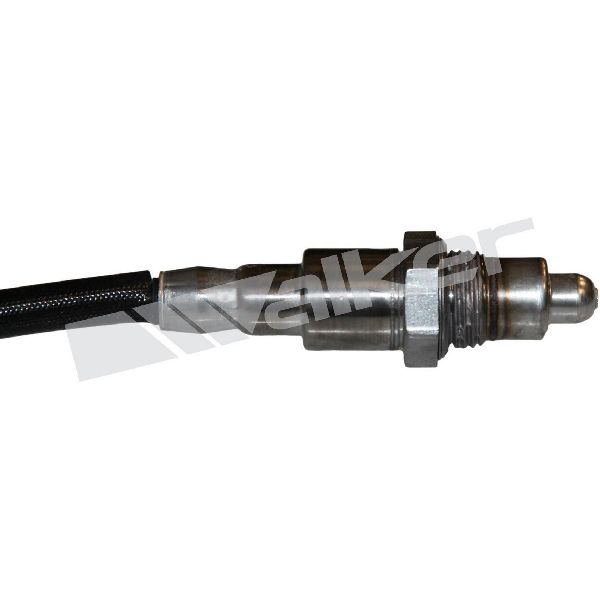
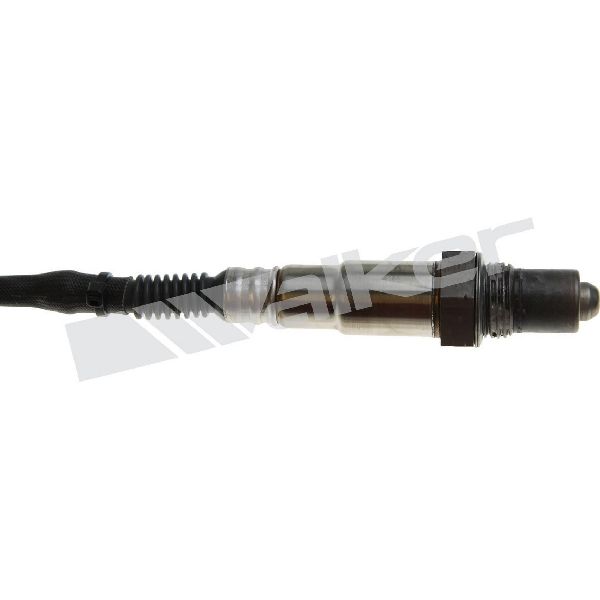
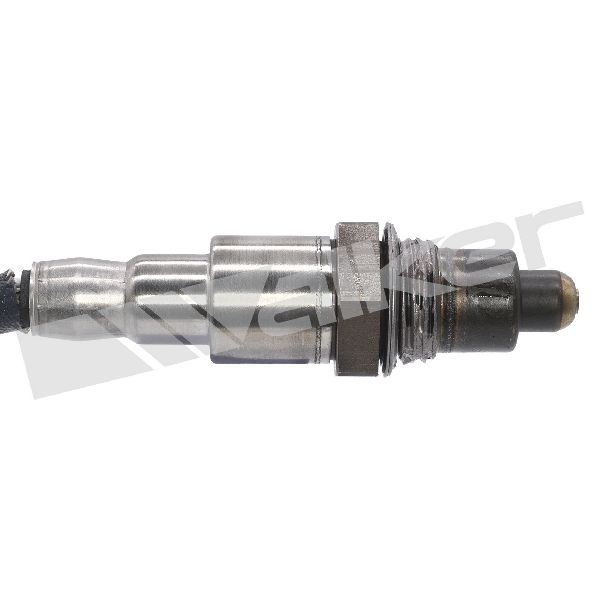
- Heated Oxygen Sensor (Bank 1, Sensor 2)
(OEM #C2D24756)— This is the component whose internal heater circuit most commonly fails, directly triggering the P0036 code.
Trusted brands: Bosch (OEM supplier, part #17127), Denso, NTK / NGK, Genuine Jaguar
OEM price range: $180-$255
Aftermarket price range: $70-$150
Related Codes That Often Appear With This One
- P0056 — P0056 is the identical heater circuit fault for Bank 2, Sensor 2 (driver's side). Seeing both codes together could point to a common problem like a power supply issue for both sensor heaters, or simply that both sensors have failed around the same time due to age.
- P0141 — P0141 is a similar generic code for 'O2 Sensor Heater Circuit Malfunction (Bank 1 Sensor 2)'. While P0036 is more specific about the control circuit, they often point to the same root cause and can sometimes appear together depending on the specific scanner and fault condition.
- P0037 — This code indicates 'HO2S Heater Control Circuit Low (Bank 1 Sensor 2),' pointing to a short to ground in the heater circuit, whereas P0036 is a more general circuit fault.
- P0038 — This code indicates 'HO2S Heater Control Circuit High (Bank 1 Sensor 2),' pointing to a short to power in the heater circuit.
Technical Service Bulletins (TSBs) & Recalls
- JTB-00392-NAS-3: The most critical TSB. A user on JaguarForums.com posted a dealer invoice showing this TSB was performed to fix a related O2 sensor code (P014A). The repair involved replacing the sensor and then updating the PCM software. This TSB covers a range of HO2S codes including P0036.
- SSM72477: This bulletin also lists P0036 among a wide range of heated oxygen sensor (HO2S) fault codes affecting the exhaust system, indicating it's a known issue.
Platform-Specific Known Issues
- A Powertrain Control Module (PCM) software update is often required to fully resolve this fault code after replacing the sensor, as per Jaguar TSB JTB-00392-NAS-3. Failure to perform this update may result in the code returning even with a new sensor. This is because the update recalibrates the PCM's expectations for the new sensor's performance characteristics.
Mechanic-Grade Diagnostic Values
- O2 Sensor Heater Element Resistance — expected: Approximately 9.0Ω at 20°C (68°F). Some sources suggest a wider acceptable range of 0.5Ω – 2.5Ω for similar heater types.. Failure: A reading of infinity (open circuit) or a value significantly outside the specified range indicates a failed heater element.
- Engine Ground Voltage Drop — expected: Well under 0.5V (500mV) when cranking the engine.. Failure: A reading higher than 0.5V indicates a poor ground connection, which can cause a variety of electrical issues, including sensor faults.
- PCM Internal Resistance to Ground (Advanced) — expected: Greater than 10 kOhms between the HO2S heater control pin on the PCM and a ground pin.. Failure: A low resistance reading (e.g., 650 Ohms as found in one case) with the harness disconnected points to an internal short within the PCM itself.
Scan Tool Commands That Help
- Jaguar SDD (Symptom Driven Diagnostics): Datalogger - HO2S Heater Monitoring — To monitor the live output and current draw of the oxygen sensor heaters. A forum user noted that the Jaguar SDD software can show current draw in Amps when it should be in milliamps (mA), indicating a short or incorrect sensor is installed. This can help differentiate between a sensor failure and a wiring/PCM issue.
- Jaguar SDD (Symptom Driven Diagnostics): Actuation Test - Oxygen Sensor Heater — This function allows a technician to command the O2 sensor heater on and off to verify the circuit's integrity. By monitoring voltage and status ('On'/'Off', 'Ready'/'Not Ready'), you can confirm if the PCM is correctly controlling the circuit and if the sensor is responding.
Wiring & Ground Locations
- Main Engine Grounding Strap — On the right (passenger) side of the vehicle, the strap connects the frame directly under the starter to a bolt on the transmission.. A poor main engine ground can cause erratic voltage and sensor readings throughout the engine management system. The PCM relies on a stable ground reference for all its sensors, including the HO2S. A voltage drop test at this point is a crucial first step in diagnosing any electrical gremlins.
- EMS LH Ground Stud — Located on the left front inner fender/wing area.. The Engine Management System (EMS) schematic shows the Engine Control Module (ECM) uses multiple ground points. This specific stud is a designated ground for the EMS, and ensuring it is clean and tight is critical for stable ECM operation and accurate sensor readings.
- HO2S Connector (Bank 1 Sensor 2) — The connector for the downstream passenger side sensor is typically located above the transmission, accessible from underneath the vehicle. The wiring is routed near the exhaust and transmission.. This is the primary connection point to test. The two same-colored wires (e.g., two black or two white wires) are for the heater circuit. On some 3.0L models, the connectors for the left and right banks are physically keyed differently and are not interchangeable, preventing incorrect installation.
Real Owner Repair Stories
- JaguarForums.com user (2006 Jaguar S-Type 3.0L (similar engine management architecture)) — P0036 and P0056 codes appeared after a major engine overhaul which included replacing O2 sensors.
❌ Tried (didn't work) Replacing all four O2 sensors., Verifying wiring harness continuity from the sensor connector to the ECM connector (was 0.4 Ohm, indicating good wiring).
✅ What actually fixed it The user diagnosed a faulty Engine Control Module (ECM/PCM). By testing the resistance between the O2 heater control pins and a ground pin directly at the ECM connector (with the harness disconnected), a low resistance of 650 Ohms was found, instead of the expected >10 kOhms. This indicated an internal short in the ECM's driver circuit, likely damaged by a previously melted O2 sensor. The user proceeded with an ECM board-level repair. - Reddit user r/MechanicAdvice (Ford with EcoBoost engine (demonstrates a common cross-platform issue)) — P0036 code returned immediately after replacing the Bank 1 Sensor 2 O2 sensor with an OEM part.
❌ Tried (didn't work) Replacing the O2 sensor twice.
✅ What actually fixed it The user noted that other owners of the same vehicle and engine combination had resolved a recurring P0036 code by getting a software update for the ECU/PCM. This aligns with the Jaguar TSB (JTB-00392-NAS-3) that recommends a software update as part of the fix.
Model Year Variations Within This Range
- 2013-2016: While the general procedure is the same, some forum users with the 3.0L V6 engine have noted that the electrical connectors for the left (Bank 2) and right (Bank 1) downstream sensors have different plastic keying, making them physically non-interchangeable. This is a design feature to prevent accidentally swapping the sensors.
Helpful Videos

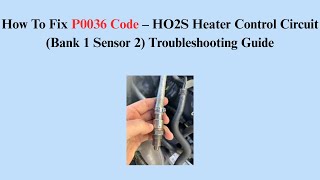
![How to Fix P0036 Engine Code in 2 Minutes [1 DIY Method / Only $19.64]](https://img.youtube.com/vi/qgkaZUN2re0/mqdefault.jpg)
We Have This Part in Stock

The information in this article is provided for general reference and educational purposes only. Vehicle specifications, procedures, and part compatibility can vary by production date, trim level, and region. Always consult your vehicle's factory service manual and verify part numbers before purchasing or performing repairs. Safety-critical components such as airbags, seat belts, and braking systems should be installed by a qualified professional.
- Jaguar XF:
- 🧭 Diagnostic Flowchart
- 🎬 Helpful Videos
- 🛍️ Shop This Part
- What's Unique About the 2013-2016 Jaguar XF
- Symptoms You May Notice
- Most Likely Causes
- Rare But Worth Checking
- Diagnosis Steps
- Parts You'll Likely Need
- Related Codes That Often Appear With This One
- Technical Service Bulletins (TSBs) & Recalls
- Platform-Specific Known Issues
- Mechanic-Grade Diagnostic Values
- Scan Tool Commands That Help
- Wiring & Ground Locations
- Real Owner Repair Stories
- Model Year Variations Within This Range
- 🎟️ Get 5% Off