

P0036 on 2013-2016 Jaguar XJ: O2 Sensor Heater Circuit Causes and Fixes
P0036 indicates a fault in the heater circuit of the downstream oxygen sensor on Bank 1. The most common fix is replacing the Bank 1, Sensor 2 oxygen sensor, which is located on the passenger side, after the catalytic converter. Expect to pay between $75 for an aftermarket part and over $290 for a genuine OEM part. A PCM software update may also be required per a Jaguar TSB.
- P0036 specifically points to a failure in the heater circuit for the oxygen sensor on the passenger side, after the catalytic converter.
- The most likely cause is a failed sensor that needs to be replaced. This is a manageable DIY job for many home mechanics.
- Always inspect the wiring for melting or damage before replacing the sensor, as this is another common cause.
- Be aware that a Jaguar-specific TSB suggests a PCM software update may be needed to fully resolve this code, even after replacing the part.
What's Unique About the 2013-2016 Jaguar XJ
For this generation of Jaguar XJ (and related models with the 3.0L V6 and 5.0L V8), Jaguar has issued Technical Service Bulletins (TSBs) that group P0036 with a large number of other oxygen sensor codes. This indicates that a software glitch in the Powertrain Control Module (PCM) could be the cause, and a software update may be required in addition to or instead of replacing the sensor. The TSB explicitly states the procedure is to replace the faulty sensor first, then perform the software update. Some owners on forums have also noted that these engines have up to six O2 sensors (three per side: pre-cat, mid-cat, and post-cat), which can sometimes lead to confusion during diagnosis. For P0036, the relevant sensor is the one immediately following the primary catalytic converter.
Diagnostic Flowchart
Tap your situation to follow the diagnostic path that matches what you're seeing on this vehicle.
Symptoms You May Notice
- Check Engine Light is on
- Failure to pass an emissions/smog test
- Slightly decreased fuel economy
- Pungent exhaust fumes in some cases
- Replacing the wrong oxygen sensor (e.g., replacing the upstream Sensor 1 instead of the downstream Sensor 2, or replacing the sensor on the driver's side Bank 2).
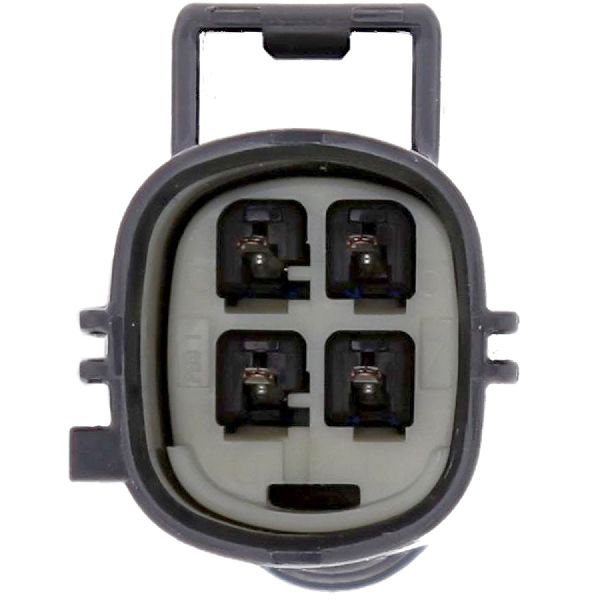
- Replacing the sensor with an aftermarket part that has the wrong connector. The left and right side sensors can be identical but have 'handed' connectors that are mirror images of each other.
Most Likely Causes
- Failed Oxygen Sensor 🔴 High Probability → Shop Oxygen Sensor The internal heater element within the O2 sensor is a common failure point due to age and extreme heat cycles. Jaguar TSBs acknowledge high failure rates for these sensors and there is an extended warranty in some regions for them.
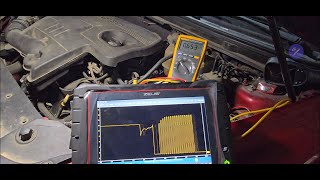
How to confirm: Disconnect the sensor and measure the resistance between the two heater circuit pins (often the two wires of the same color) with a multimeter. 🎬 Watch: A pro guide on testing O2 sensor heater circuits. An open circuit (infinite resistance) confirms the internal heater has failed. A good heater should have a low resistance reading, though the exact spec is not widely published, values between 5-16 ohms are common for other vehicles.
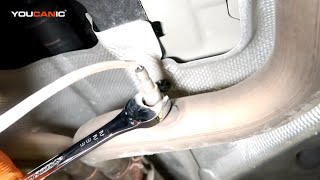
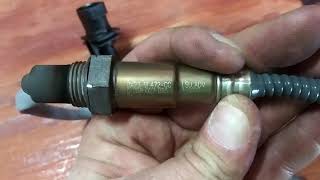
Typical fix: Replace the Bank 1, Sensor 2 (downstream, passenger side) oxygen sensor. A specialized 22mm O2 sensor socket is recommended for removal. 🎬 See this walkthrough for replacing sensors on the 3.0L engine.
Est. part cost: $75-$290 - Damaged Wiring or Connector 🟡 Medium Probability The sensor and its wiring are located under the vehicle, exposed to road debris, moisture, and high exhaust temperatures. 🎬 Watch: Helpful tips for removing a stuck or rusted sensor. The plastic wiring clamps can melt, allowing the harness to contact hot exhaust components, causing wires to melt, fray, or corrode.
How to confirm: Visually inspect the wiring harness and connector for the Bank 1, Sensor 2 for any signs of melting, chafing, or corrosion. Test for 12V power and ground at the harness-side connector with the ignition on. The check should be performed within the first few seconds of turning the key on.
Typical fix: Repair the damaged section of the wiring harness and secure it away from hot exhaust components using high-temperature zip ties or new clamps. Clean the connector pins or replace the connector if it is corroded or melted.
Est. part cost: $5-$50 - Blown Fuse ⚪ Low Probability
How to confirm: Locate the fuse for the O2 sensor heater circuits. On the XJ (X351), this is often in the engine compartment fuse box. Check fuse F33 (20A, Yellow) for 'UHEGO bank A heaters' and F34 (20A, Yellow) for 'UHEGO bank B heaters'. Although P0036 is for a downstream sensor, these fuses often protect the entire bank's heater circuits. A blown fuse often indicates a short circuit in the wiring that must be fixed.
Typical fix: Replace the blown fuse after diagnosing and repairing the underlying short circuit.
Est. part cost: $1-$5 - PCM Software Error ⚪ Low Probability Jaguar TSB #JTB-00392-NAS-3 specifically notes that a software error can cause this and other related HO2S codes on 2013-2015 models.
How to confirm: This must be confirmed by a Jaguar dealership or a qualified shop with access to Jaguar's diagnostic software (SDD or Pathfinder) to check the current software version against available updates.
Typical fix: Update the Powertrain Control Module (PCM) software to the latest version. The TSB specifies the correct procedure is to replace the faulty sensor first, then perform the software update.
Est. part cost: $0 (if part of a service campaign) - $250 (for labor)
Rare But Worth Checking
- Faulty Powertrain Control Module (PCM): → Shop Engine Control Module (ECM) This is extremely rare and should only be considered after all other possibilities have been exhaustively ruled out. A forum user with a similar issue on an older Jaguar traced a persistent heater code back to a short on the ECM board itself, but this was an unusual case.
Diagnosis Steps
- Read the code with an OBD-II scanner and confirm P0036 is present. Note any other codes.
- Visually inspect the Bank 1, Sensor 2 (passenger side, downstream) oxygen sensor's wiring and connector. Follow the harness as far as possible, looking for melting, fraying, or corrosion, especially near exhaust components and where it is secured by clamps.
- Check the fuses for the O2 sensor heater circuits. In the engine compartment fuse box, inspect fuse F33 (20A) for Bank 1 heaters.
- If the wiring and fuse are intact, disconnect the sensor. Use a multimeter set to Ohms to measure the resistance across the two heater pins on the sensor itself (usually the two wires of the same color). A reading of infinite resistance (OL) means the heater is broken and the sensor must be replaced. A very low reading (under 1 ohm) could indicate an internal short.
- With the sensor still disconnected and the ignition on (engine off), check for 12-volt power and a good ground signal at the vehicle's wiring harness connector. This voltage may only be present for a few seconds after key-on, so be prepared to measure quickly.
- If power and ground are present and the sensor's resistance is out of spec, replace the oxygen sensor. Ensure the new part has the correct 'handed' connector for the right side of the vehicle.
- If a new sensor does not resolve the code, consult a dealer about performing the PCM software update mentioned in TSB JTB-00392-NAS-3, especially for 2013-2015 models.
- Clear the trouble code and perform a drive cycle to ensure the fix was successful.
Parts You'll Likely Need
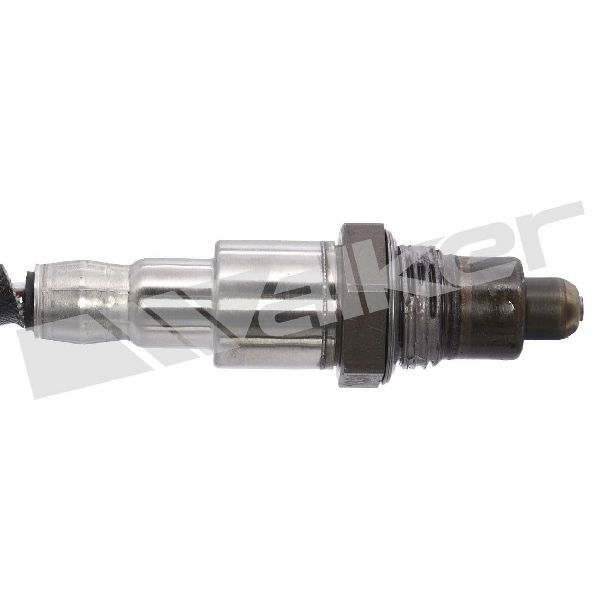
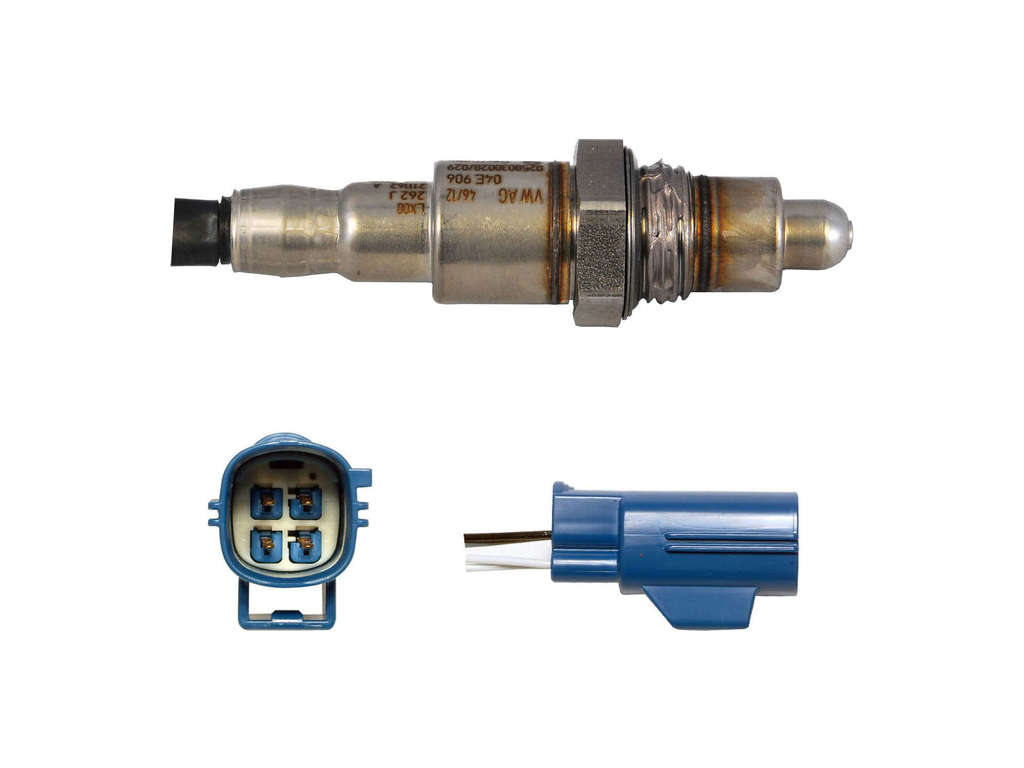
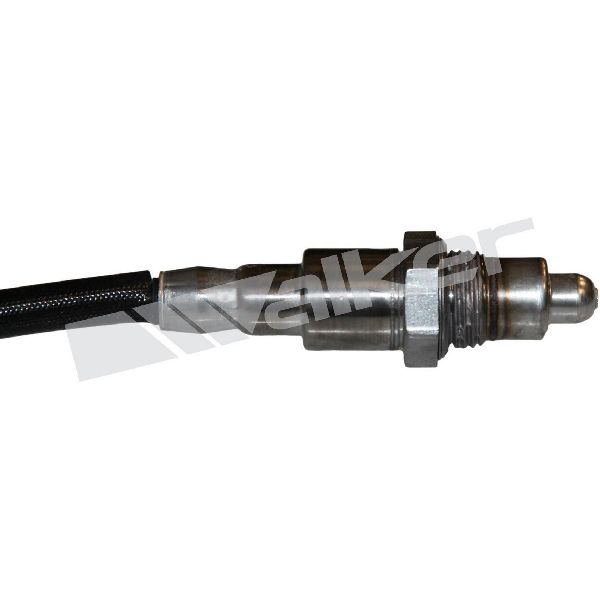
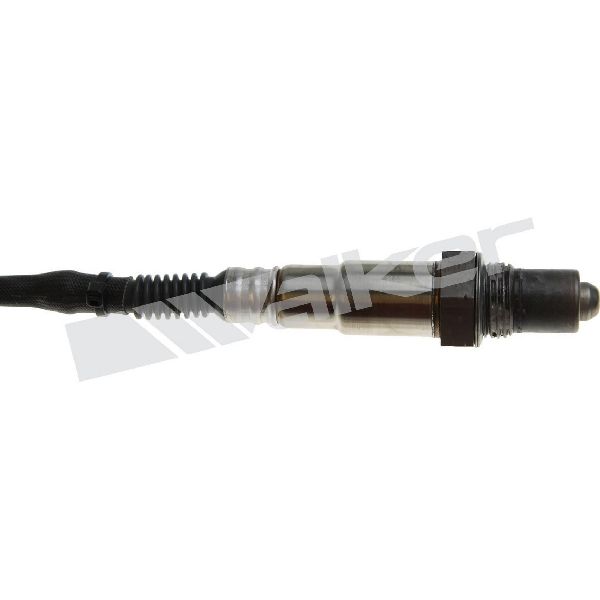
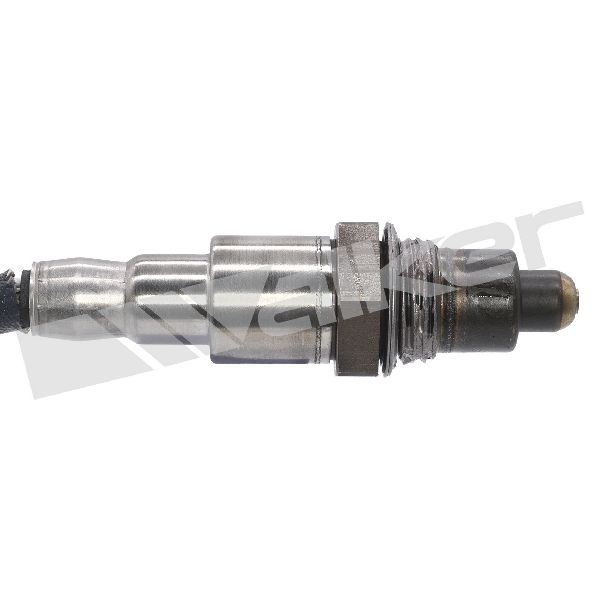
- Bank 1 Sensor 2 Oxygen Sensor
(OEM #T2H48050)— The internal heater element of the original sensor is the most common point of failure for this code. Part number T2H48050 is the latest revision, superseding C2D54166 and C2D23702.
Trusted brands: Bosch, Denso, NTK / NGK, Walker Products
OEM price range: $280-$345
Aftermarket price range: $75-$150
Related Codes That Often Appear With This One
- P0037 — This code indicates 'HO2S Heater Control Circuit Low' for the same sensor, pointing to a short to ground in the circuit.
- P0038 — This code indicates 'HO2S Heater Control Circuit High' for the same sensor, pointing to a short to power in the circuit.
- P0136 — This code indicates a general malfunction with the Bank 1, Sensor 2 circuit, which can be triggered alongside the specific heater fault.
- P0141 — This is another generic code for 'O2 Sensor Heater Circuit Malfunction (Bank 1, Sensor 2)' and is functionally identical to P0036.
- P0056 — This is the equivalent heater circuit code for the downstream sensor on Bank 2 (driver's side). Sometimes heater circuit issues can occur on both banks simultaneously.
Technical Service Bulletins (TSBs) & Recalls
- JTB-00392-NAS-3: States that for a list of HO2S codes including P0036, the cause may be a software error and recommends replacing the sensor and then updating the PCM software. It includes a diagram showing sensor locations.
- SSM72477: A general service message that lists P0036 as a diagnostic code related to a fault with a p
Platform-Specific Known Issues
- Jaguar issued Technical Service Bulletin JTB-00392-NAS-3 for 2013-2015 XJ, XF, and F-Type models, which states that a range of oxygen sensor codes, including P0036, may be caused by a PCM software error. The recommended fix is to replace the indicated sensor and then update the PCM software.
- On the 5.0L V8, there is an extended warranty for O2 sensors for 10 years / 120,000 miles in the US. Owners may be able to get this repair done at a dealership at no cost.
- The 3.0L V6 and 5.0L V8 engines use up to six O2 sensors (three per side). P0036 refers to Bank 1, Sensor 2, which TSB JTB-00392-NAS-3 identifies as the 'Mid-catalyst - right bank' sensor. This can cause confusion, but it is the first sensor located after the primary catalytic converter.
- The connectors for the left and right bank sensors are often physically different ('handed') even if the sensor itself is the same. Ordering the specific part for the right-hand side (Bank 1) is critical to ensure it plugs in correctly.
Mechanic-Grade Diagnostic Values
- O2 Sensor Heater Element Resistance — expected: Approximately 5-7 Ohms. One source suggests around 6.7 Ohms is common.. Failure: An open circuit (infinite resistance or 'OL' on a multimeter) indicates a broken heater element. A reading far outside the expected range also indicates a fault.
- Heater Circuit Ground Wire Resistance — expected: Less than 1.0 Ohm.. Failure: Resistance greater than 1.0 Ohm between the harness connector's ground pin and the battery negative terminal indicates a poor ground connection, which can cause this code.
- Heater Circuit Power Supply — expected: 12 Volts (battery voltage) at the harness connector for a few seconds after key-on, engine-off.. Failure: No voltage indicates a problem with the power supply, such as a blown fuse (F33 for Bank 1) or a wiring issue.
Hidden / Shadow Codes Worth Checking
- Mode 6, Test ID $91: This is the On-Board Diagnostic Monitor for the 'Oxygen Sensor Heater Monitor Bank 1 - Sensor 2'. A technician can use a scan tool that supports Mode 6 to view the raw test data and thresholds from the PCM's last self-test of the heater circuit, even before a code fully matures. (see via An advanced OBD-II scanner with Mode 6 functionality.)
Scan Tool Commands That Help
- Jaguar SDD (Symptom Driven Diagnostics): Configure existing module - Powertrain control module — This function should be run after replacing the oxygen sensor, as instructed by Jaguar TSB JTB-00392-NAS-3. It updates the PCM software to prevent the code from recurring due to a known software error.
- Jaguar SDD (Symptom Driven Diagnostics): Clear Adaptations — While not explicitly required for a heater circuit fault, clearing transmission and engine adaptations after major sensor replacements can sometimes help the system relearn faster. This function is reportedly 'buried' within the SDD service functions.
Wiring & Ground Locations
- Engine Compartment Fuse Box — Located in the engine bay.. This box contains fuse F33 (20A), which protects the heater circuit for Bank 1 oxygen sensors. A blown fuse here is a primary diagnostic check.
- ECM Connector — At the Powertrain Control Module (PCM/ECM).. In advanced diagnostics, a technician may need to check for continuity and shorts on the wires running from the O2 sensor connector directly to the ECM's connector pins to rule out a wiring harness issue or an internal ECM fault.
Real Owner Repair Stories
- Jaguar Forums user (2013-2015 Jaguar (XF/XJ/F-Type) with 3.0L V6 or 5.0L V8) — Check Engine Light on with a code related to a downstream O2 sensor (e.g., P014A, functionally similar to P0036).
❌ Tried (didn't work) Clearing the code without replacing parts.
✅ What actually fixed it Following the procedure in TSB JTB00392NAS3: The dealer replaced the faulty downstream oxygen sensor and then performed a PCM software update using the SDD diagnostic tool. - Jaguar Forums user (2006 Jaguar S-Type 3.0L) — Check Engine Light with codes P0036 and P0056 (heater circuit faults for both downstream sensors).
❌ Tried (didn't work) Replacing both downstream O2 sensors with new parts., Confirming the wiring harness from sensor to ECM was intact (measured 0.4 Ohm resistance).
✅ What actually fixed it The user traced the fault to the Engine Control Module (ECM) itself. With the harness disconnected, a resistance of 650 Ohms to ground was measured directly on the ECM's output pins for the heater circuits. This indicated an internal short on the ECM board, likely caused by a previous wiring short that damaged the driver circuit. The ultimate fix was repair or replacement of the ECM.
OEM Part Supersession History
DX239G444ED→C2D23702, then C2D54166, then T2H48050 (latest)— Standard part revisions for improved reliability or manufacturing changes.
Heads up: No known incompatibilities; the latest part number T2H48050 is the correct service replacement for all previous versions.
Model Year Variations Within This Range
- 2013-2015: These model years are specifically called out in TSB JTB-00392-NAS-3 as potentially having a PCM software error that can trigger P0036 and other related codes. The fix requires a software update after sensor replacement. 2016 models are less likely to have this specific software issue.
- 2013-2016: The entire 2013-2016 model year range uses the Jaguar SDD (Symptom Driven Diagnostics) software for dealer-level diagnostics and programming. Models from 2017 onwards transition to the newer Pathfinder software.
Helpful Videos

We Have This Part in Stock

The information in this article is provided for general reference and educational purposes only. Vehicle specifications, procedures, and part compatibility can vary by production date, trim level, and region. Always consult your vehicle's factory service manual and verify part numbers before purchasing or performing repairs. Safety-critical components such as airbags, seat belts, and braking systems should be installed by a qualified professional.
- Jaguar XJ:
- 🧭 Diagnostic Flowchart
- 🎬 Helpful Videos
- 🛍️ Shop This Part
- What's Unique About the 2013-2016 Jaguar XJ
- Symptoms You May Notice
- Most Likely Causes
- Rare But Worth Checking
- Diagnosis Steps
- Parts You'll Likely Need
- Related Codes That Often Appear With This One
- Technical Service Bulletins (TSBs) & Recalls
- Platform-Specific Known Issues
- Mechanic-Grade Diagnostic Values
- Hidden / Shadow Codes Worth Checking
- Scan Tool Commands That Help
- Wiring & Ground Locations
- Real Owner Repair Stories
- OEM Part Supersession History
- Model Year Variations Within This Range
- 🎟️ Get 5% Off