

P0036 on 2014-2018 Kia Forte: Causes and Fixes for the O2 Sensor Heater Circuit
On a 2014-2018 Kia Forte, code P0036 almost always means the internal heater in the downstream (post-catalytic converter) oxygen sensor has failed. Replacing the sensor is the typical fix. Expect to pay around $50-$100 for an aftermarket sensor and about an hour of labor if you don't do it yourself. This is a very common issue across many Hyundai and Kia vehicles.
- P0036 on your Forte points directly to an issue with the heater in the downstream O2 sensor, located after the catalytic converter.
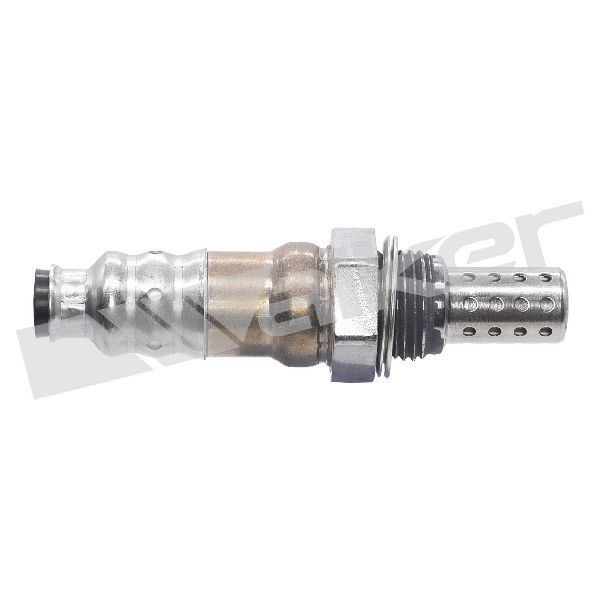
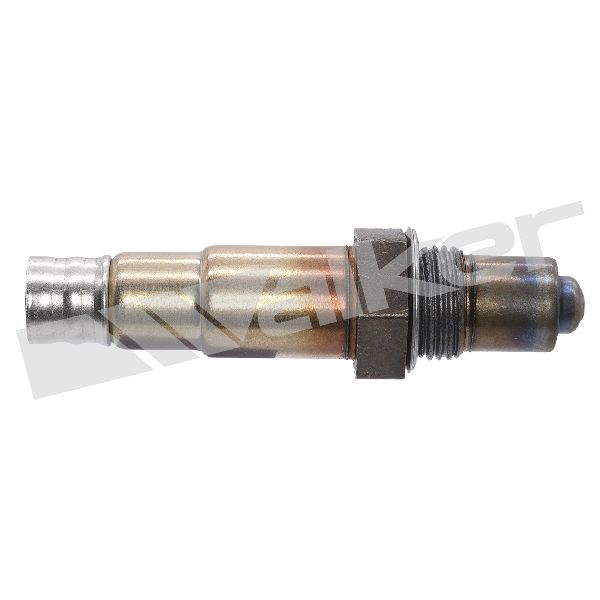
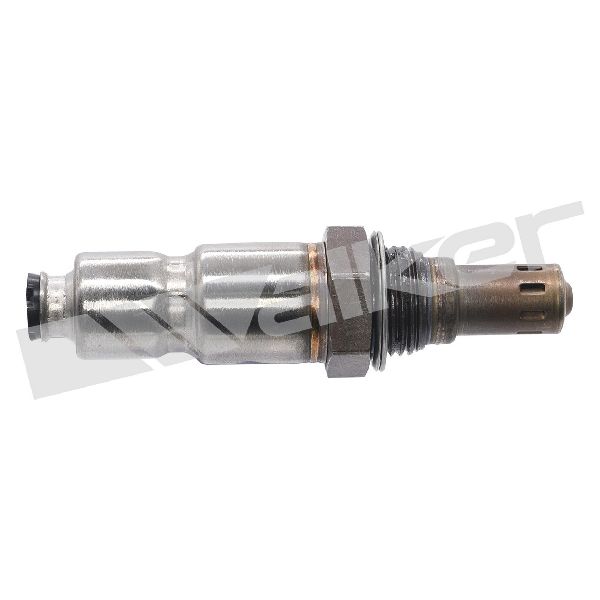
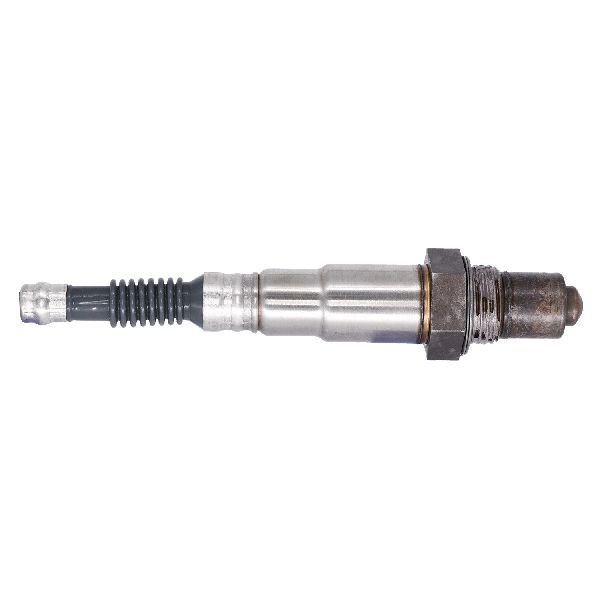
- The most common fix by a wide margin is to simply replace the downstream oxygen sensor (OEM Part #: 39210-2E400 for 2.0L).
- Before buying a new sensor, always perform a quick visual check of the wiring for any obvious damage and check the related fuse (may be labeled 'SENSOR 3' or 'EXHAUST').
- You can safely drive the car with this code, but you will not pass an emissions test until it is fixed.
- This is a DIY-friendly repair for those with basic tools, a jack and stands, and a special O2 sensor socket.
- Be aware that your vehicle's engine may be covered by a class-action settlement for engine failures; it is wise to have a Kia dealer check your VIN for any open campaigns or warranty extensions.
What's Unique About the 2014-2018 Kia Forte
For the second-generation (YD) Kia Forte, the P0036 code is a very common and straightforward issue. This isn't due to a unique design flaw but rather the typical service life of oxygen sensors, which are considered a wear-and-tear part. The exhaust layout on these four-cylinder engines is simple, with one 'Bank 1' and two sensors (one upstream, one downstream), making diagnosis relatively easy. The problem is almost always the sensor itself and not a more complex wiring or computer issue, a fact corroborated by numerous owner forums and mechanic guides for both the Forte and its platform-mate, the Hyundai Elantra.
Symptoms You May Notice
- Check Engine Light is on.
- Vehicle will fail an emissions inspection test.
- No noticeable drivability symptoms in most cases, as the heater is mainly for emissions performance at startup.
- Replacing the upstream (Bank 1, Sensor 1) oxygen sensor instead of the downstream (Bank 1, Sensor 2) sensor. P0030 indicates a fault with the upstream sensor heater.
- Replacing the catalytic converter, which is monitored by this sensor but is not the cause of a heater circuit code.
Most Likely Causes
- Failed Downstream Oxygen Sensor (Bank 1, Sensor 2) 🔴 High Probability → Shop Oxygen Sensor Oxygen sensors are wear-and-tear items with a finite lifespan, typically failing from age and constant exposure to hot exhaust gases. The internal heater element is often the first part to burn out. This is the most common resolution reported by owners.
How to confirm: After checking the fuse, disconnect the sensor's electrical connector. Use a multimeter set to Ohms (Ω) to measure the resistance between the two heater pins on the sensor (usually the two wires of the same color). An open circuit (infinite resistance or 'OL') confirms the heater has failed. A healthy sensor should have a low resistance, typically between 3.3 and 4.1 Ω at room temperature (around 70°F/21°C).
Typical fix: Replace the Bank 1, Sensor 2 oxygen sensor. Applying anti-seize compound to the threads of the new sensor is recommended to ease future replacement.
Est. part cost: $50-$120 - Damaged Wiring or Corroded Connector 🟡 Medium Probability The sensor wiring is routed under the vehicle near the hot exhaust system. Wires can become brittle, melt if they touch the exhaust, or get damaged by road debris. Connectors can also accumulate moisture and corrode, especially in regions that use road salt.
How to confirm: Visually inspect the entire wiring harness from the sensor to the main loom. Look for melted insulation, frayed wires, or loose connections. Unplug the connector and check for green or white corrosion on the pins. Ensure the wiring is properly secured in its clamps away from the exhaust pipe.
Typical fix: Repair the damaged section of wire or clean the connector pins with an electrical contact cleaner. If corrosion is severe, the connector may need to be replaced.
Est. part cost: $5-$25 - Blown Fuse ⚪ Low Probability A short circuit in the heater circuit can cause the corresponding fuse to blow as a protective measure. This can happen if wiring melts and shorts to ground.
How to confirm: Locate the fuse for the O2 sensor heater circuit. This may be in the interior fuse box (driver's side dash) or the engine bay fuse box. Check the owner's manual or fuse box lid for a fuse labeled 'SENSOR 3', 'EXHAUST', or similar. A fuse labeled 'F17' in the driver-side kick panel has been noted for some Kia models. Visually inspect the fuse to see if the internal filament is broken.
Typical fix: Replace the blown fuse. If the new fuse blows immediately, a short circuit exists that must be found and repaired.
Est. part cost: $1-$5
Rare But Worth Checking
- Faulty Engine Control Module (ECM): → Shop Engine Control Module (ECM) This is extremely rare. The ECM's internal driver for the heater circuit can fail, but all other possibilities (sensor, wiring, fuse) should be exhaustively ruled out before considering ECM replacement.
Diagnosis Steps
- Use an OBD-II scanner to confirm the P0036 code is present.
- Check the fuse for the oxygen sensor heater circuit. Look in both the interior and engine bay fuse boxes for fuses labeled 'SENSOR', 'SENSOR 3', or 'EXHAUST'. Replace if blown.
- Safely raise the vehicle and locate the downstream oxygen sensor (Bank 1, Sensor 2) in the exhaust pipe, positioned after the catalytic converter.
- Visually inspect the sensor's wiring harness and connector for any signs of melting, chafing, corrosion, or physical damage. Ensure it is clipped securely away from the hot exhaust pipe.
- If the wiring is intact, disconnect the sensor's electrical connector.
- Using a multimeter, check for battery voltage (approx. 12V) at the heater circuit power pin on the vehicle-side of the connector with the ignition on (engine off). No voltage points to a blown fuse or wiring issue.
- Using a multimeter set to Ohms (Ω), measure the resistance across the two heater circuit pins (often same-colored wires) on the *sensor* side of the connector. A reading of infinite resistance (OL) indicates an open circuit and a failed sensor. A healthy sensor should have a low resistance, typically between 3.3 and 4.1 Ohms.
- If resistance is good but the code persists, check for continuity to ground on the ground side of the circuit harness.
- If all wiring, the fuse, and power/ground signals are good, the oxygen sensor itself is faulty and should be replaced.
Parts You'll Likely Need
- Downstream Oxygen Sensor (Bank 1, Sensor 2)
(OEM #39210-2E400)— The internal heater element of the original sensor is the most common failure point for code P0036. This part number is specific to the Nu 2.0L engine.
Trusted brands: Bosch, Denso, NGK/NTK, Walker Products, Delphi
OEM price range: $140-$205
Aftermarket price range: $50-$120 - Oxygen Sensor Socket — A special slotted socket is required to remove and install the oxygen sensor without damaging its wire. It is considered an essential tool for this DIY job.
Trusted brands: Lisle, OEMTools, GearWrench
Aftermarket price range: $10-$20
Technical Service Bulletins (TSBs) & Recalls
- While no TSB is specific to P0036, owners should be aware of TSBs PI1805, PI2106, and the 'In re: Hyundai and Kia Engine Litigation II' class-action settlement. These address catastrophic engine failures on Nu 2.0L GDI and Gamma 1.6L GDI engines and provide a free Knock Sensor Detection System (KSDS) software update and an extended 15-year/150,000-mile warranty for qualifying engine repairs.
Platform-Specific Known Issues
- Common Failure Across Hyundai/Kia 4-Cylinder Lineup: The P0036 code is not unique to the Forte but is a very common fault across the entire Hyundai and Kia family of vehicles that use the Nu and Gamma four-cylinder engines, including the Elantra, Soul, Rio, and Optima. The cause and fix are consistently the same: replacement of the downstream O2 sensor.
Mechanic-Grade Diagnostic Values
- Downstream O2 Sensor (B1S2) Heater Resistance — expected: 3.3 ~ 4.1 Ω at 21°C (69.8°F). Failure: An open circuit ('OL' on multimeter) or resistance far outside the specified range indicates a failed heater element.
- Voltage at O2 Sensor Heater Power Pin (Harness Side) — expected: Battery Voltage (~12V) with Key On, Engine Off.. Failure: 0V indicates a blown fuse or an open in the power supply wire from the ECM or fuse box.
- Ground at O2 Sensor Heater Control Pin (Harness Side) — expected: The ECM provides a pulsed ground to control the heater. A test light connected to battery positive should pulse when probing this pin while the engine is running.. Failure: No pulse, a steady light, or no ground signal indicates a wiring issue back to the ECM or a failed ECM driver.
Scan Tool Commands That Help
- Kia GDS (Global Diagnostic System): Actuation Test / Component Activation — After verifying wiring and the sensor's resistance, a technician can use the GDS to command the O2 sensor heater circuit on/off. This directly tests the ECM's driver and the integrity of the control circuit, confirming if the ECM is capable of sending the signal.
- Kia GDS (Global Diagnostic System): Live Data / Graphing — To monitor the heater duty cycle percentage commanded by the ECM. If the ECM is commanding 100% duty cycle but the sensor isn't heating (as verified by other means), it points towards a failure in the circuit or sensor, not the ECM's logic.
Wiring & Ground Locations
- B1S2 Connector — Underneath the vehicle, on the exhaust pipe after the primary catalytic converter. The connector is typically clipped to the underbody or a bracket nearby.. This is the primary point for testing voltage, ground, and sensor resistance. Corrosion or damage here is a common cause of P0036.
- Fuse 'SENSOR 3' or 'EXHAUST' — Can be in the engine compartment fuse box or the interior fuse panel on the driver's side. Some Kia models may use a fuse designated 'F17' in the kick panel.. This fuse supplies power to the O2 sensor heater circuit. A blown fuse is a possible, though less common, cause that should be checked early in the diagnosis.
- Exhaust System Ground Strap — A braided metal strap connecting the exhaust system to the vehicle's chassis or subframe.. While the sensor heater has its own ground wire, a corroded or missing main exhaust ground can cause electrical noise and potential grounding issues for the entire sensor system, sometimes contributing to circuit codes.
OEM Part Supersession History
39210-2E400→39210-2E401— Standard part revision or change in manufacturer.
Heads up: The parts are interchangeable. 39210-2E401 is the later revision and is functionally identical for this application.
Diagnostic Flowchart
Other Known Issues on This Vehicle
Issues unrelated to this code that are worth knowing about as an owner of this generation:
- Engine Failure / Seizure (Nu 2.0L GDI & Gamma 1.6L GDI) 🔴 High — Widespread enough to trigger a major class-action lawsuit (In re: Hyundai and Kia Engine Litigation II). Failures can occur at various mileages, often reported between 60k-120k miles. (Ref: Not a recall, but a class-action settlement extended warranties to 15 years/150,000 miles and requires a dealer-installed Knock Sensor Detection System (KSDS) software update (e.g., TSBs PI1805, PI2106) to provide early warning of bearing failure.)
- Steering Column Flexible Coupler Failure 🟠 Medium — Extremely common across many Hyundai/Kia models of this era. The rubber coupler disintegrates over time, typically after 50,000 miles, causing a distinct clicking or clunking noise when turning the steering wheel. (Ref: While no specific recall exists for the Forte, it's a well-documented failure. The replacement part is an improved material.)
- Carbon Buildup on Intake Valves 🟡 Low — A common long-term issue inherent to all Gasoline Direct Injection (GDI) engines, including the Nu 2.0L and Gamma 1.6L Turbo. Can cause hesitation or misfires at higher mileage (typically over 80k-100k miles).
- Timing Chain Rattle / Slack (Nu Engines) 🟠 Medium — Some Nu engines may develop timing chain slack, leading to a metallic rattling sound on cold startups. If ignored, this can lead to more severe timing issues.
Used vs. New Parts: Buying Guide for This Vehicle
When a used part is the smart pick: For this repair, buying a used oxygen sensor is NOT recommended. O2 sensors are wear-and-tear items with a limited lifespan (typically 60,000-100,000 miles). A used sensor from a junkyard has unknown remaining life and may fail shortly after installation, wasting time and money.
Donor-vehicle mileage cap: roughly under 20000 miles for the part to have meaningful remaining life.
What to inspect on the donor part:
- If forced to buy used, source from a vehicle with verifiable low mileage (under 20k miles).
- Inspect the electrical connector for any signs of corrosion, melted plastic, or bent pins.
- Check the sensor tip for heavy carbon fouling or white deposits, which indicate a hard life or contamination.
Aftermarket brands forum-validated for this vehicle:
- Denso
- NGK/NTK
- Bosch
- Delphi
Brands owners have reported issues with on this vehicle:
- No-name, unbranded sensors from online marketplaces are frequently reported on forums as being dead-on-arrival or failing within a few months. Stick to reputable brands to avoid repeat repairs.
Real Owner Stories
Aggregated from forums and TSBs cited above. Mileages and costs reflect what owners reported in those sources.
2014-2018 Kia Forte (Nu 2.0L / Gamma 1.6L)
Symptoms: Check Engine Light on with code P0036; owner was concerned about how long the vehicle could be driven.
What fixed it: Mechanics confirmed the vehicle was safe to drive but required a downstream O2 sensor replacement to pass emissions.
Source hint: Reddit - r/AskMechanics - 'Realistically how long can I drive with a P0036 code?'
2014-2018 Kia Forte (Nu 2.0L / Gamma 1.6L)
Symptoms: P0036 code persisted even after the owner replaced the sensor and checked the fuses.
What fixed it: The discussion identified that the next step was diagnosing a potential wiring issue, such as melted insulation or corroded connector pins.
Source hint: Reddit - r/CarTalkUK - 'P0036 engine code'
2017-2020 Hyundai Elantra (Nu 2.0L GDI)
Symptoms: Check engine light for heater circuit; owner confused between upstream and downstream sensor locations.
What fixed it: Replacement of the downstream (Sensor 2) oxygen sensor heater circuit.
Source hint: YouTube - 'Hyundai Elantra P0030-P0036 heater circuit' by G.. G..
Documented NHTSA Reports
Kia Sorento (Cross-Model Reference)
Symptoms: An owner reported multiple fault codes including P0036 (B1S2), P0171 (System too lean), and P0138 (O2 sensor circuit high), noting frequent fuel system services were required due to system defects (NHTSA ODI #11581569).
Related OBD-II Codes
Frequently Asked Questions
Does the engine litigation settlement (In re: Hyundai and Kia Engine Litigation II) cover the cost of replacing my O2 sensor for code P0036?
I found a blown fuse labeled 'F17' in my driver-side kick panel; could this be causing my P0036 code?
Where is the Bank 1, Sensor 2 oxygen sensor located on my Kia Forte?
Can I continue to drive my Forte with the P0036 code active while waiting for parts?
What resistance should I see when testing the O2 sensor heater on my Nu 2.0L or Gamma 1.6L engine?
Is P0036 a common issue for other Kia models with the same engine?
Helpful Videos
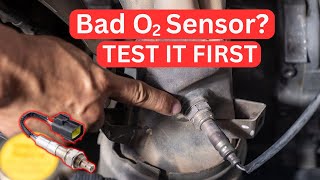
We Have This Part in Stock
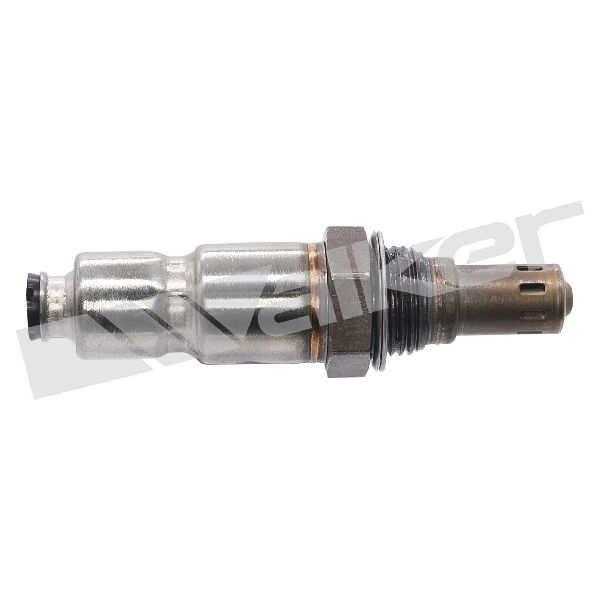


The information in this article is provided for general reference and educational purposes only. Vehicle specifications, procedures, and part compatibility can vary by production date, trim level, and region. Always consult your vehicle's factory service manual and verify part numbers before purchasing or performing repairs. Safety-critical components such as airbags, seat belts, and braking systems should be installed by a qualified professional.
- Kia Forte:
- 🧭 Diagnostic Flowchart
- 🎬 Helpful Videos
- 🛍️ Shop This Part
- What's Unique About the 2014-2018 Kia Forte
- Symptoms You May Notice
- Most Likely Causes
- Rare But Worth Checking
- Diagnosis Steps
- Parts You'll Likely Need
- Technical Service Bulletins (TSBs) & Recalls
- Platform-Specific Known Issues
- Mechanic-Grade Diagnostic Values
- Scan Tool Commands That Help
- Wiring & Ground Locations
- OEM Part Supersession History
- Other Known Issues on This Vehicle
- Used vs. New Parts: Buying Guide for This Vehicle
- Real Owner Stories
- 2014-2018 Kia Forte (Nu 2.0L / Gamma 1.6L)
- 2014-2018 Kia Forte (Nu 2.0L / Gamma 1.6L)
- 2017-2020 Hyundai Elantra (Nu 2.0L GDI)
- Documented NHTSA Reports
- Kia Sorento (Cross-Model Reference)
- Related OBD-II Codes
- Frequently Asked Questions
- 🎟️ Get 5% Off