

P0036 on 2010-2013 Mazda 3: Downstream O2 Sensor Heater Circuit Fixes
On a 2010-2013 Mazda 3, code P0036 almost always means the downstream oxygen sensor (after the catalytic converter) has failed and needs to be replaced. This is a common wear-and-tear item. Before replacing, check the relevant fuse. Expect to pay $40-$80 for an aftermarket sensor and $80-$120 for an OEM part. It's a straightforward DIY fix for many home mechanics.
- P0036 on a 2010-2013 Mazda 3 points directly to a problem with the heater inside the downstream O2 sensor (the one after the catalytic converter).
- The most likely fix is to replace the sensor itself. This is a common repair due to normal wear and tear.
- Before buying a new sensor, always check the 'A/F Heater' fuse in the engine bay fuse box first.
- You can safely drive with this code, but your car will fail an emissions test and should be fixed promptly.
What's Unique About the 2010-2013 Mazda 3
The second-generation Mazda 3 (2010-2013) has a very standard exhaust and emissions setup. There are no specific design flaws that make it unusually prone to the P0036 code. The issue is almost always a simple case of the downstream oxygen sensor's heating element failing due to age and countless heat cycles. The repair is as straightforward as the cause, with no special procedures required beyond what's typical for any O2 sensor replacement. The wiring is exposed under the car, making it susceptible to road debris and corrosion, but no more so than other vehicles of its class.
Symptoms You May Notice
- Check Engine Light is on.
- Inability to pass a state emissions inspection.
- Slightly reduced fuel economy, though it may not be noticeable to the driver.
- Rough idle or slight hesitation on a cold start until the engine warms up.
- Replacing the upstream (Bank 1, Sensor 1) oxygen sensor instead of the downstream (Bank 1, Sensor 2) sensor.
- Replacing the catalytic converter. This code specifically points to the sensor's heater circuit, not the converter's efficiency.
Most Likely Causes
- Failed Downstream Oxygen Sensor (Bank 1, Sensor 2) 🔴 High Probability → Shop Oxygen Sensor The internal heating element is a standard wear item that has a finite lifespan and eventually burns out from normal use and exposure to high exhaust temperatures.
How to confirm: After confirming the fuse is good, unplug the sensor and test the resistance across the two heater circuit pins (usually the two wires of the same color) using a multimeter. An open circuit (infinite resistance or 'OL') confirms the heater element has failed. A healthy heater should have a low resistance, with sources citing ranges between 2.8 and 20 ohms.
Typical fix: Replace the Bank 1, Sensor 2 (downstream) oxygen sensor.
Est. part cost: $40-$120 - Damaged Wiring or Connector 🟡 Medium Probability The wiring harness runs underneath the car near hot exhaust components and is exposed to road debris, moisture, and road salt, which can lead to melting, chafing, breaks, or corrosion over time.
How to confirm: Visually inspect the wiring harness from the O2 sensor to its connection point for any signs of melting, chafing, breaks, or corrosion in the pins. If the wiring looks good, use a multimeter to check for battery voltage (approx. 12V) and a good ground at the vehicle-side connector with the ignition on (engine off).
Typical fix: Repair or replace the damaged section of the wiring harness or the connector itself.
Est. part cost: $10-$50 - Blown Fuse ⚪ Low Probability
How to confirm: Check the fuse box in the engine bay for a fuse labeled 'A/F Heater' or 'O2 Heater'. Visually inspect the fuse to see if it is blown. If a new fuse blows immediately, it indicates a short circuit in the wiring or the sensor itself that must be diagnosed.
Typical fix: Replace the blown fuse. If it blows again, diagnose the short circuit.
Est. part cost: $1-$5
Rare But Worth Checking
- Faulty Powertrain Control Module (PCM): → Shop Engine Control Module (ECM) This is extremely rare. All other possibilities, including the sensor, wiring, and fuses, should be exhaustively tested before considering a PCM failure. A PCM issue would typically require professional diagnosis and would likely be accompanied by other fault codes.
Diagnosis Steps
- Read the code using an OBD-II scanner to confirm P0036 is the primary code present. Note any other codes.
- Visually inspect the downstream O2 sensor's wiring and connector for any obvious signs of damage, such as melting from contact with the exhaust, chafing, or corrosion.
- Check the fuse for the oxygen sensor heater circuit (often labeled 'A/F Heater' or similar) in the engine bay fuse box. Replace if blown.
- If the fuse and wiring are good, disconnect the sensor. Test the resistance of the heater circuit on the sensor side using a multimeter set to Ohms. A reading of infinite resistance (OL) means the sensor's heater is broken and the sensor must be replaced. A healthy sensor should read between approximately 2.8 and 20 Ohms.
- If the sensor's resistance is within spec, check for power and ground at the vehicle's harness connector. With the key in the 'ON' position (engine off), one pin should have battery voltage (~12V). The ground pin is controlled by the PCM and may show as an open circuit or a flashing test light when the engine is running.
- If power is missing, trace the specific wire back toward the PCM/fuse box to find the break or short circuit.
- If the fuse, wiring, and sensor all test good, the issue may be a rare fault within the PCM, which requires professional diagnosis.
Parts You'll Likely Need
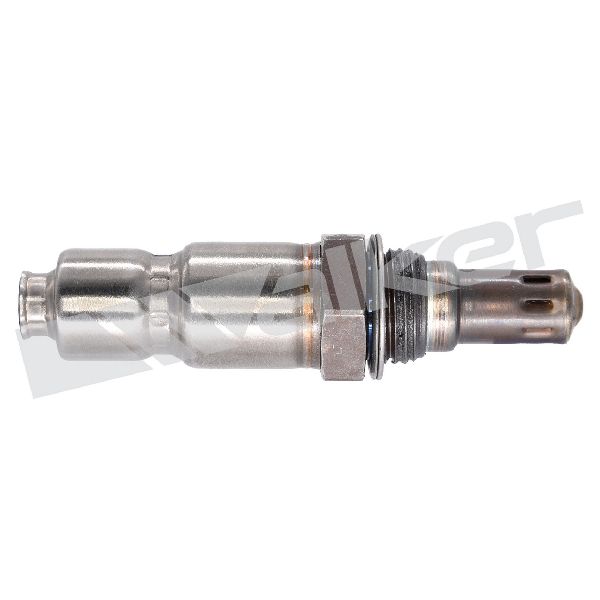
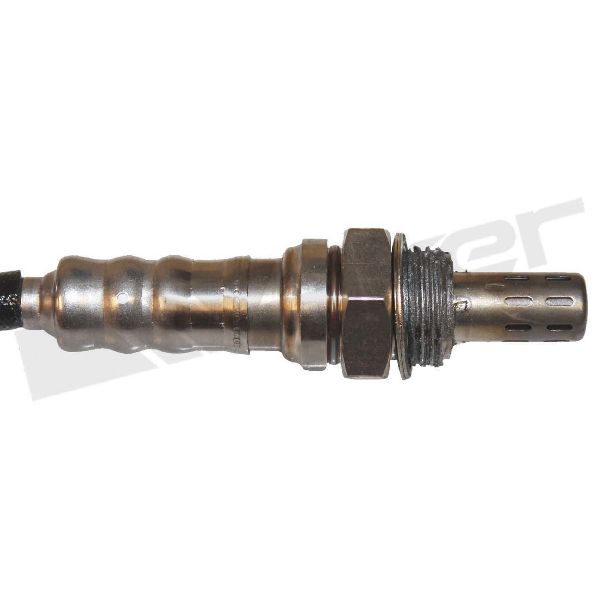
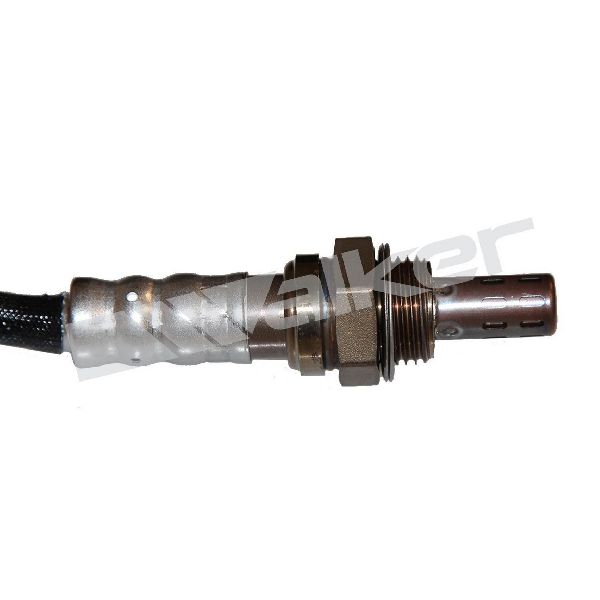
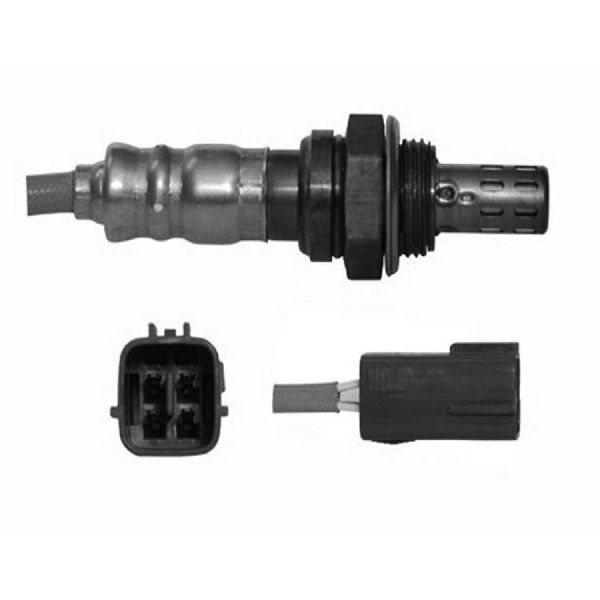
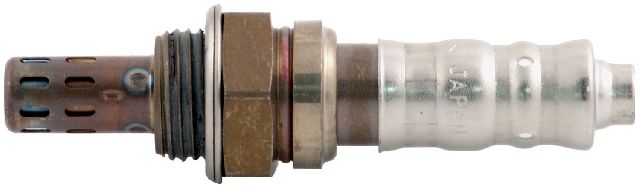
- Downstream Oxygen Sensor (Bank 1, Sensor 2)
(OEM #L541-18-861A, ZJ39-18-861A)— The internal heating element fails from age and heat cycles, which is the direct cause of the P0036 code.
Trusted brands: Denso, NGK/NTK, Bosch, DriveWire
OEM price range: $80-$120
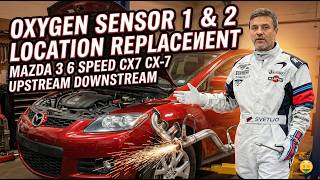
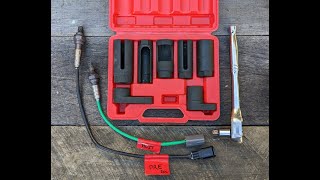
Aftermarket price range: $40-$80 - Oxygen Sensor Socket — A specialized 22mm (or 7/8") socket with a slot for the wire is highly recommended. It prevents damage to the wire and provides better leverage, which is crucial as sensors are often seized by rust. An offset wrench version can be particularly helpful for the tight access on this vehicle. 🎬 Watch a video guide on removing pre and post-cat sensors.
Trusted brands: Lisle, OEMTOOLS, GearWrench
Aftermarket price range: $10-$30
Mechanic-Grade Diagnostic Values
- Downstream O2 Sensor Heater Element Resistance — expected: Between 2.8 and 20 Ohms when cold. Specific values cited include ~6 Ohms and 2.8-6.0 Ohms.. Failure: An open circuit ('OL' on a multimeter) or a dead short (near 0 Ohms) indicates a failed heater element.
- Voltage at Heater Circuit Harness Connector (Power Pin) — expected: Approximately 12V (battery voltage) with the key on, engine off.. Failure: No voltage or significantly low voltage points to a blown fuse or a break in the power supply wire.
- Ground at Heater Circuit Harness Connector (Control Pin) — expected: The PCM provides a pulse-width modulated (PWM) ground, which may cause a test light to flash or appear dim when the engine is running. A multimeter may not give a steady reading.. Failure: A complete lack of ground signal (when tested with an appropriate tool like an oscilloscope or test light) points to a wiring break or a fault in the PCM driver circuit.
Scan Tool Commands That Help
- Manual Test (Multimeter + Bulb): Heater Circuit Load Test — As a substitute for a bidirectional scan tool command, a technician can connect a small incandescent bulb (like a #7440) to the vehicle's O2 sensor heater harness connector. The bulb draws a similar current to the heater. If the bulb lights up when the engine is started, it confirms the power and ground circuits are capable of handling the load, pointing towards a faulty sensor.
Wiring & Ground Locations
- PCM Pin 2T (2.0L) / 2S (2.5L) — At the main connector for the Powertrain Control Module (PCM), located in the engine bay.. This is the specific pin where the PCM sends the ground control signal for the downstream O2 sensor's heater. Testing for the PWM signal here can confirm if the PCM driver is functioning, which is the last step before condemning the PCM itself.
- G06 — On the left rear of the engine.. This is a primary engine ground point. A poor connection here can cause a variety of electrical issues, including intermittent or faulty sensor circuit codes like P0036.
- Exhaust Ground Strap — A braided metal strap connecting the exhaust system to the vehicle's chassis or subframe.. The exhaust system itself can be part of the sensor's ground path. If this strap is corroded, broken, or missing, it can cause erratic sensor readings and trigger heater circuit codes.
OEM Part Supersession History
L54118861, L54118861A9U→L541-18-861A— Standard part revision and consolidation by the manufacturer.
Heads up: This part number is specifically for the MZR 2.0L (non-Skyactiv) and 2.5L engines. It is not compatible with the 2.0L Skyactiv-G engine found in some 2012-2013 models.
Model Year Variations Within This Range
- 2012-2013: Some 2012-2013 Mazda 3 models were equipped with the new 2.0L Skyactiv-G engine. These engines use a different downstream oxygen sensor than the standard MZR 2.0L and 2.5L engines. It is critical to verify the engine type before ordering part number L541-18-861A.
Diagnostic Flowchart
Other Known Issues on This Vehicle
Issues unrelated to this code that are worth knowing about as an owner of this generation:
- Melting/Sticky Dashboard 🟠 Medium — Very common, especially in climates with high heat and humidity. Can begin to show at any mileage. (Ref: Mazda issued a warranty extension (SSP 99) covering this for 10 years/unlimited miles, but it has since expired for most vehicles.)
- Automatic Transmission Control Module (TCM) Failure 🔴 High — A known weak point on non-Skyactiv automatic models. The TCM is mounted on the transmission, exposing it to heat that can lead to failure, causing harsh shifting, getting stuck in gear, or the 'AT' light to illuminate.
- Premature Clutch Wear (Manual Transmission) 🟠 Medium — Reported by a number of owners of early 2nd-gen models, though clutch life is highly dependent on driving style. Some owners report clutches lasting over 150,000 miles, while others experience failure earlier.
- Failing Passenger Side Engine Mount 🟠 Medium — The hydraulic passenger-side engine mount is prone to leaking and collapsing, leading to excessive engine vibration and noise felt in the cabin, especially when in gear.
- Rear Tire Inner Edge Wear / Cupping 🟡 Low — Common if tire rotations are not performed frequently. The rear suspension geometry can cause the inside edge of the rear tires to wear unevenly, leading to a loud roaring or rumbling noise.
Used vs. New Parts: Buying Guide for This Vehicle
When a used part is the smart pick: A used part is NOT recommended for the oxygen sensor itself, as it is a wear-and-tear component with a finite lifespan. However, if diagnosis reveals a damaged wiring harness connector or a section of the engine harness, sourcing a used pigtail or harness from a reputable auto recycler is a very cost-effective and reliable repair.
Donor-vehicle mileage cap: roughly under 100000 miles for the part to have meaningful remaining life.
What to inspect on the donor part:
- For a used harness/connector, inspect for any signs of melting, especially near the exhaust.
- Check that the connector's plastic is not brittle and the locking tab is intact.
- Look for green or white corrosion on the electrical pins inside the connector.
- Avoid any harness sections with previous repairs using tape or butt connectors.
OEM-only on this vehicle (don't cheap out):
- Powertrain Control Module (PCM) - Requires vehicle-specific programming that makes used units difficult to implement.
Aftermarket brands forum-validated for this vehicle:
- Denso
- NGK/NTK
- Bosch
Brands owners have reported issues with on this vehicle:
- Unbranded, 'white-box' sensors from online marketplaces are frequently reported on forums to have high failure rates or cause compatibility issues.
Real Owner Stories
Aggregated from forums and TSBs cited above. Mileages and costs reflect what owners reported in those sources.
2012 Mazda 3 2.0L
Symptoms: The owner encountered an O2 sensor performance code (P013a) and needed to replace the sensor.
What fixed it: Replacing the sensor after soaking it with penetrating oil to assist with removal.
Source hint: r/MechanicAdvice
2012 Mazda 3 2.5L
Symptoms: Ongoing transmission issues and electrical concerns related to the TCM.
What fixed it: The source highlights the importance of checking electrical systems thoroughly on this platform, though the specific P0036 fix was part of a broader electrical diagnosis.
Source hint: Mazdas247.com - A thread titled '2012 Mazda3 2.5L with ongoing transmission issues'
Related OBD-II Codes
Frequently Asked Questions
Can I use a used oxygen sensor from a salvage yard to fix my P0036 code?
Which aftermarket sensor brands are recommended for the 2010-2013 Mazda 3?
Is there a specific fuse I should check for the O2 heater circuit on my Mazda 3?
Does the sticky dashboard warranty extension (SSP 99) cover my P0036 repair?
I'm also having harsh shifting and an 'AT' light; could this be related to P0036?
What resistance should I see when testing the downstream O2 sensor heater?
Helpful Videos

We Have This Part in Stock

The information in this article is provided for general reference and educational purposes only. Vehicle specifications, procedures, and part compatibility can vary by production date, trim level, and region. Always consult your vehicle's factory service manual and verify part numbers before purchasing or performing repairs. Safety-critical components such as airbags, seat belts, and braking systems should be installed by a qualified professional.
- Mazda 3:
- 🧭 Diagnostic Flowchart
- 🎬 Helpful Videos
- 🛍️ Shop This Part
- What's Unique About the 2010-2013 Mazda 3
- Symptoms You May Notice
- Most Likely Causes
- Rare But Worth Checking
- Diagnosis Steps
- Parts You'll Likely Need
- Mechanic-Grade Diagnostic Values
- Scan Tool Commands That Help
- Wiring & Ground Locations
- OEM Part Supersession History
- Model Year Variations Within This Range
- Other Known Issues on This Vehicle
- Used vs. New Parts: Buying Guide for This Vehicle
- Real Owner Stories
- 2012 Mazda 3 2.0L
- 2012 Mazda 3 2.5L
- Related OBD-II Codes
- Frequently Asked Questions
- 🎟️ Get 5% Off