

P0036 on 2008-2009 Pontiac G8 6.0L: O2 Sensor Heater Circuit Malfunction Causes and Fixes
On a 2008-2009 Pontiac G8 with the 6.0L V8, code P0036 almost always means the downstream oxygen sensor on the driver's side has failed. Specifically, the internal heater element has burned out. This is a common wear-and-tear failure. Before replacing the sensor, it's wise to check the 15A O2 sensor fuse located in the underhood fuse block. Replacing the sensor is the most common fix, costing around $40-$80 for a quality aftermarket part (like Denso or NTK) and is a straightforward DIY job for m
- P0036 on your G8 points directly to an electrical issue with the driver's side downstream O2 sensor heater.
- Before buying parts, check the F13 15A fuse in the underhood fuse box—it's a quick and easy check that could save you money.
- The most likely fix is replacing the sensor itself. This is a manageable DIY job for those comfortable working under their car.
- An O2 sensor socket (22mm or 7/8") makes removal and installation much easier.
What's Unique About the 2008-2009 Pontiac G8
The Pontiac G8 is a Holden-based platform, but it uses a standard GM LS-series V8 engine (the L76) and common GM electronics. For code P0036, there are no significant platform-specific quirks; the causes and fixes are typical for most GM vehicles. While other O2-related codes on the G8 have TSBs pointing to non-obvious causes like fuel injectors, P0036 is a direct electrical fault code. The problem is almost certainly confined to the sensor's heater, its wiring, or its fuse. The wiring for the downstream sensors runs close to the transmission and exhaust, making it susceptible to melting if not properly secured.
Symptoms You May Notice
- Check Engine Light is on.
- Failure to pass an emissions test.
- In rare cases, a very slight decrease in fuel economy may be noticed over a long period.
- Replacing the wrong oxygen sensor. P0036 is for Bank 1 (driver's side) and Sensor 2 (downstream, after the catalytic converter). It is easy to mix up banks or confuse the upstream (Sensor 1) with the downstream (Sensor 2).
Most Likely Causes
- Failed Bank 1 Sensor 2 Oxygen Sensor 🔴 High Probability → Shop Oxygen Sensor The internal heating element of an oxygen sensor is a common failure point due to thousands of heat cycles. It's considered a wear-and-tear item. The heater element is a resistor that simply burns out over time.
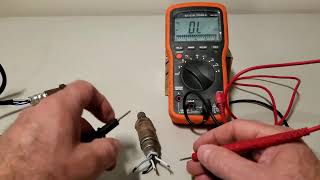
How to confirm: Disconnect the sensor and measure the resistance between the two heater circuit pins (usually the two wires of the same color, e.g., two black wires). A healthy sensor should have a resistance typically between 3 and 15 ohms when cold. An open circuit (infinite resistance or 'OL' on a multimeter) confirms the heater has failed. 🎬 Watch: How to test if your O2 heater element is bad.
Typical fix: Replace the Bank 1, Sensor 2 (driver's side, downstream) oxygen sensor. Using an O2 sensor socket is highly recommended.
Est. part cost: $40-$80 - Damaged Wiring or Connector 🟡 Medium Probability The sensor wiring is routed near the hot exhaust system and transmission. Plastic clips can become brittle and break, allowing wires to touch the exhaust and melt, causing a short circuit. This is a known issue on many platforms where O2 sensor wires are not properly secured after other service work.
How to confirm: Visually inspect the entire harness from the sensor to the main loom. Look for melted insulation, chafed wires, or corrosion inside the connector. Pay close attention to where the harness passes over the transmission and near the exhaust pipes.
Typical fix: Repair the damaged section of the wire using solder and heat shrink, 🎬 See how to fix a shorted O2 sensor without replacing it. or replace the connector pigtail 🎬 Watch this guide on how to repair cut O2 sensor wiring. if the damage is at the connector itself.
Est. part cost: $10-$30 - Blown Fuse ⚪ Low Probability A short circuit in the heater element or its wiring can cause the corresponding fuse to blow as a protective measure.
How to confirm: Locate the fuse for the O2 sensor heaters in the underhood fuse box. For the 2008-2009 G8, this is typically fuse F13 (15A), labeled "O2 SEN". Visually inspect it or test for continuity with a multimeter.
Typical fix: Replace the blown fuse. If it blows again immediately, a short circuit exists in the wiring or one of the O2 sensors that must be found and repaired.
Est. part cost: $1-$5
Rare But Worth Checking
- Faulty Powertrain Control Module (PCM): → Shop Engine Control Module (ECM) This is extremely rare. The PCM's internal driver for the heater circuit would have to fail. All other possibilities should be exhaustively ruled out before considering the PCM as the cause.
Diagnosis Steps
- Verify the code P0036 is present using an OBD-II scanner.
- Locate the underhood fuse box and check the F13 (15A) fuse labeled "O2 SEN". Replace if blown. If it blows again, a short circuit is present.
- Raise the vehicle safely. Locate the Bank 1 Sensor 2 oxygen sensor on the driver's side exhaust pipe, just after the catalytic converter.
- Inspect the sensor's wiring harness and connector for any signs of melting, chafing, or physical damage, especially where it runs near the exhaust or transmission.
- If the wiring looks good, disconnect the sensor. Use a multimeter set to Ohms to test the resistance across the heater circuit pins on the sensor side (typically the two same-colored wires). A reading of 'OL' or infinite resistance indicates a failed heater element. A good sensor will read between 3-15 ohms.
- If resistance is within spec, test the harness connector (vehicle side). With the key on, engine off, check for 12V power on the power wire (often Pink/White) and a good ground on the other heater wire which is controlled by the PCM.
- If power, ground, and sensor resistance are all good, there may be a wiring issue between the connector and the PCM, or a rare PCM fault.
Parts You'll Likely Need
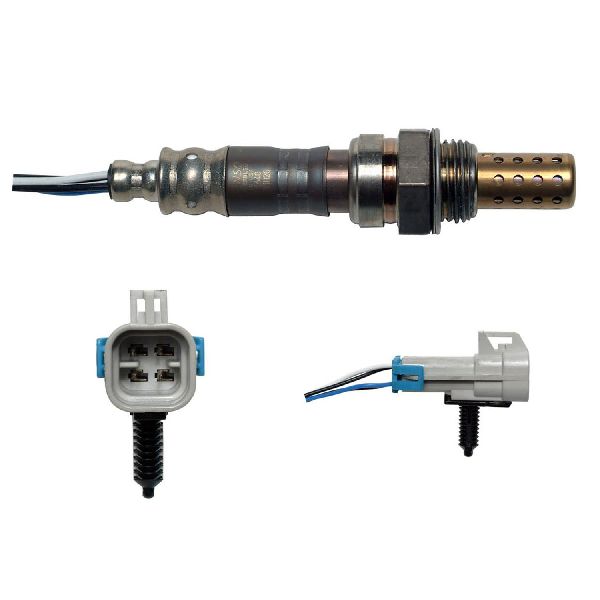
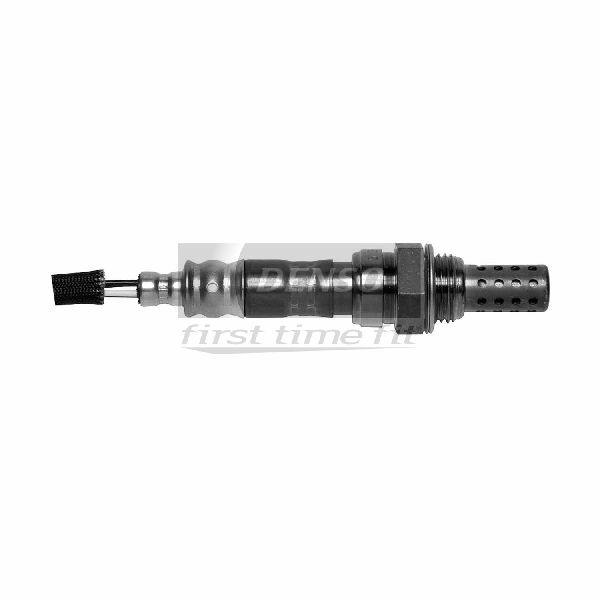
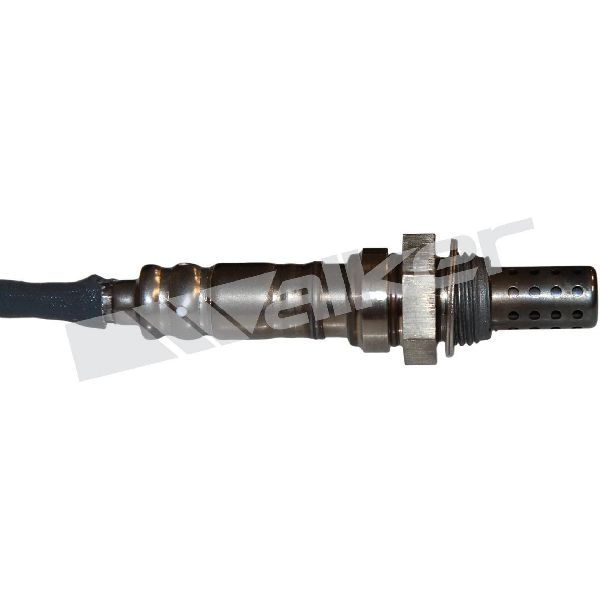
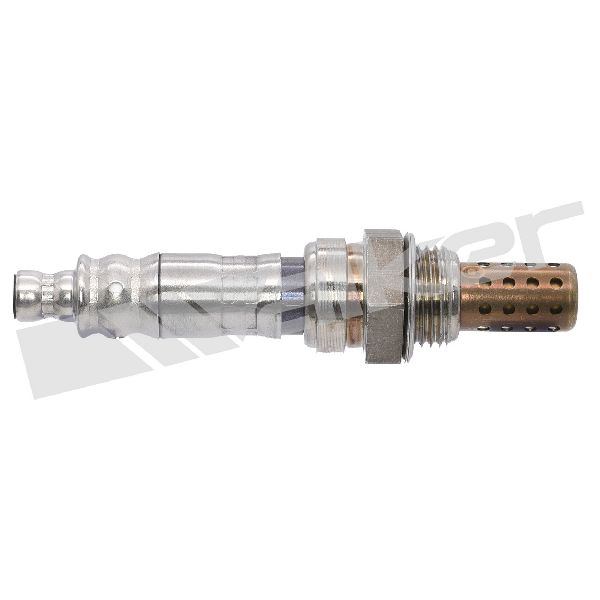
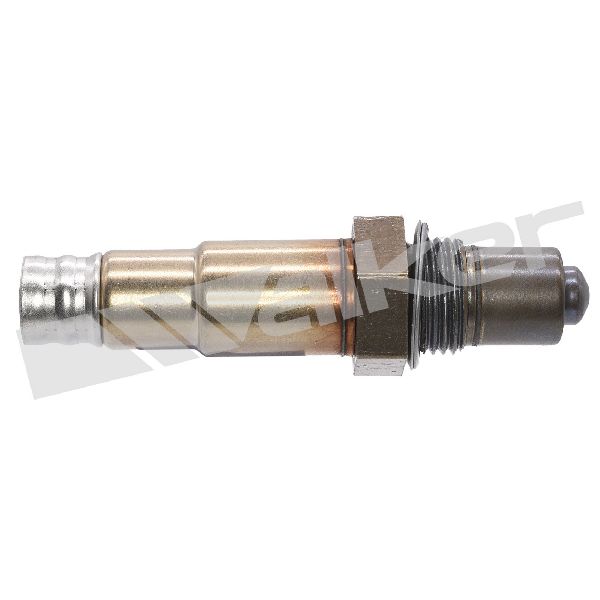
- Downstream Oxygen Sensor (Bank 1 Sensor 2)
(OEM #12569429)— This is the component that contains the heater element that fails and triggers code P0036. The internal heater is a common wear item.
Trusted brands: ACDelco (GM Original), Denso (OEM quality), NTK, Bosch
OEM price range: $55-$105
Aftermarket price range: $40-$80
Platform-Specific Known Issues
- Owner Experience: Simple Sensor Swap: A user on g8board.com with a 2009 G8 GT reported getting code P0036. After confirming Bank 1 is the driver's side, they purchased a new Denso sensor. The most difficult part of the job was reported to be safely jacking up the car and reaching the sensor, which was tight but accessible. After replacing the sensor and clearing the code, the check engine light did not return. This is the most typical repair story.
- Repair Story: Melted Wiring Harness: In a thread on a popular GM forum, a G8 owner found that a P0036 code was caused by the sensor's wiring harness falling from its retaining clip and melting on the hot exhaust pipe. The wires shorted together, blowing the O2 sensor fuse. The fix involved repairing the melted wires with new sections of wire, solder, and heat shrink, and then replacing the fuse. The sensor itself was not damaged. This highlights the importance of checking the wiring path carefully.
Mechanic-Grade Diagnostic Values
- O2 Sensor Heater Element Resistance — expected: 2.8 to 20 Ohms (commonly 5-10 Ohms on a good sensor). Failure: Infinite resistance ('OL' on multimeter) indicates an open/burned-out heater. Very low resistance (under 1 Ohm) indicates a short.
- O2 Sensor Heater Circuit Current Draw — expected: 0.5 - 1.5 Amps. Failure: 0 Amps indicates an open circuit (bad heater or wiring). Higher than 1.5 Amps suggests a short circuit.
- O2 Sensor Heater Power Supply (at harness connector) — expected: 12V (Battery Voltage) with Key On, Engine Off. Failure: 0V indicates a blown fuse, bad relay, or wiring issue between the fuse box and the sensor.
- O2 Sensor Warm-Up Time — expected: Sensor should reach operating temperature (approx. 600°F) within 2 minutes of a cold start.. Failure: Failure to reach temperature in the specified time, as viewed on a scan tool's live data, confirms a faulty heater.
Scan Tool Commands That Help
- Tech2 / GDS2 / Professional Scan Tool: HO2S Heater Resistance Learn Reset — This function should be performed after replacing an O2 sensor. The PCM learns the specific resistance of the heater on a cold start. Failing to reset this can cause the PCM to use an old value, leading to improper heater control and potentially a recurring P0036 code.
- Professional Scan Tool: Clear All DTCs — On these GM vehicles, simply clearing all codes (even if none are present) also performs the heater resistance learn reset, making it a viable alternative to the specific reset function.
- Professional Scan Tool: O2 Sensor Heater Activation (Bidirectional Test) — This command allows the technician to manually turn the heater circuit on and off to verify the PCM driver, wiring, and sensor are all functioning. While active, the current draw can be measured to confirm it's within spec (0.5-1.5A).
Wiring & Ground Locations
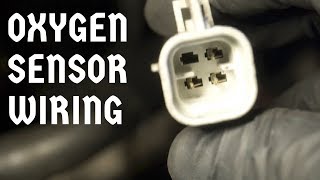
- B1S2 Heater Circuit Wires — At the 4-wire connector for the driver's side, post-catalytic converter O2 sensor.. The heater circuit consists of two same-colored wires (often both black or both white). These are the wires to probe for resistance on the sensor side and for 12V/ground on the harness side. A vehicle-specific wiring diagram should be consulted for exact colors and pin numbers.
- G103 / G110 — G103 is on the RH (passenger) front cylinder head, grounding to the ABS bracket. G110 is also on the RH front cylinder head, grounding the engine harness.. A poor engine-to-chassis ground can create voltage offsets and floating grounds, causing the PCM to misinterpret sensor readings, including the O2 heater circuit diagnostics. Ensuring these main engine grounds are clean and tight is a crucial step in any electrical diagnosis.
- G112 — Located on the LH (driver) rear cylinder head, grounding the engine harness.. This is another primary engine harness ground. A fault here could directly impact the circuits on the driver's side of the engine, including the Bank 1 O2 sensors.
Real Owner Repair Stories
- GRRRR8.net Forum User (Pontiac G8 with L76, after aftermarket long tube header installation.) — Check Engine Light with codes P0030 and P0050 (heater circuit faults for both front O2 sensors).
❌ Tried (didn't work) Initially suspected bad O2 sensors.
✅ What actually fixed it The user discovered the O2 sensor wiring harnesses had not been properly secured away from the new headers. The wires had sagged, touched the hot exhaust pipes, and melted through, causing a short in the heater circuits. Repairing the melted wires and properly securing them away from the exhaust resolved the codes.
OEM Part Supersession History
12569429→ACDelco 213-1568— Standard part number consolidation. 213-1568 is the service part number for the original 12569429.
Heads up: Some documentation for this part states it may require 'programming and/or special setup procedures'. This refers to the 'HO2S Heater Resistance Learn Reset' which should be performed with a scan tool after installation to ensure the PCM uses the correct resistance value for the new heater.
Diagnostic Flowchart
Real Owner Stories
Aggregated from forums and TSBs cited above. Mileages and costs reflect what owners reported in those sources.
2009 Pontiac G8 GT
Symptoms: Check engine light came on with code P0036.
What fixed it: Replaced the Bank 1 Sensor 2 (driver's side) oxygen sensor with a new Denso unit and cleared the code. The check engine light did not return.
Source hint: g8board.com (Owner Experience: Simple Sensor Swap)
Pontiac G8
Symptoms: Code P0036 appeared alongside a blown O2 sensor fuse.
What fixed it: Found the wiring harness had fallen from its retaining clip and melted on the hot exhaust pipe, shorting the wires. Repaired the melted wires with new sections of wire, solder, and heat shrink, then replaced the blown fuse. The sensor itself was not replaced.
Source hint: popular GM forum (Repair Story: Melted Wiring Harness)
Related OBD-II Codes
Frequently Asked Questions
Which exact oxygen sensor needs to be replaced for code P0036 on my 2008-2009 Pontiac G8?
What are the recommended replacement sensor brands for the G8's L76 engine?
I have a P0036 code and my O2 sensor fuse keeps blowing. What is causing this?
How can I test if the Bank 1 Sensor 2 heater element is actually bad before buying a new sensor?
Is it hard to replace the Bank 1 Sensor 2 oxygen sensor on a 2009 G8 GT myself?
Does the P0036 code affect other vehicles with the 6.0L L76 V8?
Helpful Videos


We Have This Part in Stock


The information in this article is provided for general reference and educational purposes only. Vehicle specifications, procedures, and part compatibility can vary by production date, trim level, and region. Always consult your vehicle's factory service manual and verify part numbers before purchasing or performing repairs. Safety-critical components such as airbags, seat belts, and braking systems should be installed by a qualified professional.
- Pontiac G8:
- 🧭 Diagnostic Flowchart
- 🎬 Helpful Videos
- 🛍️ Shop This Part
- What's Unique About the 2008-2009 Pontiac G8
- Symptoms You May Notice
- Most Likely Causes
- Rare But Worth Checking
- Diagnosis Steps
- Parts You'll Likely Need
- Platform-Specific Known Issues
- Mechanic-Grade Diagnostic Values
- Scan Tool Commands That Help
- Wiring & Ground Locations
- Real Owner Repair Stories
- OEM Part Supersession History
- Real Owner Stories
- 2009 Pontiac G8 GT
- Pontiac G8
- Related OBD-II Codes
- Frequently Asked Questions
- 🎟️ Get 5% Off