

P0036 on 2011-2012 Ram 3500 6.7L Cummins: Heater Circuit Causes and Fixes
On the 2011-2012 Ram 3500 6.7L Cummins, code P0036 is almost always caused by a faulty oxygen sensor wiring connector, not the sensor itself. The most reliable fix is installing a Mopar overlay harness (P/N 68250763AA), which costs around $70-$120 and is the official repair outlined in TSB 25-002-14.
- For a 2011-2012 Ram 3500 6.7L, do NOT immediately replace the O2 sensor for code P0036.
- The most likely cause is a faulty wiring harness or connector, a known issue addressed by multiple Chrysler TSBs.
- The most reliable and permanent fix is to install the Mopar O2 Sensor Overlay Harness (part number 68250763AA).
- While working, inspect the O2 sensor module on the passenger-side frame rail for corrosion, as it's another common failure point.
- Only after the wiring harness and module have been confirmed good should you consider replacing the O2 sensor itself.
What's Unique About the 2011-2012 Ram 3500
For the 2011-2012 Ram 3500 with the 6.7L Cummins engine, this code is a well-documented platform-specific issue. Unlike many other vehicles where P0036 points to a failed sensor, on these trucks it is most frequently caused by faulty electrical connectors or wiring. Chrysler issued a series of Technical Service Bulletins (TSBs) for trucks built before October 4, 2012. TSB 25-003-13 specifically noted that some 2011 models were built with incorrect tin-plated terminals instead of the specified gold-plated ones, causing poor connectivity and high resistance. The initial fix in TSB 25-004-12 was to replace the connectors, but this was later superseded by TSB 25-002-14, which mandates installing a full overlay harness as the definitive repair.
Symptoms You May Notice
- Check Engine Light is on
- Vehicle will fail an emissions test
- Potentially slightly reduced fuel economy
- In rare cases, the engine may enter a limited power 'limp mode'.
- Replacing the oxygen sensor first. On this specific truck and engine, the wiring is the most likely cause. Replacing the sensor without addressing the known connector issue will not fix the problem and is a waste of money.
Most Likely Causes
- Faulty O2 Sensor Wiring or Connectors 🔴 High Probability → Shop Oxygen Sensor This is a widely documented factory issue. TSB 25-004-12 and others were released because the original connectors were prone to failure, sometimes due to using tin-plated instead of gold-plated terminals. This issue is specific to trucks built before October 4, 2012.
How to confirm: Visually inspect the O2 sensor harness for signs of melting, chafing, or corrosion, especially where it might rub against the transmission. Test for power and ground at the connector. Given the known issue, if wiring appears suspect, proceeding with the TSB-recommended fix is the most direct path.
Typical fix: Install the Mopar O2 Sensor Overlay Harness (P/N 68250763AA) to bypass the problematic factory wiring. This is the official factory fix per TSB 25-002-14, which supersedes earlier bulletins.
Est. part cost: $70-$120 - Corroded O2 Sensor Module 🟡 Medium Probability → Shop Oxygen Sensor The 6.7L Cummins uses a separate O2 sensor module mounted on the passenger-side frame rail. Its exposed location makes it highly susceptible to water and road salt, leading to corrosion on the connector pins. This can cause P0036 and often a U011A (Loss of Communication with O2 Sensor Module) code.
How to confirm: Locate the module on the passenger-side frame rail behind the cab, sometimes behind a protective cover. Disconnect it and inspect the connector pins for green or white corrosion, or any signs of water intrusion.
Typical fix: Clean the connector pins on both the module and harness with a contact cleaner if corrosion is minor and apply dielectric grease before reconnecting. If the module or connector is heavily damaged, it will need to be replaced. Modules with part numbers ending in 'AG' or later are reportedly less prone to failure.
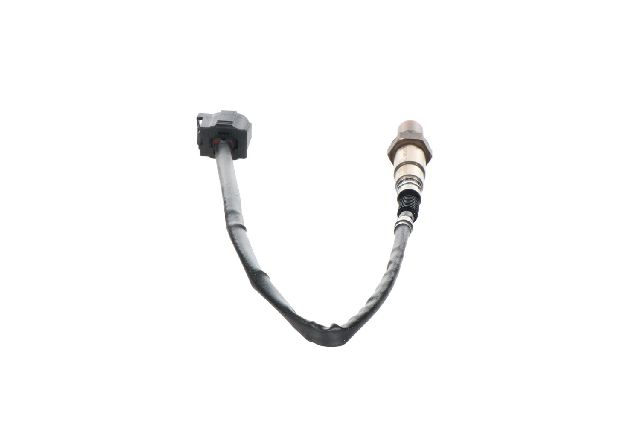
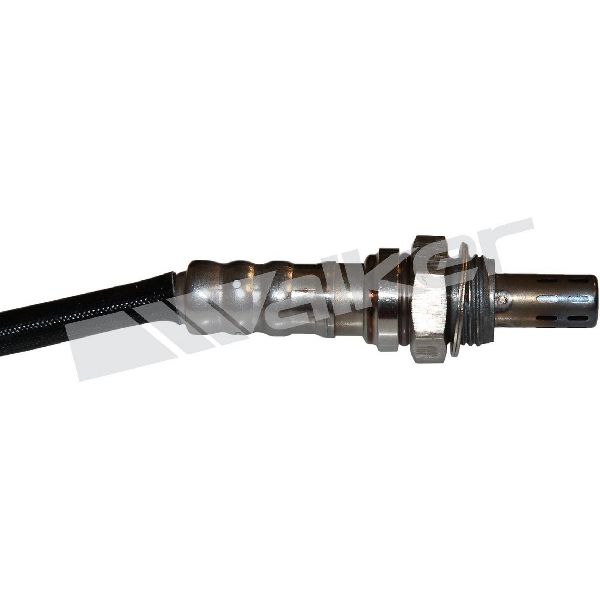
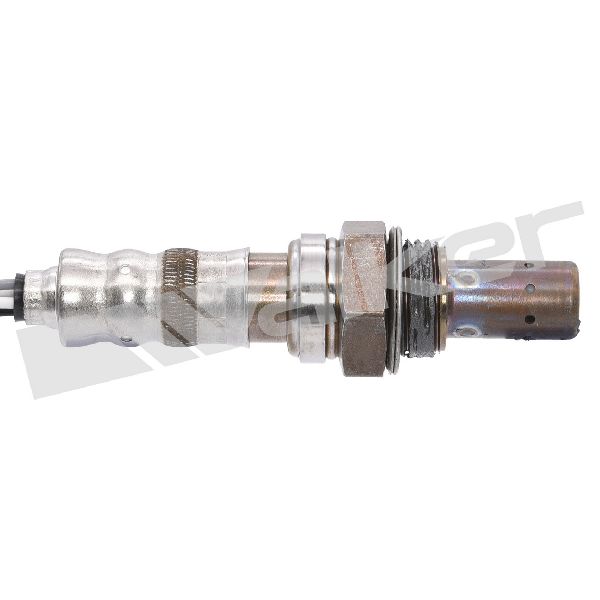
Est. part cost: $100-$200 - Failed Oxygen Sensor (Bank 1, Sensor 2) ⚪ Low Probability → Shop Oxygen Sensor While this is the most common cause on many other vehicles, it is not the primary suspect for this code on the 6.7L Cummins due to the known wiring issues. The internal heater element can still fail, however. The sensor should only be replaced after the wiring and module are confirmed to be good.
How to confirm: After confirming the wiring, connector, and O2 module are all in good condition, the sensor itself becomes the likely culprit. The heater circuit resistance can be tested with a multimeter; an out-of-spec reading or an open circuit confirms failure. A good sensor typically has a resistance between 2.0 and 30.0 Ohms.
Typical fix: Replace the Bank 1, Sensor 2 oxygen sensor.
Est. part cost: $50-$180
Rare But Worth Checking
- Blown Fuse: Always a simple and important first check. The O2 sensor heater circuits are fused, often in the under-hood fuse box (TIPM). Check fuses like M28 or M33.
- Faulty Powertrain Control Module (PCM): → Shop Engine Control Module (ECM) This is extremely rare. The PCM should only be considered after all other possibilities, including the sensor, wiring, and fuses, have been exhaustively tested and ruled out.
Diagnosis Steps
- Read the code with an OBD-II scanner and check for any other related codes.
- Check the fuse for the O2 sensor heater circuit in the under-hood fuse box (TIPM), specifically fuses M28 and M33.
- Visually inspect the wiring harness and connector for the Bank 1, Sensor 2 O2 sensor. Look for any signs of melting, chafing, corrosion, or damage. Pay close attention to where the harness might contact the exhaust or transmission.
- Locate the O2 sensor module on the passenger-side frame rail. Inspect its connector for any signs of water intrusion or corrosion.
- If the visual inspection reveals no obvious faults, the most probable cause is still the faulty factory connector. It is highly recommended to perform the TSB-directed repair by installing the overlay harness (P/N 68250763AA).
- Only after the wiring harness and O2 module have been confirmed to be in good condition should you test the O2 sensor itself. Use a multimeter to check the resistance of the heater circuit within the sensor. A reading between 2.0 and 30.0 Ohms is generally considered good.
- If the sensor's heater circuit tests bad (e.g., open circuit/infinite resistance), replace the Bank 1, Sensor 2 oxygen sensor.
Parts You'll Likely Need
- O2 Sensor Overlay Harness
(OEM #68250763AA)— This is the official and most reliable fix for the common wiring connector issue that causes P0036 on this specific vehicle, as recommended by Chrysler TSB 25-002-14. This part supersedes a previous part number 68203454AA.
Trusted brands: Mopar
OEM price range: $70-$120
Aftermarket price range: $50-$100 - Oxygen Sensor (Bank 1, Sensor 2)
(OEM #05149263AA)— This part should only be replaced after the wiring and O2 module have been ruled out as the cause. The internal heater element can fail, but it's less common than the wiring issue on this truck. This part number may also replace 68067170AA.
Trusted brands: Mopar, Denso, Bosch, NTK
OEM price range: $100-$180
Aftermarket price range: $50-$120
Related Codes That Often Appear With This One
- P0037 — Indicates the heater circuit voltage is low, often appearing with P0036 as both point to a problem in the same circuit, like a broken wire. It is explicitly listed in TSB 25-002-14.
- P0038 — Indicates the heater circuit voltage is high, suggesting a short to power in the same circuit. It is also covered by the same TSBs.
- P0054 — This code for 'HO2S Heater Resistance (Bank 1, Sensor 2)' directly measures the electrical integrity of the same heater element and is often triggered alongside P0036, as noted in TSB 25-004-12.
- U011A — Indicates a loss of communication with the O2 Sensor Module. This strongly points to a problem with the module itself (often due to corrosion) or the wiring leading to it, rather than the O2 sensor.
Technical Service Bulletins (TSBs) & Recalls
- TSB 25-004-12: Malfunction Indicator Lamp Illumination Due To Oxygen Sensor - Involves replacement of the Oxygen Sensor Connectors for any Oxygen Sensor related DTC.
- TSB 25-003-13: Addressed the wiring issue for 2011 models, noting that some harnesses were built with incorrect tin-plated terminals instead of gold-plated ones.
- TSB 25-002-14: Supersedes the earlier TSBs and recommends the overlay harness P/N 68250763AA as the definitive fix for a long list of O2 sensor codes.
Platform-Specific Known Issues
- TSB 25-004-12 specifically addresses P0036 (and other O2 codes) on 6.7L Cummins trucks built before October 4, 2012, directing technicians to replace the O2 sensor connectors as the first step of diagnosis.
- A later TSB, 25-002-14, superseded the earlier bulletins and introduced a more robust overlay harness (P/N 68250763AA) to more permanently fix the wiring issue.
Mechanic-Grade Diagnostic Values
- O2 Sensor Heater Element Resistance — expected: 2.0 to 30.0 Ohms at ambient temperature. Some sources cite a tighter range of 4-10 Ohms.. Failure: A reading of 'OL' (infinite resistance) indicates an open circuit/burned-out heater. A reading near zero ohms indicates a short circuit.
- O2 Sensor Heater Power Supply Voltage (at harness connector) — expected: Approximately 12V (Battery Voltage) with Key On, Engine Off (KOEO).. Failure: Zero or very low voltage points to a blown fuse (M28, M33) or an open in the power supply wire from the TIPM.
- O2 Sensor Module Connector Pin Voltages (KOEO) — expected: Pin 9 (Pink/Light Green wire) should have ~12V (Ignition Run-Start Output). Pin 10 (Black wire) should have continuity to ground (<1 Ohm).. Failure: No voltage on Pin 9 indicates a wiring issue from the TIPM. High resistance on Pin 10 indicates a bad ground connection for the module.
- Live Data O2 Sensor Percentage Variance (Post-Repair) — expected: During a 50 MPH drive with 10-second deceleration events, the percentage values for sensor 1/1 and 1/2 should not vary by more than 4.0% from each other.. Failure: Variance greater than 4.0% will result in MIL illumination and requires further diagnosis.
Scan Tool Commands That Help
- wiTECH or equivalent professional scanner: O2 Sensor Heater Actuation Test — After verifying power and ground to the sensor, this command allows a technician to manually command the O2 Sensor Module to turn the heater on and off. This directly tests the module's driver circuit and the wiring integrity under load.
- wiTECH: Oxygen Sensor Verification Test — This is a specific procedure outlined in TSB 25-004-12 to be performed after a repair. It involves a specific drive cycle (driving at 50 MPH, performing deceleration events) to ensure the PCM 'relearns' the sensors and confirms the variance between them is within the acceptable range (less than 4.0%) to prevent the check engine light from returning.
Wiring & Ground Locations
- O2 Sensor Module — On the outside of the right (passenger side) frame rail, just behind where the cab meets the bed. It is a silver box approximately 4"x 6", sometimes behind a plastic shield.. This module is the central hub for the O2 sensors. Its exposed location makes it and its 16-pin connector extremely vulnerable to water and road salt, causing corrosion on the pins that leads directly to P0036 and communication code U011A.
- O2 Sensor Module Connector (Harness Side) — Connects to the O2 Sensor Module on the passenger frame rail.. The overlay harness (68250763AA) plugs directly into this module. Pin 9 (Pink/Light Green) is ignition power, and Pin 10 (Black) is the module ground. Verifying voltage and ground here is a key diagnostic step.
- Main Engine Ground — A main ground cable runs from the passenger side battery negative terminal directly to the engine block.. While not specific to the O2 circuit, a poor main engine ground can cause a host of floating voltages and unpredictable electrical issues across the entire engine management system.
Real Owner Repair Stories
- Turbo Diesel Register & Cummins Forum user reports (2007-2012 Ram 2500/3500 with 6.7L Cummins) — Recurring Check Engine Light with various O2 sensor codes (P0036 family, P2A00, P2A01) and sometimes U011A.
❌ Tried (didn't work) Replacing the O2 sensors multiple times., Replacing sections of the wiring harness.
✅ What actually fixed it The root cause was water and road salt from the road splashing onto the O2 Sensor Module on the frame rail, corroding the connector pins. The fix was to disconnect the module, clean the water and green corrosion from the pins with compressed air and contact cleaner, apply dielectric grease, and securely reconnect it. In some cases, the module itself was too damaged and required replacement.
OEM Part Supersession History
68203454AA→68250763AA— The original TSBs involved replacing just the pigtail connectors. This was found to be insufficient, and the fix was updated to a full overlay harness for a more robust and permanent repair.68067170AA→05149263AA— Standard part number update/revision for the Bank 1 Sensor 2 oxygen sensor.
Model Year Variations Within This Range
- 2011-2012: These model years use a Diesel Particulate Filter (DPF) and NOx Absorption Catalyst (NAC) but do NOT use Diesel Exhaust Fluid (DEF). The emissions system is known to be less reliable than the later 2013+ models which introduced DEF/SCR technology.
- 2011: TSB 25-003-13 specifically noted that some 2011 model year harnesses were built with incorrect tin-plated terminals at the O2 sensor module instead of the specified gold-plated ones, making them exceptionally prone to high resistance and corrosion that triggers heater circuit codes like P0036.
- Build date before Oct. 4, 2012: Vehicles built before this date are subject to TSB 25-002-14 and TSB 25-004-12, which recommend the overlay harness repair. Vehicles built after this date have an updated factory harness and should not experience this specific widespread wiring failure.
Diagnostic Flowchart
Other Known Issues on This Vehicle
Issues unrelated to this code that are worth knowing about as an owner of this generation:
- EGR Cooler Failure 🔴 High — Common after 70,000-100,000 miles. Failure can be gradual (clogging) or sudden (rupture).
- Front End 'Death Wobble' 🔴 High — Can occur at any mileage, but becomes more common as front-end components wear. Often triggered by hitting a bump at highway speeds (45-65 mph). (Ref: Recall N49 (for some model years, addresses tie-rod ends))
- Variable Geometry Turbo (VGT) Actuator/Sticking Vanes 🟠 Medium — Common failure point, especially on trucks with frequent short trips or idling, which accelerates soot buildup.
- Totally Integrated Power Module (TIPM) Failure 🟠 Medium → Shop Fuse Box — A well-known issue for 2011-2012 Ram trucks.
- Radiator End Tank Seepage/Leaks 🟡 Low — Becomes more common with age and heat cycles, especially on trucks used for heavy towing.
Used vs. New Parts: Buying Guide for This Vehicle
When a used part is the smart pick: A used O2 Sensor Module from a donor vehicle in a dry climate could be a cost-effective option if the original is corroded beyond repair. However, given the low cost of the primary fix (overlay harness), used parts are generally not recommended for this repair.
Donor-vehicle mileage cap: roughly under 100000 miles for the part to have meaningful remaining life.
What to inspect on the donor part:
- For an O2 Sensor Module, inspect the connector pins for any signs of green or white corrosion.
- Check the case of the module for physical damage or signs of water intrusion.
- Verify the donor vehicle is from a region without heavy road salt use (e.g., southern vs. northern states).
OEM-only on this vehicle (don't cheap out):
- O2 Sensor Overlay Harness - The Mopar harness (68250763AA) is the proven, TSB-mandated fix. While some aftermarket versions exist, the OEM part is validated to solve the specific factory defect.
Aftermarket brands forum-validated for this vehicle:
- NTK, Denso, Bosch for the Oxygen Sensor itself. These are often the original equipment manufacturers and are highly trusted.
Brands owners have reported issues with on this vehicle:
- Unnamed or generic "white box" oxygen sensors. Forum users frequently report that cheap, unbranded sensors either fail quickly or are not calibrated correctly for the Cummins engine, causing the code to return.
Real Owner Stories
Aggregated from forums and TSBs cited above. Mileages and costs reflect what owners reported in those sources.
2011 Ram 3500 6.7L Cummins
Symptoms: Multiple O2 sensor replacements failed to clear the code; recurring P0036 and communication issues.
What fixed it: Cleaning green and white corrosion off the O2 sensor module connector pins on the frame rail and applying dielectric grease.
Source hint: cumminsforum.com discussion on P0036 and O2 module corrosion
2012 Ram 3500 6.7L Cummins
Symptoms: Persistent O2 sensor codes that would not stay cleared despite replacing the Bank 1 Sensor 2 unit.
What fixed it: Installation of the Mopar O2 Sensor Overlay Harness (P/N 68250763AA) per TSB 25-002-14.
Source hint: turbodieselregister.com discussion regarding TSB 25-002-14 as the ultimate fix
Related OBD-II Codes
Frequently Asked Questions
Does TSB 25-004-12 apply to my 2012 Ram 3500 built in late 2012?
I've replaced my O2 sensor twice but P0036 keeps coming back. What is the definitive factory fix?
Where is the O2 sensor module located on the 6.7L Cummins, and why does it fail?
Which fuses should I check for the O2 sensor heater circuit on my 2011 Ram 3500?
Is there a specific part number for the O2 sensor module that is less prone to these failures?
My truck has tin-plated terminals in the O2 harness; is this a known issue?
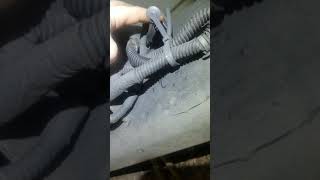
Helpful Videos
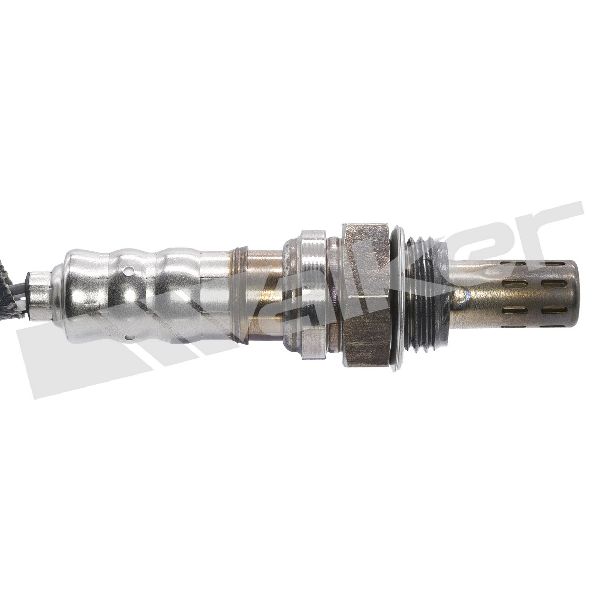
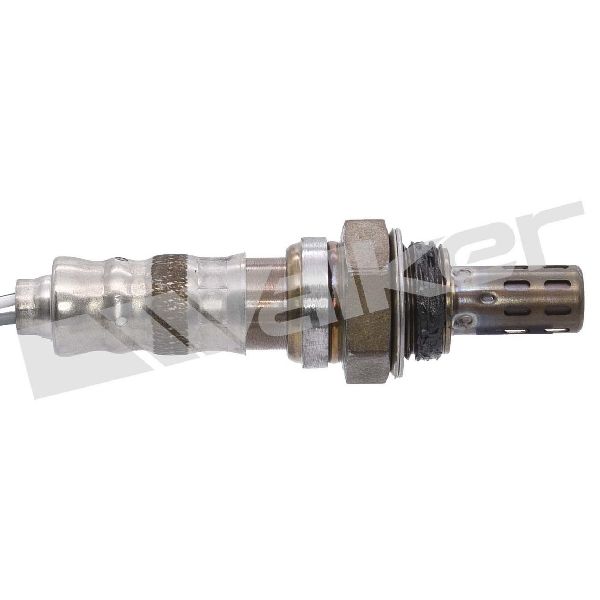
We Have This Part in Stock


The information in this article is provided for general reference and educational purposes only. Vehicle specifications, procedures, and part compatibility can vary by production date, trim level, and region. Always consult your vehicle's factory service manual and verify part numbers before purchasing or performing repairs. Safety-critical components such as airbags, seat belts, and braking systems should be installed by a qualified professional.
- Ram 3500:
- 🧭 Diagnostic Flowchart
- 🎬 Helpful Videos
- 🛍️ Shop This Part
- What's Unique About the 2011-2012 Ram 3500
- Symptoms You May Notice
- Most Likely Causes
- Rare But Worth Checking
- Diagnosis Steps
- Parts You'll Likely Need
- Related Codes That Often Appear With This One
- Technical Service Bulletins (TSBs) & Recalls
- Platform-Specific Known Issues
- Mechanic-Grade Diagnostic Values
- Scan Tool Commands That Help
- Wiring & Ground Locations
- Real Owner Repair Stories
- OEM Part Supersession History
- Model Year Variations Within This Range
- Other Known Issues on This Vehicle
- Used vs. New Parts: Buying Guide for This Vehicle
- Real Owner Stories
- 2011 Ram 3500 6.7L Cummins
- 2012 Ram 3500 6.7L Cummins
- Related OBD-II Codes
- Frequently Asked Questions
- 🎟️ Get 5% Off