

P0036 on 2011-2018 Subaru Forester 2.5L: Rear O2 Sensor Heater Circuit Causes and Fixes
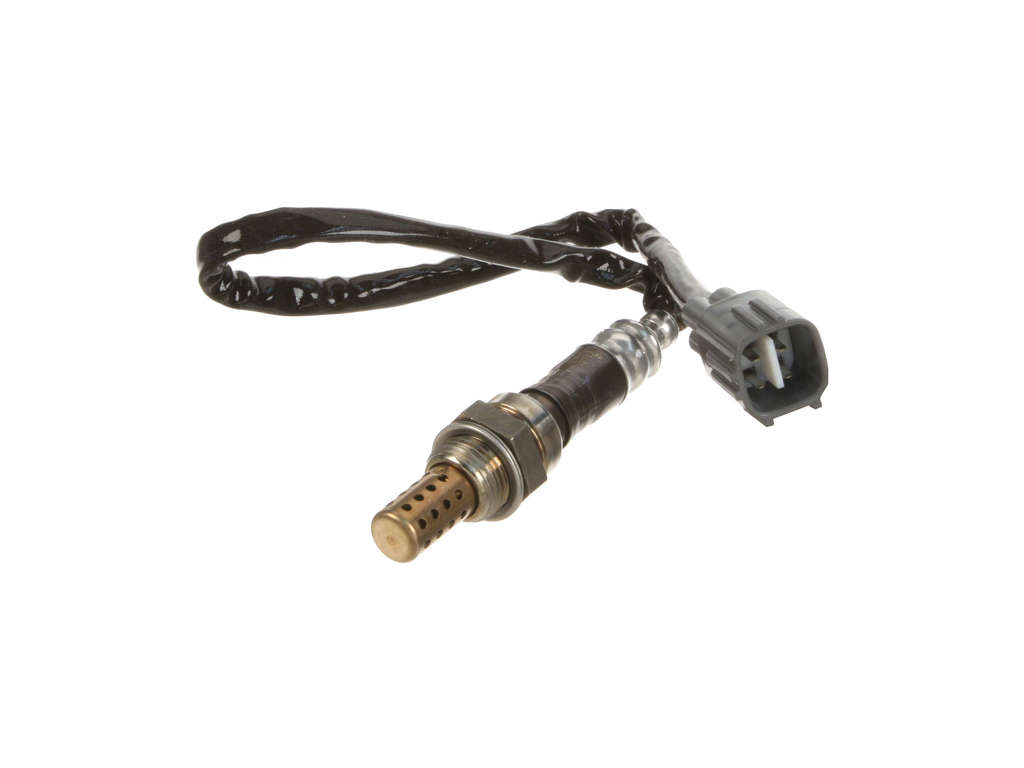
This code almost always means the rear oxygen sensor's internal heater has failed. On a 2011-2018 Forester, expect to pay $70-$120 for an aftermarket sensor (like Denso or Bosch) or $150-$220 for an OEM part. Replacement is a straightforward DIY job (2/5 difficulty) with the right O2 sensor socket.
- P0036 on your Forester points directly to a problem with the rear (downstream) oxygen sensor's heater circuit.
- The most likely cause, by far, is a failed sensor that needs to be replaced.
- This is a DIY-friendly repair; the main challenge is often a rusty sensor seized in the exhaust. Use penetrating fluid and a proper 22mm (or 7/8") O2 sensor socket.
- Denso is the original equipment manufacturer; using a Denso (part #234-4513) or other quality aftermarket sensor is a reliable and cost-effective repair.
- Fixing this will turn off the Check Engine Light and re-enable your cruise control.
What's Unique About the 2011-2018 Subaru Forester
On the 2.5L non-turbo Boxer engine, there is only one cylinder bank, so 'Bank 1' is the only bank. The key challenge for this repair is often not the diagnosis but the physical removal of the old sensor, which can seize in the exhaust pipe due to rust and heat cycles. The electrical connector is conveniently located on the passenger side of the engine bay, next to the air intake snorkel. A common and frustrating Subaru feature is that this code, like almost any Check Engine Light fault, will disable the cruise control system and other driver aids as a safety precaution.
Generation note: This range covers two Forester generations: the SH (2011-2013) and the SJ (2014-2018). Both generations used the 2.5L FB25 engine (non-turbo), so the causes, symptoms, and repair process for code P0036 are virtually identical between them. The location of the sensor and its connector in the engine bay is consistent across these years. Part numbers are interchangeable across this entire year range.
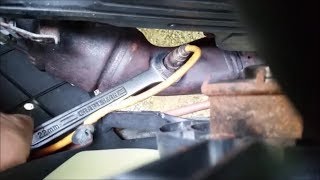
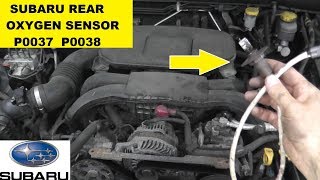
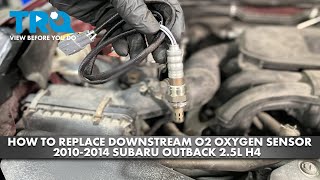
🎬 Watch: A complete walkthrough for replacing both Subaru oxygen sensors.Symptoms You May Notice
- Check Engine Light is on
- Cruise control is disabled (a common Subaru feature when a CEL is present)
- Vehicle may fail an emissions test
- In some rare cases, a subtle change in fuel economy, but this is not typical for a downstream sensor issue.
- Replacing the front (upstream) Air/Fuel ratio sensor instead of the rear (downstream) oxygen sensor. P0036 specifically points to Sensor 2, which is after the catalytic converter.
Most Likely Causes
- Failed Rear Oxygen Sensor 🔴 High Probability → Shop Oxygen Sensor The internal heater element is a common failure point on oxygen sensors after many years and thousands of heat cycles. It's a wear-and-tear item.
How to confirm: Disconnect the sensor and measure the resistance between the two same-colored wires (usually black) leading into the sensor. An infinite resistance or 'OL' reading on a multimeter indicates the heater circuit is open and the sensor is bad. 🎬 See how to test and replace the rear oxygen sensor. A healthy heater should have a low resistance, typically between 5 and 15 ohms, with some sources citing values as low as 2 ohms or as high as 25 ohms being acceptable. A reading of 0 ohms indicates a short circuit, which also requires sensor replacement.
Typical fix: Replace the rear (downstream) oxygen sensor.
Est. part cost: $70-$220 - Damaged Wiring or Connector ⚪ Low Probability The wiring harness runs near the hot exhaust system and can become brittle or damaged over time, though it is fairly well-protected on the Forester.
How to confirm: Visually inspect the wiring harness from the sensor up to the connector in the engine bay for any signs of melting, chafing, or breaks. Check for corrosion or water intrusion in the connector itself. With the ignition on, check for 12-volt power at the harness-side connector on the appropriate pin (a wiring diagram is needed to be certain).
Typical fix: Repair or replace the damaged section of the wiring harness. Clean or replace the connector if corroded.
Est. part cost: $10-$50 - Blown Fuse ⚪ Low Probability
How to confirm: Check the fuse box in the engine compartment for a blown fuse. On this platform, it is often Fuse #13 (15A) in the main fuse box, labeled for the A/F and O2 sensors. A blown fuse often indicates a short circuit in the wiring or the sensor itself that must be found and repaired.
Typical fix: Replace the blown fuse after diagnosing and fixing the underlying short circuit.
Est. part cost: $1-$5
Rare But Worth Checking
- Faulty Engine Control Module (ECM): → Shop Engine Control Module (ECM) This is extremely rare. The ECM should only be considered after all other possibilities, including the sensor, wiring, and fuses, have been thoroughly ruled out with a multimeter.
Diagnosis Steps
- Read the code with an OBD-II scanner to confirm P0036 is the only code present.
- Visually inspect the rear oxygen sensor's wiring harness for any obvious damage, such as melting or breaks, from the exhaust pipe up to the engine bay.
- Locate Fuse #13 (15A) in the engine bay fuse box and check if it is blown.
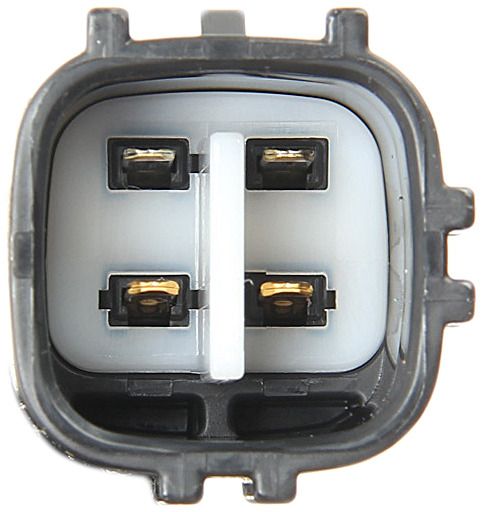
- If the fuse and wiring appear intact, disconnect the rear O2 sensor's electrical connector (the all-gray connector located on the passenger side of the engine bay).
- Use a multimeter set to Ohms (Ω) to measure the resistance across the two heater pins on the sensor side of the connector (these are the two black wires).
- If the multimeter reads infinite resistance (Open Loop) or zero (short), the heater inside the sensor has failed and the sensor must be replaced.
- A good sensor should read between 5 and 15 ohms, though some service data suggests a tighter range near 2-6 ohms.
- If the resistance is within spec, check for 12V power at the harness-side connector with the vehicle's ignition on (but engine off). If there is no power, a wiring or fuse issue is the primary suspect.
- If all tests pass but the code persists, the issue may be an intermittent wiring fault or, very rarely, the ECM.
Parts You'll Likely Need
- Rear Oxygen Sensor (Downstream)
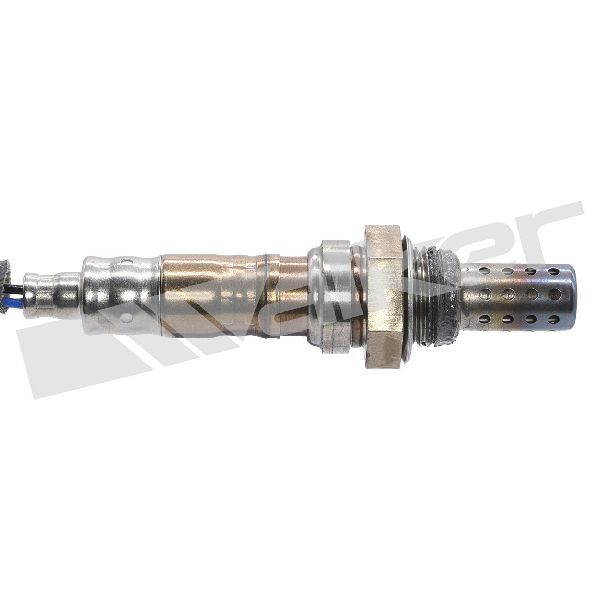
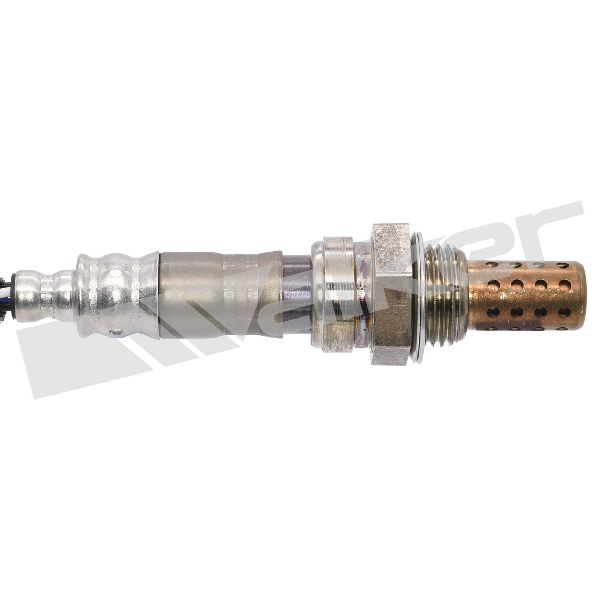
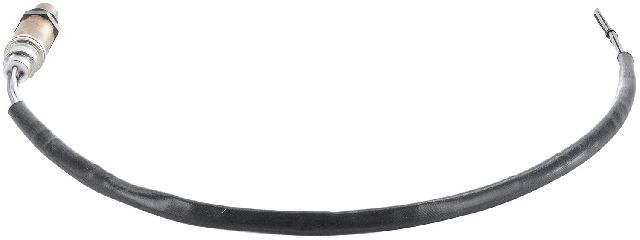
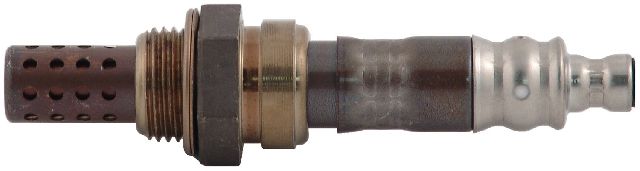
(OEM #22690AA960)— This is the most common failure for code P0036, as the internal heater element burns out over time. Denso is the Original Equipment Manufacturer (OEM) for Subaru.
Trusted brands: Denso (OEM), Bosch, NGK/NTK
OEM price range: $150-$220
Aftermarket price range: $70-$120
Technical Service Bulletins (TSBs) & Recalls
- While no TSBs directly address P0036 specifically, TSB 11-130-13R addresses other DTCs for the FB engine family and shows the level of detail Subaru provides for sensor-related diagnostics, though it is not directly relevant to fixing P0036.
Platform-Specific Known Issues
- Cruise Control Disabled by CEL: A well-documented behavior on Subarus is the disabling of cruise control, and often other systems like EyeSight and traction control, whenever any check engine light is active. Many owners are surprised by this, but it is intentional. Clearing the P0036 code by fixing the sensor will restore cruise control function.
Mechanic-Grade Diagnostic Values
- O2 Sensor Heater Element Resistance — expected: ~2 to 6 Ohms. Failure: Infinite resistance (Open/OL) or 0 Ohms (Short).
- O2 Sensor Heater Circuit Current Draw — expected: Typically 0.5 Amps. Failure: Significantly higher or lower current draw, which may point to a short or open circuit respectively.
- Heater Circuit Ground Path Resistance — expected: Less than 0.1 Ohms. Failure: Values above 0.1 Ohms imply a poor ground connection, which can cause intermittent voltage drops and trigger the code.
Scan Tool Commands That Help
- Subaru Select Monitor (SSM) or equivalent professional scanner: ECM Reprogramming/Calibration Update — Extremely rare for this code. Only to be considered if a software update specifically addressing heater circuit misreads has been released by Subaru and all hardware (sensor, wiring, grounds, fuse) has been proven to be good.
Wiring & Ground Locations
- Exhaust Ground Strap — A small braided metal strap connecting the exhaust heat shield to the vehicle's frame, often located just inches away from the rear O2 sensor.. This strap provides a critical ground path for the O2 sensor through its body. If it corrodes and breaks (common in salt-belt regions), the sensor can lose its ground, causing a heater circuit fault even with a brand new sensor. OEM Denso sensors often have a metal plate designed to contact the heat shield to utilize this ground.
- Ge-1 — Main engine ground point located at the top center rear of the engine.. This is a primary ground point for the engine controls system. While less likely to be the sole cause for a specific sensor code, ensuring it is clean and tight is good practice during any electrical diagnosis.
- E25 / B19 — The wiring diagram identifier for the rear oxygen sensor's electrical connector.. Knowing these IDs helps in locating the correct connector and pinouts on a factory wiring diagram. 'B19' is associated with earlier models (up to 2013 Forester XT) and 'E25' with later models (2014+ Forester XT), suggesting a possible connector housing change between generations.
Real Owner Repair Stories
- Reddit user on r/subaru (2021 Subaru (newer model, but same design principle)) — Persistent O2 sensor 'heating circuit' error code on cold starts.
❌ Tried (didn't work) Replaced rear O2 sensor with an aftermarket NTK brand sensor; code returned immediately., Replaced the sensor again with an OEM Denso brand sensor; code still returned.
✅ What actually fixed it The owner discovered a grounding strap running from the exhaust heat shield to the vehicle frame, located two inches from the O2 sensor, was completely corroded and severed. After replacing the broken strap with a simple copper wire, the code was resolved permanently. The user noted the OEM Denso sensor has a metal plate that contacts the heat shield, making this ground path essential.
When the Usual Fixes Don't Work
- In at least one documented case, replacing the rear O2 sensor, even with an OEM Denso part, did not fix the P0036 code. The actual cause was a completely corroded and severed exhaust-to-frame ground strap located near the sensor. The fix was to replace this inexpensive strap, after which the code was resolved. This highlights the importance of checking all ground paths, not just the wiring in the sensor's harness.
OEM Part Supersession History
22690AA960→22690AA96A— Standard part number revision or supplier change.
Heads up: The parts are considered fully interchangeable.
Model Year Variations Within This Range
- 2011-2013 (SH) vs 2014-2018 (SJ): While the sensor itself (22690AA960) is the same, the harness-side electrical connector receptacle may have a different housing. Wiring diagrams identify the connector as 'B19' for the SH generation Forester XT and 'E25' for the SJ generation Forester XT. This does not affect the repair but is a notable physical difference.
Diagnostic Flowchart
Other Known Issues on This Vehicle
Issues unrelated to this code that are worth knowing about as an owner of this generation:
- Excessive Oil Consumption 🔴 High — Common on 2011-2014 models with the FB25 engine, less so on 2015+. Caused by faulty piston rings. Can start as early as 60,000 miles. (Ref: TSB 02-157-14R; led to a class-action lawsuit and an extended warranty (8yr/100k miles) for affected vehicles.)
- CVT Transmission Issues 🟠 Medium — Reports of shuddering, hesitation, or outright failure. Most common on 2014-2015 models but can affect the entire generation. (Ref: Subaru extended the CVT warranty to 10 years/100,000 miles for many models, including the Forester, due to customer complaints.)
- Premature Wheel Bearing Failure 🟠 Medium — A humming or grinding noise from the wheel area that changes with speed is a common complaint, sometimes occurring before 100,000 miles.
- Front O2 (A/F) Sensor Failure 🟡 Low → Shop Oxygen Sensor — The front air/fuel ratio sensor is also a common failure item, though it produces different codes (e.g., P0171). (Ref: There was a recall for some early models related to the front O2 sensor.)
- Rear Suspension Spring Failure 🟡 Low — Some reports of rear coil springs breaking, particularly on 2014 models. (Ref: A recall was issued for some Foresters for faulty rear suspension springs.)
Used vs. New Parts: Buying Guide for This Vehicle
When a used part is the smart pick: For an oxygen sensor, a used part is almost never a smart choice. It is a wear-and-tear component with a finite lifespan. The labor to install it is the same, and the risk of premature failure is high. Only consider if it's from a verified, extremely low-mileage wreck and is significantly cheaper than a new part.
Donor-vehicle mileage cap: roughly under 20000 miles for the part to have meaningful remaining life.
What to inspect on the donor part:
- Verify the donor vehicle's mileage is low.
- Inspect the part for physical damage, heavy corrosion, or oil contamination.
- Ensure the electrical connector is clean and free of bent or corroded pins.
OEM-only on this vehicle (don't cheap out):
- Oxygen Sensor: While not strictly 'OEM-only', forum consensus strongly indicates that using the OEM supplier (Denso) is the most reliable path to avoid compatibility issues.
Aftermarket brands forum-validated for this vehicle:
- Denso (OEM supplier)
Brands owners have reported issues with on this vehicle:
- Generic/unbranded sensors from eBay or Amazon: These are frequently cited as being poor quality, failing quickly, or being out of spec right out of the box.
- Bosch: While a major brand, some Subaru owners have reported compatibility issues and premature failures with Bosch sensors in their vehicles.
Real Owner Stories
Aggregated from forums and TSBs cited above. Mileages and costs reflect what owners reported in those sources.
2011 Subaru Outback 2.5L Boxer — 173000 miles
Symptoms: Trouble codes associated with the rear oxygen sensor heater circuit; owner demonstrated testing procedures for P0037/P0038 which are identical for P0036.
What fixed it: Testing the heater circuit resistance with a multimeter to confirm failure and replacing the rear oxygen sensor.
Source hint: YouTube - CarsNToys channel
2011-2018 Subaru Forester 2.5L
Symptoms: Check Engine Light active and cruise control disabled; owner noted the challenge of removing the old, rusted sensor from the exhaust.
What fixed it: Replacement of the rear O2 sensor with Denso part number 234-4513.
Source hint: subaruforester.org
2011-2018 Subaru Forester 2.5L
Symptoms: Check Engine Light on; user identified the downstream sensor location and confirmed cruise control was disabled.
What fixed it: Replacing the downstream sensor using a Denso OEM supplier part.
Source hint: Reddit r/Subaru thread titled 'O2 Sensor'
Related OBD-II Codes
Frequently Asked Questions
Why did my cruise control stop working at the same time the Check Engine Light came on for P0036?
Which specific replacement sensor is recommended for the 2011-2018 Forester to fix P0036?
How can I test if the rear O2 sensor heater is actually bad before buying a new one?
Is there a specific fuse I should check for the O2 sensor heater circuit on this platform?
Does TSB 11-130-13R provide the fix for my P0036 code?
Could my Forester's excessive oil consumption be related to the P0036 code?
Helpful Videos
We Have This Part in Stock

The information in this article is provided for general reference and educational purposes only. Vehicle specifications, procedures, and part compatibility can vary by production date, trim level, and region. Always consult your vehicle's factory service manual and verify part numbers before purchasing or performing repairs. Safety-critical components such as airbags, seat belts, and braking systems should be installed by a qualified professional.
- Subaru Forester:
- 🧭 Diagnostic Flowchart
- 🎬 Helpful Videos
- 🛍️ Shop This Part
- What's Unique About the 2011-2018 Subaru Forester
- Symptoms You May Notice
- Most Likely Causes
- Rare But Worth Checking
- Diagnosis Steps
- Parts You'll Likely Need
- Technical Service Bulletins (TSBs) & Recalls
- Platform-Specific Known Issues
- Mechanic-Grade Diagnostic Values
- Scan Tool Commands That Help
- Wiring & Ground Locations
- Real Owner Repair Stories
- When the Usual Fixes Don't Work
- OEM Part Supersession History
- Model Year Variations Within This Range
- Other Known Issues on This Vehicle
- Used vs. New Parts: Buying Guide for This Vehicle
- Real Owner Stories
- 2011 Subaru Outback 2.5L Boxer — 173000 miles
- 2011-2018 Subaru Forester 2.5L
- 2011-2018 Subaru Forester 2.5L
- Related OBD-II Codes
- Frequently Asked Questions
- 🎟️ Get 5% Off