

P0036 on 2010-2012 Subaru Legacy 2.5L: Rear O2 Sensor Heater Fault Causes and Fixes
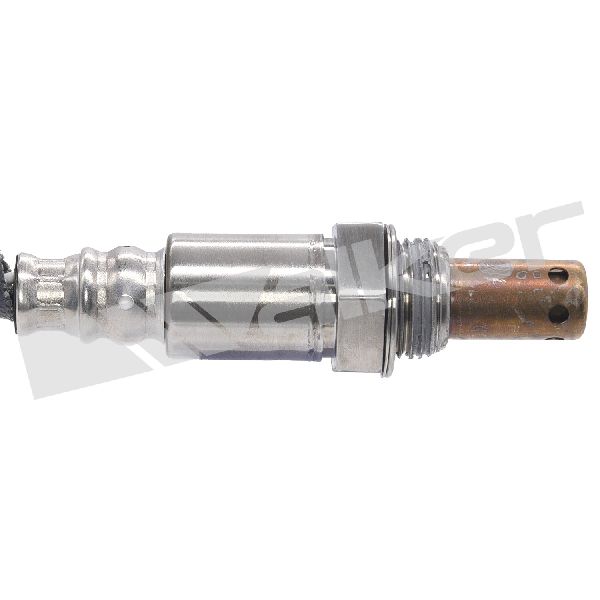
On a 2010-2012 Subaru Legacy with the 2.5L EJ253 engine, code P0036 almost always means the internal heater in the rear (downstream) oxygen sensor has failed. The most likely fix is replacing the sensor, which costs about $70-$120 for a quality aftermarket part and is a DIY-friendly job. Before replacing, test the sensor's resistance and check the 15A 'A/F Heater' fuse.
- P0036 on your 2010-2012 Legacy almost certainly means the rear oxygen sensor needs to be replaced.
- This is a DIY-friendly repair; the main challenge can be removing the old sensor if it is seized by rust. Use penetrating oil and a dedicated 22mm O2 sensor socket.
- Fixing this code is necessary to pass an emissions test and will also re-enable your cruise control.
- Always use a direct-fit sensor from a reputable brand like Denso (p/n 234-4445) or NTK (p/n 24642); avoid universal sensors and be cautious with Bosch on this platform.
- Before buying parts, take 5 minutes to check the 15A 'A/F Heater' fuse and test the sensor's resistance (spec: 5-15 ohms) to confirm the failure.
What's Unique About the 2010-2012 Subaru Legacy
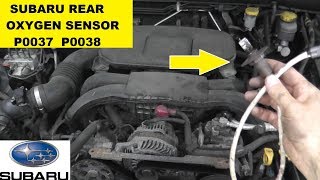
For this generation of Subaru Legacy, the P0036 code is a very common and straightforward issue that almost exclusively points to the rear O2 sensor's internal heater failing. A key Subaru-specific trait is that any Check Engine Light, including for P0036, will cause the cruise control light to flash and disable the system as a safety alert. Conveniently, the electrical connector for the rear O2 sensor on the EJ253 engine is a gray plug located in the engine bay on the passenger side, making it easy to access for testing without needing to lift the car.
Symptoms You May Notice
- Check Engine Light is on
- Cruise control is disabled and the indicator light may be flashing.
- Vehicle will fail an emissions test.
- No noticeable change in drivability or fuel economy.
- Replacing the front Air/Fuel Ratio sensor (Sensor 1) instead of the rear Oxygen Sensor (Sensor 2). The code P0036 specifically refers to the rear, downstream sensor.
- Using a cheap, universal-fit oxygen sensor. These often have poor reliability and require splicing wires, which can introduce new points of failure and lead to the code returning.
- Using a Bosch sensor. While a quality brand, many Subaru owners in forums report compatibility issues and recommend sticking to Denso or NTK for this application.
Most Likely Causes
- Failed Rear Oxygen Sensor 🔴 High Probability → Shop Oxygen Sensor The internal heater element of the O2 sensor is a known wear item that burns out over time, typically between 100,000 and 150,000 miles. Due to its location in the hot exhaust stream, it is subjected to extreme temperature cycles.
How to confirm: Disconnect the sensor's gray electrical connector (in the engine bay) and use a multimeter to measure the resistance across the two heater pins (typically the two same-colored, often black, wires on the sensor side). A reading of 'OL' (over-limit) or infinite resistance indicates a burned-out heater element. A healthy sensor should have a low resistance, with forum and service data consensus for this platform being between 5 and 15 ohms.
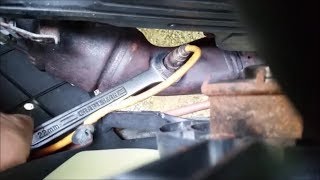
Typical fix: Replace the rear (Bank 1, Sensor 2) oxygen sensor. Soaking the sensor's threads in penetrating oil (like PB Blaster) before removal is highly recommended to avoid issues with rust. A 22mm or 7/8" offset oxygen sensor socket is required.
Est. part cost: $70-$120 - Blown Fuse ⚪ Low Probability
How to confirm: Check the 15A 'A/F Heater' fuse in the engine bay fuse box. Visually inspect if the fuse is blown or test for continuity with a multimeter.
Typical fix: Replace the blown fuse. If the new fuse blows immediately, it indicates a short circuit in the wiring that must be traced and repaired.
Est. part cost: $1-$5 - Damaged Wiring or Connectors ⚪ Low Probability The wiring harness runs underneath the vehicle and is exposed to road debris, heat, and moisture, which can cause damage over time. The connector pins can also become corroded.
How to confirm: Visually inspect the entire wiring harness from the O2 sensor to the engine bay connector for any signs of melting, chafing, corrosion, or breaks. Check the connector pins for corrosion or damage.
Typical fix: Repair the damaged section of wiring or replace the corroded connector.
Est. part cost: $10-$50
Rare But Worth Checking
- Faulty Engine Control Module (ECM): → Shop Engine Control Module (ECM) This is extremely rare. The ECM should only be considered as the cause after all other possibilities (sensor, wiring, fuses) have been exhaustively tested and ruled out.
Diagnosis Steps
- Read the code with an OBD-II scanner to confirm P0036 is present.
- Check the 'A/F Heater' fuse (typically 15A) in the engine bay fuse box. Replace if blown.
- Visually inspect the oxygen sensor wiring harness for any obvious damage, such as melting, fraying, or corrosion.
- Locate the rear O2 sensor's gray electrical connector in the passenger side of the engine bay. Disconnect it.
- Using a multimeter set to Ohms (Ω), measure the resistance between the two heater circuit pins on the sensor side of the connector (usually the two wires of the same color, often black). A reading between 5-15 Ohms is good. A reading of infinite resistance (Open Loop / OL) confirms the heater element has failed.
- If the sensor resistance is normal, test for 12V power at the corresponding pin on the harness side of the connector with the ignition on (engine off). A lack of voltage points to a wiring or fuse issue.
- If power and sensor resistance are good, the issue may be in the ground control wire leading back to the ECM, or, very rarely, the ECM itself.
- If the sensor's heater circuit is confirmed to be open, replace the rear oxygen sensor using a 22mm (or 7/8") O2 sensor socket.
Parts You'll Likely Need
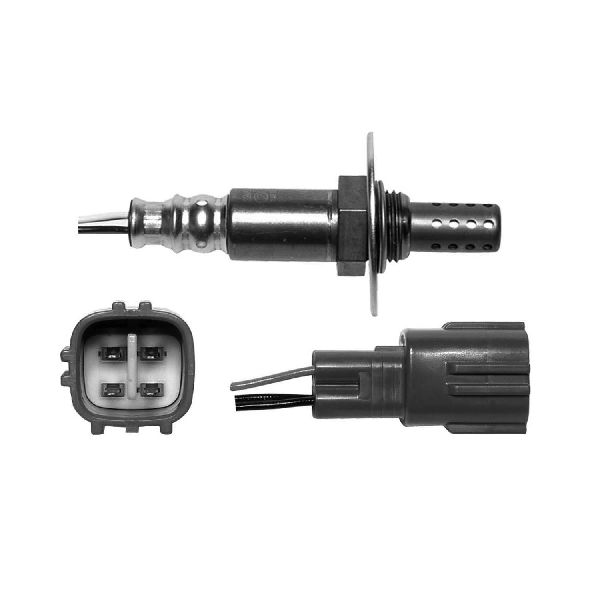
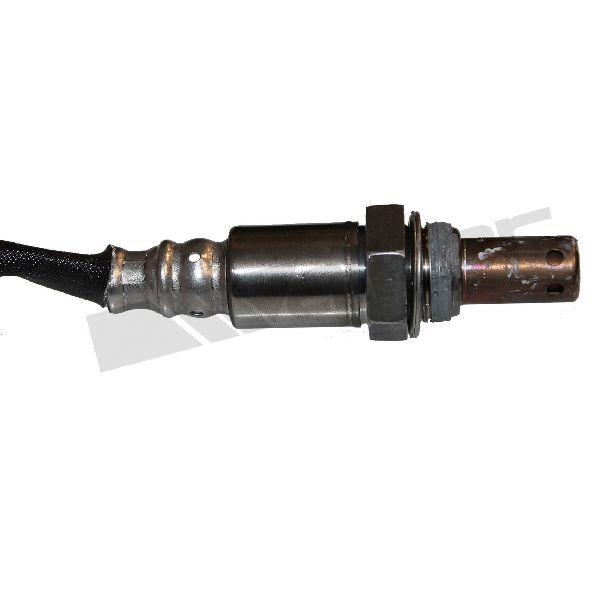
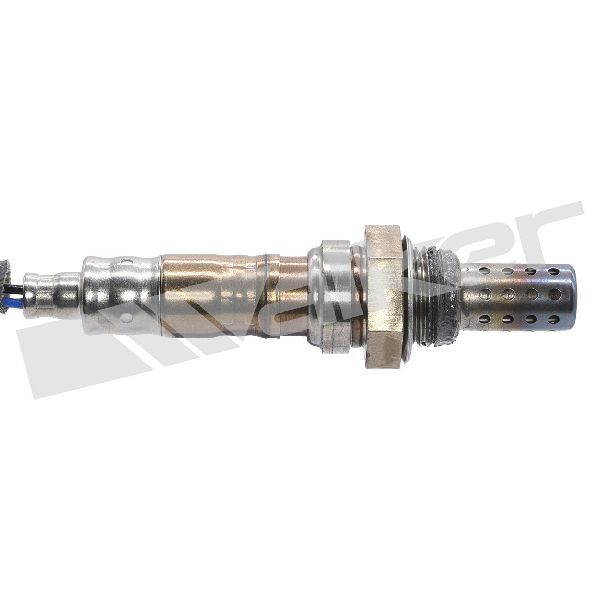
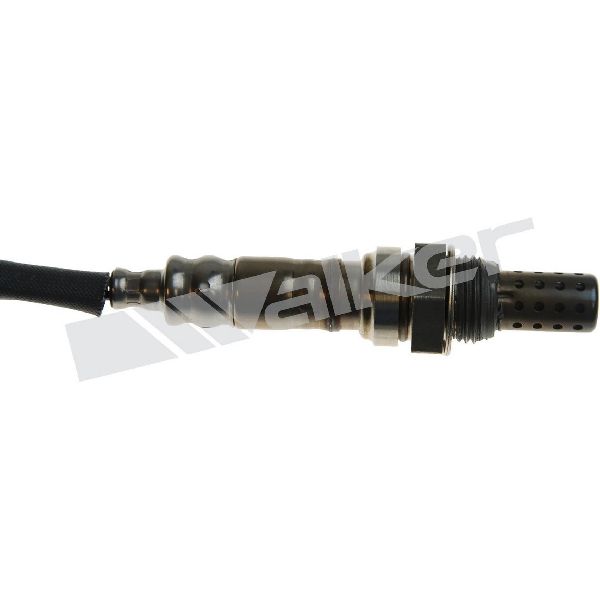
- Rear Oxygen Sensor (Bank 1, Sensor 2)
(OEM #22690AA93A)— This is the most common failure point for code P0036, as the internal heater element burns out over time.
Trusted brands: Denso (234-4445), NTK (24642)
OEM price range: $100-$180
Aftermarket price range: $70-$120
Platform-Specific Known Issues
- Real Owner Experience: P0036 Fix: Owners on legacygt.com and subaruoutback.org forums overwhelmingly confirm that replacing the rear O2 sensor with a Denso 234-4445 part resolves the P0036 code. The failure is commonly reported between 100,000 and 150,000 miles.
- Seized Sensor Warning: A common challenge during this repair is the old sensor being rusted and seized in the exhaust pipe. Owners strongly recommend applying a generous amount of penetrating oil (like PB Blaster) to the threads and letting it soak, potentially overnight, before attempting removal.
Mechanic-Grade Diagnostic Values
- Rear O2 Sensor (B1S2) Live Data Voltage — expected: Fluctuating but should stay between 0.03V and 1.2V on a warmed-up engine.. Failure: A reading below 0.03V or above 1.2V suggests a faulty sensor or circuit issue.
- Harness-Side Connector Voltage (Key-On, Engine-Off) — expected: With the sensor unplugged, one pin in the harness connector should show battery voltage (~12V) and another should show a good ground (near 0V) when measured to the battery positive terminal. The ECM controls the heater by modulating this ground.. Failure: No voltage at the power pin points to a blown 'A/F Heater' fuse or a break in the power wire. No ground path indicates a break in the wire to the ECM.
Scan Tool Commands That Help
- Subaru Select Monitor (SSM) or equivalent professional scan tool: O2 Heater Diagnosis / Actuation Test — This bidirectional test allows a technician to manually command the O2 sensor heater on and off. It is used to verify if the heater element, wiring, and ECM driver are all functioning correctly without having to perform manual resistance or voltage checks. If the command is sent but the heater does not activate (monitored via current draw or temperature), it confirms a fault in the circuit.
Wiring & Ground Locations
- B19 / E25 — Gray 4-pin connector for the rear oxygen sensor, located on the passenger side of the engine bay, near the strut tower.. This is the primary access point for all electrical testing (resistance, voltage) of the rear O2 sensor heater circuit without lifting the vehicle.
- A/F HEATER Fuse — A 15A fuse located in the main fuse box in the engine compartment.. This fuse supplies the 12V power for the oxygen sensor's heater element. A short in the sensor or wiring can cause it to blow, triggering P0036.
- Main ECU Ground — Subaru ECUs are often grounded via bolts on the top of the intake manifold.. While not a direct cause for an isolated P0036, a corroded or loose main ground here can cause numerous, difficult-to-diagnose electrical problems. If P0036 persists after replacing the sensor and verifying the local circuit, checking the integrity of these grounds is a worthwhile 'master tech' step.
Real Owner Repair Stories
- Synthesized from multiple owner forums (legacygt.com, subaruoutback.org) (2011 Subaru Legacy 2.5i, ~125,000 miles) — Check Engine Light came on, and the cruise control light started flashing, disabling cruise function. No other drivability issues.
❌ Tried (didn't work) Clearing the code (it returned within two drive cycles).
✅ What actually fixed it Owner scanned the P0036 code. After a quick search, they located the gray connector in the engine bay and tested the resistance on the sensor side, which read open (OL). They confirmed the 15A A/F Heater fuse was good. They purchased a Denso 234-4445 sensor, let penetrating oil soak on the old sensor for an hour, and replaced it using an O2 sensor socket. After reconnecting the battery to clear the code, the CEL and flashing cruise light were gone and did not return.
Diagnostic Flowchart
Other Known Issues on This Vehicle
Issues unrelated to this code that are worth knowing about as an owner of this generation:
- Head Gasket Seepage/Failure 🟠 Medium — Less frequent than prior generations, but the EJ253 can still develop external oil or coolant leaks from the head gaskets, typically after 100,000 miles. The factory multi-layer steel (MLS) gaskets are an improvement, but not immune to failure, especially if the engine has overheated.
- CVT Torque Converter Shudder/Stall 🔴 High — A well-documented issue on 2010-2012 models where a failing torque converter causes shuddering or stalling when coming to a stop. (Ref: TSB 16-90-13R (design change to torque converter); Subaru also extended the CVT warranty to 10 years/100,000 miles for many affected vehicles.)
- Oil Leaks from Various Gaskets 🟡 Low — Common for higher-mileage EJ engines to develop oil leaks from valve cover gaskets, the oil pan, and various seals.
Used vs. New Parts: Buying Guide for This Vehicle
When a used part is the smart pick: For this specific repair, buying a used oxygen sensor is never recommended. The internal heater element is a wear item with a finite lifespan. A used sensor from a salvage yard has an unknown history and remaining life, and could fail soon after installation, wasting time and money.
What to inspect on the donor part:
- Not applicable. Avoid used sensors.
Aftermarket brands forum-validated for this vehicle:
- Denso (p/n 234-4445) - Widely cited as the OEM supplier and the most reliable aftermarket choice.
- NTK (p/n 24642) - Also a highly reputable OEM supplier and a trusted alternative.
Brands owners have reported issues with on this vehicle:
- Universal Sensors - Require cutting and splicing wires, which introduces potential points of failure and is not recommended.
- Bosch - While a quality brand for many applications, numerous Subaru owners report CELs returning due to incompatibility issues with Bosch sensors on this platform.
- No-name/store-brand sensors - Often have poor quality control and may fail prematurely or not work correctly out of the box.
Real Owner Stories
Aggregated from forums and TSBs cited above. Mileages and costs reflect what owners reported in those sources.
2010-2012 Subaru Legacy 2.5L (EJ253) — ~125000 miles
Symptoms: P0036 error code on the EJ253 engine platform.
What fixed it: Replacing the rear O2 sensor with Denso part 234-4445.
Source hint: legacygt.com forum consensus
2012 Subaru Legacy 2.5i
Symptoms: Check engine light with a code the owner believed was for 'engine running lean'. The car had also been 'jerking recently during acceleration in the cold weather/snow, and it feels a lot like a misfire'.
What fixed it: Replacing the downstream O2 sensor resolved the initial check engine light.
Source hint: r/MechanicAdvice thread titled 'P0420 Code after replacing Downstream O2 Sensor'
2011 Subaru Legacy — 139606 miles
Symptoms: Diagnosed as a fail
What fixed it: The context ends before the fix, but the diagnosis was a failure at 139,606 miles.
Source hint: Go-Parts
Related OBD-II Codes
Frequently Asked Questions
Why is my cruise control light flashing along with the Check Engine Light on my 2011 Legacy?
Which specific replacement part is recommended for the rear O2 sensor on the EJ253 engine?
Where is the rear oxygen sensor connector located on the 2010-2012 Legacy 2.5L?
What resistance reading should I see when testing the O2 sensor heater circuit?
Does the CVT torque converter TSB 16-90-13R relate to my P0036 code?
What fuse should I check for the P0036 heater circuit?
Helpful Videos
We Have This Part in Stock


The information in this article is provided for general reference and educational purposes only. Vehicle specifications, procedures, and part compatibility can vary by production date, trim level, and region. Always consult your vehicle's factory service manual and verify part numbers before purchasing or performing repairs. Safety-critical components such as airbags, seat belts, and braking systems should be installed by a qualified professional.
- Subaru Legacy:
- 🧭 Diagnostic Flowchart
- 🎬 Helpful Videos
- 🛍️ Shop This Part
- What's Unique About the 2010-2012 Subaru Legacy
- Symptoms You May Notice
- Most Likely Causes
- Rare But Worth Checking
- Diagnosis Steps
- Parts You'll Likely Need
- Platform-Specific Known Issues
- Mechanic-Grade Diagnostic Values
- Scan Tool Commands That Help
- Wiring & Ground Locations
- Real Owner Repair Stories
- Other Known Issues on This Vehicle
- Used vs. New Parts: Buying Guide for This Vehicle
- Real Owner Stories
- 2010-2012 Subaru Legacy 2.5L (EJ253) — ~125000 miles
- 2012 Subaru Legacy 2.5i
- 2011 Subaru Legacy — 139606 miles
- Related OBD-II Codes
- Frequently Asked Questions
- 🎟️ Get 5% Off