

P0036 on 2003-2009 Toyota 4Runner 4.0L V6: Heater Circuit Causes and Fixes
This code points to a problem with the heater circuit in the Bank 1, Sensor 2 oxygen sensor. On the 4.0L V6 4Runner, this is the downstream sensor on the passenger side. The most common fix is replacing the sensor itself, which costs about $50-$100 for an aftermarket part (like Denso) or $150-$200 for an OEM part. It's a DIY-friendly job, provided the old sensor isn't seized by rust.
- P0036 on a 2003-2009 4Runner almost always means the passenger-side, downstream (post-catalytic converter) oxygen sensor has failed.
- The most important diagnostic step is to test the resistance of the old sensor's heater circuit before buying a new one.
- Always check the 'A/F Heater' fuse before replacing parts.
- Use a penetrating oil on the sensor threads before attempting removal, as rust can make it difficult to unscrew.
- Stick with a quality aftermarket brand like Denso (p/n 234-4261), which is the original equipment manufacturer for Toyota, to ensure compatibility.
What's Unique About the 2003-2009 Toyota 4Runner
For the 4th generation Toyota 4Runner (2003-2009) with the 1GR-FE engine, the P0036 code is a very common and typically straightforward issue. The primary cause is usually the failure of the oxygen sensor's internal heater element due to age and constant exposure to intense exhaust heat. While the wiring is generally robust, these vehicles are notorious for underbody and frame rust, especially in salt-belt states, which can make the sensor extremely difficult to remove from the exhaust pipe and can sometimes lead to corrosion on the connector or wiring harness.
Symptoms You May Notice
- Illuminated Check Engine Light is the most common and often only symptom.
- Failure to pass an emissions test.
- In rare cases, a slight decrease in fuel economy or rough cold starts may be noticed, but this is not typical for a downstream sensor heater failure.
- Replacing the wrong sensor (e.g., Bank 2 sensor on the driver's side, or the upstream Sensor 1). Always confirm the location for Bank 1, Sensor 2.
- Replacing the sensor without checking the fuse or testing for power at the connector first. A new sensor will not fix a power supply issue.
- Assuming the sensor is bad without performing a resistance test on the heater circuit pins.
Most Likely Causes
- Failed Oxygen Sensor (Bank 1, Sensor 2) 🔴 High Probability → Shop Oxygen Sensor The internal heater element within the oxygen sensor is a common wear item that eventually burns out from heat cycles, similar to a light bulb filament. This is the most frequent cause for this code on high-mileage vehicles.
How to confirm: Disconnect the sensor and use a multimeter to measure the resistance across the two heater pins (usually the two same-colored wires, often black). A reading of infinite resistance (OL) confirms an open circuit and a bad sensor. A good sensor will typically have a low resistance; some sources suggest a range of 2-4 ohms, while others state up to 30 ohms is acceptable. Consulting a service manual for the exact specification is best.
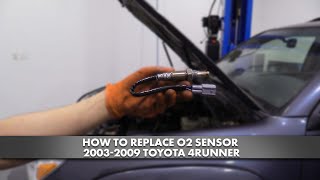
Typical fix: Replace the Bank 1, Sensor 2 oxygen sensor. It is located on the passenger side, after the catalytic converter. 🎬 Watch: Step-by-step guide to replacing the downstream oxygen sensor. Using a special slotted oxygen sensor socket and a liberal amount of penetrating oil is highly recommended due to rust.
Est. part cost: $50-$200 - Damaged Wiring or Connector 🟡 Medium Probability The wiring harness for the O2 sensor runs along the vehicle's undercarriage, where it is exposed to heat from the exhaust, road debris, and moisture. This can lead to melted insulation, chafed wires, or corrosion in the connector pins, creating an open or short in the heater circuit.
How to confirm: Visually inspect the wiring and connector leading to the sensor for any signs of melting, fraying, or corrosion. With the key on and engine off, use a multimeter to check for battery voltage (~12V) at the harness-side connector to ensure the circuit is receiving power from the fuse/relay.
Typical fix: Repair the damaged section of the wire or clean the connector terminals. If damage is severe, a new connector pigtail may need to be spliced in.
Est. part cost: $5-$30 - Blown Fuse or Faulty Relay ⚪ Low Probability The O2 sensor heater circuits are protected by a fuse (often labeled 'A/F Heater' or similar) and controlled by a relay (like the 'EFI' relay). A short in the wiring can cause the fuse to blow, cutting power to the heater element.
How to confirm: Locate and inspect the A/F Heater fuse in the under-hood fuse box. If the fuse is blown, there is likely a short circuit in the wiring that must be found and fixed before replacing the fuse.
Typical fix: Replace the blown fuse after diagnosing and repairing the underlying short circuit.
Est. part cost: $1-$5
Rare But Worth Checking
- Failed Engine Control Module (ECM): → Shop Engine Control Module (ECM) This is extremely rare. The ECM's internal driver for the heater circuit can fail, but all other potential causes should be exhaustively ruled out before considering ECM replacement.
Diagnosis Steps
- Read the code with an OBD-II scanner to confirm P0036 is present and check for any other codes.
- Visually inspect the Bank 1, Sensor 2 oxygen sensor, which is located on the passenger side exhaust pipe, downstream of the catalytic converter. Look for obvious damage to the sensor, connector, or wiring harness. Check for melted or frayed wires.
- Check the 'A/F Heater' fuse in the engine bay fuse box. If it's blown, suspect a short circuit in the wiring that needs to be located and repaired.
- If the fuse is good, disconnect the sensor's electrical connector.
- Use a multimeter set to Ohms (Ω) to test the resistance of the heater circuit on the sensor side of the connector. Probe the two wires of the same color (usually black). A good sensor should read a low resistance (typically 5-15 Ohms). An 'OL' or infinite reading indicates the heater element has failed and the sensor must be replaced.
- If the sensor resistance is good, test for power at the vehicle harness side of the connector. Turn the ignition to 'ON' (engine off). Use a multimeter set to DC Volts to check for battery voltage between the heater power wire and a good ground. If there is no voltage, there is a problem in the power supply circuit (fuse, relay, or wiring).
- If power is present, the final step is to check the ground control from the ECM, but this is rarely the issue. The most likely culprit is the sensor itself if it fails the resistance test.
Parts You'll Likely Need
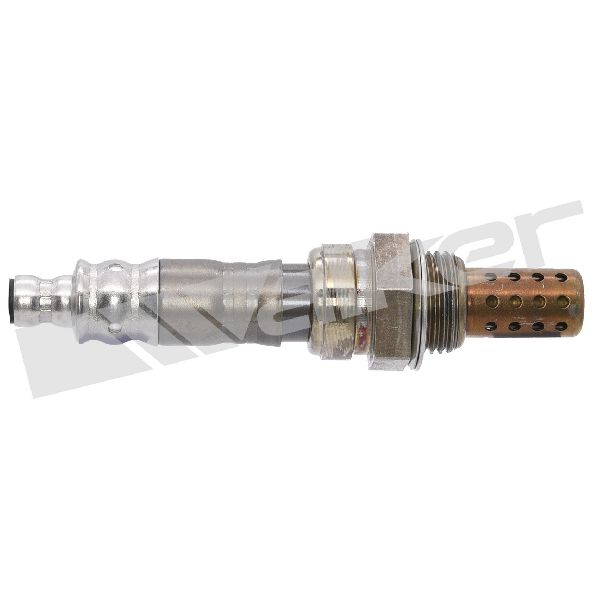
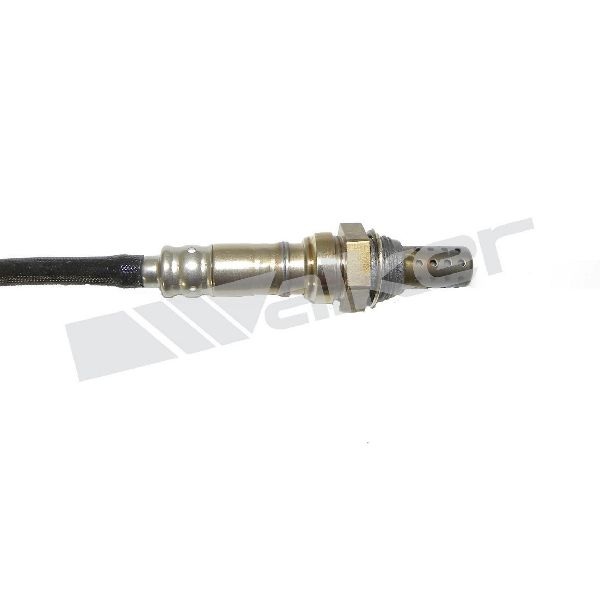
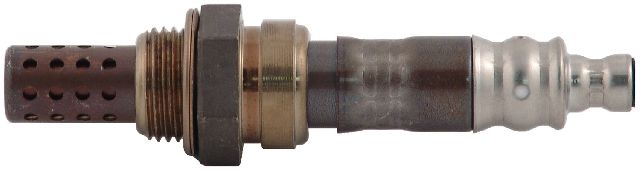
- Oxygen Sensor (Bank 1, Sensor 2)
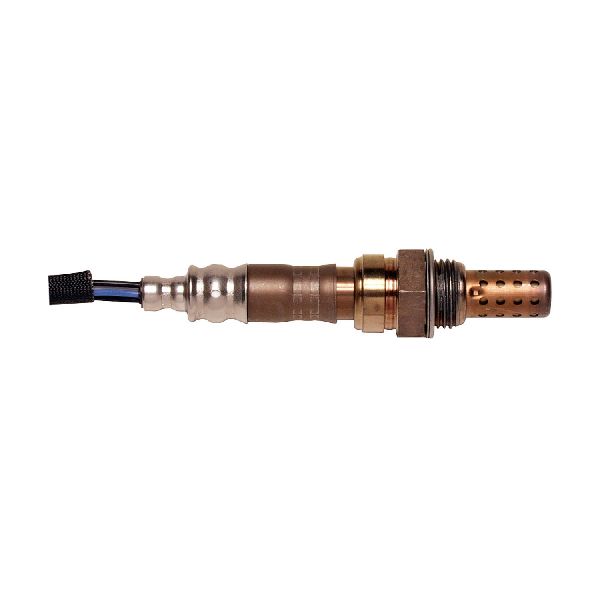
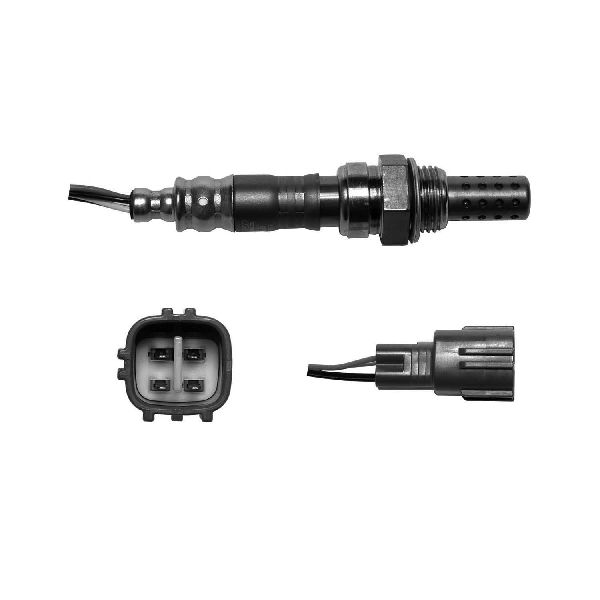
(OEM #89465-35660)— This is the downstream (post-catalytic converter) oxygen sensor for the passenger side. The internal heater element is the most common failure point that triggers a P0036 code. The Denso aftermarket equivalent is part number 234-4261. 🎬 Watch: Replacing the downstream sensor on the 4.0L 1GR-FE engine.
Trusted brands: Denso (OEM supplier), Walker Products, Bosch
OEM price range: $150-$200
Aftermarket price range: $50-$100
Platform-Specific Known Issues
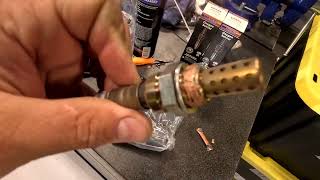
- Owners on forums like T4R.org and Toyota-4Runner.org frequently discuss the difficulty of removing the original sensors due to severe rust. Soaking the sensor threads in penetrating oil for hours (or even overnight) and using a dedicated O2 sensor socket with a long breaker bar is a common recommendation. 🎬 See this walkthrough for replacing both upstream and downstream sensors.
Mechanic-Grade Diagnostic Values
- O2 Sensor Heater Element Resistance — expected: 5 - 15 Ohms at ambient temperature (approx. 68°F / 20°C).. Failure: A reading of infinite resistance (OL - Open Loop) indicates a burned-out heater element. A reading of near-zero ohms indicates an internal short.
- Heater Circuit Power Supply Voltage — expected: Battery voltage (approx. 12.6V) at the harness-side connector with Key On, Engine Off.. Failure: 0V indicates a blown fuse, faulty relay, or an open in the power supply wire.
- Heater Circuit Current Draw (via Scan Tool) — expected: The ECM expects to see current between 0.3 A and 2.0 A when it commands the heater on.. Failure: Current below 0.3 A triggers an open circuit code (like P0036/P0037). Current above 2.0 A triggers a short circuit code (like P0038).
Scan Tool Commands That Help
- Toyota Techstream: Active Test -> Control the O2 Sensor Heater (B1S2) — This allows a technician to manually turn the heater circuit on and off. It's used to verify that the ECM driver, relay, fuse, and wiring are capable of delivering power to the sensor connector on command, which helps isolate the fault to the sensor itself if the circuit tests good.
Wiring & Ground Locations
- H15 (Heated Oxygen Sensor Connector, B1S2) — On the passenger side of the vehicle, connected to the O2 sensor located on the exhaust pipe after the catalytic converter.. This is the connector where all electrical tests for the sensor and circuit are performed. The heater circuit pins are Pin 1 (Power, typically a Black/Red wire) and Pin 2 (Control from ECM, typically a White/Blue wire).
- Main Engine Ground — On the passenger side frame rail, below the exhaust manifold. A large gauge wire runs from a bolt on the engine block to a bolt on the frame.. A corroded or loose main engine ground can cause a variety of electrical issues, including incorrect sensor readings and erratic behavior from control modules. While not a direct cause of P0036, verifying this ground is clean and tight is a crucial step in any electrical diagnosis on this vehicle.
- A/F Heater Fuse — In the under-hood fuse/relay box.. This fuse provides the power for the oxygen sensor heater circuit. If it is blown, the heater will not receive power, directly causing code P0036.
Real Owner Repair Stories
- T4R.org forum user (2006 Toyota 4Runner SR5 V6, 155,000 miles) — Check Engine Light on, code P0036.
❌ Tried (didn't work) Clearing the code (it returned immediately).
✅ What actually fixed it The owner tested the resistance of the Bank 1 Sensor 2 heater circuit and got an 'OL' (open loop) reading. He replaced the sensor with a Denso 234-4261. The old sensor was very difficult to remove due to rust and required an overnight soak with penetrating oil and a breaker bar. After replacement, the code was cleared and did not return. - YouTube comment section on a P0036 diagnostic video (2004 Toyota 4Runner V6) — Persistent P0036 code.
❌ Tried (didn't work) Replacing the Bank 1 Sensor 2 oxygen sensor twice.
✅ What actually fixed it After the new sensor didn't fix the issue, the owner checked the A/F Heater fuse and found it was good. He then inspected the wiring harness closely and discovered a section near the transmission crossmember that had rubbed through and was shorting to the frame. He repaired the damaged wire, wrapped the harness in protective loom, and the P0036 code was resolved.
OEM Part Supersession History
89465-35660→N/A— This part number remains the current and stable OEM part for this application.
Model Year Variations Within This Range
- 2003-2009: While there were minor engine updates to the 1GR-FE between 2003-2004 and 2005-2009 models, the function, location, and diagnosis for the Bank 1 Sensor 2 oxygen sensor and its heater circuit (P0036) are identical across the entire 4th generation 4Runner range.
Diagnostic Flowchart
Other Known Issues on This Vehicle
Issues unrelated to this code that are worth knowing about as an owner of this generation:
- Excessive Frame Rust 🔴 High — Very common, especially in salt-belt states. Can become structurally unsafe. A class-action lawsuit was filed regarding this issue for 4th Gen 4Runners. (Ref: No official recall was issued for the 4Runner in the USA, unlike the Tacoma and Tundra, but it was a widely known problem.)
- Cracked/Melting Dashboard 🟡 Low — Extremely common on 2003-2005 models, but can affect all years in this generation, particularly in hot, humid climates. (Ref: Toyota issued a Warranty Enhancement Program (ZE6) to cover replacement for 2003-2005 models, but the program has since expired.)
- Head Gasket Failure (1GR-FE) 🟠 Medium — Occurs on some earlier 1GR-FE engines (primarily 2003-2006) typically after 125,000-150,000 miles. Often presents as a cold misfire or unexplained coolant loss.
- Seized Front Brake Calipers 🟠 Medium — Common for the pistons in the front brake calipers to seize, causing uneven pad wear, pulling during braking, and excessive heat. This is often noticed after 100,000 miles.
- Cracked Exhaust Manifolds (2UZ-FE V8) 🟠 Medium — More common on the optional V8 engine, but a known issue where the exhaust manifolds develop cracks, causing a ticking noise that is loudest on a cold start.
Used vs. New Parts: Buying Guide for This Vehicle
When a used part is the smart pick: For the sensor itself, never. It is a wear item with a finite lifespan. A used sensor is a gamble with poor odds. However, a used wiring harness pigtail from a junkyard is an excellent, cost-effective choice if your original connector is melted, corroded, or damaged.
Donor-vehicle mileage cap: roughly under 150000 miles for the part to have meaningful remaining life.
What to inspect on the donor part:
- For a wiring pigtail: check that the plastic is not brittle and the locking tab is intact.
- Ensure the connector pins are clean, straight, and free of green or white corrosion.
- Flex the wires to ensure the insulation is not cracked or hardened.
Aftermarket brands forum-validated for this vehicle:
- Denso (Part #234-4261): This is the OEM supplier, and forum consensus is overwhelmingly in favor of using this brand for guaranteed compatibility and longevity.
Brands owners have reported issues with on this vehicle:
- Bosch: While a reputable brand for European vehicles, many Toyota owners report issues with check engine lights returning when using Bosch O2 sensors. It is generally recommended to avoid them for this application to prevent potential compatibility problems.
Real Owner Stories
Aggregated from forums and TSBs cited above. Mileages and costs reflect what owners reported in those sources.
2003-2009 Toyota 4Runner 1GR-FE 4.0L V6
Symptoms: Illuminated Check Engine Light; difficulty removing the original sensor due to severe rust.
What fixed it: Replacement of the passenger-side rear O2 sensor using a Denso brand sensor, a slotted oxygen sensor socket, and penetrating oil.
Source hint: T4R.org / 4Runners.com
2005-2015 Toyota Tacoma (4.0L 1GR-FE V6)
Symptoms: P0036 code pointing to the Bank 1 Sensor 2 heater circuit.
What fixed it: Replacement of the downstream oxygen sensor; confirmed Bank 1 is the passenger side on the 1GR-FE engine.
Source hint: Tacoma World
Related OBD-II Codes
Frequently Asked Questions
Where is the Bank 1, Sensor 2 oxygen sensor located on my 4.0L V6 4Runner?
Which brand of oxygen sensor should I use for my 2003-2009 4Runner to fix P0036?
Is there a specific fuse I should check for the P0036 heater circuit code?
I'm having trouble removing the sensor due to rust; is this common for 4th Gen 4Runners?
Does the 2003-2005 dashboard cracking issue have an active warranty extension?
Could my P0036 code be related to the head gasket issues common on 2003-2006 1GR-FE engines?
Helpful Videos

We Have This Part in Stock


The information in this article is provided for general reference and educational purposes only. Vehicle specifications, procedures, and part compatibility can vary by production date, trim level, and region. Always consult your vehicle's factory service manual and verify part numbers before purchasing or performing repairs. Safety-critical components such as airbags, seat belts, and braking systems should be installed by a qualified professional.
- Toyota 4Runner:
- 🧭 Diagnostic Flowchart
- 🎬 Helpful Videos
- 🛍️ Shop This Part
- What's Unique About the 2003-2009 Toyota 4Runner
- Symptoms You May Notice
- Most Likely Causes
- Rare But Worth Checking
- Diagnosis Steps
- Parts You'll Likely Need
- Platform-Specific Known Issues
- Mechanic-Grade Diagnostic Values
- Scan Tool Commands That Help
- Wiring & Ground Locations
- Real Owner Repair Stories
- OEM Part Supersession History
- Model Year Variations Within This Range
- Other Known Issues on This Vehicle
- Used vs. New Parts: Buying Guide for This Vehicle
- Real Owner Stories
- 2003-2009 Toyota 4Runner 1GR-FE 4.0L V6
- 2005-2015 Toyota Tacoma (4.0L 1GR-FE V6)
- Related OBD-II Codes
- Frequently Asked Questions
- 🎟️ Get 5% Off