

P0036 on 2012-2017 Toyota Camry: HO2S Heater Circuit Causes and Fixes
This code almost always means the downstream oxygen sensor (Bank 1, Sensor 2) has failed. On the 4-cylinder Camry, it's an easy DIY replacement under the car. Expect to pay $60-$120 for a quality aftermarket sensor (like Denso, the OEM supplier) or $150-$220 for an OEM part. The repair involves replacing the sensor and clearing the code.
- P0036 points to a failure in the heater circuit of the downstream oxygen sensor (Bank 1, Sensor 2), which is almost always caused by the sensor itself failing.
- It is a minor issue that does not prevent you from driving the car, but it will cause an emissions test failure.
- For the 4-cylinder Camry, this is a simple DIY repair. The V6 is slightly more difficult due to access.
- Using a Denso aftermarket sensor is a cost-effective alternative to the more expensive OEM part from a Toyota dealer, as Denso is the original manufacturer.
What's Unique About the 2012-2017 Toyota Camry
On the 2012-2017 Camry, this is a very common and straightforward code. The 4-cylinder models (with the 2AR-FE engine) have only two oxygen sensors, making diagnosis simple as there is only one 'Bank 1 Sensor 2'. For the V6 models (with the 2GR-FE engine), 'Bank 1' refers to the cylinder bank near the firewall, which can be slightly harder to access. Denso is the original equipment manufacturer (OEM) for these sensors, so using a Denso-branded aftermarket part is often identical to the dealer part, but at a lower cost.
Generation note: The 2012-2017 model years cover the Toyota Camry XV50 generation. This includes the pre-facelift (2012-2014) and post-facelift (2015-2017) models. The engine options (2AR-FE 4-cyl, 2GR-FE V6) and sensor locations for this code are consistent across this entire generation.
Symptoms You May Notice
- Check Engine Light is on.
- Inability to pass a vehicle emissions test.
- Slightly reduced fuel economy in some cases, though often not noticeable.
- Rough idling or hesitation for a few seconds on a cold start (rare).
- Replacing the wrong oxygen sensor. Always confirm the location of Bank 1, Sensor 2. On 4-cylinder models, it is the downstream sensor (after the catalytic converter). On V6 models, it is the downstream sensor on the cylinder bank closer to the firewall.
Most Likely Causes
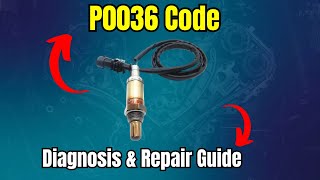
- Failed Bank 1, Sensor 2 Oxygen Sensor 🔴 High Probability → Shop Oxygen Sensor The internal heating element of an oxygen sensor is a common failure point due to constant heat cycles and exposure to exhaust contaminants. 🎬 Watch this video to understand common P0036 causes and fixes. It is considered a wear-and-tear item that eventually burns out.
How to confirm: Disconnect the sensor and measure the resistance across the two heater pins (usually the two same-colored wires) with a multimeter. A healthy heater circuit should have a low resistance, typically between 2 and 20 ohms. An open circuit (infinite resistance or 'OL') or a very high resistance reading (hundreds or thousands of ohms) confirms the heater has failed and the sensor must be replaced.
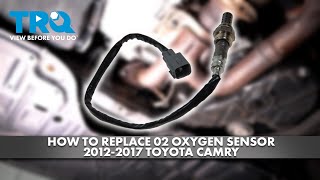
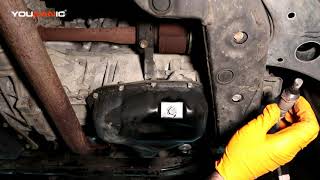
Typical fix: Replace the Bank 1, Sensor 2 oxygen sensor. 🎬 Watch this step-by-step XV50 downstream sensor replacement guide.
Est. part cost: $60-$220 - Damaged Wiring or Connector 🟡 Medium Probability The sensor is located under the vehicle, where its wiring is exposed to road debris, moisture, and the heat of the exhaust, which can cause wires to become brittle, frayed, or melted over time. Sometimes the wiring can touch the hot exhaust pipe and short out.
How to confirm: Visually inspect the entire length of the wiring harness from the sensor to where it connects to the main loom. Look for any signs of melting, chafing, corrosion in the connector, or broken wires. Check for 12V power at the harness connector with the key on.
Typical fix: Repair the damaged section of wiring or replace the connector pigtail.
Est. part cost: $15-$50 - Blown Fuse ⚪ Low Probability A short circuit in the heater element or its wiring can cause the corresponding fuse to blow as a protective measure.
How to confirm: Check the fuse for the O2 sensor heater circuit. For 2012-2014 models, this is often the 30A 'EFI' fuse (fuse #28) in the under-hood fuse box. Verify the correct fuse for your specific year and model in the owner's manual or fuse box lid.
Typical fix: Replace the blown fuse. If the new fuse blows immediately, it indicates a persistent short circuit in the wiring or sensor that must be found and fixed.
Est. part cost: $1-$5
Rare But Worth Checking
- Faulty Engine Control Module (ECM): → Shop Engine Control Module (ECM) This is extremely rare. Before condemning the ECM, all other possibilities, including the sensor, wiring, and fuses, must be exhaustively tested and ruled out. An ECM failure for this circuit is highly unlikely.
Diagnosis Steps
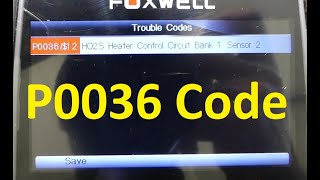
- Read the code with an OBD-II scanner to confirm P0036 is the only code present. 🎬 See a professional walkthrough of the P0036 diagnosis process.
- Visually inspect the Bank 1, Sensor 2 oxygen sensor and its wiring harness. Look for any obvious damage, such as frayed wires, melting on the exhaust, or a corroded connector.
- Check the fuse for the oxygen sensor heater circuit in the under-hood fuse box. Replace if blown.
- If the fuse and wiring appear okay, test the sensor's internal heater. Disconnect the sensor and use a multimeter set to Ohms to measure the resistance between the two heater wires (typically the two wires of the same color). A reading of infinite resistance (OL) or a very high reading confirms the heater is broken. A healthy sensor should read between 2-20 ohms.
- If the sensor's resistance is within spec, check for power and ground at the vehicle's harness connector with the key on. You should have 12V power on one pin and a good ground on another. A wiring diagram is recommended for pin identification.
- If power or ground is missing, trace the circuit back to find the break. If the sensor and wiring are good, the issue may be with the ECM, but this is very rare.
Parts You'll Likely Need
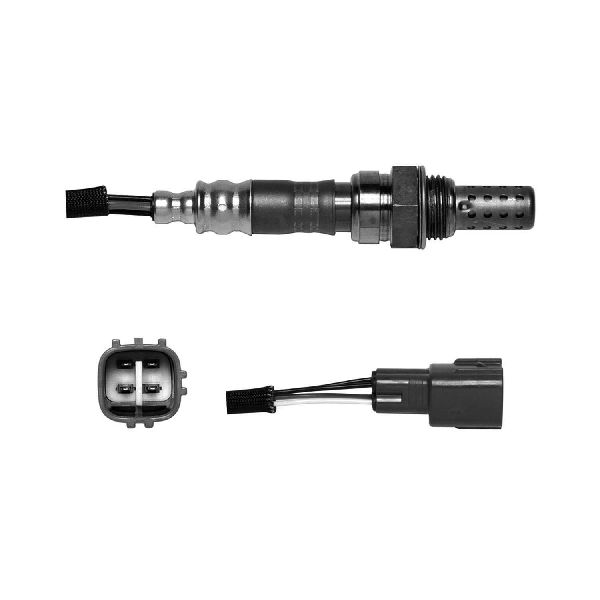
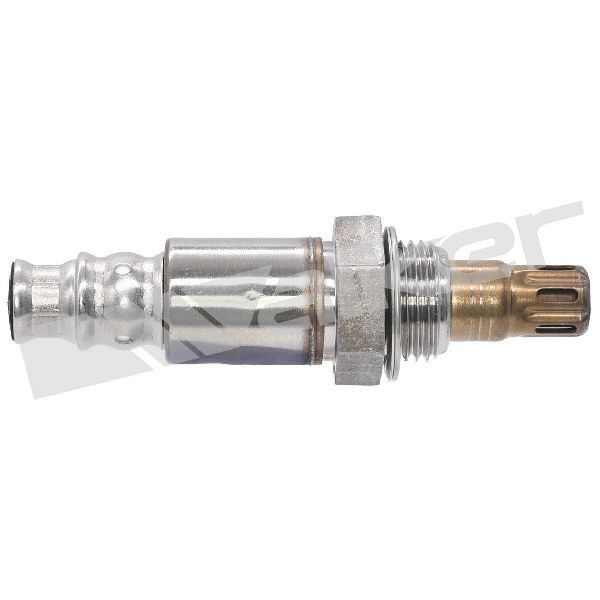
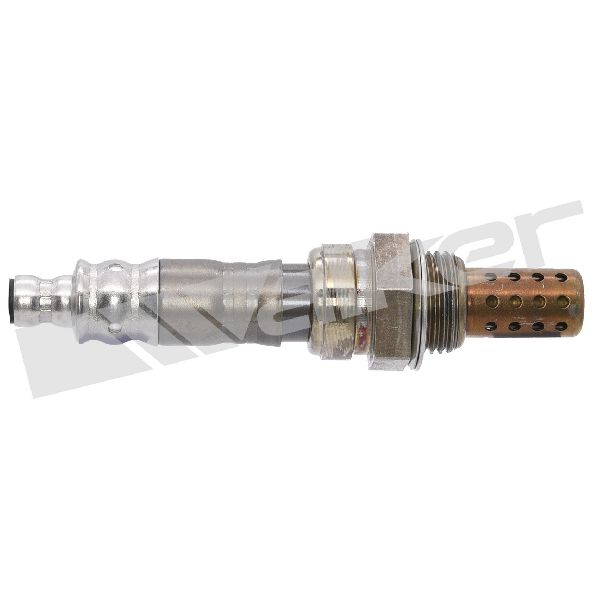
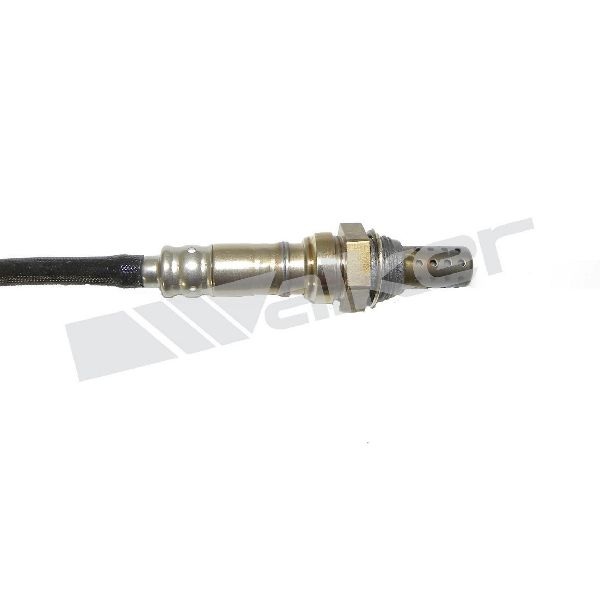
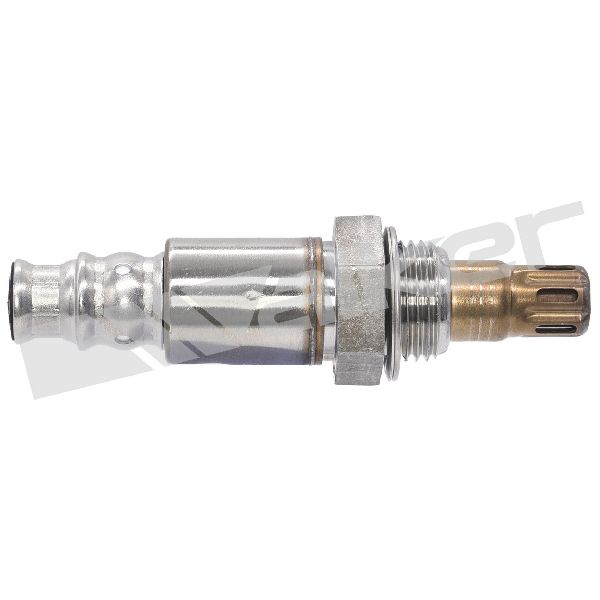
- Oxygen Sensor (Bank 1, Sensor 2)
(OEM #89465-06240 (Verify by VIN, may vary))— This is the most common cause of a P0036 code, as the internal heater element fails over time.
Trusted brands: Denso (OEM Supplier), NGK/NTK, Bosch
OEM price range: $150-$220
Aftermarket price range: $60-$120
Mechanic-Grade Diagnostic Values
- O2 Sensor Heater Element Resistance — expected: 3.3 - 4.1 Ohms at 68°F (20°C) for some Toyota models. Other sources cite a general range of 2-20 Ohms.. Failure: An open circuit (OL or infinite resistance) or a very high resistance reading (e.g., 5300 Ohms) indicates a failed heater element.
- Heater Circuit Supply Voltage — expected: ~12V (Battery Voltage) with Key On, Engine Off.. Failure: No voltage indicates a blown fuse or a break in the power supply wire.
- Heater Circuit Control Signal (at ECM) — expected: The ECM controls the ground side of the circuit, often using Pulse Width Modulation (PWM).. Failure: If power is present at the sensor but the circuit doesn't operate, the ECM driver may be at fault (very rare).
Hidden / Shadow Codes Worth Checking
- P0036-13: This is a manufacturer-specific sub-code for P0036 that explicitly means 'Heater Control Circuit Bank 1 Sensor 2 Circuit Open'. (see via This is often visible on professional or dealer-level scan tools like Toyota Techstream. It provides more specific diagnostic information than the generic P0036 code.)
Scan Tool Commands That Help
- Toyota Techstream: Active Test for O2 Heater — A technician can use this function to command the O2 sensor heater ON and OFF manually. This allows them to monitor the circuit's current draw and voltage with a multimeter or scope to confirm if the ECM driver and wiring are functioning correctly, isolating the fault to the sensor itself.
- Toyota Techstream: Live Data List (O2 Sensor Resistance) — Some newer Toyota models allow viewing the calculated resistance of the O2 heater circuit directly in the live data stream. A value that is extremely high (thousands of ohms) or out of spec immediately points to a failed sensor without needing to physically test it.
Wiring & Ground Locations
- Bank 1 Sensor 2 Connector (2AR-FE Engine) — Under the vehicle, downstream of the catalytic converter. The connector is typically a 4-pin plug mounted to a bracket on the vehicle's subframe or body.. This is the primary point for testing. The two same-colored wires (often black) are for the heater circuit. One pin should have battery voltage with the key on, and the other is the ground control from the ECM.
- Heater Circuit Fuse — In the under-hood fuse box. Often labeled 'EFI' (30A) or 'A/F HEATER' (Amperage varies).. This fuse supplies power to the heater element. A short in the sensor or wiring can cause this fuse to blow, resulting in a P0036 code.
Real Owner Repair Stories
- YouTube video by 'Repairs and Rides' (2018 Toyota Camry) — Check Engine Light with code P0036-13 (Circuit Open) and a secondary, seemingly unrelated 'ICS Malfunction' warning on the dash, which disabled the cruise control.
❌ Tried (didn't work) The owner was confused by the Intelligent Clearance Sonar (ICS) warning, but the technician knew to address the engine code first.
✅ What actually fixed it The technician diagnosed the P0036 code and found the heater circuit resistance was out of spec. Replacing the Bank 1, Sensor 2 oxygen sensor fixed the P0036 code and, consequently, also cleared the C1A40 'ICS Malfunction' warning, restoring cruise control function. This demonstrates that on modern Toyotas, an emissions system fault can disable other safety/convenience systems.
OEM Part Supersession History
89465-33520→89465-06190, which was then superseded by 89465-06290.— Standard part consolidation and minor revisions by the manufacturer.
Heads up: For the 2012-2017 Camry 2.5L, 89465-06290 is the current recommended OEM part for the downstream sensor (B1S2) for federal emissions models built in Japan. Always verify with VIN as California emissions or US-built models may use a different number.
Diagnostic Flowchart
Other Known Issues on This Vehicle
Issues unrelated to this code that are worth knowing about as an owner of this generation:
- Torque Converter Shudder 🟠 Medium — Common on 2012-2014 models, typically felt as a vibration under light acceleration between 25-50 mph. (Ref: TSB T-SB-0312-17 (supersedes T-SB-0034-14); LSC E03; Warranty Enhancement ZE5.)
- Melting / Sticky Dashboard 🟡 Low — Widespread issue in hot climates where the dashboard material degrades, becomes shiny, and feels sticky to the touch. (Ref: A previous Warranty Enhancement Program (ZE6) for this issue has expired.)
- Transmission Shifting Problems (Rough Shift/Hesitation) 🟠 Medium — Some owners report rough shifting, jerking, or hesitation, which can sometimes be related to the torque converter issue or require a software update. (Ref: Related to TSBs for torque converter shudder.)
- Interior Rattles from Dashboard Area 🟡 Low — Owners report various squeaks and rattles from the dashboard area due to material degradation or assembly issues.
- Sticky or Damaged Interior Door Handles/Armrests 🟡 Low — While more prominent on the previous generation, some material degradation and stickiness on armrests and door pull cups can occur.
Used vs. New Parts: Buying Guide for This Vehicle
When a used part is the smart pick: Never. An oxygen sensor is a wear-and-tear item with a finite lifespan determined by heat cycles and exposure to exhaust contaminants. A used sensor has an unknown amount of remaining life and is highly likely to fail soon after installation, making it a poor value.
What to inspect on the donor part:
- Not applicable as used purchase is not recommended.
OEM-only on this vehicle (don't cheap out):
- While not strictly 'OEM-only', using the OEM supplier (Denso) or another high-quality brand like NGK/NTK is critical. Cheap, unbranded sensors are notorious for failing prematurely or having incorrect heater resistance values, causing the code to return.
Aftermarket brands forum-validated for this vehicle:
- Denso (OEM supplier)
- NGK / NTK
Brands owners have reported issues with on this vehicle:
- Unbranded, no-name sensors from online marketplaces. These often fail quickly or are not calibrated correctly for the vehicle's ECU.
Real Owner Stories
Aggregated from forums and TSBs cited above. Mileages and costs reflect what owners reported in those sources.
Toyota Camry V6
Symptoms: The Check Engine Light was on. I was looking for a replacement sensor and noticed a large price difference between the dealer and auto parts stores.
What fixed it: Installed a Denso oxygen sensor purchased from an auto parts store; it performed identically to the more expensive dealer part.
Source hint: TacomaWorld: 'Toyota OEM V6 O2 sensors versus Denso, part number discrepancy.'
2012-2017 Toyota Camry
Symptoms: Check Engine Light on with code P0036. Upon inspection, the heater circuit in the sensor was found to be faulty.
What fixed it: Replaced the Bank 1, Sensor 2 oxygen sensor with a Denso or NGK/NTK unit.
Source hint: Camryforums: 'How to Check and Replace O2 Oxygen Sensor'
Related OBD-II Codes
Frequently Asked Questions
Which oxygen sensor is responsible for the P0036 code on my 2012-2017 Camry?
Can I use a cheaper aftermarket sensor instead of the Toyota-branded one?
Is there a specific fuse I should check for the O2 sensor heater circuit on my 2013 Camry?
What resistance should I see when testing the heater circuit on a healthy Camry sensor?
Does the P0036 code relate to the TSB for torque converter shudder on my 2014 Camry?
Will a P0036 code cause my Camry to fail an emissions test?
Helpful Videos

We Have This Part in Stock


The information in this article is provided for general reference and educational purposes only. Vehicle specifications, procedures, and part compatibility can vary by production date, trim level, and region. Always consult your vehicle's factory service manual and verify part numbers before purchasing or performing repairs. Safety-critical components such as airbags, seat belts, and braking systems should be installed by a qualified professional.
- Toyota Camry:
- 🧭 Diagnostic Flowchart
- 🎬 Helpful Videos
- 🛍️ Shop This Part
- What's Unique About the 2012-2017 Toyota Camry
- Symptoms You May Notice
- Most Likely Causes
- Rare But Worth Checking
- Diagnosis Steps
- Parts You'll Likely Need
- Mechanic-Grade Diagnostic Values
- Hidden / Shadow Codes Worth Checking
- Scan Tool Commands That Help
- Wiring & Ground Locations
- Real Owner Repair Stories
- OEM Part Supersession History
- Other Known Issues on This Vehicle
- Used vs. New Parts: Buying Guide for This Vehicle
- Real Owner Stories
- Toyota Camry V6
- 2012-2017 Toyota Camry
- Related OBD-II Codes
- Frequently Asked Questions
- 🎟️ Get 5% Off