

P0036 on 2000-2007 Volvo V70 2.5T: Oxygen Sensor Heater Circuit Causes and Fixes
This code almost always means the heater element inside the rear (downstream) oxygen sensor has failed. Replacing the sensor is the typical fix. Before replacement, check the 20A fuse for the O2 sensor heater circuit in the engine bay fuse box. Expect to pay $70-$150 for a quality aftermarket sensor (Bosch or Denso) or $250-$350 for a genuine Volvo part. It's a DIY-friendly job with the right 22mm O2 sensor socket, though accessing the electrical connector can be tricky.
- P0036 points directly to the heater circuit of the rear oxygen sensor, located after the catalytic converter.
- The most probable cause is a failed sensor. Confirm this by testing the heater circuit's resistance with a multimeter, looking for a value between 3-20 Ohms.
- Before buying a new sensor, always check the 20A fuse (likely #4) in the engine bay fuse box, as a shorted old sensor can blow it.
- When replacing the sensor, use a quality direct-fit brand like Bosch or Denso to ensure compatibility and avoid recurring codes.
- This issue will not leave you stranded, but it will cause an automatic failure on an emissions test.
- Be prepared for a difficult time accessing the electrical connector on the firewall, especially on turbo models.
What's Unique About the 2000-2007 Volvo V70
The second-generation (P2) Volvo V70 is known for its robust but particular electronics. While P0036 is a standard code, owners on Volvo-specific forums like Swedespeed and VolvoForums report that these cars perform best when using high-quality OEM-supplier oxygen sensors, such as Bosch or Denso. Using cheap, unbranded universal sensors can lead to persistent issues or new codes. The physical replacement is straightforward, but the sensor's electrical connector is located high up on the firewall, often near the dipstick tube, and can be very difficult to access and disconnect, especially on turbocharged models where space is limited. The connectors often use a red slide-lock mechanism that can be brittle and hard to release after years of heat cycles.
Symptoms You May Notice
- Check Engine Light is on.
- Inability to pass a vehicle emissions test.
- No noticeable drivability issues in most cases.
- Replacing the front (upstream) oxygen sensor instead of the rear (downstream) one. P0036 specifically refers to Sensor 2, which is after the catalytic converter.
- Using a cheap, universal oxygen sensor that is not fully compatible with the Volvo ME7 engine management system, leading to the code returning.
Most Likely Causes
- Failed Rear Oxygen Sensor 🔴 High Probability → Shop Oxygen Sensor The internal heater element is a common failure point due to age and constant, rapid heat cycles. The sensor itself lives in a harsh environment in the exhaust stream.
How to confirm: Disconnect the sensor and test the resistance between the two heater circuit pins (usually the two same-colored wires, e.g., black or white). A healthy sensor should have a low resistance, typically between 2-20 Ohms. An 'over limit' or infinite resistance reading on a multimeter indicates a burned-out heater element.
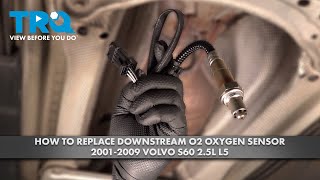
Typical fix: Replace the rear (downstream) oxygen sensor. 🎬 Watch: A quick walkthrough of the rear sensor replacement. It is highly recommended to use a direct-fit OEM-quality part from Bosch or Denso. 🎬 See this detailed guide on replacing the downstream sensor.
Est. part cost: $70-$350 - Blown Fuse 🟡 Medium Probability
How to confirm: Check the fuse for the oxygen sensors. On the P2 platform, this is typically a 20A fuse in the engine compartment fuse box. A wiring diagram for a 2004 model shows it as fuse #4, labeled for 'Heated oxygen sensor'. Visually inspect if the fuse is blown.
Typical fix: Replace the blown fuse. If it blows again, this often indicates a short circuit in the O2 sensor's wiring or the sensor itself, which may have melted against the exhaust.
Est. part cost: $1-$5 - Damaged Wiring or Connector ⚪ Low Probability The wiring harness runs under the car near the hot exhaust, making it susceptible to heat damage, melting, or physical damage from road debris. A forum user on VolvoForums noted their new sensor's wires melted on the manifold because a plastic retaining clip had failed.
How to confirm: Visually inspect the entire length of the sensor's wiring harness from the sensor itself to the connector on the firewall. Check for melted sections, chafing, or breaks. Also, inspect the connector pins for corrosion or damage.
Typical fix: Repair the damaged section of wire or replace the connector pigtail. Ensure the harness is properly secured away from hot exhaust components using zip ties.
Est. part cost: $10-$40
Rare But Worth Checking
- Faulty Engine Control Module (ECM): → Shop Engine Control Module (ECM) This is very uncommon. Before suspecting the ECM, all other possibilities (sensor, fuse, wiring) must be exhaustively ruled out. This typically requires professional diagnosis with advanced tools like VIDA to check the driver circuit in the ECM. A faulty ECM driver may fail to supply the correct voltage or ground to the heater circuit.
Diagnosis Steps
- Read the code with an OBD-II scanner to confirm P0036 is present. Check for other codes like P0136.
- Visually inspect the rear oxygen sensor's wiring harness for any signs of melting, chafing, or physical damage, especially where it runs near the exhaust.
- Locate the fuse box in the engine compartment (driver's side). Check the 20A fuse for the O2 sensors (position may vary, but often #4 for 2004 models). Replace if necessary and see if the code returns. If the fuse blows again, suspect a short in the wiring or sensor.
- If the fuse is good, disconnect the rear O2 sensor's electrical connector at the firewall. This can be difficult; it may have a red slide-lock that needs to be pulled sideways before the connector halves can be separated.
- Using a multimeter set to Ohms, measure the resistance across the two heater pins on the sensor side of the connector (often two black wires on a Denso sensor). A reading of infinite resistance (OL) confirms the sensor's heater is broken and the sensor needs replacement. A good sensor will read a low resistance value (e.g., 2-20 ohms).
- If the sensor resistance is good, check for 12V power at the corresponding pins on the harness side of the connector with the ignition on. If there is no power and the fuse is good, there is a break in the wiring between the fuse box and the connector.
Parts You'll Likely Need
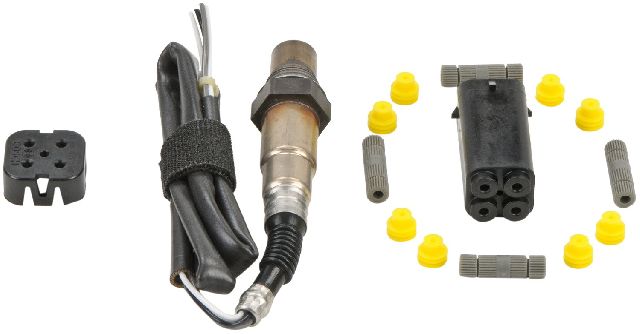
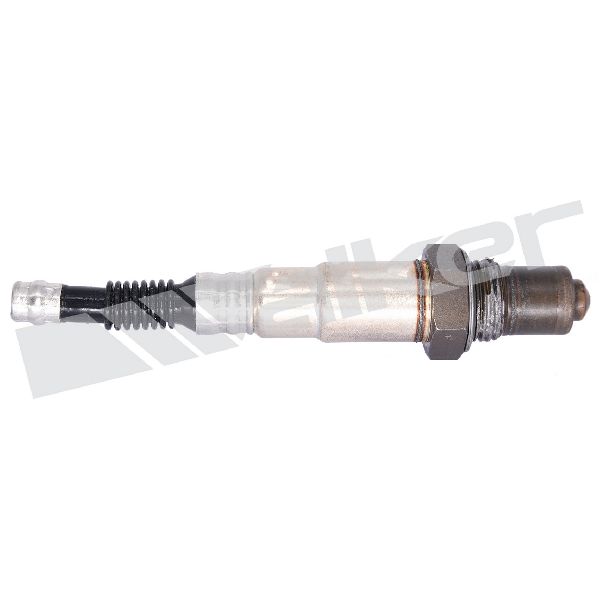
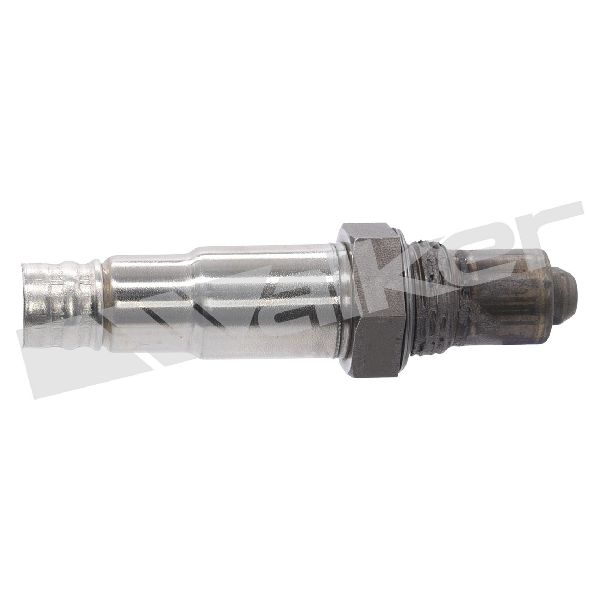
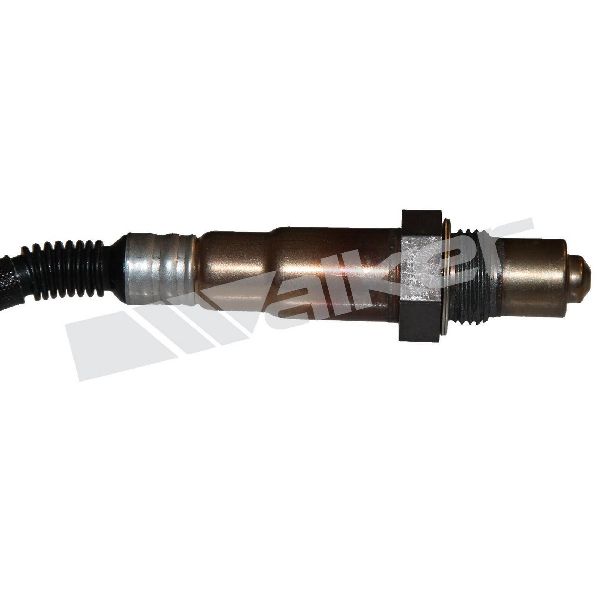
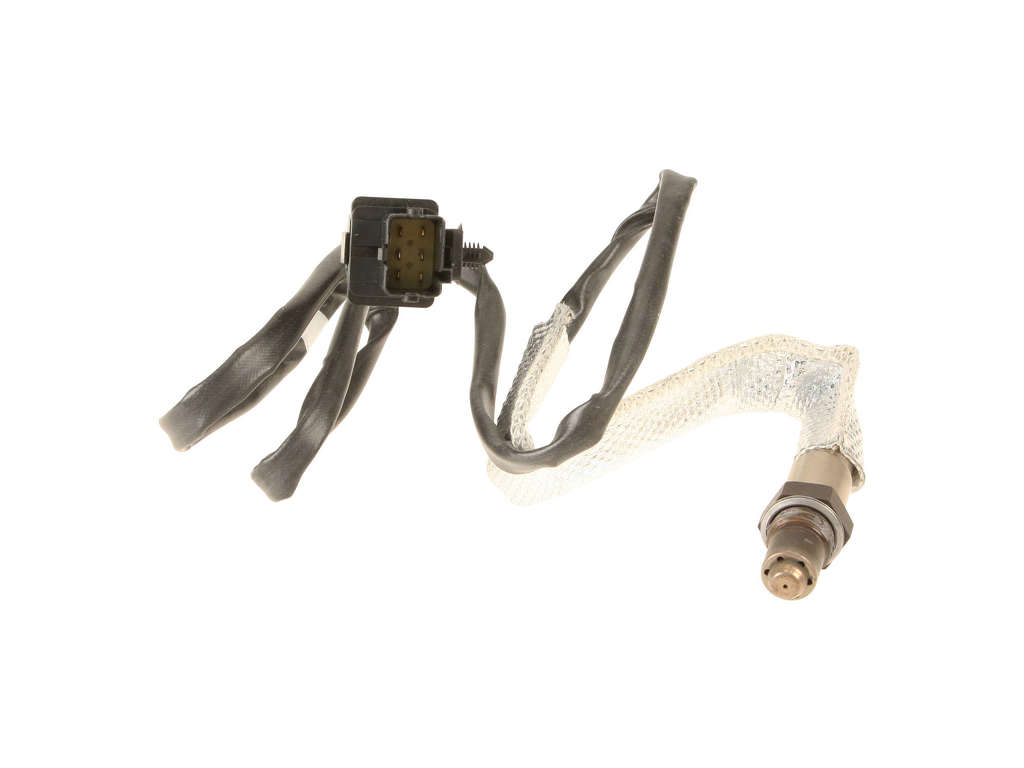
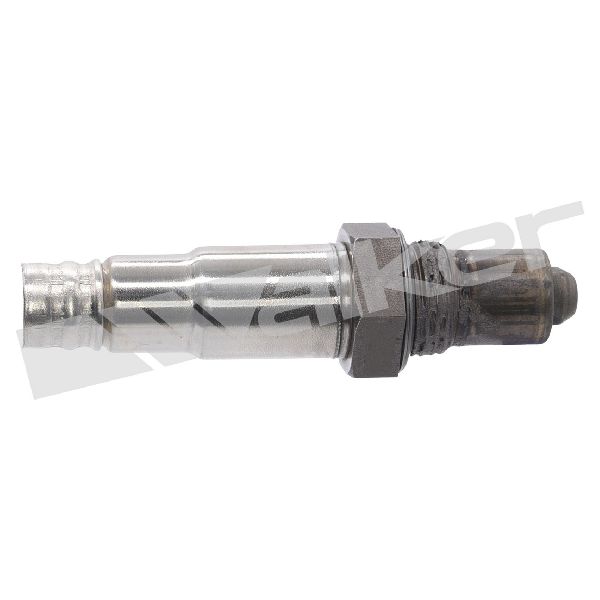
- Rear Oxygen Sensor (Downstream)
(OEM #30650090)— This is the most common failure for code P0036, as the internal heater element burns out over time.
Trusted brands: Bosch (Direct fit, e.g., 15175), Denso (Direct fit, e.g., DOX-0404 or 234-4755)
OEM price range: $250-$350
Aftermarket price range: $70-$150
Related Codes That Often Appear With This One
- P0136: O2 Sensor Circuit Malfunction (Bank 1 Sensor 2) - This is a more general fault for the same sensor and often appears with P0036.
Platform-Specific Known Issues
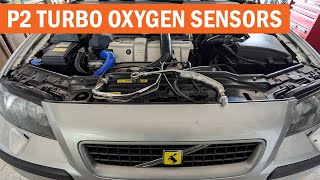
- Difficult Connector Access: On turbocharged 2.5T models, the O2 sensor connectors are mounted on a bracket on the firewall, behind the engine and below the intake piping. Access is very tight. A YouTube video by user 'jamiecars' on a 2002 V70 2.4T details the struggle, showing that reaching the connectors from either the top or bottom of the engine bay is challenging. The connectors have locking tabs (one gray for the front sensor, one red for the rear) that can be difficult to release without a direct line of sight. 🎬 Watch: How to access those tricky firewall connectors and clips.
- Fuse Blows After Replacement: A user on VolvoForums with a 2004 S60 2.5T AWD reported that after installing a new Bosch sensor, the check engine light returned. They discovered a blown 20A fuse for the O2 sensor heater. Replacing the fuse resolved the issue, suggesting the old failed sensor may have shorted and blown the original fuse. This highlights the importance of checking the fuse even after replacing the sensor.
Mechanic-Grade Diagnostic Values
- Rear O2 Sensor Heater Element Resistance — expected: 2 to 20 Ohms. Failure: Infinite resistance (Open Line/OL) or a value significantly outside the expected range indicates a failed heater element.
- Voltage at Heater Circuit Supply Pin (Harness Side) — expected: ~12 Volts (Battery Voltage) with ignition ON. Failure: 0 Volts indicates a lack of power, likely from a blown fuse or a break in the supply wire.
- Heater Circuit Current Draw — expected: Approximately 0.5 - 3 Amps when first energized. Failure: No current draw indicates an open circuit; excessively high current indicates a short circuit.
Scan Tool Commands That Help
- Volvo VIDA: Component Activation/Test for Rear HO2S Heater — After verifying wiring and fuses are good, a technician can use VIDA to command the ECM to activate the heater circuit. This allows for live monitoring of voltage and current at the sensor connector to confirm if the ECM driver is functioning correctly, isolating the fault to either the ECM or the sensor/wiring.
Wiring & Ground Locations
- Rear O2 Sensor Heater Wires (at sensor connector) — On the 4-wire connector for the rear O2 sensor.. These are the specific wires for testing the heater element's resistance. On a common Denso sensor for this vehicle, the two heater wires are both black. The other two wires (blue and white) are for the sensor signal and ground.
- Fuse 11B/4 — In the engine compartment fuse box.. On a 2004 V70, this 20A fuse supplies power to the heated oxygen sensors (7/15 and 7/82). A blown fuse here will cause P0036 and must be checked before replacing the sensor.
- ECM Ground Connections — The main engine ground connections are typically on the intake manifold.. While not a direct cause of P0036, a poor engine ground can cause a variety of erratic sensor readings and electrical issues. Ensuring these are clean and tight is a good practice during any electrical diagnosis.
Real Owner Repair Stories
- VolvoForums user 'dool' (2001 V70 2.4L (non-turbo)) — Check Engine Light with code for rear O2 sensor.
❌ Tried (didn't work) Initially installed a cheap, generic universal oxygen sensor for the front sensor, which the car did not like and continued to cause issues.
✅ What actually fixed it For the front sensor, a proper Walker OE replacement was required. For the rear sensor (relevant to P0036), the user identified the correct wiring (Two Black for Heater, Blue for Signal, White for Earth on the Denso part) to successfully use a universal Bosch sensor, but noted the front sensor was much more sensitive to brand choice.
OEM Part Supersession History
9497468→30650090— Standard part number evolution and supplier changes over the vehicle's production life.
Heads up: Both part numbers refer to the correct rear oxygen sensor for this application. Using either the original or the superseded genuine part number will work.
Model Year Variations Within This Range
- 2001-2002 vs 2003+: Early P2 platform vehicles used a slightly different engine management system (Bosch ME7) logic compared to later years. While the P0036 fault code and its primary cause (failed heater) remain the same, the ECM's sensitivity to non-OEM sensors can be more pronounced on earlier models. Later models have more refined software but the strong preference for Bosch or Denso sensors remains consistent across the entire generation.
Diagnostic Flowchart
Used vs. New Parts: Buying Guide for This Vehicle
When a used part is the smart pick: For this repair, buying a used part is NOT recommended. The primary failure is the heater element inside the oxygen sensor, which is a wear-and-tear item with a finite lifespan. A used sensor has an unknown number of heat cycles and could fail shortly after installation, wasting time and money.
What to inspect on the donor part:
- Not applicable as used sensors are not advised.
OEM-only on this vehicle (don't cheap out):
- While not strictly 'OEM-only', using a high-quality OEM-supplier brand is critical. Forum consensus strongly advises against generic, no-name, or 'universal' oxygen sensors which often cause compatibility issues with the Volvo ME7 engine management system.
Aftermarket brands forum-validated for this vehicle:
- Bosch (Direct-fit)
- Denso (Direct-fit)
Brands owners have reported issues with on this vehicle:
- Unbranded 'Universal' sensors that require splicing wires. While they can be made to work, the risk of incorrect wiring or poor compatibility is high.
Real Owner Stories
Aggregated from forums and TSBs cited above. Mileages and costs reflect what owners reported in those sources.
2006 Volvo V70 2.5T — 104000 miles
Symptoms: Car was not running well and check engine light was on.
What fixed it: The original poster did not follow up, but a moderator suggested the 'Most likely fix is to replace the O2 sensor that is after the cat'.
Source hint: volvoforums.com - 'codes P0036 , P0017, check engine'
2004 S60 2.5T AWD
Symptoms: After installing a new Bosch sensor, the check engine light returned.
What fixed it: Replacing a blown 20A fuse for the O2 sensor heater resolved the issue, suggesting the old failed sensor had shorted and blown the original fuse.
Source hint: VolvoForums user report on a 2004 S60 2.5T AWD
2003 S60 2.5T AWD
Symptoms: Check Engine Light on with code P0036.
What fixed it: Owner was advised that the code points to the rear O2 sensor's heater circuit and that checking the fuse is a necessary first step before replacing the sensor.
Source hint: swedespeed.com
Related OBD-II Codes
Frequently Asked Questions
On my 2004 V70 2.5T, where is the fuse for the rear oxygen sensor?
What brand of replacement oxygen sensor is best for my Volvo V70?
I replaced the O2 sensor, but the 20A fuse keeps blowing. What's wrong?
How difficult is it to access the rear oxygen sensor connector on my V70 2.5T?
How can I test my old oxygen sensor to confirm it's the problem?
Does this P0036 issue affect other Volvos besides the V70?
Helpful Videos
We Have This Part in Stock

The information in this article is provided for general reference and educational purposes only. Vehicle specifications, procedures, and part compatibility can vary by production date, trim level, and region. Always consult your vehicle's factory service manual and verify part numbers before purchasing or performing repairs. Safety-critical components such as airbags, seat belts, and braking systems should be installed by a qualified professional.
- Volvo V70:
- 🧭 Diagnostic Flowchart
- 🎬 Helpful Videos
- 🛍️ Shop This Part
- What's Unique About the 2000-2007 Volvo V70
- Symptoms You May Notice
- Most Likely Causes
- Rare But Worth Checking
- Diagnosis Steps
- Parts You'll Likely Need
- Related Codes That Often Appear With This One
- Platform-Specific Known Issues
- Mechanic-Grade Diagnostic Values
- Scan Tool Commands That Help
- Wiring & Ground Locations
- Real Owner Repair Stories
- OEM Part Supersession History
- Model Year Variations Within This Range
- Used vs. New Parts: Buying Guide for This Vehicle
- Real Owner Stories
- 2006 Volvo V70 2.5T — 104000 miles
- 2004 S60 2.5T AWD
- 2003 S60 2.5T AWD
- Related OBD-II Codes
- Frequently Asked Questions
- 🎟️ Get 5% Off