

P0037 on 2015-2018 Ford Edge 3.5L: O2 Sensor Heater Circuit Causes and Fixes
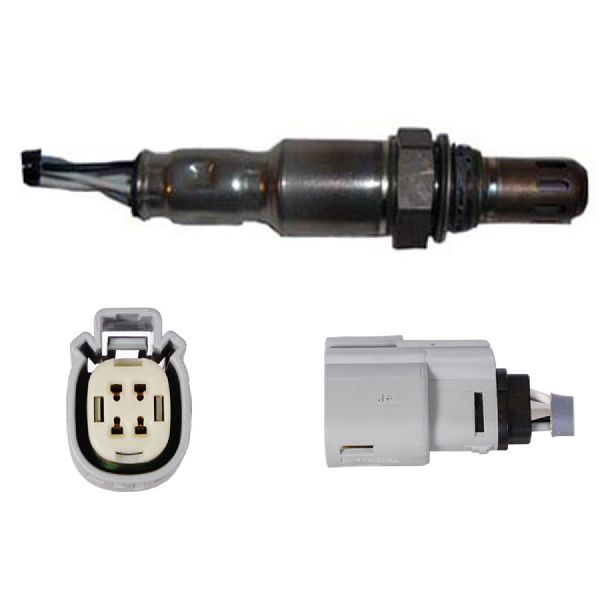
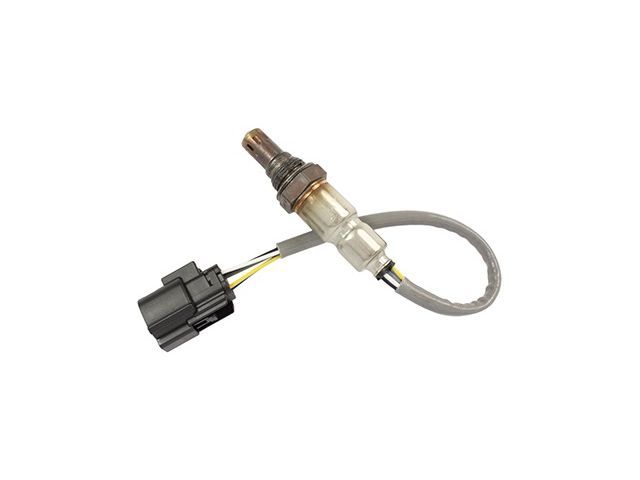
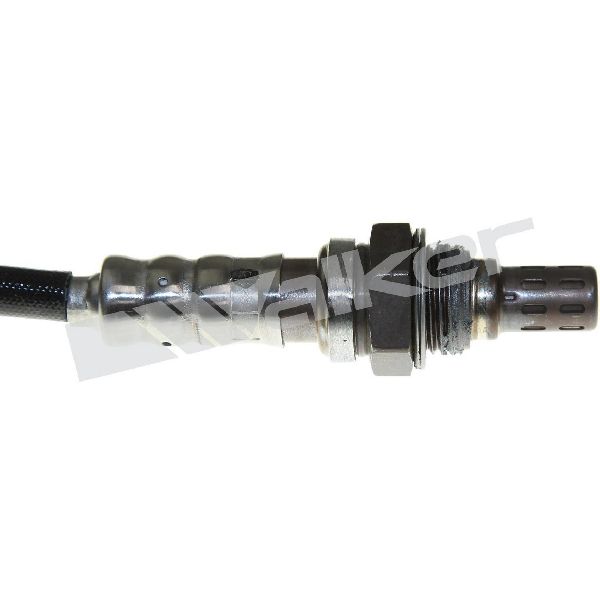
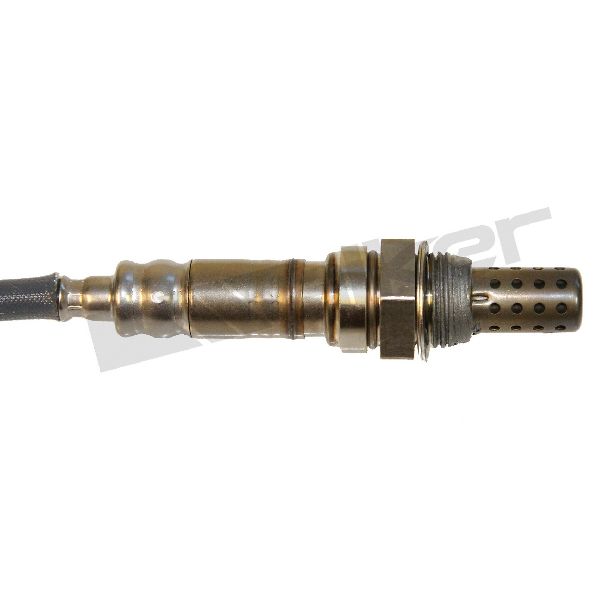
This code almost always means the Bank 1, Sensor 2 oxygen sensor has failed. This is the downstream sensor on the firewall side of the engine. Expect to pay $30-$70 for an aftermarket sensor or $70-$100+ for an OEM Motorcraft part. It's a DIY-friendly repair for most home mechanics, though the sensor can be seized in the exhaust.
- P0037 points directly to a problem with the heater circuit in the downstream oxygen sensor on the firewall side (Bank 1).
- The most likely fix is replacing the oxygen sensor itself, which is a common wear item.
- Before buying parts, test the sensor's heater resistance with a multimeter (spec is ~4-12 ohms) and check the fuse.
- Check with a Ford dealer to see if Emission Recall 24E10 (PCM Reprogram) applies to your VIN and if it has been completed, as it affects emissions monitoring.
- This is a manageable DIY repair with a special O2 sensor socket, but be prepared for a potentially seized sensor that may require penetrating oil and patience.
What's Unique About the 2015-2018 Ford Edge
For this specific generation of Ford Edge with the 3.5L engine, there is a documented emissions recall (24E10) that involves reprogramming the Powertrain Control Module (PCM). While this recall doesn't specifically name P0037, its purpose is to adjust how the emissions system accounts for certain in-use conditions to ensure tailpipe emissions are controlled effectively over time. It's worth checking if this recall has been performed on your vehicle, as updated PCM software can alter how emissions components are monitored. Some owners on forums have questioned if the update would negatively affect performance or MPG, but its primary goal is emissions compliance.
Symptoms You May Notice
- Check Engine Light is on.
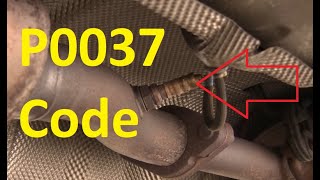
- Vehicle will fail an emissions test. 🎬 Watch: A quick overview of P0037 causes and common fixes.
- Potential for slightly reduced fuel economy.
- In some cases, rough running or hesitation, though less common for a downstream sensor fault.
- Replacing the wrong oxygen sensor (e.g., replacing the upstream Sensor 1 or a sensor on Bank 2, which is the radiator side).
- Replacing the catalytic converter when the issue is only with the sensor that monitors it.
- Condemning the sensor before checking for a blown fuse or damaged wiring.
Most Likely Causes
- Failed Bank 1, Sensor 2 Oxygen Sensor 🔴 High Probability → Shop Oxygen Sensor The internal heater element is a common failure point due to constant, extreme heat cycles and exposure to exhaust contaminants over many thousands of miles.
How to confirm: After visually inspecting the wiring, test the resistance of the heater circuit within the O2 sensor using a multimeter. Disconnect the sensor and probe the two pins for the heater circuit (often the two same-colored wires). A healthy sensor should have a resistance reading typically between 4 and 12 Ohms at room temperature. A reading of infinity (OL) indicates an open circuit and a failed sensor.
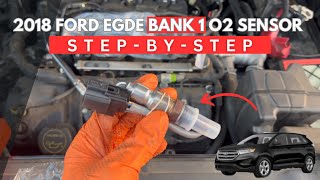
Typical fix: Replace the Bank 1, Sensor 2 oxygen sensor. This is the downstream sensor on the firewall side of the engine. Be aware that the sensor can be seized in the exhaust pipe; use penetrating oil and the correct O2 sensor socket for removal. 🎬 See this walkthrough for replacing the Bank 1 Sensor 2.
Est. part cost: $30-$100 - Damaged Wiring or Connector 🟡 Medium Probability The sensor's wiring harness is routed near the hot exhaust system and underbody, making it susceptible to melting, chafing from vibration, or corrosion from road salt and moisture.
How to confirm: Visually inspect the entire wiring harness from the O2 sensor to its connection point. Look for melted plastic, frayed wires, or green/white corrosion inside the connector pins. With the key on (engine off), test for 12V power and a good ground at the connector's heater circuit pins.
Typical fix: Repair the damaged section of the wiring harness or clean/replace the connector.
Est. part cost: $5-$50 - Blown Fuse ⚪ Low Probability
How to confirm: Locate the fuse for the O2 sensor heater circuit in your owner's manual (may be labeled 'O2 HTR' or similar) and visually inspect it. You can also test it for continuity with a multimeter. On similar Ford platforms like the 2015-2017 F-150, this fuse is often #95 in the under-hood fuse box, but verify with your Edge's specific manual.
Typical fix: Replace the blown fuse. If the fuse blows again immediately, it indicates a short circuit in the wiring that must be found and repaired.
Est. part cost: $1-$5
Rare But Worth Checking
- Faulty Powertrain Control Module (PCM): → Shop Engine Control Module (ECM) This is very rare. Before condemning the PCM, all other possibilities (sensor, wiring, fuses) must be exhaustively ruled out. A PCM failure for a single heater circuit is highly unlikely.
- Exhaust Leak: An exhaust leak upstream of the sensor can sometimes cause erratic readings or trigger heater performance codes, although it's less common for a 'circuit low' fault. This should be considered if replacing the sensor does not resolve the issue.
Diagnosis Steps
- Read the code with an OBD-II scanner to confirm P0037 is present.
- Visually inspect the Bank 1, Sensor 2 (downstream, firewall side) oxygen sensor and its wiring harness. Look for any signs of melting, chafing, or corrosion.
- Check the fuse related to the O2 sensor heater circuit. Consult the owner's manual for its location (often in the under-hood fuse box). On similar Ford platforms, this may be fuse #95.
- Disconnect the sensor and test for 12-volt power on the heater power wire and a good ground at the connector (key on, engine off). Note that Ford systems often use a PCM-controlled pulsed ground, so a steady ground may not be present until the engine is running.
- If power and ground are present, test the resistance of the heater circuit within the O2 sensor itself using a multimeter. A reading outside the typical 4-12 Ohm range (or an open circuit 'OL') indicates a failed sensor.
- If the sensor tests good but power is missing at the connector, trace the wiring back to the source to find the open or short.
- Before installing the new sensor, apply anti-seize compound to the threads. After replacing the part or repairing the wiring, clear the code and perform a drive cycle to ensure the fix was successful.
Parts You'll Likely Need
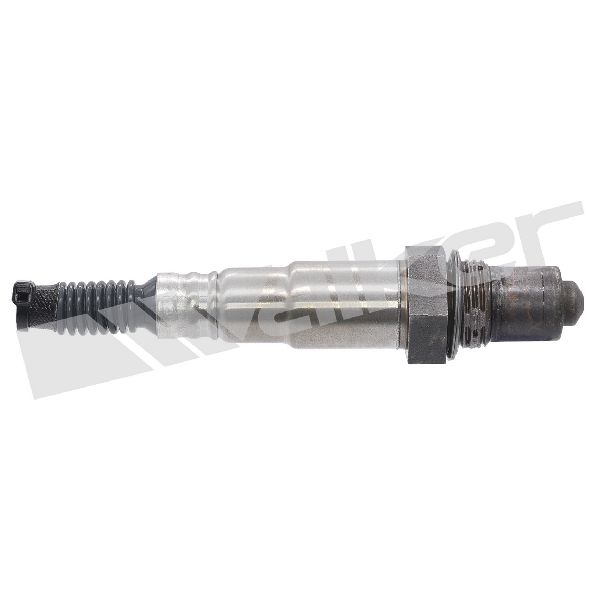
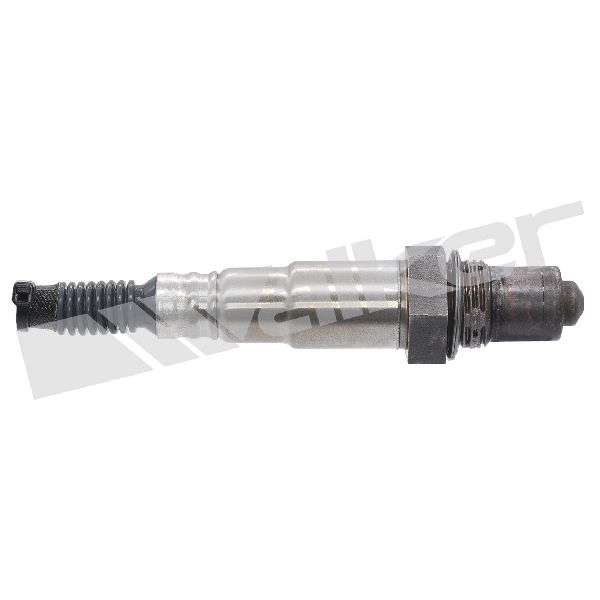
- Oxygen Sensor (Bank 1, Sensor 2)
(OEM #DY1173)— This is the downstream sensor for the rear bank (firewall side). Its internal heater is the most common failure point for code P0037. The part number DY1173 is cited for the equivalent 3.5L Explorer and Flex platforms and is a valid fitment. Always verify the exact part number with your vehicle's VIN.
Trusted brands: Motorcraft, NTK, Denso, Bosch
OEM price range: $70-$110
Aftermarket price range: $30-$70
Technical Service Bulletins (TSBs) & Recalls
- Emission Recall 24E10 - Reprogram Powertrain Control Module (PCM)
Platform-Specific Known Issues
- Emission Recall 24E10 was issued for 2015-2018 Edge models with the 3.5L engine, requiring a PCM reprogram. The recall addresses concerns that the vehicle may not meet tailpipe emission standards over time under certain conditions. It is recommended to verify if this service has been completed on your vehicle, as PCM software can influence how emissions components are monitored.
Mechanic-Grade Diagnostic Values
- O2 Sensor Heater Element Resistance — expected: 4 - 12 Ohms (general spec, can vary from 3-25 Ohms depending on manufacturer). Failure: A reading of infinity (OL) indicates an open circuit (failed heater). A reading of zero indicates a short.
- Voltage at Heater Circuit Power Wire (harness side) — expected: ~12V with Key On, Engine Off. Failure: No voltage or significantly low voltage indicates a problem with the fuse or power supply wiring.
- Voltage at Heater Circuit Ground Wire (harness side) — expected: Pulsing ground when engine is running. May not show a steady ground with key on, engine off.. Failure: No pulsing ground when running (as observed with a test light or scope) can indicate a wiring issue or a problem with the PCM driver circuit.
Hidden / Shadow Codes Worth Checking
- Mode $06, Test ID (TID) $81-$88: Ford vehicles use Mode $06 to display results from non-continuous monitor tests. While not a 'shadow code,' a failing test for an O2 sensor heater monitor can appear here before the PCM sets a permanent DTC like P0037. A technician would look for tests related to O2 sensor heaters that have a 'FAIL' status or a value close to the maximum limit. (see via An advanced OBD-II scan tool capable of displaying Mode $06 data. The specific TID/CID for the B1S2 heater may vary, but they fall within the O2 sensor test range.)
Wiring & Ground Locations
- O2 Sensor Heater Wires — At the 4-pin connector for the Bank 1, Sensor 2 oxygen sensor.. On a typical 4-wire Ford O2 sensor, the two same-colored wires (often white or black) are for the heater circuit. These are the wires to probe for resistance on the sensor side and for power/ground on the harness side.
- Engine Bay Ground Stud — On the firewall, driver's side, to the right of the battery.. This is a primary chassis ground point for the second-generation (2015+) Edge. A poor ground connection here can cause a variety of electrical issues, including low voltage faults for sensor circuits. Ensure it is clean, tight, and free of corrosion.
Real Owner Repair Stories
- Go-Parts.com F-150 Repair Article (Ford F-150 (similar platform)) — P0037 code returned even after replacing the Bank 1 Sensor 2 oxygen sensor.
❌ Tried (didn't work) Replacing the oxygen sensor
✅ What actually fixed it A detailed inspection found the wiring harness had sagged and made contact with the hot exhaust pipe. This melted the wire insulation, causing an intermittent short to ground. The final fix was to splice in a new section of wire and properly secure the harness away from the exhaust.
Diagnostic Flowchart
Other Known Issues on This Vehicle
Issues unrelated to this code that are worth knowing about as an owner of this generation:
- Internal Water Pump Failure 🔴 High — Can occur as early as 60,000 miles but is more common over 100,000 miles. Failure can be catastrophic. (Ref: No recall, but subject of class-action lawsuits. A weep hole behind the A/C compressor may drip coolant as an early warning.)
- Power Transfer Unit (PTU) Failure (AWD Models) 🔴 High — Commonly occurs due to overheating and breakdown of the 'lifetime' fluid, often noticeable after 40,000 miles. (Ref: TSB 19-2017 addresses fluid leaks from the PTU seal.)
- Electronic Throttle Body (ETB) Failure 🟠 Medium — Can occur at various mileages, causing sudden 'limp mode' where the vehicle loses power. (Ref: Subject of previous customer satisfaction programs (e.g., 13N03, 16B23) which have since expired.)
- Coolant Intrusion (2.0L EcoBoost Engine) 🔴 High — A known design defect in the EcoBoost engines (not the 3.5L V6) for this generation where coolant can leak into cylinders, requiring engine replacement.
- Brake Hose Rupture 🔴 High — Affects 2015-2018 models, can lead to sudden loss of brake fluid. (Ref: Recall 20S42)
Used vs. New Parts: Buying Guide for This Vehicle
When a used part is the smart pick: A used part is NOT recommended for the oxygen sensor itself, as it is a wear-and-tear component with a finite lifespan. However, sourcing a used connector pigtail or a section of the wiring harness from a junkyard/salvage vehicle is an excellent, cost-effective choice if your original wiring is melted, corroded, or physically damaged.
Donor-vehicle mileage cap: roughly under 80000 miles for the part to have meaningful remaining life.
What to inspect on the donor part:
- For a wiring harness/pigtail, inspect for any signs of melting, brittleness, or previous repairs (e.g., butt connectors, electrical tape).
- Ensure the connector's locking tab is intact and not broken.
- Check the pins inside the connector for any green or white corrosion.
- Select a donor vehicle from a dry climate if possible to minimize corrosion risk.
OEM-only on this vehicle (don't cheap out):
- While not strictly OEM-only, using a Motorcraft sensor is often recommended for guaranteed compatibility and to avoid potential issues with aftermarket sensor calibration.
Aftermarket brands forum-validated for this vehicle:
- NTK
- Denso
- Bosch (often the original equipment manufacturer for Ford)
Brands owners have reported issues with on this vehicle:
- Avoid unbranded, 'white-box' sensors from online marketplaces, as their internal heater elements and sensor cells may not meet OEM specifications for accuracy and longevity, leading to the code returning.
Real Owner Stories
Aggregated from forums and TSBs cited above. Mileages and costs reflect what owners reported in those sources.
2015-2018 Ford Edge 3.5L
Symptoms: Owners reported receiving letters regarding concerns that the vehicle may not meet tailpipe emission standards over time under certain conditions.
What fixed it: Reprogramming of the Powertrain Control Module (PCM) as per Emission Recall 24E10.
Source hint: Emission Recall 24E10 - Reprogram Powertrain Control Module (PCM)
2015-2016 Ford Edge 3.5L
Symptoms: Sudden 'limp mode' where the vehicle loses power.
What fixed it: Replacement of the Electronic Throttle Body (ETB).
Source hint: FordEdgeForum.com - A thread titled 'Second Gen. 2015-16 3.5 Throttle body failure report thread'
Related OBD-II Codes
Frequently Asked Questions
Does Emission Recall 24E10 apply to my 2015-2018 Ford Edge with the 3.5L engine?
Where is the Bank 1, Sensor 2 oxygen sensor located on my Edge 3.5L?
Which fuse should I check for the O2 sensor heater circuit on a 2015-2018 Edge?
Can I use a used oxygen sensor from a salvage yard to fix P0037?
Is there a specific brand of sensor recommended for the Ford Edge 3.5L?
Will the P0037 code cause my Ford Edge to fail an emissions test?
Helpful Videos
We Have This Part in Stock

The information in this article is provided for general reference and educational purposes only. Vehicle specifications, procedures, and part compatibility can vary by production date, trim level, and region. Always consult your vehicle's factory service manual and verify part numbers before purchasing or performing repairs. Safety-critical components such as airbags, seat belts, and braking systems should be installed by a qualified professional.
- Ford Edge:
- 🧭 Diagnostic Flowchart
- 🎬 Helpful Videos
- 🛍️ Shop This Part
- What's Unique About the 2015-2018 Ford Edge
- Symptoms You May Notice
- Most Likely Causes
- Rare But Worth Checking
- Diagnosis Steps
- Parts You'll Likely Need
- Technical Service Bulletins (TSBs) & Recalls
- Platform-Specific Known Issues
- Mechanic-Grade Diagnostic Values
- Hidden / Shadow Codes Worth Checking
- Wiring & Ground Locations
- Real Owner Repair Stories
- Other Known Issues on This Vehicle
- Used vs. New Parts: Buying Guide for This Vehicle
- Real Owner Stories
- 2015-2018 Ford Edge 3.5L
- 2015-2016 Ford Edge 3.5L
- Related OBD-II Codes
- Frequently Asked Questions
- 🎟️ Get 5% Off