

P0037 on 2012-2017 Hyundai Azera 3.3L V6: O2 Sensor Heater Circuit Causes and Fixes
On a 2012-2017 Hyundai Azera, code P0037 almost always indicates a failed heater element inside the Bank 1, Sensor 2 oxygen sensor. This is the downstream sensor on the firewall side of the engine. The heater's purpose is to bring the sensor to operating temperature (350-850°C) quickly to enable accurate emissions monitoring. Replacing the sensor is the typical fix, with aftermarket parts costing $60-$120 and OEM parts around $190.
- P0037 on a 2012-2017 Azera points to the heater in the downstream oxygen sensor on the firewall side (Bank 1, Sensor 2).
- The most probable cause is that the sensor itself has failed and needs to be replaced. A resistance test can confirm this.
- Before replacing the sensor, perform a quick visual check of the wiring for damage and test the relevant fuse (often labeled 'SENSOR 1').
- The correct OEM part number is 39210-3CDB0. Quality aftermarket brands like Denso or NTK are reliable alternatives.
- This repair is DIY-friendly, but accessing the sensor on the rear of the engine can be challenging without the right tools, like an O2 sensor socket and various extensions.
What's Unique About the 2012-2017 Hyundai Azera
For the Lambda II 3.3L V6 engine in the fifth-generation Azera, this code is a straightforward diagnostic case. There are no widespread, unique platform issues that cause P0037 outside of the typical oxygen sensor failure. The primary challenge for this specific sensor (Bank 1, Sensor 2) is physical access, as it is located on the rear (firewall side) of the engine, which can make it more difficult to reach than the Bank 2 sensors on the radiator side. A special O2 sensor socket is highly recommended for removal.
Symptoms You May Notice
- Check Engine Light is on.
- Vehicle will fail an emissions inspection.
- Potential for slightly reduced fuel economy.
- In rare cases, a rough or sluggish engine feel, especially when cold.
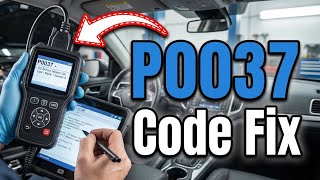
- Replacing the wrong oxygen sensor. Many people mistakenly replace the upstream (Sensor 1) or the sensor on the wrong bank (Bank 2, radiator side). Always confirm the code is P0037 🎬 Watch: A quick guide on fixing the P0037 heater circuit and locate the Bank 1, Sensor 2 position before buying parts.
Most Likely Causes
- Failed Bank 1, Sensor 2 Oxygen Sensor 🔴 High Probability → Shop Oxygen Sensor The internal heater element is a common failure point on all oxygen sensors due to thousands of intense heat cycles. This is the most frequent cause of a P0037 code.
How to confirm: Disconnect the sensor and use a multimeter to measure the resistance across the two heater pins (usually the two same-colored wires, often white). A good heater will have a resistance between approximately 8.1 and 11.1 ohms at room temperature (21°C / 70°F). An infinite resistance reading (open circuit/OL) or a reading near zero ohms (short circuit) confirms the sensor has failed.
Typical fix: Replace the Bank 1, Sensor 2 (rear, downstream) oxygen sensor. Apply anti-seize compound to the threads of the new sensor before installation. Torque to approximately 35-45 Nm.
Est. part cost: $60 - $190 - Damaged Wiring or Connector 🟡 Medium Probability The wiring harness runs underneath the vehicle and is exposed to heat, moisture, and road debris, which can cause wires to melt, chafe, or break. The connector pins can also corrode.
How to confirm: Visually inspect the entire wiring harness from the sensor to where it enters the main loom. Check for melted insulation near the exhaust pipe, frayed wires, and any green or white corrosion inside the connector. Check for 12V power at the harness-side connector with the key on, engine off.
Typical fix: Repair the damaged section of wire with a new piece of wire and heat-shrink butt connectors. Clean corroded connectors with an electrical contact cleaner or replace the connector pigtail if necessary.
Est. part cost: $5 - $25 - Blown Fuse ⚪ Low Probability
How to confirm: Check the fuse box in the engine bay for a fuse labeled for sensors (e.g., 'SNSR 1', 'AF heater', or similar). On this platform, it is often a 15A fuse labeled 'SENSOR 1'. Pull the fuse and visually inspect if the internal filament is broken or test for continuity with a multimeter.
Typical fix: Replace the blown fuse with a new one of the same amperage. If the new fuse blows immediately, it indicates a persistent short circuit in the wiring or the sensor itself that must be found and fixed.
Est. part cost: $1 - $5
Rare But Worth Checking
- Faulty Engine Control Module (ECM): → Shop Engine Control Module (ECM) This is extremely rare. The ECM should only be considered after all other possibilities (sensor, wiring, fuses) have been exhaustively tested and ruled out. An ECM failure would typically be accompanied by other trouble codes as well.
Diagnosis Steps
- Read the code with an OBD-II scanner to confirm P0037 is the active fault.
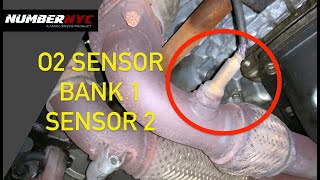
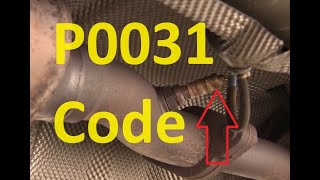
- Locate the Bank 1, Sensor 2 oxygen sensor. It is on the rear (firewall side) exhaust pipe, after the catalytic converter.
- Inspect the sensor's wiring harness and connector for any visible signs of damage, such as melting, chafing, or corrosion.
- Check the fuse for the oxygen sensor heater circuit in the engine bay fuse panel. It may be labeled 'SENSOR 1' and is typically a 15A fuse. Replace if blown.
- If the wiring and fuse are okay, disconnect the sensor. Use a multimeter to test the resistance of the heater circuit within the sensor itself (between the two same-colored wires 🎬 See this walkthrough for diagnosing the heater low voltage code). A good heater will typically have a resistance of 8.1-11.1 ohms. An open circuit (OL) or a direct short (near 0 ohms) indicates a failed sensor.
- If the sensor's resistance is good, test for power at the harness connector. With the key on (engine off), one pin should have 12V power. If not, there is a wiring issue between the fuse box and the sensor.
- If all tests pass but the code returns, the issue may be an intermittent wiring fault or, in very rare cases, a faulty ECM driver circuit.
Parts You'll Likely Need
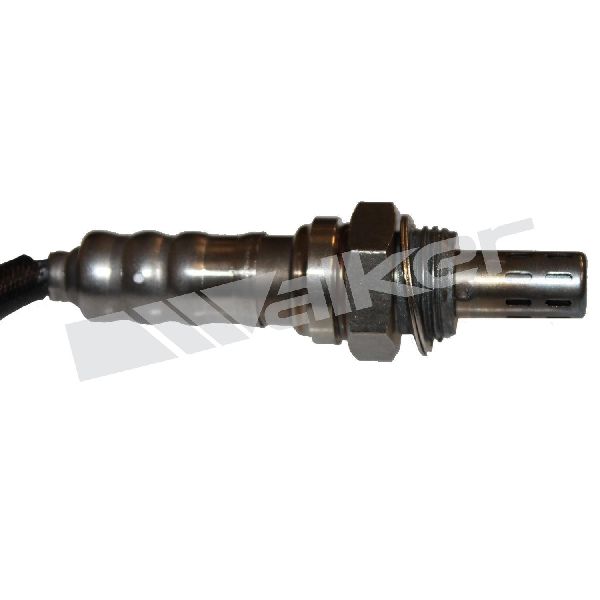
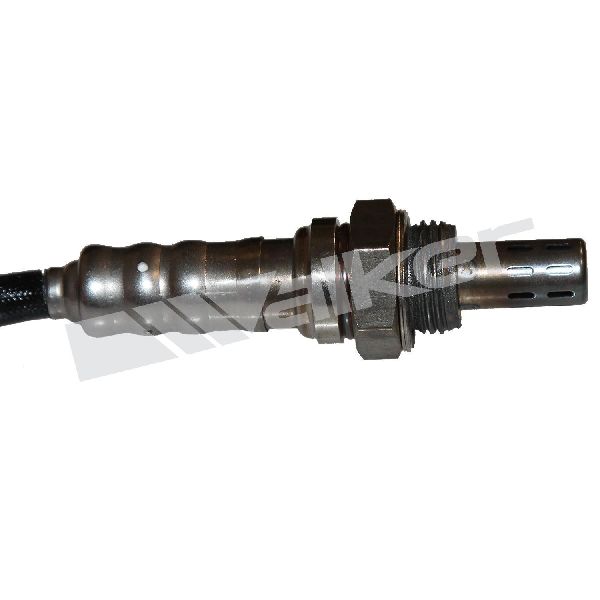
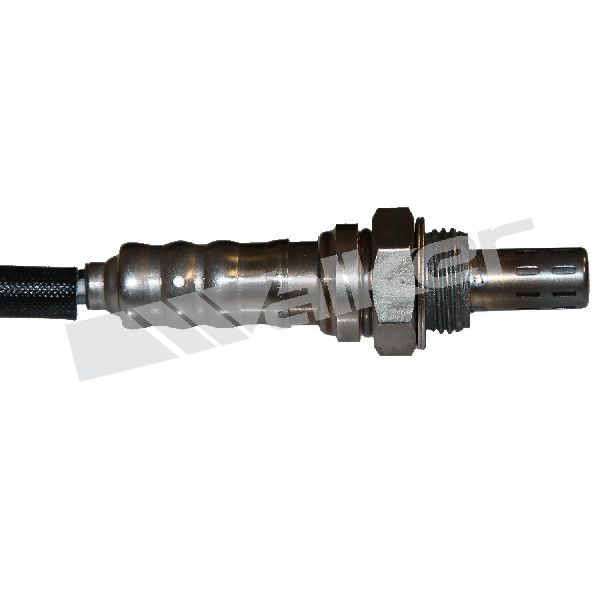
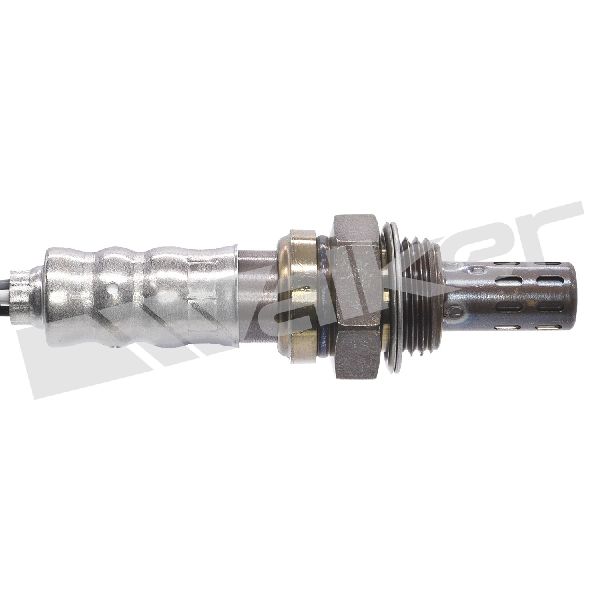
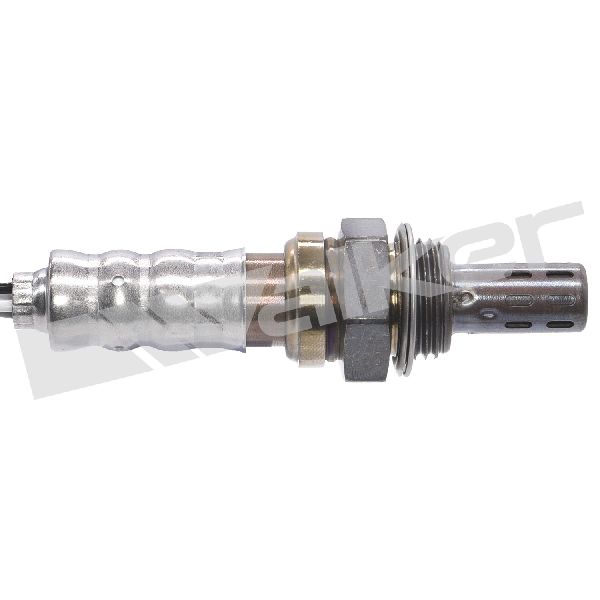
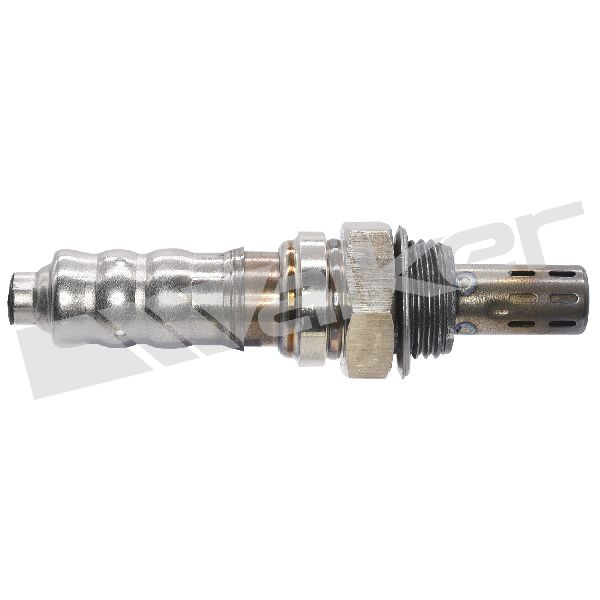
- Oxygen Sensor (Bank 1, Sensor 2)
(OEM #39210-3CDB0)— This is the downstream, rear oxygen sensor. Its internal heater element is the most common failure point that triggers code P0037.
Trusted brands: Denso, Bosch, NTK, Walker
OEM price range: $190-$270
Aftermarket price range: $60-$120
Related Codes That Often Appear With This One
- P0140 — P0140 means "O2 Sensor Circuit No Activity Detected (Bank 1 Sensor 2)". This code often appears with P0037 because if the heater fails, the sensor may not reach operating temperature and will not produce a signal, leading the ECM to log both a heater fault and a no-activity fault for the same sensor.
Platform-Specific Known Issues
- Access to the Bank 1 (rear) sensor is tight. It may be easier to access from underneath the vehicle after removing splash shields. 🎬 Watch: The easy way to locate and replace this sensor An oxygen sensor socket with a slot for the wire is highly recommended to avoid damaging the new sensor's harness during installation.
Mechanic-Grade Diagnostic Values
- O2 Sensor Heater Element Resistance — expected: 8.1 - 11.1 Ω at 21°C (70°F). Failure: An open circuit (infinite resistance/OL) or a reading significantly outside this range indicates a failed heater element.
- Heater Circuit Power Supply Voltage — expected: Approximately 12V (battery voltage) with Key On, Engine Off (KOEO). Failure: A reading below 9V or 0V indicates a problem with the 'SENSOR 1' fuse or the power supply wire from the main relay.
- Heater Circuit Control — expected: The PCM controls the heater via a pulse-width modulated (duty-cycled) ground signal.. Failure: When testing with a multimeter, the control wire may not show a constant ground. A 'low' circuit code suggests the ECM is seeing a short to ground or an open circuit when it attempts to complete the ground path.
Scan Tool Commands That Help
- Hyundai GDS (Global Diagnostic System): Actuation Test for O2 Sensor Heater — After confirming the fuse and sensor resistance are good, this command directly tests the ECM's ability to provide the ground signal to the heater circuit. A technician can command the heater 'ON' while monitoring voltage on the control wire at the sensor connector to verify ECM and wiring integrity.
Wiring & Ground Locations
- SENSOR 1 Fuse (15A) — Located in the main fuse box in the engine compartment.. This fuse provides the 12V power supply for the oxygen sensor heater circuits. If it blows, it will cause a P0037 (or other heater circuit) code.
- GE01 / GE02 / GE08 — Main engine compartment ground points, typically on the left or right front of the engine compartment, attached to the chassis/fender.. While the O2 sensor heater is controlled via a ground signal from the ECM, the ECM itself relies on these main chassis grounds. A poor connection at these points can cause a variety of intermittent electrical issues, though it is not a primary cause for a specific code like P0037.
OEM Part Supersession History
39210-3CDB0→No official supersession found.— N/A
Heads up: This part number appears consistent for the 2012-2017 Azera for the Bank 1 Sensor 2 position. Note that other similar part numbers like 39210-3CCB0 are for the upstream sensor and are not interchangeable.
Model Year Variations Within This Range
- 2012-2017: No significant variations related to the P0037 fault have been documented for the fifth-generation Azera. The 3.3L Lambda II GDI engine, emissions components, and general diagnostics remained consistent throughout this production run.
Diagnostic Flowchart
Other Known Issues on This Vehicle
Issues unrelated to this code that are worth knowing about as an owner of this generation:
- GDI Intake Valve Carbon Buildup 🟠 Medium — Common to all GDI engines, becomes noticeable after 60,000+ miles. Can cause rough idle, hesitation, or misfires. The Lambda II's two-stage injection may slightly mitigate but not eliminate this. (Ref: Hyundai TSB 23-EM-007H provides a procedure for combustion chamber cleaning.)
- Excessive Oil Consumption 🟠 Medium — Some owners report noticeable oil consumption between changes, potentially due to piston ring issues. This issue is the subject of owner complaints and a class-action lawsuit covering Lambda engines. (Ref: Hyundai TSB 23-EM-008H (supersedes 21-EM-003H) provides guidelines for oil consumption inspection and repair.)
- ABS Module Internal Short / Fire Risk 🔴 High — A widespread issue affecting many Hyundai/Kia models of this era. Brake fluid can leak into the ABS module, causing an electrical short and potential fire, even when parked. (Ref: NHTSA Recall 23V651000. Owners are advised to park outside and away from structures until the repair is completed.)
- Timing Chain Tensioner Issues 🟡 Low — While the Lambda II V6 is generally considered reliable, some repair sites note timing chain tensioner issues as a possible, though not widespread, problem that can cause rattling noises on startup.
- Trunk Latch Failure 🟡 Low — The trunk latch mechanism can fail, preventing the trunk from being opened from the inside. (Ref: NHTSA Recall 21V619000.)
Used vs. New Parts: Buying Guide for This Vehicle
When a used part is the smart pick: For this repair, sourcing used parts is generally not recommended. The primary failure is the oxygen sensor itself, which is a wear-and-tear item with a finite lifespan. A used sensor carries a high risk of premature failure. A used wiring connector pigtail could be a viable option if only the connector is damaged and a new pigtail is unavailable.
Donor-vehicle mileage cap: roughly under 50000 miles for the part to have meaningful remaining life.
What to inspect on the donor part:
- If sourcing a connector, inspect for any signs of brittleness, cracking, or melted plastic.
- Check for corrosion (green or white powder) on the connector pins.
- Ensure the locking tab is intact and functional.
OEM-only on this vehicle (don't cheap out):
- While not strictly 'OEM-only', using a sensor from an original equipment manufacturer is highly advised.
Aftermarket brands forum-validated for this vehicle:
- Denso
- NTK (also known as NGK)
- Bosch (though some forums report occasional incompatibility with Asian vehicles, it is generally a reputable brand)
Brands owners have reported issues with on this vehicle:
- Generic, unbranded 'white-box' oxygen sensors from online marketplaces are frequently reported to be dead-on-arrival or fail within a short period.
Real Owner Stories
Aggregated from forums and TSBs cited above. Mileages and costs reflect what owners reported in those sources.
2012-2017 Hyundai Azera 3.3L V6
Symptoms: The vehicle presented with fault codes P0140 and P0037.
What fixed it: Diagnosis confirmed a failed (stuck) Bank 1 downstream oxygen sensor, which required replacement to resolve the codes.
Source hint: YouTube: Hyundai azera falhas P0140 e P0037 diagnóstico e como resolvemos
Related OBD-II Codes
Frequently Asked Questions
Where is the Bank 1 Sensor 2 oxygen sensor located on my 2012-2017 Azera?
Is there a specific fuse I should check for the P0037 code on this Hyundai platform?
What is the correct resistance specification for a new O2 sensor (part 39210-3CDB0)?
Does the Hyundai TSB for carbon buildup (23-EM-007H) relate to my P0037 code?
Are there any recalls for the 2012-2017 Azera that I should be aware of while fixing this?
Can I use a sensor from a Kia Cadenza to fix my Azera?
Helpful Videos
We Have This Part in Stock

The information in this article is provided for general reference and educational purposes only. Vehicle specifications, procedures, and part compatibility can vary by production date, trim level, and region. Always consult your vehicle's factory service manual and verify part numbers before purchasing or performing repairs. Safety-critical components such as airbags, seat belts, and braking systems should be installed by a qualified professional.
- Hyundai Azera:
- 🧭 Diagnostic Flowchart
- 🎬 Helpful Videos
- 🛍️ Shop This Part
- What's Unique About the 2012-2017 Hyundai Azera
- Symptoms You May Notice
- Most Likely Causes
- Rare But Worth Checking
- Diagnosis Steps
- Parts You'll Likely Need
- Related Codes That Often Appear With This One
- Platform-Specific Known Issues
- Mechanic-Grade Diagnostic Values
- Scan Tool Commands That Help
- Wiring & Ground Locations
- OEM Part Supersession History
- Model Year Variations Within This Range
- Other Known Issues on This Vehicle
- Used vs. New Parts: Buying Guide for This Vehicle
- Real Owner Stories
- 2012-2017 Hyundai Azera 3.3L V6
- Related OBD-II Codes
- Frequently Asked Questions
- 🎟️ Get 5% Off