

P0037 on 2017-2020 Hyundai Elantra: O2 Sensor Heater Circuit Causes and Fixes
For a 2017-2020 Elantra with the 2.0L engine, P0037 almost always means the downstream oxygen sensor (Bank 1, Sensor 2) has failed. Before replacing it, check the 15-amp 'SENSOR 1' fuse in the engine bay fuse box. An aftermarket sensor costs about $40-$70, and it's a DIY-friendly job.
- P0037 on a 2017-2020 Elantra points to the downstream O2 sensor's heater circuit.
- The most likely fix is replacing the downstream O2 sensor itself (OEM Part#: 39210-2ECC0).
- Always check the 15A 'SENSOR 1' fuse in the engine bay fuse box before buying parts, as this is a simple and cheap potential fix.
- This is a DIY-friendly repair that requires a special O2 sensor socket but is otherwise straightforward.
- Ignoring the code will cause an automatic failure on an emissions test and can lead to more expensive catalytic converter damage in the long run.
What's Unique About the 2017-2020 Hyundai Elantra
On the 2017-2020 Hyundai Elantra, the P0037 code is a very common and straightforward issue. Unlike some vehicles where this code can lead to a complex electrical chase, on the Elantra it's almost always a simple component failure. The vast majority of cases are resolved by either replacing the downstream O2 sensor itself or a blown fuse, making it a predictable and often inexpensive fix for DIY mechanics. A key difference within this model range is the location of the downstream sensor's electrical connector; on some models it is on a bracket behind the engine, while on others it is found inside the car under the center console.
Symptoms You May Notice
- Check Engine Light is on.
- Failing a vehicle emissions test.
- Slightly reduced fuel economy.
- Rough idle in some cases.
- Hesitation during acceleration.
- Replacing the upstream (Bank 1, Sensor 1) oxygen sensor. P0037 specifically refers to Sensor 2, which is the downstream sensor located after the catalytic converter.
Most Likely Causes
- Failed Downstream Oxygen Sensor 🔴 High Probability → Shop Oxygen Sensor The internal heater element of an O2 sensor is a common failure point due to constant exposure to extreme heat cycles in the exhaust. This is the most frequent cause of P0037.
How to confirm: After confirming the fuse is good, test the resistance of the sensor's heater circuit with a multimeter. A reading outside the manufacturer's specification (typically between 2.4 and 10 ohms) indicates a failed heater. An open circuit (infinite resistance) is a definitive sign of failure. For most DIYers, if the fuse is good, replacing the sensor is the next logical and most probable step.
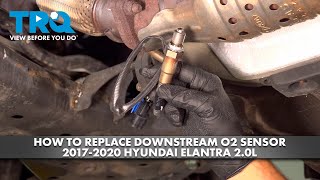
Typical fix: Replace the Bank 1, Sensor 2 (downstream) oxygen sensor. 🎬 Watch: Step-by-step downstream O2 sensor replacement for 2.0L Elantras
Est. part cost: $40-$100 - Blown Fuse 🟡 Medium Probability A short in the O2 sensor's heater element or its wiring can cause the protective fuse to blow.
How to confirm: Check the fuse box located in the engine bay. Look for a 15-amp fuse labeled 'SENSOR 1'. Visually inspect the fuse to see if it is blown. If this fuse is blown, it may also trigger other codes like P0031 (Sensor 1 heater) simultaneously.
Typical fix: Replace the blown fuse. 🎬 See this walkthrough for diagnosing and fixing the P0037 code If the new fuse blows immediately, it indicates a short circuit in the wiring or the sensor itself that needs to be diagnosed.
Est. part cost: $1-$5 - Damaged Wiring or Connector ⚪ Low Probability Though often protected, the wiring harness under the vehicle is exposed to road debris, moisture, and heat, which can lead to corrosion, breaks, or short circuits over time. Wires can also be damaged by touching the hot exhaust.
How to confirm: Visually inspect the wiring harness and connector leading to the downstream O2 sensor for any signs of melting, chafing, corrosion, or breaks. Check for good pin connection at the connector.
Typical fix: Repair the damaged section of wiring or clean/replace the connector.
Est. part cost: $5-$50
Rare But Worth Checking
- Faulty Powertrain Control Module (PCM/ECM): → Shop Engine Control Module (ECM) This is extremely rare. The PCM is the least likely component to fail. All other possibilities, including the sensor, fuse, and wiring, should be exhaustively checked before considering a PCM issue.
Diagnosis Steps
- Read the code using an OBD-II scanner to confirm P0037 is present. Note any other codes.
- Locate the engine bay fuse box. Find the 15A fuse for the oxygen sensor circuit (labeled 'SENSOR 1').
- Visually inspect the fuse. If it's blown, replace it, clear the code, and see if it returns. If it does, suspect a short in the sensor or wiring.
- If the fuse is good, locate the downstream oxygen sensor (Bank 1, Sensor 2) in the exhaust pipe after the catalytic converter.
- Inspect the sensor's wiring and connector for any visible damage, melting, or corrosion. The connector may be on a bracket behind the engine or inside the cabin under the center console, depending on the model year.
- If no wiring damage is found, the most likely cause is a failed heater element within the O2 sensor itself.
- For advanced diagnosis, disconnect the sensor and measure the resistance across the two heater circuit pins on the sensor side (typically the two wires of the same color). Compare the reading to the vehicle's specifications (2.4 - 10 ohms). An open circuit (infinite resistance) or a reading far out of spec confirms a bad sensor.
- Check for 12V power at the sensor's harness connector with the ignition on. If no voltage is present and the fuse is good, there is an open in the power wire.
- Replace the downstream oxygen sensor.
- Clear the trouble code with the scanner and take the vehicle for a test drive to ensure the fix was successful.
Parts You'll Likely Need
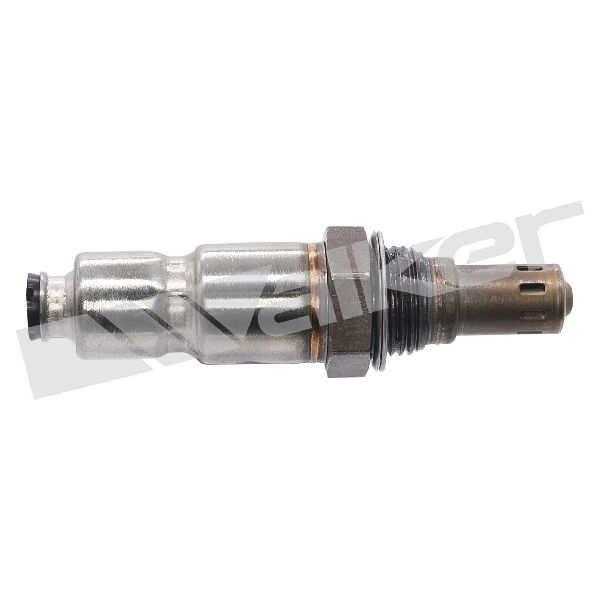
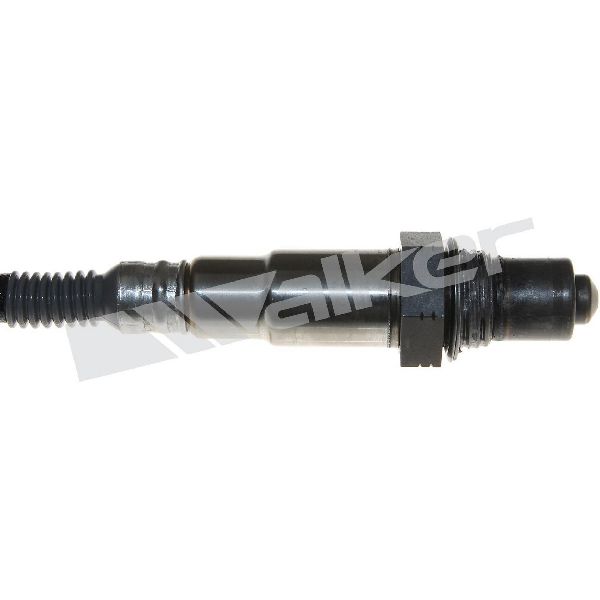
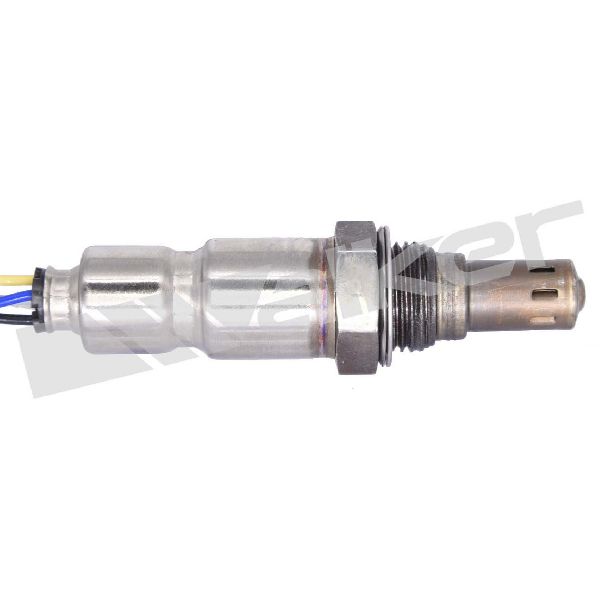
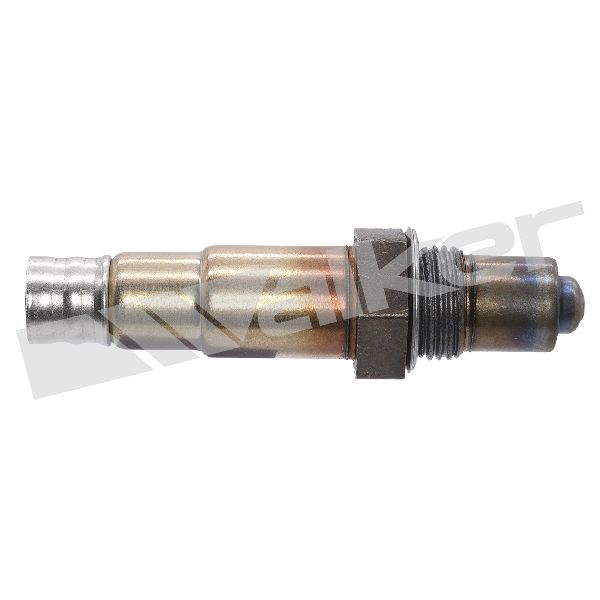
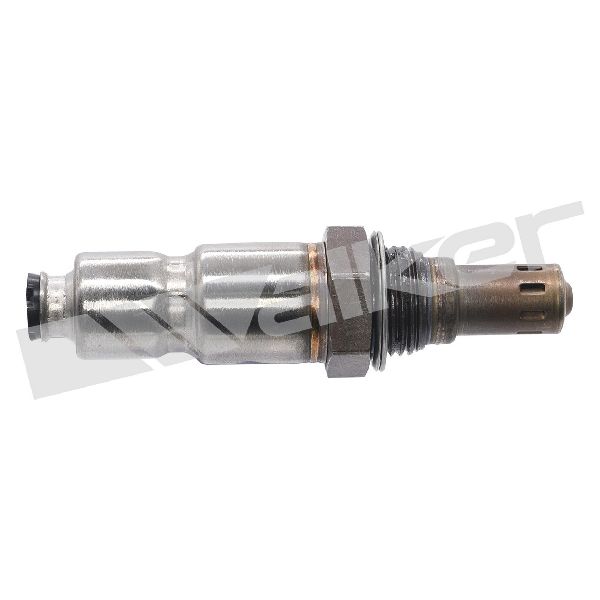
- Downstream Oxygen Sensor (Bank 1, Sensor 2)
(OEM #39210-2ECC0, 39210-2ECC2)— This is the most common failure point for code P0037, as the internal heater element burns out over time.
Trusted brands: Hyundai (OEM), Denso, Bosch, NGK/NTK, Walker Products
OEM price range: $120-$190
Aftermarket price range: $40-$100
Platform-Specific Known Issues
- On the 2017-2020 Elantra, the P0037 code is very frequently a simple 'replace the sensor' fix. Unlike other makes where wiring or computer issues are more common for this code, the sensor itself is the primary failure point. 🎬 Watch: Understanding O2 sensor codes across various Hyundai models
- The 'SENSOR 1' fuse in the engine bay fuse box is a known secondary cause. If this 15A fuse blows, it will cut power to the heater circuit and set the code.
Mechanic-Grade Diagnostic Values
- Downstream O2 Sensor Heater Circuit Resistance — expected: 2.4 - 10.0 Ω (measured across the two heater pins on the sensor, typically same-colored wires, with sensor at room temperature). Failure: A reading of OL (Open Loop/infinite resistance) or a value significantly outside the specified range indicates a failed heater element.
- Heater Circuit Power Supply Voltage — expected: Approximately 12V (battery voltage) with Key On, Engine Off (KOEO).. Failure: A reading below 9V or no voltage indicates a problem with the fuse or the power supply wire from the relay.
- Heater Circuit Current Draw (Live Data) — expected: 0.5 - 1.5 A when the heater is commanded on by the ECM.. Failure: Current less than 0.25 A suggests an open circuit (bad sensor/wiring). Current over 2.0 A suggests a short circuit.
Hidden / Shadow Codes Worth Checking
- Mode 06, Test ID $81, Comp ID $04: This is not a trouble code, but an onboard monitor test result for the Bank 1 Sensor 2 heater. It tracks the maximum heater current to detect malfunctions. A failing result in this test can precede the P0037 code or confirm an electrical fault. (see via An advanced OBD-II scan tool capable of displaying Mode $06 data.)
Scan Tool Commands That Help
- Hyundai GDS (Global Diagnostic System): Actuation Test for O2 Sensor Heater — After verifying the fuse is good, a technician can use this function to command the O2 sensor heater on and off. While monitoring the circuit with a multimeter or scope, this directly tests the ECM's ability to control the heater circuit, helping to isolate the fault between the wiring, sensor, or the ECM itself.
Wiring & Ground Locations
- Downstream O2 Sensor Connector (C240) — Location varies. On some models, it is on a bracket at the back of the engine, near the valve cover and firewall. On other models (reportedly 2019+), it is located inside the vehicle, under the center console, requiring removal of interior trim to access. Always trace the wire from the sensor to be certain.. This is the primary access point for all electrical testing of the sensor and circuit. Knowing its location is critical for diagnosis. The interior location protects it from elements but makes access more time-consuming.
- Heater Circuit Pins — Within the 4-pin O2 sensor connector. The two heater wires are typically the same color (e.g., two black or two white wires). The other two wires are for the sensor signal and sensor ground.. These specific pins must be used for resistance testing on the sensor side and for voltage/control signal testing on the harness side.
OEM Part Supersession History
39210-2ECC0→39210-2ECC0 is the primary part number for the 2017-2020 Elantra 2.0L.— N/A
Heads up: Part number 39210-2ECC2 is listed for the Kia Forte with the same engine and is likely interchangeable, but always verify fitment with VIN. Part 39210-2ECC1 is also mentioned for similar applications but is less common.
Model Year Variations Within This Range
- 2017-2020 (Varies): The location of the downstream (Bank 1, Sensor 2) oxygen sensor's electrical connector. Some vehicles have the connector mounted on a bracket on the back of the engine block. Others, particularly later models around 2019, have the connector located inside the cabin, underneath the center console trim. This significantly changes the labor involved in accessing the connector for testing or replacement.
Diagnostic Flowchart
Other Known Issues on This Vehicle
Issues unrelated to this code that are worth knowing about as an owner of this generation:
- Engine Piston Slap / Knocking Noise 🔴 High — Common enough to trigger class-action lawsuits, particularly for the 1.8L Nu engine, but the 2.0L Nu is also affected. Noise is most prominent on cold starts. (Ref: Multiple TSBs exist, including warranty extensions for the engine short block (TSB 21-EM-002H) and long block (TSB 22-EM-009H) for related engines.)
- Excessive Engine Oil Consumption 🟠 Medium — A widely reported issue for Hyundai's Nu and other engine families. Owners may need to top off oil between changes. (Ref: Hyundai has issued multiple TSBs, such as 21-EM-003H and its successor 23-EM-008H, which provide guidelines for inspection and repair, including combustion chamber cleaning and potential engine replacement.)
- Peeling or Bubbling Paint 🟡 Low — Frequently reported by owners, especially on vehicles with pearl white or black paint. Bubbles can appear on the roof, hood, or trunk.
- Transmission Hesitation or Jerking (CVT models) 🟠 Medium — Some owners of models equipped with the Continuously Variable Transmission (CVT), introduced in 2020, report hesitation or jerking when accelerating from a stop. (Ref: Software updates for the Transmission Control Unit (TCU) have been released by Hyundai to address this issue.)
Used vs. New Parts: Buying Guide for This Vehicle
When a used part is the smart pick: It is generally not recommended to buy a used oxygen sensor. They are a wear-and-tear component with a finite lifespan. The cost savings are minimal compared to the risk of installing a part that is already near the end of its life.
Donor-vehicle mileage cap: roughly under 30000 miles for the part to have meaningful remaining life.
What to inspect on the donor part:
- If buying used is the only option, source from a very low-mileage vehicle.
- Ensure the electrical connector is free of corrosion or damage.
- Check that the sensor tip is not physically damaged or heavily coated in black, sooty deposits.
OEM-only on this vehicle (don't cheap out):
- While not strictly OEM-only, using a genuine Hyundai/Kia sensor or a high-quality OEM-supplier brand is highly recommended for proper heater performance and longevity.
Aftermarket brands forum-validated for this vehicle:
- NGK/NTK
- Denso
- Bosch
Brands owners have reported issues with on this vehicle:
- Unknown, no-name brands from online marketplaces should be avoided, as they may have incorrect heater resistance values, leading to persistent codes or premature failure.
Real Owner Stories
Aggregated from forums and TSBs cited above. Mileages and costs reflect what owners reported in those sources.
2017-2020 Hyundai Elantra
Symptoms: A user reported the P0037 code appearing, specifically identifying it as a 'Hyundai HO2S 1/2 Heater Circuit Low' issue.
What fixed it: The context indicates that for this specific vehicle, the fix is very frequently a simple replacement of the downstream oxygen sensor.
Source hint: r/AutoCodesCom on Reddit
Related OBD-II Codes
Frequently Asked Questions
Which fuse should I check for a P0037 code on my 2017-2020 Hyundai Elantra?
Where is the Bank 1, Sensor 2 oxygen sensor located on this vehicle?
What is the correct resistance for the O2 sensor heater on a 2017-2020 Elantra?
Are there any TSBs for engine issues that might be related to my Elantra's performance?
Can I use an aftermarket O2 sensor to fix P0037?
Does the 2020 Elantra CVT have any specific issues I should watch for while fixing this code?
Helpful Videos
We Have This Part in Stock


The information in this article is provided for general reference and educational purposes only. Vehicle specifications, procedures, and part compatibility can vary by production date, trim level, and region. Always consult your vehicle's factory service manual and verify part numbers before purchasing or performing repairs. Safety-critical components such as airbags, seat belts, and braking systems should be installed by a qualified professional.
- Hyundai Elantra:
- 🧭 Diagnostic Flowchart
- 🎬 Helpful Videos
- 🛍️ Shop This Part
- What's Unique About the 2017-2020 Hyundai Elantra
- Symptoms You May Notice
- Most Likely Causes
- Rare But Worth Checking
- Diagnosis Steps
- Parts You'll Likely Need
- Platform-Specific Known Issues
- Mechanic-Grade Diagnostic Values
- Hidden / Shadow Codes Worth Checking
- Scan Tool Commands That Help
- Wiring & Ground Locations
- OEM Part Supersession History
- Model Year Variations Within This Range
- Other Known Issues on This Vehicle
- Used vs. New Parts: Buying Guide for This Vehicle
- Real Owner Stories
- 2017-2020 Hyundai Elantra
- Related OBD-II Codes
- Frequently Asked Questions
- 🎟️ Get 5% Off