

P0037 on 2013-2016 Jaguar XJ: HO2S Heater Circuit Low Causes and Fixes
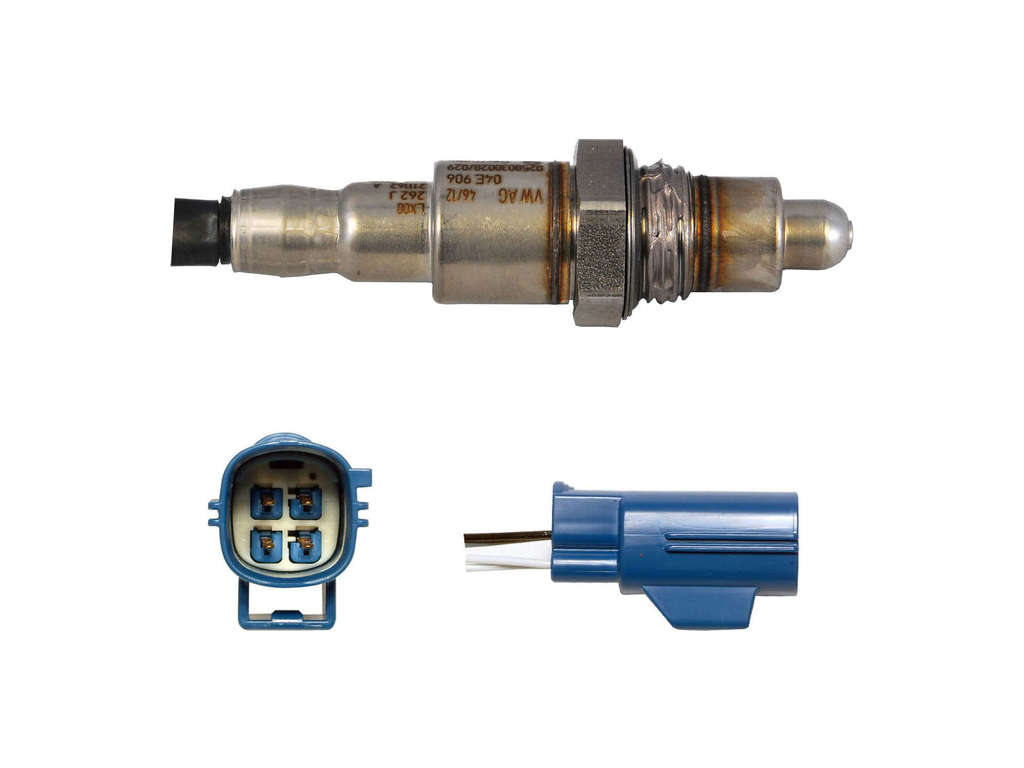
P0037 on a 2013-2016 Jaguar XJ indicates a fault in the heater circuit of the downstream oxygen sensor on Bank 1. This is a common issue, and the fix is almost always replacing the Bank 1, Sensor 2 oxygen sensor. Bank 1 is the passenger side in North America. An aftermarket sensor costs around $75-$150, while an OEM part is approximately $270.
- P0037 specifically points to a problem with the heater circuit for the oxygen sensor located on the passenger side, after the catalytic converter.
- The most likely cause is a failed oxygen sensor, which is a common wear-and-tear item. The correct OEM part is T2R54607.
- Before buying a new sensor, always check Fuse F38 for integrity and corrosion, and inspect the wiring for damage.
- Be aware of TSB JTB-00392-NAS-3, which indicates a PCM software update may be required to fix the issue, especially if a new sensor doesn't solve the problem.
- This is a DIY-friendly repair for those comfortable working under a vehicle; however, the sensor can be very difficult to remove without the proper O2 sensor socket and penetrating oil.
- Ignoring this code will cause an automatic emissions test failure and could lead to more expensive catalytic converter damage over time.
What's Unique About the 2013-2016 Jaguar XJ
For the 2013-2016 Jaguar XJ (X351 generation) with either the 3.0L V6 or 5.0L V8 engine, this code is straightforward and typically points to the sensor itself. Bank 1 is confirmed to be the passenger side of the engine in North American (LHD) models. While the cause is usually a simple sensor failure, the wiring is routed under the vehicle and is susceptible to heat, road debris, and corrosion at the connectors, making a wiring inspection crucial. Jaguar issued several Technical Service Bulletins (TSBs) like JTB-00392-NAS-3 that group P0037 with a wide range of other oxygen sensor codes. This TSB specifically notes that the cause may be a software error and advises dealers to reflash the Powertrain Control Module (PCM) before replacing sensors, a key vehicle-specific detail.
Diagnostic Flowchart
Tap your situation to follow the diagnostic path that matches what you're seeing on this vehicle.
Symptoms You May Notice
- Check Engine Light is illuminated.
- Vehicle will fail an emissions test.
- Slightly reduced fuel economy.
- In rare cases, the engine may run slightly rough or have reduced power as the ECM enters a failsafe mode.
- Replacing the wrong oxygen sensor (e.g., replacing the upstream Sensor 1, or a sensor on Bank 2, which is the driver's side).
- Replacing the sensor when the actual cause is a wiring/connector issue or a PCM software glitch that requires an update per TSB JTB-00392-NAS-3.
Most Likely Causes
- Failed Bank 1, Sensor 2 Oxygen Sensor 🔴 High Probability → Shop Oxygen Sensor The internal heater element of the oxygen sensor is a common failure point due to constant heat cycles and potential thermal shock from water contact. It is a known wear item.
How to confirm: Disconnect the sensor and measure the resistance between the two heater circuit pins (often the two same-colored wires, e.g., white or black). A healthy downstream sensor for this platform should have a resistance between 11.7 and 14.5 ohms. An open circuit (infinite resistance) or a short (very low or zero resistance) confirms the sensor has failed.
Typical fix: Replace the Bank 1, Sensor 2 (passenger side, downstream) oxygen sensor. Soaking the old sensor threads with penetrating oil beforehand is highly recommended.
Est. part cost: $75-$150 - Damaged Wiring or Connector 🟡 Medium Probability The sensor wiring is routed near the hot exhaust and underbody, making it vulnerable to melting, chafing from road debris, or corrosion in the connector pins. One owner on JaguarForums reported solving a persistent P0037 by cleaning light corrosion from the fuse pins in the fuse box, which prevented full current flow.
How to confirm: Visually inspect the entire wiring harness from the sensor to the main loom for signs of melting, breaks, or corrosion in the connector pins. Check for 12V power at the harness-side connector with the ignition on.
Typical fix: Repair the damaged section of the wire or replace the connector pigtail. If corrosion is found on fuse or connector pins, clean it with a small scribe or electrical contact cleaner.
Est. part cost: $15-$50 - Blown Fuse ⚪ Low Probability
How to confirm: Check the fuse for the oxygen sensor heaters. On the Jaguar XJ, this is Fuse F38 (15A) in the Engine Junction Fuse Box, labeled 'HO2S heater'. A blown fuse often indicates a short circuit in the wiring or the sensor itself that must be fixed first.
Typical fix: Replace the blown fuse after diagnosing and fixing the underlying short circuit.
Est. part cost: $1-$5 - Powertrain Control Module (PCM) Software Error ⚪ Low Probability → Shop Engine Control Module (ECM) Jaguar TSB JTB-00392-NAS-3 explicitly states that a software error can cause this code to be stored.
How to confirm: A Jaguar dealer or specialist with access to the TOPIx system can check if the vehicle's software is up to date. If the sensor and wiring check out, a software issue is a strong possibility.
Typical fix: Update the Powertrain Control Module (PCM) software to the latest version. This is typically a dealer-only procedure.
Est. part cost: $0-$250
Rare But Worth Checking
- Faulty Engine Control Module (ECM): → Shop Engine Control Module (ECM) This is very rare. The ECM's internal driver for the heater circuit can fail. This should only be considered after all other possibilities (sensor, wiring, fuse, software) have been exhaustively ruled out. One mechanic suggested this as a cause for a P0037 on a Jaguar S-Type when they measured no voltage to the O2 sensors.
Diagnosis Steps
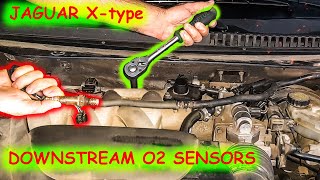
- Verify the code with an OBD-II scanner. 🎬 Watch: A quick guide to diagnosing the P0037 code. Check for any other related codes.
- Visually inspect the Bank 1, Sensor 2 oxygen sensor (passenger side, after the catalytic converter) and its wiring harness for any signs of physical damage, melting, or corrosion.
- Check Fuse F38 (15A) in the Engine Junction Fuse Box. Inspect the fuse pins for corrosion.
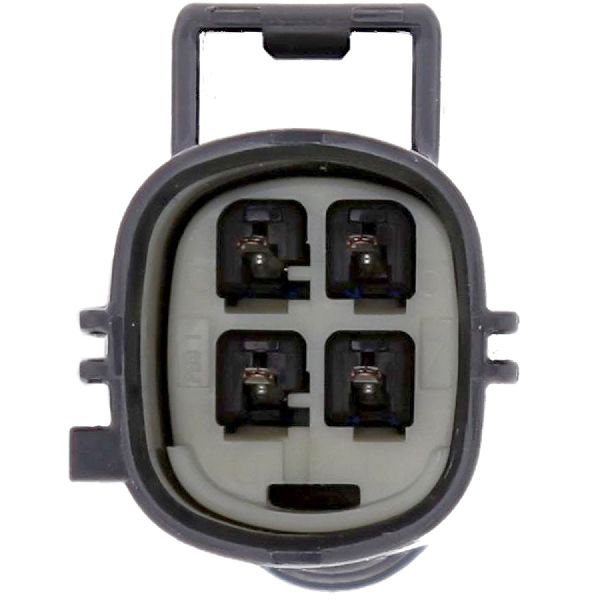
- If the wiring and fuse are okay, disconnect the sensor's electrical connector.
- With the key on and engine off, use a multimeter to check for battery voltage (approx. 12V) on the power supply wire in the harness-side connector.
- Use a multimeter to test the resistance of the heater element across the two corresponding pins on the sensor side (usually same-colored wires). The specification for the downstream sensor is 11.7-14.5 Ohms. An open circuit or reading outside this range indicates a faulty sensor.
- If voltage and resistance are good, consider the possibility of a PCM software issue as described in TSB JTB-00392-NAS-3.
- Replace the faulty component (usually the sensor), clear the codes, and perform a drive cycle to ensure the code does not return.
Parts You'll Likely Need
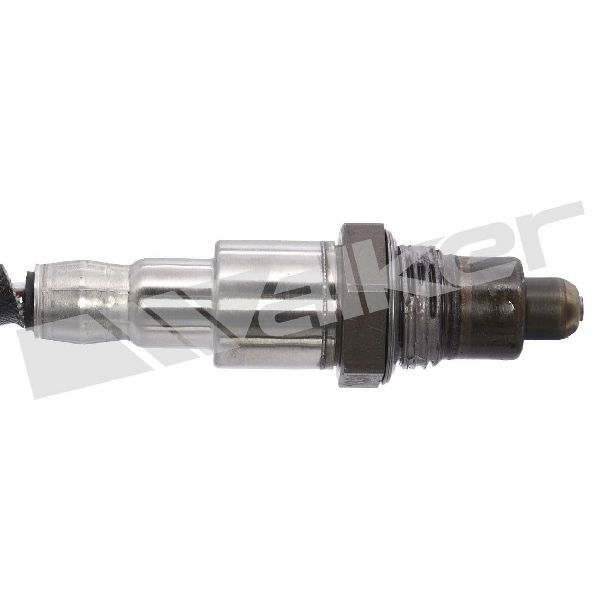
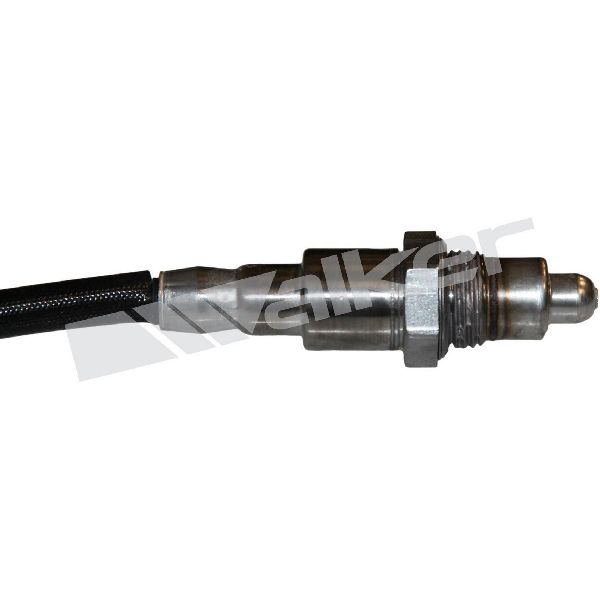
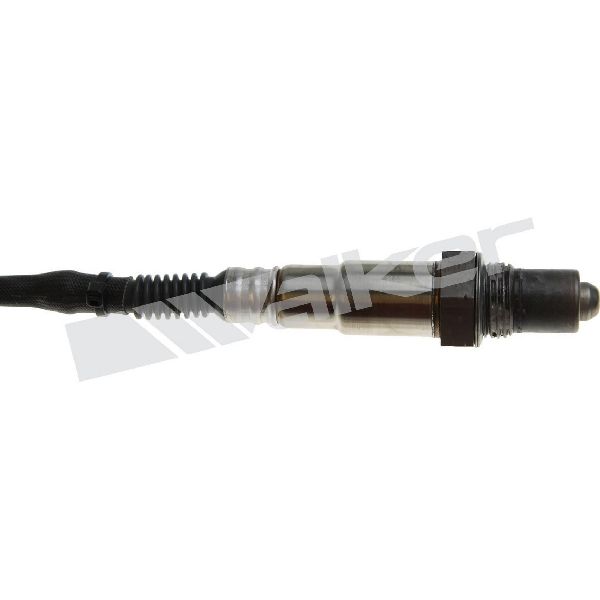
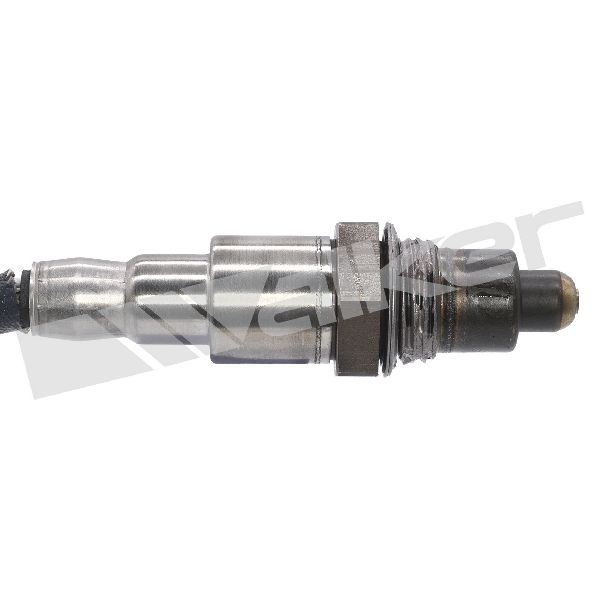
- Heated Oxygen Sensor (Bank 1, Sensor 2)
(OEM #T2R54607)— The internal heater element is the most common failure point causing a P0037 code. This part number supersedes older numbers C2D23703 and C2D54167.
Trusted brands: Jaguar (OEM), Bosch (OEM supplier), Denso, NTK
OEM price range: $228-$325
Aftermarket price range: $75-$150
Related Codes That Often Appear With This One
- P0038 — HO2S Heater Control Circuit High (Bank 1 Sensor 2) - This code can appear if the wiring issue is intermittent, causing both high and low voltage faults.
- P0141 — O2 Sensor Heater Circuit Malfunction (Bank 1 Sensor 2) - This is a more general code for the same heater circuit and is often logged alongside P0037. TSB SSM72477 lists both codes together.
- P0057 — HO2S Heater Control Circuit Low (Bank 2 Sensor 2) - If both this code and P0037 are present, it points to a common problem affecting both downstream sensors, such as a shared fuse or power supply issue, rather than two simultaneously failed sensors.
Technical Service Bulletins (TSBs) & Recalls
- SSM72477: Mentions P0037 in a list of heated oxygen sensor (HO2S) fault codes, confirming it's a known issue.
- JTB-00392-NAS-3: The most critical TSB. Groups P0037 with other DTCs and identifies a potential post-catalyst HO2S software error as the cause. Recommends a PCM software update as the fix.
- JTB00392NAS1: An earlier version of the above TSB, also listing P0037 with other HO2S codes.
Platform-Specific Known Issues
- Jaguar issued TSB #JTB-00392-NAS-3 which is highly relevant. It states that for a range of HO2S codes including P0037, the cause may be a software error. The recommended action is to update the PCM software before replacing any hardware.
- A user on JaguarForums.com with a P0037 on an X-Type resolved the issue after multiple attempts by cleaning light corrosion off the fuse pins for the O2 sensor circuit, highlighting the sensitivity to voltage drops.
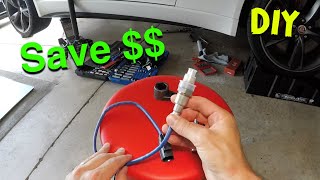
- Owners report that the sensors can be very difficult to remove due to rust. Using penetrating oil for several days in advance and a proper O2 sensor socket is strongly advised. 🎬 Watch: Tips for removing a stubborn downstream oxygen sensor.
Mechanic-Grade Diagnostic Values
- HO2S Heater Circuit Power Supply — expected: ~12V (or battery voltage). Failure: Significantly less than 12V, or 0V.
- HO2S Heater Circuit Ground Continuity — expected: < 5.0 Ohms (ideally < 1.0 Ohm). Failure: High or infinite resistance (open circuit).
- HO2S Heater Element Resistance — expected: 11.7 - 14.5 Ohms. Failure: Open circuit (infinite resistance) or short circuit (near zero resistance).
Hidden / Shadow Codes Worth Checking
- N/A (Contextual): While no specific shadow codes for P0037 were found, the official Jaguar SDD software may not display all DTCs under the main 'Related Events' screen. A technician may need to manually check the 'Unrelated Events' section to find codes that were logged but not directly tied to the initial symptoms entered into the diagnostic tool. (see via Jaguar SDD (Symptom Driven Diagnostics) software; requires navigating to different event logs within the application.)
Scan Tool Commands That Help
- Jaguar SDD (Symptom Driven Diagnostics): Live Data Monitoring for HO2S Heaters — To diagnose an intermittent fault or verify a repair. A forum user noted that on SDD, a faulty sensor's heater circuit was drawing current in Amps, while a good sensor should only draw current in milliamps (mA). This provides a more granular diagnostic than a simple code read.
- Jaguar SDD (Symptom Driven Diagnostics): Run Vehicle Drive Cycle — After a repair is completed, the SDD tool can guide the technician through the specific Jaguar drive cycle procedure required to run all the emissions monitors and confirm the fault does not return.
Wiring & Ground Locations
- Engine Junction Box — Right rear of the engine compartment.. This fuse box contains Fuse F38 (15A), which provides power to the HO2S heaters. Corrosion on the fuse pins themselves, not just a blown fuse, has been documented as a cause for this code.
- G1D131AS / G1D131BL / G1D131BR — A cluster of ground points on the right (passenger) side of the engine compartment.. The Bank 1 O2 sensor is on the right side of the vehicle. A poor ground connection at these points could cause a variety of issues on this bank, including heater circuit faults. These are critical points to check for corrosion and tightness.
- ECM (Engine Control Module) — Left rear of the engine compartment.. The ECM provides the control signal and ground for the heater circuit. Knowing its location is essential if diagnosing a potential ECM driver failure, though this is a rare fault.
Real Owner Repair Stories
- JaguarForums.com user 'Jaag Driva' (2013 Jaguar XJL Supersport (5.0L V8) with ~100,000 miles) — Roughness at idle, poor fuel mileage, and an intermittent heater circuit DTC for Bank 1 Sensor 1 (P0135, a similar code).
✅ What actually fixed it The owner proactively replaced all six oxygen sensors (upstream, mid-catalyst, and downstream on both banks) due to the known high failure rate of the original equipment Bosch sensors and the vehicle's mileage. This resolved the issue. - YouTube user 'The Guitologist' (2003 Jaguar XJ8 (X308)) — P1647 - Heated Oxygen (HO2) sensor control malfunction bank 2 upstream.
✅ What actually fixed it The sensor was extremely difficult to access. The final solution was to cut the electrical wire off the old sensor to be able to fit a box-end wrench over the body to remove it. Replacing the sensor fixed the code. This highlights the extreme difficulty of access that can be a major factor in this repair.
"I Checked Everything" — The Actual Cause
- The diagnostic equivalent for this electrical code is 'Sensor and wiring test good, but code returns'. The two most notable examples for the P0037 on Jaguar platforms are: 1) A software glitch in the Powertrain Control Module (PCM) that incorrectly flags a low voltage condition, which is addressed by Jaguar TSB JTB-00392-NAS-3 requiring a dealer software update. 2) High resistance from unseen corrosion on the fuse pins (not the fuse element itself) in the engine bay fuse box, which reduces current flow to the heater circuit enough to set the code but may not be obvious during basic continuity or voltage checks.
When the Usual Fixes Don't Work
- While the most common cause of P0037 is a failed sensor, technicians should not replace it without further diagnosis. Two significant cases prove this: First, Jaguar Technical Service Bulletin JTB-00392-NAS-3 explicitly states the code can be caused by a software error, requiring a PCM reflash instead of a hardware replacement. Second, a well-documented forum case showed that after a new sensor failed to fix the code, the true cause was minor corrosion on the fuse pins for the heater circuit. Cleaning the pins and reinstalling the fuse resolved the fault. Both instances demonstrate that replacing the sensor is not always the correct fix and further electrical and software verification is required.
OEM Part Supersession History
C2D23703, C2D54167→T2R54607— Standard part revision and update by the manufacturer. Bosch is the OEM supplier.
Heads up: For the 2013-2016 model range, T2R54607 is the correct part. Using older stock is not advised.
Model Year Variations Within This Range
- 2013-2016: The 3.0L V6 and 5.0L V8 engines in this platform use a total of six oxygen sensors: an upstream (pre-catalyst), a mid-catalyst, and a downstream (post-catalyst) sensor for each bank. It is critical to identify the correct sensor (Bank 1, Sensor 2 is the passenger side, downstream/post-catalyst sensor) before replacement.
- 2012+: The correct oxygen sensor part number for this vehicle range is T2R54607, which applies to vehicles from VIN V39427 onwards. All 2013-2016 models fall into this category.
Helpful Videos

We Have This Part in Stock

The information in this article is provided for general reference and educational purposes only. Vehicle specifications, procedures, and part compatibility can vary by production date, trim level, and region. Always consult your vehicle's factory service manual and verify part numbers before purchasing or performing repairs. Safety-critical components such as airbags, seat belts, and braking systems should be installed by a qualified professional.
- Jaguar XJ:
- 🧭 Diagnostic Flowchart
- 🎬 Helpful Videos
- 🛍️ Shop This Part
- What's Unique About the 2013-2016 Jaguar XJ
- Symptoms You May Notice
- Most Likely Causes
- Rare But Worth Checking
- Diagnosis Steps
- Parts You'll Likely Need
- Related Codes That Often Appear With This One
- Technical Service Bulletins (TSBs) & Recalls
- Platform-Specific Known Issues
- Mechanic-Grade Diagnostic Values
- Hidden / Shadow Codes Worth Checking
- Scan Tool Commands That Help
- Wiring & Ground Locations
- Real Owner Repair Stories
- "I Checked Everything" — The Actual Cause
- When the Usual Fixes Don't Work
- OEM Part Supersession History
- Model Year Variations Within This Range
- 🎟️ Get 5% Off