

P0037 on 2014-2018 Kia Forte: O2 Sensor Heater Circuit Low Fixes
P0037 on a 2014-2018 Kia Forte almost always means the downstream oxygen sensor (Bank 1, Sensor 2) has failed. The internal heater element burns out, triggering the code. Replacing the sensor is the most common fix, costing around $65-$120 for an aftermarket part like a Denso or NGK, or $140-$200 for an OEM part (such as Kia P/N 39210-2E401). It's a straightforward DIY job for those comfortable working under the car, but always check the 'SENSOR 5' 15A fuse in the engine bay fuse box first.
- P0037 points specifically to the downstream (post-catalytic converter) oxygen sensor's heater circuit.
- The most probable cause is a failed oxygen sensor that needs to be replaced.
- Before buying parts, check the O2 sensor fuse (often 15A, labeled 'SENSOR 5') and perform a quick visual inspection of the sensor's wiring for obvious damage.
- This is a DIY-friendly repair for those with basic tools, including an O2 sensor socket, and who are comfortable working safely under their vehicle.
- Driving with this code will cause an automatic failure on an emissions test.
What's Unique About the 2014-2018 Kia Forte
For the second-generation (YD) Kia Forte, the P0037 code is a very common and straightforward issue. There are no widespread, unique design flaws that cause this code; rather, it's typically the result of the oxygen sensor simply reaching the end of its service life. The diagnosis is generally not complex, and owners report that replacing the downstream O2 sensor resolves the problem in the vast majority of cases. The wiring is somewhat exposed under the car, making it susceptible to road debris, but sensor failure is far more common than wiring damage.
Symptoms You May Notice
- Check Engine Light is on
- Vehicle fails an emissions test
- Slightly decreased fuel economy
- Rough idle or hesitation (less common)
- Replacing the upstream (Bank 1, Sensor 1) oxygen sensor. The code P0037 specifically points to Sensor 2, which is the downstream sensor located after the catalytic converter.
Most Likely Causes
- Failed Downstream Oxygen Sensor (Bank 1, Sensor 2) 🔴 High Probability → Shop Oxygen Sensor The internal heater element within the sensor is a common failure point due to constant heat cycles and exposure to exhaust gases. This is a normal wear-and-tear item.
How to confirm: Disconnect the sensor and measure the resistance across the two heater circuit pins (typically the two same-colored wires, e.g., two white wires) with a multimeter. 🎬 Watch: How to test and diagnose Kia O2 sensor codes An open circuit (infinite resistance or 'OL') or a reading far outside the typical 2-30 ohm specification confirms the heater has failed.
Typical fix: Replace the downstream (post-catalytic converter) oxygen sensor.
Est. part cost: $65-$200 - Damaged Wiring or Connector 🟡 Medium Probability The sensor is located under the vehicle and is exposed to road debris, water, and extreme heat from the exhaust. This can cause wires to melt, fray, or break, and the connector can become corroded or filled with debris. This is especially common if the vehicle has recently had its catalytic converter stolen, as thieves often cut the sensor wires.
How to confirm: Visually inspect the wiring harness leading to the sensor for any signs of melting, chafing, or breaks. Check the electrical connector for corrosion, bent pins, or moisture. A continuity test from the ECM connector to the sensor connector can confirm an intact circuit.
Typical fix: Repair the damaged section of wiring or clean/replace the connector.
Est. part cost: $5-$50 - Blown Fuse ⚪ Low Probability A short in the heater circuit wiring can cause the associated fuse to blow as a protective measure.
How to confirm: Locate the fuse for the O2 sensor heater circuit in the engine compartment fuse box. On some Kia models, this may be labeled as 'SENSOR 5' and is a 15A fuse. Check for continuity. A blown fuse will have a broken internal filament.
Typical fix: Replace the blown fuse. If it blows again immediately, there is an underlying short circuit that must be found and repaired.
Est. part cost: $1-$5
Rare But Worth Checking
- Faulty Engine Control Module (ECM): → Shop Engine Control Module (ECM) This is extremely rare. Before suspecting the ECM, all other possibilities, including the sensor, wiring, and fuses, must be exhaustively tested and ruled out. An ECM failure for the heater driver circuit is uncommon.
Diagnosis Steps
- Verify the code with an OBD-II scanner. Check for any other accompanying codes.
- Visually inspect the wiring harness and connector for the downstream oxygen sensor (Bank 1, Sensor 2) for any signs of damage, melting, or corrosion. The sensor is located on the exhaust pipe after the catalytic converter. 🎬 See this walkthrough to locate and replace the sensor
- Check the fuse related to the O2 sensor heater circuit. On many Kia models, this is a 15A fuse labeled 'SENSOR 5' in the engine bay fuse box. Replace if blown.
- If the wiring and fuse are okay, disconnect the O2 sensor's electrical connector.
- Using a multimeter set to ohms (Ω), measure the resistance between the two heater pins on the sensor side of the connector (usually the two wires of the same color). A reading of infinite resistance (OL) or a value outside the typical 2-30 ohm range indicates a failed heater element, and the sensor must be replaced.
- If resistance is within spec, check for 12V power and a good ground at the vehicle-side connector with the ignition on. One pin should have battery voltage, and the other is the ground control from the ECM.
- If power is missing, trace the wiring back to the fuse/relay. If ground is missing, trace the control wire back to the ECM to find the fault.
- If all wiring checks out and the sensor has been replaced, the issue may be with the ECM, but this is highly unlikely.
Parts You'll Likely Need
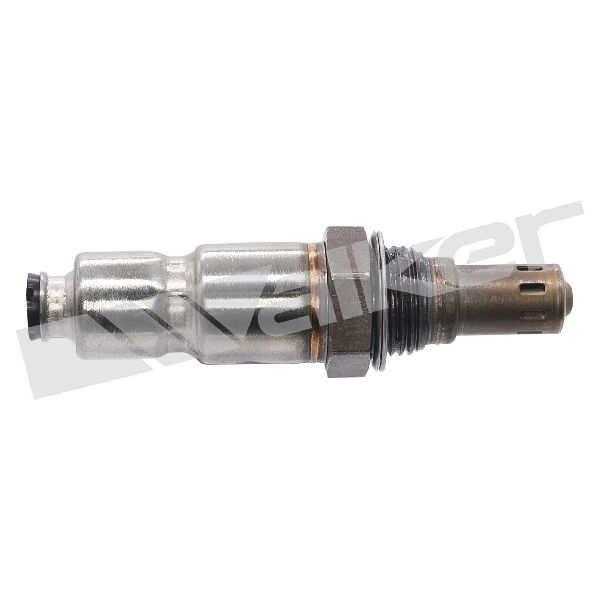
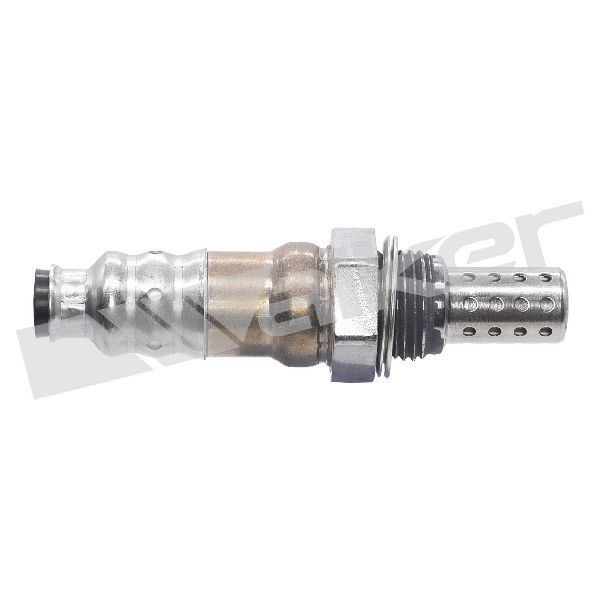
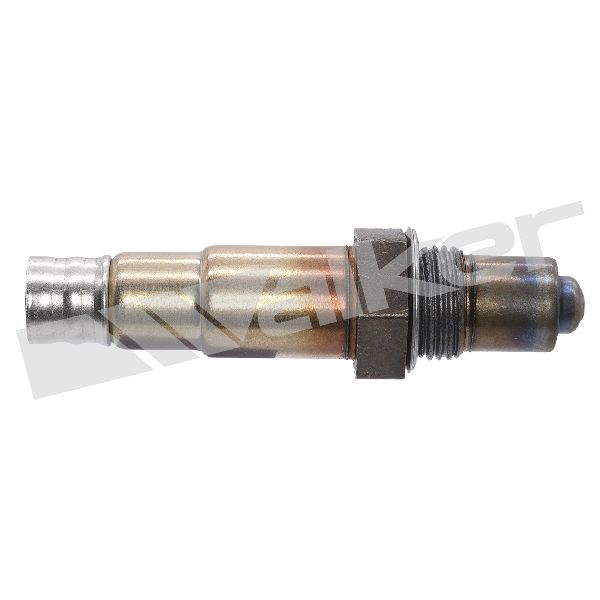
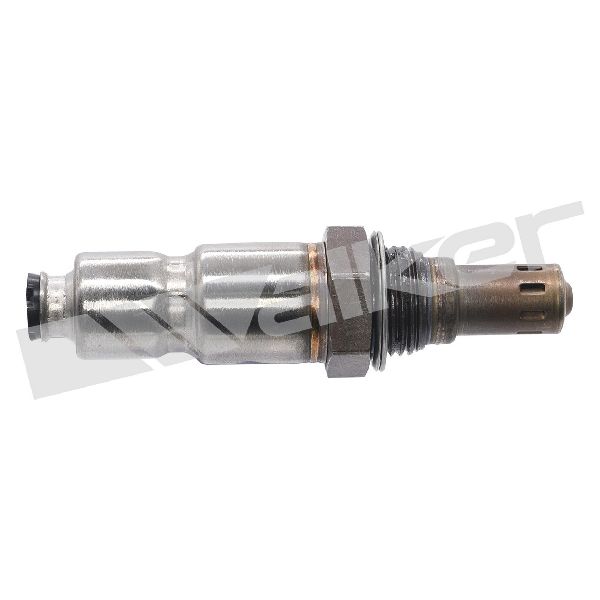
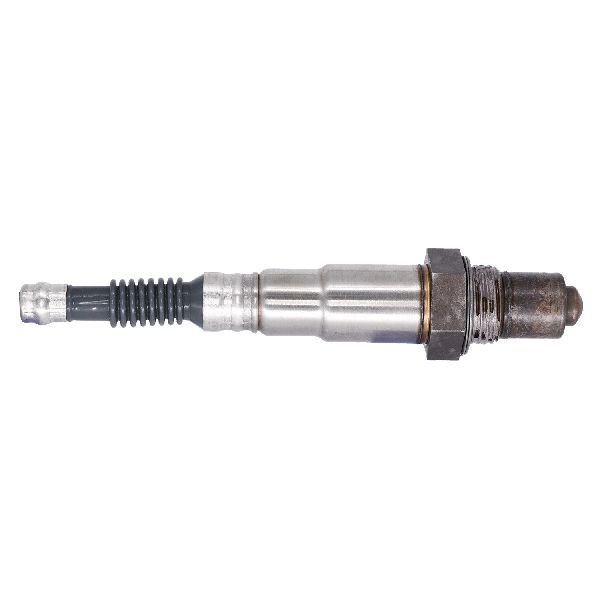
- Downstream Oxygen Sensor (Bank 1, Sensor 2)
(OEM #39210-2E401)— The internal heater element is the most common point of failure, 🎬 Watch: Learn more about P0037 causes and fixes making sensor replacement the definitive fix for P0037 in most cases.
Trusted brands: Denso, Bosch, NGK/NTK, Walker
OEM price range: $140-$200
Aftermarket price range: $65-$120
Related Codes That Often Appear With This One
- P0420 — A P0420 (Catalyst System Efficiency Below Threshold) code may appear after fixing P0037. This is because the ECM cannot run the test for the catalytic converter's efficiency until the downstream O2 sensor is working properly. Once the sensor is fixed, the ECM can then correctly identify a separate, underlying issue with the converter.
- P0137 — P0137 (O2 Sensor Circuit Low Voltage Bank 1, Sensor 2) can appear alongside P0037. This combination strongly points to a failed sensor assembly, where the broken heater element (P0037) prevents the sensor from heating up to produce a correct signal voltage (P0137).
Mechanic-Grade Diagnostic Values
- Downstream O2 Sensor (B1S2) Heater Element Resistance — expected: 2.5 - 4.0 Ω at 20°C (68°F). A broader acceptable range is often cited as 5 - 20 Ohms.. Failure: A reading of infinite resistance (OL) or a value significantly outside the specified range indicates a failed heater element.
- Voltage at O2 Sensor Heater Power Pin (Harness Side) — expected: Battery Voltage (~12V) with Key On, Engine Off.. Failure: A reading of 0V or significantly below 12V points to a blown fuse, a break in the power supply wire, or a faulty relay.
- Torque Specification for O2 Sensor Installation — expected: 45 ~ 49 N.m (30 ~ 35 lb-ft).. Failure: Under-torquing can lead to exhaust leaks, while over-torquing can damage the sensor or exhaust threads.
Scan Tool Commands That Help
- Kia GDS (Global Diagnostic System): Actuation Test for O2 Sensor Heater — This dealer-level command manually turns the O2 sensor heater circuit on and off. It is used to definitively test the ECM's driver circuit and the wiring integrity after a new sensor has been installed but the code persists, helping to rule out an intermittent wiring fault or a rare ECM failure.
Wiring & Ground Locations
- Fuse 'SENSOR 5' (15A) — Located in the main fuse and relay box in the engine compartment.. This fuse provides the 12V power supply to the O2 sensor heater circuit. A blown fuse here is a direct cause of the P0037 code and often indicates a short circuit in the wiring or the sensor itself.
- Downstream O2 Sensor Connector — Underneath the vehicle, connected to the O2 sensor that is screwed into the exhaust pipe after the catalytic converter.. This is the primary point for electrical testing. Based on Kia schematics, the heater circuit pins are typically Pin 3 (Power from Fuse) and Pin 4 (Ground Control from ECM). Visual inspection for damage here is critical.
OEM Part Supersession History
39210-2E400→39210-2E401— Standard part revision by the manufacturer.
Heads up: The parts are generally interchangeable for the specified model years (2014-2016).
Model Year Variations Within This Range
- 2017-2018: For the facelifted 2017-2018 Kia Forte models with the 2.0L Nu engine, the downstream oxygen sensor part number changes to 39210-2ECC2. While the function and failure mode are identical, the earlier part number 39210-2E401 may not be compatible.
Diagnostic Flowchart
Other Known Issues on This Vehicle
Issues unrelated to this code that are worth knowing about as an owner of this generation:
- MDPS Flexible Coupler Failure 🟠 Medium — Very common. A clicking or knocking sound from the steering column when turning at low speeds is the primary symptom. (Ref: TSB CHA-074)
- Engine Failure / Excessive Oil Consumption (Nu & Gamma Engines) 🔴 High — Significant issue leading to class-action lawsuits and recalls, though more prevalent in specific year ranges and engine types. Symptoms include knocking noises and high oil consumption. (Ref: TSB TSB_ENG222_R5 (Oil Consumption), NHTSA Campaign Number 23V149000 (Engine Fire Risk on some models))
- No Sound from Speakers 🟡 Low — A widely reported electrical issue where the factory radio/head unit fails, resulting in a complete loss of audio.
- Brake Light Switch Failure 🟠 Medium — A common failure causing the ESC/traction control lights to illuminate and preventing the vehicle from shifting out of Park. Covered by a recall. (Ref: NHTSA Campaign Number 15V776000)
Used vs. New Parts: Buying Guide for This Vehicle
When a used part is the smart pick: It is strongly recommended to avoid used oxygen sensors. They are a wear-and-tear item with a finite lifespan determined by heat cycles and mileage. The cost savings are minimal compared to the risk of installing a part that is already near the end of its service life.
Donor-vehicle mileage cap: roughly under 20000 miles for the part to have meaningful remaining life.
What to inspect on the donor part:
- If a used sensor must be considered in an emergency, ensure there is no physical damage to the sensor tip.
- Check for any fraying, melting, or damage to the wiring pigtail and connector.
- Avoid sensors from vehicles with known engine problems (e.g., burning oil) as this can contaminate the sensor.
Aftermarket brands forum-validated for this vehicle:
- NTK/NGK
- Denso
- Bosch
Brands owners have reported issues with on this vehicle:
- No-name or unbranded 'universal' sensors often have a high failure rate and may require splicing wires, which can introduce new points of failure.
Real Owner Stories
Aggregated from forums and TSBs cited above. Mileages and costs reflect what owners reported in those sources.
2014-2018 Kia Forte
Symptoms: Check Engine Light is on; users confirm the code is P0037.
What fixed it: Simple downstream O2 sensor replacement using an O2 sensor socket for easier removal.
Source hint: forteforums.com: Multiple threads discuss P0037, with the overwhelming consensus being a simple downstream O2 sensor replacement as the fix.
2014-2018 Kia Forte
Symptoms: Owner asking for confirmation that P0037 refers to 'the one after the cat'.
What fixed it: Replacing the sensor themselves (DIY).
Source hint: Reddit (/r/Kia, /r/MechanicAdvice): Discussions mirror those on dedicated forums, with users frequently asking for confirmation that P0037 means 'the one after the cat' and sharing success stories after replacing the sensor themselves.
Related OBD-II Codes
Frequently Asked Questions
Where is the Bank 1, Sensor 2 oxygen sensor located on my 2014-2018 Kia Forte?
Which fuse should I check for a P0037 code on my Kia?
What are the recommended aftermarket brands for replacing the O2 sensor on this vehicle?
Can I use a universal oxygen sensor to fix P0037?
Is there a TSB for engine issues that might be related to my Forte's performance?
Could my P0037 code be related to a recent catalytic converter theft?
Helpful Videos
We Have This Part in Stock


The information in this article is provided for general reference and educational purposes only. Vehicle specifications, procedures, and part compatibility can vary by production date, trim level, and region. Always consult your vehicle's factory service manual and verify part numbers before purchasing or performing repairs. Safety-critical components such as airbags, seat belts, and braking systems should be installed by a qualified professional.
- Kia Forte:
- 🧭 Diagnostic Flowchart
- 🎬 Helpful Videos
- 🛍️ Shop This Part
- What's Unique About the 2014-2018 Kia Forte
- Symptoms You May Notice
- Most Likely Causes
- Rare But Worth Checking
- Diagnosis Steps
- Parts You'll Likely Need
- Related Codes That Often Appear With This One
- Mechanic-Grade Diagnostic Values
- Scan Tool Commands That Help
- Wiring & Ground Locations
- OEM Part Supersession History
- Model Year Variations Within This Range
- Other Known Issues on This Vehicle
- Used vs. New Parts: Buying Guide for This Vehicle
- Real Owner Stories
- 2014-2018 Kia Forte
- 2014-2018 Kia Forte
- Related OBD-II Codes
- Frequently Asked Questions
- 🎟️ Get 5% Off