

P0037 on 2004-2009 Mazda 3: O2 Sensor Heater Circuit Causes and Fixes
On a first-generation Mazda 3, P0037 almost always means the internal heater in the downstream oxygen sensor (Bank 1, Sensor 2) has failed. Replacing the sensor is the most common fix. Before replacing, check the 15A 'ENG BAR 4' or 'ENGINE1' fuse in the engine bay fuse box. Expect to pay $40-$90 for a quality aftermarket part (Denso is OEM) and over $150 for an OEM sensor.
- P0037 on a 2004-2009 Mazda 3 almost always points to a failed downstream (post-catalytic converter) oxygen sensor.
- Before buying a new sensor, always check the 15A fuse for the heater circuit in the engine bay fuse box first.
- Perform a thorough visual inspection of the sensor's wiring harness underneath the car for any obvious damage from heat or road debris.
- Replacing the sensor is a DIY-friendly job for most home mechanics with basic tools and a 22mm (7/8") O2 sensor socket.
- Use a quality replacement sensor from a reputable brand like Denso (OEM) or NGK/NTK to ensure longevity and proper function. Avoid unbranded 'white-box' parts.
What's Unique About the 2004-2009 Mazda 3
The first-generation Mazda 3 is generally straightforward regarding this code. There are no widespread, unique design flaws that cause P0037. The issue is typically a standard wear-and-tear failure of the oxygen sensor's heating element. The PZEV (Partial Zero Emission Vehicle) model has the same fundamental causes as the standard models for this specific code. However, it is critical to get the correct part number for your vehicle's emissions type, as PZEV and Federal emissions vehicles can use different sensors that are not interchangeable. Using the wrong sensor type can prevent the code from clearing or even introduce new codes.
Symptoms You May Notice
- Check Engine Light is illuminated
- Vehicle will fail an emissions test
- Slight potential decrease in fuel economy
- Replacing the upstream (Bank 1, Sensor 1) oxygen sensor. This code specifically points to the downstream sensor (Sensor 2).
- Replacing the catalytic converter. P0037 relates to the sensor's heater circuit, not the efficiency of the converter itself. A bad converter typically triggers a P0420 code.
Most Likely Causes
- Failed Downstream Oxygen Sensor 🔴 High Probability → Shop Oxygen Sensor The internal heating element of an oxygen sensor is a common wear-and-tear item that fails over time due to constant, extreme heat cycles. It's the most frequent culprit for P0037.
How to confirm: Disconnect the sensor and measure the resistance between the two heater circuit pins (usually the two wires of the same color, often white). A reading of infinite resistance (an open circuit) confirms the heater has failed. A typical good reading is between 3-10 ohms.
Typical fix: Replace the Bank 1, Sensor 2 (downstream) oxygen sensor. Using an O2 sensor socket (typically 22mm or 7/8") is highly recomme 🎬 Watch: How to replace the downstream oxygen sensornded.
Est. part cost: $40-$180 - Damaged Wiring or Connector 🟡 Medium Probability The wiring for the downstream O2 sensor is located under the vehicle and is exposed to road debris, moisture, and extreme heat from the exhaust, which can cause wires to melt, chafe, or break. The connector itself can also become corroded or filled with debris.
How to confirm: Visually inspect the entire wiring harness and connector leading to the sensor for any signs of physical damage, melting, or corrosion. With the key on, engine off, and sensor unplugged, check for 12V battery power at the heater circuit power supply wire in the harness-side connector.
Typical fix: Repair the damaged section of the wiring harness or clean/replace the connector.
Est. part cost: $5-$50 - Blown Fuse ⚪ Low Probability
How to confirm: Check the fuse for the O2 sensor heater circuit in the engine compartment fuse box, located near the battery. On the first-gen Mazda 3, this is typically a 15A fuse labeled 'ENG BAR 4', 'ENG BAR 3', or 'ENGINE1'. A forum user specifically mentioned position 32 or 33. 🎬 Watch: How to locate your Mazda 3 fuse boxes
Typical fix: Replace the blown fuse. If the fuse blows again immediately, it indicates a short circuit in the wiring that must be found and repaired.
Est. part cost: $1-$5
Rare But Worth Checking
- Faulty Powertrain Control Module (PCM): → Shop Engine Control Module (ECM) This is extremely rare. The PCM's internal driver for the heater circuit can fail, but all other possibilities (sensor, wiring, fuse) should be exhaustively ruled out before considering PCM replacement.
Diagnosis Steps
- Confirm the P0037 code is present using an OBD-II scanner.
- Check the 15A fuse for the oxygen sensor heater circuit in the engine bay fuse box (e.g., 'ENGINE1', 'ENG BAR 4'). Replace if blown.
- Safely raise the vehicle and locate the downstream oxygen sensor (Sensor 2), which is installed in the exhaust pipe after the catalytic converter.
- Visually inspect the sensor's wiring harness and connector for any signs of melting, chafing, corrosion, or physical damage.
- If the wiring appears intact, disconnect the sensor's electrical connector.
- With the ignition ON and engine OFF, use a multimeter to check for 12-volt battery power at the heater power supply wire in the harness connector.
- Using the multimeter set to Ohms, measure the resistance across the two same-colored heater circuit pins on the sensor itself. A reading of infinite resistance (OL) indicates a failed heater element. A good sensor should read between 3-10 Ohms.
- If 12V power is present at the harness and the sensor's heater element has failed the resistance test, replace the oxygen sensor.
- If the sensor tests good but there is no power at the harness (and the fuse is good), trace the wiring back towards the main relay/fuse box to find the open circuit.
- After repairs, clear the code with the scanner and perform a drive cycle, including letting the engine idle for at least two minutes, to ensure the fix was successful.
Parts You'll Likely Need
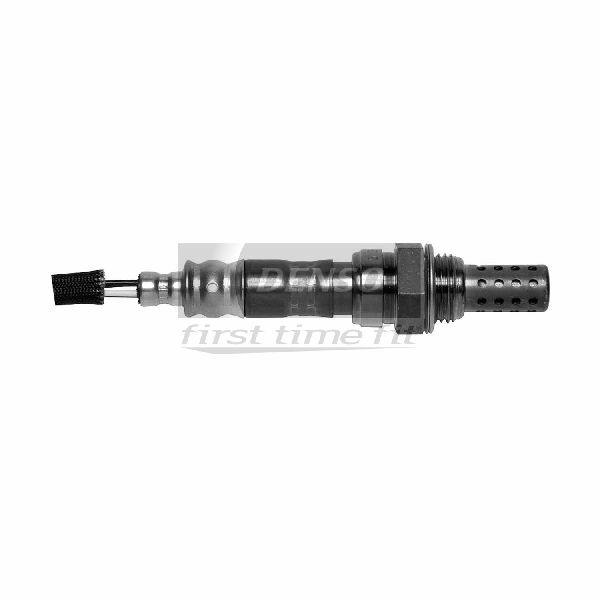
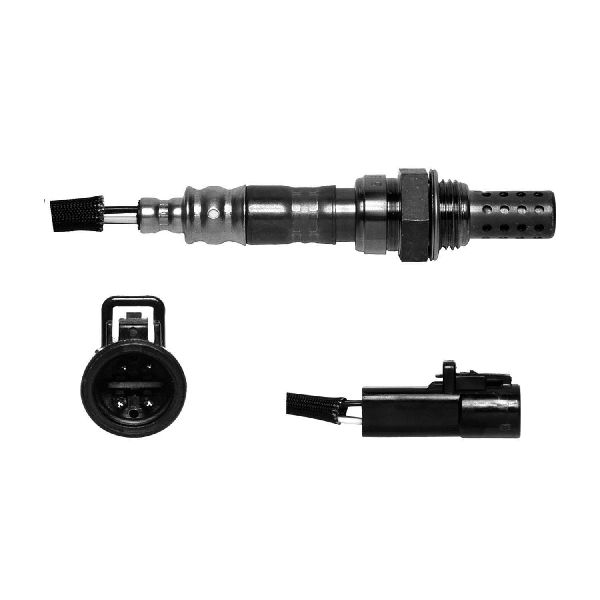
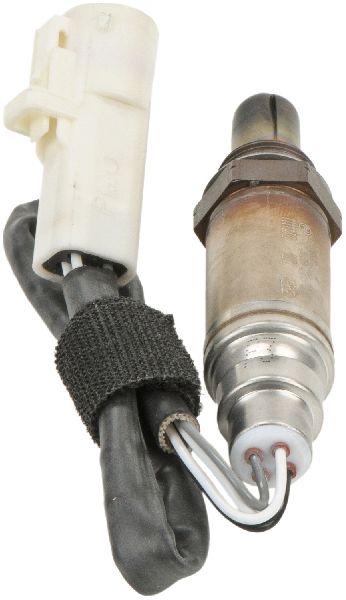
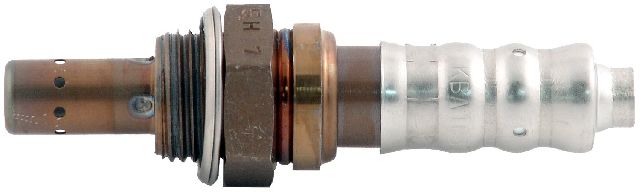
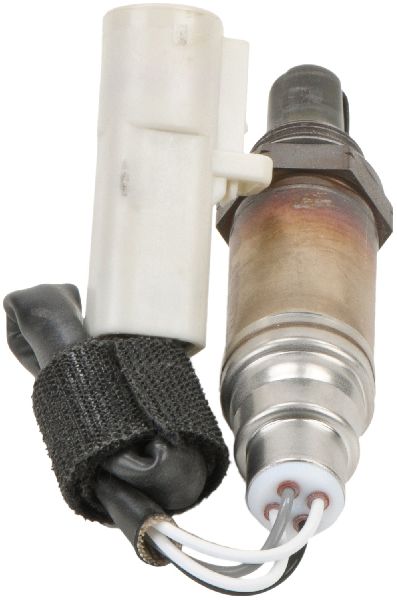
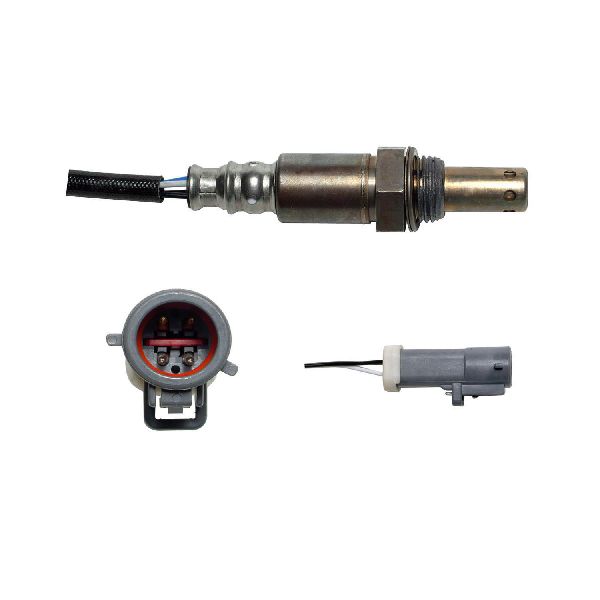
- Downstream Oxygen Sensor (Bank 1, Sensor 2)
(OEM #LF69-18-861D-9U)— The internal heater element is the most common failure point that triggers code P0037.
Trusted brands: Denso (OEM supplier), NGK/NTK, Bosch
OEM price range: $170-$250
Aftermarket price range: $40-$90
Related Codes That Often Appear With This One
- P0038 — This is the companion code for 'Heater Control Circuit High'. It can appear if the wiring has an intermittent short to power or if both codes are triggered simultaneously during a sensor failure.
- P0136 — This code indicates a malfunction in the sensor's signal circuit (not the heater). Physical damage to the wiring harness could affect both the heater and signal wires simultaneously, causing both codes to appear.
Platform-Specific Known Issues
- Importance of Using Quality Sensors: Some owners on forums have reported that the P0037 code returned shortly after replacing the sensor with a cheap, unbranded part. It is highly recommended to use an OEM or a reputable aftermarket brand like Denso or NGK/NTK to ensure compatibility and longevity.
Mechanic-Grade Diagnostic Values
- Downstream O2 Sensor Heater Element Resistance — expected: 5.0 - 16.0 Ohms at ambient temperature.. Failure: A reading of infinite resistance ('OL') or 0 Ohms indicates a failed heater element.
- Voltage at HO2S Connector (Harness Side, Pin C) — expected: Battery Voltage (~12V) with Key On, Engine Off.. Failure: 0V or significantly low voltage indicates a blown fuse or an open circuit in the power supply wire.
Wiring & Ground Locations
- HO2S B1S2 Connector — Underneath the vehicle, on the exhaust pipe after the catalytic converter. The harness connector is typically clipped to the vehicle's underbody nearby.. This is the primary connection point for testing the sensor and the vehicle-side wiring. Pin C is the power supply from the fuse/relay, and Pin D is the heater control wire going to the PCM.
- PCM Connector Pin 2C — The Powertrain Control Module (PCM) is located in the engine bay. The heater control wire from Pin D of the O2 sensor connects to Pin 2C of the PCM connector.. This is the termination point for the heater control circuit. Testing for continuity between the sensor connector (Pin D) and this pin can confirm if the control wire is intact or has an open/short.
Real Owner Repair Stories
- OzBargain Forums user 'tunzafun001' (2007 Mazda 3) — Check Engine Light with O2 sensor codes (P0131, P2251 initially).
❌ Tried (didn't work) Replacing the original sensor with a new one from eBay.
✅ What actually fixed it The new eBay sensor was faulty out of the box, throwing new heater circuit codes (P0030, P0134) immediately after installation. The user confirmed the original sensor's heater had failed via a resistance test. The experience highlights the risk of using cheap, unbranded sensors which can be defective upon arrival. The implied fix is to use a reputable OEM or high-quality aftermarket sensor.
OEM Part Supersession History
lf6918861a, lf6918861b, lf6918861d→LF69-18-861D-9U— Standard part number updates and revisions by the manufacturer.
Heads up: The listed part numbers are specific to California (PZEV) emissions models. Federal emissions vehicles use a different part. Always verify the correct part for your vehicle's specific emissions system.
Diagnostic Flowchart
Other Known Issues on This Vehicle
Issues unrelated to this code that are worth knowing about as an owner of this generation:
- Passenger-Side Hydraulic Engine Mount Failure 🔴 High — Very common between 80,000-120,000 miles. The mount leaks its hydraulic fluid, causing severe vibration at idle.
- Stuck-Open Thermostat / Leaking Housing 🟠 Medium — Common failure around 80,000-120,000 miles. Can cause the engine to run cool, poor heater performance, and trigger code P0128.
- Excessive Oil Consumption (Early 2.3L Models) 🟠 Medium — More prevalent on 2004-2006 models. Can lead to premature catalytic converter failure if not monitored.
- Melting/Sticky Dashboard (Later Models) 🟡 Low — Primarily affects 2009 models (and later generations) in high-heat climates, leading to a sticky surface and glare. Subject of a class-action lawsuit and a warranty extension program for some model years. (Ref: Mazda Special Service Program (SSP) 99 (for 2010 models))
- Worn Rear Stabilizer Bar Bushings 🟡 Low — A known source of rattling or squeaking noises from the rear suspension. Mazda later revised the bushing design.
Used vs. New Parts: Buying Guide for This Vehicle
When a used part is the smart pick: For an oxygen sensor, a used part is almost never a smart choice. It is a wear-and-tear component with a finite lifespan. The labor to install it is the same, and the risk of premature failure is very high, making a new part much more cost-effective.
Donor-vehicle mileage cap: roughly under 20000 miles for the part to have meaningful remaining life.
What to inspect on the donor part:
- If forced to use a used part, ensure there is no physical damage to the sensor tip or wiring.
- Check for a clean, non-oily appearance on the sensor shield.
- Ask for the donor vehicle's mileage, as sensor life is limited.
Aftermarket brands forum-validated for this vehicle:
- Denso (OEM supplier for Mazda)
- NGK/NTK
- Bosch
Brands owners have reported issues with on this vehicle:
- Unbranded, 'white-box' sensors from online marketplaces like eBay or Amazon have a high rate of being faulty out of the box or failing prematurely, as documented in owner forums.
Real Owner Stories
Aggregated from forums and TSBs cited above. Mileages and costs reflect what owners reported in those sources.
2009 Mazda 3
Symptoms: Check engine light with code P0037 came back on within a mile of driving after replacing sensors.
What fixed it: A mechanic suggested the issue was the use of non-OEM parts from Advanced Auto and recommended switching to OEM components.
Source hint: reddit.com - P0037 2009 Mazda 3 (r/mechanic)
2008 Mazda 5 2.3L
Symptoms: Experienced a recurring P0037 even after replacing the sensor.
What fixed it: The discussion highlighted the need to check for wiring damage or a rare PCM fault rather than just replacing the sensor repeatedly.
Source hint: Mazdas247 forum thread 'p0037-engine-code-even-after-sensor-replacement'
2007 Mazda 3
Symptoms: Check Engine Light (CEL) with P0037 code; code persisted even after the owner replaced the downstream sensor.
What fixed it: The owner confirmed replacing the second (downstream) sensor, though the final resolution often involves verifying the heater circuit resistance (3-10 ohms) or checking the 'ENGINE1' fuse.
Source hint: Mazda Forum
Related OBD-II Codes
Frequently Asked Questions
Where is the Sensor 2 located on my 2008 Mazda 3 PZEV?
Which fuse should I check for the O2 sensor heater circuit on a first-gen Mazda 3?
I replaced the sensor but the P0037 code came back immediately. Why?
Can I use a standard wrench to replace the downstream sensor?
Is there a specific TSB for the sticky dashboard on my 2009 Mazda 3?
Could my P0037 code be related to the common engine mount failure?
Helpful Videos
We Have This Part in Stock

The information in this article is provided for general reference and educational purposes only. Vehicle specifications, procedures, and part compatibility can vary by production date, trim level, and region. Always consult your vehicle's factory service manual and verify part numbers before purchasing or performing repairs. Safety-critical components such as airbags, seat belts, and braking systems should be installed by a qualified professional.
- Mazda 3:
- 🧭 Diagnostic Flowchart
- 🎬 Helpful Videos
- 🛍️ Shop This Part
- What's Unique About the 2004-2009 Mazda 3
- Symptoms You May Notice
- Most Likely Causes
- Rare But Worth Checking
- Diagnosis Steps
- Parts You'll Likely Need
- Related Codes That Often Appear With This One
- Platform-Specific Known Issues
- Mechanic-Grade Diagnostic Values
- Wiring & Ground Locations
- Real Owner Repair Stories
- OEM Part Supersession History
- Other Known Issues on This Vehicle
- Used vs. New Parts: Buying Guide for This Vehicle
- Real Owner Stories
- 2009 Mazda 3
- 2008 Mazda 5 2.3L
- 2007 Mazda 3
- Related OBD-II Codes
- Frequently Asked Questions
- 🎟️ Get 5% Off