

P0037 on 2008-2010 Mazda 5: HO2S Heater Circuit Low Causes and Fixes
This code almost always means the downstream oxygen sensor (Bank 1, Sensor 2) has failed. Replacing it with an OEM or quality aftermarket sensor (like Denso 234-4392) is the most common fix. Expect to pay $40-$80 for an aftermarket sensor or $65-$120 for an OEM part. It's a straightforward DIY job for many owners, but checking the fuse and wiring first is recommended.
- P0037 points directly to a fault in the heater circuit of the downstream (post-catalytic converter) oxygen sensor.
- The most likely solution is to replace the downstream oxygen sensor. The OEM part number is LF5G-18-861A, and a highly-regarded aftermarket alternative is Denso 234-4392.
- Before buying a new sensor, it's wise to quickly check the O2 heater fuse (likely in the engine bay) and visually inspect the sensor's wiring for obvious damage.
- This is a DIY-friendly repair for most home mechanics with basic tools, though a special slotted oxygen sensor socket is recommended.
- Ignoring this code will cause an automatic failure on an emissions test and may lead to reduced fuel economy.
What's Unique About the 2008-2010 Mazda 5
For the 2008-2010 Mazda 5, which uses a 2.3L inline four-cylinder MZR engine, there is only one exhaust bank, so 'Bank 1' is the only bank. 'Sensor 2' is the downstream sensor, located in the exhaust pipe after the catalytic converter. The issue is typically straightforward on these vehicles, with the vast majority of cases being resolved by a simple sensor replacement. While wiring issues can occur, there are no widespread reports of complex PCM failures related to this specific code on the first-generation Mazda 5.
Symptoms You May Notice
- Check Engine Light is on
- Failing an emissions inspection/test
- Slightly reduced fuel economy
- Jerking or hesitation during acceleration, particularly once the engine has warmed up.
- Replacing the upstream (Bank 1, Sensor 1) oxygen sensor instead of the downstream (Bank 1, Sensor 2) sensor.
- Replacing the oxygen sensor without first checking for a blown fuse or damaged wiring, leading to the code returning.
- Using a low-quality or universal aftermarket sensor that fails prematurely or is not fully compatible, causing the P0037 code to reappear.
Most Likely Causes
- Failed Downstream Oxygen Sensor 🔴 High Probability → Shop Oxygen Sensor The internal heater element of oxygen sensors has a finite lifespan and can burn out from age, vibration, and constant thermal cycles. It is a common maintenance item that fails over time.
How to confirm: Disconnect the sensor and measure the resistance across the two heater circuit pins (usually the two same-colored wires). An open circuit (infinite resistance) confirms the heater has failed. A good sensor should have a specific resistance; for similar Mazda models, a target of approximately 15.7 ohms has been reported, while other general sources cite a range of 3-25 ohms.
Typical fix: Replace the Bank 1, Sensor 2 (downstream) oxygen sensor. Using an OEM (Mazda LF5G-18-861A) or OEM-quality aftermarket part (like Denso 234-4392) is highly recommended, as some owners report the code returning with cheaper brands.
Est. part cost: $40-$120 - Damaged Wiring or Connector 🟡 Medium Probability The sensor's wiring is located under the vehicle and is exposed to road debris, moisture, and extreme exhaust heat, which can cause corrosion in the connector pins, or melting/chafing of the wires over time.
How to confirm: Visually inspect the wiring harness and connector leading to the sensor for any signs of damage, corrosion, or loose pins. With the key on (engine off) and sensor unplugged, use a multimeter to check for 12V power at the heater power wire in the harness-side connector. A detailed check involves measuring voltage between terminal D (harness-side) and body ground; if voltage is present, it may indicate a short.
Typical fix: Repair the damaged section of the wiring harness or clean/replace the connector.
Est. part cost: $5-$50 - Blown Fuse ⚪ Low Probability A short circuit in the heater circuit wiring or a faulty sensor can cause the corresponding fuse to blow, cutting power to the sensor's heater.
How to confirm: Locate and inspect the fuse for the oxygen sensor heater circuit. On many Mazdas, this is in the engine bay fuse box and may be labeled 'ENGINE1 15 A' or similar. Check for continuity with a multimeter or visually inspect if it's blown.
Typical fix: Replace the blown fuse. If it blows again, a short circuit in the wiring or sensor must be diagnosed and fixed.
Est. part cost: $1-$5
Rare But Worth Checking
- Faulty Powertrain Control Module (PCM): → Shop Engine Control Module (ECM) This is extremely rare. The PCM driver for the heater circuit can fail, but all other potential causes (sensor, wiring, fuse) should be exhaustively ruled out before considering PCM replacement.
Diagnosis Steps
- Read the code with an OBD-II scanner to confirm P0037 is the primary code present.
- Locate the Bank 1 Sensor 2 (downstream) oxygen sensor. It is installed in the exhaust pipe after the catalytic converter.
- Visually inspect the sensor's electrical connector and the entire visible length of its wiring harness for any signs of melting, chafing, corrosion, or loose connections.
- Check the fuse for the O2 sensor heater circuit. On the Mazda 5, this is typically in the fuse box located in the engine bay. Inspect the fuse labeled for the engine or O2 heater (e.g., 'ENGINE1 15 A'). Replace if blown.
- If the fuse and wiring appear okay, disconnect the sensor. Test the heater circuit resistance across the two pins of the same color on the sensor side. If you read infinite resistance (open circuit), the sensor has failed. A good sensor should read approximately 15.7 ohms.
- To confirm power supply, turn the ignition to 'ON' (engine off). Carefully probe the harness-side connector to ensure there is 12V power being supplied to the heater circuit.
- If the sensor's heater has correct resistance and the harness has power, there may be a break or short in the ground/control wire to the PCM. A more advanced test is to check for voltage at terminal D of the harness connector.
- If the sensor has failed, replace it. An oxygen sensor socket is highly recommended for removal.
- After repair, clear the code with the scanner and perform a complete drive cycle to ensure the Check Engine Light does not return.
Parts You'll Likely Need
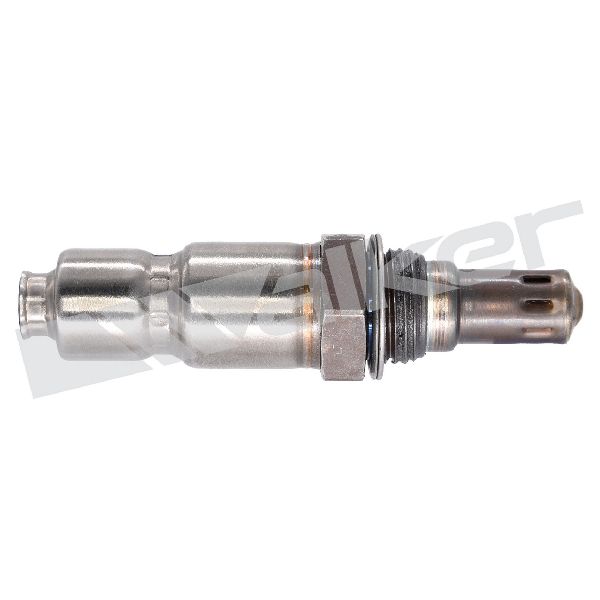
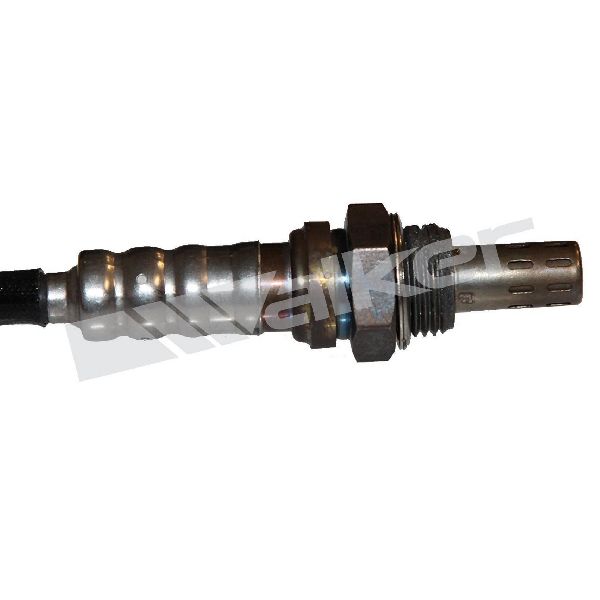
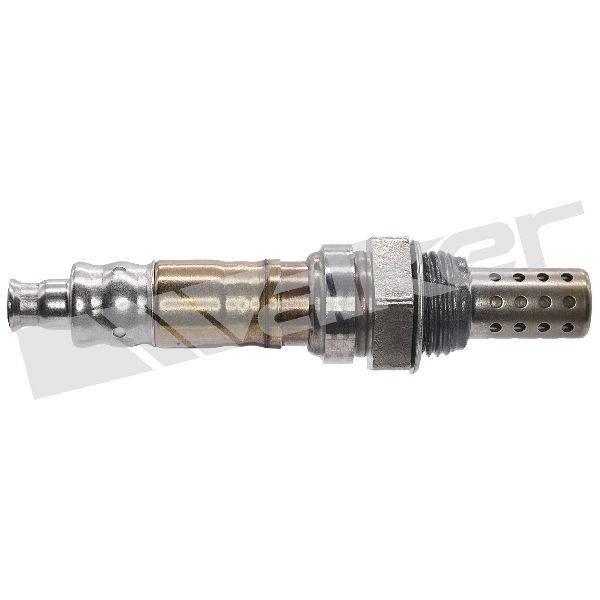
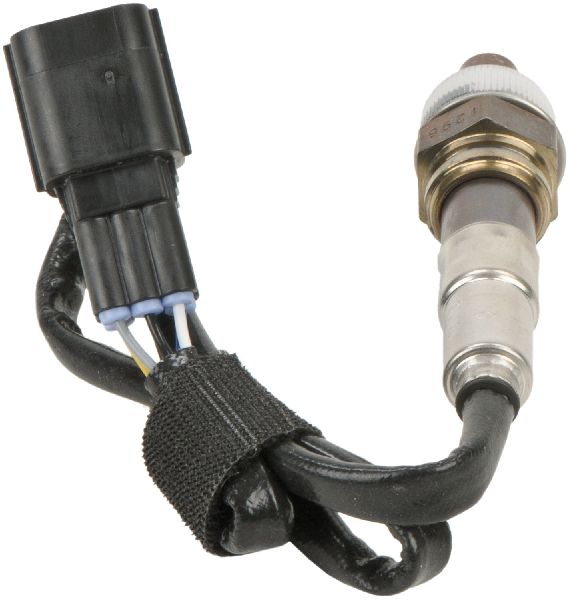
- Downstream Oxygen Sensor (Bank 1, Sensor 2)
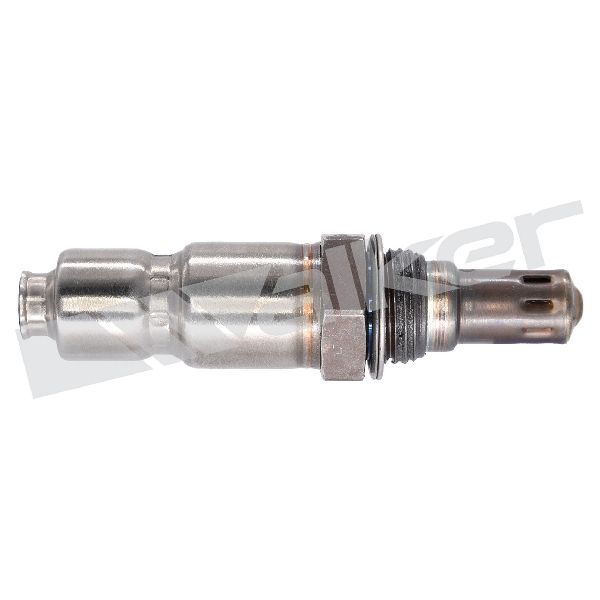
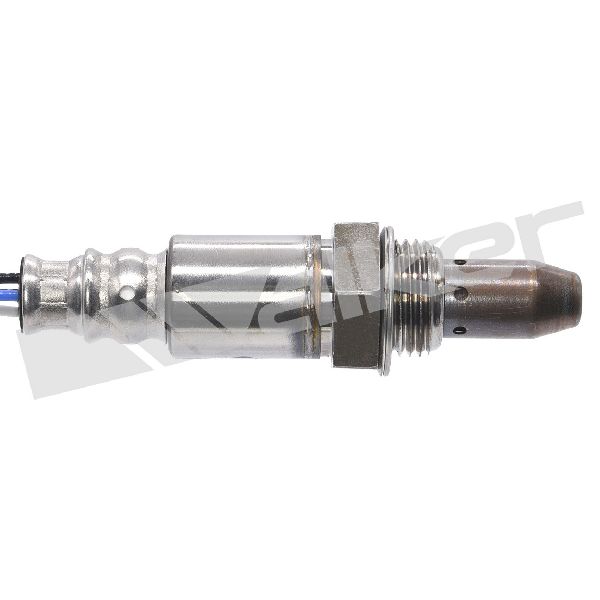
(OEM #LF5G-18-861A)— This is the most common failure point for code P0037, as the internal heater element burns out. Some owners report issues with generic aftermarket sensors, so choosing an OEM or reputable OEM-equivalent brand is advised.
Trusted brands: Denso (P/N: 234-4392), NGK/NTK (P/N: 24447), Bosch (P/N: 15253), Walker Products
OEM price range: $65-$120
Aftermarket price range: $40-$80
Platform-Specific Known Issues
- Code Returns After Sensor Replacement: In some cases, owners report that the P0037 code returns shortly after replacing the sensor. This almost always indicates an underlying issue that was missed, most commonly a corroded pin in the harness-side connector, a chafed wire making intermittent contact with the chassis, or the use of a low-quality aftermarket sensor that is incompatible. If the code returns, a thorough inspection and electrical testing of the harness from the sensor to the PCM is required.
Mechanic-Grade Diagnostic Values
- Downstream O2 Sensor Heater Resistance — expected: 3 to 25 Ohms at ambient temperature. A forum source for a similar Mazda engine specified ~15.7 Ohms.. Failure: An open circuit (infinite resistance or 'OL' on a multimeter) indicates a burned-out heater element.
- Voltage at Harness Connector (Heater Power Supply) — expected: Battery Voltage (approx. 12V) with Key On, Engine Off.. Failure: 0V indicates a blown fuse or an open circuit in the power supply wire.
- Voltage at Harness Connector Terminal D to Ground — expected: Near 0V with Key On, Engine Off.. Failure: Battery Voltage (B+) at this terminal indicates a short to power in the wiring harness between the sensor and the PCM.
Wiring & Ground Locations
- HO2S Connector Pin D — The harness-side connector for the downstream (Bank 1, Sensor 2) oxygen sensor.. This is the heater control circuit wire that goes to the PCM. Testing for a short to power here is a key diagnostic step if a new sensor and fuse don't fix the problem.
- HO2S Connector Pin C — The harness-side connector for the downstream (Bank 1, Sensor 2) oxygen sensor.. This is the power supply wire for the heater circuit, coming from the 'ENGINE1 15 A' fuse. It should have battery voltage with the key on.
- Engine/Transmission Grounds — Multiple points, including a ground on the passenger side motor mount, grounds on the transmission housing, and a ground point on the driver's side fender area that connects to the negative battery terminal.. A poor engine ground can cause a variety of electrical issues, including incorrect voltage readings in sensor circuits. While not a direct cause of P0037, ensuring main grounds are clean and tight is good practice during any electrical diagnosis.
Real Owner Repair Stories
- Mazdas247.com user 'ibdead' (2008 Mazda 5) — P0037 code
❌ Tried (didn't work) Checked fuses, Replaced the rear O2 sensor
✅ What actually fixed it The user did not post the final resolution, but the critical advice given by other forum members was to move beyond the sensor itself and perform detailed electrical checks on the harness connector for corrosion or pulled pins, and to specifically test for a short to power on terminal D of the harness-side connector. This highlights the common trap of assuming the new part is the final fix.
OEM Part Supersession History
LF5G-18-861→LF5G-18-861A— Standard part revision by the manufacturer.
Heads up: The new part number (LF5G-18-861A) is the correct replacement for the original. No incompatibility is noted.
Diagnostic Flowchart
Used vs. New Parts: Buying Guide for This Vehicle
When a used part is the smart pick: For this repair, a used part is almost never a good idea. The primary failure is the O2 sensor itself, which is a wear item. A used sensor has an unknown remaining lifespan. The only exception would be sourcing a used connector pigtail from a junkyard if the original harness connector is damaged.
Donor-vehicle mileage cap: roughly under 150000 miles for the part to have meaningful remaining life.
What to inspect on the donor part:
- For a connector pigtail, inspect for any signs of melting, brittle plastic, or corrosion on the pins.
- Ensure the locking tab on the connector is intact.
- Check that the wires are flexible and not cracked or chafed.
OEM-only on this vehicle (don't cheap out):
- While not strictly 'OEM-only', using a cheap, unbranded oxygen sensor from online marketplaces is a common cause of the code returning. Sticking to OEM or reputable OEM-equivalent brands is strongly advised.
Aftermarket brands forum-validated for this vehicle:
- Denso (often the original equipment manufacturer)
- NGK / NTK
- Bosch
Brands owners have reported issues with on this vehicle:
- Generic, no-name sensors from marketplaces like eBay or Amazon have a high rate of premature failure or incompatibility, leading to persistent codes.
Real Owner Stories
Aggregated from forums and TSBs cited above. Mileages and costs reflect what owners reported in those sources.
2008 Mazda 5
Symptoms: Check engine light with P0037 code, which returned even after replacing the rear O2 sensor and checking fuses.
What fixed it: The owner did not report a final fix. Another forum member suggested inspecting the wiring harness connector for damage or corrosion and tracing the wires, as the code indicates a circuit problem, not necessarily just the sensor.
Source hint: P0037 Engine Code, even after sensor replacement - Mazdas247
2009 Mazda 3
Symptoms: The P0037 code returned after replacing both O2 sensors with aftermarket parts.
What fixed it: A mechanic suggested the issue was the use of non-OEM parts, which is a common anecdotal experience for this repair.
Source hint: Reddit r/carproblems - Thread 'P0037 Mazda 3'
Related OBD-II Codes
Frequently Asked Questions
Where is the Bank 1, Sensor 2 located on my 2008-2010 Mazda 5?
I replaced the downstream O2 sensor on my Mazda 5, but the P0037 code came back. What's wrong?
What is the correct resistance for the heater circuit on the downstream O2 sensor for this vehicle?
Which fuse should I check for the P0037 code?
Are there specific part numbers you recommend for the replacement oxygen sensor?
My Mazda 5 sometimes jerks or hesitates when I accelerate. Is this related to the P0037 code?
We Have This Part in Stock

The information in this article is provided for general reference and educational purposes only. Vehicle specifications, procedures, and part compatibility can vary by production date, trim level, and region. Always consult your vehicle's factory service manual and verify part numbers before purchasing or performing repairs. Safety-critical components such as airbags, seat belts, and braking systems should be installed by a qualified professional.
- Mazda 5:
- 🧭 Diagnostic Flowchart
- 🛍️ Shop This Part
- What's Unique About the 2008-2010 Mazda 5
- Symptoms You May Notice
- Most Likely Causes
- Rare But Worth Checking
- Diagnosis Steps
- Parts You'll Likely Need
- Platform-Specific Known Issues
- Mechanic-Grade Diagnostic Values
- Wiring & Ground Locations
- Real Owner Repair Stories
- OEM Part Supersession History
- Used vs. New Parts: Buying Guide for This Vehicle
- Real Owner Stories
- 2008 Mazda 5
- 2009 Mazda 3
- Related OBD-II Codes
- Frequently Asked Questions
- 🎟️ Get 5% Off