

P0037 on 2013-2016 Mazda CX-5: HO2S Heater Circuit Low Causes and Fixes
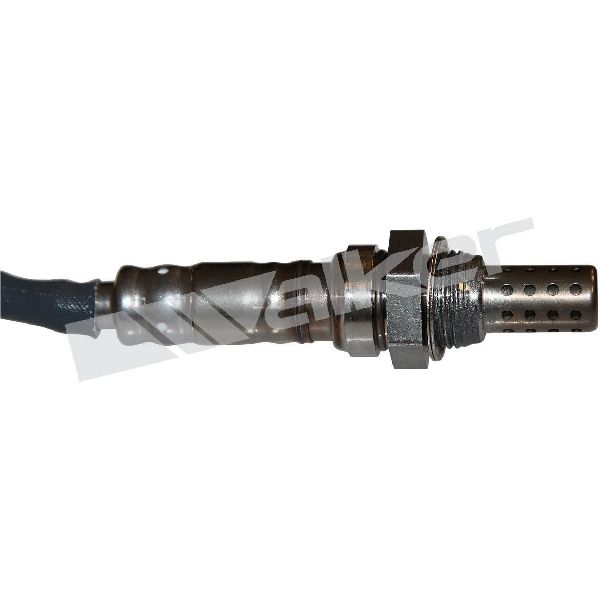
This code almost always means the heater inside the downstream oxygen sensor (Bank 1, Sensor 2) has failed. Replacing the sensor is the most common fix. The OEM part number is PE02-18-86ZA, with a popular aftermarket equivalent being Denso 234-4593. Expect to pay around $50-$110 for an aftermarket sensor or $150-$250 for an OEM part; it's a DIY-friendly repair.
- P0037 points to a problem with the heater in the downstream O2 sensor, located after the catalytic converter.
- The most likely fix is to replace the downstream O2 sensor (OEM Part: PE02-18-86ZA, Denso equivalent: 234-4593).
- Before buying a new sensor, always check the 'ENGINE1 15 A' fuse first, as it's a simple and free check.
- Carefully inspect the wiring harness leading to the sensor for any physical damage, as this is the second most likely cause.
- This repair is generally considered DIY-friendly and does not require advanced tools beyond a basic socket set and an O2 sensor socket.
What's Unique About the 2013-2016 Mazda CX-5
On the SKYACTIV-G engines, this code is straightforward. There are no widespread, unique issues like faulty software or unusual wiring problems that trigger P0037. The diagnostic process is standard, and the cause is almost always a failed sensor, which is a common wear-and-tear item on most modern vehicles. The official Mazda diagnostic procedure is very clear and points directly to checking the fuse, wiring, and then the sensor itself. Some owners have reported confusion when replacing the sensor on PZEV (Partial Zero-Emission Vehicle) models which may have a third O2 sensor, but for P0037, the target is always Bank 1 Sensor 2.
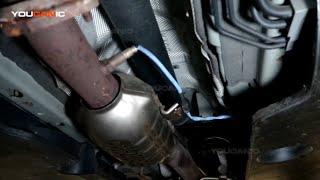
🎬 Watch: How to locate the oxygen sensors on your CX-5Symptoms You May Notice
- Check Engine Light is on
- Failing an emissions test.
- Slight potential decrease in fuel economy.
- Potential for a rotten egg smell from the exhaust, although less common.
- In some cases, the vehicle may enter a temporary limp-mode, limiting RPMs.
- Replacing the upstream (Bank 1, Sensor 1) oxygen sensor instead of the downstream (Bank 1, Sensor 2) sensor.
- Replacing the catalytic converter. This code is for the sensor's heater circuit, not the efficiency of the converter itself. 🎬 See this video for a deep dive into fixing P0037
- Ignoring a blown fuse and repeatedly replacing the sensor, only for it to fail again due to an underlying short circuit.
Most Likely Causes
- Failed Downstream Oxygen Sensor 🔴 High Probability → Shop Oxygen Sensor The internal heating element of an oxygen sensor has a finite lifespan and can burn out from thousands of heat cycles, similar to a light bulb filament. This is a normal wear item.
How to confirm: Disconnect the sensor and measure the resistance between the two heater circuit pins (Terminals C and D, usually the two same-colored wires). An infinite resistance reading (OL) confirms the heater has failed. A good sensor should show a low resistance; Mazda's specification is 2–50 ohms at ambient temperature.
Typical fix: Replace the downstream oxygen sensor (Bank 1, Sensor 2). 🎬 Watch: A step-by-step walkthrough for replacing the downstream sensor Using an OEM-equivalent brand like Denso or NTK is highly recommended over generic parts.
Est. part cost: $50-$250 - Damaged Wiring or Connector 🟡 Medium Probability The sensor and its wiring are located under the vehicle, making them vulnerable to road debris, moisture, and corrosion, which can cause a short to ground or an open circuit. In some cases, the harness can be damaged by contact with hot exhaust components.
How to confirm: Visually inspect the wiring harness leading to the sensor for any signs of melting, chafing, or corrosion. Check the connector for bent, loose, or corroded pins. A multimeter can be used to check for a short to ground on the control wire (Terminal D to ground).
Typical fix: Repair the damaged section of the wiring harness or clean/replace the connector.
Est. part cost: $5-$50 - Blown Fuse ⚪ Low Probability
How to confirm: According to Mazda's service information, the O2 sensor heater circuit is protected by the 'ENGINE1 15 A' fuse. Locate and inspect this fuse in the engine bay fuse box. If it's blown, a short circuit in the wiring or sensor is the likely cause that must be found before replacing the fuse.
Typical fix: Replace the blown 15A fuse after diagnosing the underlying short circuit that caused it to blow.
Est. part cost: $1-$5
Rare But Worth Checking
- Faulty Powertrain Control Module (PCM): → Shop Engine Control Module (ECM) This is extremely rare. The internal driver circuit within the PCM that controls the O2 sensor heater can fail. This should only be considered after all other possibilities (sensor, wiring, fuse) have been definitively ruled out by a professional.
Diagnosis Steps
- Scan the vehicle for any other stored trouble codes.
- Perform a thorough visual inspection of the downstream O2 sensor, its connector, and the wiring harness. Look for any signs of damage, melting on the exhaust, or corrosion.
- Check the 'ENGINE1 15 A' fuse in the engine compartment fuse box.
- If the fuse is good, disconnect the O2 sensor connector. Turn the ignition to the 'ON' position (engine off).
- Use a multimeter to check for battery voltage (approx. 12V) at the power supply pin of the harness-side connector (Terminal C, per Mazda docs).
- If voltage is present, use the multimeter to test the resistance of the heater circuit on the sensor itself between terminals C and D. An open circuit (infinite resistance) or a reading outside the 2-50 ohm range indicates a failed sensor that needs replacement.
- If the sensor's resistance is within spec, check the heater control wire (harness-side Terminal D to PCM terminal 2C) for a short to ground or an open circuit.
- If the wiring and sensor are confirmed to be good, the issue may be with the PCM, which requires professional diagnosis.
Parts You'll Likely Need
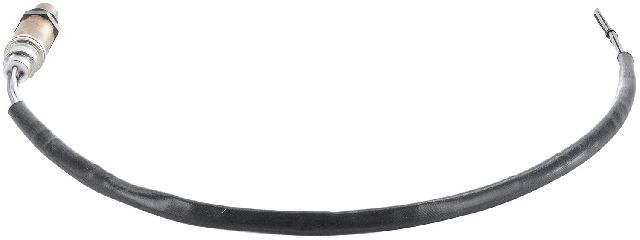
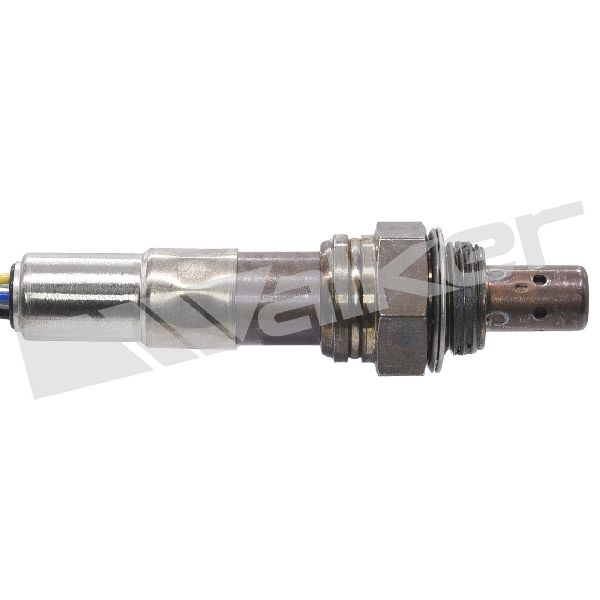
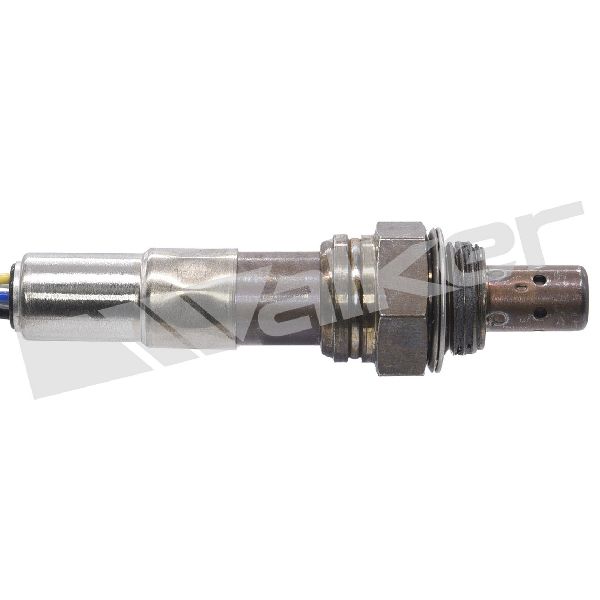
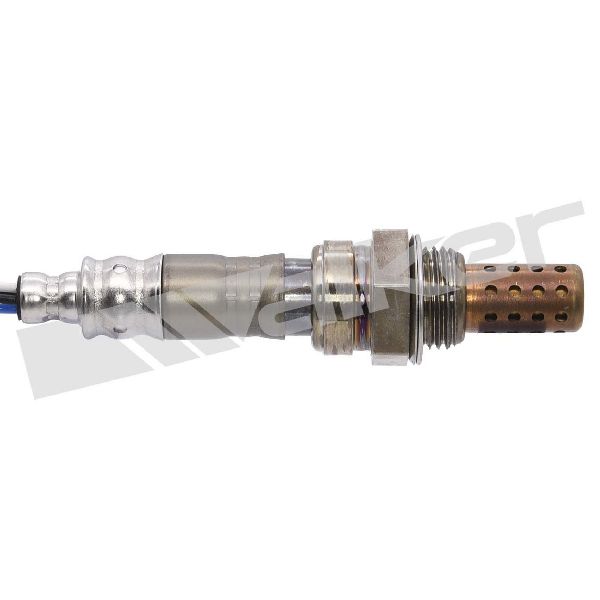
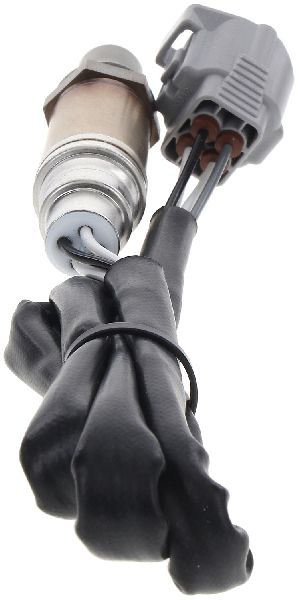
- Downstream Oxygen Sensor (Bank 1, Sensor 2)
(OEM #PE02-18-86ZA)— This is the most common failure point for code P0037, as the internal heating element burns out over time.
Trusted brands: Denso (OEM supplier), Bosch, NGK/NTK, Walker Products
OEM price range: $150-$250
Aftermarket price range: $50-$110
Mechanic-Grade Diagnostic Values
- Downstream O2 Sensor (HO2S) Heater Resistance — expected: 2–50 Ohms at ambient temperature. Failure: A reading of infinite resistance ('OL') indicates an open circuit/failed heater. A reading outside the specified range also indicates a faulty sensor.
- Voltage at HO2S Harness Connector, Terminal C to Ground — expected: Battery Voltage (~12V) with Key On, Engine Off (KOEO). Failure: 0V indicates a blown 'ENGINE1 15A' fuse or an open circuit in the power supply wire from the main relay.
- Continuity on Heater Control Wire — expected: Continuity should exist between HO2S harness connector Terminal D and PCM connector Terminal 2C.. Failure: No continuity (open circuit) indicates a broken wire in the harness.
- Heater Control Wire Short to Ground — expected: No continuity to ground on the wire between HO2S Terminal D and PCM Terminal 2C (with both ends disconnected).. Failure: Continuity to ground indicates the control wire is shorted somewhere in the harness.
- Mode $06 Data - Heated Oxygen Sensor Heater Current — expected: Typically 0.4 to 1.0 A during operation.. Failure: A current reading of less than 0.25 A will trigger the P0037 low current fault.
Hidden / Shadow Codes Worth Checking
- Mode $06, Test ID $81: This is not a separate trouble code but a monitor result accessible via advanced scan tools. It specifically checks the maximum heated oxygen sensor heater current. A failure of this monitor test is a direct precursor to the P0037 code being set. (see via An OBD-II scan tool that supports Mode $06 data viewing.)
Scan Tool Commands That Help
- Mazda M-MDS (or equivalent like FORScan): PID Monitoring (O2S12) — While the P0037 code is for the heater circuit, monitoring the sensor's voltage (PID O2S12) after repair can confirm it is functioning correctly. During deceleration from >3,000 RPM, the voltage should drop below 0.3V, confirming sensor responsiveness.
- Mazda M-MDS (or equivalent): Heater Circuit Active Test (if available) — Some advanced diagnostic tools may offer a bidirectional test to command the HO2S heater ON/OFF. This allows a technician to check the circuit's response in real-time by monitoring voltage or current, confirming PCM control and wiring integrity without having to run the engine.
Wiring & Ground Locations
- PCM Connector Terminal 2C — This is the pin on the Powertrain Control Module (PCM) connector that sends the ground control signal to the downstream O2 sensor heater.. This is the termination point for the heater control circuit. Technicians must test continuity from the sensor harness (Terminal D) to this pin to rule out an open wire.
- HO2S Connector Terminals C & D — On the downstream O2 sensor connector.. Terminal C is the 12V power supply from the 'ENGINE1 15A' fuse. Terminal D is the ground-side control wire to the PCM. All voltage and resistance tests for the heater circuit are performed at these specific terminals.
- Ground Point G-03 — Located on the left front of the engine compartment.. This is a primary ground point for the engine control system, including the PCM. While the PCM provides a switched ground, a poor main ground at G-03 can cause erratic behavior and voltage drop issues across multiple systems, potentially affecting sensor heater operation.
Real Owner Repair Stories
- Mazdas247 Forum (2002 Mazda Protege5 (similar 4-cylinder setup and diagnosis)) — Check Engine Light with P0037 returned after replacing the O2 sensors.
❌ Tried (didn't work) Replacing the oxygen sensors
✅ What actually fixed it The issue was not resolved in the thread, but the consensus from experienced members was that the next step must be to diagnose the wiring harness for a fault or check for a rare PCM issue, as simply replacing the sensor again would not solve the problem. This highlights the importance of testing the circuit after a part replacement fails to fix the code. - mazda-forum.com user 'xingfan1227' (2014 Mazda CX-5) — Check Engine Light with code P0137 (Low Voltage), which shares a common root cause with P0037 wiring issues.
❌ Tried (didn't work) Replacing the downstream oxygen sensor.
✅ What actually fixed it The user discovered an exhaust leak at the two-bolt flange located just before the downstream O2 sensor. This leak introduced extra oxygen, causing faulty readings. While this story is for P0137, a physical inspection of this flange is a valuable step for any downstream O2 sensor code on this vehicle, as the heat and vibration that cause the leak can also damage the nearby sensor wiring.
Model Year Variations Within This Range
- 2016: The 2016 model year received a minor facelift ('KE' generation update). While the engine and core components for this code remained the same, the center console and infotainment system were updated. There are no documented changes to the O2 sensor, its part number (PE02-18-86ZA), or the diagnostic procedure for P0037 related to this facelift.
Diagnostic Flowchart
Other Known Issues on This Vehicle
Issues unrelated to this code that are worth knowing about as an owner of this generation:
- Leaking/Rattling Drive Belt Tensioner 🟠 Medium — Common issue across many SKYACTIV engines of this era. Often manifests as a rattling noise and/or visible hydraulic fluid leak from the tensioner body. (Ref: Mazda TSB 01-019/19 (and others like 01-008-23) addresses this. The fix is to replace the tensioner with an updated part (e.g., PE03-15-980C).)
- Failing LED Daytime Running Lights (DRL) 🟡 Low — Primarily affects 2016 models, but some 2014-2015 models were also recalled. Lights may flicker or fail completely. (Ref: Mazda Recall 4320A (NHTSA ID 20V-055). Caused by a faulty sealing gasket leading to corrosion on the LED circuit.)
- Failing Liftgate Support Struts 🟠 Medium — Affects 2013-2016 models. Insufficient corrosion coating can cause the struts to fail, leading to the liftgate dropping unexpectedly. (Ref: Mazda Safety Recall 9916H (NHTSA ID 16V-644). The fix involves replacing both liftgate dampers.)
- Intake Valve Carbon Buildup 🟡 Low — A potential long-term issue inherent to all direct-injection (GDI) engines, including SKYACTIV-G. Not considered a widespread problem requiring premature cleaning on Mazda engines compared to other brands.
- Prematurely Worn Rear Brakes 🟡 Low — Some owners report faster-than-expected wear on rear brake pads, sometimes attributed to corrosion on the caliper bracket tins causing the pads to bind.
- Spontaneously Cracking Windshields 🟠 Medium — A number of owners have reported windshields cracking without any obvious impact, potentially due to stress fractures.
Used vs. New Parts: Buying Guide for This Vehicle
When a used part is the smart pick: For this repair, using a used part is almost never a good idea. The primary cause of P0037 is the failure of the O2 sensor's heating element, which is a wear-and-tear component with a finite lifespan. A used sensor from a junkyard has an unknown number of heat cycles and could fail soon after installation, wasting time and money.
What to inspect on the donor part:
- Not applicable, as a used sensor is not recommended.
OEM-only on this vehicle (don't cheap out):
- While not strictly 'OEM-only', it is critical to use a sensor from a reputable OEM supplier. Cheaper, unbranded 'white box' sensors are known to have incorrect heater resistances or poor construction, leading to the code returning quickly.
Aftermarket brands forum-validated for this vehicle:
- Denso (the original equipment manufacturer for Mazda).
- NTK/NGK.
- Bosch (ensure it is the correct specific-fit part number, not a universal one).
Brands owners have reported issues with on this vehicle:
- Generic, unbranded parts from online marketplaces (e.g., Amazon, eBay, AliExpress) that do not specify a reputable manufacturer like Denso, NTK, or Bosch.
- TRQ has been mentioned by at least one owner as problematic, resulting in a new code after installation.
Real Owner Stories
Aggregated from forums and TSBs cited above. Mileages and costs reflect what owners reported in those sources.
2013-2016 Mazda CX-5 SKYACTIV-G
Symptoms: The user experienced a persistent P0037 engine code even after they had already replaced the oxygen sensor.
What fixed it: The discussion advised checking for a short to power or a bad PCM connection (specifically Terminal D to PCM terminal 2C) if an OEM sensor did not resolve the issue.
Source hint: Mazdas247: P0037 Engine Code, even after sensor replacement
2013-2016 Mazda CX-5 SKYACTIV-G
Symptoms: The owner was concerned about the severity of driving with the P0037 code and its impact on the vehicle.
What fixed it: The consensus was that the sensor must be addressed to maintain fuel economy and pass emissions, specifically recommending Denso or NGK/NTK replacement parts.
Source hint: Reddit r/MechanicAdvice: P0037 and P0043
2013-2016 Mazda CX-5 SKYACTIV-G
Symptoms: The owner measured the heater resistance of their O2 sensor to diagnose a P0037 code.
What fixed it: Testing the sensor resistance; a good sensor should read low ohms (2-4 ohms mentioned), and if the sensor is good, checking for fuel-related issues or wiring shorts.
Source hint: Reddit r/MechanicAdvice: My car has a p0037 code so I tested my o2 sensor...
Related OBD-II Codes
Frequently Asked Questions
Which fuse should I check for a P0037 code on my 2013-2016 Mazda CX-5?
What is the correct resistance specification for a new downstream O2 sensor on the SKYACTIV-G engine?
Is there a specific brand of oxygen sensor recommended for the CX-5 to avoid persistent codes?
Could my CX-5's P0037 code be related to the liftgate or DRL recalls?
Can I drive my Mazda CX-5 with a P0037 code present?
Where is the sensor located that triggers P0037 on the CX-5?
Helpful Videos


We Have This Part in Stock

The information in this article is provided for general reference and educational purposes only. Vehicle specifications, procedures, and part compatibility can vary by production date, trim level, and region. Always consult your vehicle's factory service manual and verify part numbers before purchasing or performing repairs. Safety-critical components such as airbags, seat belts, and braking systems should be installed by a qualified professional.
- Mazda CX-5:
- 🧭 Diagnostic Flowchart
- 🎬 Helpful Videos
- 🛍️ Shop This Part
- What's Unique About the 2013-2016 Mazda CX-5
- Symptoms You May Notice
- Most Likely Causes
- Rare But Worth Checking
- Diagnosis Steps
- Parts You'll Likely Need
- Mechanic-Grade Diagnostic Values
- Hidden / Shadow Codes Worth Checking
- Scan Tool Commands That Help
- Wiring & Ground Locations
- Real Owner Repair Stories
- Model Year Variations Within This Range
- Other Known Issues on This Vehicle
- Used vs. New Parts: Buying Guide for This Vehicle
- Real Owner Stories
- 2013-2016 Mazda CX-5 SKYACTIV-G
- 2013-2016 Mazda CX-5 SKYACTIV-G
- 2013-2016 Mazda CX-5 SKYACTIV-G
- Related OBD-II Codes
- Frequently Asked Questions
- 🎟️ Get 5% Off