

P0037 on 2003-2007 Saturn Ion: Downstream O2 Sensor Heater Circuit Causes and Fixes
This code almost always means the heater element inside the downstream oxygen sensor (after the catalytic converter) has failed. Replacing the sensor is the typical fix, costing around $40-$80 for an aftermarket part and is a straightforward DIY job. Before replacing, check the 'EXH' or 'EMS' fuse in the under-hood fuse box and inspect the wiring connector for corrosion, which is also a known issue.
- P0037 on a Saturn Ion points specifically to the heater in the downstream (post-catalytic converter) O2 sensor.
- The most probable cause is the O2 sensor itself has failed and needs to be replaced.
- Before replacing the sensor, always check the 'EXH' or 'EMS' fuse and inspect the wiring connector for corrosion, as these are also common culprits.
- This is a DIY-friendly repair that requires a special O2 sensor socket but is otherwise straightforward.
- Driving with this code is safe, but it will cause an automatic failure on an emissions test and should be addressed to maintain fuel efficiency.
What's Unique About the 2003-2007 Saturn Ion
For the Saturn Ion with the 2.2L Ecotec engine, this is a very common and straightforward code. The L61 Ecotec was used across many GM vehicles, so the behavior of its components is well-documented. There are no unique platform-specific quirks for this code; the causes and fixes are standard and primarily point to the sensor itself failing from age and heat cycles. However, owners of platform-mate vehicles like the Chevy Cobalt have noted that the O2 sensor connector can become corroded, leading to this code even with a good sensor.
Symptoms You May Notice
- Check Engine Light is on.
- Failed vehicle emissions test.
- Potentially a slight decrease in fuel mileage.
- Vehicle may take slightly longer to enter closed-loop fuel control, especially in cold weather.
- Replacing the upstream (pre-catalytic converter) oxygen sensor. The code P0037 specifically refers to Sensor 2, which is the downstream sensor.
- Replacing the sensor without first checking for power and ground at the connector. A wiring or fuse issue will cause the code to return immediately with a new sensor.
Most Likely Causes
- Failed Downstream O2 Sensor 🔴 High Probability → Shop Oxygen Sensor The internal heater element is a common failure point on oxygen sensors due to constant heat cycles. It's considered a wear-and-tear item.
How to confirm: Disconnect the sensor and measure the resistance between the two heater circuit pins (usually the two same-colored wires, often white). An open circuit (infinite resistance) confirms the heater has failed. A good sensor should have a resistance typically between 5 and 15 ohms, though some sources cite up to 27 ohms.
Typical fix: Replace the downstream (post-catalytic converter) oxygen sensor.
Est. part cost: $40 - $80 - Damaged Wiring or Connector 🟡 Medium Probability The sensor is located under the vehicle, exposing its wiring to road debris, moisture, and exhaust heat, which can cause corrosion or breaks in the wiring or connector pins. Forum users on sister vehicles have specifically mentioned finding corroded connectors as the root cause.
How to confirm: Visually inspect the wiring harness and connector leading to the sensor for any signs of melting, chafing, corrosion, or loose pins. Use a multimeter to check for 12V power at the connector with the key on. A low voltage reading (e.g., 8V instead of 12V) points to a wiring issue.
Typical fix: Repair the damaged section of the wiring harness or replace the connector pigtail.
Est. part cost: $10 - $30 - Blown Fuse ⚪ Low Probability
How to confirm: Check the under-hood fuse box for a blown fuse. On GM Delta platform vehicles like the Ion and Cobalt, this fuse is often labeled 'EXH' or 'EMS' and is typically a 10A or 15A fuse.
Typical fix: Replace the blown fuse after inspecting the circuit for shorts.
Est. part cost: $1 - $5
Rare But Worth Checking
- Faulty Powertrain Control Module (PCM): → Shop Engine Control Module (ECM) This is extremely rare. The PCM's internal driver for the heater circuit can fail, but this should only be considered after all other possibilities (sensor, wiring, fuses) have been definitively ruled out.
Diagnosis Steps
- Read the code with an OBD-II scanner to confirm P0037 is present.
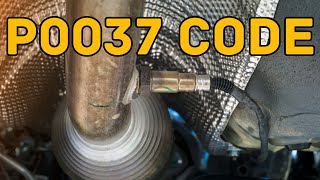
- Perform a visual inspection of the downstream O2 sensor, which is located on the exhaust pipe after the catalytic converter. Look for any damage to the sensor body, connector, or wiring harness.
- Check the fuse for the O2 sensor heater circuit (often labeled 'EXH' or 'EMS') in the under-hood fuse panel. Replace if blown.
- If the fuse is good, disconnect the O2 sensor's electrical connector. Inspect for corrosion or pushed-out pins.
- Use a multimeter to check for battery voltage (around 12V) on the power wire of the harness-side connector (with the ignition key in the 'On' position).
- Using the multimeter, measure the resistance across the heater circuit pins on the sensor itself (typically the two wires of the same color). A reading of 'OL' or infinite resistance indicates a failed heater element, and the sensor must be replaced. A good sensor should have a low resistance, typically between 5-15 ohms.
- If resistance is within spec and power is present at the harness, check the ground circuit for continuity back to the PCM. If all checks pass, the sensor is likely the culprit, but a PCM fault is a remote possibility.
Parts You'll Likely Need
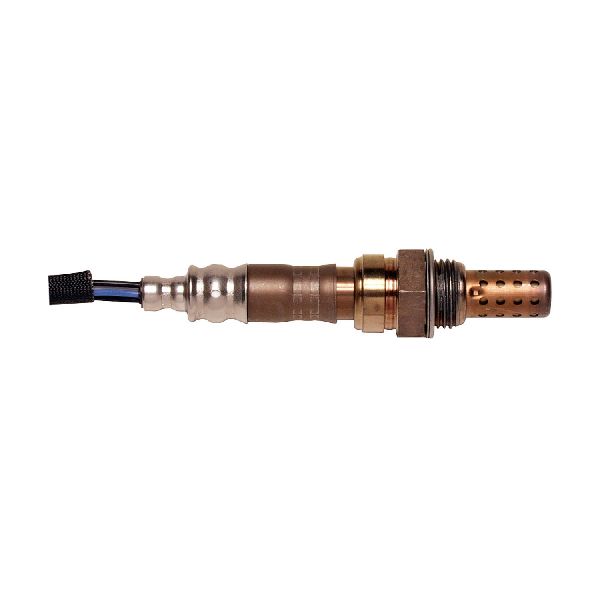
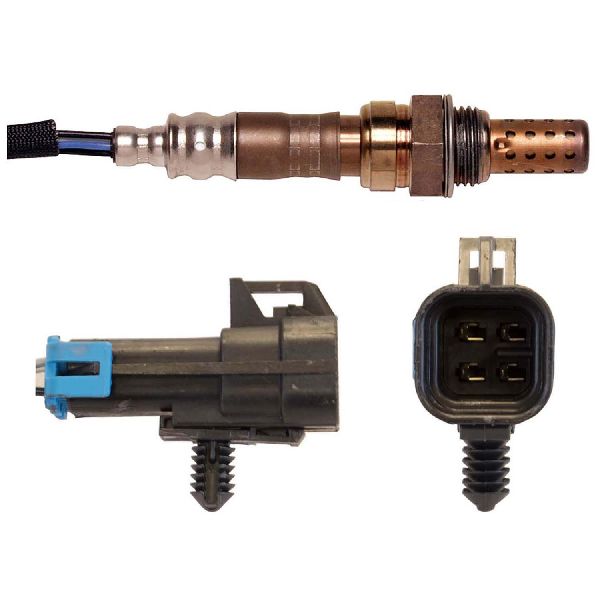
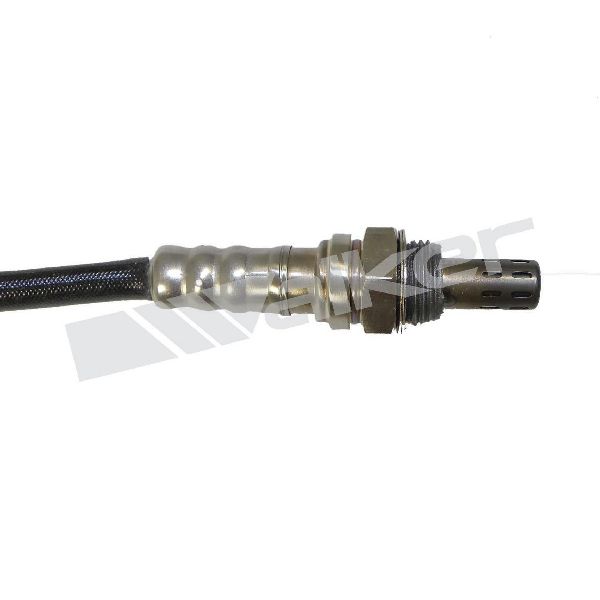
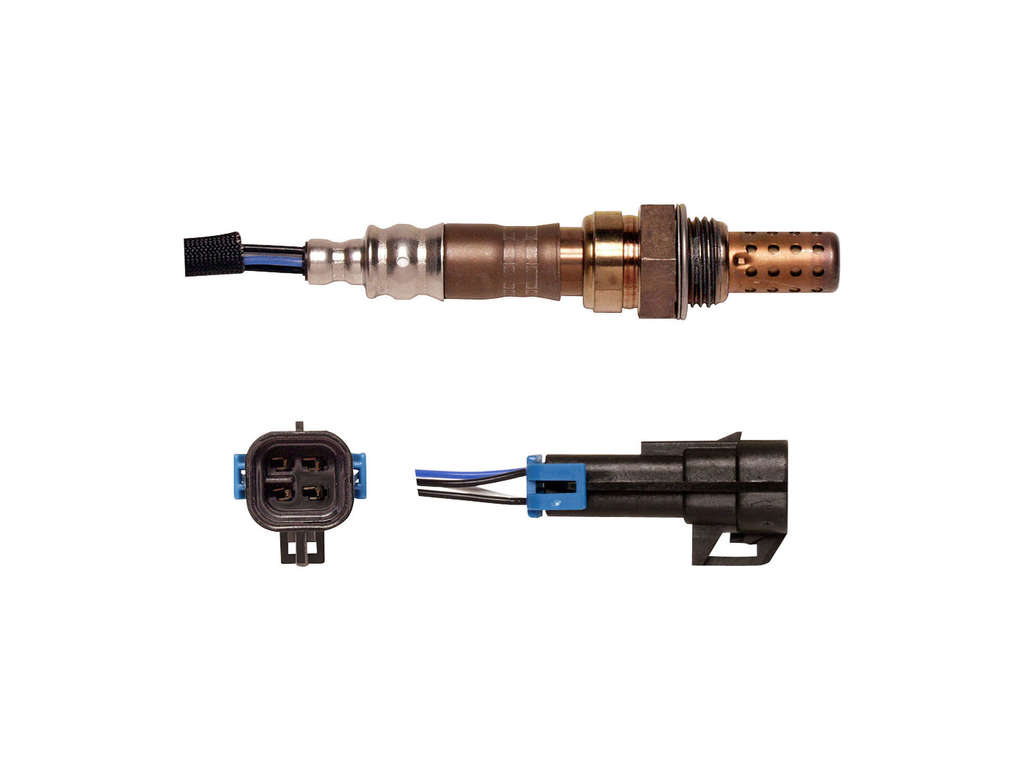
- Downstream Oxygen Sensor
(OEM #GM 12576711, ACDelco 213-3138)— The internal heater element fails over time, which is the most common cause of the P0037 code.
Trusted brands: ACDelco (OEM), Delphi, Bosch, NGK/NTK, Denso
OEM price range: $80-$120
Aftermarket price range: $40-$80
Related Codes That Often Appear With This One
- P0141 — P0141 is a generic code for 'O2 Sensor Heater Circuit Malfunction (Bank 1, Sensor 2)'. It is very similar to P0037 and often points to the same root cause.
- P0036 — P0036 is the generic code for the O2 sensor heater control circuit for Bank 1 Sensor 2. P0037 specifies a 'low' circuit condition, but both point to the same component and are often diagnosed together.
Platform-Specific Known Issues
- On the GM Delta platform (which includes the Ion and Cobalt), the under-hood fuse for the O2 heater circuit is often labeled 'EXH' and can be a source of the problem.
- Corrosion in the sensor's electrical connector is a documented failure point on these vehicles, and should be inspected closely before replacing the sensor itself.
Mechanic-Grade Diagnostic Values
- Downstream O2 Sensor Heater Circuit Resistance — expected: 3 to 15 ohms. Failure: An 'OL' or infinite resistance reading indicates a failed, open heater element. A reading significantly outside the expected range also indicates a fault.
- Voltage at O2 Sensor Harness Power Wire — expected: ~12 Volts (Battery Voltage). Failure: A voltage reading significantly lower than 12V (e.g., 8V) or 0V points to a wiring issue, corroded connection, or blown fuse upstream of the connector.
Scan Tool Commands That Help
- GM Tech 2: Heater Circuit Bidirectional Control / Output Control — After verifying the fuse and wiring are good, a technician can use a Tech 2 scanner to command the O2 sensor heater circuit on and off. This directly tests the PCM's driver circuit and the wiring integrity. If the command is sent but the heater does not activate (which can be verified by monitoring current flow), it confirms a problem in the circuit or sensor, definitively ruling out a PCM logic issue.
Wiring & Ground Locations
- HO2S B1S2 Connector — On the exhaust pipe, after the catalytic converter, under the vehicle.. This is the primary connection point for the sensor. It is exposed to road debris and moisture, making it a common point for corrosion and damage that directly causes the P0037 code.
- G105 — On the lower left rear of the engine block, often near or above the starter motor.. This is a primary engine and PCM ground. While not exclusive to the O2 sensor, a loose or corroded connection here can create a floating ground, causing unstable voltage readings and potentially triggering low circuit codes for various sensors, including P0037.
- G107 — At the rear of the engine on 2003 models, or the left rear corner of the cylinder head on 2006-2007 models.. This is another critical ground point for the engine control system. A fault at G107 can introduce electrical noise and voltage stability problems that may manifest as intermittent or persistent circuit codes.
Real Owner Repair Stories
- Cobalt SS Network forum user (Chevy Cobalt with 2.2L L61 engine (platform mate)) — Check Engine Light with P0037 code.
❌ Tried (didn't work) Replacing the downstream O2 sensor with a new Denso brand sensor.
✅ What actually fixed it The code persisted after replacing the sensor. The user was advised by others that the L61 engine is sensitive to the O2 sensor brand. Replacing the new Denso sensor with an NTK brand sensor (the OEM supplier) resolved the code.
OEM Part Supersession History
GM 12576711→ACDelco 213-3138 is the service part number. Some parts catalogs also list GM 12578576 as an alternate or related number for this part.— Standard part lifecycle and branding updates (GM to ACDelco).
Heads up: While not a formal incompatibility, forum users strongly report that the L61 Ecotec can be sensitive to aftermarket sensor brands. Using the OEM supplier (NTK) or ACDelco is highly recommended to avoid persistent codes even with a new part.
Model Year Variations Within This Range
- 2007 only: The 2.2L L61 engine in the 2007 Ion received a power increase from 140 hp to 145 hp and was fitted with a new ECU from the 2.4L engine. While the P0037 diagnostic procedure remains the same, this ECU change means software behavior and sensitivity could differ slightly from 2003-2006 models.
- 2003 vs 2006-2007: The physical location of the G107 engine ground point moved from the rear of the engine in 2003 to the left rear corner of the cylinder head in later models.
Diagnostic Flowchart
Other Known Issues on This Vehicle
Issues unrelated to this code that are worth knowing about as an owner of this generation:
- Faulty Ignition Switch 🔴 High — Extremely common across all 2003-2007 models, subject to a major safety recall. The switch can move out of the 'run' position, disabling the engine and airbags. (Ref: NHTSA Recall #14V047000, 14V171000)
- Electric Power Steering (EPS) Failure 🔴 High — Widespread issue causing a sudden loss of power steering assist. Subject to a safety recall and warranty extension. (Ref: NHTSA Recall #14V153000)
- Premature Timing Chain Wear 🔴 High — A known weak point, especially on earlier 2003-2004 models, due to an inadequate oiler nozzle design. Leads to chain stretch and rattling noises. Failure is catastrophic for the engine. (Ref: TSB #03-06-01-017)
- Ignition Control Module/Coil Failure 🟠 Medium — Common cause for Check Engine Light, misfires, and intermittent no-start conditions.
- Fuel Line and Subframe Rust 🟠 Medium — While the body panels are polymer, the underlying steel subframe and fuel/brake lines are prone to significant rust, especially in salt-belt regions.
- CVT (VTi) Transmission Failure (2003-2004) 🔴 High — The optional VTi continuously variable transmission offered in early models was notoriously unreliable and prone to failure.
Used vs. New Parts: Buying Guide for This Vehicle
When a used part is the smart pick: For this repair, using a used part is almost never a smart choice. The oxygen sensor is a wear-and-tear item with a finite lifespan, similar to a spark plug or filter. A used sensor from a junkyard has unknown remaining life and may fail shortly after installation, forcing you to do the job twice.
Donor-vehicle mileage cap: roughly under 15000 miles for the part to have meaningful remaining life.
What to inspect on the donor part:
- If forced to use a donor part, source it from a very low-mileage vehicle that was wrecked.
- Inspect the sensor tip for heavy black soot (rich running), white deposits (coolant/oil contamination), or physical damage.
- Ensure the wiring pigtail and connector are completely intact with no brittleness, melting, or corrosion on the pins.
Aftermarket brands forum-validated for this vehicle:
- NTK / NGK (Often the original OEM supplier for GM vehicles)
- ACDelco (The official GM parts brand)
- Denso (A major OE supplier, though some forum users on this specific platform have reported issues)
Brands owners have reported issues with on this vehicle:
- Generic 'universal' sensors that require splicing wires. The computer systems in these vehicles can be sensitive, and improper connections or resistance from splices can cause the code to return.
- Unbranded, no-name parts from online marketplaces, as their internal components and calibration are often not up to OE standards.
Real Owner Stories
Aggregated from forums and TSBs cited above. Mileages and costs reflect what owners reported in those sources.
2003 Saturn Ion 2.2L — 127000 miles
Symptoms: The Check Engine Light was on with codes P0037 and P0135. Additionally, a battery warning light would come on and go off intermittently before staying on.
What fixed it: The owner replaced the alternator and battery to address charging issues, but the P0037 and P0135 codes remained unresolved in the report.
Source hint: 2CarPros forum thread '2003 Saturn Ion Battery Warning Light Keeps Coming On'
2005-2007 Chevrolet Cobalt (Platform Mate)
Symptoms: The owner traced a P0037 code on the same Delta platform as the Ion.
What fixed it: After replacing the sensor did not fix the issue, the owner found a corroded O2 sensor connector was the root cause.
Source hint: Cobalt SS Network - 'P0036 / p0037'
2009 Chevy Cobalt SS (Platform Mate)
Symptoms: P0037 O2 sensor heater code present.
What fixed it: Diagnostic testing revealed a wiring issue rather than a sensor failure, evidenced by a low voltage reading of 8.35V at the harness instead of the required 12V.
Source hint: Reddit r/MechanicAdvice - '2009 Chevy Cobalt SS - P0037 O2 sensor heater code'
Related OBD-II Codes
Frequently Asked Questions
Where is the fuse for the O2 sensor heater located on my 2003-2007 Saturn Ion?
Is there a recall for the P0037 code on the 2.2L Ecotec Ion?
I replaced the downstream sensor but the P0037 code is still there. What else should I check on this specific platform?
What resistance should I see when testing the O2 sensor heater on my 2.2L Ion?
Does the timing chain issue on the 2003-2004 Ion cause P0037?
Will a P0037 code prevent my Saturn Ion from passing an emissions test?
Helpful Videos
We Have This Part in Stock


The information in this article is provided for general reference and educational purposes only. Vehicle specifications, procedures, and part compatibility can vary by production date, trim level, and region. Always consult your vehicle's factory service manual and verify part numbers before purchasing or performing repairs. Safety-critical components such as airbags, seat belts, and braking systems should be installed by a qualified professional.
- Saturn Ion:
- 🧭 Diagnostic Flowchart
- 🎬 Helpful Videos
- 🛍️ Shop This Part
- What's Unique About the 2003-2007 Saturn Ion
- Symptoms You May Notice
- Most Likely Causes
- Rare But Worth Checking
- Diagnosis Steps
- Parts You'll Likely Need
- Related Codes That Often Appear With This One
- Platform-Specific Known Issues
- Mechanic-Grade Diagnostic Values
- Scan Tool Commands That Help
- Wiring & Ground Locations
- Real Owner Repair Stories
- OEM Part Supersession History
- Model Year Variations Within This Range
- Other Known Issues on This Vehicle
- Used vs. New Parts: Buying Guide for This Vehicle
- Real Owner Stories
- 2003 Saturn Ion 2.2L — 127000 miles
- 2005-2007 Chevrolet Cobalt (Platform Mate)
- 2009 Chevy Cobalt SS (Platform Mate)
- Related OBD-II Codes
- Frequently Asked Questions
- 🎟️ Get 5% Off