

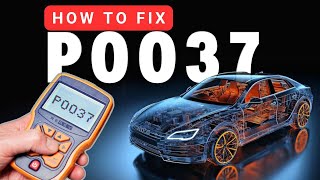
P0037 on 2014-2018 Subaru Forester 2.5L: Rear O2 Sensor Heater Circuit Fixes
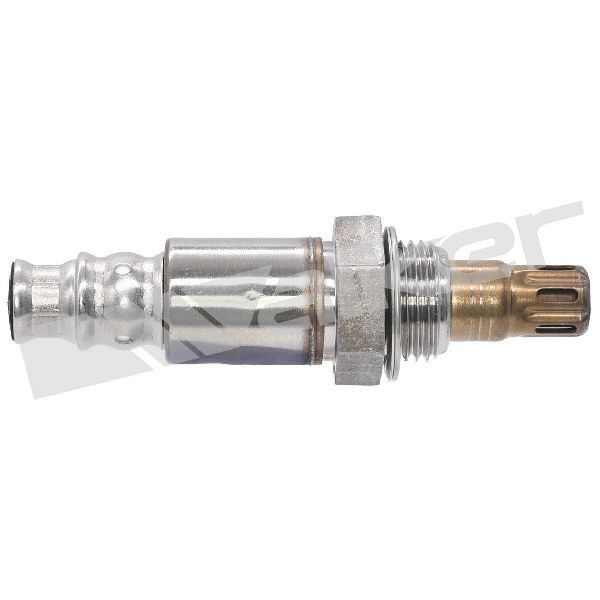
P0037 on a 2014-2018 Forester almost always means the rear (downstream) oxygen sensor has failed. The internal heater element burns out, triggering the code. A DIY replacement with a high-quality aftermarket sensor (like Denso) costs about $75-$95, while an OEM part is closer to $150-$200. The repair involves unplugging the sensor, removing it from the exhaust pipe with a 22mm or specialized O2 sensor socket, and installing the new one.
- P0037 on your Forester points directly to the heater in the rear oxygen sensor.
- The most likely fix is replacing the rear O2 sensor (Bank 1, Sensor 2).
- Before buying a new sensor, take a moment to inspect the wiring, connector, and the nearby exhaust grounding strap for any visible damage or corrosion.
- This is a DIY-friendly repair, but a special slotted socket for O2 sensors is highly recommended, especially if the old sensor is tight.
- Clearing this code will also turn off the other warning lights (traction control, cruise control) that Subaru automatically activates with a Check Engine Light.
What's Unique About the 2014-2018 Subaru Forester
The 2014-2018 Subaru Forester (SJ generation) with the FB25B engine uses a fairly standard emissions setup. The P0037 code is straightforward on this platform and rarely points to complex issues. Unlike some older Subaru models where a failing front sensor could sometimes trigger misleading rear sensor codes, on this Forester, the cause is almost always the rear O2 sensor itself or its immediate wiring. A notable quirk on some Subarus is the importance of the exhaust grounding strap; a corroded or broken strap near the sensor can cause erratic behavior and trigger heater codes, even with a good sensor. Owners have confirmed that a missing or broken ground strap can cause electrical issues that manifest as sensor codes.
Symptoms You May Notice
- Check Engine Light (CEL) is on.
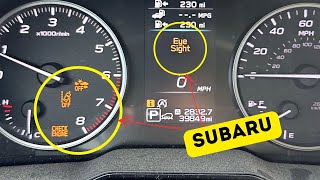
- Other warning lights, such as Traction Control, Hill Assist, and a disabled EyeSight system, may illuminate as a standard Subaru response to any CEL. 🎬 See why EyeSight turns off when your check engine light is on.
- Vehicle will automatically fail an emissions test.
- No noticeable impact on drivability, such as rough running or poor acceleration, although some sources mention potential for rough idle or reduced fuel economy.
- Replacing the front oxygen (Air/Fuel Ratio) sensor. The code P0037 specifically refers to Sensor 2, which is the rear/downstream sensor.
- Assuming the catalytic converter is bad. While the rear O2 sensor monitors the converter, this specific code points to the sensor's internal heater, not converter efficiency.
- Replacing the sensor without checking the fuse first. A blown fuse will cause the new sensor's heater to not work, leading to the same code returning.
Most Likely Causes
- Failed Rear Oxygen Sensor 🔴 High Probability → Shop Oxygen Sensor The internal heater element is a common failure point due to constant, extreme heat cycles and age. It's a consumable part that eventually burns out, creating an open circuit. This is the most frequent cause for P0037.
How to confirm: Disconnect the sensor and measure the resistance across the two heater pins (universally the two wires of the same color, often black or white). A good sensor typically has a resistance between 5 and 10 ohms when cold. A reading of infinite resistance (OL on a multimeter) or very high resistance (e.g., in the kilo-ohms) indicates a burned-out heater element, and the sensor must be replaced. 🎬 Watch this walkthrough on diagnosing the P0037 heater circuit code.
Typical fix: Replace the rear oxygen sensor (Bank 1, Sensor 2). Using an OEM or Denso (OEM-supplier) part is highly recommended, as some owners report issues with other aftermarket brands.
Est. part cost: $75-$200 - Damaged Wiring or Connector 🟡 Medium Probability The sensor and its wiring are located under the vehicle, exposed to road debris, moisture, and corrosion which can damage the wires or the connector pins. Wires can also be damaged by contact with hot exhaust components.
How to confirm: Visually inspect the wiring harness leading to the sensor for any cuts, melting, or corrosion. Unplug the connector and check for water intrusion, bent, or corroded pins. Use a multimeter to check for 12V power and a good ground at the harness-side connector with the key on, engine running.
Typical fix: Repair the damaged section of wiring or clean/replace the connector.
Est. part cost: $5-$50 - Blown Fuse ⚪ Low Probability A short in the heater circuit wiring or the sensor itself can cause the fuse to blow.
How to confirm: Locate the fuse for the O2 sensor heater circuit. On the SJ Forester, this is in the main fuse box in the engine bay, located behind the battery. The fuse is often labeled 'A/F Heater' or similar and is typically a 15A fuse. Visually inspect the fuse or test it for continuity.
Typical fix: Replace the blown fuse. If it blows again, a short circuit exists in the wiring or sensor that must be found and repaired.
Est. part cost: $1-$5 - Corroded or Broken Exhaust Grounding Strap ⚪ Low Probability Grounding straps from the exhaust to the chassis can corrode and break over time, especially in regions with road salt. This can cause unstable voltage and ground references for the O2 sensors.
How to confirm: Visually inspect the braided metal grounding straps connected to the exhaust system. On Foresters, there are typically straps from the engine/exhaust area to the chassis. Look for heavy corrosion, fraying, or complete separation.
Typical fix: Clean the contact points and replace the broken grounding strap.
Est. part cost: $10-$30
Rare But Worth Checking
- Faulty Engine Control Module (ECM): → Shop Engine Control Module (ECM) This is extremely rare. The ECM's driver circuit for the heater can fail, but all other possibilities should be exhaustively ruled out before considering ECM replacement.
Diagnosis Steps
- Read the code with an OBD-II scanner to confirm P0037 is present. Note any other codes.
- Perform a visual inspection of the rear oxygen sensor, its connector, and its wiring harness. The connector is easily accessible in the engine bay on the passenger side. Look for any obvious signs of damage, such as frayed wires, melting on the exhaust, or corrosion.
- Check the fuse for the O2 sensor heater circuit. It is in the engine bay fuse box behind the battery, often a 15A fuse labeled 'A/F Heater'.
- Inspect the exhaust grounding strap(s) for corrosion or breakage.
- If the visual inspection and fuse are good, disconnect the O2 sensor connector.
- Test the resistance of the heater element on the sensor side of the connector. Use a multimeter set to Ohms and probe the two heater pins (typically the two wires of the same color, e.g., two black wires). A good heater should read between 5-10 ohms. A reading of infinite resistance (OL) or very high resistance means the heater is burned out and the sensor must be replaced.
- If the sensor's resistance is good, test the vehicle's harness connector. With the ignition on (engine may need to be running), check for 12V power on one pin and a good ground on another. A wiring diagram is helpful here.
- If power or ground is missing, trace the circuit back to find the break or short.
- If the sensor tests bad, replace the rear oxygen sensor. Use a 22mm wrench or a specialized O2 sensor socket. 🎬 Watch: How to test and replace the rear oxygen sensor. Applying anti-seize to the new sensor's threads is recommended.
Parts You'll Likely Need
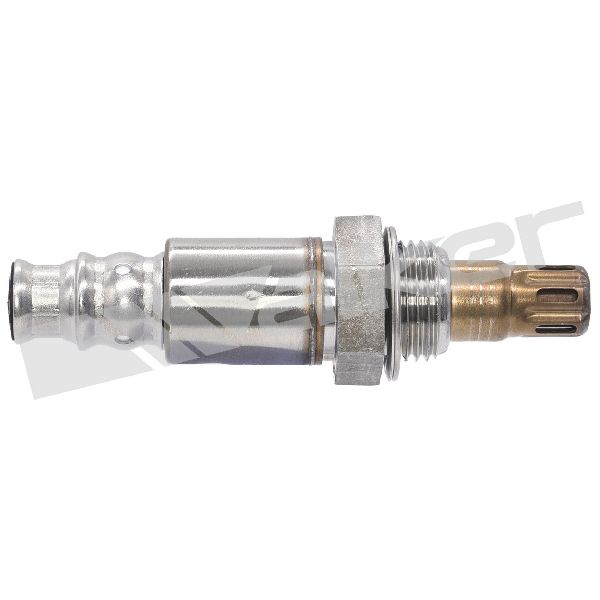
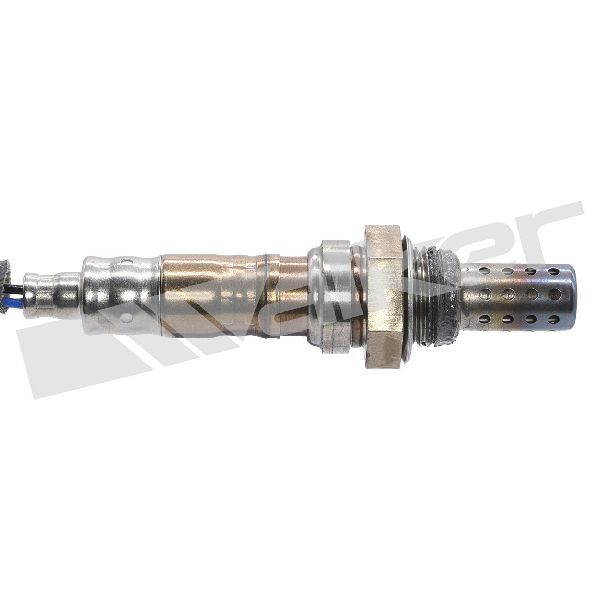
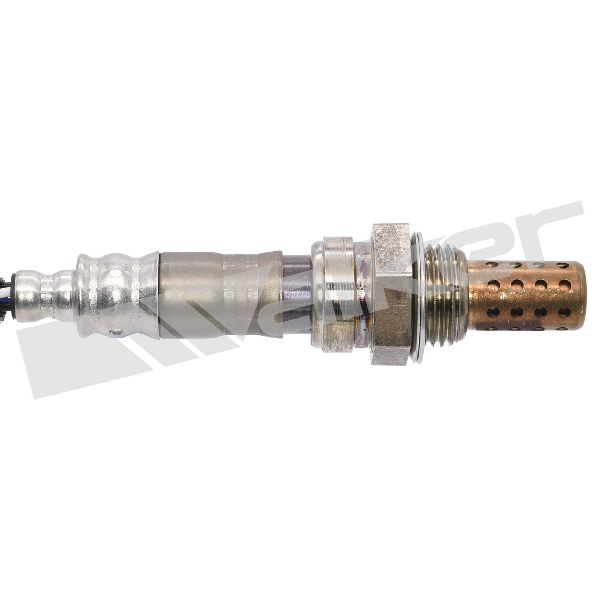
- Rear Oxygen Sensor (Bank 1, Sensor 2)
(OEM #22690AA970 (supersedes 22690AA831))— The internal heater element fails over time, which is the direct cause of the P0037 code in most cases.
Trusted brands: Denso (OEM Supplier, P/N: 234-4445), NTK, Subaru (Genuine OEM)
OEM price range: $150-$200
Aftermarket price range: $75-$95
Related Codes That Often Appear With This One
- P0141 — P0141 is a generic code for 'O2 Sensor Heater Circuit Malfunction (Bank 1, Sensor 2)'. It is often triggered alongside P0037 as they both relate to the same heater circuit failure.
- P0038 — This code is for 'HO2S Heater Control Circuit High', the opposite of P0037. It can sometimes appear if wiring is shorted to power, but is less common for a simple failed element.
Platform-Specific Known Issues
- On many Subarus, a Check Engine Light for an emissions fault will cause the vehicle's computer to disable other systems like cruise control, traction control, and EyeSight as a precaution. This is normal and these systems will be restored once the P0037 fault is repaired and the code is cleared.
- Subarus are known to be sensitive to aftermarket electronic parts. For oxygen sensors, it is highly recommended to use the genuine Subaru part or the OEM supplier, which is typically Denso. Some owners have reported persistent codes after using other brands like Bosch.
Mechanic-Grade Diagnostic Values
- Rear O2 Sensor Heater Element Resistance — expected: 5 to 10 Ohms when cold. Some sources state up to 50 Ohms may be acceptable, but lower is typical for a healthy sensor.. Failure: Infinite resistance (Open Loop/OL) or extremely high resistance (in the kΩ range) indicates a burned-out heater element.
- Harness Connector Voltage (Heater Power Pin) — expected: Battery voltage (approx. 12V with key on, ~13.5-14.5V with engine running) on one of the two heater circuit pins.. Failure: Zero or very low voltage indicates a problem with the power supply, likely a blown fuse or a break in the wiring.
- Harness Connector Ground (Heater Control Pin) — expected: The ECM provides a ground to this pin to activate the heater, often using a pulse-width modulated (PWM) signal. With a multimeter, this may read as a fluctuating or intermediate voltage (e.g., 3-7V) when the heater is active.. Failure: A constant 12V on this pin (with power on the other pin) suggests an open circuit in the sensor. No ground signal from the ECM when commanded could point to a wiring or ECM issue.
Scan Tool Commands That Help
- Subaru Select Monitor (SSM) or equivalent professional scan tool: Live Data Monitoring for 'Rear O2 Sensor' voltage and 'A/F Correction'. — While not a direct command for the heater, monitoring the sensor's voltage can confirm if it's functioning post-repair. A healthy, warm sensor will show fluctuating voltage. No activity or flatline voltage after a repair could indicate other issues.
Wiring & Ground Locations
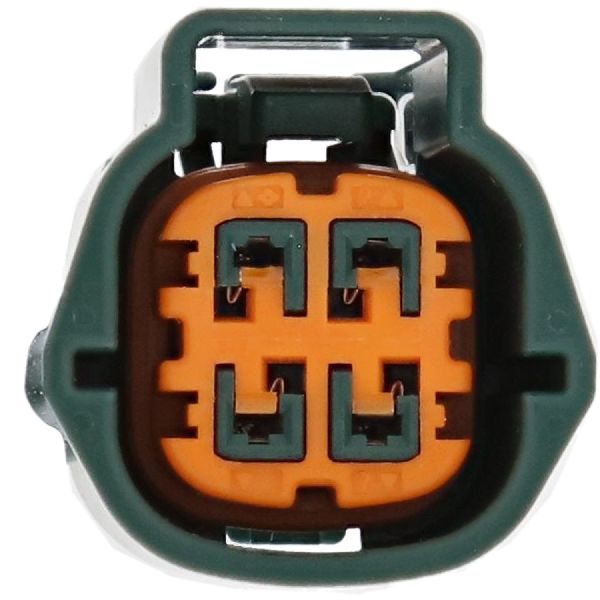
- Rear O2 Sensor Connector (E25) — On the FB25B, the connector is not under the car but is located in the engine bay, on the passenger side, clipped to a bracket near the firewall/strut tower area. This makes testing much easier than accessing it from underneath.. This is the primary access point for testing the sensor's heater resistance and the harness-side power and ground without raising the vehicle.
- Engine-to-Chassis Ground Strap — There are multiple grounds. A key one often runs from the engine block (near the passenger side manifold area) to the chassis/frame rail.. A corroded or broken main engine ground can cause the ECU and sensors to find alternative, unstable ground paths, leading to erratic sensor behavior and fault codes. The ECU grounds are often tied to the intake manifold, which must be well-grounded to the block and chassis.
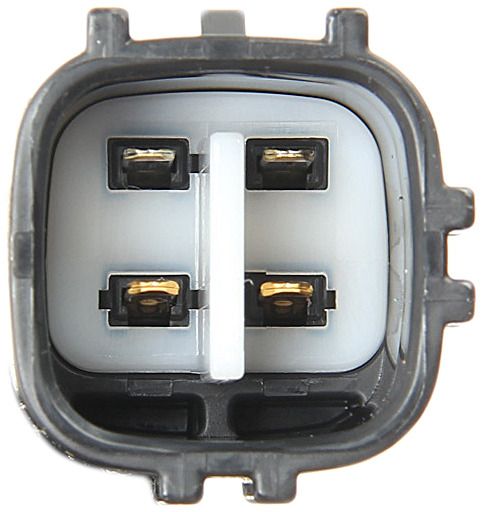
- Heater Circuit Pins — On the 4-pin sensor connector, the two heater wires are typically the same color (often black). On the harness side, a wiring diagram is needed for 100% certainty, but one pin will have battery voltage (key on) and the other is the ground control from the ECM.. These are the specific pins that must be probed with a multimeter to test the heater element resistance (on the sensor side) and check for power/ground (on the harness side).
Real Owner Repair Stories
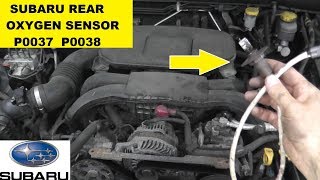
- YouTube channel 'carsntoys' (2011 Subaru Outback 2.5L (Similar FB engine and emissions setup)) — Check Engine Light with codes P0037 and P0038.
❌ Tried (didn't work) The video focuses on correct diagnosis rather than failed attempts. The owner's issue was actually a bad catalytic converter, but the sensor was tested as part of the diagnosis.
✅ What actually fixed it The video demonstrates a successful test of a known-good O2 sensor. The heater element resistance was measured at 8 ohms, which is within the good range of 5-10 ohms. This confirmed the sensor was not the cause of the owner's other codes. For a P0037, a reading of infinite resistance would have confirmed a failed sensor, which would then be replaced.
OEM Part Supersession History
22690AA831→22690AA970— Standard part revision and update by the manufacturer.
Heads up: The new part number (22690AA970) is the correct and direct replacement for the original. There are no known incompatibility issues when using the superseded part.
Diagnostic Flowchart
Used vs. New Parts: Buying Guide for This Vehicle
When a used part is the smart pick: For an electronic wear item like an oxygen sensor, a used part is almost never a smart choice. The cost savings are minimal compared to the risk of receiving a part that is already near the end of its service life or is completely non-functional. The labor to install it a second time negates any savings.
Donor-vehicle mileage cap: roughly under 20000 miles for the part to have meaningful remaining life.
What to inspect on the donor part:
- If forced to use a used part, source it from a vehicle with the lowest possible mileage.
- Inspect the wiring for any brittleness, melting, or cuts.
- Ensure the connector is intact with no corrosion on the pins.
- Visually inspect the sensor tip for heavy carbon deposits or white contamination (indicating coolant burn).
- Test the heater resistance with a multimeter before purchase; it should be between 5-10 ohms.
OEM-only on this vehicle (don't cheap out):
- While not strictly 'OEM-only', using a non-reputable aftermarket sensor is a high risk. Many owners report immediate or recurring codes with budget/off-brand sensors.
Aftermarket brands forum-validated for this vehicle:
- Denso (the OEM supplier, Part Number: 234-4445)
- NTK
Brands owners have reported issues with on this vehicle:
- While not universally true, some owners on forums have reported issues with Bosch sensors on this specific Subaru platform, sometimes leading to persistent codes.
Real Owner Stories
Aggregated from forums and TSBs cited above. Mileages and costs reflect what owners reported in those sources.
2015 Subaru Forester — 108000 miles
Symptoms: The check engine light came on, displaying code P0037.
What fixed it: The owner was investigating the cause after the dealership did not have the suspected faulty part in stock.
Source hint: Reddit r/SubaruForester
2010 Subaru Forester
Symptoms: Owner was investigating electrical issues related to unstable voltage for sensors.
What fixed it: Replacing a completely corroded engine-to-chassis ground strap resolved the electrical problems.
Source hint: subaruforester.org - Ground wire or earth straps
Related OBD-II Codes
Frequently Asked Questions
Why did my EyeSight, cruise control, and traction control lights all turn on with the P0037 Check Engine Light?
I replaced the rear oxygen sensor, but the P0037 code came back. What should I do?
Where is the fuse for the rear oxygen sensor on my Forester?
What is the correct resistance for the rear O2 sensor's heater element?
Will my 2015 Forester pass an emissions test with code P0037 active?
Is it safe to drive my Forester with the P0037 code?
Helpful Videos
We Have This Part in Stock

The information in this article is provided for general reference and educational purposes only. Vehicle specifications, procedures, and part compatibility can vary by production date, trim level, and region. Always consult your vehicle's factory service manual and verify part numbers before purchasing or performing repairs. Safety-critical components such as airbags, seat belts, and braking systems should be installed by a qualified professional.
- Subaru Forester:
- 🧭 Diagnostic Flowchart
- 🎬 Helpful Videos
- 🛍️ Shop This Part
- What's Unique About the 2014-2018 Subaru Forester
- Symptoms You May Notice
- Most Likely Causes
- Rare But Worth Checking
- Diagnosis Steps
- Parts You'll Likely Need
- Related Codes That Often Appear With This One
- Platform-Specific Known Issues
- Mechanic-Grade Diagnostic Values
- Scan Tool Commands That Help
- Wiring & Ground Locations
- Real Owner Repair Stories
- OEM Part Supersession History
- Used vs. New Parts: Buying Guide for This Vehicle
- Real Owner Stories
- 2015 Subaru Forester — 108000 miles
- 2010 Subaru Forester
- Related OBD-II Codes
- Frequently Asked Questions
- 🎟️ Get 5% Off