

P0037 on 2008-2011 Subaru Impreza 2.5L: Rear O2 Sensor Heater Fixes
P0037 on a 2008-2011 Impreza almost always means the rear oxygen sensor's internal heater has failed. The fix is to replace the sensor, which costs around $60-$120 for an aftermarket part (from brands like Denso or NTK) and $150-$200 for an OEM part. It's a common DIY job, but the sensor can be difficult to remove from the exhaust.
- P0037 points directly to a problem with the rear oxygen sensor's heater circuit.
- The most probable cause is a failed oxygen sensor itself, which requires replacement.
- Before buying parts, check the relevant fuse and inspect the sensor's wiring for obvious damage.
- Be prepared for a difficult removal of the old sensor; use penetrating oil and the correct O2 sensor socket.
- A Check Engine Light for P0037 will also disable the cruise control on this vehicle, which is normal.
What's Unique About the 2008-2011 Subaru Impreza
The 2008-2011 Impreza (third generation) with the EJ253 engine is known for this specific code, as the rear oxygen sensors are a common failure item. Like many Subarus, these sensors are notoriously difficult to remove after years of heat cycles and exposure to the elements, often seizing in the exhaust pipe. When the Check Engine Light comes on for P0037, the vehicle's computer will also typically disable the cruise control system, causing its light to flash, which can be alarming but is normal behavior and an intentional safety feature.
Symptoms You May Notice
- Check Engine Light is on
- Flashing cruise control light
- Inability to use cruise control
- Guaranteed failure of an emissions/smog test
- Replacing the front oxygen sensor (Air/Fuel Ratio Sensor) instead of the rear one. P0037 specifically refers to Sensor 2, which is the downstream sensor located after the catalytic converter.
Most Likely Causes
- Failed Rear Oxygen Sensor 🔴 High Probability → Shop Oxygen Sensor The internal heater element of the oxygen sensor is a common failure point on many vehicles, including this generation of Subaru Impreza.
How to confirm: Disconnect the sensor and use a multimeter to test the resistance between the two heater wires (often the two black wires). A very high or infinite resistance reading (Open Line, or in the kΩ/MΩ range) indicates a burned-out heater element. A good sensor typically has a resistance of around 2.8 to 5.5 ohms.
Typical fix: Replace the rear oxygen sensor (Bank 1, Sensor 2).
Est. part cost: $60-$120 - Damaged Wiring or Connector 🟡 Medium Probability The wiring harness for the rear O2 sensor runs under the vehicle and is exposed to heat from the exhaust, road debris, and moisture, which can cause wires to melt, break, or corrode over time.
How to confirm: Visually inspect the entire wiring harness from the sensor to where it enters the cabin. Look for melted insulation, chafed or broken wires, and corrosion inside the connector pins.
Typical fix: Repair the damaged section of wiring or clean/replace the connector.
Est. part cost: $5-$50 - Blown Fuse ⚪ Low Probability
How to confirm: Locate the fuse for the O2 sensor heater circuit in the vehicle's fuse box (check the owner's manual for the specific location, often labeled 'A/F Heater' or similar). Visually inspect the fuse to see if it is blown.
Typical fix: Replace the blown fuse. If it blows again, there is an underlying short circuit in the wiring that must be found and repaired.
Est. part cost: $1-$5
Rare But Worth Checking
- Faulty Engine Control Module (ECM): → Shop Engine Control Module (ECM) This is extremely rare. The ECM's driver circuit for the heater could fail, but all other possibilities should be exhausted before considering ECM replacement.
Diagnosis Steps
- Read the code with an OBD-II scanner to confirm P0037 is the only code present.
- Check the fuse for the oxygen sensor heater circuit. On many Subarus, this is in the engine bay fuse box, often labeled 'A/F Heater'.
- Visually inspect the rear oxygen sensor's wiring harness and connector. Look for any signs of melting, chafing, or corrosion.
- If the wiring looks good, disconnect the sensor's electrical connector.
- Using a multimeter set to Ohms (Ω), measure the resistance across the two heater pins on the sensor side of the connector (usually the two black wires). A reading of roughly 2.8-5.5 Ohms is good; a reading of infinity (OL) or in the thousands of ohms (kΩ/MΩ) means the heater is burned out and the sensor must be replaced.
- If the sensor's resistance is good, check for power and ground at the vehicle-side harness connector. With the ignition on (engine may need to be running), one pin should have battery voltage, and the other should be a ground controlled by the ECM. A voltage reading below 9V can indicate a problem.
- If power or ground is missing, the wiring issue is further up the harness or at the ECM/fuse box.
- If the sensor heater is bad, replace the rear oxygen sensor.
Parts You'll Likely Need
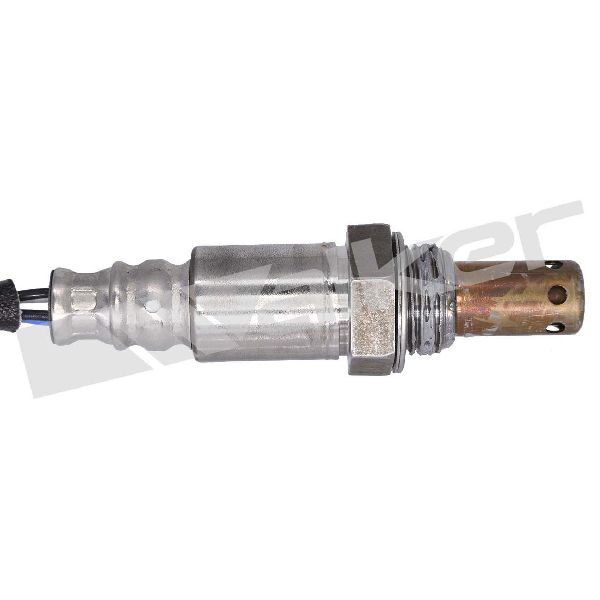
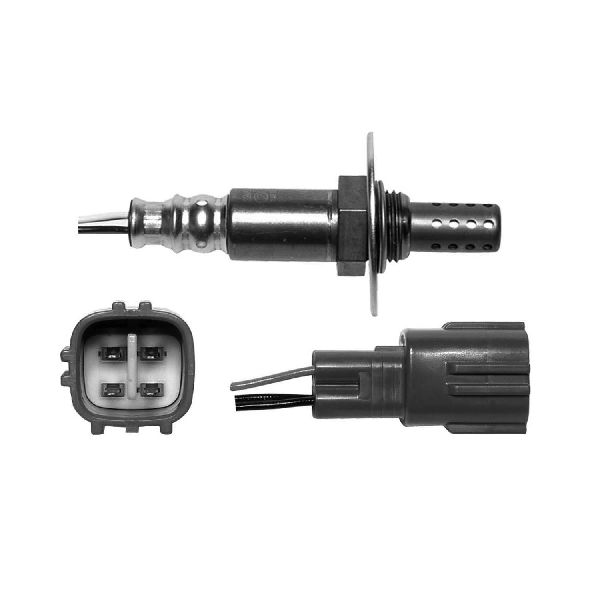
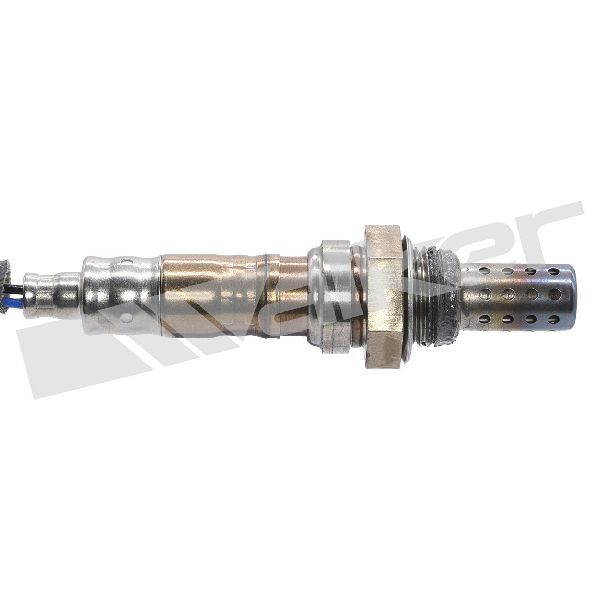
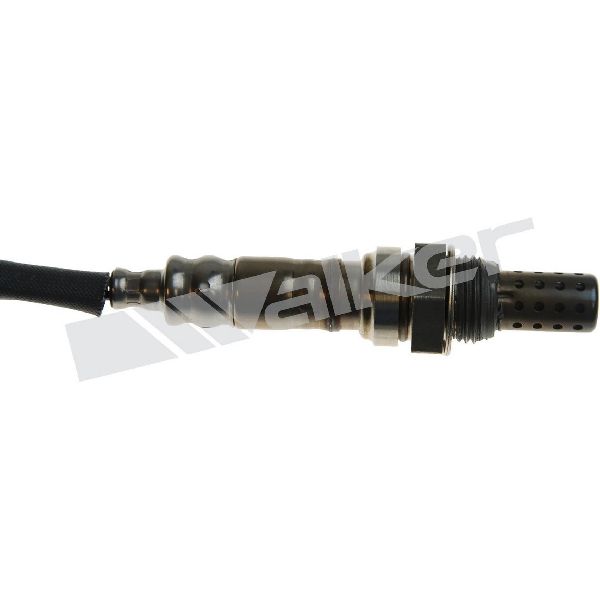
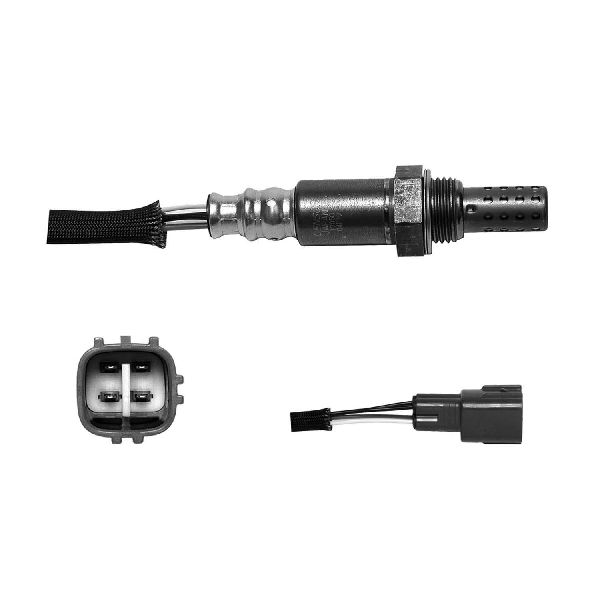
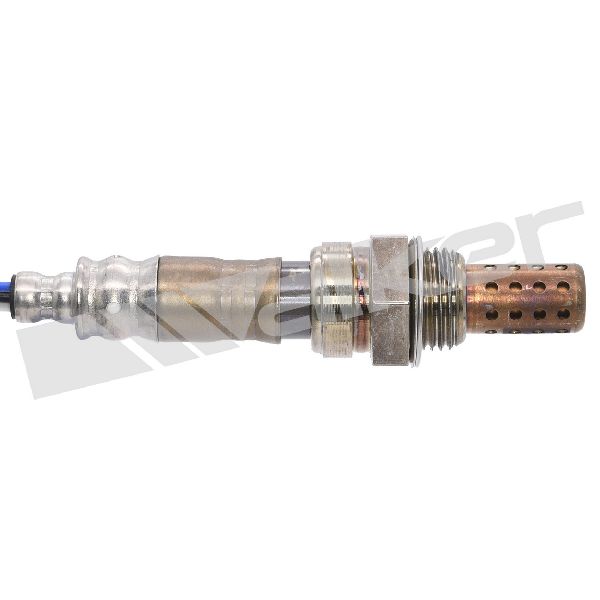
- Rear Oxygen Sensor (Bank 1, Sensor 2)
(OEM #22690AA810)— This is the most common failure for code P0037, as the internal heater element burns out.
Trusted brands: Denso (OEM supplier), NTK
OEM price range: $150-$200
Aftermarket price range: $60-$120
Platform-Specific Known Issues
- The rear oxygen sensor is known to seize in the exhaust pipe, making removal very difficult. Liberal use of penetrating oil (soaking overnight is recommended) and a specialized 22mm O2 sensor socket are highly advised. Sometimes, applying heat with a torch is necessary.
- Owner Experience: Successful High-Mileage Replacement: An owner of a 2011 Subaru Outback with 173,000 miles successfully replaced the rear oxygen sensor while also replacing the catalytic converter, resolving the P0037 code. The owner specifically recommended using a Denso brand sensor for the repair.
Mechanic-Grade Diagnostic Values
- Rear O2 Sensor Heater Resistance — expected: 2.8 to 5.5 Ohms. Failure: A very high resistance, such as in the kilo-ohm (kΩ) or mega-ohm (MΩ) range, or an open circuit (OL). One documented failure showed 39 kΩ.
- Voltage at Harness Connector (Heater Circuit) — expected: ~12V (Battery Voltage) with ignition on or engine running.. Failure: A reading below 9V indicates a potential low-voltage condition in the circuit upstream of the sensor.
Scan Tool Commands That Help
- Subaru Select Monitor: Current Data Display > O2 Heater Diagnosis — To view the ECM's self-test status for the oxygen sensor heater circuit. It will show as 'Complete' or 'Incomplete', helping to verify if the system is running its check.
Wiring & Ground Locations
- E25 — This is the wiring diagram identifier for the rear oxygen sensor connector.. When referencing a factory service manual or wiring diagram to trace wires for breaks or to test for power and ground, 'E25' will be the label for the connector you need to locate.
- Heater Circuit Wires — On the oxygen sensor pigtail, these are typically the two wires of the same color (often black).. These are the specific wires you must probe with a multimeter to measure the resistance of the internal heater element.
Real Owner Repair Stories
- YouTube channel 'Dancin With Dragons' (2008-2014 Subaru WRX (similar platform)) — Check Engine Light with codes P0031 and P0037.
❌ Tried (didn't work) Initial assumption was a bad O2 sensor.
✅ What actually fixed it The metal heat shield on the O2 sensor had bent and was touching the sensor, causing a short circuit that blew the O2 sensor fuse. The fix was to bend the heat shield away from the sensor and replace the blown fuse.
OEM Part Supersession History
22690AA810→No supersession found. This part number remains current.— N/A
Heads up: This part number is correct for the 2008-2011 Impreza 2.5L non-turbo models.
Diagnostic Flowchart
Other Known Issues on This Vehicle
Issues unrelated to this code that are worth knowing about as an owner of this generation:
- Head Gasket Failure 🔴 High — Very common issue for the EJ253 engine, typically occurring between 100,000 and 150,000 miles. It often presents as external oil or coolant leaks.
- Premature Wheel Bearing Failure 🟠 Medium — Rear wheel bearings in particular are known to fail earlier than expected, often between 70,000 and 150,000 miles, causing a humming or grinding noise that increases with speed.
- Exhaust Heat Shield Rattle 🟡 Low — The thin metal heat shields on the exhaust manifold and catalytic converter are notorious for rusting at the mounting points and creating a loud metallic rattle, especially at certain RPMs. This is a very common annoyance.
- Excessive Oil Consumption 🟠 Medium — Some EJ253 engines are known to consume oil, which can be caused by worn piston rings. Owners should monitor oil levels between changes.
Used vs. New Parts: Buying Guide for This Vehicle
When a used part is the smart pick: A used part is generally not recommended for oxygen sensors due to their limited lifespan and the labor involved in replacement. A used wiring harness connector or a section of the harness from a junkyard could be a cost-effective repair if the original is physically damaged.
Donor-vehicle mileage cap: roughly under 80000 miles for the part to have meaningful remaining life.
What to inspect on the donor part:
- For a wiring connector, ensure the plastic is not brittle or cracked.
- Check for any signs of corrosion (green or white powder) on the pins.
- Ensure the locking tab is intact and functional.
- Inspect wires for any cuts, melting, or previous repairs.
OEM-only on this vehicle (don't cheap out):
- While not strictly OEM-only, using the OEM supplier (Denso) for the oxygen sensor is highly recommended for compatibility and longevity.
Aftermarket brands forum-validated for this vehicle:
- Denso (often the OEM supplier)
- NTK
Brands owners have reported issues with on this vehicle:
- Unnamed, ultra-low-cost 'no-brand' sensors from online marketplaces are frequently reported on forums to fail prematurely or not meet the exact specifications, causing the code to return.
Real Owner Stories
Aggregated from forums and TSBs cited above. Mileages and costs reflect what owners reported in those sources.
2011 Subaru Outback 2.5L EJ253 — 173000 miles
Symptoms: P0037 code present during catalytic converter replacement.
What fixed it: Replaced the rear oxygen sensor with a Denso brand sensor.
Source hint: Vehicle-specific issues: Owner Experience: Successful High-Mileage Replacement
2009 Subaru Impreza
Symptoms: Illuminated sensors on the dashboard, diagnostic scan showed P0037.
What fixed it: Replacement of the rear oxygen sensor (suggested as a $30 part from an auto parts store).
Source hint: r/subaru: 'Hello, Today some sensors in my Subaru Impreza 2009 have illuminated...'
Subaru WRX
Symptoms: P0037 and P0141 codes present.
What fixed it: Diagnosed a faulty heater element reading 5.5 MΩ and replaced the sensor, which then read correctly at 3 Ω.
Source hint: NASIOC Forum: 'P0037 and P0141'
Related OBD-II Codes
Frequently Asked Questions
What specific brand of rear oxygen sensor is recommended for the 2008-2011 Subaru Impreza to fix P0037?
Why is my cruise control light flashing along with the Check Engine Light on my Impreza?
I'm testing the rear O2 sensor on my 2010 Impreza; what resistance reading should I look for?
Is there a specific fuse I should check for the P0037 code on my Subaru?
Are there any common physical difficulties when replacing the sensor on an older Impreza?
Could my Impreza's P0037 code be caused by something other than the sensor itself?
Helpful Videos
We Have This Part in Stock

The information in this article is provided for general reference and educational purposes only. Vehicle specifications, procedures, and part compatibility can vary by production date, trim level, and region. Always consult your vehicle's factory service manual and verify part numbers before purchasing or performing repairs. Safety-critical components such as airbags, seat belts, and braking systems should be installed by a qualified professional.
- Subaru Impreza:
- 🧭 Diagnostic Flowchart
- 🎬 Helpful Videos
- 🛍️ Shop This Part
- What's Unique About the 2008-2011 Subaru Impreza
- Symptoms You May Notice
- Most Likely Causes
- Rare But Worth Checking
- Diagnosis Steps
- Parts You'll Likely Need
- Platform-Specific Known Issues
- Mechanic-Grade Diagnostic Values
- Scan Tool Commands That Help
- Wiring & Ground Locations
- Real Owner Repair Stories
- OEM Part Supersession History
- Other Known Issues on This Vehicle
- Used vs. New Parts: Buying Guide for This Vehicle
- Real Owner Stories
- 2011 Subaru Outback 2.5L EJ253 — 173000 miles
- 2009 Subaru Impreza
- Subaru WRX
- Related OBD-II Codes
- Frequently Asked Questions
- 🎟️ Get 5% Off