

P0037 on 2000-2004 Subaru Outback 2.5L: Rear O2 Sensor Heater Circuit Causes and Fixes
This code almost always means the rear oxygen sensor's internal heater has failed. Replacing the Bank 1 Sensor 2 (downstream) oxygen sensor is the most common fix. Expect to pay $50-$100 for a quality aftermarket sensor and plan for about an hour of DIY labor, though sensor removal can be difficult due to rust.
- P0037 on a 2000-2004 Outback points directly to a problem with the rear (downstream) oxygen sensor's heater circuit.
- The most likely cause is the sensor itself failing due to age. A simple resistance test with a multimeter can confirm this; expect 5-15 ohms for a good sensor and 'OL' or kΩ for a bad one.
- Before buying a new sensor, always check the wiring for visible damage and check the 'A/F HEATER' fuse in the under-hood fuse box.
- Use a quality replacement sensor from a brand like Denso (OEM supplier) or NGK to ensure longevity and proper function.
- This is a very DIY-friendly repair, but an oxygen sensor socket and a generous amount of penetrating oil are essential, as the sensor is often rusted in place.
What's Unique About the 2000-2004 Subaru Outback
For the second-generation (2000-2004) Subaru Outback, the P0037 code is a straightforward issue typically related to the age and wear of the rear oxygen sensor. Unlike some vehicles where wiring is a notorious problem, on these Outbacks, the sensor's heating element simply burns out after years of service. The primary challenge is often not diagnosis, but the physical removal of the sensor, which can be seized into the exhaust pipe due to rust. The diagnosis is generally not complicated by platform-specific quirks, making it a common and predictable DIY repair for owners.
Symptoms You May Notice
- Check Engine Light is on
- Potential for slightly reduced fuel economy
- Vehicle will fail an emissions test
- Replacing the front (upstream) Air/Fuel ratio sensor instead of the rear (downstream) oxygen sensor. The codes are specific to the sensor position, and Sensor 2 is always the rear one.
- Assuming a new sensor is faulty when the code returns immediately. This can happen if a cheap, poor-quality sensor is used, or if the underlying issue is in the wiring or fuse. 🎬 Watch: A deep dive into fixing the P0037 circuit.
Most Likely Causes
- Failed Rear Oxygen Sensor 🔴 High Probability → Shop Oxygen Sensor The internal heater element has a finite lifespan and simply burns out from age and countless heat cycles. It is the most common point of failure for this code.
How to confirm: Using a multimeter, disconnect the sensor and test the resistance across the two heater wires (often the two wires of the same color, typically black on aftermarket sensors). A good sensor will have a low resistance (typically 5-15 ohms, with 5-8 ohms being a common range for Denso sensors). A failed sensor will show very high resistance (kilo-ohms or mega-ohms) or an open circuit (OL).
Typical fix: Replace the rear (downstream, Sensor 2) oxygen sensor. Soaking the old sensor with penetrating oil before attempting removal is highly recommended.
Est. part cost: $50 - $110 - Damaged Wiring or Connector 🟡 Medium Probability The wiring harness runs underneath the vehicle and is exposed to road debris, water, and exhaust heat, which can cause wires to break, fray, or connectors to corrode. The connector is located in the engine bay near the air filter housing and can accumulate dirt.
How to confirm: Visually inspect the wiring harness from the sensor to where it enters the cabin. Check for melted insulation, chafed wires, or green corrosion inside the connector pins. With the key on, use a multimeter to confirm 12V power is reaching the harness-side of the connector.
Typical fix: Repair the damaged section of wiring or clean/replace the connector.
Est. part cost: $5 - $30 - Blown Fuse ⚪ Low Probability
How to confirm: Locate the fuse for the O2 sensor or A/F heater circuit in the vehicle's fuse box. On this generation Outback, there is a fuse box in the cabin by the driver's left knee and one under the hood near the battery. The fuse may be labeled 'A/F HEATER' or similar. Visually inspect the fuse or test it for continuity with a multimeter.
Typical fix: Replace the blown fuse with one of the same amperage.
Est. part cost: $1 - $5
Rare But Worth Checking
- Faulty Engine Control Module (ECM): → Shop Engine Control Module (ECM) This is extremely rare. The ECM's internal driver for the heater circuit can fail, but all other possibilities should be exhausted before considering ECM replacement.
Diagnosis Steps
- Confirm the code is P0037 using an OBD-II scanner.
- Locate the rear oxygen sensor (Bank 1, Sensor 2), which is installed in the exhaust pipe after the catalytic converter.
- Visually inspect the sensor's wiring harness and connector for any signs of physical damage, melting, or corrosion. The connector is typically found in the engine bay near the air filter housing.
- Check the fuse for the oxygen sensor heater circuit. It may be labeled 'O2 HTR' or 'A/F HEATER' in the fuse panel under the hood.
- If the wiring and fuse are okay, disconnect the sensor's electrical connector.
- Using a multimeter set to Ohms (Ω), measure the resistance between the two heater pins on the sensor side of the connector (these are typically the two wires of the same color). 🎬 Watch: How to test and replace the rear sensor. A reading of very high resistance ('OL' or in the kΩ range) indicates a failed heater element. A good sensor should read between 5 and 15 ohms.
- If the sensor's resistance is good, test for power at the harness connector. With the ignition on (engine off), one pin should have battery voltage (~12V) and the other should be the ground controlled by the ECM. If no voltage is present, the problem lies in the wiring or fuse.
- If the sensor tests bad, replace it. It is highly recommended to apply penetrating oil to the sensor threads and let it soak before attempting removal to avoid stripping the threads in the exhaust pipe.
- If all tests pass but the code returns, suspect an intermittent wiring issue or a rare ECM fault.
Parts You'll Likely Need
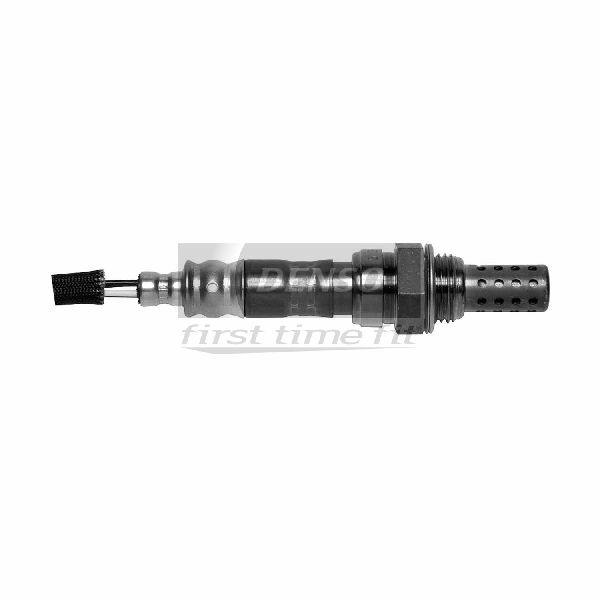
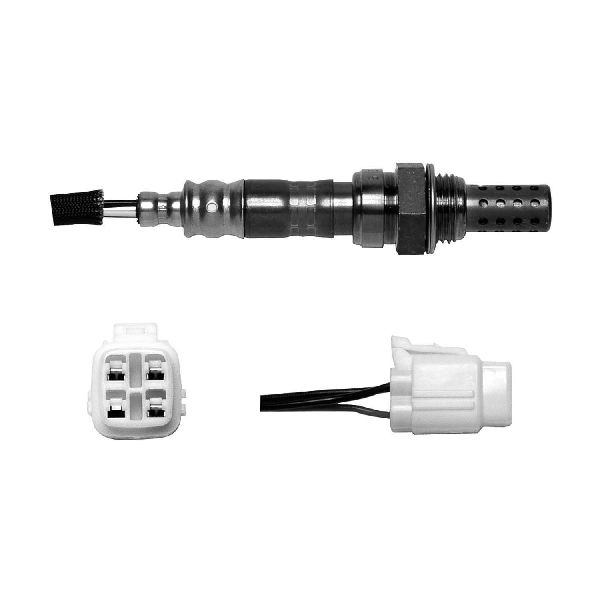
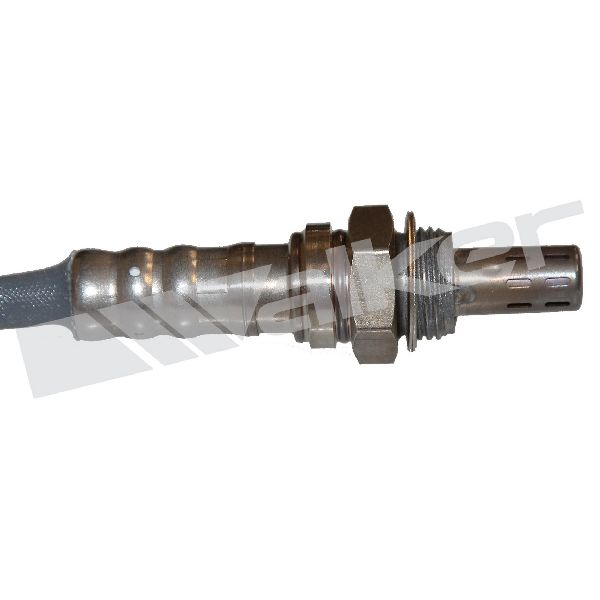
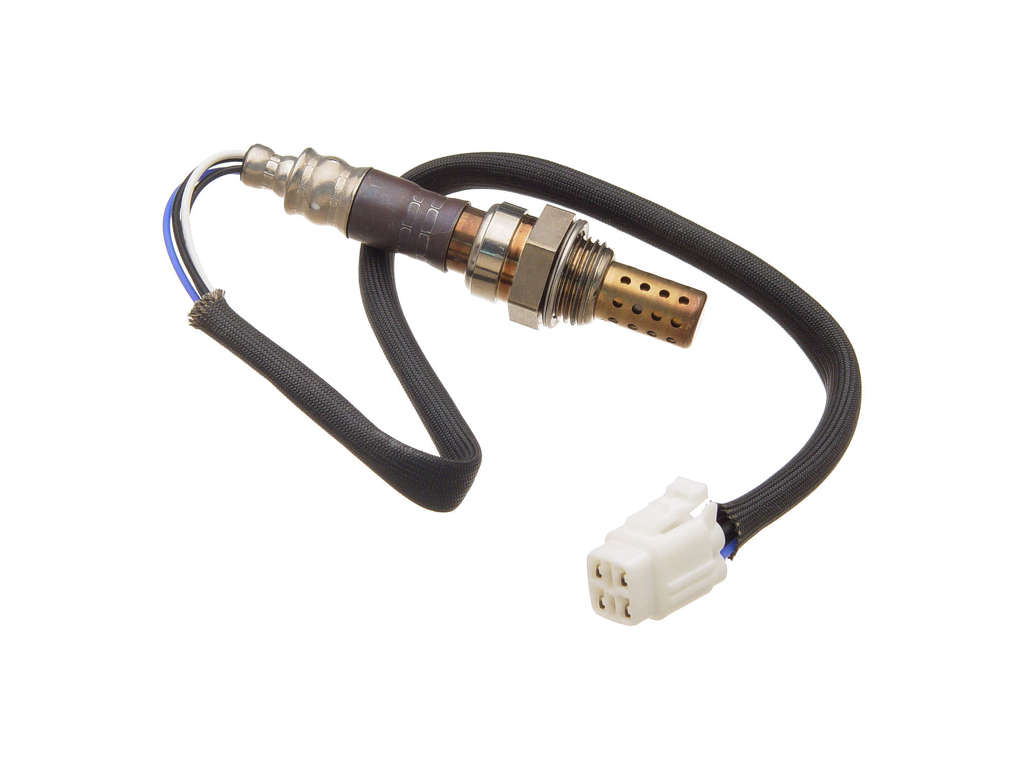
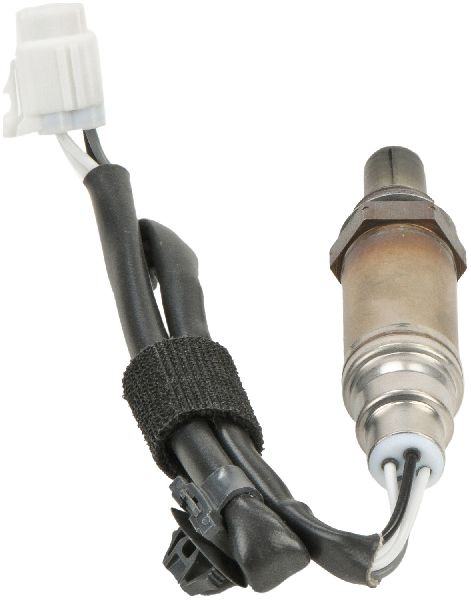
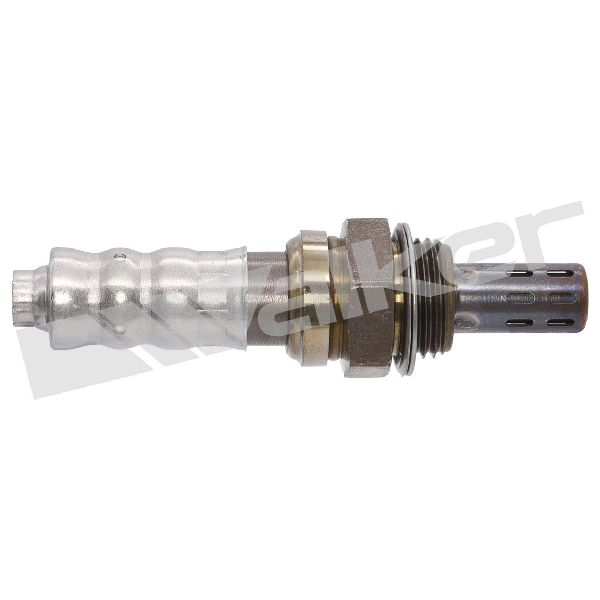
- Rear Oxygen Sensor (Downstream)
(OEM #22690AA491)— This is the part that contains the heater element that fails and triggers the P0037 code.
Trusted brands: Denso (OEM supplier), NGK/NTK, Bosch
OEM price range: $120-$180
Aftermarket price range: $50-$110 - Oxygen Sensor Socket Set — A special 22mm (7/8") slotted socket is often needed to remove and install the sensor without damaging the wires. Penetrating oil (like PB Blaster or Kroil) is also highly recommended as the sensor is often seized in the exhaust pipe.
Trusted brands: Lisle, OEMTOOLS, GearWrench
Aftermarket price range: $15-$30
Technical Service Bulletins (TSBs) & Recalls
- While no TSB is aimed directly at P0037 for this specific model year range, Subaru has issued TSBs like 09-115-24R for later models (2020-2024) addressing similar rear O2 sensor failures (P0137, P0141), indicating a history of rear O2 sensor durability issues that were fixed with redesigned parts.
Platform-Specific Known Issues
- Seized/Rusted Sensor: Due to age and exposure to the elements, the rear O2 sensor frequently rusts and becomes seized in the exhaust pipe bung. Attempting to remove it without proper preparation can strip the threads. It is critical to apply a quality penetrating oil liberally and let it soak, potentially overnight. Some owners have had success heating the exhaust bung with a torch (carefully) to help break it free. 🎬 See this pro trick for removing a stuck sensor.
Mechanic-Grade Diagnostic Values
- Rear O2 Sensor Heater Element Resistance — expected: 5 to 15 Ohms. A new Denso sensor often reads around 5-8 Ohms.. Failure: Very high resistance (kilo-ohms or mega-ohms) or an open circuit ('OL') on a multimeter.
- Voltage at Harness Connector (Heater Power Pin) — expected: Approximately 12V (Battery Voltage) with the key in the 'ON' position.. Failure: Voltage below 9V or no voltage indicates a problem with the fuse or wiring, not the sensor itself.
- Rear O2 Heater Current (Live Data) — expected: A current reading should be present when the heater is commanded on by the ECM. A healthy new sensor might show a specific amperage draw (e.g., a video showed a jump in current after replacement).. Failure: Zero or extremely low current (e.g., less than 0.17 amps) when the heater should be active.
Hidden / Shadow Codes Worth Checking
- Mode $06, Test ID $41: This is not a trouble code, but a system monitor for the O2 Sensor Circuit (B1S2). It tracks the sensor's performance values, which can provide deeper diagnostic data on the sensor's overall health beyond just the heater circuit. (see via Advanced OBD-II scanner capable of displaying Mode $06 data, or the Subaru Select Monitor (SSM).)
Scan Tool Commands That Help
- Subaru Select Monitor (SSM) or equivalent: O2 Heater Diagnosis / Heater Actuation Test — This bidirectional command allows a technician to manually activate the rear O2 sensor's heater circuit. It is used to confirm if the heater element works when commanded on, which helps verify the integrity of the wiring and the ECM's driver circuit without needing to perform a full drive cycle.
- Subaru Select Monitor (SSM) or equivalent: Current Data Display > Rear O2 Heater Current — This allows you to view the live amperage draw of the heater circuit. After replacing a sensor, you can monitor this data PID to confirm the new heater is drawing the correct amount of current, confirming a successful repair.
Wiring & Ground Locations
- Engine Ground Straps — On this generation of Subaru, there are typically two main chassis ground straps. One on the driver's side and one on the passenger's side, connecting the engine block/head to the vehicle's frame/chassis. A critical ground point for the ECU is on the top of the intake manifold.. A corroded or broken ground strap can cause a variety of strange electrical issues, including incorrect sensor readings. While not a primary cause for P0037, a poor ground can create a voltage differential that the ECM might interpret as a circuit low condition. Checking these inexpensive straps for integrity is a wise step if initial sensor and wiring checks don't resolve the issue.
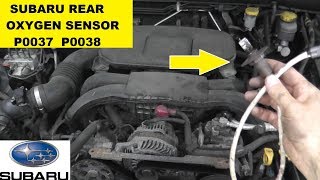
- Rear O2 Sensor Connector — The connector for the rear O2 sensor is located in the engine bay, on the passenger side, near the air filter housing and upper radiator hose. The harness then runs down the firewall to the sensor in the exhaust.. This is the primary point for electrical testing (resistance on the sensor side, voltage on the harness side). It is exposed to dirt and moisture and should be inspected for corrosion or damage.
Real Owner Repair Stories
- AliExpress Product Q&A / Review (2006 Subaru Outback (Gen 4, but relevant logic)) — Persistent P0037 code, sluggish acceleration on cold starts.
❌ Tried (didn't work) Replaced catalytic converters., Checked wiring harness for damage., Tested rear O2 sensor heater resistance, which read as good (~5 ohms).
✅ What actually fixed it The actual cause was a degraded *front* (upstream) Air/Fuel ratio sensor. The ECU was misinterpreting the signal drift from the aging front sensor as a heater circuit failure on the rear sensor. Replacing the upstream sensor (Denso 234-9120 in this case), cleaning the MAF, and resetting the ECU's adaptive learning by disconnecting the battery resolved the P0037 code.
OEM Part Supersession History
22690AA490→22690AA491— Standard part revision and update by the manufacturer.
Heads up: The new part number (22690AA491) is the correct replacement for the original. They are interchangeable.
Diagnostic Flowchart
Used vs. New Parts: Buying Guide for This Vehicle
When a used part is the smart pick: For this specific repair, buying a used oxygen sensor is generally not recommended. O2 sensors are wear items with a finite lifespan, and the heater element is the most common failure point due to age and heat cycles. A used sensor from a junkyard has an unknown amount of life left and may fail soon after installation, wasting time and money.
Donor-vehicle mileage cap: roughly under 20000 miles for the part to have meaningful remaining life.
What to inspect on the donor part:
- If you must buy used, source it from a very low-mileage vehicle that was clearly wrecked due to collision, not due to engine or running issues.
- Inspect the sensor tip for heavy carbon fouling or white, ashy deposits, which indicate engine problems on the donor car.
- Ensure the wiring and connector are completely intact with no signs of melting, fraying, or corrosion.
Aftermarket brands forum-validated for this vehicle:
- Denso (often the OEM supplier for Subaru)
- NGK / NTK
Brands owners have reported issues with on this vehicle:
- Unnamed, no-brand, or exceptionally cheap 'universal' sensors found on online marketplaces. Forum discussions frequently mention these parts failing quickly or being dead-on-arrival.
Real Owner Stories
Aggregated from forums and TSBs cited above. Mileages and costs reflect what owners reported in those sources.
2004 Subaru Outback 2.5L
Symptoms: MIL Lamp on, P0037: Heated Oxygen Sensor (Bank 1 Sensor 2) Heater Circuit Low Voltage.
What fixed it: The user did not report a final fix. The problem persisted after trying a new O2 sensor and a used ECM, indicating a likely wiring or power supply issue.
Source hint: iATN: P0037 Diagnostic Trouble Code Discussion for Mar 2011 on iATN
2003 Subaru Outback
Symptoms: Check Engine Light with stored code P0137, which the owner identified as the same rear O2 sensor issue they had previously.
What fixed it: The owner replaced the rear O2 sensor to resolve the issue.
Source hint: YouTube
2003 Forester
Symptoms: Experienced P0037 after other engine work was performed.
What fixed it: A new Bosch sensor did not immediately solve the problem, highlighting potential brand compatibility issues or an underlying wiring problem that was not resolved by the sensor replacement.
Source hint: NASIOC Forum
2004 Forester XT
Symptoms: The P0037 code appeared immediately after installing a new 3-inch aftermarket exhaust system.
What fixed it: The story indicates the code was triggered by the modification or improper installation, not a simple component failure.
Source hint: Reddit r/subaru
Related OBD-II Codes
Frequently Asked Questions
Where is the rear oxygen sensor (Bank 1, Sensor 2) located on my 2000-2004 Outback?
My rear O2 sensor is completely rusted in place. What's the best way to remove it?
What brand of replacement oxygen sensor is recommended for my Subaru?
What should the resistance of a good rear O2 sensor be when I test it with a multimeter?
I replaced the sensor but the P0037 code is still there. What should I check next?
Is there a specific Subaru TSB or recall for code P0037 on my 2000-2004 Outback?
Helpful Videos
We Have This Part in Stock

The information in this article is provided for general reference and educational purposes only. Vehicle specifications, procedures, and part compatibility can vary by production date, trim level, and region. Always consult your vehicle's factory service manual and verify part numbers before purchasing or performing repairs. Safety-critical components such as airbags, seat belts, and braking systems should be installed by a qualified professional.
- Subaru Outback:
- 🧭 Diagnostic Flowchart
- 🎬 Helpful Videos
- 🛍️ Shop This Part
- What's Unique About the 2000-2004 Subaru Outback
- Symptoms You May Notice
- Most Likely Causes
- Rare But Worth Checking
- Diagnosis Steps
- Parts You'll Likely Need
- Technical Service Bulletins (TSBs) & Recalls
- Platform-Specific Known Issues
- Mechanic-Grade Diagnostic Values
- Hidden / Shadow Codes Worth Checking
- Scan Tool Commands That Help
- Wiring & Ground Locations
- Real Owner Repair Stories
- OEM Part Supersession History
- Used vs. New Parts: Buying Guide for This Vehicle
- Real Owner Stories
- 2004 Subaru Outback 2.5L
- 2003 Subaru Outback
- 2003 Forester
- 2004 Forester XT
- Related OBD-II Codes
- Frequently Asked Questions
- 🎟️ Get 5% Off