

P0037 on 2003-2008 Toyota Corolla: Causes and Fixes for O2 Sensor Heater Circuit
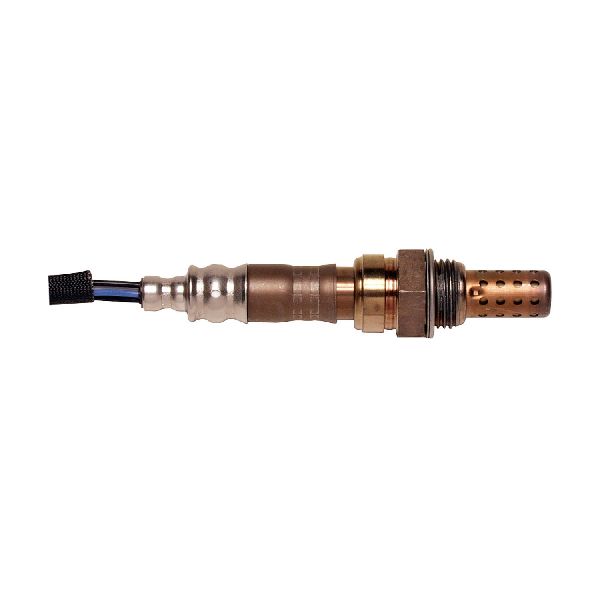
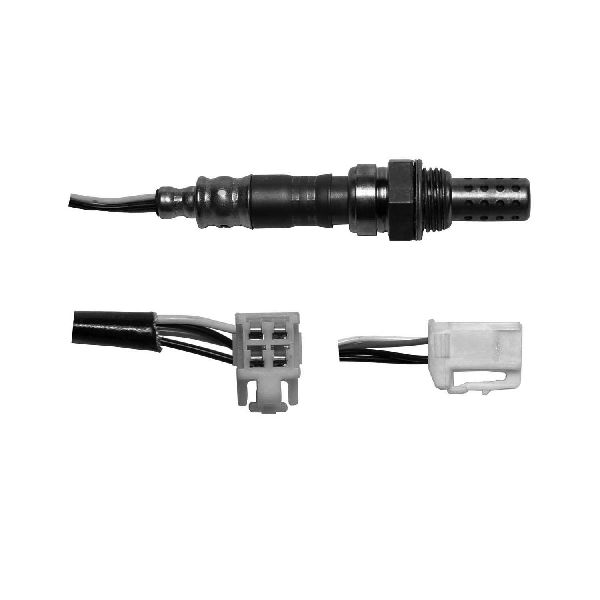
This code almost always means the downstream oxygen sensor (Bank 1, Sensor 2) has a failed internal heater. The most common fix is to replace the sensor itself with a new one, preferably an OEM-quality brand like Denso (part #234-4233). Expect to pay $50-$90 for the part and it's a straightforward DIY job.
- P0037 on a 2003-2008 Corolla almost always points to a failed downstream (post-catalytic converter) oxygen sensor.
- Before replacing the sensor, perform a quick check of the 'EFI' fuse in the engine bay fuse box.
- Use a quality OEM-brand sensor like Denso (Part # 234-4233) to avoid compatibility issues and recurring codes. Denso is the original manufacturer for Toyota.
- The replacement is DIY-friendly but requires an O2 sensor socket and accessing the connector under the passenger-side carpet.
- If a catalytic converter was recently stolen, thoroughly inspect the O2 sensor wiring for damage before replacing the sensor itself. A persistent code after sensor replacement could indicate a rare but possible ECM failure from the initial damage.
What's Unique About the 2003-2008 Toyota Corolla
For the 9th generation Corolla and its platform mates (Toyota Matrix, Pontiac Vibe), this code is a very common and straightforward issue. The root cause is almost always the downstream O2 sensor's internal heater failing due to age. Unlike some vehicles where wiring or computer issues are frequent culprits, on this Corolla, the sensor itself is the primary point of failure. Owners on forums like ToyotaNation and Reddit strongly report that using cheap, universal aftermarket sensors can cause the code to return, so sticking with an OEM-specific brand like Denso is highly recommended for a lasting fix.
Symptoms You May Notice
- Check Engine Light is on
- Failure to pass an emissions test
- Slightly reduced fuel economy (less common)
- Replacing the upstream oxygen sensor (Bank 1, Sensor 1) instead of the downstream one. The code P0037 specifically refers to Sensor 2.
- Replacing the catalytic converter. While this sensor monitors the converter, the code is for the sensor's heater circuit, not the converter's performance.
- Using a cheap, universal oxygen sensor. These often have incorrect resistance values for the heater circuit or lack the correct connector, causing the code to persist even with a new part.
Most Likely Causes
- Failed Downstream Oxygen Sensor 🔴 High Probability → Shop Oxygen Sensor The internal heater element within the O2 sensor is a common failure point after many years and heat cycles. It's considered a standard wear-and-tear item 🎬 Watch: A breakdown of P0037 causes and common fixes. for this high-volume vehicle.
How to confirm: Disconnect the sensor and measure the resistance between the two heater pins (usually the two same-colored wires, often black). A good sensor for a 1ZZ-FE engine should read between 11-16 Ohms at room temperature. An infinite resistance or 'OL' reading on a multimeter confirms the heater circuit is open and the sensor is bad.
Typical fix: Replace the Bank 1, Sensor 2 (downstream) oxygen sensor. The connector is located inside the car under the passenger-side carpet, near the firewall.
Est. part cost: $50-$90 - Damaged Wiring or Connector 🟡 Medium Probability The wiring runs underneath the car and can be damaged by road debris, heat from the exhaust, or get cut during a catalytic converter theft. A theft often results in a jagged cut, which can damage the O2 sensor pigtail, leading to a P0037 code even after the converter is replaced.
How to confirm: Visually inspect the entire length of the O2 sensor wiring harness from the sensor to where it enters the cabin floor. Look for any cuts, chafing, melting, or corrosion on the connector pins. Pay close attention to the area near a recently replaced catalytic converter.
Typical fix: Repair or replace the damaged section of the wiring harness or clean the connector.
Est. part cost: $5-$50 - Blown Fuse ⚪ Low Probability
How to confirm: Check the fuse box in the engine compartment. The fuse for the O2 sensor heater circuit is typically a 15A fuse labeled 'EFI' or 'A/F HEATER'. Pull the fuse and visually inspect if it is blown or test for continuity.
Typical fix: Replace the blown fuse with a new one of the same amperage. If it blows again immediately, this indicates a short circuit in the wiring or sensor that must be found.
Est. part cost: $1-$5
Rare But Worth Checking
- Faulty Engine Control Module (ECM): → Shop Engine Control Module (ECM) This is very uncommon, but possible, especially after wiring damage. In one documented case on Reddit, a 2007 Corolla had a recurring P0037 after a catalytic converter theft. After replacing the sensor with a Denso part and verifying the wiring, the issue was only resolved by replacing the ECM, which was likely damaged by the short circuit when the wires were cut. Before suspecting the ECM, all other possibilities must be exhausted.
Diagnosis Steps
- Read the code with an OBD-II scanner to confirm P0037 is present and no other codes are active.
- Open the hood and locate the main fuse box. Inspect the 15A fuse labeled 'EFI'. If it's blown, replace it and see if the code returns.
- Safely raise the vehicle and locate the downstream oxygen sensor (Sensor 2) in the exhaust pipe after the catalytic converter.
- Visually inspect the sensor's wiring harness for any signs of physical damage, melting on the exhaust, or corrosion. If a catalytic converter was recently stolen and replaced, this step is critical.
- Follow the wire into the cabin. On the passenger side, pull back the carpet near the floorboard and kick panel to access the sensor's electrical connector.
- Disconnect the sensor. With the ignition key in the 'ON' position (engine off), use a multimeter to check for 12V power at the vehicle-side of the harness on the specified power wire (consult a wiring diagram).
- Set the multimeter to Ohms (Ω) and measure the resistance across the two heater pins on the sensor itself (typically the two black wires). The reading should be between 11-16 Ohms. If the reading is open loop ('OL') or far outside this range, the sensor has failed and needs to be replaced.
- If the sensor tests good, the fuse is good, and the wiring is intact, the problem may be a rare ECM fault, potentially triggered by a previous short circuit.
Parts You'll Likely Need
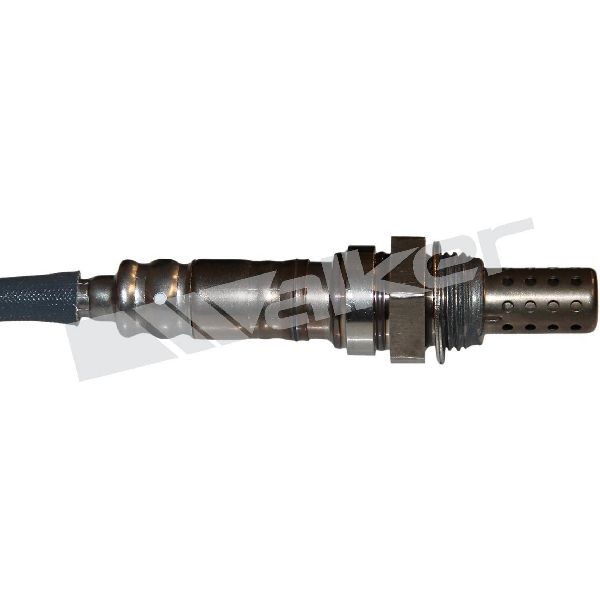
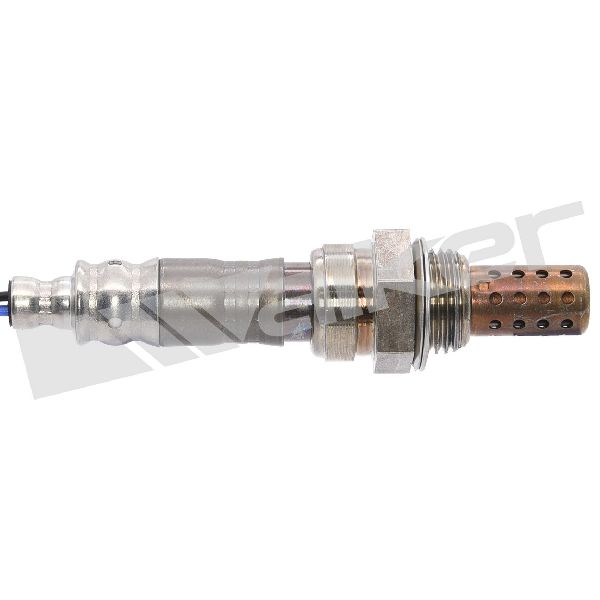
- Downstream Oxygen Sensor (Bank 1, Sensor 2)
(OEM #89465-02130)— This is the most common cause of code P0037, as the internal heater element fails over time.
Trusted brands: Denso (OEM Manufacturer, Part #234-4233), NGK/NTK, Bosch
OEM price range: $100-$150
Aftermarket price range: $50-$90
Platform-Specific Known Issues
- The electrical connector for the downstream O2 sensor is located inside the vehicle, under the passenger-side carpet. 🎬 See this walkthrough for replacing the downstream sensor. This protects it from the elements but requires pulling back interior trim for replacement.
- Catalytic converter theft is common on this model, and the thieves often cut the O2 sensor wires. This can cause a persistent P0037 code and, in rare cases, damage the ECM driver circuit due to the short.
Mechanic-Grade Diagnostic Values
- Downstream O2 Sensor (B1S2) Heater Resistance — expected: 11 - 16 Ω at 20°C (68°F). Failure: A reading of 'OL' (Open Loop / infinite resistance) or near 0 Ω (short circuit).
- Heater Circuit Current Draw — expected: Greater than 0.3 A. Failure: The ECM will set code P0037 if the measured current is less than 0.3 A, indicating an open circuit or high resistance.
- Heater Circuit Power Supply at Harness Connector — expected: 9 - 14 Volts DC (Battery Voltage) with Key On, Engine Off.. Failure: 0 Volts or significantly less than battery voltage points to a problem with the EFI fuse, EFI relay, or the power supply wiring.
- Voltage at ECM Connector Terminal HT2B — expected: 9 - 14 Volts DC with Key On, Engine Off.. Failure: Low or no voltage indicates a break in the wire between the ECM and the sensor connector.
Wiring & Ground Locations
- EFI Main Relay — Located in the engine compartment fuse/relay box.. This relay supplies the battery voltage to the oxygen sensor heater circuit. A failure of this relay will cut power to the heater, causing P0037.
- EFI Fuse (15A) — Located in the engine compartment fuse/relay box.. This is the primary fuse protecting the heater circuit. If it blows, power is cut off. If it blows repeatedly, it indicates a short circuit in the wiring or the sensor itself.
- ECM Connector HT2B — This is the specific pin on the Engine Control Module (ECM) that controls the ground side for the Bank 1 Sensor 2 heater. The ECM is located behind the glove compartment.. A technician can test for voltage directly at this pin to confirm if the ECM is receiving the signal from the sensor circuit and to rule out a wiring break between the sensor and the ECM.
- Sensor Connector — Inside the cabin, under the passenger-side carpet, near the firewall/kick panel area.. This is the primary access point for testing both the sensor-side (resistance) and the vehicle harness-side (voltage) of the circuit without having to access the ECM directly. Its interior location protects it from weather but requires removing interior trim to access.
Real Owner Repair Stories
- YouTube video by 'HouseCallAutoRepair' (2006 Toyota Corolla) — Check Engine Light with code P0037.
❌ Tried (didn't work) Initial diagnosis confirmed no voltage drop and good ground, pointing away from a wiring issue.
✅ What actually fixed it The heater circuit inside the original downstream O2 sensor was confirmed open with a multimeter (infinite resistance). The connector also showed signs of green corrosion ('green crusties'). Replacing the sensor with a new Denso 234-4233 and cleaning the connector area resolved the code.
OEM Part Supersession History
89465-02110→89465-02130— Standard part number evolution and supplier changes over the vehicle's production run.
Heads up: No known incompatibilities between these two OEM numbers for this vehicle. The recommended direct-fit aftermarket part is Denso 234-4233.
Model Year Variations Within This Range
- 2005-2006: For the 2005 model year, Toyota introduced the high-performance XRS trim, which used a different engine (2ZZ-GE) and transmission. While the base 1ZZ-FE engine remained the same across CE, LE, and S trims, be aware that parts for an XRS model are not interchangeable. The XRS was discontinued after 2006 for the Corolla sedan.
- 2005: The 2005 model year received a minor facelift with changes to the front and rear appearance. This did not affect the engine or emissions control system related to code P0037.
Diagnostic Flowchart
Other Known Issues on This Vehicle
Issues unrelated to this code that are worth knowing about as an owner of this generation:
- Excessive Oil Consumption 🔴 High — Very common on 2003-early 2005 models. Caused by a piston ring design flaw that leads to clogged oil return holes. Toyota addressed the design in July 2005, so 2006-2008 models are less affected. Onset can be as early as 60,000 miles. (Ref: Toyota issued a Technical Service Bulletin (TSB) and extended the warranty for this issue, though it has since expired. The issue is well-documented in owner forums.)
- Stripped Cylinder Head Bolt Threads 🔴 High — The aluminum engine block threads for the head bolts can strip during head gasket replacement or after an overheating event. This is not a spontaneous failure but a major issue during engine service. It requires specialized thread repair kits (like Time-Sert) to fix.
- Failing Intake Manifold Gasket 🟠 Medium — The gasket between the plastic intake manifold and the cylinder head can become brittle and fail, causing a vacuum leak. This typically occurs at higher mileage (100k+ miles) and results in a rough idle, surging, and often a P0171 (System Too Lean) code. (Ref: Toyota issued TSB EG045-07 for this issue.)
- Leaking Power Steering Pressure Hose 🟡 Low — The power steering pressure hose can develop leaks over time, especially in older vehicles. This can lead to a loss of power steering fluid, whining noises, and increased steering effort. (Ref: While there have been Toyota recalls for steering issues on other models, this specific hose leak is typically a wear-and-tear item on the 2003-2008 Corolla.)
Used vs. New Parts: Buying Guide for This Vehicle
When a used part is the smart pick: For this repair, a used part is almost never a smart choice. The oxygen sensor is a wear-and-tear item with a finite lifespan determined by heat cycles and mileage. A used sensor from a junkyard has an unknown history and is likely to fail soon, if it works at all. The cost savings are minimal compared to the labor of replacing it again.
Donor-vehicle mileage cap: roughly under 10000 miles for the part to have meaningful remaining life.
What to inspect on the donor part:
- Not applicable. Do not buy a used oxygen sensor.
OEM-only on this vehicle (don't cheap out):
- Oxygen Sensor
Aftermarket brands forum-validated for this vehicle:
- Denso (OEM supplier, part #234-4233)
- NGK/NTK
Brands owners have reported issues with on this vehicle:
- Unnamed 'generic' or 'universal' sensors from online marketplaces. These often have incorrect heater resistance values, leading to the code returning immediately.
Real Owner Stories
Aggregated from forums and TSBs cited above. Mileages and costs reflect what owners reported in those sources.
2007 Toyota Corolla CE
Symptoms: Check engine light came on 2 minutes after driving away from the shop following a catalytic converter replacement.
What fixed it: Replacement of the Engine Control Module (ECM), as the previous wiring damage from a theft had likely damaged the internal driver circuit.
Source hint: Reddit r/MechanicAdvice & r/COROLLA: ECM Failure After Cat Theft
2003-2008 Toyota Corolla 1.8L — ~100000 miles
Symptoms: P0037 code present; owner warned against using cheap sensors from Amazon or eBay.
What fixed it: Testing the heater resistance and replacing the sensor with a Denso unit from a reputable supplier.
Source hint: PriusChat: Importance of Quality Sensors
Related OBD-II Codes
Frequently Asked Questions
Where is the downstream oxygen sensor connector located on my 2003-2008 Corolla?
Which fuse should I check for a P0037 code on my Corolla?
What is the correct resistance for a 1ZZ-FE downstream O2 sensor heater?
My catalytic converter was recently stolen; why did P0037 appear after the repair?
Does Toyota recommend a specific brand of sensor for this repair?
Is there a TSB for the rough idle I'm having along with my check engine light?
Helpful Videos
We Have This Part in Stock



The information in this article is provided for general reference and educational purposes only. Vehicle specifications, procedures, and part compatibility can vary by production date, trim level, and region. Always consult your vehicle's factory service manual and verify part numbers before purchasing or performing repairs. Safety-critical components such as airbags, seat belts, and braking systems should be installed by a qualified professional.
- Toyota Corolla:
- 🧭 Diagnostic Flowchart
- 🎬 Helpful Videos
- 🛍️ Shop This Part
- What's Unique About the 2003-2008 Toyota Corolla
- Symptoms You May Notice
- Most Likely Causes
- Rare But Worth Checking
- Diagnosis Steps
- Parts You'll Likely Need
- Platform-Specific Known Issues
- Mechanic-Grade Diagnostic Values
- Wiring & Ground Locations
- Real Owner Repair Stories
- OEM Part Supersession History
- Model Year Variations Within This Range
- Other Known Issues on This Vehicle
- Used vs. New Parts: Buying Guide for This Vehicle
- Real Owner Stories
- 2007 Toyota Corolla CE
- 2003-2008 Toyota Corolla 1.8L — ~100000 miles
- Related OBD-II Codes
- Frequently Asked Questions
- 🎟️ Get 5% Off