

P0037 on 2004-2009 Toyota Prius: Causes and Fixes for the O2 Sensor Heater Circuit
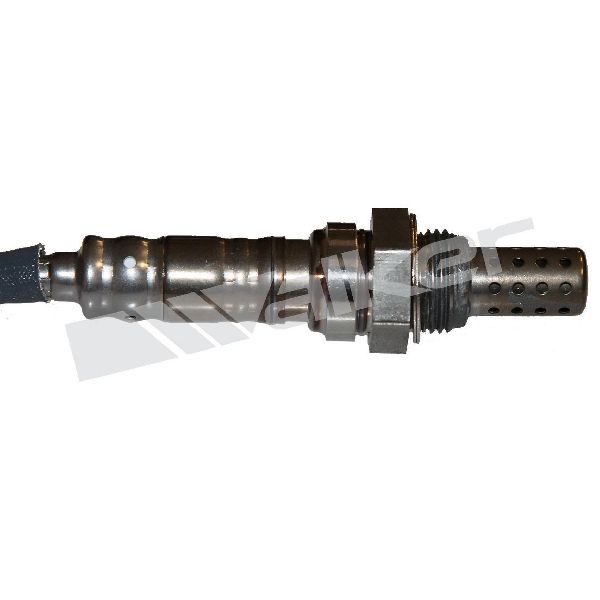
On a 2004-2009 Prius, code P0037 almost always means the downstream oxygen sensor (Bank 1, Sensor 2) has failed. The internal heater burns out, which is the most common cause. The ECM detects a low current condition (less than 0.25A) in the heater circuit. Replacing the sensor with a Denso part (OEM #89465-47070, Denso direct-fit #234-4623) is the typical fix, costing around $70-$150 for the part and is a straightforward DIY job.
- P0037 on a Gen 2 Prius points directly to the heater in the downstream O2 sensor (Bank 1, Sensor 2).
- The most probable cause is a failed sensor, which is a common wear-and-tear item. The specified resistance is 11-16 Ω.
- Before buying parts, perform a quick visual inspection of the wiring for damage and test the old sensor's heater resistance with a multimeter if you have one.
- Always use a high-quality Denso or OEM sensor; counterfeit parts from online marketplaces are a known problem that can cause the code to return.
- The sensor connector is located inside the car, under the passenger-side carpet, protecting it from the elements but requiring interior access for testing and replacement.
What's Unique About the 2004-2009 Toyota Prius
For the second-generation Prius, this code is a very common and straightforward issue. The 1.5L 1NZ-FXE engine has a simple single-bank exhaust, so 'Bank 1' is the only bank, and 'Sensor 2' is definitively the downstream sensor. The most frequent point of failure is the original Denso oxygen sensor's internal heater element simply wearing out over time. Unlike more complex diagnostic codes, P0037 on this vehicle rarely leads down a rabbit hole of confusing possibilities. The sensor is easily accessible from inside the vehicle by pulling back the passenger-side carpet.
Symptoms You May Notice
- Check Engine Light is on
- Failure to pass an emissions test
- Slightly reduced fuel economy (less common)
- Rough idle or hesitation (rare)
- Replacing the upstream Air/Fuel ratio sensor (Sensor 1) instead of the downstream oxygen sensor (Sensor 2).
- Replacing the catalytic converter when the code only indicates a fault with the sensor monitoring it.
- Using a cheap, non-OEM or non-Denso sensor 🎬 Watch this before buying parts to avoid common P0037 mistakes. that is faulty out of the box or fails prematurely. Forum users strongly warn against counterfeit parts from Amazon or eBay.
Most Likely Causes
- Failed Downstream Oxygen Sensor 🔴 High Probability → Shop Oxygen Sensor The internal heater element of the oxygen sensor has a finite lifespan and simply burns out after many years and heat cycles. It is the most common reason for this code on a high-mileage Prius.
How to confirm: Disconnect the sensor and measure the resistance between the two heater pins (typically the two wires of the same color, often black). An open circuit (infinite resistance, or 'OL' on a multimeter) confirms the heater element is broken. A service manual specifies a standard resistance of 11-16 Ω at 68°F (20°C) between terminals HT and +B. If the resistance is outside this range, the sensor is bad.
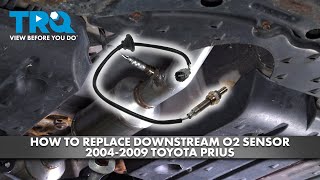
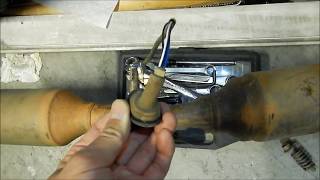
Typical fix: Replace the Bank 1, Sensor 2 oxygen sensor. The connector is located inside the cabin, under the passenger side carpet and a small metal plate. 🎬 See exactly where to find the sensor connector inside the cabin.
Est. part cost: $70-$180 - Damaged Wiring or Connector 🟡 Medium Probability The sensor wiring is located under the vehicle and is exposed to road debris, water, and extreme heat from the exhaust, which can cause it to become brittle, frayed, or shorted over time. The connector itself is inside the cabin, but the grommet passing through the floor can fail or a previous repair may have left the connector unplugged.
How to confirm: Visually inspect the wiring harness from the sensor to where it enters the vehicle cabin. Look for any signs of melting, chafing, corrosion, or breaks. Pull back the passenger carpet and inspect the connector (labeled H13 in service manuals) to ensure it is securely plugged in and free of corrosion.
Typical fix: Repair the damaged section of wiring or clean/replace the connector.
Est. part cost: $5-$50 - Blown Fuse or Faulty Relay ⚪ Low Probability While less common, a power surge or a short circuit in the sensor/wiring can blow the fuse that protects the O2 sensor heater circuit.
How to confirm: Check the fuse boxes. The circuit receives power via the 'EFI M relay' which is part of the integration relay in the engine room relay block. The primary fuse to check is the 'EFI' fuse, also in the engine compartment fuse block. Test the fuse for continuity and the relay for proper function.
Typical fix: Replace the blown fuse or faulty relay.
Est. part cost: $1-$20
Rare But Worth Checking
- Faulty Engine Control Module (ECM): → Shop Engine Control Module (ECM) This is extremely rare. Only consider this after definitively ruling out the sensor, wiring, and fuses. A persistent short circuit in the heater or wiring can potentially damage the driver circuit within the ECM. A diagnostic procedure exists to test the harness between the sensor and ECM connectors (E4 and E6).
Diagnosis Steps
- Confirm the code P0037 is present using an OBD-II scanner. Note if a 'pd' (pending) code is also stored.
- Visually inspect the downstream O2 sensor, which is located on the exhaust pipe after the catalytic converter. Check its wiring harness for any obvious damage, melting, or corrosion.
- Check for a blown fuse. In the engine compartment fuse block, inspect the 'EFI' fuse and the 'EFI M relay'.
- If the wiring and fuse are okay, test the sensor's internal heater. Access the connector by pulling back the carpet on the passenger side floor. Disconnect the sensor (connector H13) and use a multimeter to measure the resistance between the two heater pins (usually the two wires of the same color). A reading of 'OL' or infinite resistance means the heater is burned out. The specified resistance is 11-16 Ω at 68°F (20°C).
- If the sensor resistance is within spec, you must check the circuit itself. With the key in the 'ON' position, carefully use a multimeter to check for ~12V power on the supply wire at the vehicle-side connector and check for ground on the ground wire. The ECM provides a pulse-width modulated signal, so voltage may vary.
- If power or ground is missing, trace the wiring back to the EFI relay or ECM to find the break in the circuit.
- If the sensor, wiring, and power supply are all good, the fault may lie within the ECM, but this is highly unlikely.
Parts You'll Likely Need
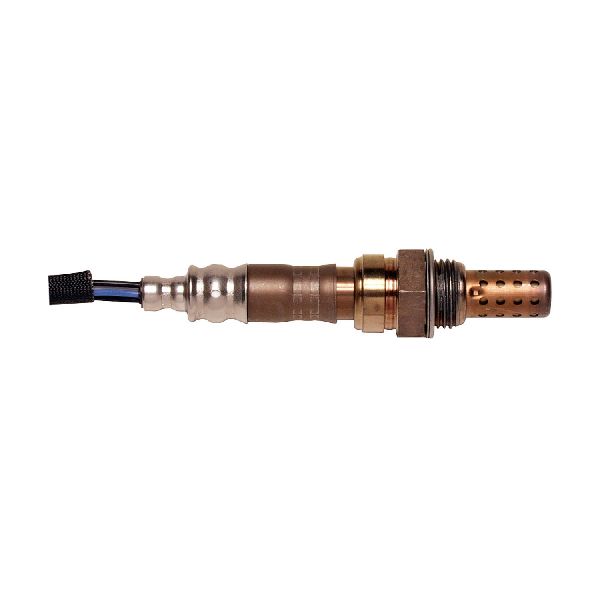
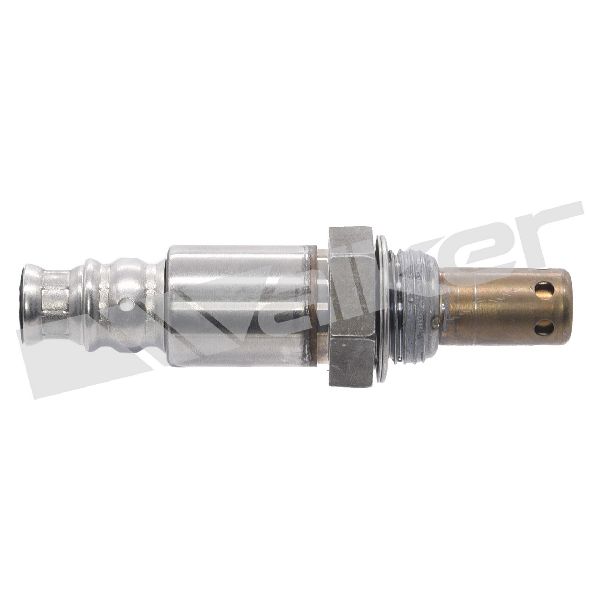
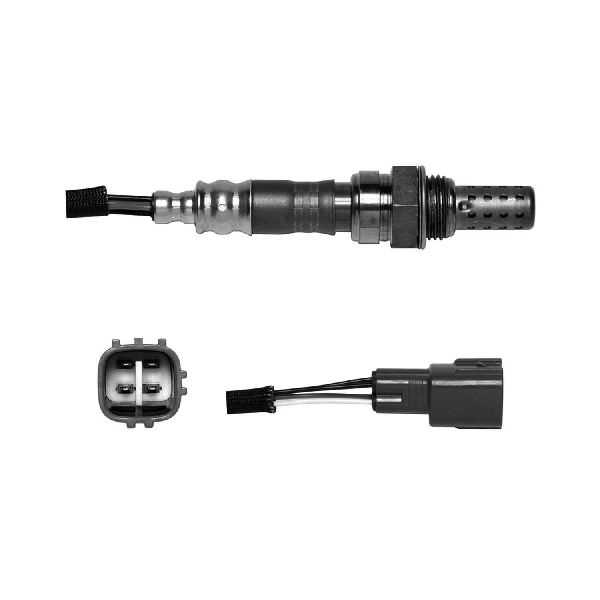
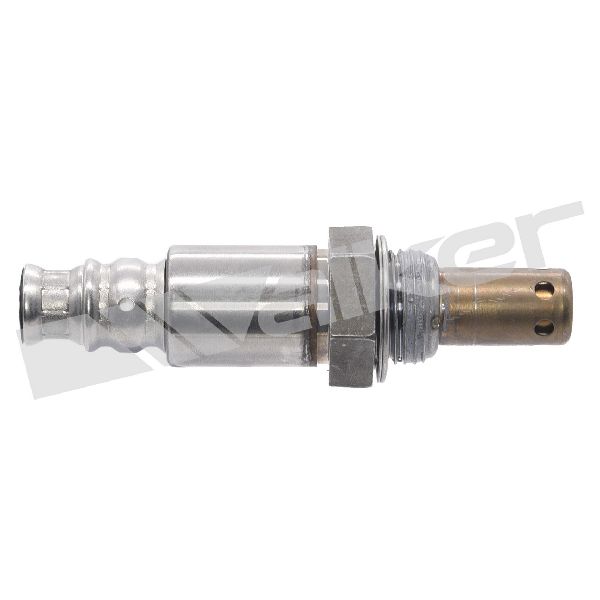
- Downstream Oxygen Sensor (Bank 1, Sensor 2)
(OEM #89465-47070)— This is the part that contains the heater element that most commonly fails, triggering the P0037 code.
Trusted brands: Denso (OEM Manufacturer), NGK/NTK
OEM price range: $120-$180
Aftermarket price range: $70-$130
Technical Service Bulletins (TSBs) & Recalls
- While no TSB is specific to P0037 on the 2004-2009 Prius, a Special Service Campaign (SSC) for 2015-2016 Sienna models mentions that wire degradation inside the O2 sensor harness from vibration can cause P0037, among other codes. This highlights the possibility of wiring failure as a root cause.
Platform-Specific Known Issues
- Catalytic Converter Theft: While not a direct cause of P0037, the Gen 2 Prius is a prime target for catalytic converter theft. When the converter is cut out, the downstream O2 sensor and its wiring are often damaged or stolen along with it, which will trigger code P0037 and others. A very loud, Harley-Davidson-like engine noise upon startup is an immediate giveaway that the converter has been stolen.
Mechanic-Grade Diagnostic Values
- O2 Sensor (B1S2) Heater Element Resistance — expected: 11 – 16 Ω at 68°F (20°C). Failure: An open circuit ('OL' on multimeter) or resistance outside the specified range.
- ECM Heater Current Threshold (P0037 Trigger) — expected: Heater current should be > 0.25 A when commanded ON.. Failure: The ECM will set code P0037 if the measured current is less than 0.25 A.
- Voltage at H13 Connector, Pin 1 (+B, Black/Red wire) to Chassis Ground — expected: Approximately 12V (Battery Voltage) with ignition ON.. Failure: 0V or significantly low voltage indicates a problem with the power supply from the EFI M relay or EFI fuse.
- Voltage/Signal at H13 Connector, Pin 2 (HT, White/Green wire) — expected: This is a Pulse-Width Modulated (PWM) ground signal from the ECM. Voltage will vary. A more accurate test is using a scan tool active test.. Failure: A constant ground or constant open circuit when the heater should be active.
Scan Tool Commands That Help
- Toyota Techstream: Active Test: 'Control the A/F Sensor Heater (Bank 1 Sensor 2)' — This is the most definitive way to test the entire circuit. After confirming the sensor's internal resistance is good, this command forces the heater circuit ON. You can then monitor the live data PID for heater current to see if it meets the >0.25A specification. If the command is sent but current remains low, the fault is in the wiring or ECM driver.
Wiring & Ground Locations
- H13 — Inside the cabin, under the front passenger-side carpet, near the floor grommet where the sensor harness passes through.. This is the main 4-pin connector for the downstream O2 sensor (Bank 1, Sensor 2). All electrical testing of the sensor and the vehicle-side harness is performed here.
- H13, Pin 1 (+B) — Black/Red wire on the vehicle-side of the H13 connector.. This pin supplies 12V power to the heater circuit from the EFI M relay. No voltage here points to a blown fuse or faulty relay.
- H13, Pin 2 (HT) — White/Green wire on the vehicle-side of the H13 connector, leading to pin 25 of ECM connector E4.. This is the control wire. The ECM provides a PWM ground on this pin to activate the heater. A break in this wire between H13 and the ECM will cause P0037.
- EB — In the engine compartment, on the right side (passenger side), near the main fuse/relay block.. This is a primary ground point for the engine control system. While not directly for the O2 sensor itself, a corroded or loose connection here can cause a variety of electrical issues, including erratic sensor behavior or fault codes.
Real Owner Repair Stories
- PriusChat Forum (2007 Toyota Prius) — Check Engine Light with code P0037.
❌ Tried (didn't work) Replacing the downstream O2 sensor with a new Denso part.
✅ What actually fixed it The code returned after sensor replacement. The final fix was tracing the wiring and discovering the connector (H13) under the passenger carpet was not fully seated. Pushing the connector together until it clicked resolved the issue. - PriusChat Forum (2006 Toyota Prius) — Check Engine Light with P0037.
❌ Tried (didn't work) Initial diagnosis pointed to a bad sensor.
✅ What actually fixed it Before replacing the sensor, the owner tested the wiring. They found 12V power at the connector but discovered a poor ground connection. Cleaning a corroded engine bay ground point (likely EB) provided a solid ground path and cleared the code without needing to replace the sensor.
OEM Part Supersession History
89465-47070→89465-47070— No supersession. This part number has remained consistent for the entire 2004-2009 generation.
Heads up: The primary incompatibility issue is not from supersession, but from counterfeit Denso or 'OEM-style' sensors sold on platforms like Amazon and eBay. These parts often fail immediately or within a short period. Always buy from a reputable auto parts store or a Toyota dealership.
Model Year Variations Within This Range
- 2004-2009: There are no significant variations within the 2004-2009 (XW20) generation that affect the diagnosis or repair of code P0037. The engine, exhaust layout, sensor part number, and wiring are consistent across these years.
Diagnostic Flowchart
Used vs. New Parts: Buying Guide for This Vehicle
When a used part is the smart pick: A used part is almost never a smart choice for the oxygen sensor itself, as it is a wear-and-tear item with a finite lifespan. However, sourcing a used wiring harness pigtail from a junkyard is a viable option if your vehicle-side connector (H13) is damaged or corroded.
Donor-vehicle mileage cap: roughly under 150000 miles for the part to have meaningful remaining life.
What to inspect on the donor part:
- For a wiring pigtail, inspect for any brittleness, cracking, or melting of the insulation.
- Ensure the connector's locking tab is intact and not broken.
- Check the metal pins inside the connector for any signs of green or white corrosion.
- If possible, choose a donor vehicle from a dry climate to minimize corrosion risk.
OEM-only on this vehicle (don't cheap out):
- Oxygen Sensor
Aftermarket brands forum-validated for this vehicle:
- Denso (is the OEM manufacturer)
- NGK / NTK
Brands owners have reported issues with on this vehicle:
- Unbranded or 'white-box' sensors from online marketplaces like eBay and Amazon are frequently cited on forums as being defective out of the box or failing prematurely.
Real Owner Stories
Aggregated from forums and TSBs cited above. Mileages and costs reflect what owners reported in those sources.
2009 Toyota Prius — 293000 miles
Symptoms: Check engine light came on with codes P0037, P0101, and P0420 after a catalytic converter theft and replacement.
What fixed it: The owner reported that replacing the mass air flow sensor to address the P0101 code ultimately caused the check engine light, including the P0037 code, to go away.
Source hint: owner_reports from PriusChat (url_hint: priuschat.com - P0037 P0101 P0420 P1150)
2004-2009 Toyota Prius
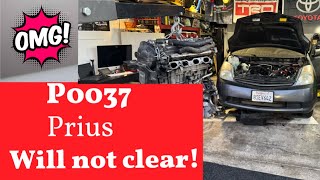
Symptoms: The P0037 code would not clear even after replacing the downstream oxygen sensor.
What fixed it: The root cause was discovered to be an unplugged electrical connector for the sensor, which is located under the passenger side carpet.
Source hint: YouTube: 'P0037 Prius code will not clear! Check this video out before buying parts!' by 'Trevs Garage'
2005 Prius
Symptoms: The owner had a P0037 code and replaced the wrong sensor (the upstream one).
What fixed it: This was a diagnostic dead-end; replacing the upstream sensor did not fix the P0037 code, which is for the downstream sensor's heater circuit. The owner later received a P0137 code, also for the downstream sensor.
Source hint: PriusChat: 'O2 Sensor Troubles' (Apr 14, 2018)
2004-2009 Toyota Prius
Symptoms: A very loud, Harley-Davidson-like engine noise upon startup, accompanied by a Check Engine Light with code P0037.
What fixed it: The cause was a stolen catalytic converter. The fix required replacing the converter and repairing/replacing the damaged downstream O2 sensor and its wiring.
Source hint: Vehicle-Specific Issue: Catalytic Converter Theft
Related OBD-II Codes
Frequently Asked Questions
Where is the oxygen sensor for code P0037 located on my 2004-2009 Prius?
I need to replace the downstream O2 sensor. Where is the electrical connector located?
My catalytic converter was stolen. Could this cause the P0037 code?
I replaced the sensor, but the P0037 code came back. What should I check next?
How can I test the old sensor to confirm it's bad before buying a new one?
What brand of O2 sensor should I buy for my Prius?
Is there a Toyota TSB that covers the P0037 code for the 2004-2009 Prius?
Helpful Videos
We Have This Part in Stock


The information in this article is provided for general reference and educational purposes only. Vehicle specifications, procedures, and part compatibility can vary by production date, trim level, and region. Always consult your vehicle's factory service manual and verify part numbers before purchasing or performing repairs. Safety-critical components such as airbags, seat belts, and braking systems should be installed by a qualified professional.
- Toyota Prius:
- 🧭 Diagnostic Flowchart
- 🎬 Helpful Videos
- 🛍️ Shop This Part
- What's Unique About the 2004-2009 Toyota Prius
- Symptoms You May Notice
- Most Likely Causes
- Rare But Worth Checking
- Diagnosis Steps
- Parts You'll Likely Need
- Technical Service Bulletins (TSBs) & Recalls
- Platform-Specific Known Issues
- Mechanic-Grade Diagnostic Values
- Scan Tool Commands That Help
- Wiring & Ground Locations
- Real Owner Repair Stories
- OEM Part Supersession History
- Model Year Variations Within This Range
- Used vs. New Parts: Buying Guide for This Vehicle
- Real Owner Stories
- 2009 Toyota Prius — 293000 miles
- 2004-2009 Toyota Prius
- 2005 Prius
- 2004-2009 Toyota Prius
- Related OBD-II Codes
- Frequently Asked Questions
- 🎟️ Get 5% Off