

P0037 on 2001-2009 Volvo S60: Rear O2 Sensor Heater Circuit Causes and Fixes
On a 2001-2009 Volvo S60, P0037 almost always means the rear (post-catalytic converter) oxygen sensor's internal heater has failed. Before replacing the sensor, check the fuse for the O2 sensor heater in the engine bay fuse box (position varies by year, but is often #14 or #23). A quality aftermarket sensor from Bosch or Denso costs about $70-$150, and it's a DIY-friendly job (2/5 difficulty). Using the correct OEM-equivalent brand is critical for this platform.
- P0037 points directly to a problem with the rear oxygen sensor's heater circuit.
- The most likely fix is replacing the rear O2 sensor itself, as the internal heater fails over time.
- Before buying parts, always check the fuse first. For 2007-2008 models, it's fuse #14 (20A) in the engine bay fuse box.
- Use a quality direct-fit replacement sensor from a reputable brand like Bosch or Denso to ensure compatibility and avoid further issues.
- This is a safe code to drive with in the short term, but your car will not pass an emissions inspection until it is resolved.
What's Unique About the 2001-2009 Volvo S60
The first-generation Volvo S60 (P2 platform) is generally durable, but its electronic components, like oxygen sensors, are common failure points as these vehicles age. For this P0037 code, the issue is almost always the rear sensor itself. A key diagnostic point for this platform is to check the specific fuse for the O2 sensor heater in the engine bay fuse box before replacing any parts. While some P2 platform vehicles have variations, for the 2007-2008 S60, it is clearly identified as fuse #14. For other model years, the location can vary. Owners consistently report that using OEM-quality brands like Bosch or Denso is critical to avoid compatibility issues and immediate failure of the new part.
Generation note: The 2001-2009 year range covers the entire first generation of the Volvo S60, which is built on the P2 platform. This generation received a facelift for the 2005 model year, which included some updates to the Central Electronic Module (CEM) and fuse box. This can lead to slight differences in fuse numbering for the O2 sensor heater circuit between pre-2005 and 2005+ models. Always verify the fuse location with the diagram on the fuse box cover or in the owner's manual.
Symptoms You May Notice
- Check Engine Light is on.
- Vehicle will automatically fail an emissions test.
- Slight decrease in fuel economy (though often not noticeable by the driver).
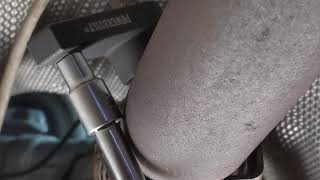
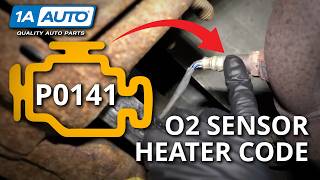
- Vehicle may enter a 'failsafe' or 'limp' mode with reduced engine power, though this is less common for a downstream sensor fault. 🎬 Watch a quick breakdown of P0037 causes and repair costs
- Replacing the oxygen sensor without first checking the fuse. If a shorted sensor blew the fuse, the new sensor will also not work until the fuse is replaced.
- Using a cheap, universal oxygen sensor. P2 Volvos are notoriously sensitive to the brand of O2 sensor used. Sticking with Bosch or Denso is highly recommended to avoid compatibility problems.
Most Likely Causes
- Failed Rear Oxygen Sensor Heater Element 🔴 High Probability → Shop Oxygen Sensor The internal heating element is a common failure point due to age and countless heat cycles. It's the most frequent cause for this code on high-mileage P2 platform vehicles.
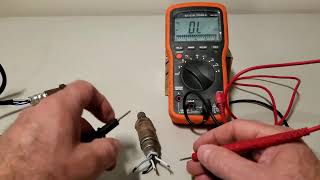
How to confirm: Disconnect the sensor and use a multimeter to test the resistance between the two heater circuit pins (usually the two same-colored wires, often white on Bosch sensors). 🎬 See how to test the heater element with a multimeter A healthy sensor will read a low resistance, typically between 3 and 15 Ohms. An 'OL' or infinite resistance reading means the heater element is broken (open circuit), and the sensor must be replaced. A reading of zero ohms indicates a short circuit.
Typical fix: Replace the rear (downstream) oxygen sensor. Using a 22mm (or 7/8") slotted oxygen sensor socket is highly recommended.
Est. part cost: $70-$150 - Blown Fuse for O2 Sensor Heater 🟡 Medium Probability → Shop Oxygen Sensor A short circuit inside the failing O2 sensor's heater element can cause the protective fuse to blow. This is a designed failure mode to protect the wiring.
How to confirm: Locate the fuse box in the engine compartment. For 2007-2008 models, check fuse #14 (20A), labeled 'Heated oxygen sensor'. For other years, it may be a different number (e.g., #23 on an XC90 or #4 on a V70). Visually inspect the fuse. If it's blown, replace it.
Typical fix: Replace the blown fuse. Note: If the new fuse blows immediately, the O2 sensor or its wiring is shorted and must be addressed before proceeding.
Est. part cost: $1-$5 - Damaged Wiring or Connector ⚪ Low Probability The wiring harness runs underneath the car and is exposed to exhaust heat, moisture, and road debris, which can cause it to melt, corrode, or break over time. The connector itself can also become contaminated with moisture or dirt.
How to confirm: Visually inspect the entire wiring harness from the O2 sensor to its connector for any signs of melting, chafing, corrosion, or breaks. Check for 12V power at the connector's heater circuit pins (on the harness side) with the ignition on. If no voltage is present, the issue is upstream towards the fuse box.
Typical fix: Repair the damaged section of wire or replace the connector pigtail. Secure the wiring away from hot exhaust components using zip ties.
Est. part cost: $10-$50
Rare But Worth Checking
- Faulty Engine Control Module (ECM): → Shop Engine Control Module (ECM) This is very rare. The ECM's internal driver for the heater circuit can fail, but this should only be considered after all other possibilities (sensor, fuse, wiring) have been definitively ruled out.
Diagnosis Steps
- Read the code with an OBD-II scanner to confirm P0037 is present.
- Locate the main fuse box in the engine compartment, on the driver's side near the windshield.
- Check the fuse for the heated oxygen sensor. For 2007-2008 models, this is fuse #14 (20A). For other years, consult your owner's manual or the fuse diagram on the box lid. If the fuse is blown, replace it and see if the code returns. If it blows again, the sensor or wiring is shorted.
- If the fuse is good, safely raise and support the vehicle. Locate the rear oxygen sensor, which is screwed into the exhaust pipe just after the catalytic converter. 🎬 Watch this step-by-step rear O2 sensor replacement walkthrough
- Visually inspect the sensor's wiring and connector for any signs of melting, fraying, corrosion, or physical damage.
- Disconnect the sensor's electrical connector. Identify the two wires for the heater circuit (typically the two wires that are the same color, e.g., two white wires on a Bosch sensor).
- Set a multimeter to measure resistance (Ohms). Touch the multimeter probes to the two heater pins on the SENSOR side of the connector.
- A good sensor should have a resistance reading between 3 and 15 Ohms. If the reading is infinite (OL) or zero, the sensor's heater has failed and the sensor must be replaced.
- If the sensor resistance is good, check for power at the HARNESS side of the connector. With the ignition key in the 'ON' position (engine off), use a multimeter to check for ~12V on one of the heater circuit pins. If there is no power, there is a wiring issue between the fuse box and the connector.
- After repair or replacement, clear the trouble code with the scanner and perform a test drive to ensure the Check Engine Light does not return.
Parts You'll Likely Need
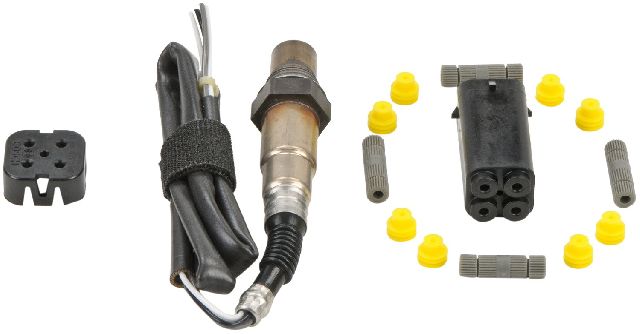
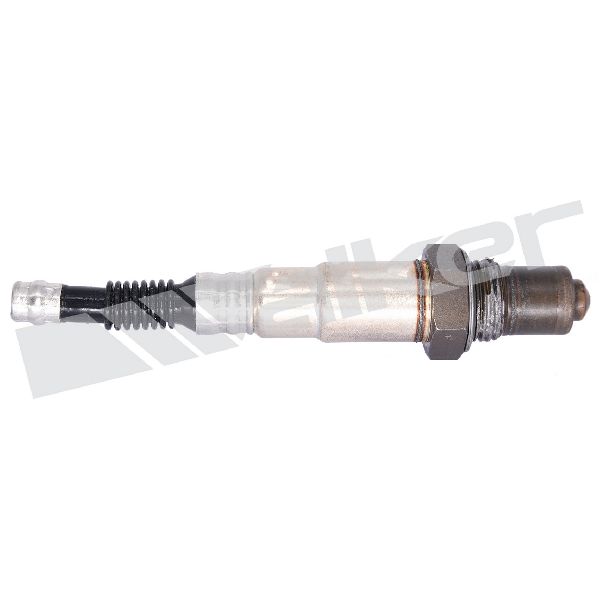
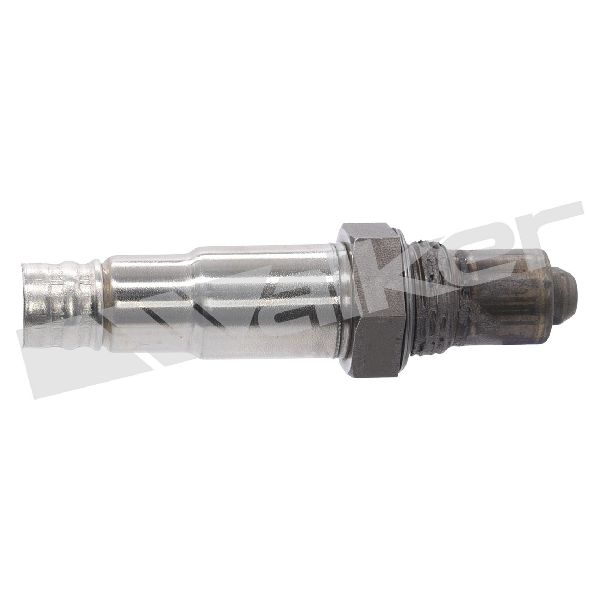
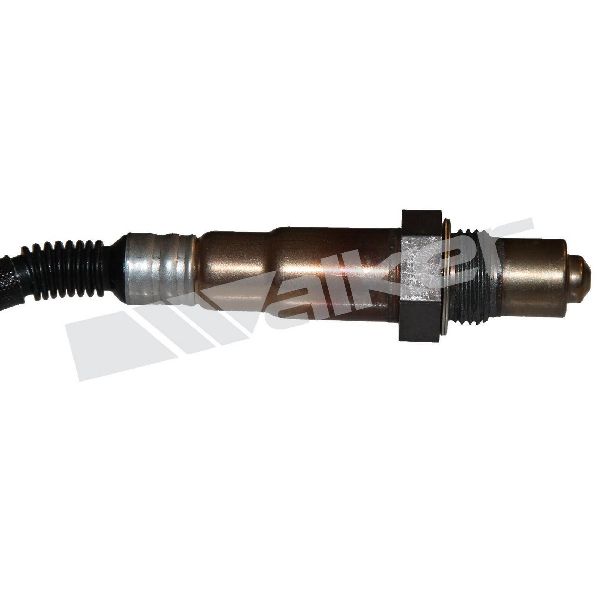
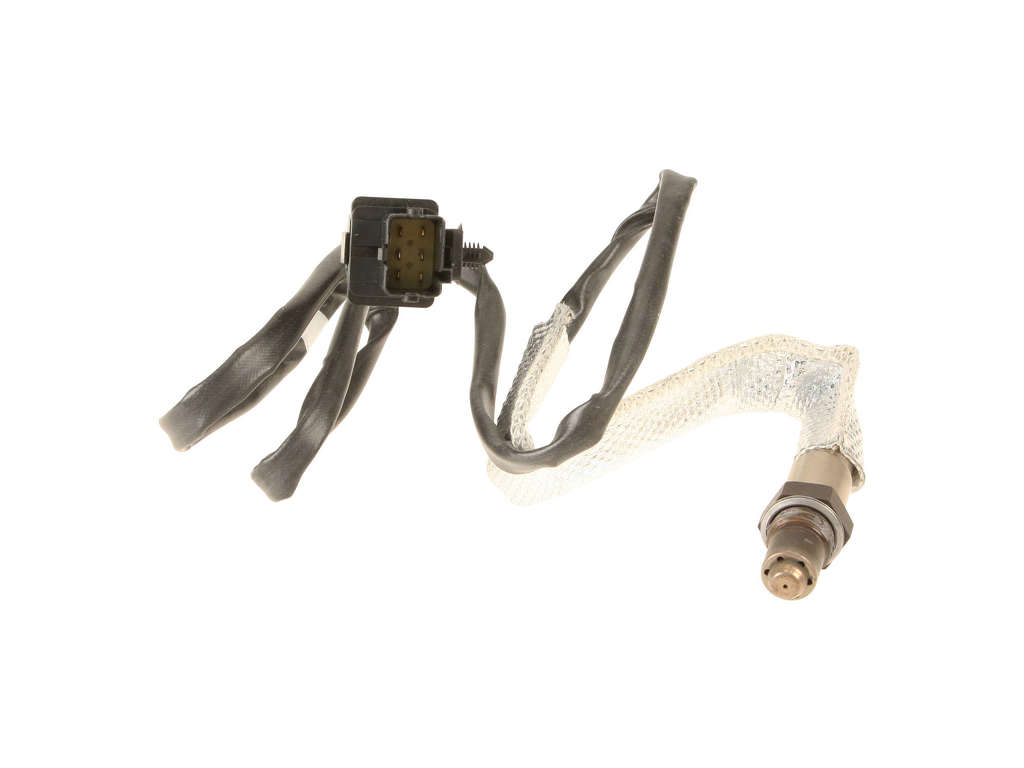
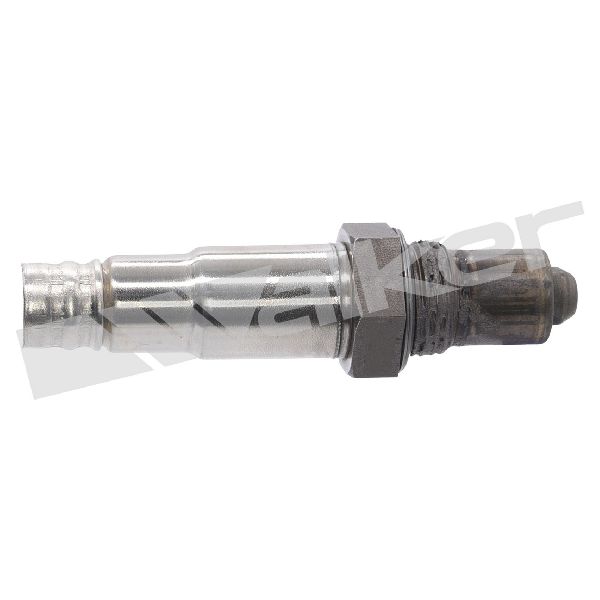
- Rear (Downstream) Oxygen Sensor
(OEM #8677894)— The internal heater element fails from age and heat cycles, which is the most common cause of code P0037.
Trusted brands: Bosch, Denso
OEM price range: $180-$280
Aftermarket price range: $70-$150
Related Codes That Often Appear With This One
- P0031 — P0031 is the heater circuit code for the front (upstream) sensor. If a single fuse protects both the front and rear sensor heaters, a failure of that fuse could potentially trigger codes for both sensors.
Platform-Specific Known Issues
- Fuse Location Variance: The fuse for the O2 sensor heater circuit is in the engine bay fuse box, but its exact position can change between the pre-facelift (2001-2004) and post-facelift (2005-2009) models. Pre-facelift may use position #5 or #23, while later models often use #14.
Mechanic-Grade Diagnostic Values
- Rear O2 Sensor Heater Element Resistance (Cool) — expected: 3-4 Ohms. Failure: Infinite resistance (OL) indicates an open circuit. Zero resistance indicates a short.
- Rear O2 Sensor Heater Element Resistance (Warm) — expected: ~13 Ohms. Failure: Reading does not change as sensor cools, or reading is OL/zero.
- Voltage at Harness Connector (Heater Power Pin) — expected: ~12V (Battery Voltage) with Key On, Engine Off. Failure: 0 Volts indicates a blown fuse, bad relay, or a break in the power supply wire.
- Heater Circuit Current Draw — expected: 0.5 - 3.0 Amps (during startup). Failure: 0 Amps indicates an open circuit; significantly higher amperage indicates a short circuit that should blow the fuse.
Scan Tool Commands That Help
- Volvo VIDA with DICE: Read Vehicle / Diagnostics — VIDA is the factory-level diagnostic tool. It can read manufacturer-specific codes that generic OBD-II scanners might miss. It also provides detailed wiring diagrams and component locations. For P0037, it can confirm the fault and provide live data from the sensor circuit, though a bidirectional heater test is not a commonly cited function for this specific code.
Wiring & Ground Locations
- 31/4 — Engine block. This is a primary engine ground point. While not directly for the O2 sensor (which often grounds through its own circuit), a poor engine ground can cause a variety of strange electrical issues and sensor faults. It's a foundational check for any electrical diagnosis.
- Rear O2 Sensor Connector — On a metal bracket attached to the transmission/engine block area, often tucked below the intake air hose. It is notoriously difficult to access.. This is the primary point for testing both the sensor-side (resistance) and harness-side (voltage). Its location makes it prone to collecting dirt and moisture, and difficult access can lead to incomplete connections after service.
Real Owner Repair Stories
- Reddit r/Volvo user (2010 Volvo S40 (P1 Platform, but same engine family and issue)) — Check Engine Light with code P0037.
❌ Tried (didn't work) The user was asking for advice before replacing the part.
✅ What actually fixed it The advice given, which is the standard and correct procedure, was to replace the rear O2 sensor with a Bosch-branded part and to test the heater resistance on the new sensor before installation to ensure it wasn't defective out of the box. The user was also advised that the code may remain as a 'permanent' fault until the car's computer verifies the new heater is functional after a drive cycle.
Model Year Variations Within This Range
- 2001-2004 vs 2005-2009: The engine bay fuse box layout and numbering changed with the 2005 facelift. For post-facelift cars (2005-2009), the O2 sensor heater fuse is often in position #14. For pre-facelift cars (2001-2004), it may be in a different position, such as #4 or #5. Always consult the vehicle's specific fuse diagram.
- 2001-2009: The front oxygen sensor on these cars is a 5-wire wideband sensor, while the rear (Sensor 2, relevant to P0037) is a conventional 4-wire narrowband sensor. This is important during diagnosis, as the testing procedures and expected live data values are different for each. VIDA displays current (mA) for the front sensor and voltage (V) for the rear.
Diagnostic Flowchart
Other Known Issues on This Vehicle
Issues unrelated to this code that are worth knowing about as an owner of this generation:
- Electronic Throttle Module (ETM) Failure 🔴 High — Very common on 1999-2004 models. Symptoms include erratic idle, stalling, and 'limp mode'. Volvo extended the warranty to 10 years/200,000 miles, but most vehicles have exceeded this. (Ref: Volvo offered a software upgrade and extended warranty, but no formal recall.)
- Clogged PCV / Breather System 🔴 High — Common on turbo models around 100k-150k miles. A clogged system builds crankcase pressure, forcing oil past seals (like the main seals or cam seals), causing major leaks.
- Driver Information Module (DIM) Failure 🟠 Medium — Common on 2001-2004 models. Solder joints on the circuit board fail, causing flickering or dead gauges, garbled text, and false warning lights.
- Transmission Issues (Geartronic Automatic) 🔴 High — Prevalent in 2001-2003 models. Issues include harsh shifting, flaring between gears, and neutral-from-drive problems. Often caused by internal valve body wear or faulty solenoids.
- AWD Angle Gear / Collar Sleeve Failure 🟠 Medium — Affects AWD models. The splined sleeve connecting the transmission to the angle gear wears out, resulting in loss of power to the rear wheels. Common after 100k miles. The sleeve was improved on 2006+ models but can still fail.
- Upper Strut Mount / Spring Seat Failure 🟡 Low — Extremely common wear item. The rubber seats at the top of the front struts collapse or crack, causing clunking or popping noises from the front suspension, especially over bumps or when turning.
Used vs. New Parts: Buying Guide for This Vehicle
When a used part is the smart pick: For this repair, a used part is generally not recommended. The oxygen sensor is a wear-and-tear item with a finite lifespan determined by heat cycles and mileage. A used sensor from a junkyard has an unknown history and may fail shortly after installation, wasting time and money.
Donor-vehicle mileage cap: roughly under 30000 miles for the part to have meaningful remaining life.
What to inspect on the donor part:
- If considering used, source from a vehicle with the lowest possible mileage.
- Inspect the wiring pigtail for any signs of melting, brittleness, or corrosion.
- Test the heater circuit resistance with a multimeter before purchase; it should be within the 3-15 Ohm range.
Aftermarket brands forum-validated for this vehicle:
- Bosch (OEM supplier)
- Denso
Brands owners have reported issues with on this vehicle:
- Generic, unbranded 'universal' sensors that require splicing wires. These are notoriously unreliable on Volvo P2 platform vehicles and often fail quickly or are incompatible with the ECM.
Real Owner Stories
Aggregated from forums and TSBs cited above. Mileages and costs reflect what owners reported in those sources.
2002 Volvo S60
Symptoms: Check engine light on with DTC code P0037.
What fixed it: Tested resistance between terminals #1 and #2 on the sensor; found no resistance (open circuit) and replaced the oxygen sensor.
Source hint: 2CarPros.com / 2002 Volvo S60 P0037 dtc code
2010 Volvo S40 (P1/P2 related electronics)
Symptoms: P0037 code present; needed to identify heater circuit wires on Bosch sensor.
What fixed it: Confirmed the two white wires on the Bosch sensor were for the heater circuit and checked for a resistance of a few ohms.
Source hint: Reddit r/Volvo / 2010 S40 OBD P0037 Help
Related OBD-II Codes
Frequently Asked Questions
Where is the fuse for the O2 sensor heater located on my 2007 Volvo S60?
I have a 2002 S60; is the fuse in the same place as the later models?
What resistance should I see when testing the rear O2 sensor on my S60?
Can a blown fuse cause P0037, or is it always a bad sensor?
Is P0037 related to the common ETM issues on early S60 models?
What tools do I need to replace the sensor on my P2 platform Volvo?
Helpful Videos

We Have This Part in Stock

The information in this article is provided for general reference and educational purposes only. Vehicle specifications, procedures, and part compatibility can vary by production date, trim level, and region. Always consult your vehicle's factory service manual and verify part numbers before purchasing or performing repairs. Safety-critical components such as airbags, seat belts, and braking systems should be installed by a qualified professional.
- Volvo S60:
- 🧭 Diagnostic Flowchart
- 🎬 Helpful Videos
- 🛍️ Shop This Part
- What's Unique About the 2001-2009 Volvo S60
- Symptoms You May Notice
- Most Likely Causes
- Rare But Worth Checking
- Diagnosis Steps
- Parts You'll Likely Need
- Related Codes That Often Appear With This One
- Platform-Specific Known Issues
- Mechanic-Grade Diagnostic Values
- Scan Tool Commands That Help
- Wiring & Ground Locations
- Real Owner Repair Stories
- Model Year Variations Within This Range
- Other Known Issues on This Vehicle
- Used vs. New Parts: Buying Guide for This Vehicle
- Real Owner Stories
- 2002 Volvo S60
- 2010 Volvo S40 (P1/P2 related electronics)
- Related OBD-II Codes
- Frequently Asked Questions
- 🎟️ Get 5% Off