

P0037 on 2001-2007 Volvo V70: Rear O2 Sensor Heater Circuit Causes and Fixes
On a 2001-2007 Volvo V70, code P0037 almost always means the internal heater in the rear (post-catalytic converter) oxygen sensor has failed. The most common fix is to replace the sensor itself. Before buying parts, first check fuse #4 (a 20A mini fuse) in the engine bay fuse box. The correct replacement is a Bosch or Denso sensor; a common Denso part number is 234-4755.
- P0037 on your V70 points directly to the rear oxygen sensor's heater circuit.
- The most likely cause is a failed sensor. This is a common wear-and-tear item.
- Before replacing the sensor, always check fuse #4 (20A) in the engine bay fuse box first.
- The repair is considered DIY-friendly and requires a special 22mm O2 sensor socket.
- Using a quality replacement sensor from a brand like Bosch (OEM) or Denso is highly recommended for longevity and to avoid repeat failures.
What's Unique About the 2001-2007 Volvo V70
The 2001-2007 Volvo V70 uses a 5-cylinder engine, which has only one cylinder bank, so 'Bank 1' is the only bank. 'Sensor 2' definitively refers to the rear oxygen sensor, located after the catalytic converter. This code is a very common failure item on the P2 platform (which includes this V70 generation, the S60, XC70, and S80) and is most often resolved by simply replacing the sensor itself due to the heater element burning out over time.
Symptoms You May Notice
- Check Engine Light is on.
- Guaranteed failure of an emissions test.
- Potentially a slight decrease in fuel economy, though often not noticeable by the driver.
- In some cases, a rough or sluggish idle may be present.
- Replacing the front (pre-catalytic converter) oxygen sensor. P0037 specifically refers to Sensor 2, which is the rear sensor.
- Assuming the sensor is bad without first checking the fuse. A blown fuse can present the exact same code.
Most Likely Causes
- Failed Rear Oxygen Sensor 🔴 High Probability → Shop Oxygen Sensor The internal heating element within the oxygen sensor is a common failure point due to age and constant heat cycles. It's a consumable part that eventually burns out, creating an open circuit.
How to confirm: Disconnect the sensor and use a multimeter to test the resistance between the two heater circuit pins (often the two same-colored wires, e.g., two white wires on a Bosch universal sensor or two black wires on OEM). An infinite resistance or 'OL' reading indicates an open circuit and a failed heater. A healthy heater should have a low resistance, typically between 2-10 ohms when measured at room temperature.
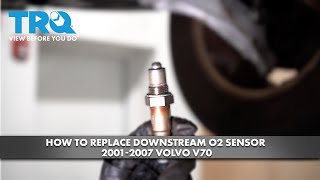
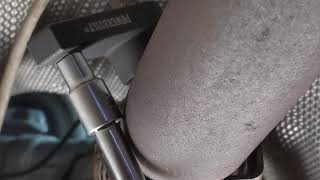
Typical fix: Replace the rear (downstream) oxygen sensor. A special 22mm (or 7/8") slotted oxygen sensor socket is highly recommended for removal, as access can be tight. Applying penetrating oil to the threads before removal can prevent damage to the exhaust pipe.
Est. part cost: $70-$180 - Blown Fuse 🟡 Medium Probability An electrical short in the sensor or its wiring can cause the protective fuse to blow. This is a designed failure mode to protect the more expensive engine computer.
How to confirm: Check the fuse for the oxygen sensor heaters. On the P2 V70, this is fuse #4 (20A) located in the fuse box in the engine compartment. The fuse box has multiple layers; ensure you are checking the correct one as described in the owner's manual. Visually inspect the fuse or test for continuity with a multimeter.
Typical fix: Replace the blown 20A mini fuse. If the new fuse blows immediately, it indicates a persistent short circuit in the wiring or the sensor itself that must be diagnosed before proceeding.
Est. part cost: $1-$5 - Damaged Wiring or Connector ⚪ Low Probability The sensor wiring runs underneath the car and is exposed to road debris, heat from the exhaust, and moisture, which can lead to chafing, melting, or corrosion over time.
How to confirm: Visually inspect the entire wiring harness from the oxygen sensor to its connection point in the engine bay. Look for any signs of melting, chafing against the chassis or exhaust, or corrosion in the connector pins. With the key on and sensor unplugged, use a multimeter to check for 12V power at the heater power wire in the harness connector. Lack of power points to a wiring or fuse issue upstream.
Typical fix: Repair the damaged section of wire using heat-shrink butt connectors or solder. Clean corroded connectors with electrical contact cleaner or replace the connector pigtail if necessary.
Est. part cost: $5-$50
Rare But Worth Checking
- Faulty Engine Control Module (ECM): → Shop Engine Control Module (ECM) This is extremely rare. The ECM's internal driver for the heater circuit can fail, but all other possibilities (sensor, fuse, wiring) should be exhaustively ruled out before considering ECM replacement.
Diagnosis Steps
- Read the code with an OBD-II scanner to confirm P0037 is the primary or only code present.
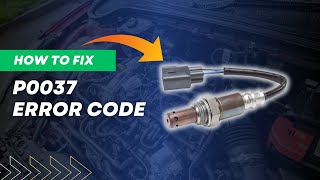
- Open the fuse box in the engine compartment and inspect fuse #4, a 20A fuse for the heated oxygen sensors. This fuse is in the main block, not the lower layer. Replace if blown. 🎬 Watch: How to diagnose and fix a P0037 code
- If the fuse is good, safely raise the vehicle and locate the rear oxygen sensor, which is screwed into the exhaust pipe just after the catalytic converter.
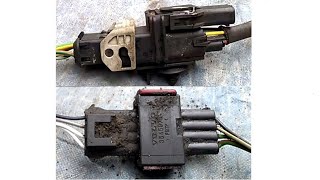
- Follow the sensor's wire to its electrical connector. On the V70, the connectors for both O2 sensors are typically mounted on a bracket on the firewall in the engine bay. Disconnect the correct one (usually the gray one on the driver's side for the rear sensor on LHD models). 🎬 See how to locate and disconnect the O2 sensor connectors
- Inspect the connector pins on both the harness and sensor side for any green/white corrosion or physical damage.
- With the ignition key in the 'On' position (engine off), use a multimeter set to DC Volts to check for ~12-volt power at the heater power pin on the vehicle's harness side of the connector. If no voltage is present, re-check the fuse and trace the wiring for a break.
- Switch the multimeter to measure resistance (Ohms). Test the resistance across the two heater pins on the sensor side of the connector (these are often the two wires of the same color). An 'OL' or infinite reading confirms the heater element is broken and the sensor must be replaced. A reading of roughly 2-10 ohms is expected for a good sensor.
- If the sensor tests good and power is present at the harness, perform a continuity test on the ground control wire from the sensor connector back to the ECM to rule out a wiring break.
Parts You'll Likely Need
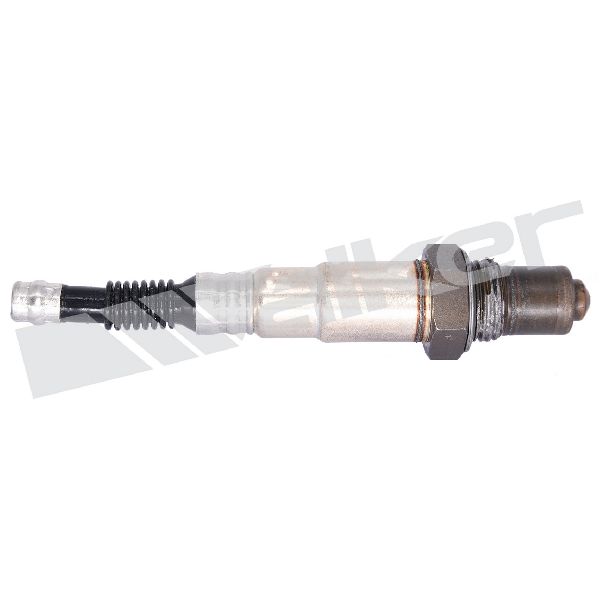
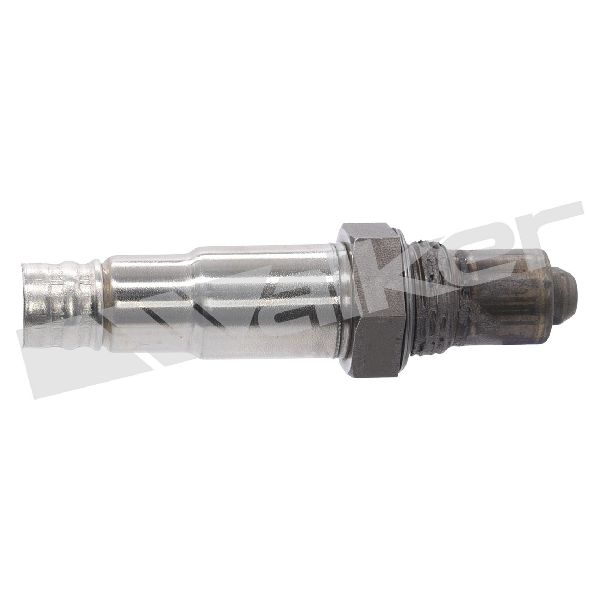
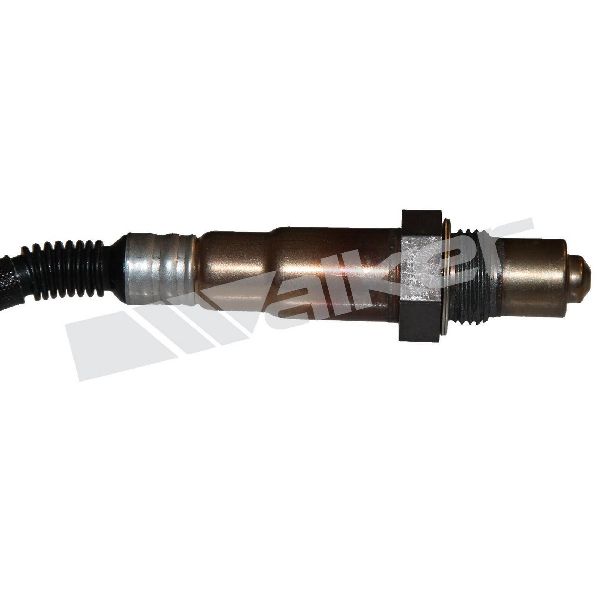
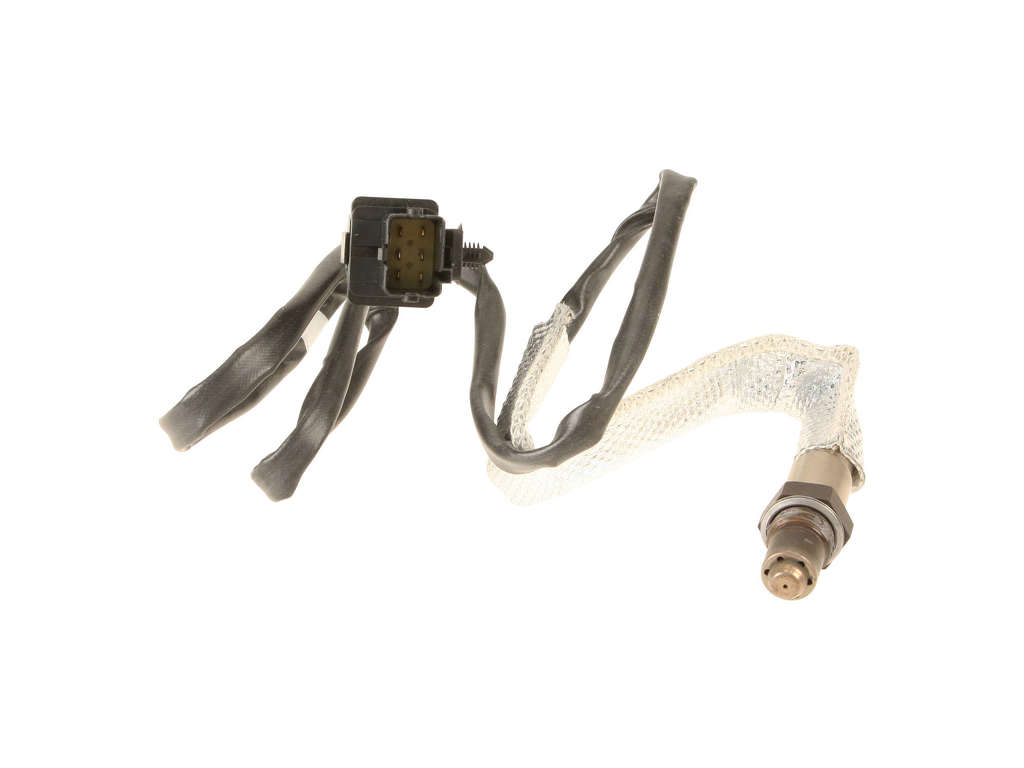
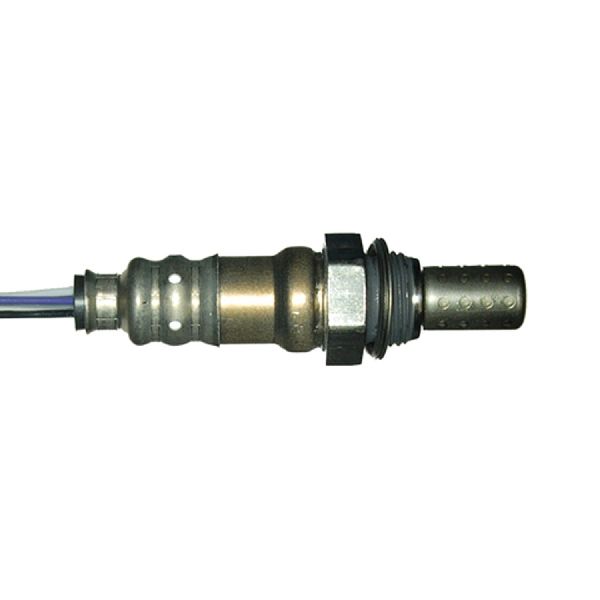
- Rear Oxygen Sensor (Downstream)
(OEM #8627600)— This is the most common failure point for code P0037, as the internal heater element burns out.
Trusted brands: Bosch (OEM supplier, Part No. 15063), Denso (Part No. 234-4755)
OEM price range: $150-$220
Aftermarket price range: $70-$120
Platform-Specific Known Issues
- The electrical connectors for both the front and rear oxygen sensors are located side-by-side on a bracket on the firewall in the engine bay, making them easy to access but also possible to mix up during re-connection. The rear sensor's connector is typically the gray one on the driver's side (for North American LHD vehicles).
- When replacing the sensor, the old one can be seized in the exhaust bung. Using a generous amount of penetrating fluid and allowing it to soak is critical. Some owners report success by running the engine for a few minutes to warm the exhaust before attempting removal, but caution is required due to hot components.
Mechanic-Grade Diagnostic Values
- Rear O2 Sensor Heater Element Resistance — expected: 2.0 - 10.0 Ohms at room temperature. Some sources state up to 20 Ohms is acceptable.. Failure: An 'OL' or infinite resistance reading on a multimeter indicates a burned-out, open heater circuit.
- Rear O2 Sensor Heater Circuit Current Draw — expected: Approximately 0.5 - 3.0 Amps when first energized (during engine start-up).. Failure: 0 Amps indicates an open circuit (bad sensor or wiring break). Excessively high amperage indicates a short circuit, which should blow fuse #4.
- Voltage at Harness Connector (Heater Power Pin) — expected: Battery voltage (~12V) with ignition ON, engine OFF.. Failure: 0 Volts indicates a blown fuse, bad relay, or a break in the power supply wire from the fuse box.
Hidden / Shadow Codes Worth Checking
- ECM-2910: Rear heated oxygen sensor (HO2S), bank 1, heating - Signal too low. This is the Volvo-specific code that corresponds directly to the generic P0037 code. (see via This code is visible using Volvo's proprietary diagnostic software, VIDA (Vehicle Information & Diagnostics for Aftersales), or advanced professional scanners with Volvo-specific software.)
Scan Tool Commands That Help
- Volvo VIDA: Activate/Deactivate Rear HO2S Heater — After verifying the fuse and wiring, a technician can use this bidirectional command to force the heater circuit on and off. This allows for live testing of current draw with an amp clamp or voltage drop at the sensor, definitively confirming if the ECM driver and wiring are functioning correctly under command, isolating the fault to the sensor itself if it fails to heat.
Wiring & Ground Locations
- O2 Sensor Heater Wires — Within the sensor's own wiring pigtail leading to the gray connector on the firewall.. For testing resistance, you must probe the correct pins. On the OEM sensor, the two heater wires are typically both black. On a direct-fit Bosch replacement, they are the two white wires. The other two wires (signal and signal ground) will be different colors, like blue and white on the OEM sensor.
- ECM Ground — The main Engine Control Module (ECM) is located in a black plastic box near the passenger side firewall/strut tower. The ECM itself is grounded through its mounting and connectors within this box.. While not a common cause, a poor ground for the ECM can cause a wide range of erratic electrical issues, including incorrect readings from sensor circuits. The ECM provides the ground control for the heater circuit, so its own ground integrity is essential.
- Harness Retaining Bolt — There is an 8mm sheet metal bolt that secures the O2 sensor wiring harness bracket to the vehicle's floorpan, between the sway bar link and the body.. This bracket must be unbolted to gain enough slack to properly route the new sensor wire and disconnect/reconnect it. It can be a point of corrosion or stress on the harness if not handled correctly during replacement.
Real Owner Repair Stories
- Synthesized from multiple threads on volvoforums.com and swedespeed.com (2004 Volvo V70 2.4L) — Check Engine Light on, code P0037 read by scanner.
❌ Tried (didn't work) Owner first purchased a cheap 'universal' oxygen sensor for $45 that required splicing the old connector onto the new sensor's wires. After installation, the code was cleared but returned within two drive cycles., Re-checked the splices, thinking the connection was bad. The code persisted.
✅ What actually fixed it The owner purchased a direct-fit Denso sensor (Part No. 234-4755) with the correct OEM-style connector. After installing the Denso sensor and clearing the code, the Check Engine Light did not return. The consensus from forum veterans was that these Volvo engine management systems are very sensitive and often reject the electrical characteristics of universal or off-brand sensors, even if they are wired correctly.
OEM Part Supersession History
8627600→8627600 (current)— No supersession found. This part number appears to be consistent for the application.
Model Year Variations Within This Range
- 2001-2002 (approx.): Early P2 platform vehicles are equipped with the Bosch ME7 engine management system. Forum consensus and mechanic experience suggest that the ME7 software is particularly sensitive to the electrical characteristics of oxygen sensors. Using anything other than the OEM supplier (Bosch) or a high-quality equivalent like Denso on these earlier models is highly likely to result in the code returning, even if the part is not defective. Later models have more refined software but the preference for quality sensors remains.
Diagnostic Flowchart
Other Known Issues on This Vehicle
Issues unrelated to this code that are worth knowing about as an owner of this generation:
- PCV System Clogging 🔴 High — Very common, recommended replacement every 80k-100k miles. Failure can cause oil leaks from main seals due to high crankcase pressure.
- Automatic Transmission Valve Body Failure / Harsh Shifting 🔴 High — Common on 2001-2003 models with the Aisin AW55-50/51 transmission, especially if fluid is not changed regularly. Can cause shift flares, harsh engagement, or getting stuck in gear. (Ref: A B4 servo cover update was released by Volvo to address some shifting issues on earlier models.)
- Electronic Throttle Module (ETM) Failure 🔴 High — Primarily affects 1999-2002 models with Magneti Marelli ETMs. Causes erratic idle, limp mode, and stalling. Less common on 2003+ models with Bosch ETMs. (Ref: Volvo had an extended warranty/recall program, but it has long since expired.)
- Angle Gear Collar Sleeve Failure (AWD Models) 🟠 Medium — A common failure point on all P2 AWD models (V70R, XC70). The splines on the sleeve connecting the transmission to the angle gear strip, resulting in loss of AWD. The part was updated for 2006+ models but can still fail.
- Front Suspension Compliance Bushings 🟠 Medium — The large rubber bushings in the front lower control arms and subframe wear out, causing clunking noises, vague steering, and uneven tire wear.
- Driver's Airbag Inflator 🔴 High — Affects all 2001-2007 V70/XC70 models. Propellant degradation can cause the inflator to rupture during deployment. (Ref: NHTSA Recall 21V800000.)
Used vs. New Parts: Buying Guide for This Vehicle
When a used part is the smart pick: For this specific repair, a used part is almost never a smart choice. The primary failure is the oxygen sensor itself, which is a wear-and-tear item with a finite lifespan. A used ECM could be considered if it is definitively diagnosed as the fault (extremely rare), but it will require software pairing to the car using Volvo's VIDA software, adding complexity and cost.
What to inspect on the donor part:
- Do not install a used oxygen sensor. Its remaining lifespan is unknown and likely short.
OEM-only on this vehicle (don't cheap out):
- While not strictly OEM-only, the oxygen sensor must be from a high-quality OEM supplier. Cheaper, unbranded 'universal' sensors frequently fail to work correctly with the Volvo engine management system and should be avoided.
Aftermarket brands forum-validated for this vehicle:
- Bosch (often the original OEM supplier)
- Denso
- NTK (part of NGK)
Brands owners have reported issues with on this vehicle:
- Universal sensors that require cutting and splicing wires.
- Unbranded, 'white-box' parts from online marketplaces.
- Some forums report issues with store-brands or lesser-known brands like Walker or Stark on these specific vehicles.
Real Owner Stories
Aggregated from forums and TSBs cited above. Mileages and costs reflect what owners reported in those sources.
2001 Volvo V70
Symptoms: Check engine light on with code P0037.
What fixed it: Replaced the rear O2 sensor with a Bosch unit. The repair took 20 minutes and the code was gone.
Source hint: matthewsvolvosite.com
2001 Volvo V70
Symptoms: P0037 code present; needed to locate the sensor and connector for replacement.
What fixed it: Located the sensor in the exhaust pipe after the catalytic converter and the connector with the red locking tab on the firewall bracket.
Source hint: youtube.com video for a 2001 V70 by '1A Auto'
Related OBD-II Codes
Frequently Asked Questions
Where is the fuse for the oxygen sensor heater on my P2 V70?
Which oxygen sensor connector is for the rear sensor on a 2001 V70?
What resistance should I see when testing the rear O2 sensor heater on my Volvo?
Can I use a universal oxygen sensor to fix P0037 on my V70?
Is there a specific tool I need to remove the rear sensor on the V70?
My 2001 V70 has a rough idle and P0037; could it be the ETM?
Helpful Videos
We Have This Part in Stock


The information in this article is provided for general reference and educational purposes only. Vehicle specifications, procedures, and part compatibility can vary by production date, trim level, and region. Always consult your vehicle's factory service manual and verify part numbers before purchasing or performing repairs. Safety-critical components such as airbags, seat belts, and braking systems should be installed by a qualified professional.
- Volvo V70:
- 🧭 Diagnostic Flowchart
- 🎬 Helpful Videos
- 🛍️ Shop This Part
- What's Unique About the 2001-2007 Volvo V70
- Symptoms You May Notice
- Most Likely Causes
- Rare But Worth Checking
- Diagnosis Steps
- Parts You'll Likely Need
- Platform-Specific Known Issues
- Mechanic-Grade Diagnostic Values
- Hidden / Shadow Codes Worth Checking
- Scan Tool Commands That Help
- Wiring & Ground Locations
- Real Owner Repair Stories
- OEM Part Supersession History
- Model Year Variations Within This Range
- Other Known Issues on This Vehicle
- Used vs. New Parts: Buying Guide for This Vehicle
- Real Owner Stories
- 2001 Volvo V70
- 2001 Volvo V70
- Related OBD-II Codes
- Frequently Asked Questions
- 🎟️ Get 5% Off