

P0038 on 2014-2016 Jaguar F-TYPE: O2 Sensor Heater Circuit Fault Causes and Fixes
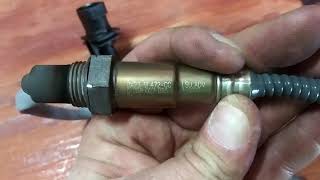
P0038 on a Jaguar F-TYPE indicates a fault in the heater circuit of the middle oxygen sensor on the right-hand (US passenger side) catalytic converter. The most common fix is replacing this specific O2 sensor, which can cost $40-$120 for an aftermarket part or over $300 for an OEM version. The OEM part number is T2R57039, which supersedes several previous numbers.
- P0038 points to the middle oxygen sensor on the right-hand (US passenger side) catalytic converter.
- The most likely cause is a failed sensor, which is a common issue on this vehicle.
- While an OEM sensor can be expensive, quality aftermarket alternatives from brands like Bosch are available and can save significant money.
- Verify you are replacing the correct sensor; 'Sensor 2' is the middle sensor in the F-Type's three-sensor layout.
What's Unique About the 2014-2016 Jaguar F-TYPE
Unlike most vehicles that have one oxygen sensor before and one after the catalytic converter, the Jaguar F-TYPE (with both V6 and V8 engines) has three sensors on each exhaust bank: an upstream (Sensor 1), a mid-catalyst (Sensor 2), and a post-catalyst (Sensor 3). For code P0038, 'Sensor 2' refers to the sensor located in the middle of the catalytic converter, not the final downstream sensor. 🎬 Watch: This video explains O2 sensor locations and bank numbers. Bank 1 is the right-hand (passenger side in the US) of the engine. Jaguar has issued several Technical Service Bulletins (TSBs) that group P0038 with other oxygen sensor codes, indicating a known pattern of sensor-related faults and potential software updates on this platform. [SSM72477, JTB-00392-NAS-3]
Diagnostic Flowchart
Tap your situation to follow the diagnostic path that matches what you're seeing on this vehicle.
Symptoms You May Notice
- Check Engine Light is on
- Reduced fuel economy
- Increased exhaust emissions, potentially causing failed emissions tests
- Potential for rough idle, especially during engine warm-up
- A strong smell of gasoline from the exhaust due to an incorrect air-fuel mixture
- Replacing the wrong oxygen sensor. On an F-TYPE, 'Sensor 2' is the middle sensor on the catalytic converter, not the rearmost (Sensor 3) or foremost (Sensor 1) sensor.
- Replacing the sensor without checking the wiring. A melted wire or corroded connector can mimic the symptoms of a failed sensor and will cause the code to return even with a new part.
Most Likely Causes
- Failed Bank 1, Sensor 2 Oxygen Sensor 🔴 High Probability → Shop Oxygen Sensor The internal heater element within the oxygen sensor is a common failure point, with an expected lifespan of around 75,000-100,000 miles. The vehicle's TSBs list numerous O2 sensor codes, suggesting a higher-than-average failure rate for these components. [SSM72477, JTB-00392-NAS-3]
How to confirm: Disconnect the sensor and measure the resistance across the two heater circuit pins (usually same-colored wires). A reading of 0 ohms (short circuit) or an open circuit (infinite resistance) indicates a failed heater element. The expected resistance is typically between 10-40 ohms for a good sensor.
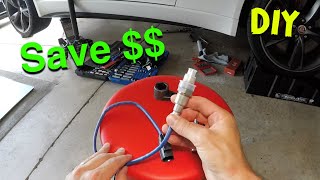
Typical fix: Replace the Bank 1, Sensor 2 oxygen sensor. This is the middle sensor on the right-hand (US passenger side) catalytic converter. An O2 sensor socket (22mm or 7/8") is requ 🎬 See this DIY walkthrough for replacing a Jaguar F-Type sensor.ired.
Est. part cost: $40-$350 - Wiring or Connector Damage 🟡 Medium Probability Wiring is routed near hot exhaust components and the transmission housing, where it can become brittle, melted, or damaged over time, leading to a short circuit to power. Water intrusion into the connector can also cause corrosion and high resistance faults.
How to confirm: Visually inspect the wiring harness and connector leading to the sensor for any signs of melting, chafing, corrosion, or loose pins. Use a multimeter to check for battery voltage (12V) and a good ground at the harness-side connector with the key on, engine off.
Typical fix: Repair the damaged section of the wiring harness using heat-shrink connectors or clean/replace the corroded connector.
Est. part cost: $5-$50 - Blown Fuse or Faulty Relay ⚪ Low Probability The O2 sensor heater circuits are protected by a fuse. A short circuit in the wiring or the sensor itself can cause this fuse to blow.
How to confirm: Locate the fuse for the O2 sensor heater circuit in the vehicle's fuse box (consult the owner's manual for the specific location) and visually inspect it or test for continuity with a multimeter.
Typical fix: Replace the blown fuse. If the fuse blows again immediately, it indicates an underlying short circuit that must be found and repaired.
Est. part cost: $1-$5
Rare But Worth Checking
- Faulty Engine Control Module (ECM): → Shop Engine Control Module (ECM) While rare, the driver circuit within the ECM that controls the sensor's heater can fail, causing a persistent high voltage condition. This should only be considered after the sensor, wiring, and fuses have been proven to be good. Some TSBs also mention the possibility of a software update to resolve sensor-related codes.
Diagnosis Steps
- Read the code with an OBD-II scanner to confirm P0038 is present.
- Visually inspect the Bank 1, Sensor 2 (right side, middle position) oxygen sensor's wiring harness and connector for any signs of melting, corrosion, or physical damage. The harness is routed near the hot exhaust and transmission.
- Check the fuse associated with the oxygen sensor heater circuits. Consult the vehicle's manual for the fuse box diagram.
- Disconnect the sensor. With the ignition on (engine off), use a multimeter to check for battery voltage at the heater power supply pin on the harness-side connector.
- With the sensor still disconnected, measure the resistance between the two heater pins on the sensor itself. A healthy sensor will typically read between 10-40 ohms. An open circuit (infinite resistance) or a dead short (0 ohms) confirms the sensor has failed.
- If the wiring, fuse, and sensor test good, the fault may lie within the ECM, but this is very uncommon. Check for any available ECM software updates related to TSBs like JTB-00392-NAS-3.
Parts You'll Likely Need
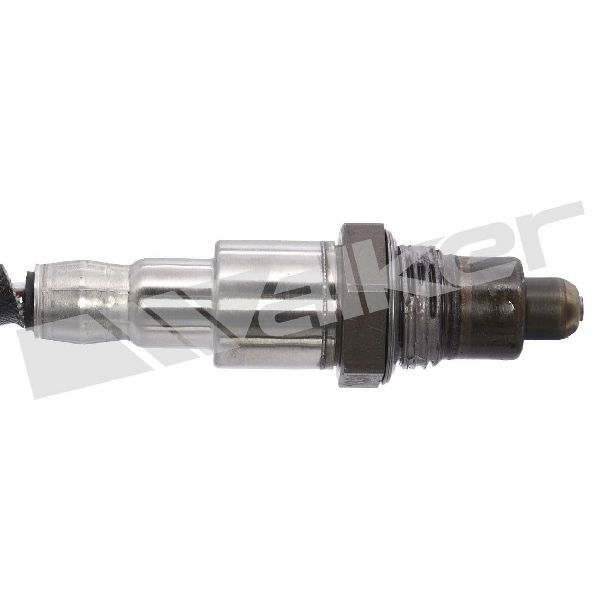
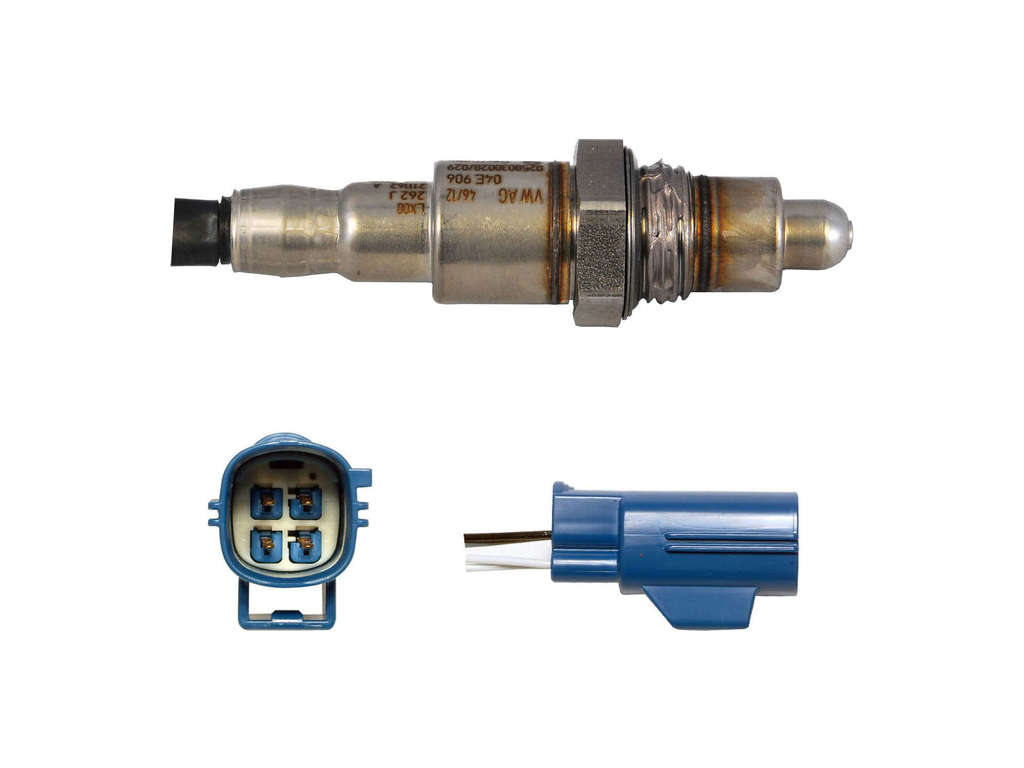
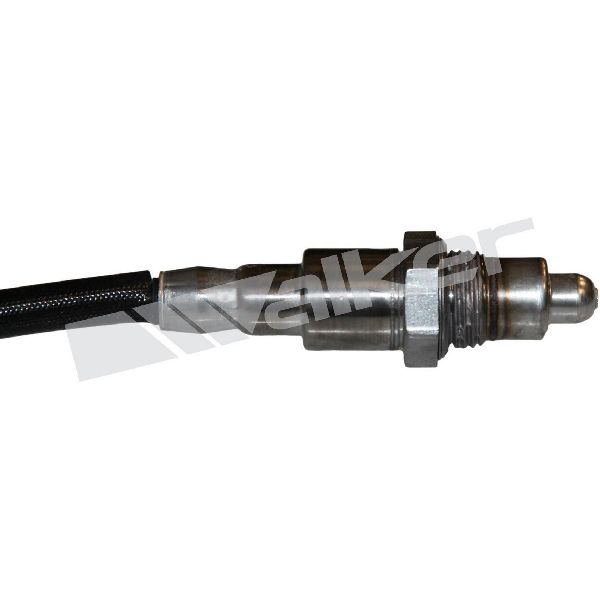
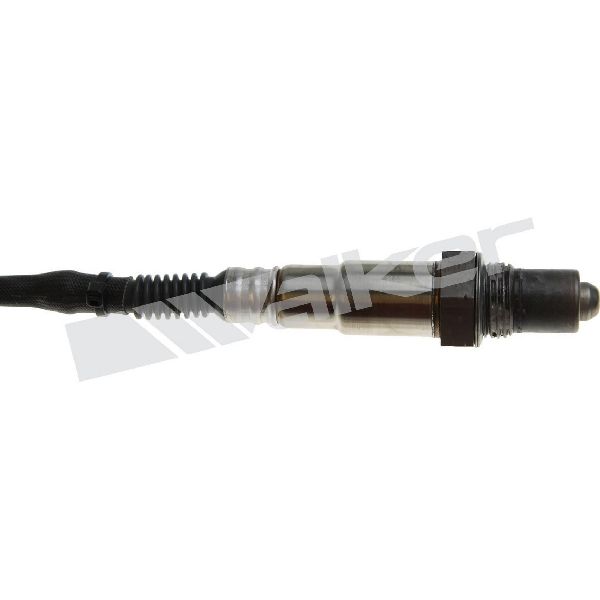
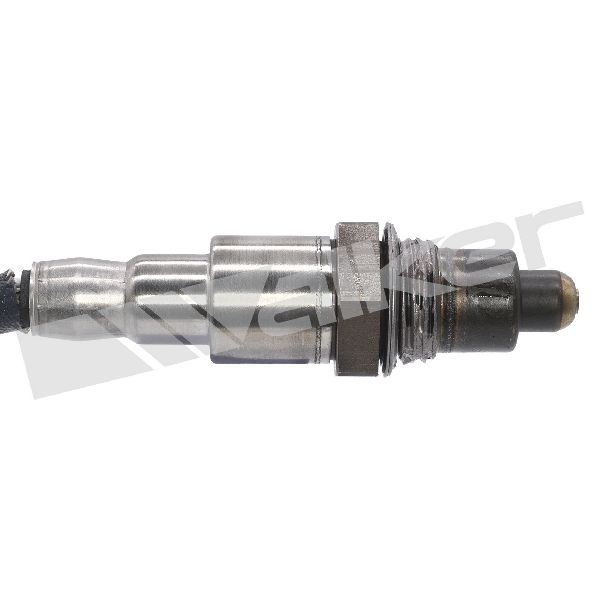
- Oxygen Sensor (Bank 1, Sensor 2)
(OEM #T2R57039)— The internal heater element is the most frequent point of failure for this code. This specific sensor is the middle one on the right-hand catalytic converter. This part number supersedes T2R26123, T2R54610, and T2R7732.
Trusted brands: Jaguar (OEM), Bosch, Denso, NGK
OEM price range: $280-$350
Aftermarket price range: $40-$120
Related Codes That Often Appear With This One
- P0037 — This code is for 'HO2S Heater Control Circuit Low (Bank 1 Sensor 2)'. It relates to the same sensor but indicates a different electrical fault (a short to ground instead of a short to power or open circuit).
- P013E — This code for 'O2 Sensor Delayed Response' can be triggered by a malfunctioning heater circuit on the same sensor, as the sensor is not reaching operating temperature quickly enough. [SSM72477, 21, 31]
- P0420 / P0430 — These codes indicate 'Catalyst System Efficiency Below Threshold' for Bank 1 and Bank 2, respectively. While often caused by a failing catalytic converter, they can also be triggered by faulty post-catalyst O2 sensors (like Sensor 2 and 3) that provide incorrect readings.
Technical Service Bulletins (TSBs) & Recalls
- SSM72477: Mentions P0038 in a list of faults related to pre, mid, or post catalyst heated oxygen sensors.
- JTB-00392-NAS-3: Lists P0038 as a potential DTC relevant to mid-catalyst and post-catalyst heated oxygen sensors and may recommend a software update as part of the diagnostic procedure.
- JTB00392NAS1: Also lists P0038 as a DTC relevant to mid-catalyst and post-catalyst heated oxygen sensors.
Platform-Specific Known Issues
- Jaguar has issued multiple Technical Service Bulletins (TSBs) acknowledging diagnostic trouble codes related to mid and post-catalyst heated oxygen sensors (HO2S), including P0038. [SSM72477, JTB-00392-NAS-3, JTB00392NAS1]
- The F-Type's unique three-sensor-per-bank exhaust layout is a common point of confusion. P0038 specifically refers to the middle sensor (Sensor 2), not the final post-cat sensor (Sensor 3).
Mechanic-Grade Diagnostic Values
- O2 Sensor Heater Element Resistance — expected: 10 - 40 Ohms at ambient temperature.. Failure: 0 Ohms (short circuit) or infinite resistance/open circuit (OL).
- Heater Circuit Voltage (Live Data) — expected: 12V - 14.5V with key on, engine off or at idle.. Failure: A consistent reading above 14.5V, which triggers the P0038 code.
- Heater Circuit Current Draw (Live Data) — expected: 0.5A - 1.5A. Failure: Spikes greater than 2A can indicate a shorted heater element.
Scan Tool Commands That Help
- Jaguar SDD (Symptom Driven Diagnostics): Datalogger - Oxygen Sensor Monitor — To monitor the live output and heater circuit status of the oxygen sensors to verify a fault. SDD can help differentiate between a sensor failure and a wiring or ECM issue by showing live data streams.
- Jaguar SDD (Symptom Driven Diagnostics): Clear DTCs / Vehicle Reset — After a repair is completed, this function must be used to clear the P0038 code and reset the system monitors. A drive cycle will then be required to confirm the fix.
Wiring & Ground Locations
- Right Mid-Catalyst Heated Oxygen Sensor — Located in the center of the right-hand (US passenger side) catalytic converter.. This is the specific sensor (Bank 1, Sensor 2) that code P0038 refers to on the F-Type's unique three-sensor-per-bank system.
- Engine Control Module (ECM) — Located in the left rear of the engine compartment.. The ECM provides the control signal for the O2 sensor heater circuit. A fault in the ECM driver is a rare but possible cause.
- G1D132D — A primary ground point located on the right side of the rear engine compartment.. A poor ground at this location could potentially affect various engine sensors, including the O2 sensor heater circuit, leading to erratic voltage readings.
Real Owner Repair Stories
- JaguarForums.com user (Jaguar F-Type R) — Check Engine Light with code P013E 'O2 sensor delayed response -Rich to Lean Bank 1 Sensor 2'.
❌ Tried (didn't work) Initial confusion about sensor location, as diagrams can be misleading, showing the mid-cat sensor as #3.
✅ What actually fixed it The user confirmed that for this code, Bank 1 Sensor 2 is indeed the sensor on the passenger side catalytic converter. Replacing this specific sensor resolved the code. The user noted that the aftermarket sensor's connector was 'opposite hand' and the wire was longer, but it was functionally correct.
OEM Part Supersession History
T2R26123, T2R54610, T2R7732→T2R57039— Standard part evolution and consolidation by the manufacturer.
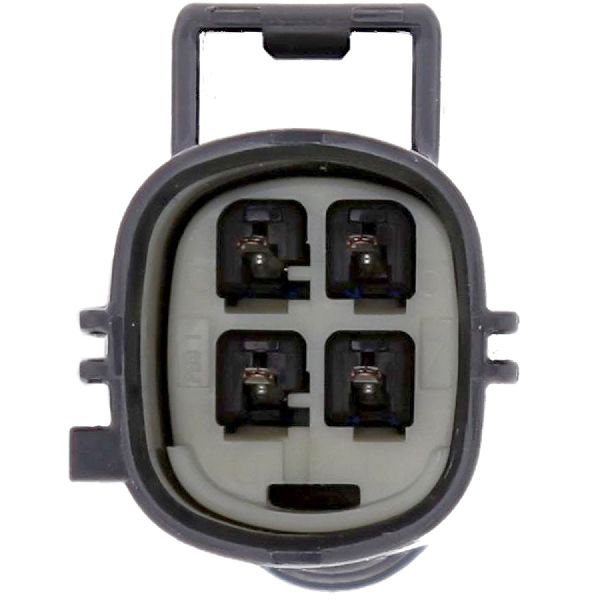
Heads up: While the sensor itself may be physically identical across some part numbers, forum users have noted that the electrical connectors can be 'handed' (left vs. right specific), and using the wrong one can cause fitment issues even if the sensor is technically correct. It is critical to order the part based on the specific bank and sensor position.
Helpful Videos

We Have This Part in Stock

The information in this article is provided for general reference and educational purposes only. Vehicle specifications, procedures, and part compatibility can vary by production date, trim level, and region. Always consult your vehicle's factory service manual and verify part numbers before purchasing or performing repairs. Safety-critical components such as airbags, seat belts, and braking systems should be installed by a qualified professional.
- Jaguar F-TYPE:
- 🧭 Diagnostic Flowchart
- 🎬 Helpful Videos
- 🛍️ Shop This Part
- What's Unique About the 2014-2016 Jaguar F-TYPE
- Symptoms You May Notice
- Most Likely Causes
- Rare But Worth Checking
- Diagnosis Steps
- Parts You'll Likely Need
- Related Codes That Often Appear With This One
- Technical Service Bulletins (TSBs) & Recalls
- Platform-Specific Known Issues
- Mechanic-Grade Diagnostic Values
- Scan Tool Commands That Help
- Wiring & Ground Locations
- Real Owner Repair Stories
- OEM Part Supersession History
- 🎟️ Get 5% Off