

P0038 on 2014-2023 Jeep Cherokee 3.2L: O2 Sensor Heater Circuit High Causes and Fixes
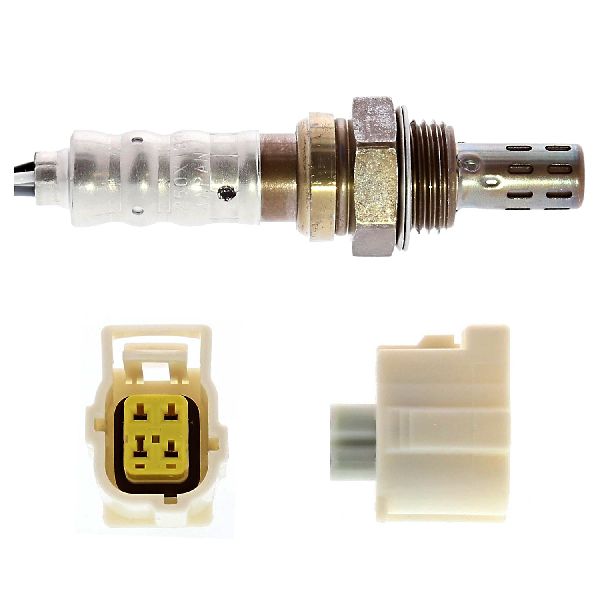
On a 2014-2023 Jeep Cherokee with the 3.2L V6, code P0038 almost always means the downstream oxygen sensor on the rear cylinder bank (Bank 1, Sensor 2) has failed. The fix is typically replacing the sensor itself, which costs about $40-$80 for an aftermarket part (e.g., NTK, Bosch) or $70-$120 for an OEM Mopar part (P/N: 68224846AA). Access is tight as the sensor is located on the exhaust after the catalytic converter, near the firewall.
- P0038 points specifically to the heater circuit of the Bank 1, Sensor 2 oxygen sensor.
- On the 3.2L V6 Cherokee, Bank 1 is the rear cylinder bank near the firewall, making access more challenging.
- The most likely cause is a failed oxygen sensor. Test the sensor's heater resistance before assuming it's a wiring problem.
- This is a DIY-friendly repair if you have the correct tools (especially an O2 sensor socket) and patience for the tight access.
- Driving with this code is safe, but you will not pass an emissions test until it is fixed.
What's Unique About the 2014-2023 Jeep Cherokee
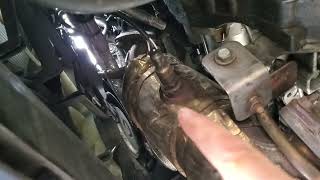
For the Jeep Cherokee KL with the transverse-mounted 3.2L Pentastar V6, the key challenge with this code is identifying and accessing the correct sensor. 'Bank 1' is the rear cylinder bank, tucked against the firewall, making the 'Sensor 2' (downstream) component more difficult to reach than sensors on the front bank (Bank 2). While the code itself is straightforward, owners often confuse Bank 1 with the more accessible front bank, leading to misdiagnosis. 🎬 Watch: How to identify Bank 1 and Bank 2 locations The failure is almost always the sensor itself rather than a more complex wiring or PCM issue, a common pattern for this code across many vehicles.
Symptoms You May Notice
- Check Engine Light is on
- Failing a vehicle emissions test
- In some rare cases, a rough idle on startup, though this is more common with upstream sensor issues.
- Replacing the wrong oxygen sensor. Technicians and DIYers may mistakenly replace the sensor on Bank 2 (front) or Sensor 1 (upstream) instead of the specific Bank 1, Sensor 2 (rear, downstream).
- Replacing the catalytic converter. This code points to the sensor's heater circuit, not the efficiency of the converter itself. A bad converter would typically trigger a P0420 or P0430 code.
Most Likely Causes
- Failed Bank 1, Sensor 2 Oxygen Sensor 🔴 High Probability → Shop Oxygen Sensor The internal heater element within oxygen sensors is a common wear item that can short out or burn out over time, causing a 'high circuit' reading. This is the most frequent cause for P0038.
How to confirm: Disconnect the sensor and measure the resistance across the two heater circuit pins (usually the two same-colored wires) with a multimeter. 🎬 See how to test the heater circuit for a P0038 code A healthy sensor should have a resistance between 4 and 30 ohms. An open circuit (infinite resistance) or a reading near zero ohms indicates the heater has failed.
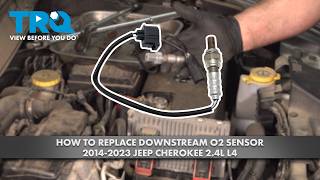
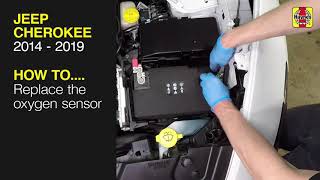
Typical fix: Replace the Bank 1, Sensor 2 oxygen sensor. This sensor is located on the rear exhaust manifold, after the catalytic converter. An oxygen sensor socket is highly recommended for removal. 🎬 Watch this walkthrough for replacing the rear oxygen sensor
Est. part cost: $40-$120 - Damaged Wiring or Connector 🟡 Medium Probability The sensor wiring is routed near hot exhaust components. Over time, plastic clips can break or heat shielding can degrade, allowing wires to touch the exhaust and melt. This can cause a short to voltage, triggering the P0038 code.
How to confirm: Visually inspect the wiring harness leading to the Bank 1, Sensor 2 O2 sensor. Look for any signs of melting, chafing, corrosion, or broken wires. Check that the connector is secure and free of damage, moisture, or pushed-out pins.
Typical fix: Repair or replace the damaged section of the wiring harness. Secure the harness away from hot exhaust pipes using high-temperature zip ties or new clips.
Est. part cost: $5-$50
Rare But Worth Checking
- Blown Fuse: The O2 sensor heater circuits are protected by a fuse in the engine bay's Power Distribution Center. For the Cherokee KL, owners should inspect fuses F07, F08, F10, F16, F30, F59, and F83, as multiple circuits are involved in engine controls. A blown fuse can sometimes cause erratic voltage readings, though it's more commonly associated with 'low circuit' codes.
- Faulty Powertrain Control Module (PCM): → Shop Engine Control Module (ECM) In very rare cases, the driver circuit within the PCM that controls the O2 sensor heater can fail. This should only be considered after the sensor, wiring, and fuses have been thoroughly tested and ruled out. This is an expensive last resort.
Diagnosis Steps
- Read the code with an OBD-II scanner to confirm P0038 is the primary code.
- Identify the correct sensor. On the 3.2L V6, Bank 1 is the rear bank against the firewall. Sensor 2 is the downstream sensor, located after the catalytic converter.
- Perform a thorough visual inspection of the sensor's wiring harness and connector. Look for any signs of melting, fraying, or corrosion.
- Check the related O2 sensor heater fuses in the engine compartment fuse box (Power Distribution Center). Specifically check fuses F07, F08, F10, F16, F30, F59, and F83.
- If the wiring and fuses are good, disconnect the sensor. Use a multimeter to test the resistance of the heater circuit on the sensor side (between the two wires of the same color). A reading between 4-30 ohms is typical; a reading of infinity (OL) or near zero indicates a failed sensor.
- If the sensor's resistance is within spec, the issue is likely in the wiring or PCM. With the key on and engine off, check for 12V power on the heater power wire at the vehicle-side connector. Check the ground wire for continuity to the chassis ground.
- If power and ground are correct but the code persists with a known-good sensor, a PCM fault is possible, though extremely rare.
Parts You'll Likely Need
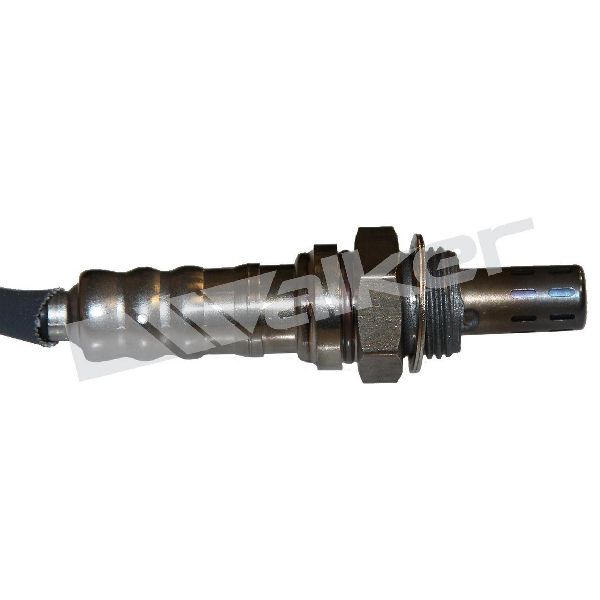
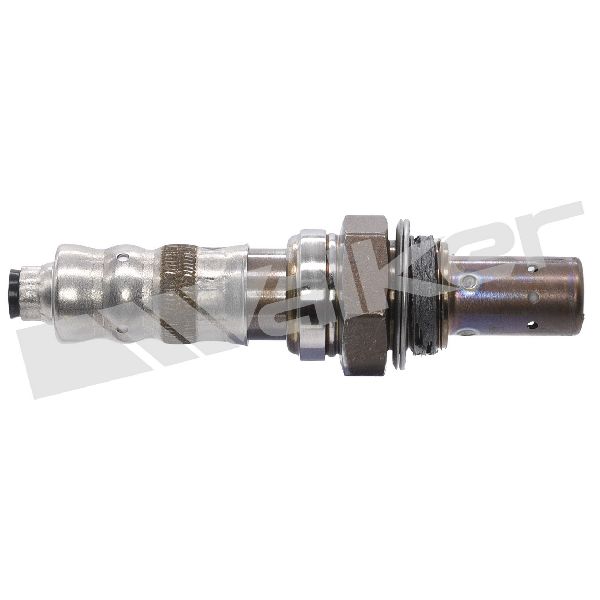
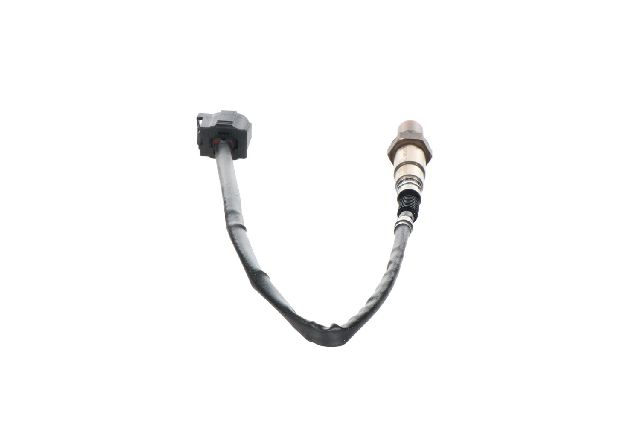
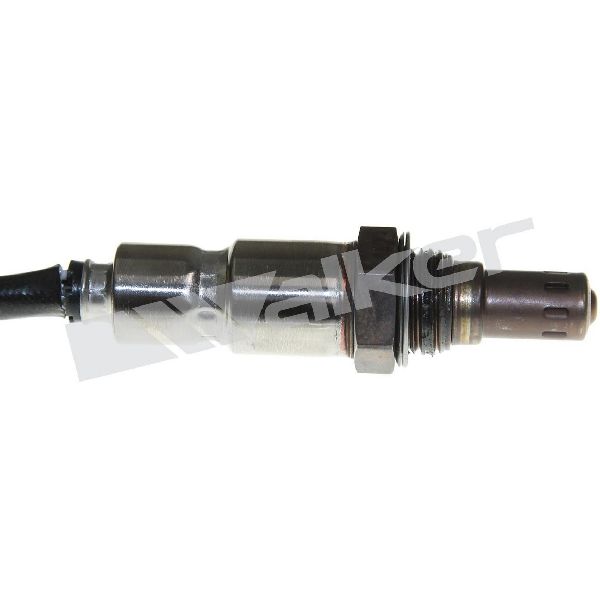
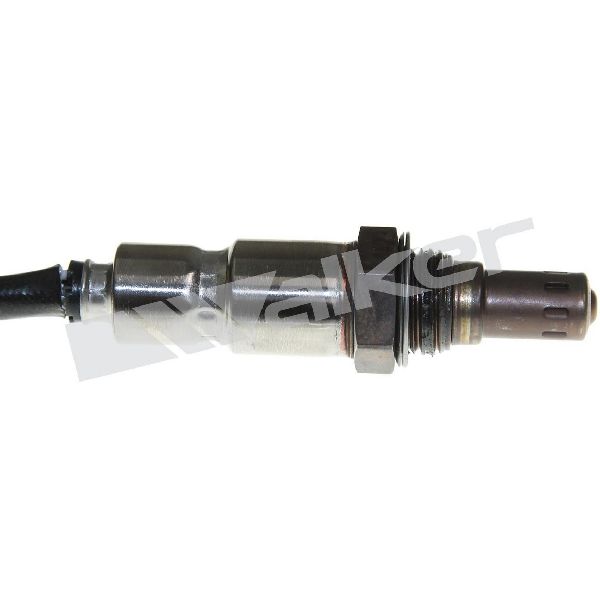
- Oxygen Sensor (Bank 1, Sensor 2)
(OEM #68224846AA)— This is the downstream, rear oxygen sensor. The internal heater element is the most common point of failure for code P0038.
Trusted brands: Mopar, NTK (e.g., 23561), Denso, Bosch, Walker Products
OEM price range: $70-$120
Aftermarket price range: $40-$80 - Oxygen Sensor Socket Set — A specialized socket with a cutout for the wire is essential for removing and installing the O2 sensor, especially in tight spaces.
Trusted brands: Lisle, OEMTOOLS, GearWrench
Aftermarket price range: $15-$40
Platform-Specific Known Issues
- Tight Access to Bank 1 Sensors: As confirmed in a Reddit thread on r/AskAMechanic, Bank 1 on the transverse 3.2L V6 is on the rear side of the engine bay, close to the firewall. This makes access significantly more difficult than for Bank 2 sensors, often requiring reaching from the top of the engine bay. Patience and potentially a universal joint for your ratchet are recommended.
Mechanic-Grade Diagnostic Values
- O2 Sensor Heater Element Resistance — expected: Between 2.0 and 30.0 ohms at room temperature (approx. 70°F / 21°C). Many Chrysler/Jeep sensors are in the 4-7 ohm range.. Failure: A reading of infinite resistance (Open Loop/OL) or near zero ohms indicates a failed heater element.
- O2 Sensor Heater Power Supply Voltage — expected: Battery voltage (approx. 12V) at the vehicle-side harness connector with Key On, Engine Off (KOEO).. Failure: Zero volts indicates a likely blown fuse or an open in the power supply wire from the ASD relay/fuse box.
- O2 Heater Control Circuit (Scan Tool Actuation) — expected: When actuating the O2 1/2 Heater Test with a scan tool, a test light connected to ground at the heater control circuit pin should illuminate and flash.. Failure: If the test light does not illuminate or flash, it points to an open/short in the control circuit or a faulty PCM driver.
Scan Tool Commands That Help
- wiTECH or equivalent professional scan tool: O2 1/2 Heater Test Actuator — This bidirectional command is used after confirming the sensor itself has correct resistance. It directly tests the PCM's ability to control the heater circuit by commanding it on and off, which helps differentiate between a wiring problem and a PCM driver failure.
Wiring & Ground Locations
- Engine Block to Chassis/Firewall Ground — A critical ground strap runs from the engine block to the chassis or firewall. On some Jeeps, a poor ground connection is located at the back of the cylinder head to the firewall.. A corroded or loose main engine ground can cause erratic electrical behavior and voltage fluctuations across multiple systems, including sensor circuits. While not a direct cause of P0038, ensuring main grounds are clean and tight is a foundational step in diagnosing any electrical fault.
- PCM/ECU Grounds — Near the battery and PCM, there are typically two smaller ground wires attached to the inner fender/chassis that are critical for the computer's operation.. The PCM controls the ground side of the O2 heater circuit. A poor ground for the PCM itself can lead to incorrect readings and faulty control over components like the O2 heater, potentially triggering codes like P0038.
Real Owner Repair Stories
- Jeep Cherokee Forum user 'scott_h' (2015 Jeep Cherokee Limited 3.2L with 47k miles) — P0038 error code.
❌ Tried (didn't work) Replacing the Bank 1, Sensor 2 oxygen sensor did not clear the code.
✅ What actually fixed it A local shop traced the wiring harness and found a bad connector. After repairing the connector, the code was resolved.
Model Year Variations Within This Range
- 2019-2023: The Jeep Cherokee received a significant facelift for the 2019 model year, including revised front/rear fascias, new wheel designs, and an updated interior with a newer Uconnect system. A new 2.0L Turbo engine was also introduced as an option. However, for vehicles with the 3.2L V6, the engine, emissions systems, and the underlying causes for code P0038 remained consistent with the 2014-2018 models.
Diagnostic Flowchart
Other Known Issues on This Vehicle
Issues unrelated to this code that are worth knowing about as an owner of this generation:
- ZF 9-Speed (948TE) Transmission Problems 🔴 High — Very common, especially in 2014-2016 models. Issues include rough/erratic shifting, sudden shifts to neutral, and premature failure. (Ref: Multiple software update TSBs (e.g., 21-016-16) and recalls (e.g., for unexpected neutral shifts) have been issued.)
- Cracked Oil Filter Cooler Housing 🔴 High — A widespread issue across all 3.2L/3.6L Pentastar engines. The plastic housing can crack from heat cycles, causing significant oil and/or coolant leaks into the engine valley. (Ref: No recall has been issued, but it is a well-documented failure. Aftermarket aluminum housings are a popular and more durable replacement.)
- Rocker Arm / Lifter Failure ('Pentastar Tick') 🟠 Medium — Common across the Pentastar engine family, often appearing after 60,000 miles. A ticking noise from the top of the engine is the primary symptom, caused by failed roller bearings on the rocker arms, which can lead to camshaft damage if ignored. (Ref: No specific recall, but it is a widely recognized problem. Repair involves replacing the affected rocker arms and lifters, and inspecting the camshafts for wear.)
- Power Liftgate Module Water Intrusion 🟠 Medium — Affects 2014-2016 models equipped with a power liftgate. Water can enter the control module, causing a short circuit and a potential fire risk, even with the ignition off. (Ref: Recall R27 was issued to address this. The fix involves installing a water shield and inspecting for corrosion.)
Used vs. New Parts: Buying Guide for This Vehicle
When a used part is the smart pick: For this repair, a used part is almost never a smart choice. Oxygen sensors are wear items with a finite lifespan, similar to spark plugs or brake pads. Installing a used sensor is risky as its remaining life is unknown, and it may fail shortly after installation, forcing you to do the labor twice.
Donor-vehicle mileage cap: roughly under 20000 miles for the part to have meaningful remaining life.
What to inspect on the donor part:
- If forced to use a donor part, source it from a very low-mileage wreck.
- Inspect the sensor tip for heavy carbon deposits, oil fouling, or white, chalky contamination, all of which indicate it may be compromised.
- Ensure the wiring pigtail and connector are free of any cuts, melting, or corrosion.
Aftermarket brands forum-validated for this vehicle:
- NTK (often the OEM supplier for Chrysler/Jeep)
- Denso
- Bosch (while some forums have mixed reviews on aftermarket Bosch, they are generally a reliable option)
Brands owners have reported issues with on this vehicle:
- Generic, unbranded 'no-name' sensors from online marketplaces should be avoided. Forum discussions frequently mention issues with these parts failing quickly or being dead-on-arrival.
Real Owner Stories
Aggregated from forums and TSBs cited above. Mileages and costs reflect what owners reported in those sources.
2016 Jeep Cherokee 3.2L V6
Symptoms: Owner was trying to locate the Bank 1 oxygen sensor and noted that access was very difficult because it is on the back side of the engine near the firewall.
What fixed it: The issue was access, not a specific code fix. The owner learned that reaching the sensor from the top of the engine bay was a more viable approach to replacing it.
Source hint: Reddit r/AskAMechanic
Related OBD-II Codes
Frequently Asked Questions
Where exactly is the Bank 1, Sensor 2 oxygen sensor on my 3.2L V6 Cherokee? I'm having trouble finding it.
Is it difficult to access the Bank 1, Sensor 2 O2 sensor on this vehicle?
What resistance reading should I get when testing the O2 sensor's heater circuit with a multimeter?
Are there any specific fuses I should check for a P0038 code before replacing the sensor?
What are the recommended aftermarket brands for a replacement oxygen sensor?
My Cherokee has a ticking noise from the engine. Is this related to the P0038 code?
My 2015 Cherokee's power liftgate is malfunctioning. Is there a recall for this?
Helpful Videos
We Have This Part in Stock

The information in this article is provided for general reference and educational purposes only. Vehicle specifications, procedures, and part compatibility can vary by production date, trim level, and region. Always consult your vehicle's factory service manual and verify part numbers before purchasing or performing repairs. Safety-critical components such as airbags, seat belts, and braking systems should be installed by a qualified professional.
- Jeep Cherokee:
- 🧭 Diagnostic Flowchart
- 🎬 Helpful Videos
- 🛍️ Shop This Part
- What's Unique About the 2014-2023 Jeep Cherokee
- Symptoms You May Notice
- Most Likely Causes
- Rare But Worth Checking
- Diagnosis Steps
- Parts You'll Likely Need
- Platform-Specific Known Issues
- Mechanic-Grade Diagnostic Values
- Scan Tool Commands That Help
- Wiring & Ground Locations
- Real Owner Repair Stories
- Model Year Variations Within This Range
- Other Known Issues on This Vehicle
- Used vs. New Parts: Buying Guide for This Vehicle
- Real Owner Stories
- 2016 Jeep Cherokee 3.2L V6
- Related OBD-II Codes
- Frequently Asked Questions
- 🎟️ Get 5% Off