

P0038 on 2021-2024 Jeep Gladiator: O2 Sensor Heater Circuit High Causes & Fixes
On a 2021-2024 Jeep Gladiator, code P0038 almost always points to a failed downstream oxygen sensor (Bank 1, Sensor 2). The fix is usually replacing the sensor itself, which costs around $50-$100 for an aftermarket part or $90-$120 for an OEM Mopar part. However, if all four O2 heater codes appear at once, it may be a PCM software issue requiring a dealer update per TSBs.
- P0038 specifically refers to the heater circuit for the oxygen sensor on the passenger side, after the catalytic converter.
- The most likely fix is replacing the sensor itself. This is a common DIY repair.
- Before buying a new sensor, always visually inspect the wiring harness for any melting or damage, as this is another common cause.
- Because Jeep has issued multiple TSBs that include this code, if a new sensor doesn't solve the problem, the vehicle's computer (PCM) may need a software update from a dealer.
What's Unique About the 2021-2024 Jeep GLADIATOR
For the Jeep Gladiator (JT) and its platform-mate, the Wrangler (JL), the P0038 code is notable because it frequently appears in multiple Technical Service Bulletins (TSBs) alongside all other O2 sensor heater circuit high codes (P0032, P0052, P0058). This pattern, as documented in TSBs like #18-065-24 REV. A, is a strong indicator that the issue may be more complex than a single failed sensor. When all four codes appear simultaneously, it strongly suggests a systemic problem, such as a faulty ground connection shared by the sensors or a PCM software glitch that requires a reflash, rather than the highly improbable event of all four sensors failing 🎬 Watch: Why multiple O2 codes often mean a systemic fault. at the same time.
Diagnostic Flowchart
Tap your situation to follow the diagnostic path that matches what you're seeing on this vehicle.
Symptoms You May Notice
- Check Engine Light (Malfunction Indicator Lamp) is on.
- Vehicle will fail an emissions inspection.
- Potential for slightly reduced fuel economy.
- No noticeable change in engine performance in most cases.
- Replacing the wrong oxygen sensor (e.g., replacing the upstream Sensor 1 or a sensor on Bank 2).
- Replacing the catalytic converter when the issue is only with the sensor's heater circuit.
- Replacing all four O2 sensors when the simultaneous appearance of all four heater codes points to a shared ground or PCM software issue.
Most Likely Causes
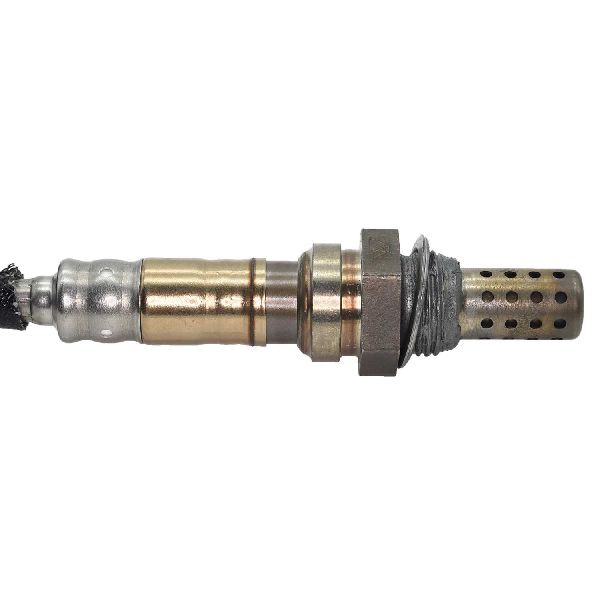
- Failed Downstream Oxygen Sensor (Bank 1, Sensor 2) 🔴 High Probability → Shop Oxygen Sensor Oxygen sensors are consumable parts operating in a harsh, high-temperature exhaust environment. The internal heater element is a common failure point, often shorting out or breaking, which leads to the 'Circuit High' reading detected by the PCM.
How to confirm: Disconnect the sensor and measure the resistance between the two heater circuit pins (often the two same-colored wires, e.g., two black or two white wires). A normal reading is typically between 2.0 and 30.0 ohms at room temperature. An infinite reading (open circuit) or zero ohms (short circuit) indicates a failed sensor.
Typical fix: Replace the Bank 1, Sensor 2 oxygen sensor. This is located on the passenger side, after the catalytic converter. Using a small amount of anti-seize on the threads is recommended, but avoid getting any on the sensor tip.
Est. part cost: $50 - $120 - Damaged Wiring or Connector 🟡 Medium Probability The wiring harness for the O2 sensor runs near hot exhaust components and the front driveshaft. Wires can melt and short to power if they come loose from their clips. On off-road vehicles like the Gladiator, the harness is also susceptible to rubbing against the fender liner or getting snagged by debris, causing chafing or broken wires.
How to confirm: Visually inspect the entire wiring harness from the sensor to the main loom. Look for melted insulation, chafing against the frame or driveshaft, and corrosion on connector pins. With the ignition on (engine off), disconnect the sensor and use a multimeter to check for battery voltage (approx. 12V) at the heater power pin on the vehicle-side connector.
Typical fix: Repair the damaged section of the wiring harness using solder and heat-shrink tubing or replace the connector pigtail. Secure the harness away from any potential chafe points.
Est. part cost: $5 - $50 - PCM Software or Hardware Fault ⚪ Low Probability Multiple TSBs (e.g., #18-065-24 REV. A) list P0038 with all other heater codes, and the fix can involve a PCM reflash. This indicates that the control logic itself can sometimes misinterpret sensor data or that a broader electrical issue (like a shared ground) is at fault, which the PCM flags as multiple sensor failures.
How to confirm: This is difficult to confirm without a dealer-level scan tool. The primary symptom is all four O2 heater circuit high codes (P0032, P0038, P0052, P0058) appearing at the same time. If new sensors and verified wiring do not fix the code, check with a dealer for any available PCM updates.
Typical fix: Update the PCM software at a dealership. In very rare cases of a persistent single-sensor code after replacing the sensor and checking wiring, the PCM driver for that sensor may have failed, requiring PCM replacement.
Est. part cost: $100 - $1000+
Rare But Worth Checking
- Blown Fuse: The O2 sensor heater circuits are protected by a fuse. While a blown fuse more commonly causes a 'low' or 'open' circuit code, an intermittent short could potentially blow the fuse and cause erratic readings. It's a quick and easy check in the vehicle's fuse box.
- Bad Ground Connection: As reported by owners of platform-mates (Wrangler JK/JL), a corroded or loose ground point for the O2 sensor harness can cause all four heater circuit codes to appear simultaneously. The ground is often located on the engine block or frame rail on the passenger side.
Diagnosis Steps
- Scan the PCM for all stored trouble codes. Note if P0038 appears alone or with other O2 heater codes (P0032, P0052, P0058). If all four are present, suspect a systemic issue like a ground or PCM software.
- Locate the Bank 1, Sensor 2 oxygen sensor. On the Gladiator 3.6L, this is on the passenger side, downstream of the catalytic converter.
- Perform a thorough visual inspection of the sensor's wiring harness and connector. Look for signs of melting from exhaust contact, chafing against the frame or driveshaft, or corrosion.
- With the ignition on and engine off, disconnect the sensor and use a multimeter to test for battery voltage (approx. 12V) at the heater power pin on the vehicle-side connector.
- Check the sensor's internal heater circuit. Set the multimeter to measure resistance (Ohms). Measure across the two heater pins on the sensor itself (usually the two wires of the same color). A good sensor typically reads between 2.0 and 30.0 ohms. An open circuit (OL) or short (0 ohms) confirms the sensor is bad.
- If wiring and voltage are good, and the sensor tests within spec (or a new sensor doesn't fix the code), check for a bad ground connection, especially if multiple O2 codes are present.
- If all else fails, consult a dealer to check for applicable PCM software updates as per TSBs like #18-065-24 REV. A.
Parts You'll Likely Need
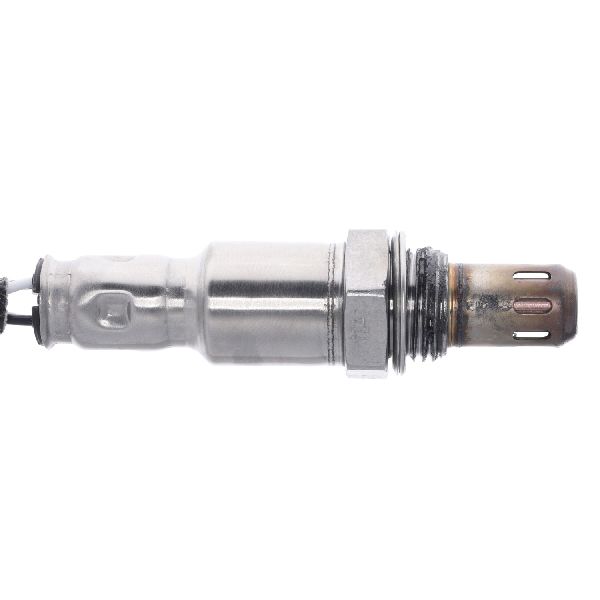
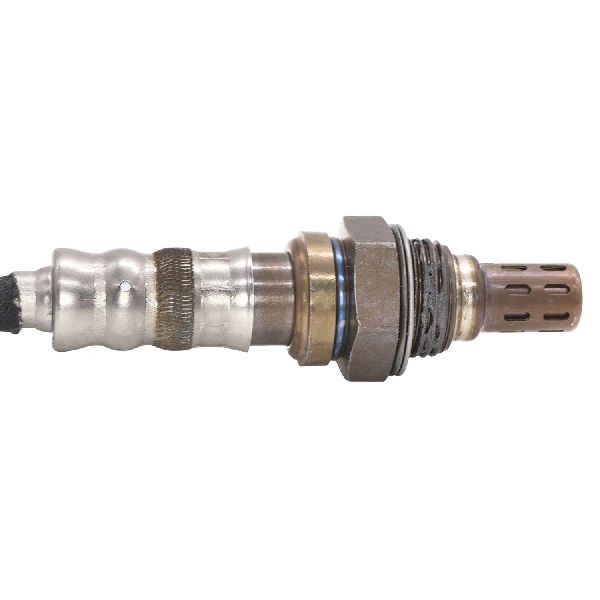
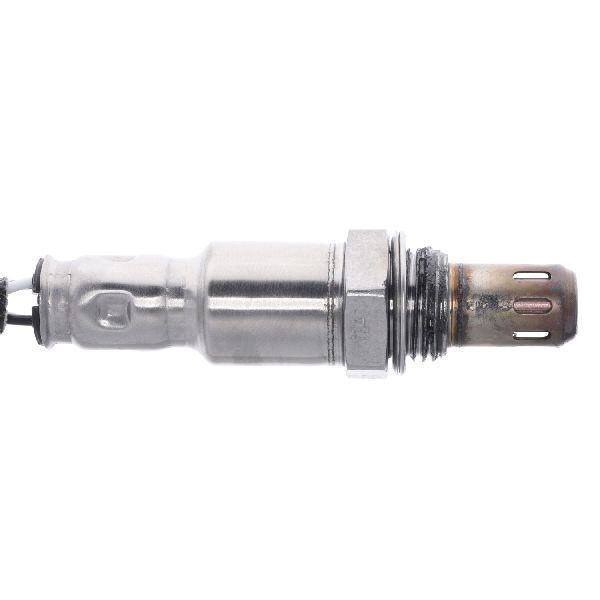
- Downstream Oxygen Sensor (Bank 1, Sensor 2)
(OEM #68224424AA)— This is the most common failure point for an isolated P0038 code. The internal heater element shorts out or fails. This Mopar part number is listed for multiple positions on various Jeep/Dodge/Ram vehicles with the 3.6L engine, serving as both upstream and downstream sensors.
Trusted brands: Mopar, NTK/NGK, Denso, Bosch, Walker
OEM price range: $80-$120
Aftermarket price range: $50-$100
Related Codes That Often Appear With This One
- P0032 — Heater Circuit High for Bank 1, Sensor 1. Often appears with P0038 due to a shared ground, wiring issue, or a common PCM fault as noted in TSB #18-065-24 REV. A.
- P0052 — Heater Circuit High for Bank 2, Sensor 1. Often appears with P0038 due to a shared ground, wiring issue, or a common PCM fault as noted in TSB #18-065-24 REV. A.
- P0058 — Heater Circuit High for Bank 2, Sensor 2. Often appears with P0038 due to a shared ground, wiring issue, or a common PCM fault as noted in TSB #18-065-24 REV. A.
- P0300 — Multiple Cylinder Misfire. TSB #18-071-22 REV. C links misfire codes with O2 heater circuit faults, suggesting a potential underlying electrical or PCM logic problem affecting both systems. A Gladiator owner also reported misfire codes appearing after an initial O2 sensor code.
Technical Service Bulletins (TSBs) & Recalls
- Bulletin #18-065-24 REV. A: Mentions P0038 in a list of O2 sensor heater circuit high DTCs that may be resolved with a PCM software update.
- Bulletin #18-071-22 REV. C: Associates P0038 and other heater codes with a P0300 multiple cylinder misfire code, suggesting a deeper electrical issue.
- Bulletin #18-006-26 REV.A: Lists P0038 among several other DTCs that may be present and fixed by a PCM reflash.
- Bulletin #18-006-26: An earlier revision that also includes P0038.
- Bulletin #1807122REVB: An earlier revision of #18-071-22 REV. C, also linking P0038 to misfires.
Platform-Specific Known Issues
- A pattern of all four O2 sensor heater circuit high codes (P0032, P0038, P0052, P0058) being set simultaneously has been noted by owners and addressed in manufacturer TSBs. In these cases, the root cause is unlikely to be four simultaneously failed sensors. The problem is more likely a shared bad ground connection or a PCM software anomaly requiring an update.
Mechanic-Grade Diagnostic Values
- O2 Sensor Heater Element Resistance — expected: 2.0 to 30.0 ohms (measured at approx. 70°F / 21°C). Failure: A reading of infinite resistance (Open Loop) or near zero ohms (short circuit).
- O2 Sensor Heater Control Circuit Voltage (at harness connector) — expected: Approximately 12V (battery voltage) with ignition on, engine off.. Failure: No voltage or significantly lower voltage, indicating an open in the power supply circuit or a blown fuse.
Scan Tool Commands That Help
- wiTECH or equivalent professional scan tool: O2 1/2 Heater Test — This bidirectional command allows a technician to manually actuate the Bank 1 Sensor 2 heater circuit. It is used with the sensor disconnected and a test light connected to the harness to verify that the PCM is capable of controlling the circuit and that the wiring from the PCM is intact.
Wiring & Ground Locations
- (K299) O2 1/2 Heater Control Circuit — The wire running from the PCM (Powertrain Control Module) to the Bank 1 Sensor 2 O2 sensor connector.. This is the specific circuit the PCM monitors. A short to voltage on this wire will directly cause a P0038 code.
- (Z906) O2 1/2 Heater Ground Circuit — The ground wire for the heater element, running from the O2 sensor connector to a chassis or engine ground point.. An open or corroded ground circuit can cause erratic voltage readings and may contribute to multiple O2 sensor codes appearing at once.
- Shared O2 Sensor Ground — On similar Jeep platforms, this is often a ground wire bolted to the engine block or frame on the passenger side, near the oil pan and other sensors.. This shared ground is a common failure point due to corrosion. Its failure often causes all four O2 heater circuit codes (P0032, P0038, P0052, P0058) to appear simultaneously, as confirmed by owner repair stories.
Real Owner Repair Stories
- YouTube user 'David car repair' (2010 Jeep Wrangler JK (similar platform, demonstrates common Jeep issue)) — Check engine light with codes for all four oxygen sensor heaters (P0032, P0038, P0052, P0058).
❌ Tried (didn't work) Replacing two of the oxygen sensors did not fix the problem.
✅ What actually fixed it The technician found a corroded ground wire for the O2 sensor harness on the passenger side of the vehicle. The wires had broken from corrosion. Repairing the ground connection by cleaning the wires and securing them with a new bolt resolved all four codes. - JL Wrangler Forums user 'pedalbob' (2019 Jeep Wrangler JLU Rubicon (same platform as Gladiator)) — Check engine light appeared after driving on a rough, washboard road, setting all four O2 heater codes (P0032, P0038, P0052, P0058) at once.
❌ Tried (didn't work) Clearing the codes resulted in them returning after more driving on rough roads.
✅ What actually fixed it The user suspected a bad ground connection was jarred loose by the vibration, which is the most likely cause for all four codes appearing simultaneously. The thread confirms this is a known pattern for the platform.
OEM Part Supersession History
68224424AA→N/A— This is the current part number.
Heads up: While part number 68224424AA is correct for the Bank 1 Sensor 2 position on the 3.6L Gladiator, it is not universal for all four sensors. On the related JL Wrangler platform, the Bank 2 Sensor 1 (driver's side, upstream) requires a different part number (68291423AB) due to a longer integrated wiring harness. Always verify the part number for the specific position before ordering.
Model Year Variations Within This Range
- 2024: The 2024 Gladiator received a mid-cycle refresh including a new grille, a standard 12.3-inch Uconnect 5 touchscreen, and a windshield-integrated antenna. The 3.6L V6 remains the only engine. There is no evidence from service data or owner reports to suggest this refresh altered the causes or diagnostic procedures for code P0038.
Helpful Videos

![How to Fix JEEP P0038 Engine Code in 2 Minutes [1 DIY Method / Only $19.71]](https://img.youtube.com/vi/Cz_YBuXhMQs/mqdefault.jpg)
We Have This Part in Stock

The information in this article is provided for general reference and educational purposes only. Vehicle specifications, procedures, and part compatibility can vary by production date, trim level, and region. Always consult your vehicle's factory service manual and verify part numbers before purchasing or performing repairs. Safety-critical components such as airbags, seat belts, and braking systems should be installed by a qualified professional.
- Jeep GLADIATOR:
- 🧭 Diagnostic Flowchart
- 🎬 Helpful Videos
- 🛍️ Shop This Part
- What's Unique About the 2021-2024 Jeep GLADIATOR
- Symptoms You May Notice
- Most Likely Causes
- Rare But Worth Checking
- Diagnosis Steps
- Parts You'll Likely Need
- Related Codes That Often Appear With This One
- Technical Service Bulletins (TSBs) & Recalls
- Platform-Specific Known Issues
- Mechanic-Grade Diagnostic Values
- Scan Tool Commands That Help
- Wiring & Ground Locations
- Real Owner Repair Stories
- OEM Part Supersession History
- Model Year Variations Within This Range
- 🎟️ Get 5% Off