

P0042 on 2014-2016 Jaguar F-TYPE: HO2S Heater Circuit Causes and Fixes
This code indicates a fault in the heater circuit for the Bank 1, Sensor 3 oxygen sensor. The most common fix is replacing the sensor itself, which is located downstream of the catalytic converter. However, due to multiple Jaguar Technical Service Bulletins and a widespread extended warranty, wiring issues and software updates should also be considered as potential causes or solutions.
- P0042 points to a fault in the heater circuit for the oxygen sensor on the passenger side, after the catalytic converter (Bank 1, Sensor 3).
- The most common fix is replacing the sensor (OEM Part C2D54167), but owners should first check if their vehicle is covered by Jaguar's 15-year/150k-mile extended O2 sensor warranty.
- A software update under Service Action H231 may be required, as the original PCM software was known to be overly sensitive.
- Before purchasing parts, check fuse F12 and F13 in the engine bay and inspect the sensor's wiring for heat damage.
What's Unique About the 2014-2016 Jaguar F-TYPE
Jaguar Land Rover (JLR) has issued multiple Technical Service Bulletins (TSBs) that include the P0042 code for this specific vehicle range. [SSM72477, JTB-00392-NAS-3, JTB00392NAS1] These bulletins group P0042 with a wide array of other oxygen sensor codes, suggesting a known pattern of issues. More importantly, JLR acknowledged high failure rates by issuing Service Action H231, which involves a Powertrain Control Module (PCM) software update to address overly sensitive fault detection for O2 sensors on 2014-2016 F-TYPEs. Furthermore, JLR North America launched an extensive Oxygen Sensor Extended Warranty program, covering these vehicles for up to 15 years or 150,000 miles, which includes the sensors and related software updates. This indicates a systemic issue rather than just isolated component failures.
Diagnostic Flowchart
Tap your situation to follow the diagnostic path that matches what you're seeing on this vehicle.
Symptoms You May Notice
- Check Engine Light (Malfunction Indicator Lamp) is on.
- Failure to pass an emissions inspection.
- Potentially reduced fuel economy, especially during the first few miles after a cold start.
- Rough idle or slight engine hesitation, particularly on cold starts.
- Unusual exhaust odor due to a rich air-fuel mixture.
- Replacing the wrong oxygen sensor. The F-TYPE has up to six O2 sensors (three per bank). It is critical to correctly identify Bank 1 (passenger side) and Sensor 3 (post-catalytic converter, furthest downstream) before replacing any parts.
- Replacing the sensor when the root cause is a software issue. Given the existence of Service Action H231, it's possible the sensor is functioning correctly but the PCM software is misinterpreting the data.
Most Likely Causes
- Failed Bank 1, Sensor 3 Oxygen Sensor 🔴 High Probability → Shop Oxygen Sensor Oxygen sensors are wear-and-tear components exposed to extreme heat. JLR has acknowledged high failure rates through a massive extended warranty program covering O2 sensors and related software on these models for up to 15 years/150,000 miles.
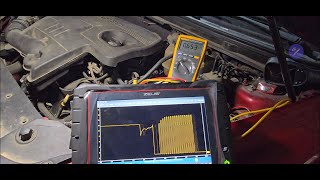
How to confirm: Test the resistance of the sensor's heater circuit with a multimeter. A healthy sensor should have a stable resistance reading, for example, one forum user noted a good sensor read 2.6 ohms. A faulty sensor might show an open circuit (infinite resistance, 'OL') or a wildly fluctuating reading. The heater circuit wires are typically the two wires of the same color on the sensor's pigtail.
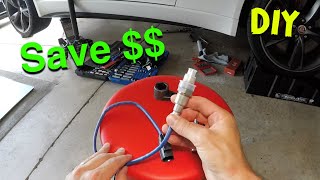
Typical fix: Replace the Bank 1, Sensor 3 oxygen sensor. This sensor is located on the passenger side (right side), downstream of the catalytic converter. Access is relatively straightforward, often not requiring removal of underbody panels. 🎬 See this DIY walkthrough for replacing the F-Type oxygen sensor.
Est. part cost: $70-$280 - Wiring Harness or Connector Damage 🟡 Medium Probability The manufacturer TSBs group many O2 sensor codes together, which can point to a common wiring harness issue. The wiring is routed near hot exhaust components and can be susceptible to melting, chafing, or corrosion. One owner was told by a dealer that a frayed wire was likely caused by a rodent, though this was disputed.
How to confirm: Visually inspect the wiring and connector for the Bank 1, Sensor 3 O2 sensor. Look for any signs of melting, chafing, corrosion, or loose pins. Perform a continuity test on the heater circuit wires from the sensor connector back to the ECM.
Typical fix: Repair the damaged section of the wiring harness or replace the connector pigtail. Use weatherproof connectors and consider applying dielectric grease to prevent future corrosion.
Est. part cost: $15-$50 - Blown Fuse for O2 Sensor Heater Circuit ⚪ Low Probability → Shop Oxygen Sensor
How to confirm: Locate the engine compartment fuse box. For 2013-2017 models, fuse F12 (20A) protects the right-side oxygen sensors, and fuse F13 (20A) protects the catalyst oxygen sensor. Visually inspect the fuse to see if it is blown. If a fuse is blown, it likely indicates a short circuit in the wiring or sensor that caused it.
Typical fix: Replace the blown fuse. If the fuse blows again immediately, it indicates a short circuit in the wiring or within one of the O2 sensors that must be diagnosed and repaired.
Est. part cost: $1-$5 - Outdated Powertrain Control Module (PCM) Software ⚪ Low Probability → Shop Engine Control Module (ECM) Jaguar issued Service Action H231 specifically to update the PCM software on 2014-2016 F-TYPEs because the original software was too sensitive in detecting O2 sensor faults. A forum user mentioned their light appeared after a car wash and then disappeared, and they were told an earlier software update was created to fix this over-sensitivity.
How to confirm: A Jaguar dealer or a specialized shop with access to JLR's diagnostic system (SDD or Pathfinder) can check the vehicle's software version against the latest available version referenced in TSBs like H231 or JTB-00392-NAS-3.
Typical fix: Have an authorized Jaguar retailer update the Powertrain Control Module (PCM) software to the latest level. This was often performed in conjunction with a sensor replacement under warranty.
Est. part cost: $0 (if under warranty/campaign) - $250
Rare But Worth Checking
- Engine Control Module (ECM) Fault: → Shop Engine Control Module (ECM) This is very rare. Before condemning the ECM, all other possibilities, especially the sensor, its wiring, the fuse, and software must be exhaustively ruled out. A failure of the internal driver transistor within the PCM that controls the heater circuit can trigger P0042.
Diagnosis Steps
- Read the code with an OBD-II scanner and confirm that P0042 is present.
- Check with a Jaguar dealer if your VIN is covered by the Oxygen Sensor Extended Warranty or Service Action H231. This could result in a free repair.
- Visually inspect the Bank 1, Sensor 3 oxygen sensor, its connector, and its wiring harness. This sensor is on the passenger side, after the catalytic converter. Look for any obvious damage, melting, or corrosion.
- Check fuse F12 (20A) and F13 (20A) in the engine compartment fuse box. Replace if blown.
- If the fuse and wiring appear intact, disconnect the sensor and test the resistance of the heater circuit pins on the sensor side using a multimeter. A reading outside the typical 2-15 ohms (e.g., a stable 2.6 ohms is good) or an open circuit (OL) indicates a bad sensor.
- If the sensor's resistance is good, test for voltage at the harness-side connector with the key on, engine off. You should have approximately 12V battery voltage on one of the heater circuit pins.
- If voltage is missing, trace the wiring back towards the ECM to find the open or short circuit, paying close attention to areas near the exhaust for heat damage.
- If the sensor, wiring, and fuse all test good, the fault may be due to outdated PCM software. Consult a dealer about Service Action H231.
- If all else fails, the fault may lie within the ECM, though this is the least likely cause.
Parts You'll Likely Need
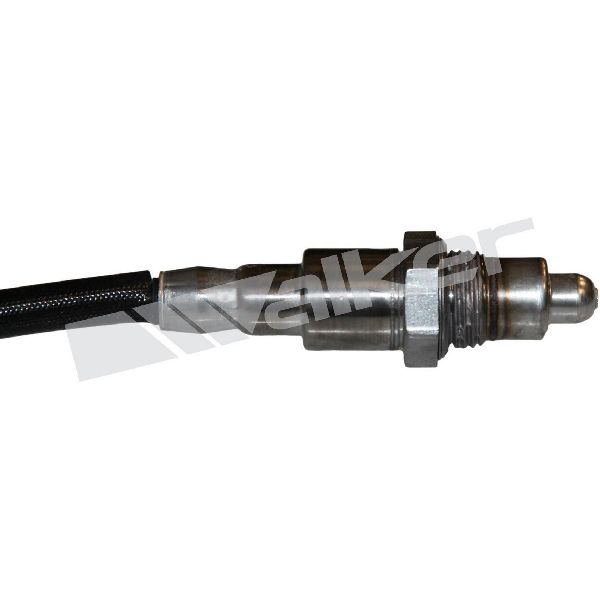
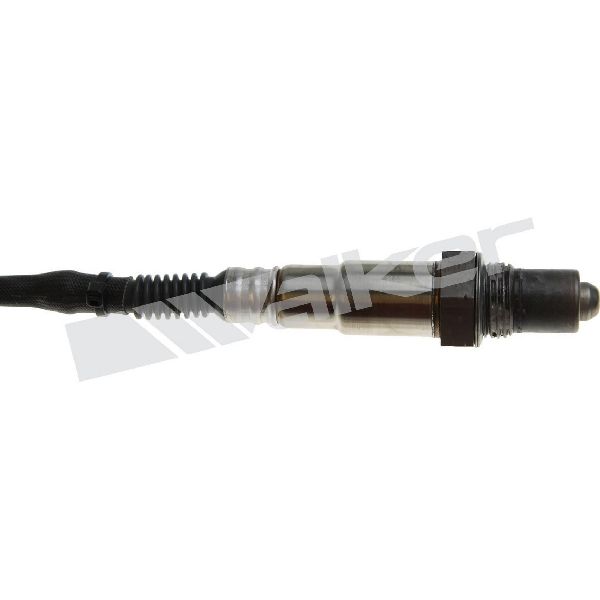
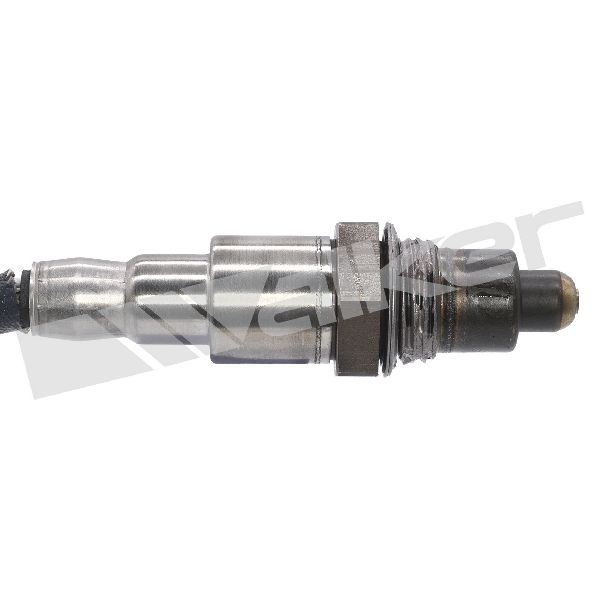
- Oxygen Sensor (Bank 1, Sensor 3)
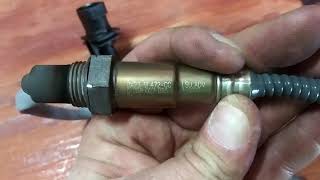
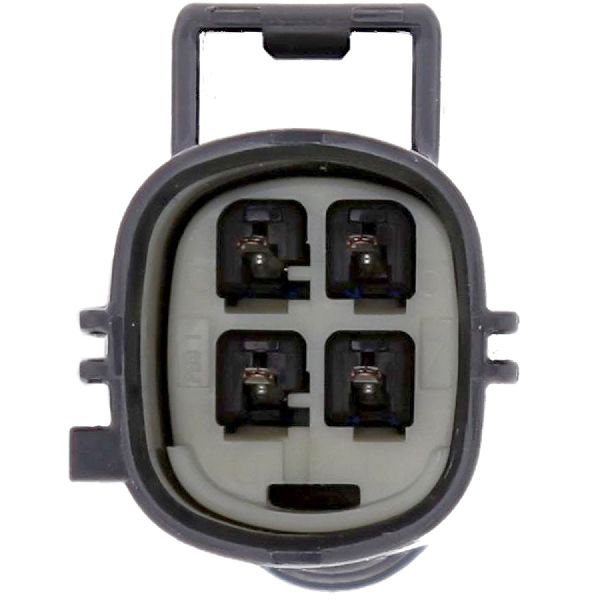
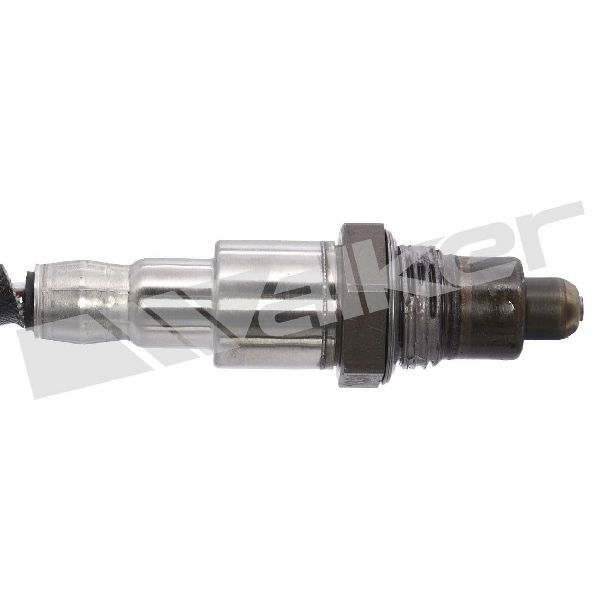
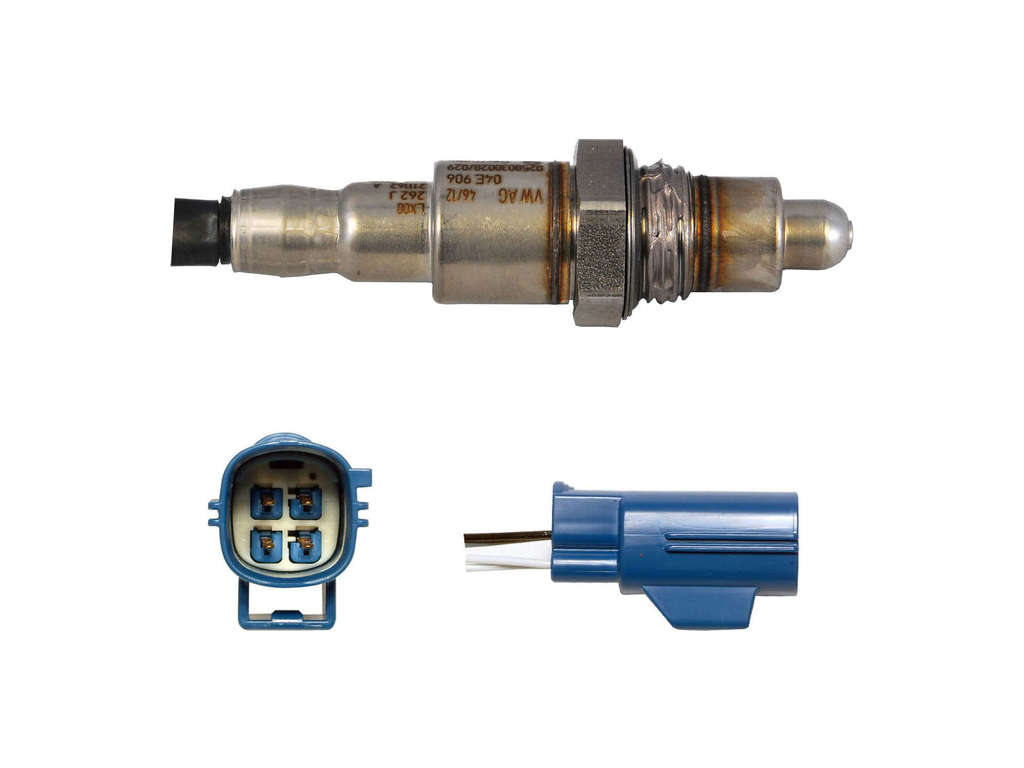
(OEM #C2D54167)— The internal heater element is the most common failure point for this code. This sensor is located post-catalytic converter. The part number is confirmed across multiple parts sites and forums. Superseding part numbers may include T2R54607 and C2D23703.
Trusted brands: Jaguar (OEM), Denso (often the OEM supplier, part 234-4794 is a cross-reference)., Bosch
OEM price range: $180-$300
Aftermarket price range: $70-$150
Related Codes That Often Appear With This One
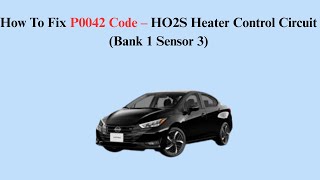
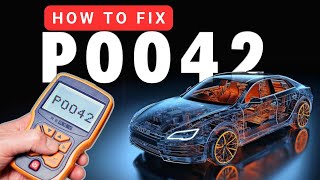
- P0142 — P0142 indicates a fault with the sensor circuit itself (not just the heater). A forum user with a 2016 F-Type reported seeing both P0042 and P0142 together, which strongly pointed to a complete failure of the same Bank 1, Sensor 3 component. 🎬 Watch: A helpful guide on fixing the P0042 fault code.
- P0043 — This code indicates the heater circuit voltage is low, which is a more specific version of the general circuit fault indicated by P0042.
- P0044 — This code indicates the heater circuit voltage is high, which is another specific fault within the same circuit that P0042 monitors.
Technical Service Bulletins (TSBs) & Recalls
- SSM72477: Mentions P0042 in a list of faults related to pre, mid, or post-catalyst heated oxygen sensors.
- JTB-00392-NAS-3: Lists P0042 as a DTC relevant to mid-catalyst and post-catalyst heated oxygen sensors (HO2S) and guides technicians on diagnosis, which may include a software update.
- JTB00392NAS1: Similar to the above, lists P0042 as a DTC for mid and post-catalyst HO2S.
- H231: A Service Action specifically for 2014-2016 F-TYPEs to update PCM software to correct over-sensitive O2 sensor fault detection.
Platform-Specific Known Issues
- Oxygen Sensor Extended Warranty: → Shop Oxygen Sensor JLR North America extended the warranty on O2 sensors for many 2013-2017 models, including the F-TYPE with V6 and V8 engines, to 15 years or 150,000 miles. This covers parts, labor, and required software updates. Owners should contact a dealer with their VIN to check for eligibility.
- Service Action H231: Jaguar issued this service action for 2014-2016 F-TYPEs (VINs K00075-K29712) to update the Powertrain Control Module (PCM) software because it was overly sensitive in detecting O2 sensor faults. A dealer can check if this update has been applied.
Mechanic-Grade Diagnostic Values
- Heated Oxygen Sensor Heater Resistance — expected: Generally between 2 and 25 ohms, depending on the specific sensor and temperature. A post-cat sensor on a similar JLR vehicle was expected to be between 11.7 and 14.5 ohms.. Failure: A reading of 0 ohms (short circuit) or OL/infinite ohms (open circuit) indicates a failed heater element.
- Voltage at Harness Connector (Heater Power Supply) — expected: Approximately 12V (battery voltage) with the ignition on, engine off.. Failure: Significantly less than 12V or no voltage suggests a problem with the fuse or wiring leading to the sensor, not the sensor itself.
- Voltage Drop at Engine Ground Strap — expected: Well under 0.5V (500mV) while cranking the engine.. Failure: A higher voltage reading indicates a poor ground connection, which can cause numerous electrical issues, including sensor faults.
Scan Tool Commands That Help
- Jaguar SDD (Symptom Driven Diagnostics): Recommendations / Unrelated Events — After reading DTCs, the 'Recommendations' function may point to a relevant TSB or a required software update (reflash) before part replacement. Some codes may only appear under 'Unrelated Events' if they don't match the primary symptom entered.
- Jaguar SDD (Symptom Driven Diagnostics): Configure existing powertrain control module — This function is used to apply software updates to the PCM, such as the one specified in Service Action H231 to correct over-sensitive O2 sensor fault logic.
- Jaguar SDD / Pathfinder: Live Data Monitoring (Datalogger) — To observe the live voltage and heater status of all oxygen sensors. This can help confirm if the heater for Bank 1 Sensor 3 is failing to activate or is showing erratic behavior compared to the equivalent sensor on Bank 2.
Wiring & Ground Locations
- Bank 1 Sensor 3 Connector — On the right (passenger) side of the gearbox/transmission. The sensor is in the exhaust pipe after the catalytic converter, and its wire leads up to a connector on the side of the transmission.. This is the primary connector to inspect for corrosion or damage and to perform electrical tests (resistance, voltage) for P0042.
- G1D132D — A ground point located on the right side of the rear engine compartment, per 2014 F-Type wiring diagrams.. The Engine Control Module (ECM) and its related sensors rely on clean, secure ground connections. A faulty ground in this area could potentially cause erratic sensor readings or circuit faults.
- Engine Ground Strap — A large braided strap located under the car, connecting the engine/transmission to the chassis frame, typically on the right (passenger) side below the starter.. This is the main ground for the entire engine block. Corrosion or a loose connection here can cause a wide range of difficult-to-diagnose electrical problems, including sensor heater circuit faults.
Real Owner Repair Stories
- JaguarForums user 'Jokubas' (2016 Jaguar F-type V6 S AWD Convertible) — Check Engine Light on, codes P0042 and P0142 present.
❌ Tried (didn't work) Clearing the code (it returned on the next drive)., Replacing the Bank 1 Sensor 3 with a Bosch sensor from NAPA; the light came back on the next day.
✅ What actually fixed it The user took the car to a specialist who performed a software update on the car. After the software update, the issue was resolved and had not returned after 24,400 miles. This strongly suggests the root cause was the over-sensitive software logic addressed by Jaguar's service actions. - JaguarForums user 'Whatsnext' (2014-2016 F-Type (details not specified)) — Check Engine Light on with code P0042.
✅ What actually fixed it The Check Engine Light turned off by itself after a couple of drives. Another user ('lizzardo') noted that a software update was released in the early model years because the fault detection for the sensors was too sensitive, especially after events like a car wash. The intermittent nature of the fault suggests a software sensitivity issue rather than a hard failure.
OEM Part Supersession History
C2D23703→C2D54167, which was then superseded by T2R54607.— Standard part evolution for improved reliability or manufacturing changes.
Heads up: While the sensors themselves may be physically identical for left and right banks, the connectors are often 'handed' (mirror images) and will not interchange. It is critical to order the part for the correct bank.
Model Year Variations Within This Range
- 2014-2016: The original Powertrain Control Module (PCM) software on models with VINs K00075-K29712 was overly sensitive to O2 sensor faults. Jaguar issued Service Action H231 to update this software. Later models or updated vehicles are less likely to throw this code erroneously.
Helpful Videos
We Have This Part in Stock

The information in this article is provided for general reference and educational purposes only. Vehicle specifications, procedures, and part compatibility can vary by production date, trim level, and region. Always consult your vehicle's factory service manual and verify part numbers before purchasing or performing repairs. Safety-critical components such as airbags, seat belts, and braking systems should be installed by a qualified professional.
- Jaguar F-TYPE:
- 🧭 Diagnostic Flowchart
- 🎬 Helpful Videos
- 🛍️ Shop This Part
- What's Unique About the 2014-2016 Jaguar F-TYPE
- Symptoms You May Notice
- Most Likely Causes
- Rare But Worth Checking
- Diagnosis Steps
- Parts You'll Likely Need
- Related Codes That Often Appear With This One
- Technical Service Bulletins (TSBs) & Recalls
- Platform-Specific Known Issues
- Mechanic-Grade Diagnostic Values
- Scan Tool Commands That Help
- Wiring & Ground Locations
- Real Owner Repair Stories
- OEM Part Supersession History
- Model Year Variations Within This Range
- 🎟️ Get 5% Off