

P0054 on 2013-2016 Jaguar XJ: Heater Resistance Fault Causes and Fixes
P0054 on a 2013-2016 Jaguar XJ indicates a fault with the heater circuit in the Bank 2, Sensor 2 oxygen sensor. This is the middle sensor on the driver's side exhaust. The most common fix is replacing the sensor itself, which often fails due to a burnt-out internal heater. Expect to pay $70-$150 for an aftermarket sensor or $270+ for OEM. A PCM software update is also recommended by Jaguar to prevent future failures.
- P0054 points to the heater in the middle oxygen sensor on the driver's side exhaust.
- The most likely cause is a failed sensor, a known issue on these cars.
- Do not replace any parts without first testing the sensor's heater resistance with a multimeter.
- A crucial part of the repair is updating the PCM software after sensor replacement, as recommended by Jaguar, to prevent the new sensor from failing prematurely.
What's Unique About the 2013-2016 Jaguar XJ
Unlike many vehicles that use four oxygen sensors, the 2013-2016 Jaguar XJ with the V6 and V8 engines uses a more complex six-sensor system (three per side). P0054 points to the 'mid-catalyst' sensor (Sensor 2), not the final 'post-catalyst' sensor (Sensor 3). This can cause confusion, as technicians might mistakenly replace the wrong one. Jaguar issued Technical Service Bulletins (TSBs) for these vehicles acknowledging issues with these sensors, citing potential software errors and thermal shock from water contact as causes. The recommended fix involves replacing the specific failed sensor and then performing a PCM software update to prevent recurrence.
Diagnostic Flowchart
Tap your situation to follow the diagnostic path that matches what you're seeing on this vehicle.
Symptoms You May Notice
- Check Engine Light is on
- Reduced fuel economy
- Rough idle, particularly when the engine is cold
- Failure to pass an emissions test
- Hesitation during acceleration before the engine is fully warm.
- Replacing the wrong sensor (e.g., replacing Sensor 1 or Sensor 3, or replacing a sensor on Bank 1).
- Replacing the catalytic converter when the issue is only with the sensor's heater circuit.
- Replacing the sensor but failing to perform the recommended PCM software update, leading to a repeat failure.
Most Likely Causes
- Failed Oxygen Sensor 🔴 High Probability → Shop Oxygen Sensor The original equipment Bosch sensors on this platform were known for premature heater element failure. Jaguar TSBs suggest this can be caused by thermal shock when water contacts the hot sensor element. TSB SSM72477 was issued specifically to investigate these failures, noting that diagnosis often points to the sensor itself after wiring is ruled out.
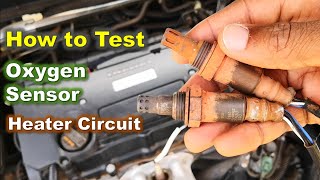
How to confirm: Disconnect the sensor and measure the resistance between the two heater circuit pins (often the two same-colored wires) with a multimeter. A reading 🎬 Watch: A quick guide on testing oxygen sensor heater circuits. that is open-circuit (infinite resistance, 'OL') or far from the typical 4-10 ohm range indicates a failed heater.
Typical fix: Replace the Bank 2, Sensor 2 oxygen sensor. After replacement, clear the codes. A PCM software update should be performed per TSB JTB-00392-NAS-3 to prevent a repeat failure.
Est. part cost: $70-$290 - Damaged Wiring or Connector 🟡 Medium Probability The wiring harness is routed near the hot exhaust components and underbody, making it susceptible to melting, chafing, or corrosion over time. The catalytic converter can get hot enough to damage nearby wiring and connectors.
How to confirm: Visually inspect the wiring harness and connector for the Bank 2, Sensor 2 O2 sensor. Look for melted plastic, frayed wires, or corroded pins in the connector. Perform a continuity test on the heater circuit wires from the PCM connector to the sensor connector to check for opens or shorts.
Typical fix: Repair the damaged section of the wiring harness or replace the connector pigtail. Use heat-shrink tubing on repairs and ensure the harness is secured away from the exhaust. - Blown Fuse ⚪ Low Probability
How to confirm: The O2 sensor heater circuits are protected by fuses. Check the fuse boxes in the engine compartment and the luggage compartment. The owner's manual or a vehicle-specific diagram may be needed to identify the exact fuse, as documentation is inconsistent. On some older Jaguars, the heater circuit was tied to the fuel pump relay without a separate fuse.
Typical fix: Replace the blown fuse with one of the same amperage. If the new fuse blows immediately, it indicates a short circuit in the wiring that must be found and repaired.
Est. part cost: $1-$5
Rare But Worth Checking
- Powertrain Control Module (PCM) Fault: → Shop Engine Control Module (ECM) This is very rare. Before condemning the PCM, all other possibilities (sensor, wiring, fuses) must be exhaustively ruled out. The TSBs also recommend a software update, which should be performed before considering hardware replacement. A faulty PCM driver circuit is a possibility but should be the last item diagnosed.
Diagnosis Steps
- Read the code with an OBD-II scanner to confirm P0054 is present.
- Identify the correct sensor: Bank 2 (driver's side in US/LHD) and Sensor 2 (the middle sensor, located on the catalytic converter).
- Visually inspect the sensor's wiring harness and connector for any signs of melting, chafing, or corrosion.
- Check the fuse(s) for the oxygen sensor heater circuit in the engine bay and luggage compartment fuse boxes. If a fuse is blown, replace it and re-test. If it blows again, find the short circuit.
- If the wiring and fuse are good, disconnect the sensor connector. Use a multimeter to test the resistance across the two heater pins on the sensor side (usually same-colored wires). A healthy sensor will typically read between 4 and 10 ohms when cold. An infinite reading (OL) means the heater is burned out and the sensor must be replaced.
- With the key on and engine off, check for battery voltage at the heater power wire in the harness-side connector. It should be approximately 12V.
- If the sensor and wiring test good, the fault may be with the PCM, but this is unlikely. The next step should be to perform the PCM software update mentioned in TSB JTB-00392-NAS-3.
- Replace the faulty component, clear the trouble code, and perform a drive cycle to ensure the repair was successful.
Parts You'll Likely Need
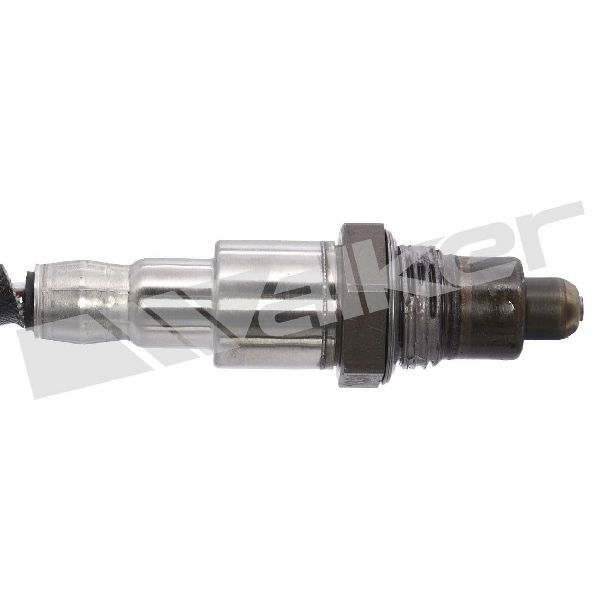
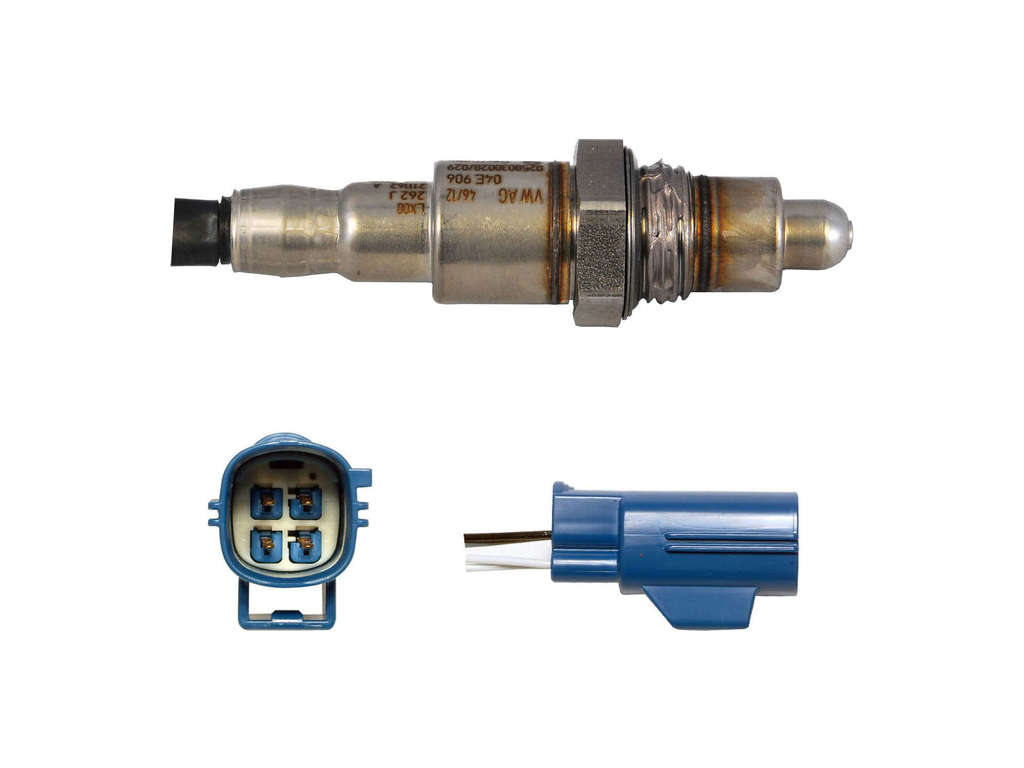
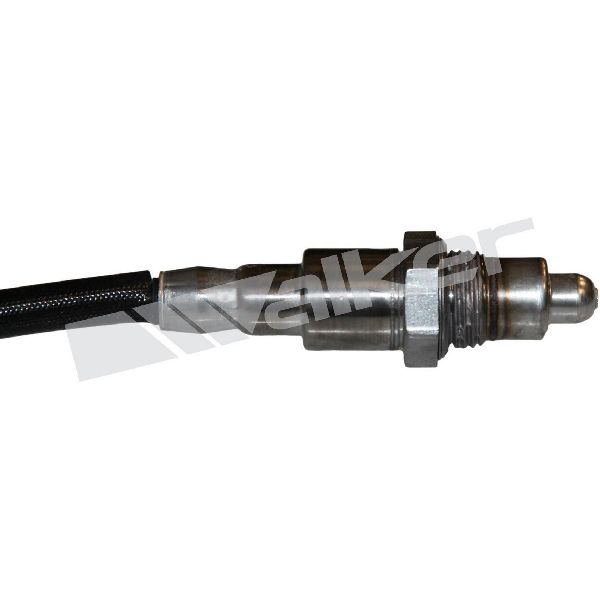
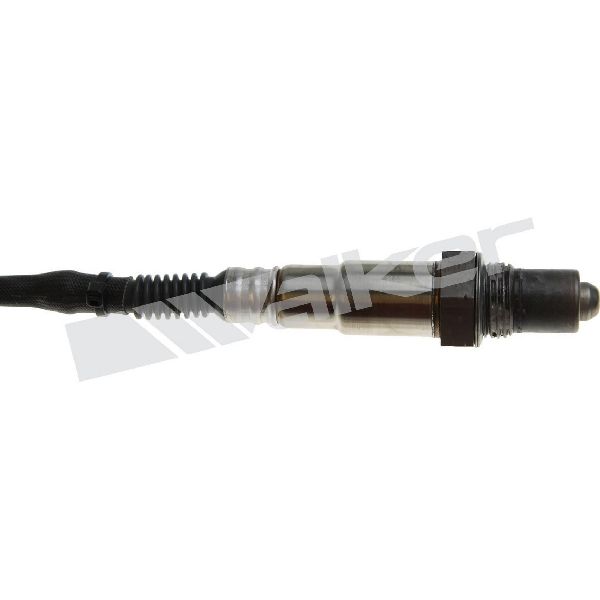
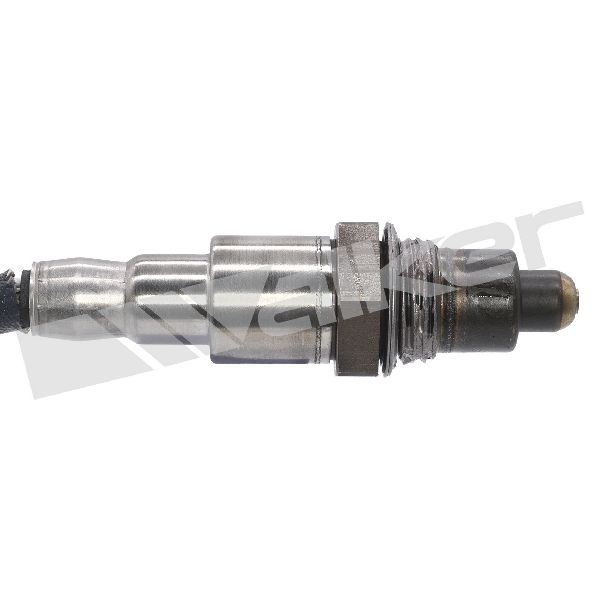
- Heated Oxygen Sensor (Bank 2, Sensor 2)
(OEM #T2R54607)— The internal heater element is the most common failure point for this code. This specific part number corresponds to the mid-catalyst sensor for the specified vehicle.
Trusted brands: Bosch (OEM), Denso, NTK, Walker
OEM price range: $270-$325
Aftermarket price range: $70-$150
Related Codes That Often Appear With This One
- P0062 — This code is for the Bank 2, Sensor 3 heater circuit. If wiring is damaged or a fuse is blown that affects multiple sensors on that bank, they can appear together.
- P0156 — This is a general circuit malfunction code for Bank 2, Sensor 2. It can accompany the more specific P0054 heater resistance code if the PCM detects both a resistance fault and a general circuit issue.
Technical Service Bulletins (TSBs) & Recalls
- JTB-00392-NAS-3: Notes that the Malfunction Indicator Lamp (MIL) may illuminate with P0054 (and other codes) stored. Recommends replacing only the specific sensor indicated by the code and then updating the PCM software. The TSB states the cause may be a software error.
- SSM72477: An earlier communication from Jaguar acknowledging a high rate of O2 sensor faults (including P0054) on 2015-2016 V6 and V8 models. It asks technicians to submit reports as the root cause was still under investigation, but confirms that the sensor itself was the most common point of failure after ruling out wiring.
Platform-Specific Known Issues
- Jaguar issued TSB JTB-00392-NAS-3, which applies to 2013-2016 models. It acknowledges that various HO2S codes, including P0054, can occur and outlines a repair process that involves replacing the affected sensor and then performing a PCM software update. The software update is intended to prevent future failures from thermal shock.
- The original equipment Bosch sensors were known to have a high premature failure rate, which prompted an extended warranty from the manufacturer on some vehicles.
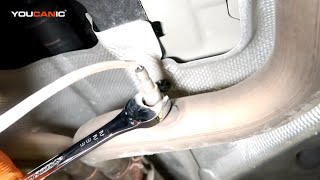
- Access to the Bank 2 sensors can be tight, often requiring the use of specialized offset O2 sensor sockets or crow's foot wrenches to remove and install. 🎬 See this walkthrough for replacing sensors on the Jaguar 3.0L engine.
Mechanic-Grade Diagnostic Values
- O2 Sensor Heater Element Resistance — expected: 4-10 Ohms when cold.. Failure: An open circuit (OL on multimeter) or resistance significantly outside the expected range indicates a failed heater element.
- Heater Circuit Supply Voltage — expected: Approximately 12.6 Volts (Battery Voltage). Failure: Low or no voltage at the sensor connector (harness side) with the key on, engine off, points to a blown fuse or a wiring issue upstream of the sensor.
- Heater Circuit Current Draw — expected: 0.5 - 1.5 Amps when energized. Failure: No current draw indicates an open circuit; excessive current draw indicates a short circuit.
Scan Tool Commands That Help
- Jaguar SDD (Symptom Driven Diagnostics): Configure existing module - Powertrain Control Module — This function is used to perform the software update on the PCM as recommended by TSB JTB-00392-NAS-3 after replacing a faulty oxygen sensor to prevent repeat failures.
- Jaguar SDD (Symptom Driven Diagnostics): Service Functions / Recommendations — After reading DTCs, the 'Recommendations' tab in SDD will often link directly to relevant TSBs and guide the technician to the correct procedure, such as pinpoint tests or module configuration.
- Jaguar SDD / Pathfinder: Body systems - Enable Protected Outputs — If a persistent short circuit is detected in a system like the O2 heater circuit, a control module (like the BCM) may enter a self-protection mode and disable the output. This function is used to re-enable the driver after the short has been repaired. This is more likely to be associated with a U-code like U1000-00 but is a relevant advanced diagnostic step for electrical faults.
Wiring & Ground Locations
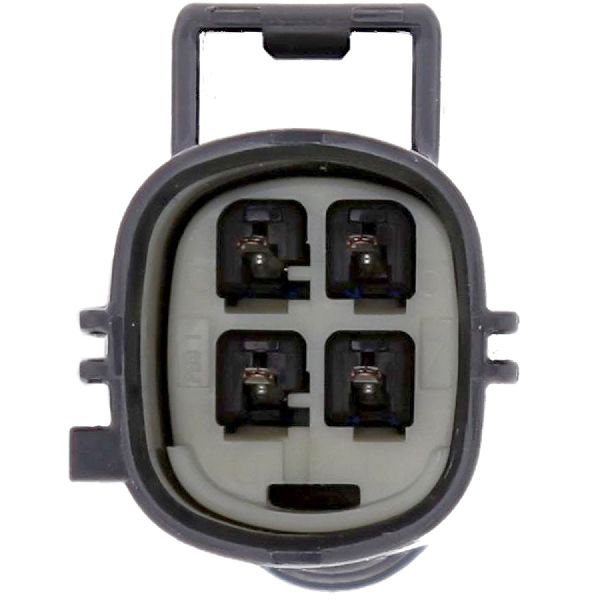
- Bank 2 HO2S Harness Connector — On the vehicle's wiring harness, connecting to the Bank 2 (Driver's Side) oxygen sensors.. Knowing the wire colors is crucial for testing. For Bank 2, Pin 1 (Blue with yellow stripe) is heater ground and Pin 2 (White with red stripe) is heater power. Testing for voltage and continuity at these specific pins can isolate the fault to the sensor or the vehicle wiring.
- Main Engine/Chassis Grounds — Key ground straps are located on both the driver's and passenger's side of the engine bay, connecting the chassis to brackets near the engine.. A corroded or loose main engine ground can create a poor ground path for multiple components, including the oxygen sensor heater circuits. This can cause erratic sensor behavior and resistance faults. Cleaning these grounds is a good practice when diagnosing persistent electrical issues.
OEM Part Supersession History
C2D23703→T2R54607— Part revision by the manufacturer, likely to improve reliability and address the high failure rate of the original sensors.C2D54167→T2R54607— Part revision by the manufacturer. This was another part number used for the same sensor that was also replaced by the latest version.
Model Year Variations Within This Range
- 2013-2019: Starting in the 2013 model year, the XJ received the 3.0L Supercharged V6 as a new engine option and the 8-speed automatic transmission became standard across all models, replacing the previous 6-speed.
- 2016: The 2016 model year featured a facelift with revised exterior lighting (including J-Blade rear lights) and an updated InControl Touch Pro infotainment system. These changes are primarily cosmetic and electronic and do not alter the fundamental cause of the P0054 code.
Helpful Videos

We Have This Part in Stock

The information in this article is provided for general reference and educational purposes only. Vehicle specifications, procedures, and part compatibility can vary by production date, trim level, and region. Always consult your vehicle's factory service manual and verify part numbers before purchasing or performing repairs. Safety-critical components such as airbags, seat belts, and braking systems should be installed by a qualified professional.
- Jaguar XJ:
- 🧭 Diagnostic Flowchart
- 🎬 Helpful Videos
- 🛍️ Shop This Part
- What's Unique About the 2013-2016 Jaguar XJ
- Symptoms You May Notice
- Most Likely Causes
- Rare But Worth Checking
- Diagnosis Steps
- Parts You'll Likely Need
- Related Codes That Often Appear With This One
- Technical Service Bulletins (TSBs) & Recalls
- Platform-Specific Known Issues
- Mechanic-Grade Diagnostic Values
- Scan Tool Commands That Help
- Wiring & Ground Locations
- OEM Part Supersession History
- Model Year Variations Within This Range
- 🎟️ Get 5% Off