

P0055 on 2014-2016 Land Rover LR4: HO2S Heater Resistance (Bank 1 Sensor 3) Causes and Fixes
This code indicates a fault in the heater circuit of the rearmost oxygen sensor on the passenger side (Bank 1, Sensor 3). The most common cause is a failed sensor, a known issue on this platform. Replacing the sensor is the typical fix, though a software update may be required for 2014-2015 models as per a manufacturer TSB to address thermal shock sensitivity.
- P0055 specifically points to an electrical resistance problem in the heater for the oxygen sensor on the passenger side, after the catalytic converter.
- The most common fix is to replace the Bank 1, Sensor 3 oxygen sensor (Part No. C2D23702).
- Before replacing parts on a 2014 model, be aware that a PCM software update might be the correct fix, as per TSB LTB00671NAS3.
- Diagnosis is straightforward with a multimeter by checking the resistance of the heater circuit on the sensor itself.
- This fault will not leave you stranded but should be addressed to maintain fuel efficiency and pass emissions tests.
What's Unique About the 2014-2016 Land Rover LR4
For this specific generation of Land Rover and its platform mates with the AJ126 engine, P0055 is a well-documented issue. Land Rover has issued multiple Technical Service Bulletins (TSBs) that mention this code. TSB LTB00671NAS3 suggests that on 2014-2015 models with the 3.0L V6, the code can be triggered by 'thermal shock when water contacts the heated sensing element', and the recommended fix is a PCM software update rather than immediate sensor replacement. Other TSBs like SSM72556 also point to this code as a known fault due to parts quality issues, and TSB SSM63157 (for the related Range Rover Sport) cites a supplier manufacturing defect causing misalignment and stress on the sensor's internal ceramic element.
Diagnostic Flowchart
Tap your situation to follow the diagnostic path that matches what you're seeing on this vehicle.
Symptoms You May Notice
- Check Engine Light (Malfunction Indicator Lamp) is illuminated
- Vehicle will fail an emissions inspection
- Slightly reduced fuel economy over time (often not noticeable to the driver)
- Rough idle or stalling on cold starts until the engine warms up.
- Delayed start-up.
- Replacing the wrong oxygen sensor. It is critical to correctly identify Bank 1 (passenger side) and Sensor 3 (the rearmost sensor in the exhaust system).
- Replacing the sensor when a PCM software update is the actual fix required, especially on 2014-2015 models as per TSB LTB00671NAS3.
- Replacing O2 sensors for lean codes (P0171/P0174) when the actual cause was a cracked PCV valve diaphragm, a common issue on the SCV6 engine.
Most Likely Causes
- Faulty Bank 1, Sensor 3 Oxygen Sensor 🔴 High Probability → Shop Oxygen Sensor Manufacturer TSBs (LTB00671NAS3, SSM72556, SSM63157) acknowledge this code is a known issue due to parts quality and manufacturing defects. The internal heater element within the sensor is the most common point of failure. TSB SSM63157 specifically advises that replacement sensors should have a date code of June 1, 2013 or later to avoid the known manufacturing fault.
How to confirm: Disconnect the sensor and measure the resistance across the two heater circuit pins (often the same color) with a multimeter. The reading should be within the manufacturer's specification (typically 4-15 ohms when cold). An open circuit (infinite resistance) or short circuit (zero resistance) confirms the sensor is bad. 🎬 Watch: How to diagnose and fix the P0055 code
Typical fix: Replace the Bank 1, Sensor 3 oxygen sensor. This sensor is located on the passenger side, downstream of the catalytic converter. Access is from underneath the vehicle, and a small heat shield may need to be removed.
Est. part cost: $80-$220 - Damaged Wiring or Connector 🟡 Medium Probability The sensor and its wiring are located underneath the vehicle, exposed to road debris, moisture, and extreme exhaust heat, which can lead to corrosion on connector pins, or chafing/melting of the harness.
How to confirm: Visually inspect the wiring harness and connector leading to the Bank 1, Sensor 3 O2 sensor for any signs of melting, corrosion, or breaks. Check for 12V power and a proper ground signal at the connector with the ignition on. The connector is typically found on a bracket near the transfer case.
Typical fix: Repair the damaged section of the wiring harness or clean/replace the connector. It is critical to use crimp connectors for repairs, not solder, as soldering can alter the resistance and affect sensor readings.
Est. part cost: $10-$50 - Requires a Powertrain Control Module (PCM) Software Update ⚪ Low Probability → Shop Engine Control Module (ECM) TSB LTB00671NAS3 specifically notes that 2014-2015 models with the 3.0L V6 can log this code due to thermal shock (e.g., from water splashing). The official fix is to apply a PCM software update to make the system less sensitive, rather than replacing the sensor.
How to confirm: This must be confirmed by a Land Rover dealer or a qualified shop with access to JLR's Symptom Driven Diagnostics (SDD) software to check the current software version against available updates. This TSB is also referenced in Service Action N023.
Typical fix: Update the PCM software using the appropriate JLR diagnostic tool. The tool must be loaded with DVD145.06 v.239 or later.
Est. part cost: $0
Rare But Worth Checking
- Blown Fuse or Faulty Relay: The O2 sensor heater circuits are powered by a fuse. While not a common failure point for just one sensor, it's a quick and easy check. A blown fuse would likely cause codes for other sensor heaters as well. The fuse should be tested under load if possible, as it can appear fine visually but fail when current is applied.
- Faulty Powertrain Control Module (PCM): → Shop Engine Control Module (ECM) This is extremely rare. TSB SSM72448 mentions that sometimes no fault is found upon diagnosis, which can, in rare instances, point to an intermittent issue within the PCM driver circuit. This should only be considered after all other possibilities have been exhausted.
Diagnosis Steps
- Read the Diagnostic Trouble Codes (DTCs) with an OBD-II scanner to confirm P0055 is present. Check for shadow codes like P0055-00 which may be visible with advanced tools like JLR SDD.
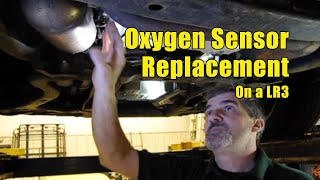
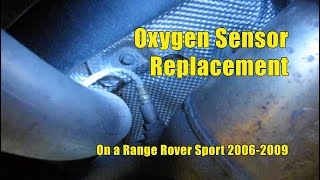
- Visually inspect the Bank 1, Sensor 3 oxygen sensor, its connector, and wiring harness. The sensor is on the passenger side, after the catalytic converter. 🎬 See this video for help locating your oxygen sensors Look for any signs of damage, melting, or corrosion.
- Check the fuse for the O2 sensor heater circuit, typically located in the engine bay fuse box. Fuse 2 in the engine compartment fuse box is often cited for the HO2S heaters.
- If wiring appears intact, disconnect the sensor's electrical connector. Test for 12-volt power and a ground signal on the vehicle-side of the harness (pins will vary, consult a service manual).
- Using a multimeter, measure the resistance of the heater element within the sensor itself (across the two same-colored heater pins). A normal reading is between 4-15 Ohms when cold. An infinite reading (open) or near-zero reading (short) indicates a faulty sensor.
- If the sensor and wiring test good, especially on a 2014-2015 model, consult a dealer or specialist to check if a PCM software update is available per TSB LTB00671NAS3.
- If all else fails, the issue may be with the PCM, but this is highly unlikely and requires professional diagnosis.
Parts You'll Likely Need
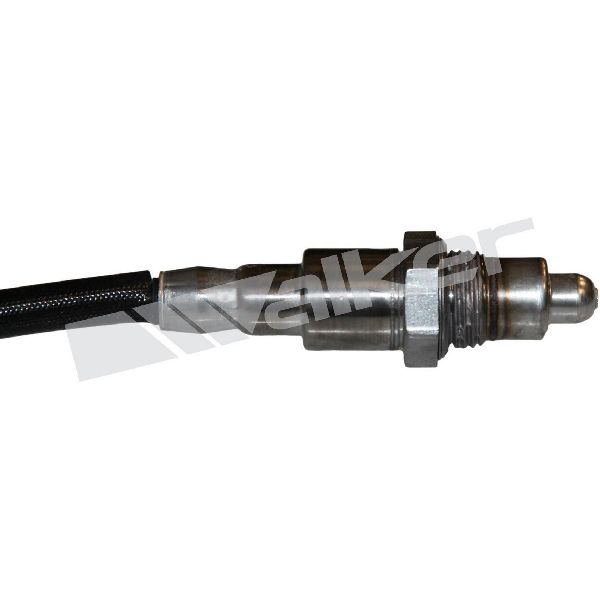
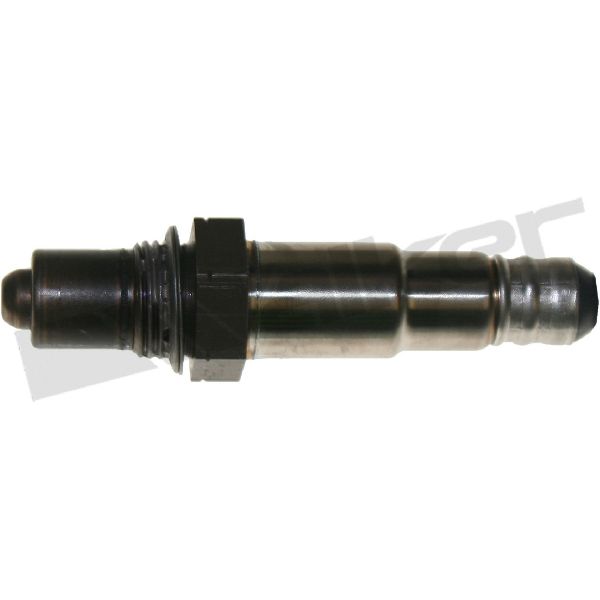
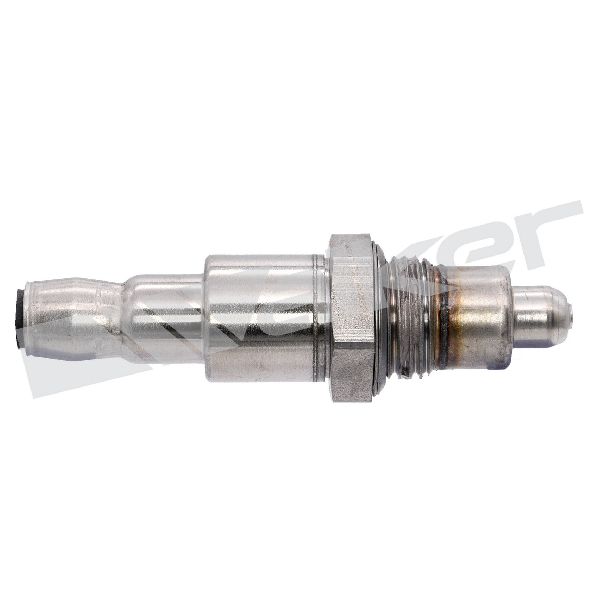
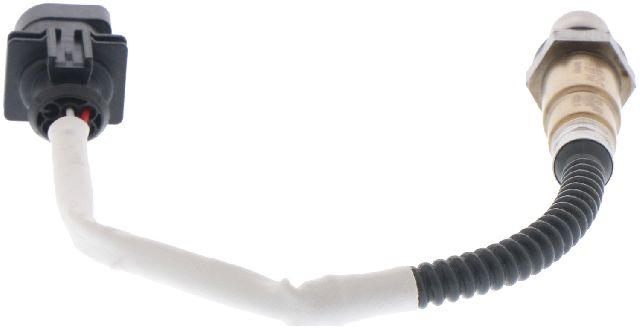
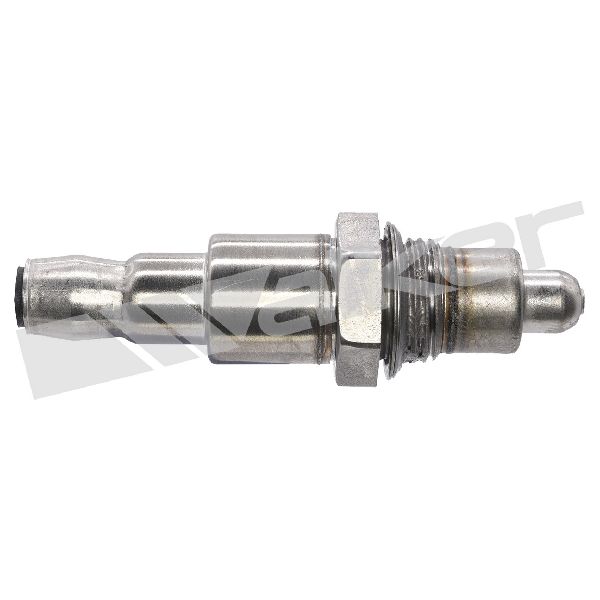
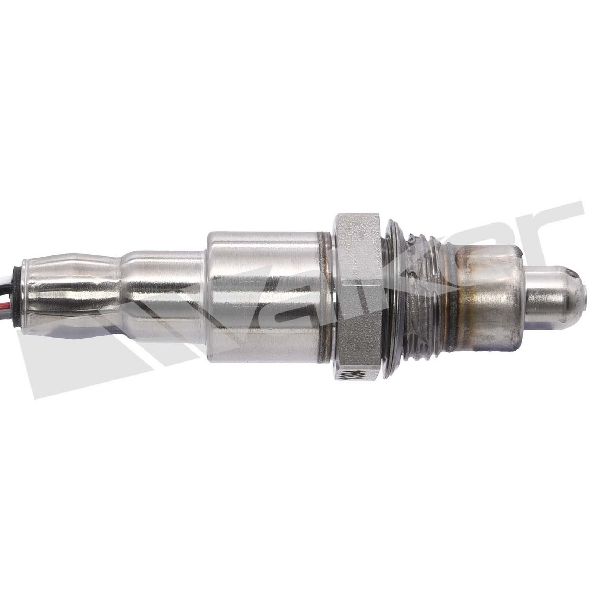
- Oxygen Sensor (Bank 1, Sensor 3)
(OEM #LR035748)— This is the most common cause of the P0055 code, as the internal heater element fails. Bank 1 Sensor 3 is a post-catalyst sensor on the passenger side. The OEM part number LR035748 has been superseded multiple times. 🎬 Watch this walkthrough for replacing sensors on Land Rover models
Trusted brands: Bosch, Denso, NTK, Walker Products
OEM price range: $180-$240
Aftermarket price range: $80-$150
Related Codes That Often Appear With This One
- P0061 — This is the equivalent code for the Bank 2, Sensor 3 heater resistance. Both are mentioned in TSB SSM72556, suggesting they can occur due to similar part quality issues.
- P0142 — This code relates to the O2 Sensor Circuit for Bank 1, Sensor 3. It is listed alongside P0055 in TSB LTB00671NAS3, indicating they can be triggered by the same underlying issue.
- P0147 — This code is for the O2 Sensor Heater Circuit for Bank 1, Sensor 3. It is also listed in TSB LTB00671NAS3 and points to the same component's heater circuit.
Technical Service Bulletins (TSBs) & Recalls
- SSM72556: Mentions P0055-00 HO2S HEATER RESISTANCE (BANK 1, SENSOR 3) as a known issue.
- LTB00671NAS3: Cites P0055 as a code that may be triggered by thermal shock on 2014-2015 3.0L V6 models, recommending a software update as a potential fix.
- SSM72448: Includes P0055 in a long list of codes that may be set without a discernible hard fault found during diagnosis.
- SSM63157: Details a manufacturing defect in sensors for platform-mate vehicles, providing crucial context for the high failure rate.
Platform-Specific Known Issues
- TSB LTB00671NAS3: Notes that on 2014-2015 models with the 3.0L V6, this code can be set due to thermal shock from water contacting the sensor. The recommended fix is a PCM software update to make the diagnostics less sensitive.
- TSB SSM72556: Mentions P0055 and related codes, suggesting a potential parts quality issue with the HO2S Heater Resistance for Bank 1, Sensor 3.
- TSB SSM72448: Lists P0055 among a large group of O2 sensor codes where sometimes no fault is found upon diagnosis, hinting at potential intermittent connection issues or software sensitivities.
- TSB SSM63157: Although for the Range Rover Sport, this TSB is highly relevant as it concerns the same engines. It details a supplier manufacturing defect causing 'misalignment within the sensor leading to side load on the ceramic internal to the sensor', leading to premature failure. It advises that replacement sensors should have a date code of June 1, 2013 or later.
Mechanic-Grade Diagnostic Values
- O2 Sensor Heater Element Resistance — expected: 4-15 Ohms when cold. Some sources specify 11.7-14.5 Ohms for post-catalyst sensors on these models.. Failure: An infinite reading (Open Loop / OL) or a near-zero reading indicates a failed heater element.
- Heater Circuit Power Supply Voltage — expected: 11-14 Volts (Battery Voltage) with Key On, Engine Off.. Failure: 0 Volts indicates a likely blown fuse, relay issue, or break in the power supply wire.
- Heater Circuit Ground — expected: Continuity to ground (near 0 Ohms resistance) on the ground wire of the harness-side connector.. Failure: High or infinite resistance indicates a broken ground wire or poor ground connection at the chassis or PCM.
Hidden / Shadow Codes Worth Checking
- P0055-00: This is the format found in official Land Rover TSBs. The '-00' suffix means 'No Sub Type Information', which indicates the PCM has detected a general resistance fault but not a more specific one like 'circuit high' or 'circuit low'. This often points directly to a failed component (the sensor heater) rather than a wiring short or open. (see via JLR Symptom Driven Diagnostics (SDD) or other high-end professional scan tools that can read manufacturer-specific codes.)
Scan Tool Commands That Help
- JLR SDD (Symptom Driven Diagnostics): Oxygen Sensor Monitor / Live Data — While not a direct bidirectional command for the heater, monitoring the live data stream for the Bank 1 Sensor 3 in SDD can show if the sensor is failing to switch or respond after a cold start, indirectly confirming the heater is not bringing it to operating temperature. The system can also be used to check for required PCM software updates as per TSB LTB00671NAS3.
Wiring & Ground Locations
- Engine Ground Strap — A primary grounding cable for the engine harness is located on the cylinder head. Poor engine grounding can cause a variety of electrical issues, including erratic sensor behavior. There are also ground points on the inner fender and frame rails.. The PCM provides a switched ground path to activate the O2 sensor heater. A poor main engine ground can create voltage offsets and unstable ground references, potentially causing the PCM to misinterpret the heater circuit's resistance.
- HO2S Heater Power Fuse — Fuse 2 in the engine compartment fuse box is commonly the power supply for the O2 sensor heaters on Land Rover models of this era.. A blown fuse will cut power to the heater circuit, causing P0055 and likely codes for other O2 sensor heaters as well.
- Sensor Connector Wires — On a typical 4-wire sensor for this application, the two same-colored wires (often white or black) are for the heater circuit. The other two (e.g., black and grey, or blue and white) are for the sensor signal and signal ground.. Correctly identifying the heater circuit wires is essential for performing resistance and voltage tests at the connector.
OEM Part Supersession History
LR035748→LR098290, which was then superseded by LR136928— Likely due to revisions to address the manufacturing and quality defects noted in TSBs SSM63157 and SSM72556.
Heads up: While all parts are listed as replacements, it is crucial to use the latest available part number (LR136928) to ensure you have the most revised component. TSB SSM63157 specifically advises using sensors with a date code of June 1, 2013 or later.C2D23702→C2D23703— This is a cross-referenced Jaguar part number that also fits this application. The supersession follows a similar pattern of revision.
Heads up: LR035748 and C2D23702 are often listed as equivalent. Ensure any cross-referenced part is specified for the Sensor 3 (post-catalyst) position.
Model Year Variations Within This Range
- 2014-2015: These model years are specifically called out in TSB LTB00671NAS3 as potentially logging P0055 due to software sensitivity to thermal shock. The primary recommended fix is a PCM software update, which may not be necessary or applicable for 2016 models.
- 2016: TSB SSM72556 specifically mentions P0055-00 on 2016 Model Year (16MY) vehicles, pointing to a 'parts quality issue' and advising technicians to check the country of manufacture on the replacement sensor. This suggests a different batch or supplier issue may have been prevalent for this year compared to the software issue of earlier years.
Helpful Videos
We Have This Part in Stock

The information in this article is provided for general reference and educational purposes only. Vehicle specifications, procedures, and part compatibility can vary by production date, trim level, and region. Always consult your vehicle's factory service manual and verify part numbers before purchasing or performing repairs. Safety-critical components such as airbags, seat belts, and braking systems should be installed by a qualified professional.
- Land Rover LR4:
- 🧭 Diagnostic Flowchart
- 🎬 Helpful Videos
- 🛍️ Shop This Part
- What's Unique About the 2014-2016 Land Rover LR4
- Symptoms You May Notice
- Most Likely Causes
- Rare But Worth Checking
- Diagnosis Steps
- Parts You'll Likely Need
- Related Codes That Often Appear With This One
- Technical Service Bulletins (TSBs) & Recalls
- Platform-Specific Known Issues
- Mechanic-Grade Diagnostic Values
- Hidden / Shadow Codes Worth Checking
- Scan Tool Commands That Help
- Wiring & Ground Locations
- OEM Part Supersession History
- Model Year Variations Within This Range
- 🎟️ Get 5% Off