

P0055 on 2013-2016 Land Rover Range Rover: Heater Resistance Causes and Fixes
P0055 on a 2013-2016 Range Rover almost always means the Bank 1, Sensor 3 oxygen sensor has failed. This is often due to a known manufacturing defect in a specific batch of sensors. Replacing the sensor is the typical fix, costing around $100-$150 for the part. In some cases, a PCM software update may be required.
- P0055 points specifically to a problem with the heater inside the Bank 1, Sensor 3 oxygen sensor.
- The most likely cause on this Range Rover is a faulty sensor due to a known manufacturing defect mentioned in Land Rover TSBs. Check for defective parts from Brazil.
- An outdated PCM software version is another common cause that should be investigated before replacing parts.
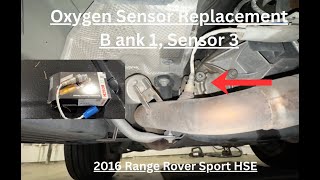
- The correct sensor is on the passenger side, at the rearmost position on the exhaust.
- The repair is straightforward for a DIYer with basic tools, involving unplugging the old sensor and screwing in a new one with a 22mm O2 sensor socket.
- Always clear the code with a scanner after the repair is complete.
What's Unique About the 2013-2016 Land Rover RANGE ROVER
On this generation of Range Rover (L405) and its platform-mates, the P0055 code is frequently linked to two specific, documented issues. Firstly, multiple Technical Service Bulletins (TSBs) from Land Rover acknowledge a supplier fault causing internal sensor misalignment, leading to premature failure. Secondly, other bulletins point to a software error in the Powertrain Control Module (PCM) that can falsely trigger this and other O2 sensor codes, which may require a dealer software update to resolve. These factors make a faulty sensor or outdated software much more likely causes than simple wiring issues.
Diagnostic Flowchart
Tap your situation to follow the diagnostic path that matches what you're seeing on this vehicle.
Symptoms You May Notice
- Check Engine Light is on
- Slightly increased fuel consumption
- Potential for failing an emissions test
- Rough idle on a cold start in some cases
- Engine may take slightly longer to enter closed-loop fuel control
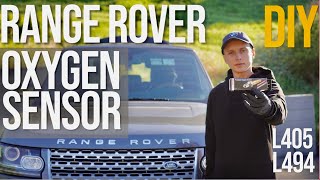
- Replacing the wrong oxygen sensor. 'Bank 1' is the passenger side (right side), and 'Sensor 3' is the rearmost sensor in the exhaust system, after the final catalytic converter. 🎬 Watch: Complete guide to locating and replacing all six sensors.
- Replacing the sensor when the root cause is a software issue. It's advisable to check for available PCM updates before spending money on parts.
Most Likely Causes
- Faulty Bank 1, Sensor 3 Oxygen Sensor 🔴 High Probability → Shop Oxygen Sensor Land Rover issued TSBs (e.g., SSM63157, SSM72556) citing a 'parts quality issue' from a supplier. TSB SSM72556 specifically warns against installing replacement sensors made in 'Brasil' with date codes 554, 555, 556, or 557, as they are known to be defective.
How to confirm: Disconnect the sensor and measure the resistance across the two heater circuit pins (typically the two same-colored wires 🎬 See this DIY walkthrough for testing and replacing the sensor.) with a multimeter. A good sensor should read between 2 and 10 ohms. An open circuit (infinite resistance) or a direct short (near-zero resistance) confirms the sensor's internal heater has failed.
Typical fix: Replace the Bank 1, Sensor 3 oxygen sensor. Ensure the replacement part is not from the defective batch mentioned in TSB SSM72556.
Est. part cost: $90-$180 - Outdated Powertrain Control Module (PCM) Software 🟡 Medium Probability → Shop Engine Control Module (ECM) TSB LTB00671NAS3 and Jaguar TSB JTB00457NAS4 state that a software error can cause a host of post-catalyst O2 sensor codes, including P0055, to be stored. Service Action N020 also involved an ECM software update for O2 sensor operation.
How to confirm: A Land Rover dealer or specialist with access to the TOPIx system can check the vehicle's VIN to see if it's eligible for a software update related to oxygen sensor logic.
Typical fix: Update the PCM software to the latest version using dealer-level diagnostic tools. This is often done before replacing any hardware.
Est. part cost: $0-$250 (cost varies depending on dealer labor rates) - Wiring or Connector Damage ⚪ Low Probability The exhaust system generates significant heat, and wiring harnesses can become brittle or melt if they come into contact with hot surfaces. Forum users report the need to carefully inspect wiring looms near the exhaust.
How to confirm: Visually inspect the wiring harness leading to the sensor for any signs of melting, chafing against the driveshaft or heat shields, or corrosion in the connector. Check for battery voltage (approx. 12V) at the heater power supply wire in the connector with the ignition on.
Typical fix: Repair the damaged section of the wiring harness or clean/replace the connector.
Est. part cost: $5-$50
Rare But Worth Checking
- Blown Fuse: A blown fuse for the O2 sensor heater circuit will cause this code. It's a quick and easy check in the under-hood fuse box before replacing more expensive parts.
- Powertrain Control Module (PCM) Fault: → Shop Engine Control Module (ECM) In very rare cases, the driver circuit within the PCM that controls the sensor's heater can fail. This should only be considered after the sensor, wiring, and software have all been confirmed to be good.
Diagnosis Steps
- Read the code with an OBD-II scanner to confirm P0055 is present.
- Check with a dealer or using online resources if your vehicle's VIN has any outstanding service actions or TSBs related to PCM software for oxygen sensors (e.g., LTB00671NAS3, N020). If so, performing the software update may be the fix.
- Visually inspect the Bank 1, Sensor 3 oxygen sensor and its wiring. It is located on the passenger side, at the rear of the exhaust system. 🎬 Watch: How to replace a downstream oxygen sensor on this platform. Look for any obvious damage, such as melted wires or a corroded connector.
- If no visual damage is found, disconnect the sensor's electrical connector.
- Use a multimeter set to ohms to measure the resistance between the two heater pins on the sensor itself (usually the two wires of the same color). A reading between 2-10 ohms is good. A reading of infinite resistance (open circuit) or near zero means the sensor has failed and needs replacement.
- If the sensor resistance is within spec, check for 12V power at the corresponding pin on the vehicle's harness connector (with the key on, engine off).
- If power and ground are good and the software is up to date, but the code persists with a known-good sensor, the issue may be a rare PCM fault.
Parts You'll Likely Need
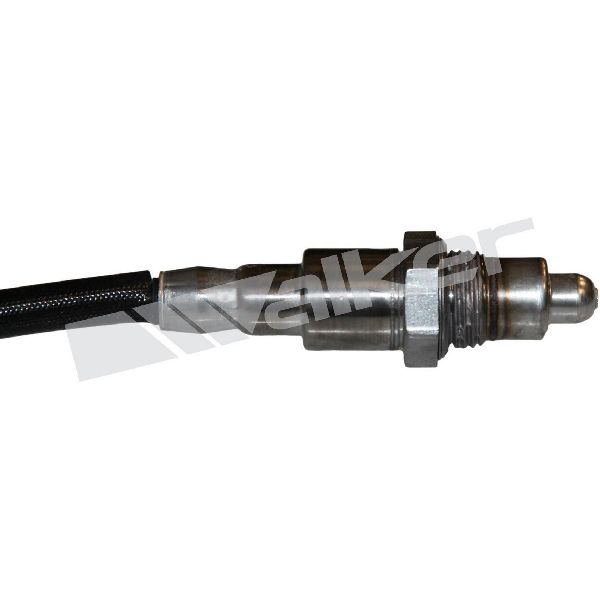
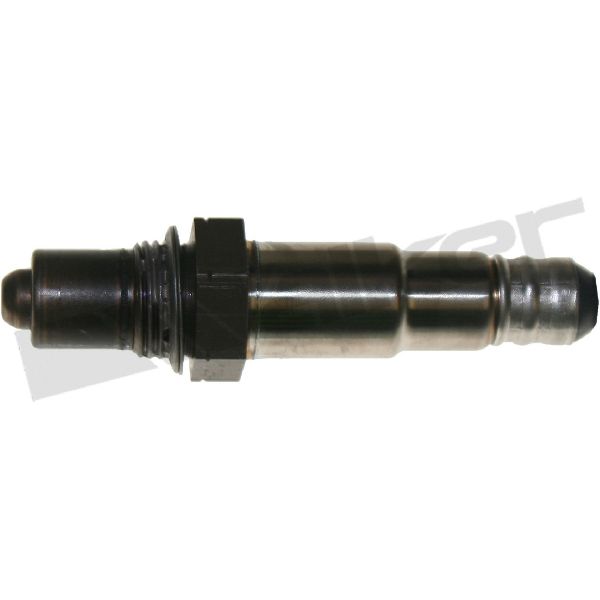
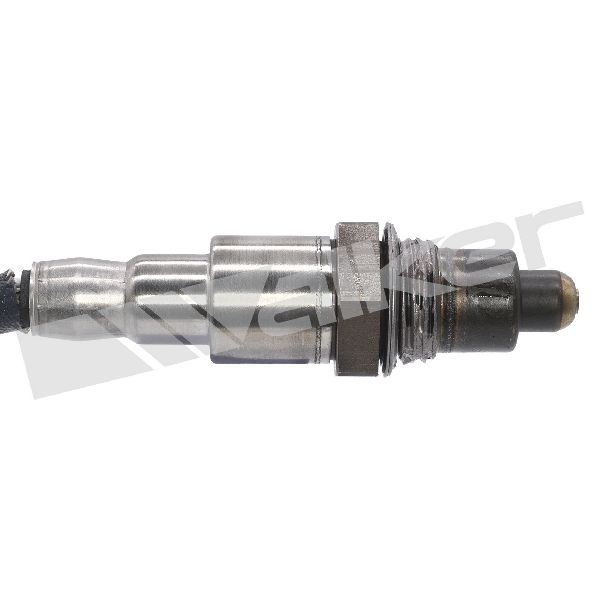
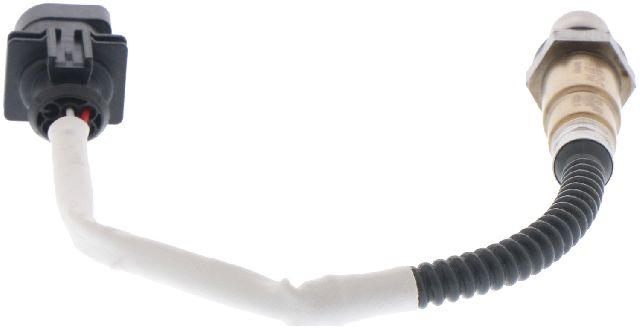
- Oxygen Sensor (Bank 1, Sensor 3)
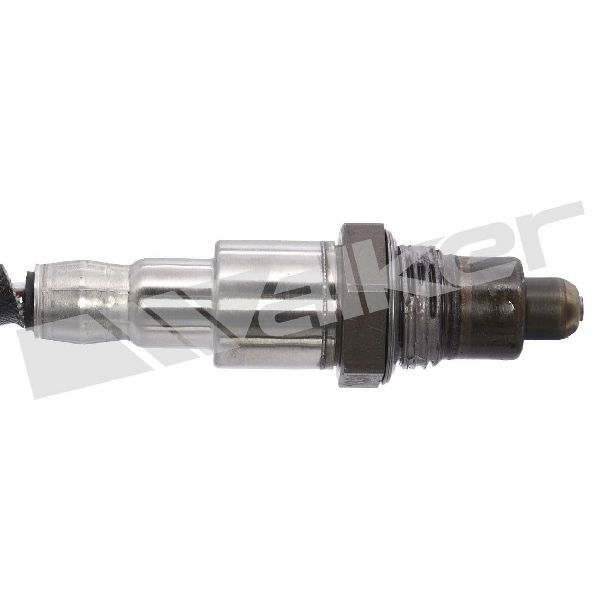
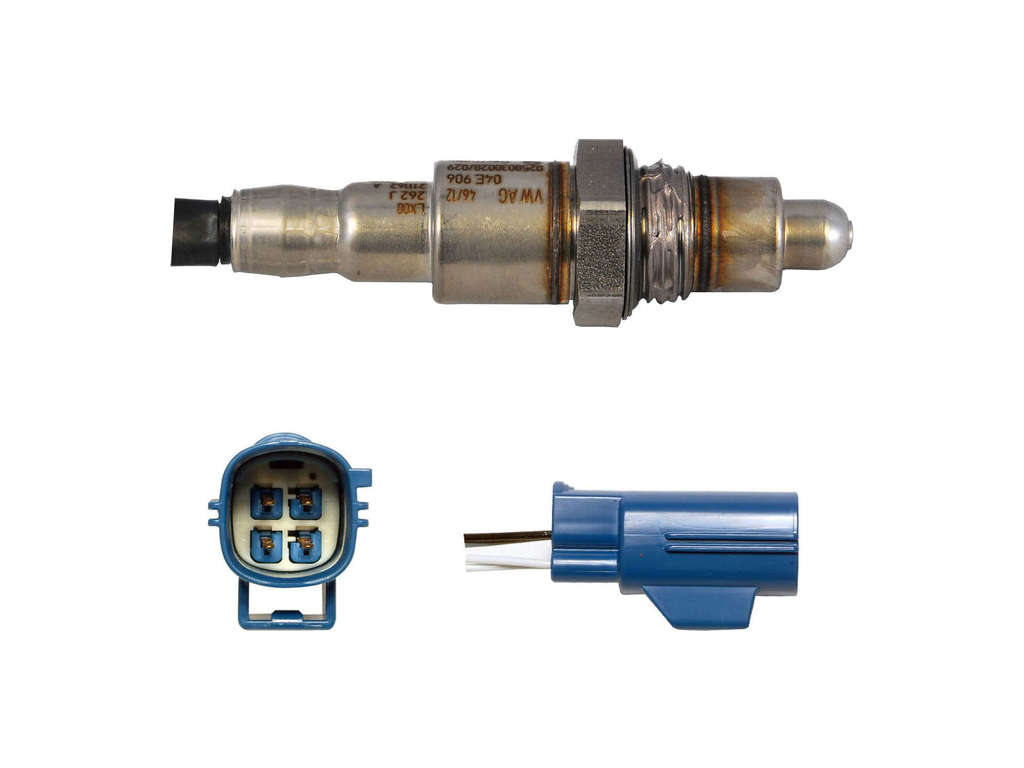
(OEM #LR035750)— This is the direct cause of the P0055 code in the vast majority of cases, often due to a documented manufacturing defect. Note: While this part is used in the post-catalyst 'Sensor 3' position for this fault, some catalogs may incorrectly label it as a 'front' sensor.
Trusted brands: Bosch (OEM Supplier), Denso, NTK
OEM price range: $120-$180
Aftermarket price range: $90-$140
Related Codes That Often Appear With This One
- P0061 — P0061 is the identical 'Heater Resistance' fault but for Bank 2, Sensor 3 (driver's side). Since the sensors were part of the same faulty batch from the supplier (per TSB SSM63157), it's common for both to fail around the same time.
- P0142, P0143, P0144, P0147 — These are other diagnostic codes related to the Bank 1, Sensor 3 oxygen sensor circuit (circuit malfunction, low voltage, high voltage, heater circuit). They are often listed alongside P0055 in Land Rover's technical bulletins (LTB00671NAS3, SSM72448) as being caused by the same hardware or software faults.
Technical Service Bulletins (TSBs) & Recalls
- SSM72556: Lists P0055-00. Warns of a 'parts quality issue' and identifies a specific batch of defective sensors from Brazil to avoid.
- LTB00671NAS3: Groups P0055 with other codes relevant to post-catalyst heated oxygen sensors, which may be caused by thermal shock or software issues.
- SSM63157: Identifies the cause as a 'Manufacturing fault at the supplier - misalignment with in the sensor.'
- SSM72448: Lists P0055 in a large group of O2 sensor codes where sometimes 'NO FAULT IS FOUND', suggesting intermittent connections or potential software glitches.
- JTB00457NAS4: A Jaguar TSB for the same engines that identifies a 'post-catalyst heated oxygen sensor (HO2S) software error' as a cause for P0055.
- Service Action N020: A service campaign that involved updating the Engine Control Module (ECM) software to address the correct operation of oxygen sensors.
Platform-Specific Known Issues
- TSB SSM63157 and LTB00671NAS3 directly address this code, pointing to a manufacturing fault within the post-catalyst oxygen sensors.
- TSB SSM72556 provides critical detail, identifying a 'parts quality issue' and warning technicians not to install replacement sensors manufactured in 'Brasil' with date codes 554, 555, 556, or 557.
- TSB JTB00457NAS4 indicates a PCM software error can also be the root cause on sister Jaguar platforms, a strategy that may apply to Land Rover as well.
Mechanic-Grade Diagnostic Values
- O2 Sensor Heater Element Resistance — expected: 4-8 Ohms when cold. Some sources state a broader range of 2-15 Ohms is acceptable.. Failure: A reading of infinite resistance (open circuit) or near-zero Ohms (short circuit) indicates a failed heater element.
- Voltage at Heater Circuit Supply Pin — expected: Approximately 12V (Battery Voltage) with ignition on, engine off.. Failure: No voltage indicates a problem with the fuse or wiring supplying power to the sensor.
- Voltage at Heater Circuit Control Pin (PCM side) — expected: Approximately 12V with the key on, engine off. The PCM provides a ground to complete the circuit when heating is required, which can be observed as a pulse-width modulated signal on an oscilloscope once the engine is running.. Failure: No voltage when unplugged (key on) could indicate a wiring break. If voltage remains at 12V and never drops or pulses when the engine is running, it indicates the PCM is not commanding the heater on.
Hidden / Shadow Codes Worth Checking
- P0055-00: The '-00' suffix is a symptom byte used by Jaguar Land Rover. It means 'No Sub Type Information', indicating a general resistance fault without further details like 'circuit open' or 'circuit short to ground'. Its presence is noted in TSB SSM72556. (see via Dealer-level diagnostic tools like Land Rover's Symptom Driven Diagnostics (SDD) or some high-end aftermarket scanners.)
Scan Tool Commands That Help
- Land Rover SDD (Symptom Driven Diagnostics): Configure existing module – Powertrain control module — This function is used to apply a software update to the PCM. As per TSB LTB00671NAS3, a software update was released to correct false HO2S codes. This should be performed if the vehicle's software is outdated before replacing hardware.
- Land Rover SDD (Symptom Driven Diagnostics): Read Diagnostic Trouble Codes (DTC) — To confirm the presence of P0055 and any related codes, including the symptom byte (e.g., -00), which provides more specific diagnostic context for JLR vehicles.
Wiring & Ground Locations
- Main Engine Ground Straps — One primary ground is located on the driver's side chassis rail, below the air filter box. Another is on the passenger side in a similar location. A smaller ground strap often connects the gearbox to the chassis.. Corrosion at these main earth points is a very common issue on the L405 platform, leading to a host of seemingly unrelated electrical faults and warning lights. A poor ground can cause incorrect voltage readings and resistance measurements throughout the electrical system, potentially triggering sensor codes like P0055 even if the sensor itself is good.
- ECM Connector C0635 — At the Engine Control Module (ECM/PCM).. Advanced diagnostics can involve checking for continuity or voltage directly at the ECM pins for the O2 sensor heater circuit to isolate a wiring fault from a module fault. A forum post for a different Land Rover model suggests this method for testing when sensor connectors are inaccessible.
OEM Part Supersession History
CPLA-9F472-CA→CPLA-9F472-CB, CPLA-9F472-CC, LR035750— Standard part evolution and updates. The Land Rover part number LR035750 is the service part, often supplied by Bosch.
Heads up: While many part numbers exist, the critical factor is avoiding specific faulty batches. TSB SSM63157 advises checking the date code on the sensor body to ensure it is from December 12, 2012, or later. TSB SSM72556 warns against using sensors made in 'Brasil' with specific date codes (554, 555, 556, 557).LR035750 (Land Rover)→Bosch 17049 / 0258027049— Bosch is the OEM supplier. 17049 is the common aftermarket equivalent part number for LR035750.
Heads up: While listed for this vehicle, some parts catalogs incorrectly label LR035750 as a 'front' or 'pre-catalyst' sensor. For code P0055, this part is used in the 'post-catalyst' Sensor 3 position. Technicians must verify the physical connector and length match the sensor being replaced.
Helpful Videos

We Have This Part in Stock

The information in this article is provided for general reference and educational purposes only. Vehicle specifications, procedures, and part compatibility can vary by production date, trim level, and region. Always consult your vehicle's factory service manual and verify part numbers before purchasing or performing repairs. Safety-critical components such as airbags, seat belts, and braking systems should be installed by a qualified professional.
- Land Rover RANGE ROVER:
- 🧭 Diagnostic Flowchart
- 🎬 Helpful Videos
- 🛍️ Shop This Part
- What's Unique About the 2013-2016 Land Rover RANGE ROVER
- Symptoms You May Notice
- Most Likely Causes
- Rare But Worth Checking
- Diagnosis Steps
- Parts You'll Likely Need
- Related Codes That Often Appear With This One
- Technical Service Bulletins (TSBs) & Recalls
- Platform-Specific Known Issues
- Mechanic-Grade Diagnostic Values
- Hidden / Shadow Codes Worth Checking
- Scan Tool Commands That Help
- Wiring & Ground Locations
- OEM Part Supersession History
- 🎟️ Get 5% Off