

P0056 on 2013-2016 Jaguar XF: O2 Sensor Heater Circuit Causes and Fixes
This code indicates a fault in the heater circuit of the oxygen sensor on Bank 2, Sensor 2 (downstream). The most common fix is replacing the sensor itself. An aftermarket sensor costs around $75-$120, while an OEM part is about $250-$290. Before replacing, check for blown fuses and software updates, as Jaguar has issued TSBs for spurious O2 sensor codes.
- P0056 points to a problem with the heater in the oxygen sensor on the driver's side, after the catalytic converter.
- The most likely cause is a failed oxygen sensor, which is a straightforward replacement for a DIYer with the right tools.
- Before replacing any parts, check for blown fuses.
- Crucially, be aware that Jaguar has issued service bulletins indicating a software update may be required to fix false sensor codes. This should be investigated before replacing parts.
- Always use a quality replacement sensor from a brand like Bosch or Denso to avoid compatibility issues.
What's Unique About the 2013-2016 Jaguar XF
For the 2013-2016 Jaguar XF, a P0056 code doesn't always mean the sensor has failed. Jaguar released Technical Service Bulletins (TSBs) #JTB-00392-NAS-3 and #JTB00392NAS1 acknowledging that outdated Engine Control Module (ECM) software can cause false or intermittent oxygen sensor codes, including P0056. Another TSB, #SSM72477, notes that sometimes no fault is found upon diagnosis, further suggesting a potential software or intermittent connection issue. The TSBs specifically state the cause may be a "post-catalyst heated oxygen sensor (HO2S) software error" and instruct technicians to check for and apply a PCM software update before replacing parts. Therefore, it's crucial to rule out a simple software update before spending money on parts.
Diagnostic Flowchart
Tap your situation to follow the diagnostic path that matches what you're seeing on this vehicle.
Symptoms You May Notice
- Check Engine Light (Malfunction Indicator Lamp) is on.
- Vehicle will fail an emissions test.
- Potential for slightly reduced fuel economy, though it may not be noticeable to the driver.
- In some cases, a slight rough idle may occur, particularly during cold starts.
- Replacing the oxygen sensor when the root cause is outdated ECM software, leading to the code returning.
- Replacing the catalytic converter. A P0056 code relates to the sensor's heater circuit, not the performance of the converter itself. 🎬 Watch: Understanding the causes and fixes for the P0056 code.
- Assuming the sensor is bad without testing the heater circuit's power supply and ground at the harness connector first.
Most Likely Causes
- Failed Bank 2, Sensor 2 Oxygen Sensor 🔴 High Probability → Shop Oxygen Sensor The internal heater element operates at very high temperatures and can burn out or develop an open circuit over time, which is a common failure mode for all modern vehicles.
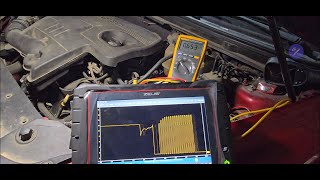
How to confirm: Disconnect the sensor and measure the resistance between the two heater circuit pins (usually the two same-colored wires). An open circuit (infinite resistance or 'OL' on a multimeter) indicates a failed heater. A good heater should have a low resistance, typically between 4-20 Ohms, though the exact spec can vary. A reading far outside this range suggests failure. 🎬 Watch: How to test oxygen sensor heater circuits with a multimeter.
Typical fix: Replace the Bank 2, Sensor 2 oxygen sensor. This requires an O2 sensor socket. 🎬 See this walkthrough for replacing a Jaguar oxygen sensor.
Est. part cost: $75 - $290 - Outdated Engine Control Module (ECM) Software 🟡 Medium Probability → Shop Engine Control Module (ECM) Jaguar has issued specific TSBs (JTB-00392-NAS-3, JTB00392NAS1, and JTB00515NAS1) for this year range indicating that software updates are available to fix issues with spurious post-catalyst oxygen sensor codes.
How to confirm: A Jaguar dealership or a qualified independent shop with access to Jaguar's diagnostic software (SDD/Pathfinder) can check the current software version against the latest available version mentioned in the TSBs.
Typical fix: Update the ECM/PCM software to the latest version. This must be done by a dealer or specialist with the correct equipment. A dealer may charge around $230 for this service if the vehicle is out of warranty.
Est. part cost: $0 - $250 - Wiring or Connector Issue ⚪ Low Probability The wiring harness for the downstream O2 sensor is routed under the vehicle and is exposed to significant heat from the exhaust, moisture, and potential road debris, which can cause wires to melt, chafe, or corrode over time.
How to confirm: Visually inspect the entire wiring harness and connector leading to the sensor for any signs of melting, chafing, corrosion, or loose pins. Check for continuity between the ECM connector and the sensor connector using a multimeter. Check for 12V power at the harness connector with the ignition on.
Typical fix: Repair the damaged section of the wiring harness or clean/replace the connector.
Est. part cost: $5 - $50 - Blown Fuse or Faulty Relay ⚪ Low Probability While less common, a short in the sensor or wiring can blow the fuse that powers the heater circuit.
How to confirm: Consult the vehicle's owner's manual or fuse diagrams for the fuse boxes located in the engine bay, passenger compartment, and trunk. While a specific fuse for only the O2 heaters is not always clearly labeled, forum discussions for similar models suggest the power may be shared or relayed. On the X150 platform (which shares electronics), fuses F33 and F34 in the engine bay fuse box supply the O2 sensor heaters. If multiple O2 sensor heater codes (e.g., P0036, P0051, P0056) appear simultaneously, a shared fuse or relay is a strong possibility.
Typical fix: Replace the blown fuse. If it blows again, a short circuit in the wiring or a faulty sensor must be found and rectified.
Est. part cost: $1 - $10
Rare But Worth Checking
- Faulty Engine Control Module (ECM): → Shop Engine Control Module (ECM) This is extremely rare. Before condemning the ECM, all other possibilities (sensor, wiring, software) must be exhaustively ruled out. A forum user on JaguarForums detailed a complex diagnostic process for codes P0036 and P0056 that ultimately pointed to a faulty ECM driver after a previous sensor failure likely caused a short. However, this is far more uncommon than wiring damage or a simple sensor failure.
Diagnosis Steps
- Read the code with an OBD-II scanner and confirm P0056 is present. Note any other codes, especially P0036, P0060, or P0156.
- Perform a visual inspection of the wiring and connector for the Bank 2, Sensor 2 (driver's side, post-catalytic converter) oxygen sensor. Look for any signs of damage, melting, or corrosion.
- Check the fuse boxes (engine bay, passenger footwell, trunk) for any blown fuses related to emissions or engine control components. If multiple O2 heater codes are present, this is a critical step.
- If the visual inspection is clear, test the sensor's heater circuit. Disconnect the sensor and use a multimeter set to Ohms to measure the resistance across the two heater pins (often the same color, e.g., two white wires). A reading of infinity (OL) means the heater is broken. A good heater should have a low resistance, typically in the 4-20 Ohm range.
- If the sensor's resistance is good, check for power at the harness connector. With the ignition on (engine off), one pin should have 12V battery voltage, and the other is the ground control from the ECM. A test light can be used to confirm the circuit can carry a load.
- If the sensor and wiring test good, contact a Jaguar dealer or specialist to check if the vehicle's ECM software is up to date, referencing TSBs JTB-00392-NAS-3 and JTB00392NAS1. This requires Jaguar's proprietary SDD or Pathfinder software.
- Only after confirming the sensor, wiring, power/ground, and software are all correct should a faulty ECM be considered as a last resort.
Parts You'll Likely Need
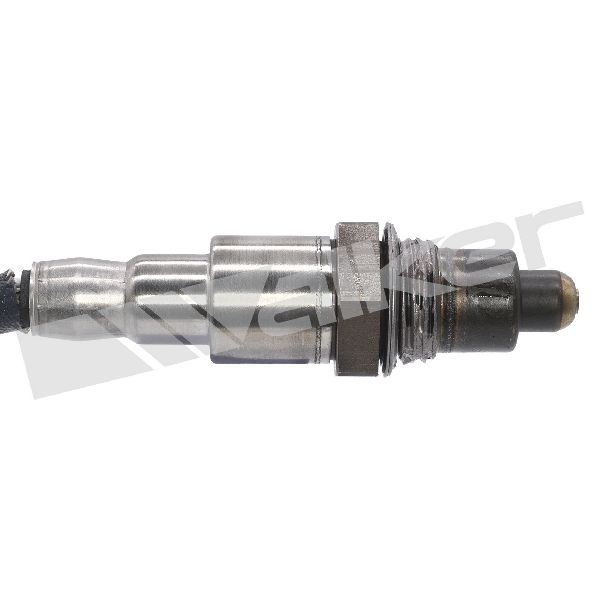
- Oxygen Sensor (Bank 2, Sensor 2)
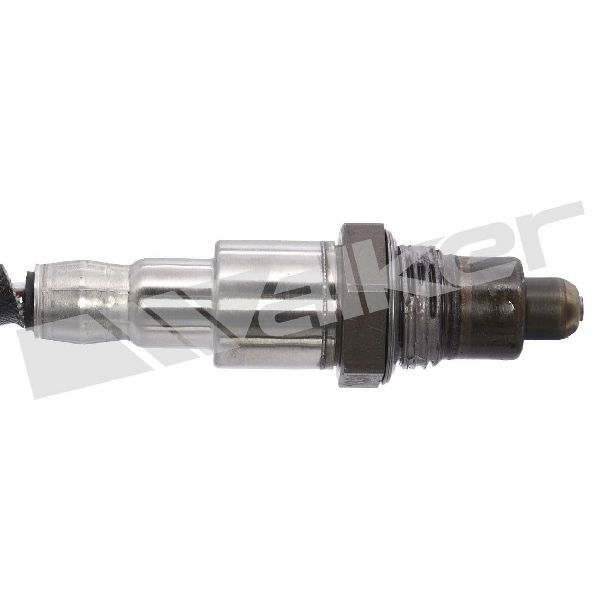
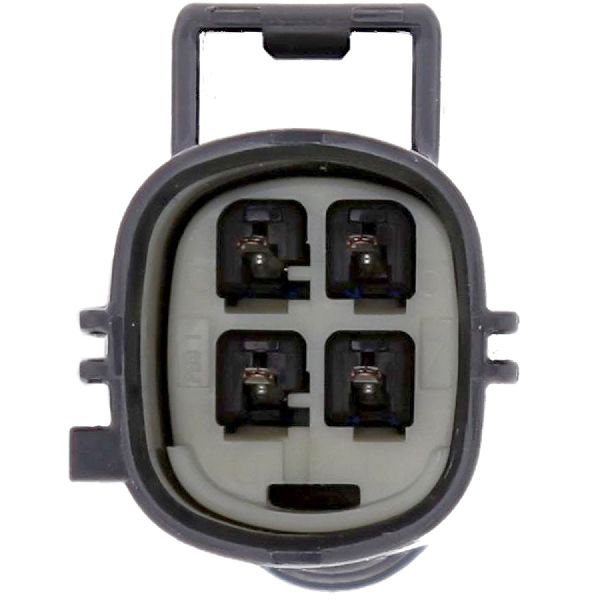
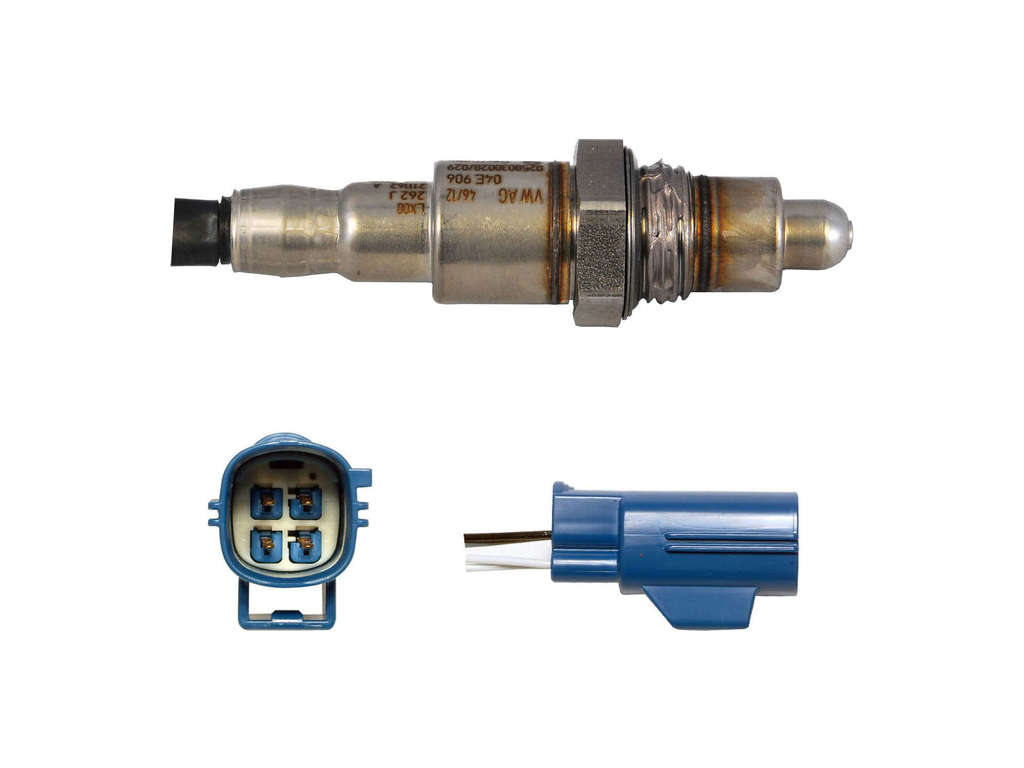
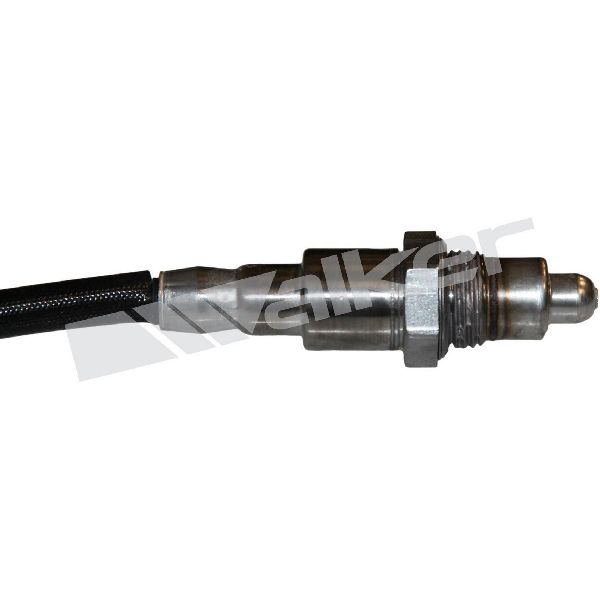
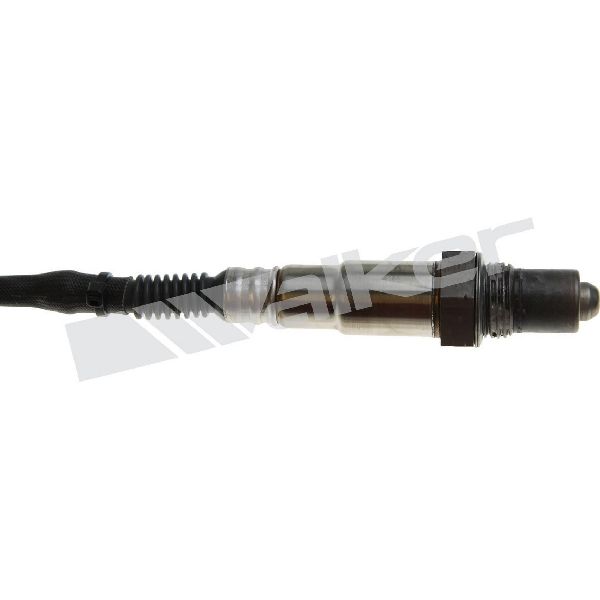
(OEM #T2H48050 (supersedes C2D54166, C2D23702))— The internal heater element is the most common point of failure for this code. This part number is listed for the lower (downstream) position on V6 and V8 models.
Trusted brands: Bosch (OEM supplier), Denso, NTK, Walker
OEM price range: $250-$290
Aftermarket price range: $75-$120
Related Codes That Often Appear With This One
- P0036 — This is the equivalent code for the Bank 1, Sensor 2 heater circuit. Seeing both P0036 and P0056 together strongly points to a common issue like a shared fuse, relay, or a systemic software problem requiring the TSB update.
- P0156 — This code indicates a circuit malfunction for the same sensor (Bank 2, Sensor 2), but relates to the sensing circuit rather than the heater. They can appear together if the sensor has failed completely or there is a significant wiring issue affecting multiple conductors.
- P0060 — This code specifically indicates an issue with the heater resistance for Bank 2, Sensor 2, and often accompanies P0056, reinforcing that the problem lies within the sensor's internal heater element or its immediate wiring.
Technical Service Bulletins (TSBs) & Recalls
- JTB-00392-NAS-3: Recommends a software update for various HO2S (Heated Oxygen Sensor) codes due to a software error.
- JTB00392NAS1: An earlier version of the TSB recommending a software update for HO2S codes.
- SSM72477: Notes that for a list of post-catalyst HO2S codes, including P0056, diagnosis may find no fault, pointing towards intermittent or software-related issues. [NHTSA]
Platform-Specific Known Issues
- Outdated ECM software can trigger false P0056 codes. Jaguar issued TSBs JTB-00392-NAS-3 and JTB00392NAS1 to address this with a software re-flash, which should be investigated before replacing parts.
- TSB SSM72477 indicates that diagnosis may find no fault, suggesting an intermittent electrical connection or a software glitch that can be hard to trace. This reinforces the importance of checking for software updates. [NHTSA]
- Forum members have reported chasing this code, replacing sensors, only to find the issue was a corroded wire or a needed software update, highlighting the need for thorough diagnosis.
Mechanic-Grade Diagnostic Values
- O2 Sensor Heater Element Resistance — expected: 5-20 Ohms (typical for Bosch/Denso sensors). Failure: Infinite resistance (Open Loop, 'OL') or a value significantly outside the expected range.
- Heater Circuit Wiring Resistance — expected: Less than 0.5 Ohms. Failure: A reading higher than 0.5 Ohms indicates excessive resistance in the harness. An 'OL' reading indicates a broken wire.
- Heater Circuit Voltage Supply (at sensor connector) — expected: ~12V (Battery Voltage) with Key On, Engine Off. Failure: Voltage below 9V or no voltage indicates a problem with the power supply fuse, relay, or wiring.
Scan Tool Commands That Help
- Jaguar SDD (Symptom Driven Diagnostics): Datalogger - Live Data Monitoring — To monitor the O2 sensor heater current draw and voltage in real-time. A forum user noted that on faulty sensors, the current draw was in Amps instead of the expected milliamps, which was visible in SDD's datalogger. This can help differentiate a sensor failure from a wiring or software issue.
- Jaguar SDD (Symptom Driven Diagnostics): Read and Clear DTCs (including 'Unrelated Events') — When diagnosing, it's important to check the 'Unrelated Events' section in SDD, as some fault codes may be stored there if they don't directly match the primary symptoms entered by the technician.
Wiring & Ground Locations
- Bank 2 Downstream HO2S Connector (Vehicle Harness Side) — Under the vehicle, on the driver's side, connected to the oxygen sensor located after the catalytic converter.. This is the primary point for electrical testing. Based on forum data for similar Jaguar models, the pinout is typically: Pin 1 (Blue with Yellow stripe) for heater ground, and Pin 2 (White with Red stripe) for heater power. These are the pins to test for resistance and voltage for the P0056 code.
- Trunk/Boot Ground Point — The spare tire hold-down bolt or the battery tie-down rod bolt in the trunk can be used as a known-good chassis ground point.. When performing continuity or voltage drop tests on the wiring harness from the sensor connector, a reliable ground reference is essential. Using a known-good ground in the trunk (where the battery is located) can help confirm the integrity of the ground circuit controlled by the ECM.
Real Owner Repair Stories
- JaguarForums user (2006 Jaguar S-Type 3.0L (similar engine management and wiring principles)) — Codes P0036 and P0056 (both downstream heater circuits) appeared simultaneously after major engine work, including replacing catalytic converters and all four O2 sensors.
❌ Tried (didn't work) Replacing both downstream O2 sensors., Following factory service manual pinpoint tests, which showed correct voltage and resistance.
✅ What actually fixed it The user traced the fault to the Engine Control Module (ECM) itself. After removing the ECM and testing the board, they found a 650 Ohm resistance between the heater control output pins and ground directly on the ECM board, indicating an internal failure of the driver circuits. The user suspected the previous failure of a catalytic converter or O2 sensor may have caused a short that damaged the ECM.
OEM Part Supersession History
C2D23702→C2D54166, then T2H48050— Standard part evolution and supplier changes.
Heads up: The upstream (pre-cat) and downstream (post-cat) sensors are different types (wideband vs. narrowband) and are not interchangeable, even if they physically fit. Always order the part for the correct position.
Model Year Variations Within This Range
- 2013-2015: These model years are specifically mentioned in TSBs (like JTB00515NAS1 and H231) as potentially having a software error in the Powertrain Control Module (PCM) that can cause false oxygen sensor codes. While the TSBs for P0056 apply to the full 2013-2016 range, the 2013-2015 models have a higher documented probability of the issue being software-related.
Helpful Videos
We Have This Part in Stock

The information in this article is provided for general reference and educational purposes only. Vehicle specifications, procedures, and part compatibility can vary by production date, trim level, and region. Always consult your vehicle's factory service manual and verify part numbers before purchasing or performing repairs. Safety-critical components such as airbags, seat belts, and braking systems should be installed by a qualified professional.
- Jaguar XF:
- 🧭 Diagnostic Flowchart
- 🎬 Helpful Videos
- 🛍️ Shop This Part
- What's Unique About the 2013-2016 Jaguar XF
- Symptoms You May Notice
- Most Likely Causes
- Rare But Worth Checking
- Diagnosis Steps
- Parts You'll Likely Need
- Related Codes That Often Appear With This One
- Technical Service Bulletins (TSBs) & Recalls
- Platform-Specific Known Issues
- Mechanic-Grade Diagnostic Values
- Scan Tool Commands That Help
- Wiring & Ground Locations
- Real Owner Repair Stories
- OEM Part Supersession History
- Model Year Variations Within This Range
- 🎟️ Get 5% Off